
Alumina Ceramics Machining and Design Guide for Drawing-Led RFQs
Use this alumina ceramics machining and design guide to define geometry, mating surfaces, service conditions, and acceptance requirements before requesting a project-specific quotation.
Featured Alumina Ceramic Components






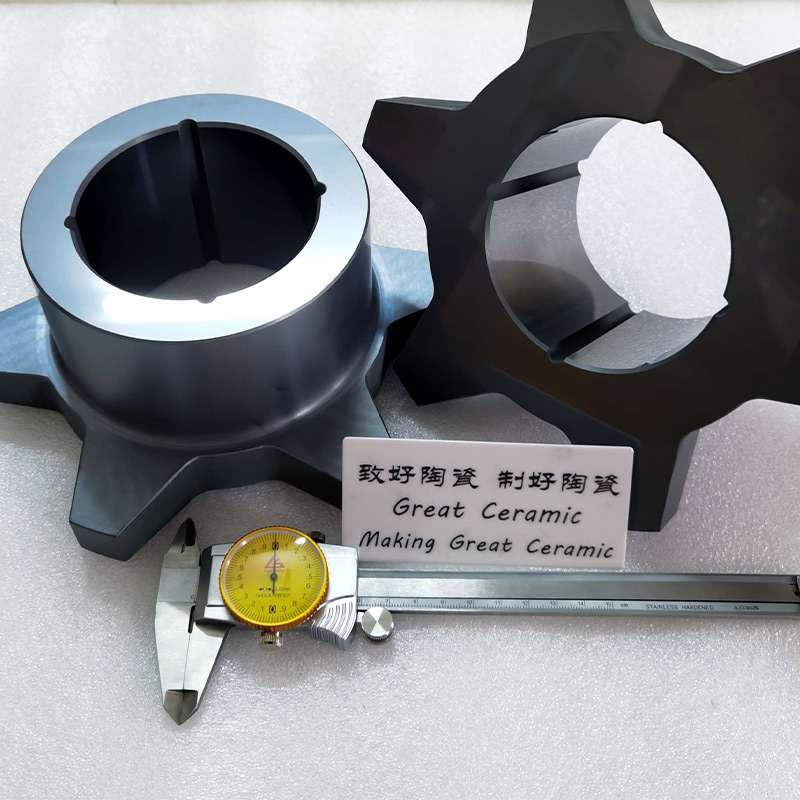

Related Product Catalogue and Quotation

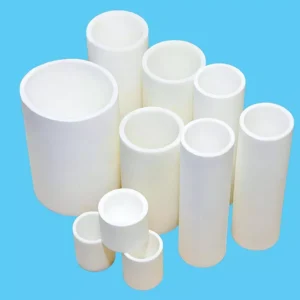


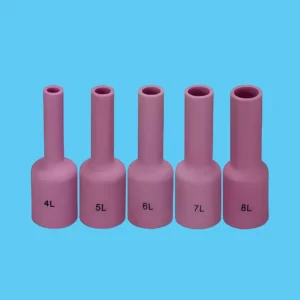



Alumina Ceramics Machining and Design Guide: Six RFQ Checks
Turn application needs into a clearer discussion of grade, geometry, surfaces, process options, and acceptance expectations before quotation.
Current Drawing Revision
Share the current drawing revision so dimensions, notes, and changes are reviewed against one defined part requirement before a quotation discussion begins.
Material Grade Context
Identify the alumina designation when known, then connect it to electrical, thermal, wear, chemical, and mechanical conditions relevant to the intended application.
Geometry That Assembles
Call out assembly-critical dimensions, wall sections, holes, threads, corners, and interfaces so the component geometry can be discussed in relation to its mating parts.
Suitable Process Discussion
Use the drawing and functional needs to discuss forming, firing, grinding, drilling, or other finishing considerations without assuming every process combination applies.
Functional Surface Priorities
Mark surfaces that seal, locate, slide, contact, or mate with another component, helping distinguish functional requirements from noncritical cosmetic preferences during review.
Acceptance Evidence Needed
State the inspection records, material documentation, dimensional checks, packaging needs, and other evidence required for your project approval and receiving process.
Common Alumina Component Forms
Use these starting points to frame geometry, service conditions, material grade, and inspection requirements before requesting a project-specific quotation.

Ceramic Manufacturing Capabilities
Review ceramic manufacturing capabilities in relation to the part drawing: tubes, rods, rings, plates, and machined profiles. Define critical dimensions, mating surfaces, tolerances, quantities, and required documentation so the feasibility discussion is tied to the intended component.
Discuss Your Ceramic Part
Ceramic Solutions by Industry
Explore advanced ceramics applications by the operating problem, including electrical insulation, wear exposure, heat, chemical contact, or structural support. Industry context helps identify the service conditions and acceptance requirements that should accompany an alumina component inquiry.
Discuss Your Ceramic Part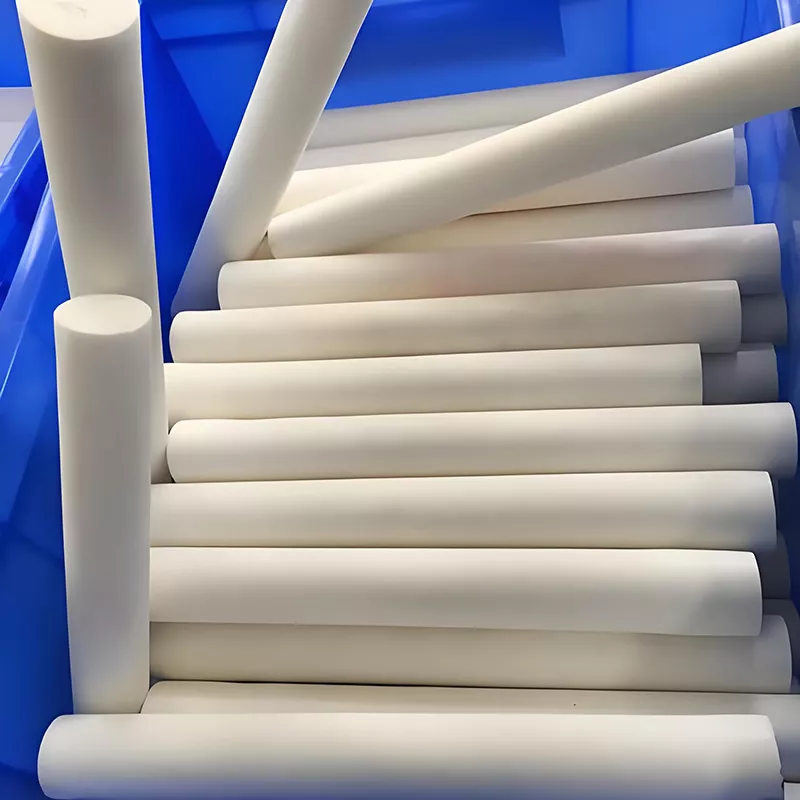
Advanced Ceramic Materials
Compare advanced ceramic materials as a starting point for material selection, not a final specification. Alumina grades and alternative ceramic families should be considered alongside geometry, mechanical loading, temperature, electrical needs, and the surfaces that interface with adjoining parts.
Discuss Your Ceramic Part
Technical Ceramic Products
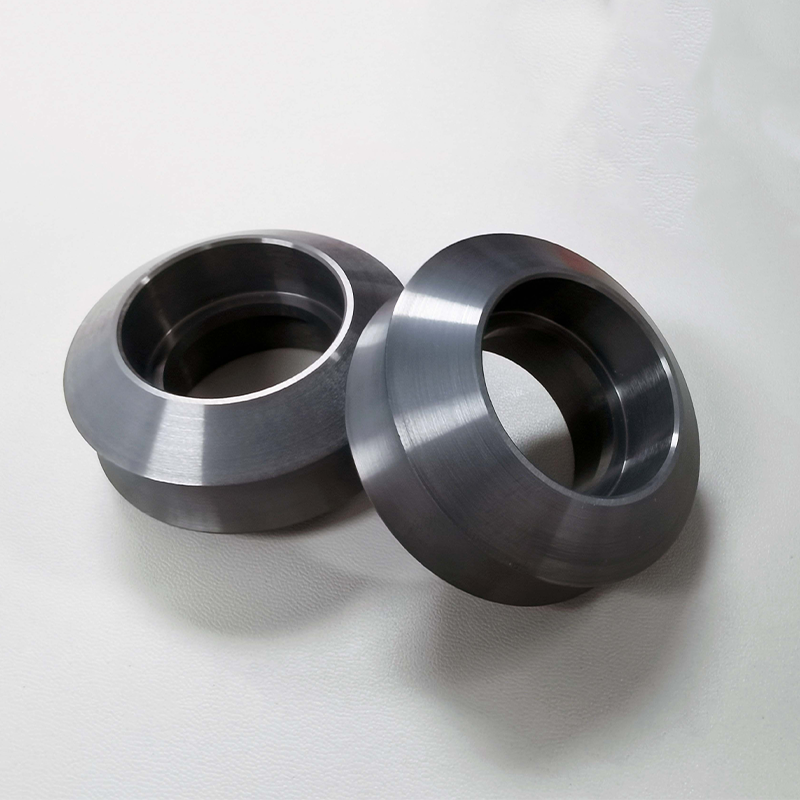
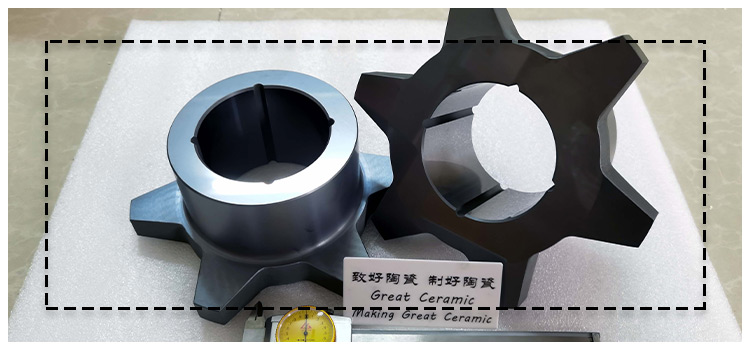
Technical ceramic products cover familiar component forms such as insulating tubes, wear rings, guide components, nozzles, substrates, and custom machined parts. Submit the current drawing revision and application details to clarify which geometry, grade, and inspection criteria apply to the project.
Discuss Your Ceramic Part
Technical Ceramic Resources
Use this technical ceramics guide to prepare a clearer sourcing request. Include the part function, material designation if known, drawing dimensions, service environment, quantity, critical interfaces, and acceptance criteria; email info@zlrsmaterials.com or WhatsApp +86 130 6482 5920 to begin.
Discuss Your Ceramic PartAlumina Ceramics Machining and Design Guide: Materials to Discuss


Zirconia Ceramics
A tough technical ceramic often discussed for parts that combine complex geometry with mechanical contact, including valve, wear, and assembly components. Grade, stabilization approach, mating conditions, and dimensional requirements require project-specific confirmation.
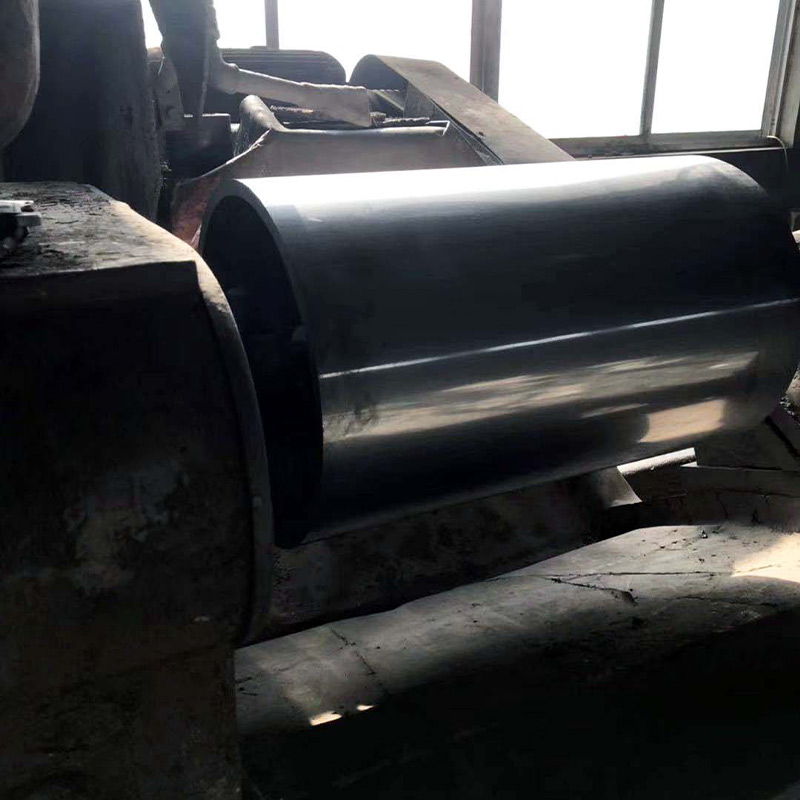
Silicon Carbide Ceramics
A ceramic family commonly evaluated for abrasive, corrosive, or thermally demanding service, including seals, fixtures, and wear components. The intended environment, joining interfaces, finish expectations, and drawing tolerances guide the material conversation.

Silicon Nitride
A technical ceramic option for mechanically loaded or thermal-cycling components, including rolling elements, guides, and precision assemblies. Part shape, load path, operating temperature, and acceptance documentation help define an appropriate inquiry.
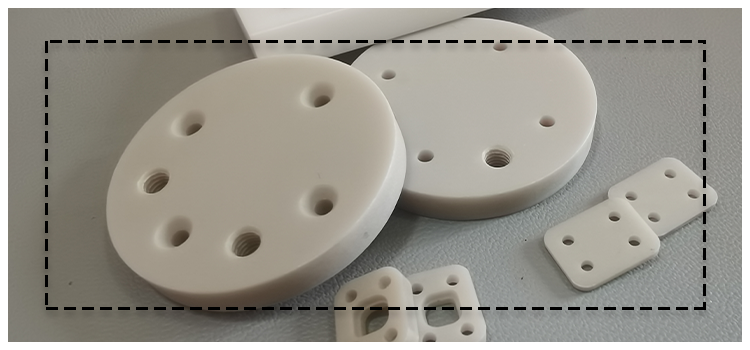
Aluminum Nitride
A ceramic material frequently considered for electrically focused components where thermal management is part of the design discussion. Substrate dimensions, metallization needs, assembly interfaces, and environmental conditions should accompany the drawing.

Boron Nitride
A specialty ceramic family that may suit thermal processing, electrical, or non-wetting contact applications. Grade form, service atmosphere, component geometry, and handling requirements should be clarified before a quotation basis is established.
Alumina Ceramics Machining and Design Guide: Processes to Discuss

Diamond Grinding
Diamond grinding can refine critical dimensions, profiles, and mating surfaces on alumina components. Share the drawing revision, datum scheme, tolerance requirements, and affected surfaces so process suitability can be reviewed for the specific part.

Feature Drilling
Drilling may be considered for holes, passages, and assembly features in an alumina design. Identify diameter, depth, location, edge condition, and functional purpose to help clarify the feature requirements during the inquiry discussion.

Surface Polishing
Polishing can be discussed where smoother surfaces, controlled contact areas, or appearance requirements matter. Specify the relevant faces, surface-finish expectation, and how the component interfaces with adjacent parts rather than relying on a general description.

Metallization Options
Metallization may be relevant when an alumina component needs an electrical or mechanical interface. Provide the interface location, joining method, operating environment, and documentation needs so the requirement can be assessed on a project basis.

Dimensional Inspection
Inspection planning connects the finished component to its drawing and acceptance criteria. Mark critical dimensions, reference datums, measurement expectations, and required records so a quotation conversation distinguishes essential controls from preferred details.
Alumina Ceramics Machining and Design Guide: Functional Features

Mating Surfaces
Mark every surface that seats, seals, locates, or slides against another component. Include the controlling dimensions, datum references, finish expectations, and inspection criteria so the assembly relationship can be discussed clearly.

Threaded Features
Flag internal or external threads, threaded inserts, and fastening locations on the drawing. State the mating hardware, engagement needs, load direction, and any preferred assembly sequence for a more focused feasibility discussion.

Metallized Areas
Define the areas intended for metallization, electrical connection, brazing, or other downstream joining. Identify boundaries, contact zones, mating materials, service environment, and acceptance requirements as part of the inquiry.

Grooves And Reliefs
Call out grooves, recesses, edge reliefs, and other local geometry that affects seals, retention, clearance, or stress concentration. Provide section views and critical dimensions to distinguish essential functional details from cosmetic preferences.

Bonded Interfaces
For ceramic-to-metal or ceramic-to-ceramic assemblies, identify the bond line, interface geometry, mating materials, operating conditions, and any testing or documentation expectations. This helps frame the component requirement beyond the ceramic part alone.
About Porcecore
Founded by Andy Yuan, Porcecore helps industrial buyers, engineers, equipment builders, and distributors source technical ceramic components, industrial ceramic parts, and custom ceramic components by starting with the part and the job it must perform.
Our range spans oxide, nitride, carbide, and specialty ceramic families, including familiar component forms such as tubes, rods, rings, and substrates. We differ by treating a material listing as the beginning of a project-specific discussion, not a promise that every grade, size, or process combination is available.
Porcecore uses application-first, drawing-led communication to make quotation discussions more concrete. Share the current drawing revision, known material designation, quantity, service environment, mating surfaces, key assembly dimensions, and acceptance requirements. This helps identify open questions before commitments are made.

Turn a Drawing into Quotable Requirements
Start With the Drawing
Share the current drawing revision so the discussion can focus on the part rather than a material name alone. Identify dimensions that govern assembly, critical interfaces, and features whose geometry may influence the machining and inspection conversation.
- Provide the current drawing revision
- Mark assembly-critical dimensions
- Identify mating and sealing surfaces
- Note any replacement-part references

Connect Grade to Service
An alumina designation is a useful starting point, but the working requirement also depends on the service environment and functional role. Discuss electrical, thermal, wear, chemical, or mechanical considerations alongside the component geometry before requesting a quotation.
- Describe operating temperature and environment
- State electrical or insulation needs
- Flag wear, load, or contact conditions
- Name the component's functional role

Plan Geometry Before Pricing
The alumina ceramics machining and design guide approach is to review form, features, and interfaces together. Holes, threads, thin walls, edges, grooves, and complex profiles should be visible in the inquiry so open manufacturability questions can be identified early.
- Call out holes and internal features
- Identify thin or fragile sections
- Specify edge and corner expectations
- Highlight complex profiles or grooves

Define Acceptance Clearly
A quotation discussion becomes more useful when acceptance expectations are stated upfront. Include requested tolerances, surface requirements, inspection points, documentation needs, quantity, and delivery context so essential requirements can be distinguished from preferences before commitment.
- List dimensional tolerances
- Specify surface or finish needs
- State required inspection records
- Include quantity and delivery context

Requirement-First Sourcing for Alumina Parts
Compare a drawing-led project discussion with material-only sourcing conversations.
← Swipe left or right to view →
From Requirement Review to Shipment Discussion
Use this alumina ceramics machining and design guide workflow to turn a drawing-led inquiry into clear project decisions.
Share Drawings and Conditions
Send the current drawing revision, known material designation, quantities, operating environment, mating interfaces, and dimensions that determine assembly performance.
Confirm Critical Requirements
Review proposed grade, geometry, tolerances, surface requirements, acceptance criteria, and requested documentation so essential needs are separated from preferences.
Plan Production Approach
Discuss feasible forming, machining, and finishing considerations for the specified part, with project-specific details confirmed before any production commitment.
Align Inspection Expectations
Define the dimensions, surfaces, inspection records, and acceptance checks relevant to approval, helping align the quotation discussion with the drawing.
Discuss Packing and Delivery
Confirm packing needs, delivery expectations, documentation, and commercial terms for the individual project before an order is agreed.
How to Use the Alumina Ceramics Machining and Design Guide
Move from a current drawing to a clearer, project-specific quotation discussion with Porcecore.
Send Your Current Drawing
Share the latest drawing revision, part form, quantity, and known material designation so the alumina ceramics machining and design guide discussion starts with defined geometry.
Clarify Service Requirements
Identify operating conditions, mating surfaces, assembly-critical dimensions, inspection expectations, and any documentation needs that may influence grade selection, machining approach, or acceptance criteria.
Review Project Details
Discuss open technical questions and distinguish essential requirements from preferences before advancing a quotation conversation for the specific component, application, and requested delivery scope.
Confirm Next Decisions
Review the proposed project basis, then confirm material grade, dimensions, tolerances, documentation, commercial terms, and next steps required before any production order is agreed.
Alumina Ceramics Machining and Design Guide: Documentation Requirements
Alumina Ceramics Machining and Design Guide: Buyer Requirement Scenarios
We need the quotation discussion to begin with the current drawing revision, the dimensions that control assembly, and the surfaces that mate with our housing. Material designation, quantity, and acceptance criteria should be reviewed as project-specific requirements.
Our purchasing team needs a clear distinction between a general alumina material description and the grade, geometry, documentation, delivery, and commercial terms confirmed for the individual order. That helps us compare quotations against the same requirement.
For a replacement ceramic ring, we would provide the existing part details, operating environment, mating interfaces, and inspection expectations. The next useful decision is identifying which dimensions are essential to fit and which preferences can remain open.
Buyer FAQs for Alumina Ceramic Parts
Clarify commercial and technical inputs before requesting a project-specific quotation.
How does the alumina ceramics machining and design guide help prepare an RFQ?
Is there a minimum order quantity for alumina ceramic components?
What lead time should we expect for a custom alumina part?
Can we request samples before a production order?
How should payment and shipping requirements be included in an inquiry?
How does Porcecore handle drawing revisions and IP-sensitive information?
Which details in the alumina ceramics machining and design guide matter most for tolerances?
When should we use the alumina ceramics machining and design guide for grade selection?
Alumina Ceramics Machining and Design Guide for Buyers
A practical decision framework for specifying machinable alumina parts, comparing material and process choices, qualifying suppliers, and avoiding drawing, tolerance, and sourcing mistakes before production.
1. What Is This Alumina Ceramics Machining and Design Guide?
Alumina (Al2O3) is an engineering ceramic chosen when a component must combine high hardness, electrical insulation, wear resistance, and thermal stability in its actual service environment. This alumina ceramics machining and design guide translates those functional needs into a part definition: geometry, mating surfaces, operating loads, thermal exposure, and inspection criteria.
Porcecore starts with the drawing and the job the part must perform, because brittle ceramics do not tolerate late design changes as readily as ductile metals. Consider machined alumina for insulating fixtures, wear interfaces, precision rings, tubes, rods, or substrates when the functional benefit justifies diamond-based finishing after sintering. Confirm grade, critical datums, tolerances, surface requirements, quantity, and acceptance documentation before treating an inquiry as a production specification.
99.5% is one commonly referenced high-purity alumina designation, but purity alone does not establish suitability or availability for a specific part. Post-sinter machining can create precise features, yet sharp internal corners, thin unsupported sections, and unspecified fit surfaces should be resolved early with the manufacturing discussion.
2. Evolution of Alumina Ceramic Manufacturing
1,500–1,700°C is a commonly cited sintering range for alumina, where controlled kiln cycles convert formed powder bodies into dense parts while predictable shrinkage becomes a design input rather than an afterthought (https://ggsceramic.com/news-item/understanding-alumina-ceramics-from-raw-material-precision-machining). Conventional forming remains important, but it alone does not define the finished geometry.
Diamond grinding expanded practical capability after firing by allowing hard, dense alumina to be brought to critical diameters, faces, holes, and mating features. CNC motion and inspection now connect datums, tolerances, and measured results more consistently than legacy assumptions of broadly variable ceramic shapes.
3D CAD and revision-controlled drawings have therefore shifted the buying conversation toward part-specific RFQs. In an alumina ceramics machining and design guide, specify the functional surfaces, inspection method, material designation, quantity, and service environment; confirm feasibility and acceptance criteria for the actual project.
3. Alumina Ceramics Machining and Design Guide: Part Types
Part category should be selected from the assembly function first: a flat insulating surface, rotating sleeve, abrasion interface, or sealed joint. In an alumina ceramics machining and design guide, geometry and critical surfaces determine the practical forming and finishing discussion.
Plates And Substrates

Flat plates and substrates suit insulating barriers, heater supports, and patterned assemblies. Specify thickness, flatness-critical faces, holes, and edge condition; green forming followed by grinding is commonly considered for precision faces.
Tubes And Sleeves

Cylindrical tubes and sleeves suit electrical isolation, fluid guidance, and shaft protection. Define bore, wall thickness, length, concentric mating surfaces, pressure, and thermal cycling before choosing formed blanks and finish grinding.
Wear Parts
Wear parts include nozzles, guides, liners, and rollers exposed to abrasion. Identify the contact medium, load path, impact risk, and replaceable interfaces so attention stays on the working profile rather than noncritical surfaces.
Seals And Precision Forms

Sealing rings and complex geometries require datum-led drawings, mating details, and inspection criteria. Concentrate finishing on seal faces, bores, and assembly features; avoid treating a product image as a production specification.
4. Alumina Grades and Material Selection
Commercial alumina commonly spans about 85% to 99.9% purity; composition and microstructure must match the service environment. Specify only the electrical, chemical, wear, thermal, and reliability margin the part actually needs.
| Material Characteristic | Suitable Applications | Buyer Watch-Out |
|---|---|---|
| 85–96% dense alumina | General insulators, wear parts | Confirm chemical exposure and dielectric need |
| 96–99% dense alumina | Heating, abrasion, corrosive service | Avoid paying for purity without a requirement |
| 99.5%+ high purity | Demanding electrical or chemical environments | Confirm grade-specific test values |
| Porous alumina | Filters, permeable supports | Define porosity, strength, and sealing needs |
Purity And Additives
Lower-purity grades usually contain glass-forming additives that aid sintering and reduce cost. Higher-purity grades can improve insulation, corrosion resistance, hardness, and high-temperature behavior, but raise material and finishing cost.
Density And Grain Structure
Dense, fine-grained alumina generally favors wear surfaces, vacuum-tight parts, and electrical insulation. Porous alumina suits filtration or controlled permeability, but its lower strength and different sealing behavior require explicit acceptance criteria.
Specification Decision
Match purity, density, grain condition, and critical properties to the medium, temperature, voltage, load, and mating surfaces. Request grade-specific data rather than treating a published family property as a contractual value.
5. Alumina Ceramics Machining and Design Guide: Finishes
Finishing should be specified only where it changes sealing, electrical contact, wear, fit, or identification. In an alumina ceramics machining and design guide, separate functional surfaces from display-only requirements before quotation.
| Option | Functional Purpose | Drawing Requirement |
|---|---|---|
| Diamond ground | Fit and wear | Surface and roughness |
| Lapped | Flat contact | Flatness and test |
| Laser marked | Traceability | Text and location |
Functional Surface Finishes
Diamond grinding is practical for controlled dimensions and mating surfaces. Call out the surface, datum, tolerance, roughness target, and inspection method.
Lapping improves flatness and contact; polishing is reserved for optical, low-friction, or cleanliness needs. State the functional reason rather than requesting a generic polished finish.
Coatings And Identification
Metallization requires the coating area, thickness requirement, adhesion test, and subsequent joining process. Glazing is appropriate only when an insulating or cleanable surface is required.
Laser marking provides durable identification without implying a performance finish. Specify content, location, character height, contrast expectation, and prohibited surfaces.
Assembly Features
Threads, grooves, chamfers, and bonded interfaces need mating-part dimensions and assembly loads. Identify sharp-edge breaks, orientation marks, and any no-contact zones on the drawing.
6. Design Elements That Control Quality
Two design decisions—where dimensions originate and which surfaces function—should be settled before quotation. The alumina ceramics machining and design guide starts with a controlled drawing, not a nominal shape.
Geometry And Stress Relief
Uniform wall transitions reduce differential drying and firing stress. Specify generous internal radii; sharp inside corners concentrate stress and can raise cracking risk.
Every hole needs its diameter, depth, position datum, and edge condition. Avoid deep, small-diameter features unless their function justifies the added process risk.
Datums And Tolerances
One primary datum scheme should locate all assembly-critical features. Apply dimensional tolerances, flatness, and surface finish only where mating or performance requires them.
Tighter tolerances usually require more grinding and inspection. State the measurement method, sampling basis, and acceptance limits on the drawing.
Firing Allowance And Interfaces
15–20% firing shrinkage is commonly reported for alumina and must be controlled by the manufacturing route, not assumed from a generic value: https://ggsceramic.com/news-item/understanding-alumina-ceramics-from-raw-material-precision-machining.
Threads are usually better designed as metal inserts or mating hardware when practical. Identify insert location, bonding constraints, service temperature, and torque requirements before requesting quotes.
7. How to Choose an Alumina Manufacturer
Three checks beyond unit price reveal whether a supplier can repeatedly make the specified part: traceability, measurement evidence, and controlled first-article communication. Use the same drawing revision and acceptance criteria for every quotation.
| Criterion | Buyer Question | Evidence To Compare |
|---|---|---|
| Traceability | Which batch supports this part? | Material certificate and lot record |
| Capability | Which features are post-fired ground? | Feature-specific tolerance statement |
| Approval | How are deviations closed? | First-article report and action log |
Material Traceability
Ask for the material designation, batch identification, and certificate format. Confirm whether traceability follows the part through forming, firing, and final machining.
Process Capability
Ask which forming route suits the geometry and which features are ground after firing. Request achievable tolerances by feature, not one blanket tolerance.
Metrology And Documentation
Ask how critical dimensions, flatness, and surface condition are verified. Define required inspection reports, sampling, and retained records before release.
First-Article Communication
Ask for a first-article plan with datum interpretation, deviation handling, and approval gates. Compare response clarity, corrective-action ownership, and capacity evidence alongside price.
8. Common Buyer Mistakes in Alumina Projects
Two avoidable gaps—an incomplete drawing and undefined acceptance criteria—often turn a straightforward alumina inquiry into repeated qualification loops. This alumina ceramics machining and design guide treats them as requirements to close before quotation.
Specify Grade By Service
85% to 99.9% alumina grades are not interchangeable; selecting purity by assumption can misalign insulation, wear, thermal, or cost needs. State the service environment, material designation if known, and the property that governs the part.
Design For Ceramic Behavior
Metal-style sharp corners, thin unsupported sections, and press-fit assumptions can concentrate stress in brittle ceramic parts. Identify assembly loads, mating materials, edge conditions, and installation method early, then request geometry feedback before sampling.
Control What Matters
One drawing needs functional datums and critical dimensions; tolerancing every feature tightly raises grinding effort without improving assembly. Freeze revisions before production and approve samples against documented dimensions, surface requirements, inspection method, and acceptance criteria.
9. Alumina Ceramics Machining and Design Guide: RFQ Steps
A complete RFQ turns an alumina concept into comparable supplier responses. Start with the duty, then lock the drawing and acceptance criteria before asking for price.
Define The Application
One application brief should state the material shortlist, operating temperature, media, electrical conditions, loads, mating parts, and failure concern.
Two demand figures matter: initial quantity and expected annual demand. State prototype needs and required delivery date separately.
- Current drawing revision
- Known material designation
- Assembly-critical dimensions
- Service environment
- Required documents
Review Manufacturability
One pre-quote review should identify fragile edges, thin sections, datums, tolerances, surface requirements, and features requiring post-fire machining.
Two outcomes are useful: accepted drawing changes or documented exceptions. Release only a controlled revision for quotation.
Validate Before Production
One comparison sheet should align scope, material assumptions, inspection, tooling, lead time, and commercial terms across quotations.
First prototypes should be validated in the intended assembly. Approve first-article results against named dimensions and inspection methods before production release.
10. Alumina Machining Pricing and Cost Drivers
96% and 99.5% alumina are distinct material choices; higher purity can raise material and machining cost, but the drawing must establish whether the performance gain is needed. Published industry guidance identifies alumina grades from 85% to 99.9%: https://ferroceramic.com/alumina
Two cost multipliers usually dominate landed-part cost: post-sinter diamond-grinding time and tolerance-and-inspection burden. Deep features, thin walls, fine finishes, custom tooling, complex datums, and low order volume increase setup or processing cost; confirm grade, geometry, acceptance criteria, packaging, freight, and documentation before comparing quotations.
| Quantity tier | Relative unit cost | Typical lead-time driver | Cost-control choice |
|---|---|---|---|
| Prototype: 1–10 | Highest | Setup, fixtures, first-article inspection | Use standard stock geometry where practical |
| Low volume: 11–100 | High | Grinding cycle and tight tolerances | Limit critical dimensions to mating surfaces |
| Production: 101–1,000 | Lower | Tooling validation and batch scheduling | Amortize tooling across a released forecast |
| Repeat production: 1,000+ | Lowest relative | Capacity, inspection sampling, logistics | Freeze drawing revision and approved grade |
Start Your Alumina Part Review
Email your drawing, component details, service conditions, quantity, and acceptance criteria to begin a focused quotation discussion.