
Alumina Ceramics Properties and Selection Guide for RFQs
Use this alumina ceramics properties and selection guide to define grade, geometry, service conditions, and acceptance criteria before requesting a quotation.
Featured Industrial Ceramic Parts for Alumina Applications


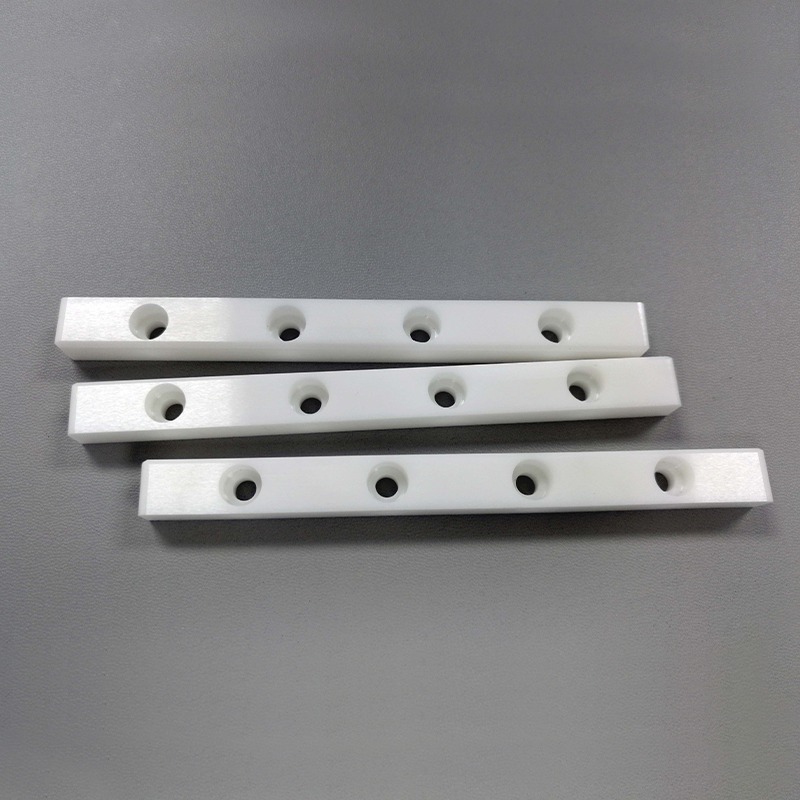
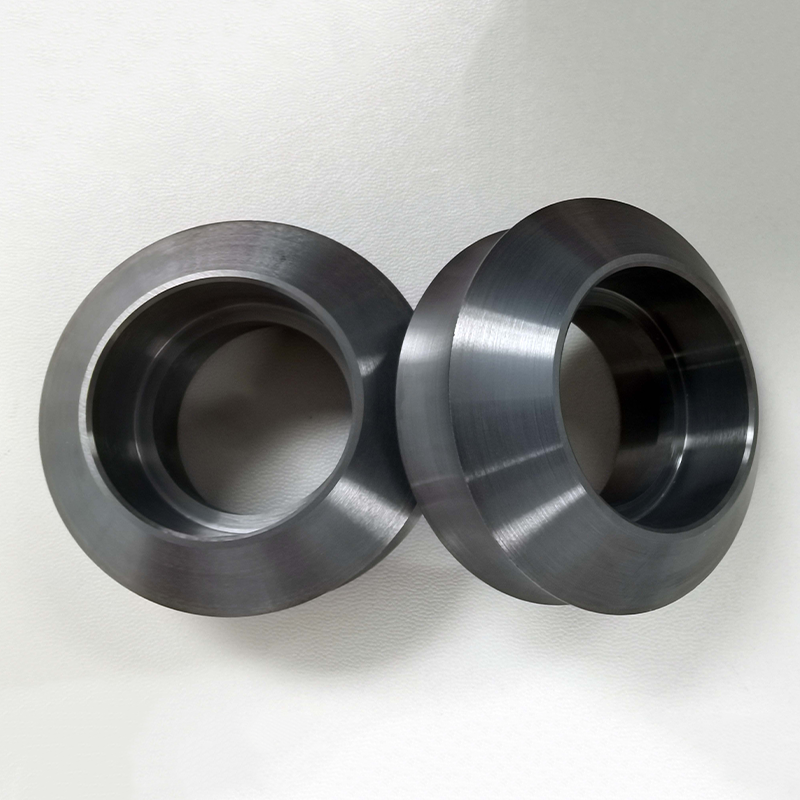


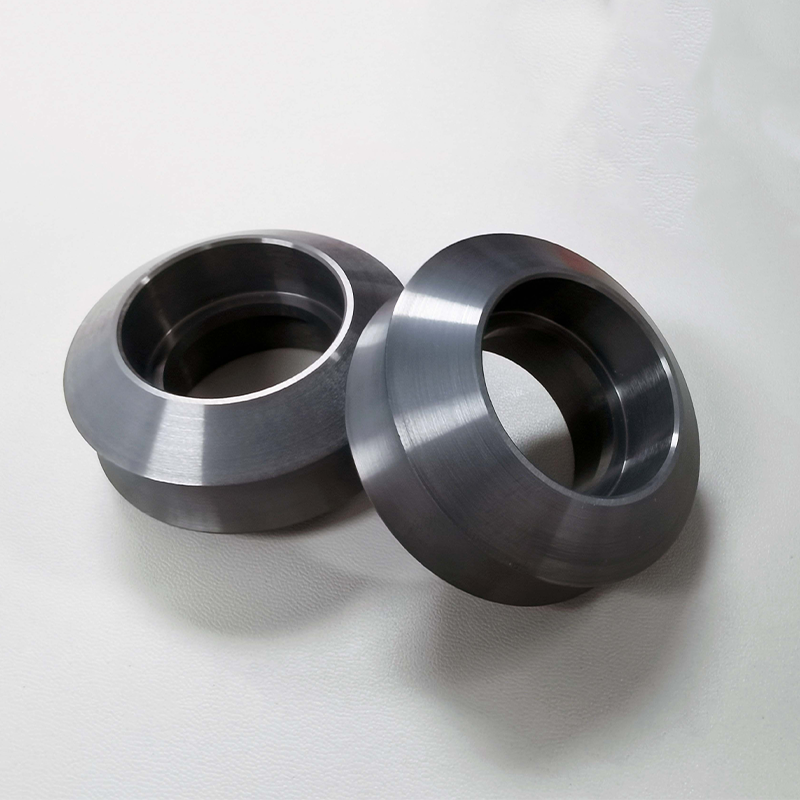



Related Alumina Components Catalogue & Quotation


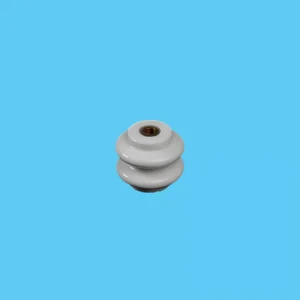

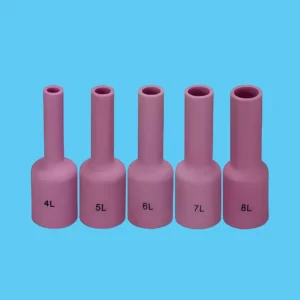



Alumina Ceramics Properties and Selection Guide for Industrial Parts
Assess material behavior alongside the drawing, service environment, and acceptance criteria before requesting a quotation.
Grade Fits the Function
Confirm the alumina grade against electrical, wear, chemical, thermal, and contamination priorities. General property data supports comparison, but the selected grade must match the application.
Brittleness Needs Context
Consider impact exposure, tensile loading, stress concentrations, assembly forces, and thermal cycling. Alumina’s hardness and stiffness should be evaluated alongside fracture risk in the finished geometry.
Geometry Drives Manufacturability
Share the current drawing revision, critical dimensions, wall sections, holes, radii, and tolerances. Part geometry influences the feasible forming, finishing, handling, and inspection discussion.
Functional Surfaces Defined
Identify mating faces, sealing areas, wear tracks, electrical interfaces, and reference datums. Clarifying which surfaces govern assembly helps focus finishing and inspection requirements.
Service Conditions Documented
Describe media exposure, operating temperature, electrical duty, loads, cycling, and installation conditions. These details help determine whether alumina ceramic properties suit the intended component function.
Inspection Evidence Agreed
State the acceptance criteria, required dimensions, surface expectations, material designation, and documentation needs. Aligning evidence before quotation makes the project requirement clearer for all parties.
Common Alumina Component Forms to Specify
Use familiar ceramic forms to frame drawings, interfaces, service conditions, and acceptance requirements before a project-specific quotation discussion.

Ceramic Manufacturing Capabilities
Ceramic manufacturing capabilities begin with the required component form, geometry, tolerances, and critical surfaces. Share the drawing revision, quantity, material designation, and inspection expectations so the proposed process can be discussed against the actual part requirement.
Discuss Your Ceramic Part
Ceramic Solutions by Industry
Advanced ceramics applications vary by operating environment, assembly interface, and functional duty. Describe temperature exposure, electrical or thermal needs, wear conditions, media contact, and the surfaces that mate with adjacent components before selecting a project approach.
Discuss Your Ceramic Part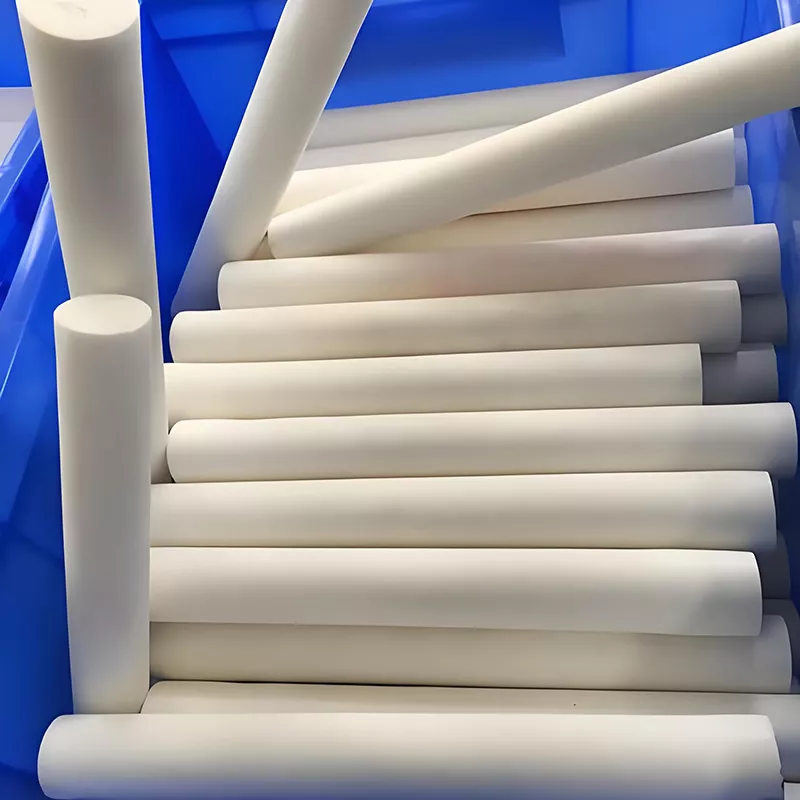
Advanced Ceramic Materials
Advanced ceramic materials include oxide, nitride, carbide, and specialty ceramic families. Material names provide a starting point; the applicable grade, geometry, processing route, and property values require confirmation for the individual component and service conditions.
Discuss Your Ceramic Part
Technical Ceramic Products
Technical ceramic components include tubes, rods, rings, plates, substrates, and other drawing-defined parts. Product illustrations identify familiar forms, while dimensions, tolerances, mating features, material grade, documentation, and delivery terms remain project-specific discussion points.
Discuss Your Ceramic Part
Technical Ceramic Resources
A technical ceramics guide helps procurement and engineering teams organize an inquiry around function, drawing details, material questions, and acceptance criteria. Use it to identify open requirements, then email a drawing or contact Porcecore by WhatsApp to begin a quotation conversation.
Discuss Your Ceramic PartAlumina Ceramics Properties and Selection Guide: Grades to Discuss


99% Alumina
A higher-purity alumina option often considered where electrical behavior, wear performance, or chemical exposure matters. Confirm density, surface finish, geometry, service environment, and grade-specific property requirements before defining the part specification.

Zirconia Ceramics
A ceramic family to discuss when toughness and resistance to crack propagation are central concerns. Its suitability depends on load direction, impact exposure, mating surfaces, operating temperature, and the component’s required dimensions and tolerances.

Silicon Carbide Ceramics
A ceramic family commonly evaluated for abrasive, thermal, or chemically demanding service conditions. Review heat flow, thermal cycling, corrosion exposure, geometry, and inspection criteria alongside the drawing before selecting a material direction.

Silicon Nitride
A ceramic family worth considering for demanding mechanical and thermal-cycling applications. Evaluate stress conditions, impact risk, temperature changes, component geometry, and critical assembly dimensions to establish whether it fits the project requirement.

Aluminum Nitride
A ceramic family for discussions where thermal management and electrical insulation may both influence the part requirement. Confirm operating environment, heat path, mounting arrangement, geometry, and documentation expectations before committing to a grade.
Alumina Ceramics Properties and Selection Guide: Forming and Finishing Routes

Dry Pressing
A pressing route for repeatable, relatively simple profiles such as discs, blocks, and rings. Discuss wall thickness, draft, holes, and machining allowance early so the formed shape supports the required finished part.

Isostatic Pressing
Powder is compacted under pressure to support more uniform green density in selected shapes. It can be a useful discussion point for thicker sections, tubular forms, and subsequent machining needs.

Ceramic Extrusion
Extrusion forms continuous profiles that can be cut into tubes, rods, and other constant-cross-section components. Confirm straightness, bore geometry, cut length, and the surfaces requiring post-sintering finishing.
Green Machining
Features are machined before sintering while the part remains in a more workable condition. This route may help define holes, slots, and contours, but shrinkage and final tolerance requirements still need project-specific review.

Diamond Finishing
Post-sintering diamond grinding, lapping, or polishing addresses critical dimensions and mating surfaces. Identify datum features, tolerance zones, surface-finish targets, and inspection methods on the current drawing revision.
Alumina Ceramics Properties and Selection Guide: Functional Part Requirements

Critical Surfaces
Identify sealing faces, bearing locations, contact areas, and cosmetic surfaces on the drawing. Note finish, flatness, edge condition, and inspection expectations so the component can be evaluated around its actual assembly function.

Mating Interfaces
Define the dimensions and surfaces that locate, support, or connect to another part. Include fit intent, datum references, fastening details, and load direction to help assess geometry alongside alumina material selection.

Part Identification
Specify any requested part numbers, revision marks, batch identifiers, or packaging labels. Clear identification requirements help procurement teams receive, inspect, and trace components against the correct drawing and purchase documentation.

Protective Packaging
Describe handling risks, quantity per pack, separation needs, and any cleanliness or moisture controls required during shipment. Packaging should reflect fragile edges, finished surfaces, and the way parts will move into receiving or assembly.

Inspection Records
State the documents needed for review, such as dimensional reports, material designation, lot references, or agreed acceptance records. Requirements should be confirmed for the individual project before a production order is finalized.
About Porcecore
Porcecore was founded by Andy Yuan to make technical ceramic procurement more understandable for industrial buyers, equipment builders, and engineering teams. Our alumina ceramics properties and selection guide approach starts with the component’s job, then connects material considerations to geometry, mating surfaces, operating conditions, and acceptance expectations.
We cover familiar oxide, nitride, carbide, and specialty ceramic families alongside practical component forms such as tubes, rods, rings, and substrates. Rather than treating a material name as a complete specification, we help frame the questions that determine whether a grade, process, and finished part align with the project requirement.
What makes Porcecore different is drawing-led communication and clarity before commitment. Send the current drawing revision, known material designation, quantity, service environment, critical surfaces, and documentation needs. This gives a quotation discussion a concrete basis and distinguishes general material guidance from a project-specific production agreement.

Alumina Ceramics Properties and Selection Guide: Define an Inspectable Part
Review the Operating Job
Begin with the component’s actual duty: electrical isolation, wear exposure, temperature, media, load direction, and assembly constraints. This application review helps frame whether alumina is a suitable starting material and identifies questions that should be resolved before a part is quoted.
- Describe the operating environment and service conditions
- Identify electrical, mechanical, thermal, and chemical priorities
- Note impact, vibration, or rapid temperature-change exposure
- Flag interfaces with metals, seals, or mating components

Build From the Drawing
A material name alone does not define a producible component. Share the current drawing revision and identify dimensions that govern assembly, surfaces that mate with other parts, and any features requiring particular attention during the quotation discussion.
- Send the latest drawing revision when available
- Mark critical dimensions and functional surfaces
- State required quantities and target part form
- Clarify threads, holes, grooves, or finishing needs

Clarify Grade and Geometry
Use this guide to connect a general material family with the project’s grade, shape, and service priorities. Purity, additives, geometry, wall thickness, corners, and finishing allowances all require project-specific review rather than assumption.
- Provide a known material designation if applicable
- Discuss grade-specific values for the intended service
- Review geometry for brittle-material design considerations
- Separate essential requirements from preferred options

Align Inspection Expectations
Define how the finished part will be evaluated before moving toward a production agreement. Dimensional tolerances, visual criteria, material documentation, test needs, packaging, and delivery terms should be stated clearly so the quotation conversation has a practical acceptance basis.
- List critical tolerances and inspection points
- Specify requested documentation or reports
- Describe cosmetic and surface-finish expectations
- Confirm acceptance criteria before order commitment

Alumina Ceramics Properties and Selection Guide: Requirement-First Sourcing
Porcecore frames the material discussion around the part, its service conditions, and confirmation needs.
← Swipe left or right to view →
Alumina Ceramics Properties and Selection Guide: From Inquiry to Delivery Discussion
Move from a part requirement to a clearer quotation conversation by confirming the details that shape material, manufacturing, inspection, packing, and delivery expectations.
Share Part Requirements
Send the current drawing revision, component form, quantity, operating environment, mating surfaces, and dimensions that determine assembly or replacement-part fit.
Review Material Priorities
Discuss alumina grade considerations alongside electrical, wear, chemical, temperature, and mechanical priorities, while identifying limitations or open questions for the application.
Align Process And Geometry
Review feasible forming and finishing considerations for the specified tube, rod, ring, substrate, or custom shape, including critical surfaces and tolerance priorities.
Define Inspection Expectations
Clarify acceptance criteria, required dimensions, surface conditions, material designation, documentation needs, and any inspection points needed for project approval.
Confirm Packing And Terms
Confirm packaging needs, delivery expectations, shipping terms, commercial details, and the final project-specific requirements before progressing toward an agreed production order.
How to Start Your Alumina Ceramic Inquiry
Turn alumina ceramics properties and selection guide considerations into a clearer component quotation discussion.
Send the Current Drawing
Provide the latest drawing revision or describe the component form, including assembly-critical dimensions and surfaces that interface with mating parts.
Define Service Conditions
State operating temperature, media exposure, electrical requirements, loads, wear conditions, and other factors that shape material and geometry decisions.
Specify Quantity and Grade
Share anticipated quantity, material designation if known, and any performance priorities relevant to the application for custom ceramic components.
Clarify Acceptance Requirements
Identify tolerances, surface finish, inspection needs, documentation, and acceptance criteria so the quotation discussion reflects the part requirement.
Confirm Project Details
Review proposed grade, dimensions, manufacturing considerations, delivery expectations, and commercial terms before moving from inquiry toward an agreed production order.
Certification and Documentation Requirements

What Buyers Need for a Clearer Alumina RFQ
A clear RFQ connects the alumina grade, drawing revision, critical dimensions, and inspection requirements before production commitments are discussed.
Approved customer feedback will be added when available. A useful sourcing outcome is clarity on which tolerances, mating surfaces, and service conditions require confirmation for the individual ceramic part.
Approved customer feedback will be added when available. Procurement teams seek a documented path from component requirement to material discussion, quantity review, and acceptance criteria for an informed RFQ.
Alumina Ceramics Properties and Selection Guide FAQs
Clarify the inputs needed to move from a general material discussion to a project-specific ceramic part quotation.
How should we use this alumina ceramics properties and selection guide to select a grade?
What should a drawing include for an alumina ceramic quotation?
Does the alumina ceramics properties and selection guide define final part specifications?
Can Porcecore advise whether alumina is suitable for our application?
How do quantity, samples, and MOQ affect an alumina part inquiry?
What inspection evidence should we request for an alumina component?
How does the alumina ceramics properties and selection guide address shipping and packaging?
How are drawings and IP handled during a ceramic sourcing discussion?
Alumina Ceramics Properties and Selection Guide for Industrial Buyers
Use a practical decision framework to match alumina grades, properties, geometry, and processing to operating conditions—while vetting supplier capability, controlling total cost, and avoiding specification mistakes that delay RFQs.
1. What Is Alumina Ceramic?
Al₂O₃, or aluminum oxide, is an engineered ceramic made by forming and sintering alumina powder into a specified component. Its combination of hardness, wear resistance, electrical insulation, chemical stability, and elevated-temperature capability makes it a frequent industrial candidate. Source: https://www.preciseceramic.com/blog/everything-about-alumina-ceramics.html
95% alumina may suit many general industrial duties, while purity, additives, porosity, grain size, and processing alter the finished part’s performance. Treat published material values as grade-specific, then relate them to the drawing, mating surfaces, service environment, and acceptance criteria.
Brittleness is the decisive caution: alumina tolerates compression and abrasion well but is less forgiving of impact, tensile loading, sharp corners, and surface damage than ductile metals. Choose it when those limits are controlled—not merely because the part needs a hard ceramic.
2. Alumina Ceramic History and Industry Role
Al₂O₃ moved from a refined industrial oxide to an engineering ceramic as powder purity, particle-size control, and additives made densification more predictable. Forming and sintering then converted powder into repeatable shapes instead of merely refractory ware. https://www.iqsdirectory.com/articles/ceramic/alumina-ceramic.html
1,600°C-class firing is only part of the transition: controlled sintering establishes density and microstructure, while diamond grinding, lapping, or polishing brings critical surfaces to final size. Buyers should treat those finishing operations as part of the component specification, particularly for fits and sealing faces. https://www.preciseceramic.com/blog/everything-about-alumina-ceramics.html
Today, that process maturity supports electrical insulators and substrates, abrasive-wear parts, seals, and high-temperature fixtures. In an alumina ceramics properties and selection guide, the procurement question is therefore not simply material availability, but whether the grade, geometry, finish, and acceptance criteria suit the job.
3. Alumina Ceramics Properties and Selection Guide: Grades
Alumina grade names usually indicate nominal Al₂O₃ content, not a complete performance specification. Use this alumina ceramics properties and selection guide to shortlist grades, then verify the supplier’s grade-specific datasheet.
Lower-Purity Industrial Grades
85–94% grades may suit general wear parts, supports, and fixtures where cost and standard geometry drive selection. Confirm additives, density, and service limits.
Ninety-Five To Ninety-Six Percent
95–96% alumina is commonly considered for electrical insulators, substrates, guides, and pump components. Check dielectric, strength, flatness, and machining requirements.
Ninety-Nine Percent Grades
99% alumina is often shortlisted for tighter electrical, wear, vacuum, or contamination-sensitive requirements. Purity alone does not establish porosity, grain size, or surface quality.
High-Purity And Specialty Grades
99.5% and higher, porous, or tailored formulations address specialized thermal, electrical, analytical, or filtration needs. Request the exact material designation, test method, and acceptance values before commitment.
4. Alumina Ceramics Properties and Selection Guide: Core Properties
Alumina selection starts with the load path, temperature profile, electrical duty, and mating surfaces. In this alumina ceramics properties and selection guide, values are screening inputs; the part drawing and acceptance criteria control release.
| Property Group | Selection Effect | Confirm |
|---|---|---|
| Mechanical | Hardness, toughness, flexural strength | Load direction |
| Electrical | Dielectric behavior | Voltage, frequency |
| Thermal | Conductivity, expansion | Temperature, cycling |
| Chemical | Porosity, media resistance | Process fluid |
| Dimensional | Density, surface finish | Fits, roughness |
Mechanical Loading
Hardness limits abrasive wear, while fracture toughness and flexural strength govern sensitivity to tensile stress, edge damage, and bending. Specify compression, tension, impact, and load direction.
Thermal And Electrical Duty
Thermal conductivity sets heat flow; thermal expansion drives fit change and cycling stress. Dielectric behavior varies with grade, density, temperature, frequency, and thickness.
Specification Questions
Porosity can affect leakage and chemical exposure; surface finish affects seals, friction, and crack initiation. Ask for operating temperature, cycle rate, media, finish, and guaranteed test methods—not only published typical values.
5. Alumina Ceramics Properties and Selection Guide: Processing
In an alumina ceramics properties and selection guide, process choice starts with the part geometry and annual volume. Green dimensions are deliberately oversized because firing shrinkage must be planned and confirmed for the selected grade and route.
Dry And Isostatic Pressing
Dry pressing favors simple, repeatable profiles at volume. Isostatic pressing can improve density uniformity for rods, tubes, and larger blanks.
Extrusion And Injection Molding
Extrusion suits continuous cross-sections such as tubes and rods. Injection molding can justify complex small features when tooling cost is spread across production volume.
Casting And Tape Casting
Slip casting supports shapes that are difficult to press. Tape casting produces thin, planar substrates before firing.
Sintering And Diamond Machining
Sintering establishes final density and fired dimensions. Diamond grinding, lapping, and polishing add cost, so tight tolerances, internal features, and finished surfaces belong on the drawing early.
6. Design and Quality Elements
Alumina components should be designed for compression where possible. The alumina ceramics properties and selection guide must translate material limits into drawing, mounting, and inspection requirements.
Geometry And Loads
Wall-thickness changes need gradual transitions and generous radii. Avoid sharp inside corners, unsupported spans, impact paths, and tensile stress concentrations.
Holes, threads, and mounting features need sufficient surrounding material. Prefer clamped compression over point loading or forced assembly.
Critical Surface Controls
Flatness, surface finish, and mating dimensions should be called out only where function requires them. Identify datum surfaces, fit-critical features, and permissible edge condition on the drawing.
RFQ Quality Evidence
Each RFQ should include the current drawing revision, tolerances, material designation, and acceptance criteria. Request material certificates, an inspection plan, measured results, and lot traceability when project approval requires them.
7. How to Choose an Alumina Manufacturer
Choose a manufacturer by evidence tied to the actual part, not a catalog listing. In an alumina ceramics properties and selection guide, compare responses against the drawing and service conditions.
Material Expertise
One request should ask for grade-specific data, additives, density basis, and comparable-part experience.
Forming And Machining
One review should confirm the proposed forming route, diamond-finishing limits, shrinkage allowances, and fragile-feature risks.
Quality Systems
One quote should identify inspection capability, measured dimensions, test methods, and documentation available for acceptance.
Prototype Support
One prototype plan should state sample approval terms, revision control, quantity, and which results authorize production.
Capacity And Communication
One schedule should separate prototype and production lead times, capacity assumptions, open risks, and change-response ownership.
8. Common Alumina Ceramic Buying Mistakes
Eight recurring errors turn an alumina inquiry into an unequal quote comparison. Use this alumina ceramics properties and selection guide checkpoint before releasing an RFQ or approving tooling.
Specify More Than Purity
Purity alone does not define density, additives, finish, or service behavior. State the grade and required function.
RFQ question: Which grade-specific properties must be certified?
Design For Ceramic Limits
Generic datasheet values can hide brittleness and thermal-shock risk. Provide load direction, impacts, temperature ramp, and mating constraints.
RFQ question: What failure modes should this geometry be reviewed against?
Freeze Interfaces Before Tooling
Late dimensions, missing datums, and undefined tolerances create rework. Mark functional surfaces and measurable acceptance limits on the drawing.
RFQ question: Which datums control assembly and inspection?
Validate Feasibility And Samples
Impossible internal features and skipped first articles defer risk to production. Request manufacturability feedback and approve an inspected sample.
RFQ question: Are all quotes based on identical drawings, tests, quantities, and documentation?
9. RFQ Steps for Custom Alumina Parts
Eight inputs turn a ceramic inquiry into a reviewable RFQ: service conditions, candidate grade, drawing revision, annual volume, critical features, testing, documentation, and release controls. Use the alumina ceramics properties and selection guide as a starting point, then confirm project-specific values.
Pre-Contact Alignment Checklist
1. Engineers and procurement should align the operating temperature, media, loads, electrical duty, and mating interfaces before contacting suppliers. Identify the dimensions and surfaces that control assembly.
- Current drawing revision and units
- Candidate alumina grade or performance target
- Annual volume and delivery schedule
- Critical tolerances, finish, and datum scheme
- Required inspection records and certificates
Review DFM And Samples
2. Request DFM feedback on geometry, grindable features, inspection access, and likely risks. Approve samples against agreed acceptance criteria before production release.
Control Distributor And Repeat Orders
3. Distributors should provide the end-use requirement, drawing status, and authority to clarify technical questions. Repeat orders should reference the approved revision, grade, inspection plan, quantity, and any deviation history.
10. Alumina Ceramic Pricing and Cost Factors
2 quote elements often separated are recurring tooling/NRE and piece price. Grade, geometry, yield, inspection, finishing, and volume all affect both; alumina forming and diamond finishing are established routes (https://www.preciseceramic.com/blog/everything-about-alumina-ceramics.html).
1 drawing revision is the basis for a usable quotation. State annual and release quantities, critical interfaces, documentation, and requested delivery; ask for tooling/NRE as a separate line item.
| Order pattern | Typical route | Cost driver | Lead-time effect |
|---|---|---|---|
| Prototype or low volume | Machined from stock | Diamond grinding; setup spread over few parts | Longer per-unit effort |
| Repeat medium volume | Pressed or extruded blank plus finish grinding | Tooling, yield, critical surfaces | Tooling review before release |
| High-volume stable design | Dedicated forming plus limited finish machining | Tool amortization; process control | Shortest after qualification |
| Complex geometry | Injection molding, casting, or assembled features | Tool complexity, shrinkage risk, inspection | Development and validation add time |
Alumina Ceramics Properties and Selection Guide: Start Your RFQ
Email your drawing, operating conditions, material preferences, quantity, and acceptance criteria to begin a clearer quotation conversation with Porcecore.