
Quartz Ceramics, Quoted From Your Drawing
Define your quartz ceramics component by geometry, service conditions, mating surfaces, and acceptance requirements before requesting a project-specific quotation.
Technical Ceramic Components: Reference Product Images
















Related Technical Ceramic Components and Quotation

Quartz Ceramics Sourcing Starts With Clear Inputs
Define the part, operating context, and acceptance expectations before moving a quartz ceramics inquiry toward quotation.
Current Drawing Revision
Share the current drawing revision so the quotation discussion begins with the intended dimensions, features, notes, and any changes that affect the component requirement.
Material Grade Context
State the material designation when known, then identify which project conditions make that grade relevant rather than relying on a general material name alone.
Geometry and Assembly Fit
Highlight dimensions that control assembly, including bores, interfaces, wall sections, and other geometry that affects how the ceramic component mates with neighboring parts.
Functional Surface Priorities
Identify surfaces that seal, slide, locate, contact, or align with another part, so finishing expectations can be discussed alongside the drawing.
Operating Conditions Defined
Describe the service environment, including temperature exposure, media, electrical conditions, loads, contamination concerns, and duty cycle where these factors influence the application.
Inspection Evidence Needed
Clarify the acceptance criteria and documentation needed for approval, helping distinguish essential inspection evidence from preferences that require separate project confirmation.
Quartz Ceramic Components for Defined Applications
Use material, geometry, service conditions, and acceptance needs to turn a drawing, replacement part, or application question into a focused inquiry.

Quartz Ceramics: Properties and Selection Guide
Review quartz ceramic properties in relation to the component’s actual duty. Consider thermal exposure, chemical environment, electrical needs, geometry, and mating surfaces before treating a general material profile as a project-specific specification.
Discuss Your Ceramic Part
Quartz Ceramics: Grades and Compositions
Compare quartz ceramic grades and compositions against the drawing and service environment. Confirm the intended material designation, purity or composition requirements where relevant, dimensions, and documentation expectations before a quotation discussion proceeds.
Discuss Your Ceramic Part
Quartz Ceramics: Thermal Performance
Assess quartz ceramic thermal performance against operating temperature, heating and cooling cycles, gradients, and surrounding assembly conditions. Share the component drawing and service details so thermal requirements can be considered alongside geometry and inspection needs.
Discuss Your Ceramic Part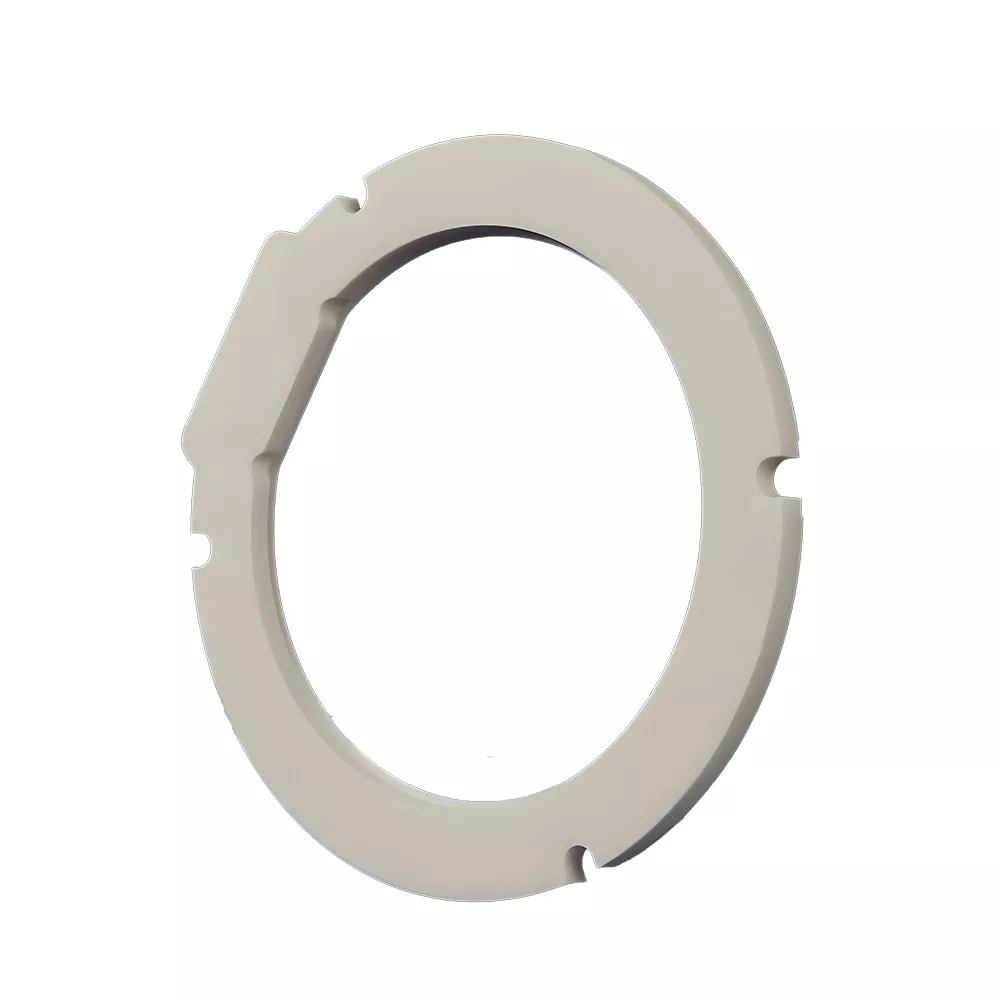
Quartz Ceramics: Mechanical and Wear Performance
Evaluate mechanical and wear performance in the context of handling, loading, contact surfaces, abrasion, and assembly constraints. Identify critical dimensions and mating areas on the drawing to distinguish essential performance requirements from general material expectations.
Discuss Your Ceramic Part
Quartz Ceramics: Electrical and Insulation Performance
Consider quartz ceramic electrical and insulation performance alongside voltage, temperature, environmental exposure, surface condition, and component geometry. Provide the application context and acceptance criteria needed to determine whether the proposed part requirements are clearly defined.
Discuss Your Ceramic Part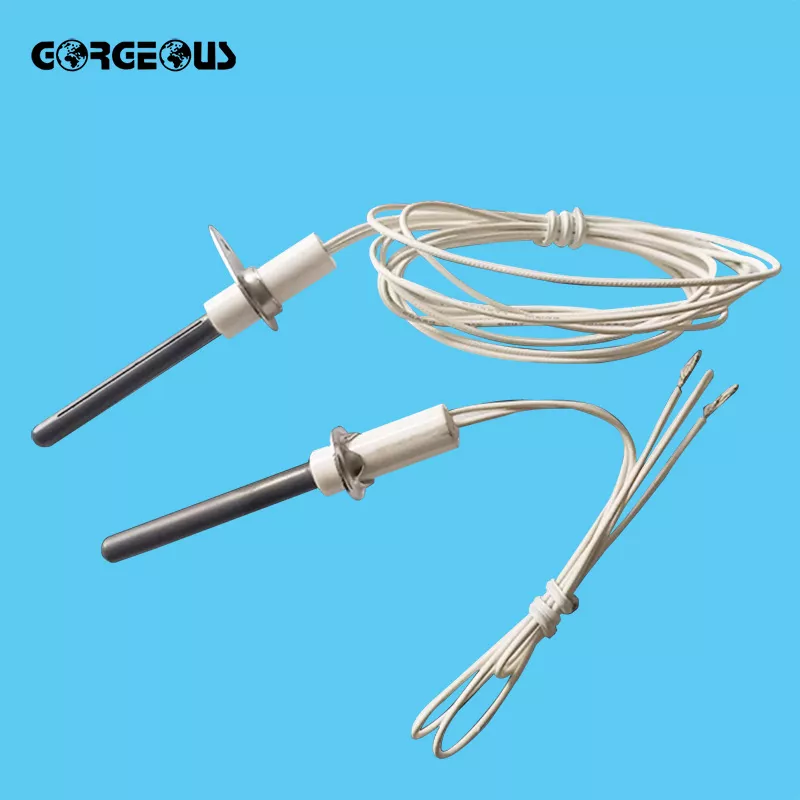
Quartz Ceramics: Machining and Design Guide
Plan quartz ceramic machining and design around achievable geometry, critical tolerances, surface requirements, holes, edges, and mating features. A current drawing revision helps clarify which dimensions control assembly and which design details require review before quotation.
Discuss Your Ceramic Part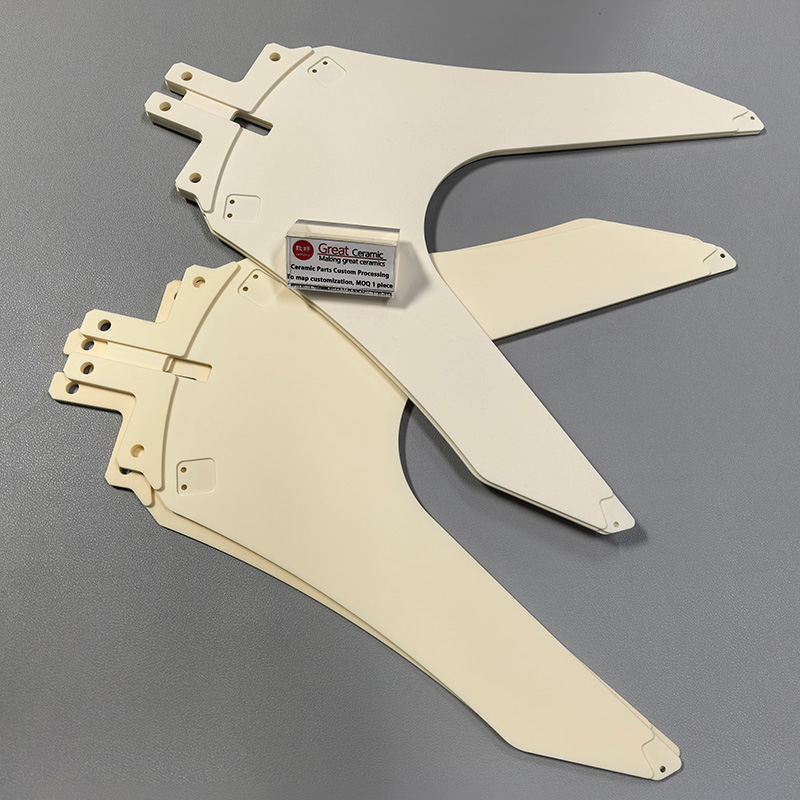
Quartz Ceramics: Applications and Component Selection
Match quartz ceramic applications and component selection to the job the part must perform, whether it is a tube, plate, ring, rod, or replacement component. Send the drawing, quantity, operating conditions, and approval requirements to start a focused project conversation.
Discuss Your Ceramic PartQuartz Ceramic Material Considerations

Fused Quartz
A starting point for parts where thermal exposure, dimensional behavior, and chemical environment need review. Share the operating range, mating features, and inspection needs so the applicable grade and finished geometry can be confirmed.

Fused Silica
Often considered for precision components, insulating forms, and process hardware. Identify the critical surfaces, media exposure, temperature cycle, and drawing revision to evaluate whether the specified material route fits the project requirement.
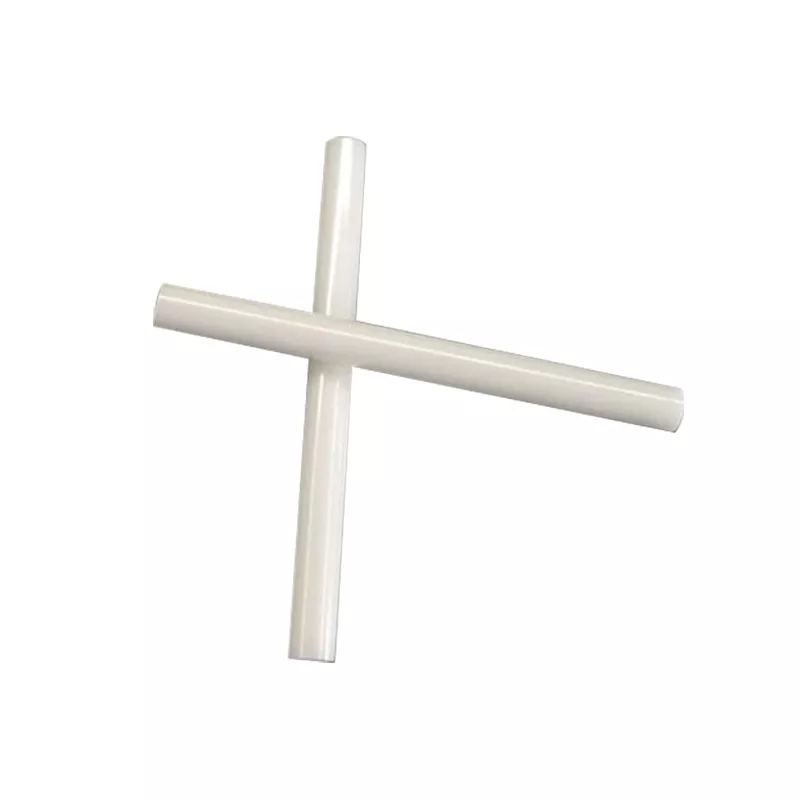
High-Purity Quartz
Relevant where material cleanliness, contamination concerns, or documentation expectations affect the decision. Define the required material designation, handling context, acceptance criteria, and any project-specific records before a quotation discussion proceeds.


Quartz Composite Ceramic
Discuss composite or specialty ceramic options when material structure or functional balance may influence component selection. Submit the application, drawing, load conditions, and target performance priorities to clarify the appropriate project-specific material conversation.
Forming and Finishing Routes for Quartz Ceramics

Powder Preparation
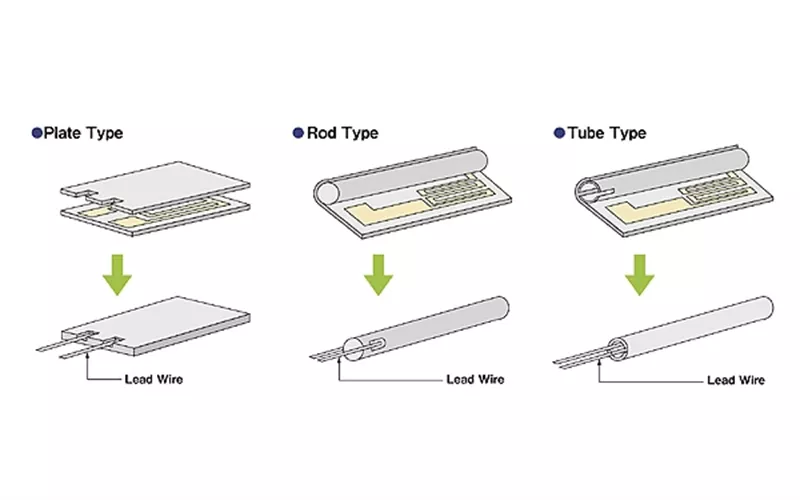
Material composition, particle condition, and forming approach should be considered together. For quartz ceramics, these early inputs help frame the intended geometry, subsequent processing needs, and the information required for a project-specific discussion.
Near-Net Forming
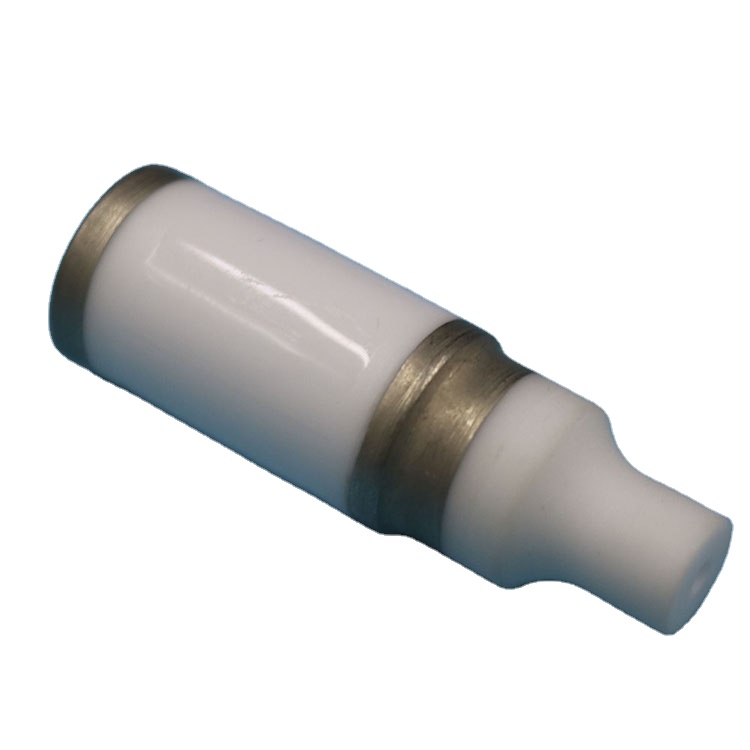
Molding or other shaping routes establish the basic form of tubes, rods, rings, plates, and custom profiles. Share the current drawing and critical features so the proposed route can be assessed against geometry and downstream finishing requirements.
Thermal Processing
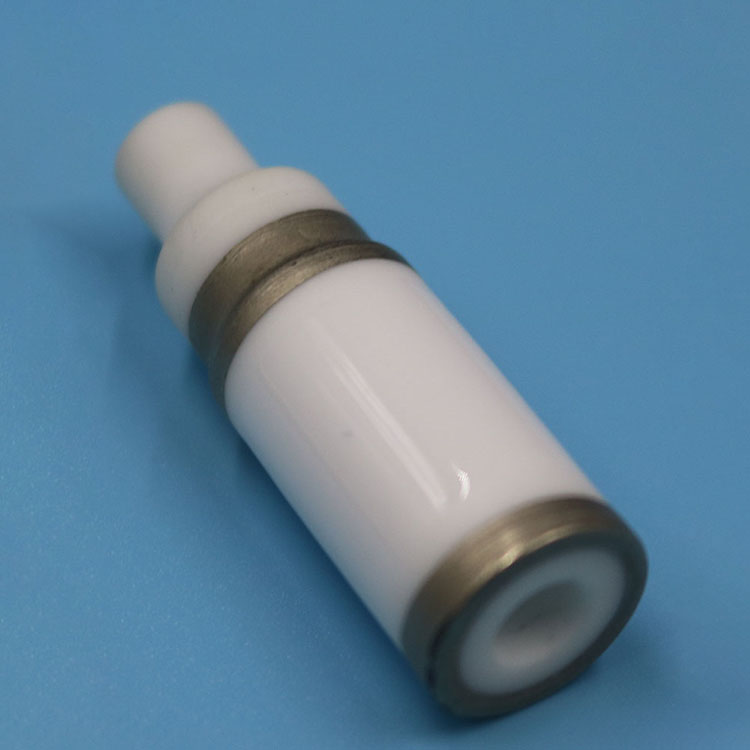
Firing conditions influence the final ceramic body and should be discussed alongside material designation and service environment. Project teams can identify thermal exposure, dimensional priorities, and any constraints that affect the part requirement.

Precision Machining
Grinding, drilling, slotting, and feature finishing may be relevant where quartz ceramics must interface with mating components. Mark assembly-critical dimensions, surface locations, and tolerances on the drawing to make the quotation conversation more specific.
Final Inspection
Inspection expectations should align with the part’s function and acceptance criteria. Define the dimensions, surfaces, documentation, and revision-controlled drawing details that require review, so open questions can be identified before production commitments are made.
Quartz Ceramics Interfaces, Features, and Documentation
Mating Surfaces
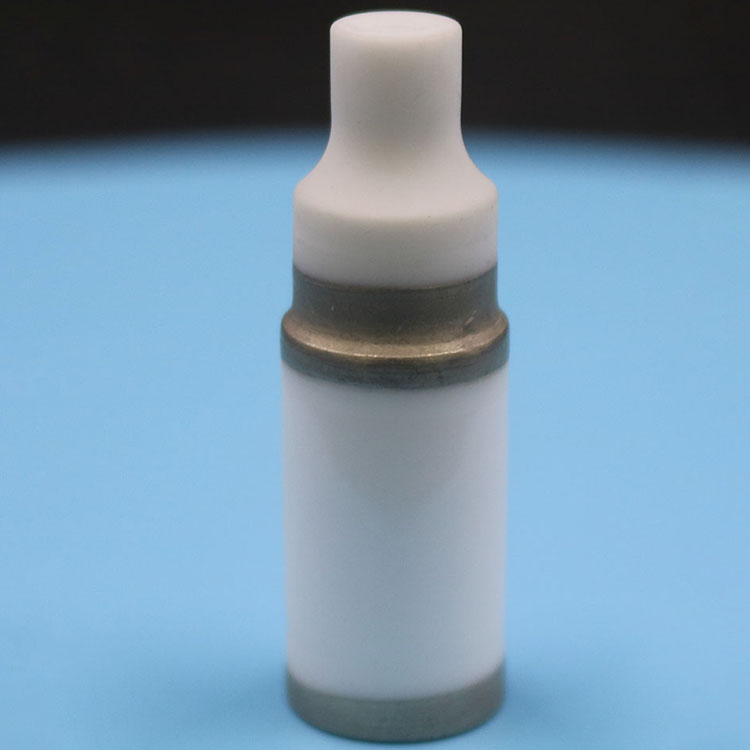
Identify every surface that contacts, seals against, supports, or locates another part. Note the mating material, surface condition, contact function, and any assembly constraints that affect the quartz ceramic component.
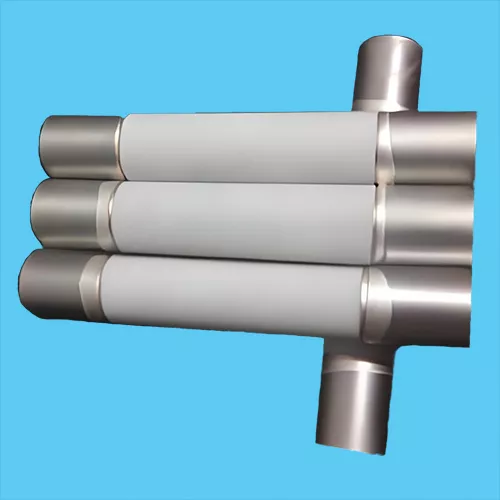
Fit-Critical Dimensions
Flag dimensions that control alignment, clearance, press fit, concentricity, or assembly position. Provide tolerances, datum references, and the current drawing revision so the quotation can focus on dimensions that matter most.
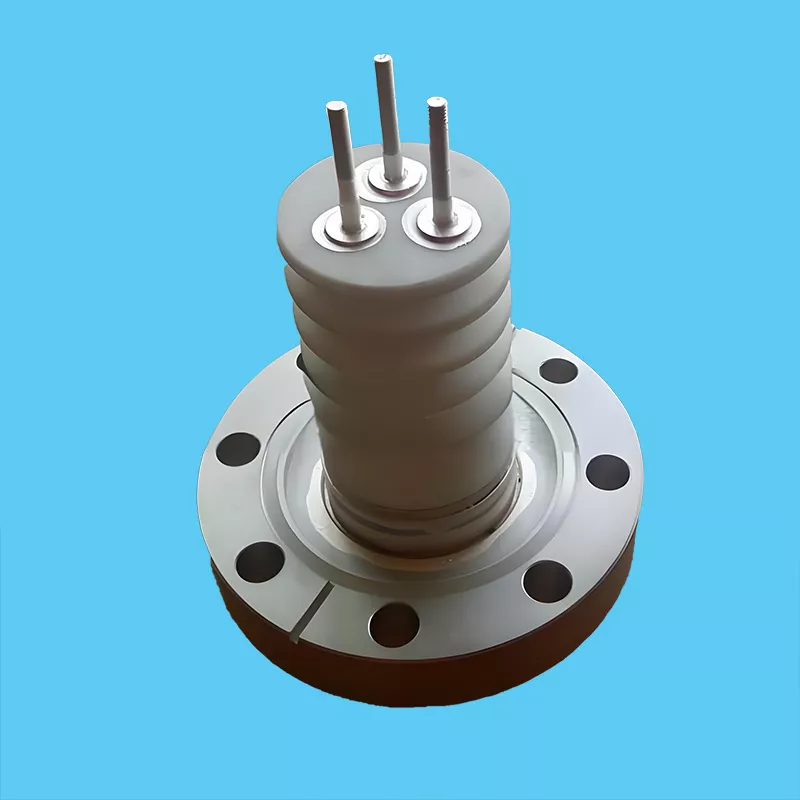
Geometry Features
Call out holes, grooves, radii, slots, threads, thin sections, and edge conditions that influence the component form. A complete geometry definition helps distinguish essential design intent from illustrative product imagery.
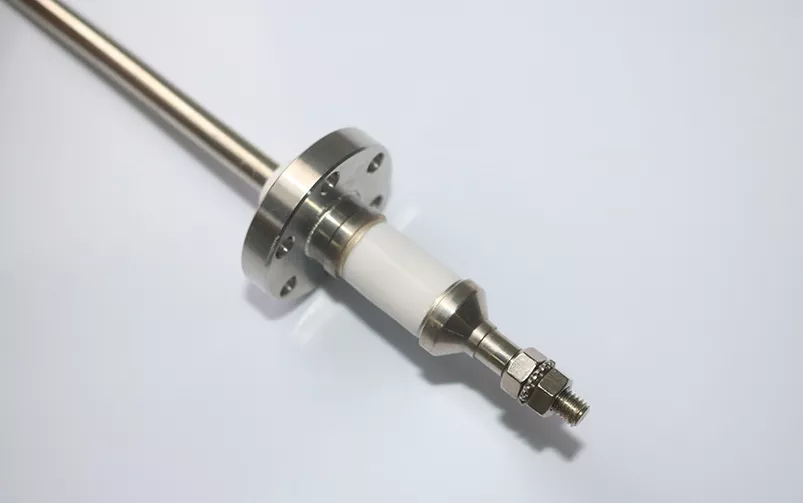
Handling Requirements
Describe how the part will be transported, assembled, cleaned, and protected before use. Include fragile edges, contamination concerns, packaging preferences, and any handling controls needed for your project workflow.

Approval Documentation
Specify the documentation required for review or acceptance, such as material designation, inspection records, dimensional reports, or revision-controlled drawings. Confirm project-specific requirements before production and commercial terms are agreed.
About Porcecore and Quartz Ceramics
Porcecore is a founder-led B2B technical ceramics brand founded by Andy Yuan. For quartz ceramics and other technical ceramic components, including industrial ceramic parts and custom ceramic components, Porcecore connects material discussions to the actual part, its function, and the decisions needed to evaluate an inquiry. Its material coverage includes alumina ceramics, zirconia ceramics, and silicon carbide ceramics, subject to project-specific review.
We work from the application outward. A tube, rod, ring, substrate, or replacement component needs more than a material name: geometry, interfaces, service conditions, critical dimensions, and acceptance criteria all shape the quotation conversation. Our coverage includes oxide, nitride, carbide, and specialty ceramic families considered against project-specific requirements.
What distinguishes Porcecore is drawing-led communication before commitment. Send the current drawing revision, known material designation, quantity, operating environment, and documentation needs. We help identify the open questions so procurement teams, engineers, equipment builders, and distributors can move toward a better-informed sourcing decision.

Quartz Ceramics: From Part Function to a Quotable Requirement
Start With the Part Job
Porcecore begins quartz ceramics discussions with the component’s function: what it interfaces with, the service environment, and the dimensions that control assembly. This frames material guidance around the actual part requirement rather than a material name alone.
- Identify the component form and intended duty
- Note mating surfaces and assembly-critical dimensions
- Describe operating conditions and potential constraints
- Share the current drawing revision when available

Define What Must Be Confirmed
A useful quotation inquiry distinguishes known requirements from open decisions. Grade, geometry, quantity, finish, documentation, delivery, and commercial terms may all require project-specific confirmation before quartz ceramics can be treated as an agreed specification.
- State the material designation if it is known
- Separate essential requirements from preferences
- Flag dimensions, tolerances, and surface expectations
- Confirm quantity and required documentation

Set Inspection Expectations Early
Acceptance criteria should be part of the component conversation, especially where geometry or interfaces affect fit. By identifying inspection expectations early, buyers can give a quartz ceramics quotation discussion a clearer basis and reduce ambiguity around approval needs.
- Identify dimensions that determine assembly
- Clarify critical surfaces and feature relationships
- Specify acceptance and approval documentation needs
- Discuss inspection expectations with the inquiry

Keep Guidance Separate From Agreement
General material information can help narrow options, but it is not a contractual part specification. Porcecore uses quartz ceramics conversations to identify what still needs confirmation, so the final project discussion can address the selected grade, dimensions, and acceptance requirements.
- Treat general properties as preliminary guidance
- Confirm grade and process for the individual part
- Review drawings alongside application conditions
- Align specifications before production commitment

Quartz Ceramics Inquiry and Project Planning, Step by Step
Compare requirement-led sourcing with a material-name-only starting point.
← Swipe left or right to view →
Quartz Ceramics Production Planning, Step by Step
Move from a defined component requirement to coordinated production, inspection, packing, and shipment discussions.
Review Part Requirements
Share the current drawing, quantity, application conditions, mating surfaces, critical dimensions, and acceptance criteria so the inquiry starts with a practical engineering basis.
Discuss Material Options
Clarify the proposed quartz ceramics material designation, grade questions, geometry constraints, and operating environment before treating any general property as project-specific confirmation.
Confirm Production Planning
Align on the agreed drawing revision, manufacturing approach, tolerances, documentation needs, target quantity, delivery considerations, and commercial details required for an individual order.
Set Inspection Expectations
Identify the dimensions, surfaces, visual criteria, and records that matter for approval, helping distinguish required inspection points from preferences before production arrangements proceed.
Coordinate Packing And Shipping
Confirm packing, labeling, shipping arrangements, and delivery information for the finished component discussion, with final requirements and terms documented for the specific project.
Quartz Ceramics Documentation Requirements
Move from a current drawing to a clearer, project-specific quotation discussion with the details that affect fit, service, and acceptance.
Send the Current Drawing
Share the latest drawing revision, part name, quantity, and any replacement-part reference so the component geometry and critical assembly dimensions are visible from the start.
Describe Service Conditions
Identify the intended material if known, operating environment, temperatures, media, electrical needs, mating surfaces, and functions that shape the quartz ceramics requirement.
Clarify Acceptance Requirements
Specify tolerances, inspection points, documentation, surface expectations, and approval criteria. These inputs help distinguish essential project requirements from preferences before quotation details are aligned.
Confirm Project Terms
Review the open technical and commercial questions together, then confirm the project-specific grade, geometry, documentation, delivery expectations, and order terms before production commitment.
Project Evidence and Inquiry Guidance

The Complete Buyer’s Guide to Quartz Ceramics
Approved, verifiable customer feedback and project examples will be published here when permission and supporting project details are available.
Porcecore does not publish unverified sourcing outcomes, performance figures, or customer statements as testimonials.
For a quartz ceramics inquiry, share the drawing revision, service conditions, quantity, and acceptance criteria to begin a project-specific discussion.
Quartz Ceramics FAQ for Industrial Buyers
Email your drawing, operating environment, and acceptance criteria to info@zlrsmaterials.com, or contact Porcecore by WhatsApp at +86 130 6482 5920, to begin a focused quotation discussion.
What should we provide when requesting a quartz ceramics quotation?
Can Porcecore help select a grade for quartz ceramics?
How should tolerances and functional surfaces be specified for quartz ceramics?
Is there a minimum order quantity for quartz ceramics components?
Can we request samples or first-article inspection evidence?
How are lead time and payment terms handled?
What shipping and packaging information should a quartz ceramics inquiry include?
How should we handle drawings and IP when discussing a ceramic part?
The Complete Buyer’s Guide to quartz ceramics
Use this practical framework to match quartz ceramics to operating conditions, evaluate drawings and supplier controls, compare cost drivers, and avoid specification mistakes that delay qualification or compromise component performance.
1. What Are quartz ceramics?
SiO2 is the chemical formula for silica, but ‘quartz ceramics’ is not one interchangeable engineering material. The label can describe a ceramic body containing quartz, a fused-silica-based component, or a part machined from quartz material; their structure, processing route, and grade-specific properties require separate confirmation. https://www.appliedceramics.net/material/quartz
Three material questions should precede a quotation: what family does the drawing require, what process environment will the part see, and which performance target is critical? Purity, thermal behavior, chemical resistance, wear resistance, dimensional stability, and contamination control can each change the appropriate choice.
Six drawing details often clarify the selection: mating surfaces, critical dimensions, temperature cycle, media exposure, particle-control limits, and acceptance criteria. A general material name is a starting point; the specified grade, geometry, tolerances, and inspection requirements determine whether a proposed part is suitable.
2. How quartz ceramics Evolved
SiO2 has been used in ceramic bodies and glazes for centuries, initially as a naturally sourced mineral whose particle size and impurities varied. Industrial processing shifted the focus from simply adding silica to controlling its source, purity, particle distribution, and thermal behavior.
1100 degrees C is an example of the firing range discussed in published quartz-ceramic process literature, where phase development can affect a part’s structure and behavior: https://patents.google.com/patent/CN103145339A/en. Modern production therefore treats powder preparation, forming, firing, and post-fire machining as linked steps rather than isolated operations.
Three current requirements define engineered components: repeatable geometry, traceable material designation, and inspection against drawing-defined acceptance criteria. Buyers increasingly ask for the drawing revision, critical interfaces, tolerances, test requirements, and records needed to show that the supplied part matches the approved specification.
3. Types of quartz ceramics
Quartz ceramics is a purchasing label, not a single standardized material. Three decisions—composition, pore structure, and forming route—usually determine whether a listed part suits the service condition.
| Type | Typical Strength | Key Constraint | Suitable Environment |
|---|---|---|---|
| Quartz-filled composite | Tailored body behavior | Matrix must be identified | Guides and fixtures |
| Fused silica or quartz glass | Thermal and chemical utility | Grade varies | Tubes and windows |
| Dense or porous body | Sealing or flow function | Microstructure controls results | Process equipment |
| Formed or machined part | Repeatability or flexibility | Route affects tolerance | Drawing-led assemblies |
Quartz-Filled Composites
Quartz particles are combined with another ceramic matrix for shaped bodies.
This route can suit wear guides or insulating fixtures, but matrix chemistry and thermal expansion require confirmation.
Fused Silica And Quartz Glass
Fused silica and quartz glass are amorphous silica forms used for tubes, windows, and process hardware.
Transparency, purity, and thermal behavior vary by grade; specify the required optical, chemical, and temperature environment.
Dense, Porous, And Machined Parts

Dense bodies prioritize sealed surfaces and strength; porous bodies may support filtration or thermal functions.
Formed parts favor repeat geometry, while machined blanks accommodate drawings; confirm density, pore specification, and final process.
4. Materials and Material Specifications
A purchaseable quartz ceramics requirement names the material state as well as the part geometry. Specify SiO2 content, controlled impurities, particle distribution, bulk density, open porosity, crystalline phase, finish, and lot traceability.
| Material | Primary Fit | Key Qualification |
|---|---|---|
| Quartz ceramics | Heat, chemicals, contamination control | SiO2, phase, porosity |
| Alumina | Electrical insulation, wear | Purity, density, finish |
| Silicon carbide | Wear, high heat | Grade, free silicon, finish |
| Zirconia | Toughness, wear | Phase stabilization, aging |
| Fused silica | Thermal shock, purity | OH content, bubbles, devitrification |
Specify The Material State
99.6% SiO2 is one published guide-groove benchmark, but it is not a universal acceptance limit; identify impurity maxima by element where contamination matters. Cite the applicable material data sheet and retain batch, powder, firing, and inspection records.
Ra finish, edge condition, and any sealed or unsealed porosity must be stated for wetted, sliding, or vacuum-facing surfaces. Quartz is chemically and heat resistant in many industrial uses, while actual service limits remain grade- and environment-specific. https://www.appliedceramics.net/material/quartz
Validate Critical Applications
100% incoming certification review is insufficient for semiconductor-facing, optical, high-vacuum, aggressive-chemical, or safety-critical parts. Require laboratory validation when impurity release, phase transformation, thermal cycling, dielectric behavior, or particle shedding could affect the assembly.
1 agreed test plan should define sampling, method, acceptance limits, and report format before production. Confirm density, porosity, surface roughness, dimensions, and traceability against the drawing revision.
5. Custom Quartz Ceramics Design Options
One current drawing revision turns a quartz ceramics inquiry into a part-level discussion. Geometry, mating surfaces, service conditions, and acceptance criteria should be reviewed together before a supplier commits to a process.
| Design Element | Specify | Why It Matters |
|---|---|---|
| Bores and grooves | Datums and tolerances | Controls fit and inspection |
| Flat surfaces | Flatness and finish | Supports sealing or contact |
| Assemblies | Mating-part details | Confirms interface compatibility |
Feature Definition
Critical bores, grooves, radii, wall transitions, and flat sealing faces need datums and tolerances. Threads or interfaces require confirmation of feasibility, assembly method, and inspection access.
Manufacturing Tradeoffs
Complex internal features can increase machining time, breakage risk, yield loss, and inspection effort. Simplifying nonfunctional details or relaxing secondary tolerances may reduce cost without changing assembly performance.
Quotation Package
A usable request includes 3D CAD, a dimensioned 2D drawing, revision status, quantity, and required documentation. State operating temperature, media, loads, mating parts, finish, marking, packaging, and matched-assembly needs.
6. Quality Elements in Quartz Ceramic Parts
Quality begins before final grinding: powder lot, forming route, thermal cycle, and shrinkage control can change the finished part. For quartz ceramics, acceptance should convert application risks into measurable drawing and inspection requirements.
Material And Process Traceability
Each purchase order should identify material designation, approved composition limits when applicable, forming route, and lot traceability. Request a lot-linked certificate for any grade-specific chemical, density, or thermal requirement.
- Material designation and lot number
- Forming and firing route
- Requested certificate values
Drawing-Critical Geometry
Every mating surface needs a dimension, tolerance, datum, and surface-finish requirement where function depends on it. Specify edge breaks or radii, permitted chip size, flatness, concentricity, and inspection method rather than relying on a reference photograph.
- Datum scheme and critical dimensions
- Edge condition and chip limit
- Measurement method and sampling
Defect, Cleanliness, And Packing
A defined inspection plan should state visible-defect criteria, internal-defect test method when needed, cleanliness level, and packaging protection. Include orientation, separator material, labeling, and transit-shock precautions for fragile machined parts.
- Visual acceptance standard
- Required test report
- Clean packing and part protection
7. Choosing a quartz ceramics Manufacturer
Two quotations can name the same quartz ceramics material yet cover different technical and commercial risk. Nominate a manufacturer only after its drawing review, evidence package, and sample route match the intended assembly.
| Evaluation Area | Evidence To Request | Quote Impact |
|---|---|---|
| Tolerance capability | Part-specific inspection report | Inspection cost and acceptance risk |
| Prototype process | Sample plan and approval criteria | Tooling and validation timing |
| Capacity planning | Lead-time and lot plan | Delivery reliability |
| Export packaging | Packing specification | Damage and freight risk |
Verify Technical Evidence
Before nomination, ask which grade, forming route, machining datum, and critical tolerance the supplier will control. Request a dimensioned inspection report from a comparable part, not a capability claim.
One prototype should verify fit, surface condition, and relevant service performance before production release. Confirm whether deviations require written disposition.
- Current drawing revision reviewed
- Critical dimensions identified
- Inspection method stated
Compare The Complete Quote
Each quote should separate tooling, prototype, production lot, inspection, documentation, packaging, and freight assumptions. A lower unit price can omit controls needed for approval or export delivery.
Control Production Changes
Lot traceability should connect material identification, process records, inspection results, and shipment. Define who approves material, process, drawing, or subcontract changes before manufacture.
After delivery, agree on response timing, containment, evidence review, replacement, and corrective-action ownership for a nonconformance.
- Lot identification
- Change notification
- Nonconformance contact
8. Common quartz ceramics Buying Mistakes
Seven preventable specification gaps commonly drive redesigns, qualification delays, breakage, and inconsistent replacement parts. Resolve them in the drawing, purchase specification, and approval plan before quoting.
Name The Actual Requirement
One material name is not a usable part specification. State the grade if known, service temperature range, thermal-cycle profile, chemical media, exposure duration, and contamination limits.
Two mating surfaces can determine whether a nominally correct part assembles. Mark functional dimensions, datum scheme, fits, and required surface condition on the current drawing.
Design Edges And Tolerances
Zero default tolerance is rarely practical for a ceramic component. Apply tighter limits only to assembly-critical features and confirm the manufacturing and inspection method before release.
One sharp internal corner can concentrate stress during handling or service. Specify edge breaks, radii, chamfers, and protected handling surfaces where the geometry permits.
Control Acceptance And Repeatability
Three acceptance elements should be defined: dimensions, visual condition, and documentation. Identify measurement points, sampling rules, defect limits, and any required material or inspection records.
One approved sample does not establish lot consistency. Require the approved drawing revision, retained acceptance criteria, and agreed production-lot controls; compare total cost, risk, and replacement compatibility instead of unit price alone.
9. From Drawing to Qualified Production
A controlled launch turns a quartz ceramics drawing into an approved production requirement. Each gate should close an open technical or commercial risk before purchase authorization.
Define The Requirement
1 application statement should name the medium, temperature exposure, loads, mating surfaces, and critical-to-quality dimensions.
Gate: release only when the drawing revision, quantity, acceptance criteria, and required records are identified.
- Current drawing revision
- Critical dimensions and datums
- Material designation or alternatives
Review And Sample
2 review stages should confirm manufacturability, inspection access, and material suitability before sampling.
Gate: order samples only after both parties document deviations, test methods, and pass-fail limits; retain review notes and sample results.
- DFM response
- Approved test plan
- Sample inspection report
Approve Controlled Production
3 approvals should link the first article to the released drawing and agreed inspection criteria.
Gate: begin production only after written first-article acceptance; retain the approval, packaging specification, lot identification, and change-control procedure.
- First-article record
- Packaging instructions
- Written change notification
10. quartz ceramics Pricing and Cost Drivers
3 cost groups usually dominate a quartz ceramics quote: material grade and blank size; forming and firing route; then machining, inspection, yield, packaging, and delivery urgency. This is a quotation framework, not a Porcecore price list.
1 drawing review can lower total cost by limiting tight tolerances, surface requirements, and inspection to functional interfaces. Keep critical dimensions and acceptance criteria unchanged; standardize noncritical geometry, consolidate releases, and provide forecast quantities before requesting expedited delivery.
| Quantity tier | Indicative cost-driver intensity | Typical lead-time effect |
|---|---|---|
| 1–10 pieces | Highest setup, programming, and yield burden per unit | Engineering and process planning dominate |
| 11–100 pieces | Setup spread across more units; machining remains significant | Scheduling flexibility can improve |
| 101–500 pieces | Better material and process utilization | Batch planning may reduce urgency premiums |
| 500+ pieces | Tooling, capacity, packaging, and release schedule need review | Forecasts support planned production |
Discuss Your Quartz Ceramics Part Requirements
Email your drawing, operating environment, and acceptance criteria to begin a focused quotation discussion for your component.