
Quartz Ceramics Machining and Design Guide for OEM Buyers
Use this quartz ceramics machining and design guide to define geometry, interfaces, service conditions, and acceptance requirements before requesting a drawing-led quotation.
Featured Technical Ceramic Components










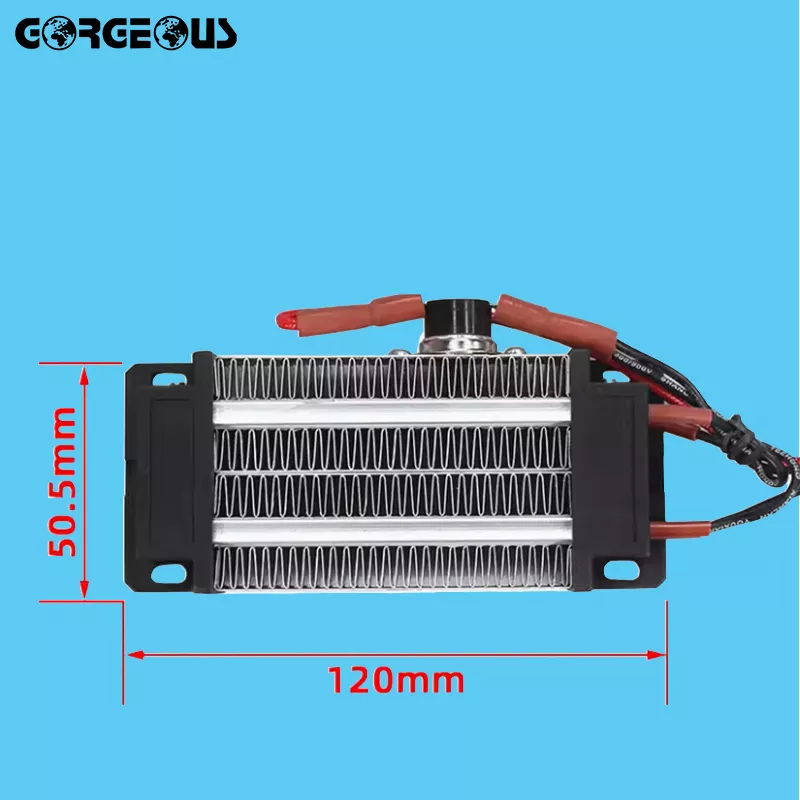
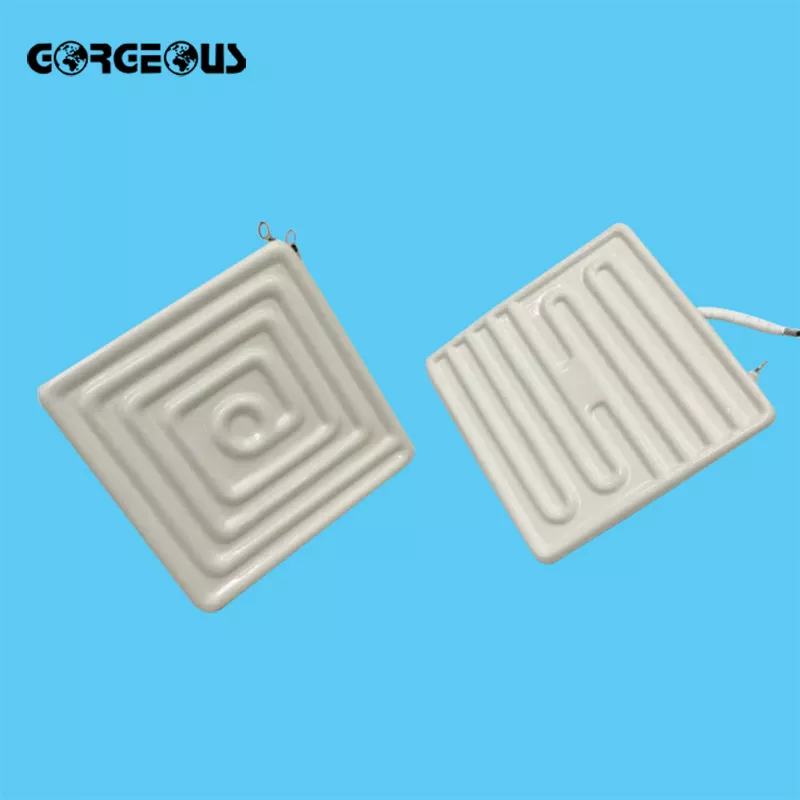
Related Product Catalogue and Quotation

Why the Quartz Ceramics Machining and Design Guide Starts With the Drawing
Define the interfaces, service conditions, and acceptance expectations before quotation so the project discussion is based on the part’s actual job.
Current Drawing Revision
Share the current drawing revision and identify controlled dimensions, notes, and changes. This gives the quotation discussion a clear reference point and reduces uncertainty around the requested part.
Material Grade Context
State the material designation when known, then connect it to operating conditions. A material family alone does not define the grade, geometry, or project-specific production route.
Assembly-Defining Geometry
Highlight dimensions that determine fit, alignment, clearance, and assembly. Tubes, rings, rods, and substrates need geometry reviewed alongside the function they perform in the finished equipment.
Functional Surface Details
Identify surfaces that mate, seal, slide, support, or locate another component. Surface requirements should be discussed in relation to the interface, not treated as isolated drawing details.
Service Condition Inputs
Describe the operating environment, including relevant thermal, mechanical, electrical, chemical, or wear conditions. These inputs help frame which requirements are essential to the component’s intended role.
Inspection Acceptance Evidence
Specify the acceptance criteria and documentation needed for approval. Confirming inspection expectations early helps distinguish general material information from the evidence required for the individual project.
Quartz Ceramic Component Paths
Review material, component, application and reference paths, then bring drawings, service conditions and acceptance needs into the inquiry.
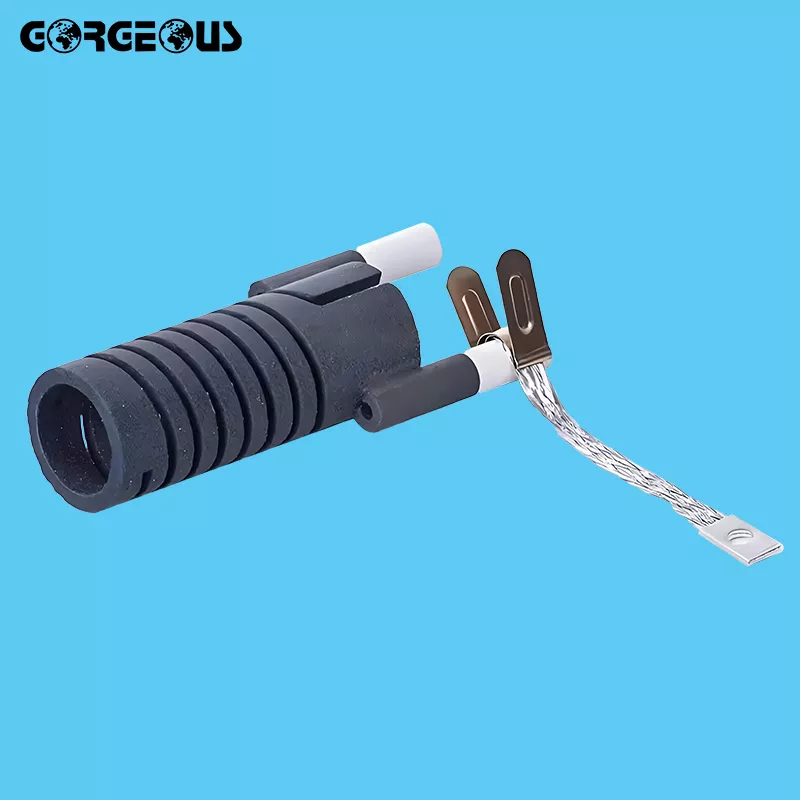
Ceramic Manufacturing Capabilities
Review ceramic manufacturing capabilities in the context of the part requirement: forming route, machining needs, critical surfaces, tolerance expectations and inspection criteria. Share the current drawing revision so production feasibility and quotation scope can be discussed for the specific component.
Discuss Your Ceramic Part
Ceramic Solutions by Industry
Explore advanced ceramics applications by operating environment and equipment function. Consider heat exposure, wear, electrical insulation, chemical contact, mating parts and assembly constraints alongside the industry use case. These factors help frame a more relevant material and component discussion.
Discuss Your Ceramic Part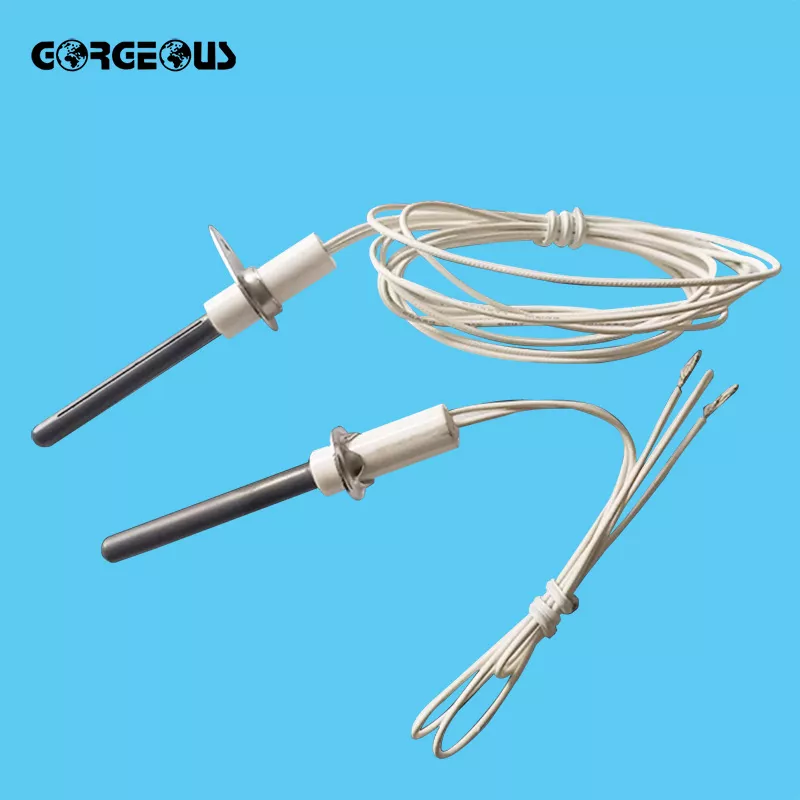
Advanced Ceramic Materials
Compare advanced ceramic materials including oxide, nitride, carbide and specialty ceramic families. Alumina, zirconia, silicon carbide, silicon nitride, aluminum nitride and boron nitride each require grade-specific review against the component geometry, service conditions and acceptance requirements.
Discuss Your Ceramic Part
Technical Ceramic Products
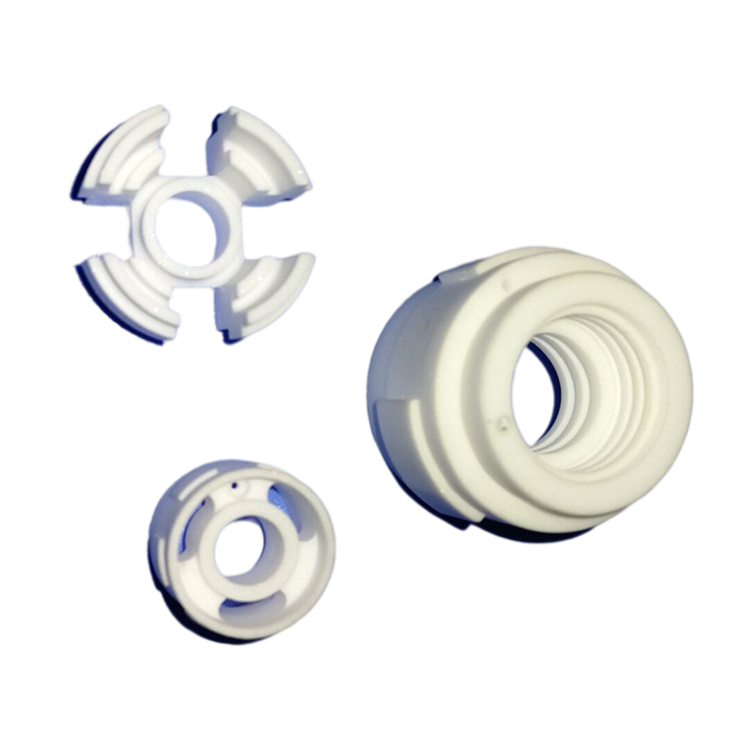
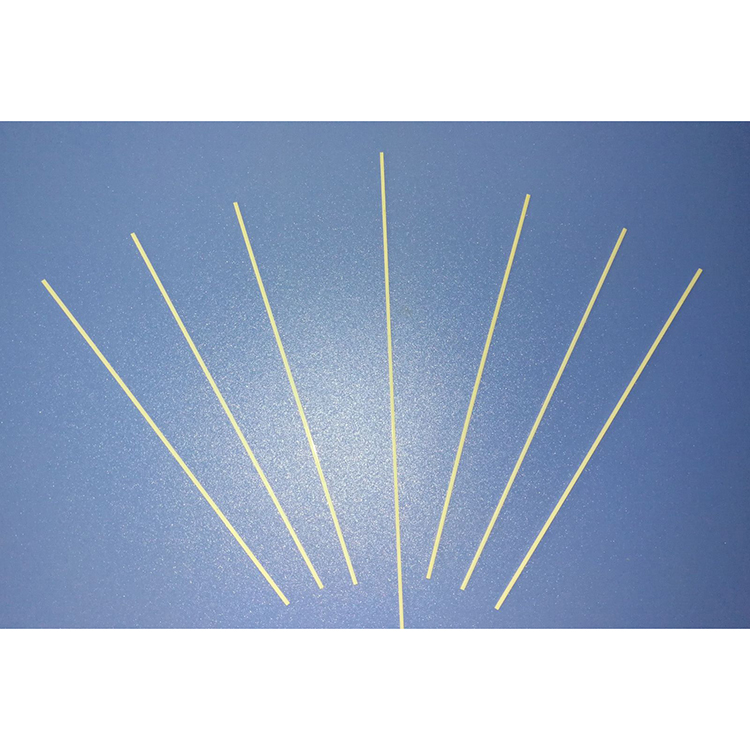
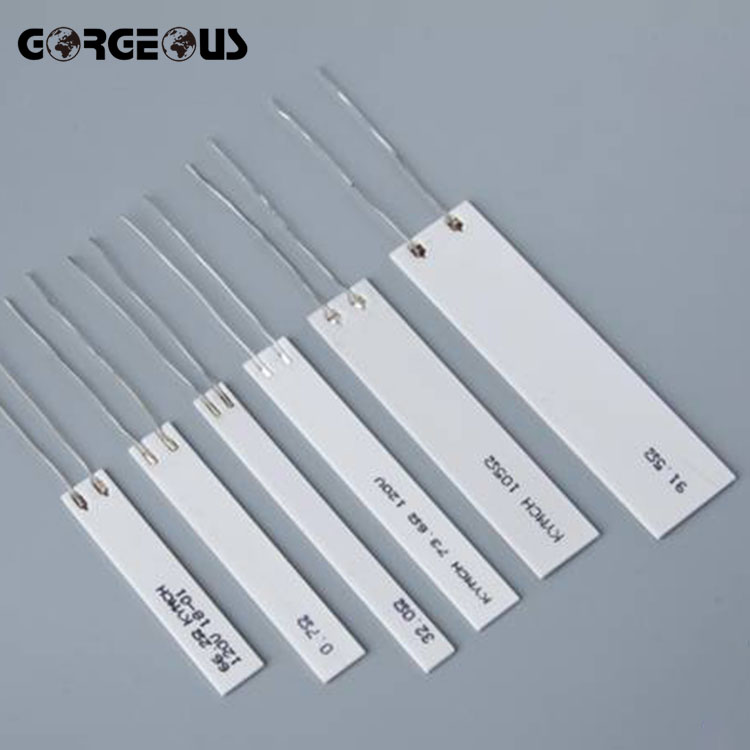
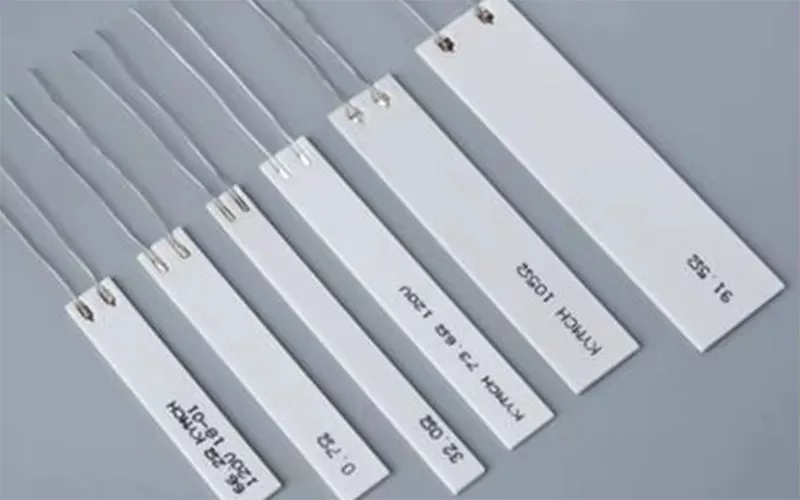
Browse technical ceramic products such as tubes, rods, rings, substrates and replacement components. Product illustrations indicate common component paths, not confirmed availability. For a quotation discussion, identify assembly-critical dimensions, material designation if known, quantity and required documentation.
Discuss Your Ceramic Part
Technical Ceramic Resources
Use this technical ceramics guide path to prepare a clearer inquiry. Include the drawing, material preference, operating environment, mating surfaces, inspection requirements and acceptance criteria. General material information should be confirmed against the grade and project-specific specification.
Discuss Your Ceramic PartQuartz Ceramics Machining and Design Guide: Material Options


Alumina Ceramics
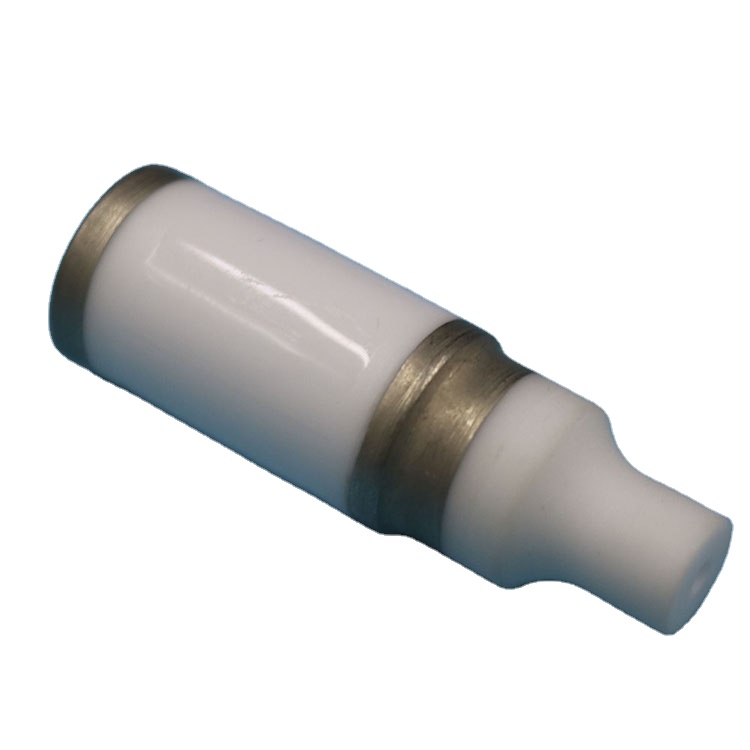
A widely specified technical ceramic family for insulating, wear, and general industrial component applications. Grade selection, surface finish, mating features, and inspection criteria should be defined for the individual assembly.
Zirconia Ceramics
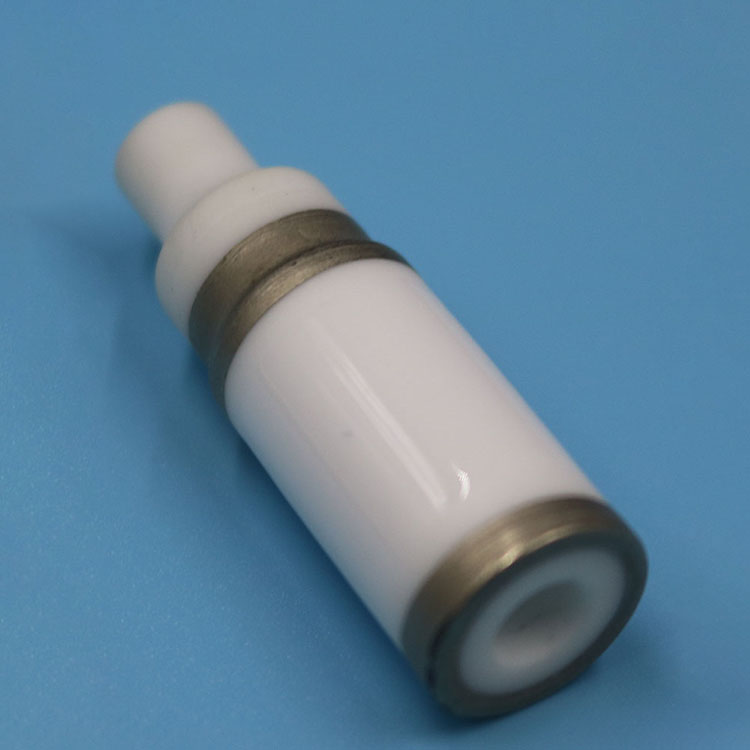
A technical ceramic family often considered when a project calls for durable, precision-shaped components. Evaluate grade-specific behavior, cross-sections, loaded interfaces, and tolerance priorities alongside the intended operating conditions.
Silicon Carbide Ceramics
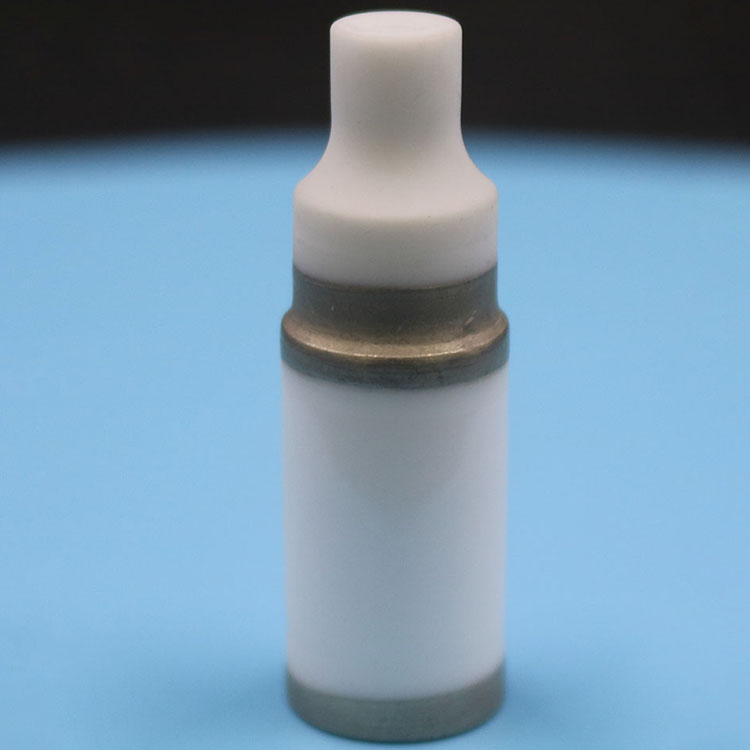
A technical ceramic family relevant to demanding thermal, wear, and chemically exposed part environments. Confirm the selected grade, component geometry, machining features, and acceptance requirements before quotation or production commitment.
Silicon Nitride
A technical ceramic family considered for custom ceramic components with application-specific mechanical and thermal demands. Share the drawing revision, quantity, service conditions, critical surfaces, and documentation needs to guide material discussion.
Quartz Ceramics Machining and Design Guide: Machining and Finishing Considerations
Drawing Review
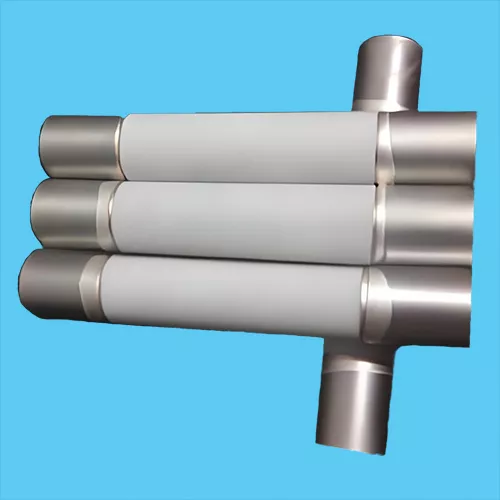
Start with the current drawing revision, material designation, quantity, service conditions, and acceptance criteria. Identify assembly-driving dimensions and mating surfaces so open questions can be clarified before a quotation discussion.
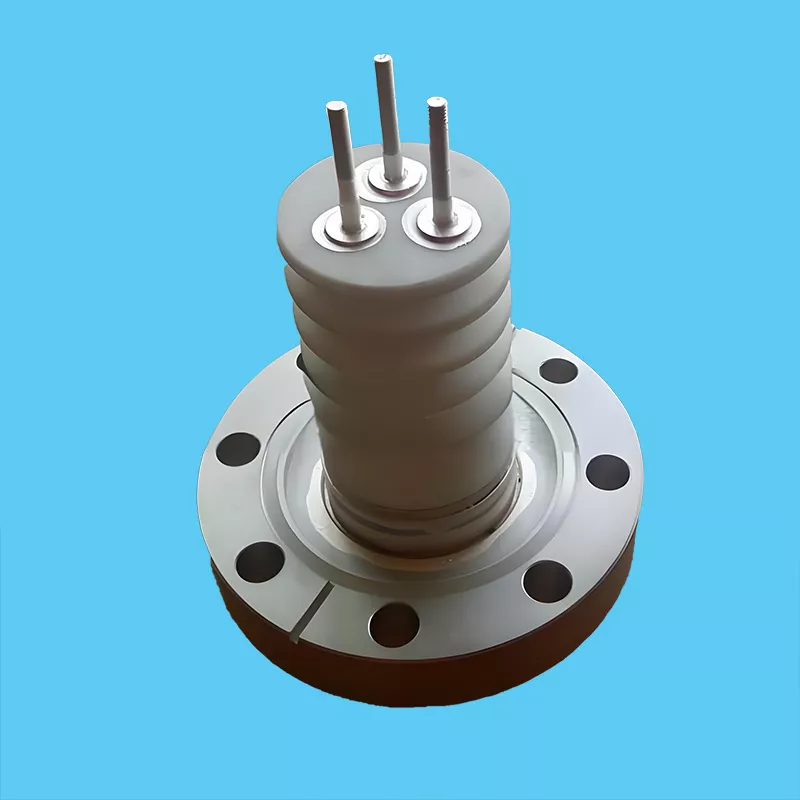
Geometry Planning
Evaluate walls, corners, holes, slots, grooves, and unsupported features as a connected geometry. Part shape can influence the practical machining route, handling approach, and the dimensions that require focused engineering review.
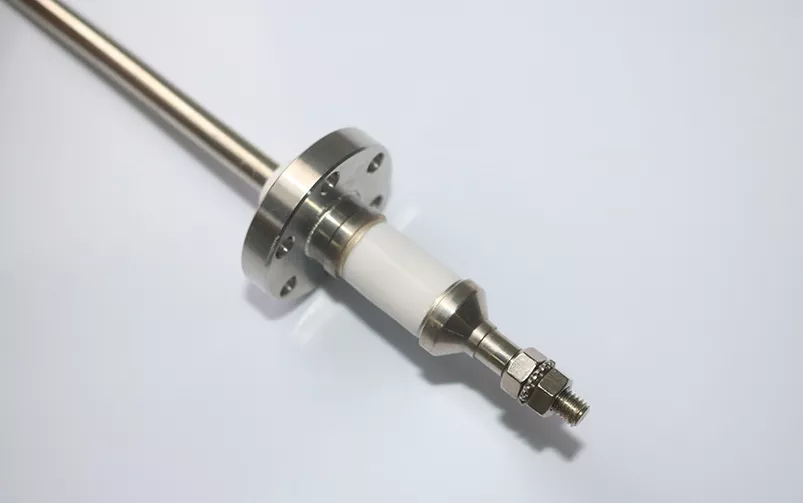
Precision Grinding
Grinding considerations center on the surfaces that locate, seal, slide, or fit another part. Specify the dimensions, tolerance references, datum strategy, and surface expectations that matter to assembly and intended service.

Feature Machining
Holes, channels, radii, threads, and other detailed features should be reviewed against the component geometry and use case. Provide feature dimensions, interface details, and any restrictions that affect how the part will be evaluated.
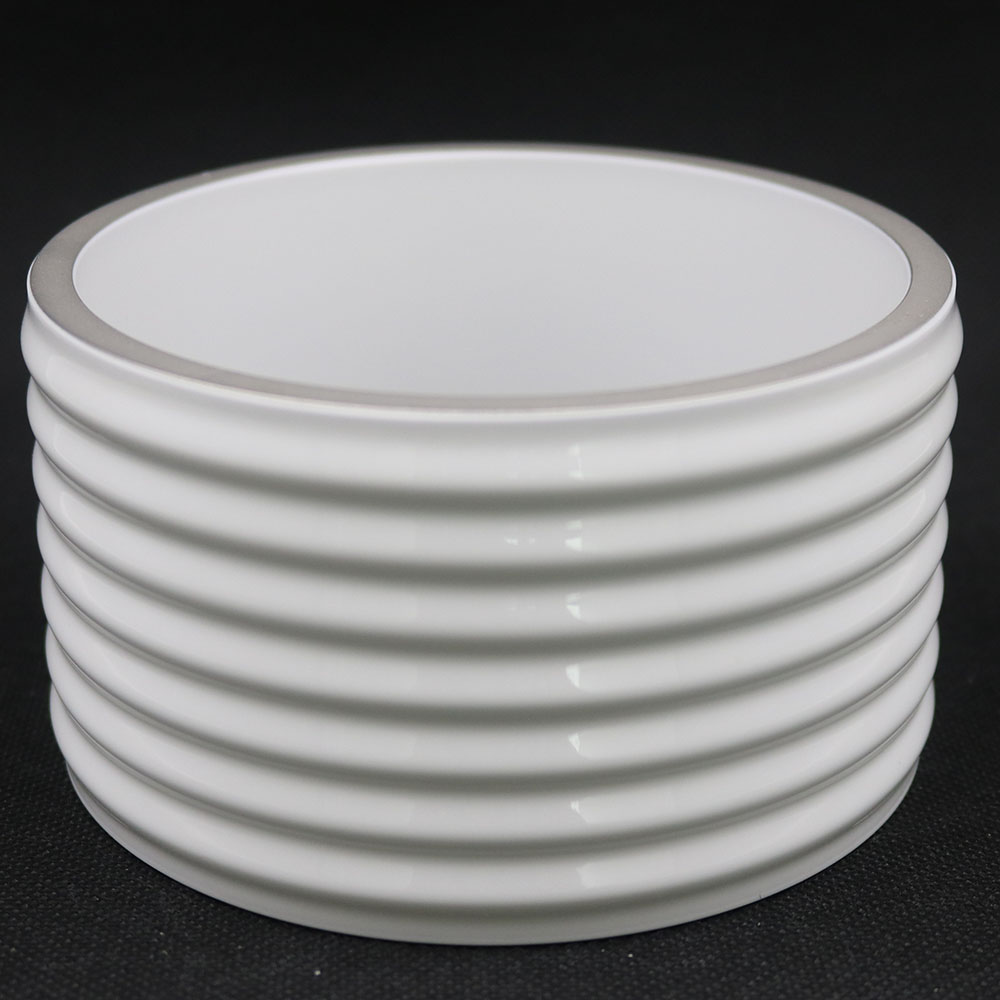
Surface Finishing
Define surface finish requirements by function rather than appearance alone. Note contact areas, optical or cleanliness concerns, sealing faces, and inspection criteria so the requested finish can be discussed against the individual part requirement.

Inspection Planning
Confirm which dimensions, surfaces, material details, and documents require verification for approval. A clear inspection discussion helps distinguish general expectations from project-specific acceptance requirements before production terms are agreed.
Quartz Ceramics Machining and Design Guide: Interfaces and Assembly Features

Mating Surfaces
Identify every surface that contacts, seals against, locates, or slides with another part. Note the counterpart material, contact condition, critical dimensions, and any surface-finish expectations relevant to the assembly.

Mounting Features
Call out holes, slots, threads, recesses, flanges, or other mounting features on the drawing. Include their functional purpose, datum references, fastener relationships, and dimensions that govern installation.

Alignment Details
Describe locating diameters, shoulders, grooves, pins, and other features that control positional alignment. Showing how the ceramic part indexes within the assembly helps focus review on the dimensions that matter.
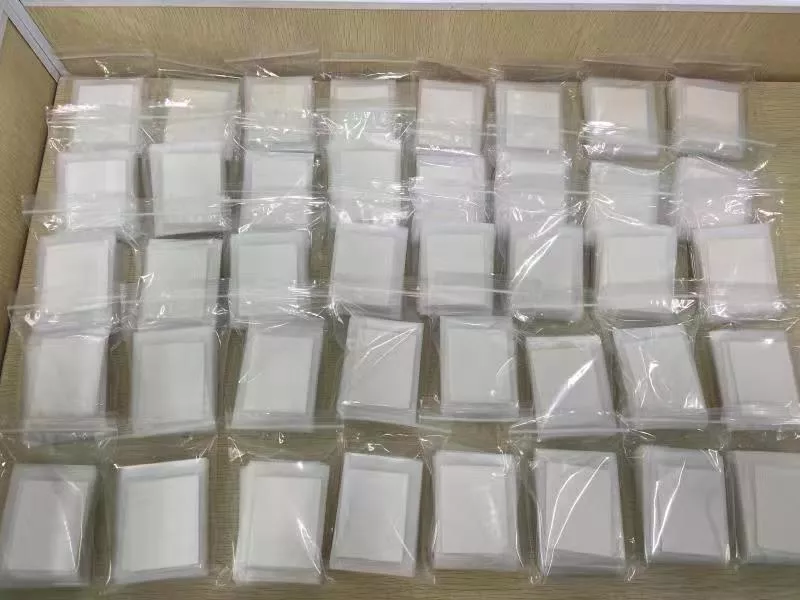
Seal Interfaces
For components used with gaskets, O-rings, fittings, or fluid paths, identify sealing faces and their operating environment. Provide relevant geometry, media exposure, pressure context, and acceptance expectations for the interface.

Inspection Documents
State the documentation needed for project review, receiving, or approval, such as dimensional reports, material designation, or inspection criteria. Confirm requirements for the individual part before quotation and order commitment.
Quartz Ceramics Machining and Design Guide at Porcecore
Founded by Andy Yuan, Porcecore helps industrial buyers, equipment builders, and engineering teams source technical ceramic components and industrial ceramic parts through clearer project conversations. Our approach begins with the part, its operating job, and the decisions required before a sourcing commitment.
We cover technical ceramic materials and component forms, including oxide, nitride, carbide, and specialty ceramics. Rather than treating a material name or product image as a finished specification, we encourage drawing-led inquiries that connect geometry, mating surfaces, service conditions, inspection expectations, and documentation needs.
Porcecore is differentiated by application-first thinking and clarity before commitment. Send the current drawing revision, known material designation, quantity, service conditions, and acceptance criteria to info@zlrsmaterials.com or WhatsApp +86 130 6482 5920. We will help identify the open questions that shape a more informed quotation discussion.

Quartz Ceramic Sourcing: From Material Name to Part Requirement
Start With the Drawing
Share the current drawing revision so the inquiry can focus on the part geometry, interfaces, and dimensions that govern assembly. A drawing-led discussion helps distinguish essential requirements from details that may still need engineering confirmation.
- Identify part form, profile, holes, grooves, and reference dimensions
- Mark mating surfaces and functional contact areas
- State the revision level and any controlled notes
- Flag dimensions that directly affect assembly

Describe Service Conditions
Material selection becomes more useful when connected to the component’s working environment. Explain the operating conditions, media exposure, temperature range, electrical role, and mechanical loading so quartz or another technical ceramic family can be considered against the real application.
- Describe the operating environment and process media
- Note temperature exposure and cycling conditions
- Explain electrical, optical, insulation, or wear demands
- Identify loads, motion, impact, and contact conditions

Separate Critical From Preferred
The quartz ceramics machining and design guide conversation should identify what must be controlled for function versus what is preferred for appearance, handling, or process convenience. This creates a clearer basis for evaluating geometry, finishing needs, and quotation assumptions.
- Prioritize fit, flatness, surface, and alignment requirements
- Distinguish functional tolerances from general dimensions
- Clarify edges, radii, chamfers, and surface finish expectations
- Record open questions before commercial commitment

Define Acceptance Evidence
Acceptance criteria complete the requirement picture. Specify how the part will be evaluated, which dimensions require inspection, and what documentation is needed for approval. Porcecore can use these details to structure a more focused project discussion before an order is agreed.
- List inspection points and measurement methods where known
- State material designation or grade requirements if available
- Identify requested records, certificates, or traceability needs
- Include quantity, delivery context, and approval expectations

Quartz Ceramics Machining and Design Guide: A Clearer Sourcing Process
Use this quartz ceramics machining and design guide to move from a material name toward a project-specific discussion of geometry, service conditions, inspection, and acceptance needs.
← Swipe left or right to view →
Quartz Ceramics Machining and Design Guide: From Requirement Review to Delivery
A practical sequence for aligning the drawing, application, acceptance criteria, packing needs, and commercial details before an order is confirmed.
Share Drawing and Application
Send the current drawing revision, material designation if known, quantity, operating environment, and the component’s functional role within the equipment or assembly.
Identify Critical Part Details
Highlight mating surfaces, assembly-driving dimensions, feature tolerances, surface expectations, and any geometry that needs focused review during the quartz ceramic design discussion.
Confirm Material and Process
Review the proposed material path and machining considerations against project-specific requirements, recognizing that general properties do not replace grade-specific confirmation.
Align Acceptance Expectations
Define inspection needs, requested documentation, and acceptance criteria so quotation conversations distinguish essential requirements from preferences before production commitments are discussed.
Discuss Packing and Delivery
Confirm packing requirements, delivery expectations, shipping terms, and commercial details for the individual project before moving from inquiry toward an agreed production order.
How to Use This Quartz Ceramics Machining and Design Guide
Move from a current part requirement to a focused, project-specific quotation conversation with Porcecore.
Share Your Current Drawing
Send the current drawing revision, material designation if known, required quantity, and the dimensions or surfaces that determine fit and assembly.
Describe Service Conditions
Identify operating temperature, media exposure, electrical or mechanical duties, mating parts, and any performance concerns that affect material and geometry decisions.
Define Acceptance Requirements
Clarify tolerances, surface expectations, inspection needs, documentation requests, and approval criteria so essential requirements can be distinguished from preferences before quotation.
Review Open Project Points
Use the quotation discussion to confirm grade, geometry, delivery considerations, and commercial terms for the individual ceramic component project.
Customer References and Project Evidence
Quartz Ceramics Machining and Design Guide: Verified Buyer Outcomes
Verified customer case pending approval. Porcecore will publish project outcomes only when the customer, part scope, and stated result have been approved for release.
Verified customer case pending approval. Future testimonials may describe how a current drawing revision, critical interfaces, and acceptance criteria clarified the quotation discussion.
Verified customer case pending approval. Porcecore does not publish unverified endorsements, production results, or performance claims for quartz ceramic components.
Quartz Ceramics Machining and Design Guide FAQ
Practical questions for defining a ceramic component inquiry, from drawing review through project-specific commercial confirmation.
What should we include in a quartz ceramics machining and design guide RFQ?
How does the quartz ceramics machining and design guide help with material selection?
Which tolerances and surfaces should be highlighted on a quartz ceramics machining and design guide drawing?
Can Porcecore review a sample or replacement component without a complete drawing?
How should we state prototype and production quantities?
What inspection documentation can be discussed for a ceramic component order?
How are packaging, shipping, payment, and lead-time questions handled?
How should we handle drawings and IP in a quartz ceramics machining and design guide inquiry?
Quartz Ceramics Machining and Design Guide for OEM Buyers
Use this practical framework to specify quartz ceramic parts, compare material and process options, vet capable suppliers, control cost drivers, and avoid design decisions that create avoidable machining risk, delays, or field failures.
1. Quartz Ceramics Machining and Design Guide Overview
3 material descriptions must remain separate: crystalline quartz is mineral SiO2, fused quartz is melted high-purity silica, and quartz-containing ceramic composites combine quartz with another ceramic matrix. Their composition, optical behavior, thermal response, and machining route require project-specific confirmation.
6 buyer inputs frame a workable request: service environment, part geometry, assembly-critical tolerances, required surface condition, forecast volume, and validation or documentation needs. State media exposure, temperature cycling, loads, mating surfaces, datum scheme, and inspection method rather than relying on a generic material label.
1 quartz ceramics machining and design guide helps OEM teams turn an application into an inquiry package before quotation. Include the current drawing revision, known material designation, quantity, acceptance criteria, and unresolved technical questions; Porcecore can then discuss whether the proposed part requirement is sufficiently defined.
2. Evolution of Quartz Ceramic Manufacturing
Silica, the silicon-dioxide mineral found in sand and rock, was first used in traditional ceramic bodies and glazes before industrial applications demanded tighter control of composition and firing. That shift made raw-material selection and process traceability more important than a material name alone (https://www.appliedceramics.net/material/quartz).
High-purity fused quartz is produced by melting selected silica, creating a transparent material suited to heat-resistant and optical components (https://ferroceramic.com/quartz). Its value in chemical, thermal, and optical service depends on the verified grade and condition of the finished part.
CNC-controlled diamond machining, drilling, grinding, lapping, and polishing now make repeatable holes, surfaces, and mating geometry practical for industrial equipment. For a quartz ceramics machining and design guide, buyers should therefore evaluate the supplier’s process route, drawing controls, cleanliness expectations, and inspection criteria together—not assume all quartz parts are interchangeable.
3. Quartz Ceramics Machining and Design Guide: Part Types
Part form determines which dimensions, surfaces, and handling risks belong on the drawing. This quartz ceramics machining and design guide matches function to geometry before a supplier evaluates feasibility.
Plates And Wafers
Flat plates support fixtures, insulation, or optical substrates. Specify thickness, flatness, edge treatment, holes, and datum surfaces.
Tubes And Vessels
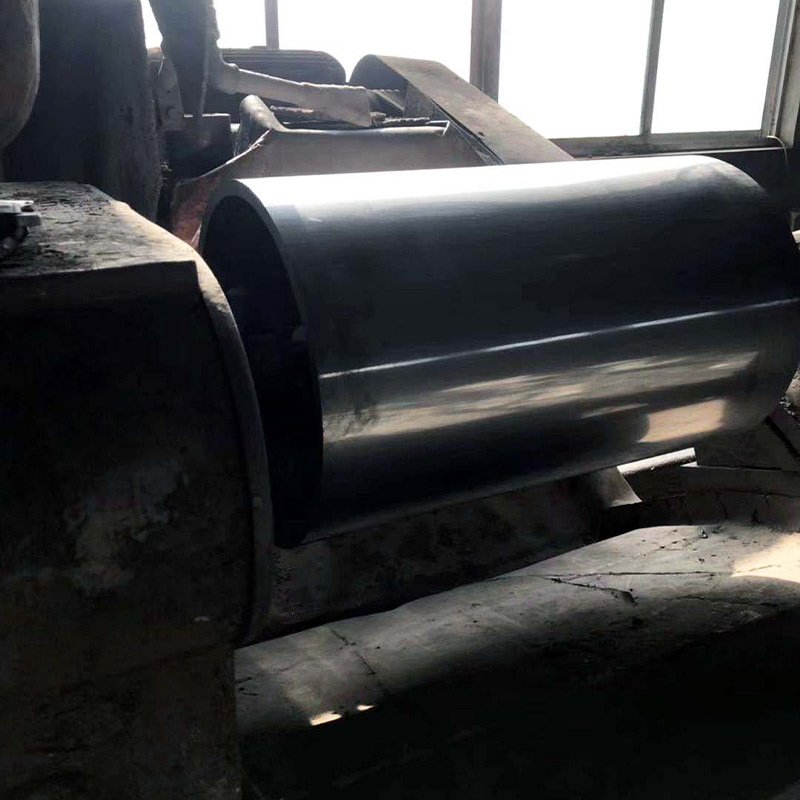
Hollow forms carry gases, liquids, or heated process loads. Define bore diameter, wall thickness, end geometry, and sealing interfaces.
Rods And Profiles

Cylindrical rods provide supports, spacers, or alignment members. Call out straightness, diameter, chamfers, and contact zones.
Nozzles And Flow Components
Nozzles meter or direct media through an orifice. Identify flow path, inlet transition, outlet shape, and wear-critical edges.
Guide Grooves And Wear Parts
Grooved parts position yarn, wire, or moving assemblies. State groove radius, surface condition, alignment datum, and replacement envelope.
Optical And Insulating Parts
Windows, lenses, and insulators require controlled transmission or isolation. Specify clear aperture, finish, mounting loads, and contamination limits.
4. Quartz Ceramics Machining and Design Guide: Materials
Material selection starts with the service environment, not the name quartz. This quartz ceramics machining and design guide separates optical, thermal, chemical, electrical, and mechanical priorities before drawing release.
| Material | Strengths | Limitations | Suitable Applications |
|---|---|---|---|
| Fused quartz | Optical clarity; thermal and chemical resistance | Brittle; grade-dependent purity | Windows, optics, process hardware |
| Crystalline quartz | Hard SiO2; orientation-sensitive properties | Anisotropy; brittle machining | Precision crystal-related parts |
| Quartz composite | Tailorable matrix and filler balance | Composition varies by supplier | Thermal or wear-focused components |
| Alumina or zirconia | Alumina insulation; zirconia toughness | Usually not transparent | Wear parts, insulating fixtures |
Purity And Optical Needs
Fused quartz is amorphous SiO2 and is commonly selected for transparent windows, UV optics, and contamination-sensitive hardware. Crystalline quartz is anisotropic, so orientation can matter in precision applications. Source: https://ferroceramic.com/quartz
Thermal And Chemical Fit
Quartz materials offer heat and chemical resistance, but abrupt temperature gradients and incompatible process media still require review. Alumina suits many insulating wear duties; zirconia can be considered where greater fracture toughness is needed.
Documentation Before Commitment
Hardness and brittleness make edge loading, impact, and machining allowances material-specific. Request the grade datasheet, purity basis, thermal data, chemical exposure assumptions, and inspection criteria for the quoted condition.
5. Custom Features and Surface-Finish Options
Custom quartz ceramic features should serve assembly, flow, alignment, sealing, or measurement—not decoration. The quartz ceramics machining and design guide should tie every finish and datum to its functional surface.
| Feature | Functional Purpose | Early Review Need |
|---|---|---|
| Deep hole | Mounting or passage | Wall thickness |
| Narrow channel | Guidance or flow | Corner radius |
| Lapped face | Seal or datum | Flatness requirement |
Functional Geometry
Holes, channels, and slots can establish flow paths or alignment, but thin ligaments and sharp internal corners increase chipping risk. Threads or metal inserts require early feasibility review because joint loading and thermal expansion matter.
Edge And Surface Treatment
Chamfers and radii reduce vulnerable sharp edges. Grinding controls form; lapping supports flat reference faces; polishing is appropriate only where roughness, sealing, or optical performance is specified.
Drawing Inputs
Datum surfaces, critical dimensions, tolerance zones, finish callouts, mating materials, and inspection method should appear on the current drawing revision. Identify cosmetic versus functional surfaces so quotation review can prioritize the features that affect performance.
6. Critical Design and Quality Elements
Quartz ceramic geometry should route service loads toward compression and avoid localized tensile stress. In this quartz ceramics machining and design guide, treat each feature as a potential fracture initiator until its load path and inspection method are defined.
Geometry That Resists Fracture
Generous internal radii, gradual cross-section changes, and adequately supported spans reduce stress concentration. Keep holes away from edges and other features unless the drawing defines the functional need and load case.
Brittle ceramics tolerate little redistribution after a local overload. Replace sharp corners, thin ligaments, and long unsupported projections where assembly permits.
Datums And Acceptance Criteria
Primary, secondary, and tertiary datums should reflect how the part seats, aligns, and is inspected in assembly. Assign tolerances, flatness, and surface finish only to features that affect function.
Before RFQ, identify mating surfaces, critical dimensions, allowable edge condition, cleanliness requirement, and required records. Confirm feasible tolerances and inspection methods against the final grade, geometry, quantity, and process route.
- Current drawing revision
- Service loads and temperature cycle
- Mating datums and critical surfaces
- Cleanliness and packaging needs
- Microcrack inspection expectations
7. How to Choose a Quartz Ceramic Manufacturer
A qualified supplier is evidenced by the records behind a specific drawing revision, not a material-family webpage. Use the quartz ceramics machining and design guide to turn capability claims into reviewable proof.
Request Traceable Evidence
One quotation package should identify material designation, lot traceability, drawing revision, quantity, and acceptance criteria. Request a sample certificate, first-article inspection report, and any application-relevant validation record.
- Material and lot identification
- Revision-controlled inspection report
- Validation tied to service conditions
Verify Process And Measurement
Two process questions matter: which features are machined before or after densification, and which diamond grinding, drilling, lapping, or polishing steps control critical surfaces. Ask for the measurement method, datum scheme, gage resolution, and example results for comparable geometry.
Test Production Readiness
One prototype does not establish repeatability. Review DFM feedback, prototype-to-production control points, packing method, change notification, and a lead-time plan that separates material, machining, inspection, and shipment.
- Named technical contact
- Documented packaging approach
- Transparent schedule assumptions
8. Common Quartz Ceramic Sourcing Mistakes
One incomplete requirement can trigger a redesign after quotation or first article review. This quartz ceramics machining and design guide treats the drawing, service conditions, and acceptance plan as one sourcing package.
Define Material Precisely
One material name is not a complete specification: state the material form, grade if known, purity needs, and operating environment. Otherwise, buyers may compare unlike options; correct this with a controlled drawing note and requirement review.
Design For Ceramic Behavior
Two common errors are copying metal-style sharp transitions and delaying DFM feedback until release. Brittle parts can concentrate stress, so identify radii, wall transitions, mating surfaces, and critical datums during an early supplier review.
Control Acceptance And Risk
Three avoidable gaps are blanket tight tolerances, unspecified handling or cleanliness, and price-only selection. Mark functional dimensions, define packaging and contamination controls, compare total qualification risk, and validate prototypes against assembly and service criteria.
9. Steps From Design Brief to Production
One controlled launch sequence turns a concept into a repeatable ceramic-part supply program. The quartz ceramics machining and design guide begins with the operating environment and ends with documented change control.
Define Service Conditions
First, record temperature range, thermal cycling, media exposure, loads, motion, electrical duties, contamination limits, and expected life. Identify the mating parts and failure modes that matter most.
Build The RFQ Package
Second, submit the current drawing revision, material designation if known, quantity, critical dimensions, tolerances, surface requirements, service conditions, and acceptance criteria. Mark datum surfaces, fits, inspection points, required records, and packaging needs.
Review Design And Samples
Third, request DFM feedback before committing to geometry, material, and finish. Prototype parts should be inspected against the agreed criteria, then validated in the actual assembly for fit, handling, and function.
Release And Control Changes
Fourth, approve the production drawing, inspection plan, documentation, delivery requirements, and approved sample baseline. Control every later material, process, drawing, or acceptance-criteria change through a revised written approval.
10. Quartz Ceramic Machining Pricing and Cost
3 quantity bands make quotation comparisons clearer: prototype, pilot, and production. Unit cost reflects material grade, blank size, geometry, tolerances, finish, inspection, and requested lead time—not a universal catalog price.
2 cost-reduction actions matter early: use DFM to simplify fragile features and consolidate drawing, acceptance, and documentation requirements. Plan qualification quantities realistically so tooling, first-article inspection, and schedule risk are evaluated before production release.
| Quantity tier | Illustrative cost profile | Procurement focus |
|---|---|---|
| 1–5 prototypes | Highest setup and inspection share per part | Confirm material, critical dimensions, and finish |
| 6–50 pilot parts | Setup spreads across more units; revisions remain likely | Approve DFM and first-article requirements |
| 51+ production parts | Repeatable geometry can reduce unit cost | Stabilize revision, inspection plan, and delivery cadence |
Start Your Quartz Ceramics Machining and Design Guide Discussion
Email your drawing, operating conditions, quantity, and acceptance criteria to begin a focused Porcecore quotation discussion.