
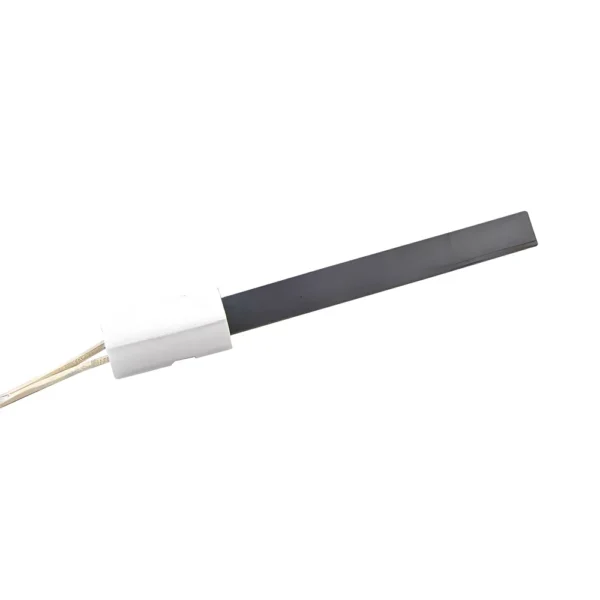

Use this page to structure an igniter inquiry around interfaces and operating conditions. The buyer should state the intended electrical and mechanical envelope, then ask for a proposed design, evidence plan and clearly identified assumptions.
Key Inquiry Requirements
Define the ignition duty
Start by describing the equipment and ignition task, not only the nominal wattage. Explain the fuel or process medium, ignition location, required reach, surrounding hardware and sequence of operation. State whether the igniter starts, supports or re-ignites the process. These details help separate the ceramic element’s role from the controller, wiring, mounting bracket and sensing functions.
Describe the operating cycle in terms the supplier can review: start-up behavior, energizing pattern, dwell, shutdown, repeat attempts and expected idle periods. If the 300W designation is a target rather than a final electrical requirement, label it accordingly. Ask the supplier to confirm what electrical and thermal information is needed before the design can be released.
Coordinate electrical and mechanical interfaces
An igniter’s installation depends on more than its active tip. Show terminals, leads, connector clearances, mounting points, insertion depth, orientation and accessible service space. Include the relationship to burners, chambers, shields, sensors and moving parts. If the design uses a replaceable cartridge or bracket, provide the retention and removal details that govern the ceramic body’s mechanical exposure.
State the electrical interface separately from the mechanical drawing. Include the available supply characteristics, control method, wiring arrangement and any limits imposed by the equipment. Do not assume the product name resolves these questions. A complete RFQ lets the supplier identify mismatches between the requested igniter, the controller and the installation envelope before samples are reviewed.
Review silicon nitride in service
Silicon nitride is a material family that must be considered alongside the ignition environment. Describe contact with flame, fuel, process gases, deposits, thermal cycling and nearby metals or ceramics. Identify whether contamination, erosion, rapid cycling or mechanical shock is a concern. The supplier should explain the proposed material and processing basis without treating a generic material label as sufficient evidence.
Ask for a validation approach suited to the equipment, including the relevant start-up sequence, exposure conditions, cycling pattern and inspection points. Avoid inserting unverified life, temperature or response claims into the RFQ. Instead, define what must be demonstrated, how the test will represent service and which results are required before design approval or field evaluation.
Inspect the complete igniter
Inspection should cover the ceramic body, active region, leads or terminals, mounting interfaces and any assembled joints. Define critical dimensions, orientation, surface condition, alignment and electrical checks that affect installation or ignition. Explain how defects, chips, contamination and handling marks will be assessed in relation to the actual operating zone.
A useful quotation should identify the proposed manufacturing route, assembly steps, inspection methods and sample documentation. When comparing suppliers, look for clear treatment of high-risk features and a realistic division of responsibilities between component and equipment testing. The best response will state where the design is understood, where it is conditional and what evidence is still needed.
Build an equipment-ready RFQ
Include the equipment drawing, igniter location, mounting details, electrical schematic, operating sequence, environmental description and revision-controlled component drawing. Add photographs only to clarify orientation or access. Identify whether the request is for concept review, prototype evaluation, replacement compatibility or a production-intent design, because each stage calls for different evidence and review depth.
Ask suppliers to return a technical clarification list with their quotation. Require them to identify assumptions about input, mounting, materials, testing, packaging and change control. Keep nominal power, dimensions and operating conditions tied to approved documents. This approach makes the 300W designation useful as a starting reference while preserving the engineering work needed to define the actual igniter.
Questions Before You Inquire
Does 300W fully specify the silicon nitride igniter?
No. The designation does not define supply characteristics, control method, mounting, active geometry, ignition environment or validation requirements. Treat it as a nominal reference that must be confirmed against the equipment. Provide the electrical and mechanical interfaces, operating sequence and required evidence before approving a final design.
What equipment information should accompany an igniter RFQ?
Provide the ignition location, fuel or process description, mounting envelope, electrical schematic, control sequence, surrounding materials, service access and environmental conditions. Include the current drawing revision and any failure history if this is a replacement inquiry. These details help the supplier review the complete interface rather than quoting an isolated ceramic form.
How should an igniter be validated?
Validation should reproduce the relevant equipment sequence and exposure conditions, including starts, dwell periods, shutdowns and repeated attempts where applicable. Define electrical, mechanical and ignition observations in advance. Component inspection alone is not enough when performance depends on the controller, mounting arrangement, process medium and surrounding equipment.
What should be compared between silicon nitride igniter quotations?
Compare electrical assumptions, mounting interpretation, active-zone design, material proposal, assembly method, inspection scope, sample plan and testing responsibilities. Ask suppliers to mark deviations and open questions on the drawing. Also compare how clearly each response separates confirmed requirements from proposed values, because hidden assumptions can create fit or validation problems later.
Send a Clear Component Brief
Share your drawing, quantity and application with Porcecore. Mark the requirements that are fixed and the questions that remain open.



Reviews
There are no reviews yet.