
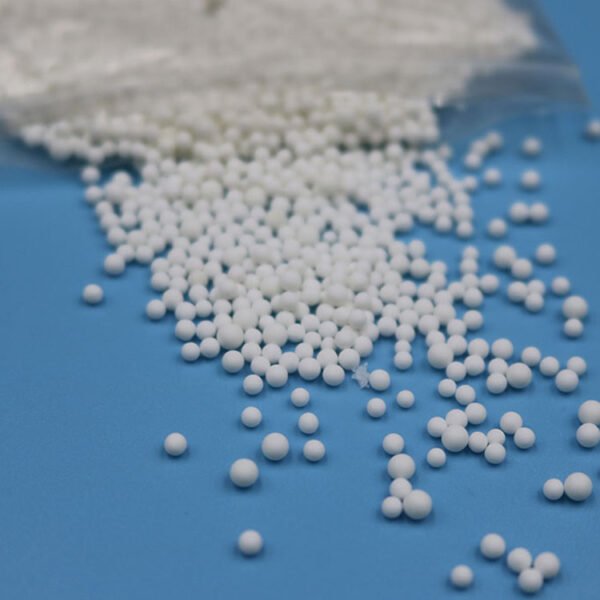



Treat the supplied product title as a topic label rather than an inventory promise. An RFQ should state whether the balls are used for grinding, mixing, wear protection, separation or another process role. Include the required size definition, batch context, packaging and documentation, then ask the supplier to identify assumptions instead of filling missing technical values.
Key Inquiry Requirements
Define the process duty
Alumina balls can be discussed in several process contexts, and each one changes the relevant purchasing criteria. State whether the balls contact a powder, slurry, liquid, lining, tool or other media. Explain whether the primary concern is grinding action, wear resistance, contamination control, corrosion exposure, mixing or controlled movement within a vessel.
Describe the equipment interface without promising a particular machine configuration. Include vessel material, lining condition, agitator or motion type and the way the balls are loaded and removed. If the balls are used in a closed process, identify access, cleaning and separation requirements so the quotation addresses the complete handling cycle.
Specify size and geometry
Do not leave ball size to a product title or photograph. Define the size basis, whether a nominal diameter, screened range, grading distribution or another method is required. State the acceptable relationship between different size fractions and explain whether consistent movement, packing or grinding behavior depends on that distribution.
Roundness and surface condition may influence contact, wear and process stability, so identify them when they matter. Mark visible defects that are unacceptable, including chips, cracks, pits, adhered material or contamination. If the application tolerates a range of appearance but not a functional defect, express that distinction in the inspection section.
Review material and contamination needs
An alumina requirement should identify the material description or approved specification used by the buyer. Do not assume that a generic alumina label resolves composition, structure, processing route or contamination risk. Explain which incoming documents are needed to confirm the selected material and which characteristics are critical to the process.
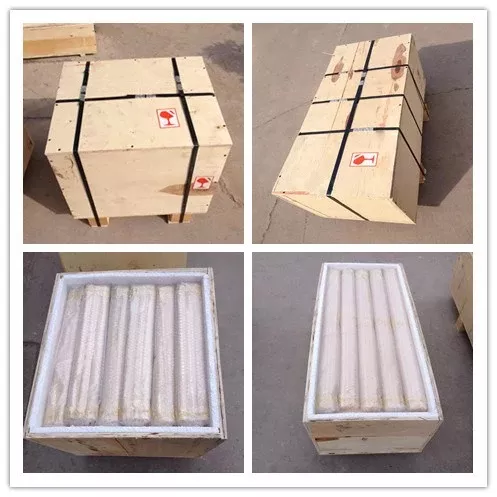
Consider the materials being processed and the consequences of unwanted wear debris or cross-contamination. State cleaning, drying, packaging and storage expectations where they affect use. If the balls will be reused, describe the cleaning and requalification approach. These details help the supplier understand whether the inquiry is media procurement or a controlled process component.
Plan inspection and batch comparison
A useful inspection plan should connect measurements to the process duty. Depending on the application, this may include size distribution, geometry, surface condition, damage screening, cleanliness and material documentation. Define sampling, lot identification and record requirements before comparing quotations, especially when individual counting or full visual review is impractical.
Ask suppliers to explain how they control mixed sizes, broken pieces and foreign material during packing. Clarify whether inspection records are supplied by batch and how rejected material is segregated. Consistent terminology matters: a buyer and supplier may use the same word for diameter range while applying different screening or measurement methods.
Build a practical RFQ
Include the process description, ball form, material requirement, size definition, quantity basis, packaging format and intended reuse or disposal route. State whether the inquiry is for development, qualification or recurring process use, without assuming stock, minimum order quantity or delivery timing. Add any required samples or trial evaluation plan as separate purchasing conditions.
Ask for a quotation that lists the proposed material description, size classification, inspection basis, packaging assumptions and exclusions. If process trials will determine final acceptance, say how trial results will be reviewed. A transparent RFQ allows buyers to compare technical suitability and total handling implications rather than comparing a nominal alumina label alone.
Questions Before You Inquire
Are alumina balls suitable only for grinding?
No fixed application should be assumed from the name. The supplied topic indicates grinding and related process uses, but buyers should define the actual duty, materials in contact, motion, contamination limits and wear concerns. The supplier should review the requested form against that specific process context.
What size information should an RFQ include?
State how size will be defined and accepted, such as a nominal diameter, screened range or distribution. Include any requirements for roundness, mixed fractions, chips or surface defects. If packing behavior or process performance depends on grading, describe the required relationship between size groups rather than listing one broad label.
How can contamination risk be addressed?
Identify the materials being processed, unacceptable foreign matter, cleaning expectations and packaging controls. State whether wear debris or cross-contamination could affect the product. Request batch identification and relevant material or inspection documentation, then define how the buyer will evaluate cleanliness during incoming inspection or process trials.
Should the RFQ specify reuse conditions?
Yes, when the balls will be recovered and reused. Describe cleaning, drying, storage, inspection and requalification expectations, including the conditions that trigger rejection. Reuse can change the relevant acceptance criteria because damage, wear or process residue may matter more than the appearance of unused media.
Send a Clear Component Brief
Share your drawing, quantity and application with Porcecore. Mark the requirements that are fixed and the questions that remain open.

Reviews
There are no reviews yet.