
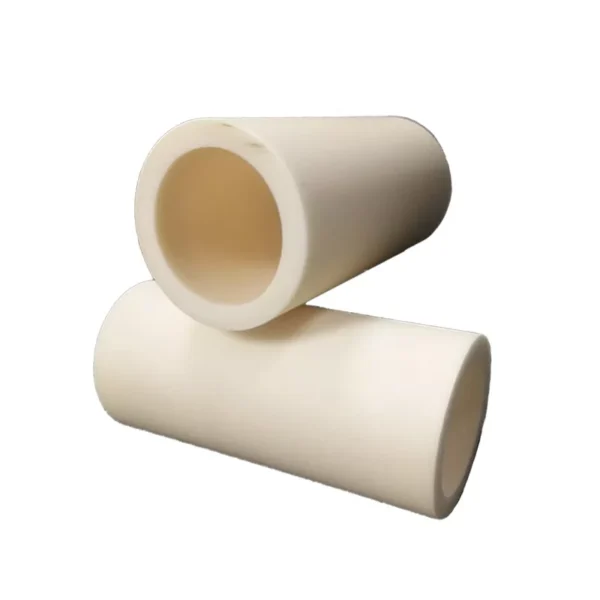
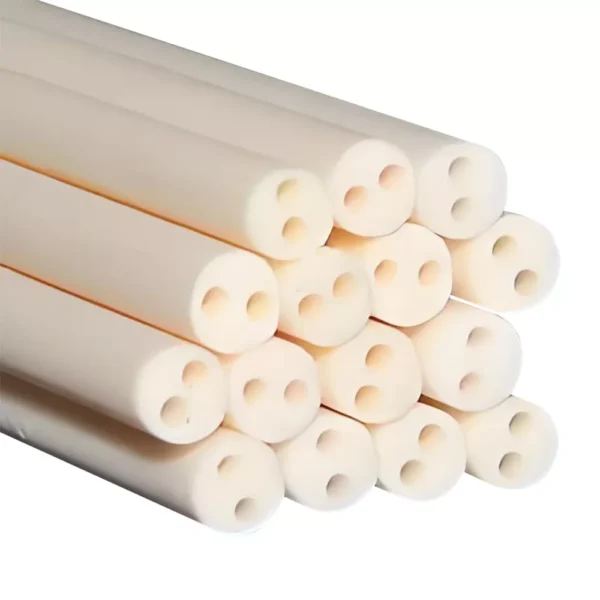

Treat the tube as an engineered ceramic component rather than a generic hollow section. Porcecore can help structure an RFQ around dimensions, material definition, finishing, inspection and application context.
Key Inquiry Requirements
Tube geometry and interfaces
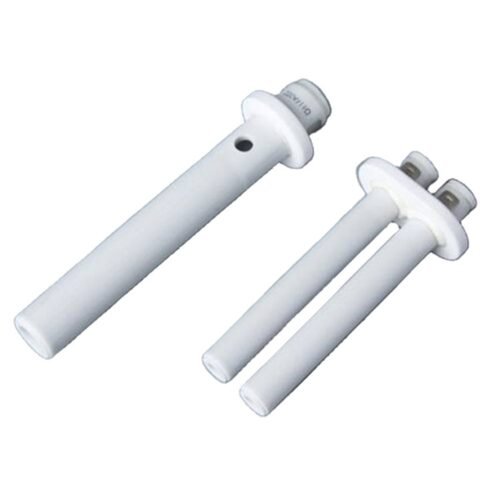
An alumina tube should be defined by its complete cross-section and length, including inside diameter, outside diameter, wall relationship, end conditions and any stepped or flanged regions. Show datum references and identify which surfaces guide, contain, insulate or locate another component. If the tube accepts a rod, wire, insert or fluid path, include the mating geometry in the RFQ.
Long tubes, thin walls and small bores can make inspection and handling more demanding, so the drawing should identify critical dimensions separately from reference dimensions. State whether ends must be square, chamfered, radiused, lapped or left as formed. Where the design is still evolving, provide the functional clearance and assembly sequence rather than an unsupported nominal specification.
Alumina material selection
Alumina is a material family, not a complete purchasing specification. The inquiry should request confirmation of the proposed grade or designation, forming route and finishing route, while stating any known chemical, electrical, thermal or wear-related duty. Buyers should explain whether the tube is exposed to vacuum, gases, liquids, particles, thermal cycling or contact with dissimilar materials.
Material comparison should be tied to the tube’s actual service and interface requirements. If more than one alumina grade is acceptable, define the decision criteria and evidence needed for approval. If a specific grade is required, request documented confirmation and identify whether substitutions require written customer authorization before manufacture.
Surface and end condition
The bore may be more important than the outside surface when the tube guides a part, separates conductors or defines a clean passage. Specify requirements for chips, cracks, pits, glaze or residue according to the application, and identify whether surface roughness or finish must be measured. Do not assume that a visually acceptable tube has the required internal condition.
End preparation should be linked to assembly risk. A tube inserted into a holder may need controlled edge treatment, while a tube used as an insulating sleeve may require a different contact condition. Mark handling-sensitive areas on the drawing and ask the supplier to explain how those areas will be protected during processing, inspection and packing.
Inspection and handling
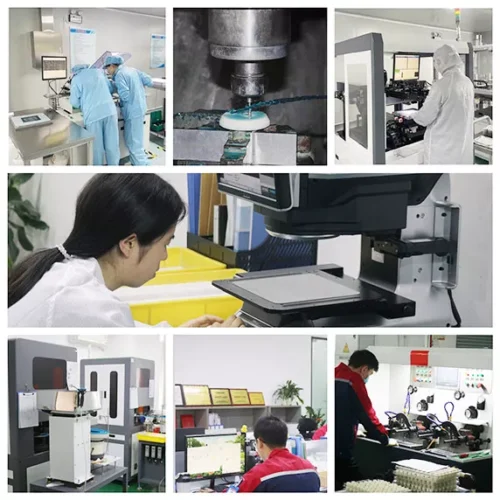
A practical inspection plan can include length, inside and outside diameters, wall relationship, straightness, end condition and visual examination. Identify the measurement method for internal features, especially where access is limited. If the tube must remain clean, specify the cleaning, packaging and acceptance approach instead of relying on a general cleanliness statement.
Ceramic tubes can be vulnerable to edge damage during movement and assembly. The RFQ should state whether individual protection, separators, caps or controlled packaging are needed, along with any labeling or traceability requirements. Suppliers should list inspection exclusions and measurement limitations so the buyer can compare offers on equivalent evidence.
RFQ preparation
A complete inquiry should include the tube drawing, cross-sectional details, mating components, service environment, quantity by development stage and intended inspection level. State whether the part is for a laboratory trial, equipment build, qualification activity or continuing manufacture. Include the delivery destination and packaging expectations, but avoid treating a quotation as confirmation of stock or fixed lead time.
Ask suppliers to return a structured response covering material proposal, manufacturing route, finishing assumptions, inspection scope, packaging and open questions. Review whether each offer addresses the bore, ends, surface condition and handling risks specifically. This keeps the conversation focused on the tube’s real function and makes later drawing revisions easier to control.
Questions Before You Inquire
What dimensions should an alumina tube drawing show?
At minimum, show the bore, outside diameter, length, wall relationship, end treatment and datum scheme. Add steps, slots, flanges, holes or transitions where present. Identify critical features and mating parts so suppliers understand which dimensions control insertion, guidance, insulation or containment.
Does alumina grade matter for a ceramic tube?
Yes. Different alumina grades and processing routes may suit different electrical, thermal, chemical, wear or cleanliness requirements. The RFQ should identify the required material family and service conditions, then request grade confirmation. Any permitted substitution should follow a defined technical review and approval process.
How should the bore be inspected?
Specify the required internal dimensions, measurement references and acceptable evidence. Depending on geometry, suppliers may use suitable gauges, optical methods or other controlled techniques, but the method should be agreed against the drawing. Also identify internal chips, cracks, residue and surface conditions that could affect assembly or service.
What packaging details are useful for alumina tubes?
State whether the tubes need individual separation, end protection, clean packaging, labels, traceability or orientation control. Packaging should reflect the tube’s length, wall sensitivity and edge condition. Ask suppliers to describe the proposed protection and identify any handling limitations before comparing quotations.
Send a Clear Component Brief
Share your drawing, quantity and application with Porcecore. Mark the requirements that are fixed and the questions that remain open.

Reviews
There are no reviews yet.