


Specify the grinding duty, media geometry and process chemistry together so the quotation reflects the actual milling environment rather than a generic ball description.
Key Inquiry Requirements
Grinding duty and media role
Start by describing what the balls must do in the process: coarse reduction, fine milling, dispersion, mixing or another duty. Identify the mill type, chamber arrangement, feed material, slurry or dry condition, solids loading and operating sequence. These factors influence the useful media size range and the material considerations that should appear in the RFQ.
Explain whether the balls are intended as a single size, a graded distribution or a replenishment blend. State the target product quality and any contamination limits that matter. A ball that is acceptable for one powder or slurry may be unsuitable for another, so the buyer should connect the media specification to the downstream process and product sensitivity.
Alumina grade and contamination control
Alumina is the named material family, but the relevant grade, composition basis, density range, additives and processing route still need confirmation. Ask the supplier to identify the proposed specification and the documentation available for composition or physical properties. Do not infer purity or density from the word alumina, because those details can materially affect milling behavior and contamination risk.
Discuss the elements that could enter the processed material through wear or breakage. If trace contamination must remain below a defined limit, state the analytical method, sampling plan and acceptance threshold. The supplier can then assess material selection, handling and cleaning requirements against a documented process need rather than offering an unsupported generic claim.
Size, roundness and surface condition
Media size affects impact, contact area, packing and the ability to reach small process spaces. Define nominal diameter or size class, permitted distribution, shape expectations and any special requirement for roundness or surface condition. If the balls interact with screens, narrow passages or a lined chamber, provide those interface dimensions so the proposed media can be reviewed safely.
Surface defects and fractured pieces should be considered separately from normal variation. State whether chips, cracks, attached powder or discoloration are unacceptable, and define how such conditions will be identified. Packaging and transfer can influence cleanliness, so include the handling route when a low-contamination process or controlled charging procedure is required.
Process evaluation and inspection
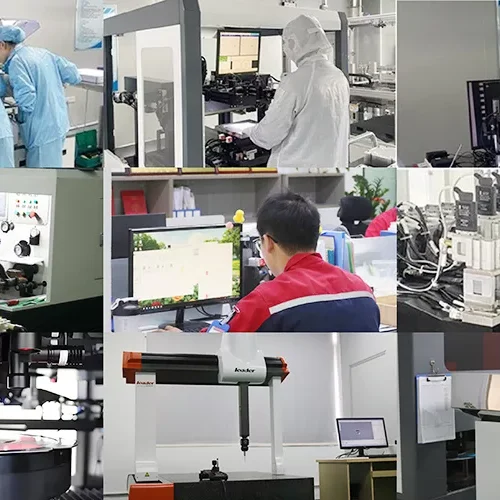
Inspection may cover size distribution, visual condition, mass or density-related checks, material documentation and packaging integrity. Select tests that correspond to the milling duty and specify sample quantities or lot representation. If the buyer needs a trial, define the mill, feed, duration, media charge, output measures and contamination analysis so results can be compared meaningfully.
Wear evaluation should be tied to the actual application rather than reduced to a universal life promise. Ask suppliers to explain the proposed test basis and limitations, including differences between laboratory and production equipment. Review any change in media grade, size mix or process chemistry through a controlled qualification path before routine use.
Preparing an alumina media RFQ
An RFQ should state the mill model or chamber dimensions, wet or dry operation, feed and product description, target size range, media size or blend, charge quantity, replenishment pattern and packaging requirements. Add temperature, chemistry and contamination constraints where relevant. If the request is exploratory, clearly label assumptions and ask for technical comments on the media selection.
When comparing offers, review material definition, size distribution, inspection records, packaging, replenishment options and proposed trial conditions together. Confirm whether quoted quantities refer to net media, sample sets or production lots. Commercial terms such as price, minimum quantity and lead time must be separately agreed; they are not established by this product page.
Questions Before You Inquire
How should an alumina grinding ball be specified?
Define the milling duty, wet or dry process, mill type, feed material, chemistry, target product, ball size or size distribution, material grade, contamination limits, inspection and packaging. Include replenishment assumptions if applicable. The correct specification depends on the complete process, not on diameter alone.
Does alumina automatically indicate a particular purity or density?
No. Alumina products can use different grades, compositions, additives and processing routes. The RFQ should identify an approved material basis or request a documented proposal. Any purity, density or contamination requirement must be stated and verified through agreed documentation or testing.
Should grinding balls be supplied in one size?
That depends on the mill, feed, target product and process objective. Some applications may use a defined size class, while others may evaluate a graded blend. Provide the chamber and process details first, then ask the supplier to comment on the proposed media distribution and qualification approach.
Can performance be guaranteed from the product description?
No. Milling results depend on equipment, charge, feed, chemistry, operating conditions, media specification and measurement method. A supplier can discuss a proposed grade and trial plan, but wear, contamination and product-size outcomes should be confirmed under an agreed application-specific test.
Send a Clear Component Brief
Share your drawing, quantity and application with Porcecore. Mark the requirements that are fixed and the questions that remain open.


Reviews
There are no reviews yet.