


The same cylindrical form can serve very different assemblies. Explain whether the rod locates, insulates, guides, supports, wears against another part, or transfers load. Provide the drawing, mating features, application conditions, handling expectations, and acceptance criteria needed for a meaningful technical comparison.
Key Inquiry Requirements
Define the rod’s job in the assembly
Start with the function of the alumina rod, because a rod used as a locating pin has different priorities from one used as an insulating support, guide, spacer, or wear-facing element. Show the assembly, mating holes, contact lengths, retention method, and load direction. Identify whether the rod is fixed, sliding, press-fitted, bonded, or simply captured.
Mark the functional surfaces and ends on the drawing. Include insertion direction, exposed length, shoulder locations, flats, grooves, holes, or stepped sections where present. State whether the rod must maintain alignment, electrical separation, spacing, or a clean path through the assembly. A simple section view can reveal constraints that a standalone length-and-diameter callout misses.
Material and geometry requirements
Specify the alumina material family and any approved designation, then connect it to the required geometry and environment. Buyers should ask how the proposed material is identified and whether substitutions need approval. Consider the surrounding media, contact materials, mechanical loading, temperature changes, cleaning chemistry, and electrical role instead of treating alumina as a universal solution.
Define diameter, length, straightness, roundness, cylindricity, parallelism, end squareness, chamfers, radii, and surface finish according to function. If the rod must pass through a close-fitting hole or maintain a controlled gap, identify the relevant datum and inspection method. Distinguish critical features from reference dimensions so the quotation reflects actual priorities.
Surface, ends, and application context
Rod ends often determine assembly success. State whether ends may be square, chamfered, radiused, ground, polished, or otherwise finished, and show the permissible transition into the cylindrical surface. If the rod contacts a seal, electrode, bearing surface, or fragile component, describe that interface and define acceptable marks, chips, and edge conditions.
Use the RFQ to describe the application environment with enough detail for technical review. Include contact pressure, sliding or stationary use, chemical exposure, vacuum or pressure conditions, thermal cycling, electrical isolation needs, and cleaning requirements when known. Avoid unsupported lifetime or performance promises; ask the supplier to identify design questions that require testing or application validation.
Inspection and handling
Inspection should follow the rod’s functional risks. Depending on the design, this may include diameter, length, straightness, end geometry, surface condition, visible damage, cleanliness, and material identity. Explain how long slender parts should be supported during measurement and which datum governs straightness or end relationship. This prevents different measurement setups from producing misleadingly different results.
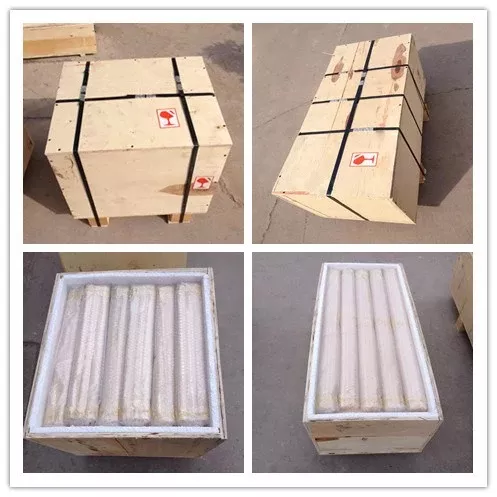
Ceramic rods can be sensitive to impacts and edge damage during handling, inspection, and packing. Define protective packaging, separation, orientation, contamination controls, and visual acceptance where these matter. Ask for inspection records that identify the measured features and drawing revision, rather than accepting an undifferentiated statement that the parts were checked.
Make the RFQ technically useful
A complete inquiry should combine the released drawing, assembly sketch, material requirement, application environment, inspection criteria, packaging instructions, and any cleaning or handling controls. State the anticipated use and identify open questions such as fit, end treatment, or surface condition. This gives the supplier enough context to review manufacturability without inventing requirements on the buyer’s behalf.
Request a quotation that separates confirmed specifications from assumptions and lists exclusions, inspection scope, material documentation, samples, and change-notification expectations. Compare suppliers on their understanding of the rod’s functional interfaces and measurement basis, not simply on nominal dimensions. Approve the final part against the drawing and agreed quality documents.
Questions Before You Inquire
What should an alumina rod RFQ include?
Include the controlled drawing, diameter and length, straightness and end requirements, surface condition, material designation, mating features, load or motion, environment, cleaning, packaging, inspection method, and drawing revision. Explain whether the rod locates, insulates, guides, supports, or wears against another component.
Which alumina rod dimensions are usually most important?
The priorities depend on function. Diameter and length may control fit, while straightness, end squareness, roundness, surface condition, or a shoulder may control alignment or contact. Mark functional dimensions and connect them to datums so suppliers and inspectors use the same interpretation.
How should ceramic rod ends be specified?
Show the end profile, chamfer or radius, transition location, allowable edge condition, and any surface requirement on the drawing. Explain what the end contacts during assembly or service. This prevents a nominally correct rod from causing interference, damage, misalignment, or unreliable seating.
What packaging information should buyers provide?
State whether rods need individual separation, protective end coverage, cleanliness controls, orientation, moisture protection, or special labeling. Packaging should prevent contact damage and preserve traceability through inspection and delivery. The exact requirement should reflect the rod’s geometry, surface sensitivity, assembly environment, and handling route.
Send a Clear Component Brief
Share your drawing, quantity and application with Porcecore. Mark the requirements that are fixed and the questions that remain open.


Reviews
There are no reviews yet.