


Use this page to structure an inquiry for an alumina substrate, including substrate form, feature pattern, surface finish, metallization requirements and packaging conditions. The final specification should distinguish essential functional requirements from preferred production details, so a supplier can review manufacturability without assuming dimensions, electrical values, purity, certification or delivery terms that have not been stated.
Key Inquiry Requirements
Define the substrate around its circuit role
Begin with the substrate’s role in the assembly rather than with a material name alone. State whether it supports a hybrid circuit, optoelectronic package, sensor, capacitor arrangement or another electronic structure. The drawing should identify the active face, datum scheme, mounting orientation, cutouts, holes, edge treatments and any keep-out zones. These details help a ceramic processor understand how the blank becomes a usable platform.
Describe the electrical and mechanical interfaces separately. A buyer may need metallized areas, bonded components, wire-bond locations, plated features or a surface prepared for a later thin-film process, but each item should be shown or dimensioned in the RFQ. Include the assembly sequence, contact materials and allowable handling methods so surface and edge requirements are judged in context rather than inferred from the application name.
Material and geometry questions for comparison
Alumina is a material family, not a complete specification. Ask suppliers to identify the proposed grade or composition and to explain how it relates to the required strength, dielectric behavior, machinability and surface finish. If a design depends on a particular material range, place that requirement in the drawing or purchasing specification and define the evidence needed for acceptance.
Substrate geometry should include overall dimensions, thickness, flatness, warpage, corner treatment and feature location controls where they affect assembly. Avoid using broad terms such as precision or high consistency without a measurable definition. A useful RFQ separates drawing dimensions, reference dimensions and inspection points, allowing quotations to be compared on the same technical basis.
Surface preparation and thin-film compatibility
If the substrate will receive a thin-film, thick-film, bonding or metallization process, identify the planned sequence before requesting quotations. State which face is processed, whether polishing is required, how the surface is cleaned and whether visual marks, particles, scratches or edge chips are restricted. The supplier can then review whether the requested finish is compatible with handling and downstream deposition.
For polished or otherwise prepared surfaces, define measurable acceptance language instead of relying on appearance alone. A buyer may specify roughness, inspection lighting, cleanliness method, flatness reference and allowable defects when those factors influence pattern definition or bonding. If the surface is only a carrier and no special preparation is needed, say so; this can prevent unnecessary processing assumptions and mismatched pricing.
Inspection evidence and handling controls
Inspection planning should follow the features that matter during assembly. Request dimensional reports for selected characteristics, visual inspection criteria for edges and surfaces, and a stated method for checking flatness or warpage. If metallization or patterned areas are involved, identify whether inspection is performed before or after the relevant process and which features require recorded results.
Ceramic substrates can be vulnerable to edge damage during packing, transit and manual loading, so packaging should be part of the RFQ. Describe separators, orientation, contamination controls and labeling expectations where relevant. If the buyer needs sample approval, first-article review or traceable inspection records, define the required submission and acceptance process without presuming that every supplier offers the same documentation.
Build a decision-ready alumina RFQ
A complete inquiry should contain the latest drawing, revision level, annual or project quantity estimate, intended application, processing route and critical-to-function characteristics. Include artwork or layer information when the substrate carries a circuit pattern, together with any joining, coating or assembly constraints. Ask suppliers to identify assumptions, exclusions, proposed substitutions and unresolved technical questions in their quotation.
Compare responses by technical completeness before comparing commercial figures. Check whether each quotation addresses material identification, geometry, surface state, feature capability, inspection, packaging and sample approval. The goal is a clear route from drawing review to qualified parts, not a promise that a pictured or catalogued substrate is already available in a particular specification.
Questions Before You Inquire
What should be included in an alumina substrate RFQ?
Include a controlled drawing, material requirements, thickness and feature definitions, surface condition, metallization or coating details, inspection criteria, packaging expectations and intended process sequence. Also identify critical characteristics, sample approval needs and the evidence required for acceptance. This gives suppliers enough context to assess manufacturability without inventing missing requirements.
Can an alumina substrate support thin-film processing?
It may be considered for thin-film work when its surface, flatness, cleanliness and geometry suit the planned process. The buyer should specify the deposition route, processed face, surface acceptance criteria and downstream handling conditions. Suitability should be confirmed through drawing review and, where appropriate, representative samples rather than assumed from the material name.
How should polished surfaces be specified?
Define the functional reason for polishing, the applicable face, roughness or other measurable surface criteria, flatness reference, cleanliness expectations and allowable defects. Visual terms alone are difficult to compare. If no polished finish is necessary, state the acceptable as-processed condition so suppliers do not quote an unnecessarily intensive surface operation.
Is the pictured alumina substrate a standard stocked item?
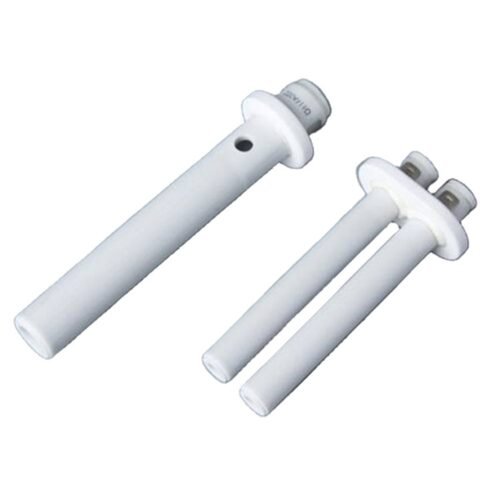
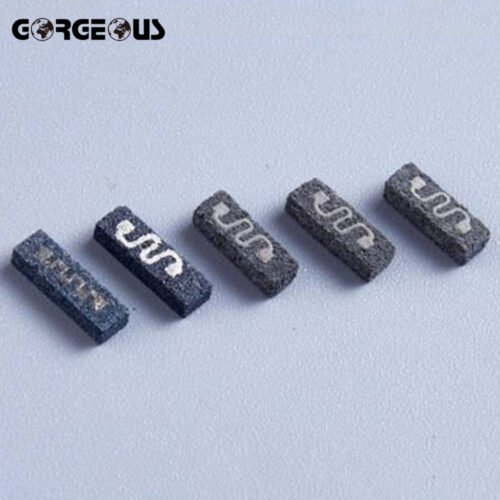
This page should not be read as an inventory statement. Substrate geometry, circuit pattern, surface preparation and inspection requirements are often drawing-dependent. Ask the supplier to confirm whether the requested configuration is manufacturable, what assumptions apply and which sample or qualification steps are needed before any supply commitment is made.
Send a Clear Component Brief
Share your drawing, quantity and application with Porcecore. Mark the requirements that are fixed and the questions that remain open.


Reviews
There are no reviews yet.