

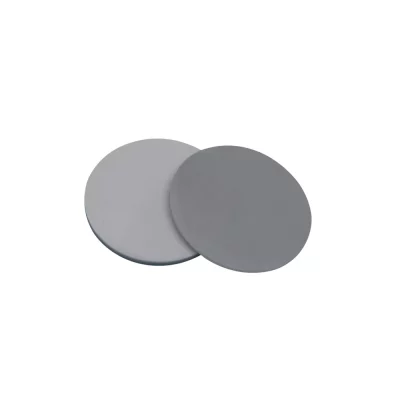
Specify the disc’s heat-transfer role, electrical isolation boundaries, mounting stack, surface requirements and verification method rather than relying on a generic disc description.
Key Inquiry Requirements
Define the thermal and electrical role
State where heat enters and leaves the disc, which surfaces contact adjacent parts and where electrical isolation is required. Explain whether the component supports, separates, spreads or transfers heat within the assembly. A simple round outline is not enough if the thermal path depends on clamping pressure, interface layers, metallization or a controlled contact area.
Aluminum nitride is commonly selected when thermal conduction and electrical insulation must coexist, but the RFQ still needs application-specific boundaries. Identify the electrical potentials, neighboring conductors, insulation zones and any surface treatment under consideration. Ask suppliers to describe the material basis and confirm that the proposed construction matches the intended assembly.
Control disc geometry and surfaces
Show diameter or perimeter, thickness, holes, slots, steps, flats and edge treatment as applicable to the design. Mark the primary thermal faces and any surfaces used for location or electrical clearance. If the disc is assembled in compression, identify the load-bearing ring or contact footprint. Use section views for recessed features and transitions that cannot be understood from a plan view.
Surface condition can matter as much as nominal size. Define the required finish, cleanliness, allowable damage and treatment state for each functional face. If a coating, metallization or bonding layer is involved, show its boundary and relationship to the ceramic. Leave no ambiguity about whether a dimension applies before or after that added process.
Describe the heat path
An effective RFQ explains the complete heat path from source to sink, including interface materials, carriers, clamps, fasteners and cooling-side hardware where relevant. State the assembly sequence and any pressure or flatness assumptions that influence contact. Suppliers can then review the disc as part of a thermal stack instead of proposing a disconnected ceramic blank.
Ask for the assumptions behind any thermal comparison. A buyer may need to compare material selection, face preparation, interface compatibility and process variation rather than a single claimed property. Keep the requested evidence tied to the actual design and test method, especially when the disc operates inside a larger module with multiple heat-transfer interfaces.
Specify insulation and qualification checks
Define the electrical inspection basis around the actual insulation function. Depending on the assembly, this may involve visual review, dimensional clearance checks, isolation testing or verification of a treated surface. State the test configuration, contact points, conditioning and acceptance criteria. Without these details, different suppliers may report results that are not directly comparable.
Qualification should include the assembled state when mechanical load, thermal cycling or joining changes the disc’s environment. Describe the fixture, neighboring materials and evaluation sequence if testing is required. Distinguish design verification from routine production inspection, and identify which records must accompany approval samples or later deliveries.
Create a controlled comparison
A strong quotation package includes the latest disc drawing, thermal-stack sketch, electrical-clearance map, material requirement and inspection plan. Explain the intended production stage and whether the design is still open to supplier recommendations. Identify surfaces that may not be touched, coated or altered, and list any documentation needed for engineering approval.
Require responses to separate confirmed compliance from proposed alternatives. Ask suppliers to state the ceramic grade, processing assumptions, surface treatments, inspection methods and open questions. This makes it easier to compare proposals on heat-path integrity, insulation boundaries and manufacturability without turning the product page into an inventory or performance promise.
Questions Before You Inquire
What makes an aluminum nitride disc RFQ complete?
Include the disc drawing, thermal-stack sketch, electrical-clearance requirements, mounting method, surface treatments and inspection plan. Explain where heat enters and exits and which surfaces must remain electrically isolated. Also state the qualification fixture or test method if assembled performance or isolation evidence is required.
Should both disc faces be treated as functional?
Not automatically. Identify which faces transfer heat, provide insulation, locate the part or receive a coating or bond. If the two faces have different requirements, show them separately on the drawing. This avoids applying one finish, cleanliness rule or damage limit to surfaces with different roles.
How should thermal properties be compared?
Compare them within the same material definition, geometry, interface stack and test method. Ask each supplier to identify the proposed grade and the assumptions behind any reported value. The buyer should also review flatness, surface condition, joining and contact design because those factors can influence the assembled heat path.
What electrical checks may be relevant?
Relevant checks depend on the assembly and may include clearance review, isolation testing, visual inspection of treated areas or verification of coating boundaries. Define the test configuration, conditioning, measurement points and acceptance criteria in the RFQ. A generic electrical statement is less useful than evidence tied to the actual design.
Send a Clear Component Brief
Share your drawing, quantity and application with Porcecore. Mark the requirements that are fixed and the questions that remain open.



Reviews
There are no reviews yet.