




Porcecore frames aluminum nitride insulation accessories around the buyer’s assembly layout, electrical interfaces, mounting method, environmental exposure and inspection needs.
Key Inquiry Requirements
Define the accessory’s position
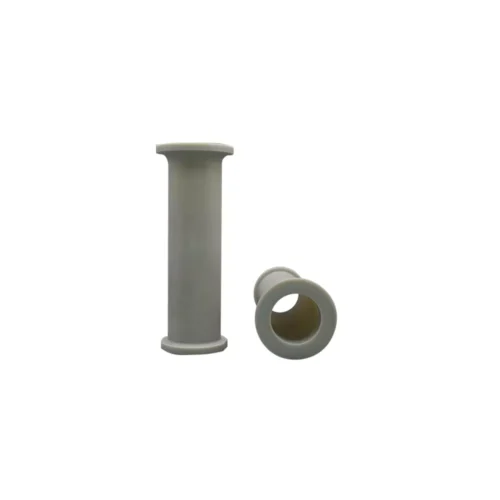
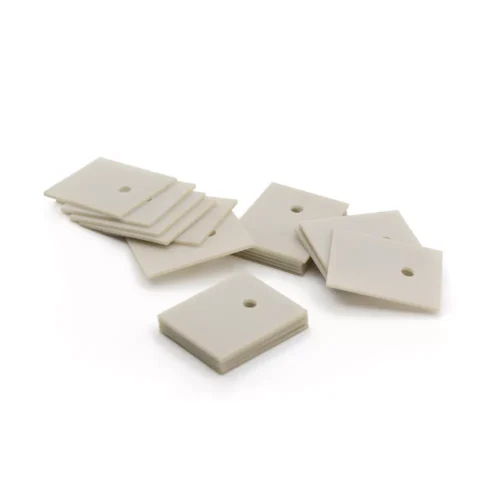
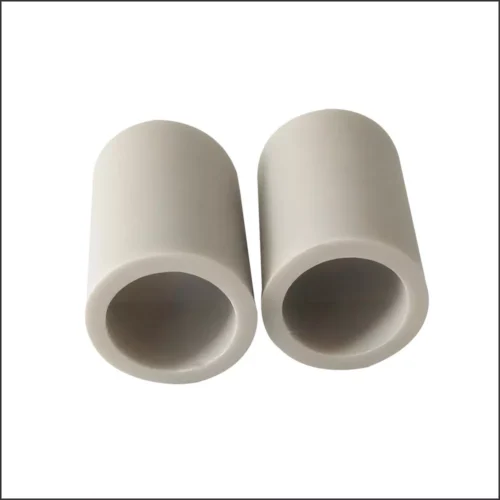
Insulation accessories can take many forms, including spacers, supports, sleeves, plates, collars or custom interface pieces. The supplied topic does not establish a single geometry. Begin the RFQ with an assembly drawing showing what the accessory separates, supports, locates or protects. Include neighboring conductors, fasteners, substrates, housings and clearances so the ceramic role is unambiguous.
Describe whether the part is static, clamped, inserted, bonded or assembled with another ceramic or metal component. Note installation direction, access limitations and replacement considerations. A small shape change can affect creepage, clearance, alignment or assembly sequence, so these relationships should be treated as design inputs rather than left to interpretation from the product name.
Geometry and mounting interfaces
Specify the accessory’s overall envelope, thicknesses, holes, slots, steps, radii, recesses and locating features on a controlled drawing. Identify datum surfaces and mark the dimensions that control electrical separation, mechanical alignment or contact with adjacent parts. If a mating fastener or conductor passes through the ceramic, provide its size, loading direction and installation method.
The mounting design should account for how forces enter the ceramic during assembly and operation. State whether the part is clamped, bonded, brazed, captured or simply seated, and identify any washers, clips or compliant layers. Do not infer a universal tolerance or load capability from the aluminum nitride material name; those requirements depend on geometry and the complete assembly.
Material and environment definition
Aluminum nitride is the named material family for this inquiry. The buyer should state whether that family is mandatory, whether a particular grade is already qualified and which material attributes matter to the assembly. The source evidence also contains unrelated catalog navigation and does not establish a finished-part specification, so all critical material requirements should come from the buyer’s controlled design documentation.
List the electrical environment, surrounding materials, moisture, contaminants, vacuum or atmosphere conditions, cleaning agents, temperature changes and any joining or coating process. If the accessory is near heat-generating or high-voltage elements, describe the relevant exposure without assuming a numerical rating. This information supports a focused material and process discussion while keeping unverified limits out of the RFQ.
Inspection and assembly checks
Inspection criteria should be tied to the accessory’s purpose. Consider critical thicknesses, hole position, flatness, warpage, edge condition, surface defects, cleanliness and fit against mating hardware. Mark functional areas on the drawing and define measurement references. If the part is later joined, coated or clamped, identify the post-process condition that must be inspected.
Prototype or sample checks should be performed in representative hardware when alignment, insulation spacing or assembly stress is important. Agree on the test configuration, instrumentation, environmental conditions and acceptance criteria before testing. Dimensional conformity, assembly fit and system-level electrical behavior are separate evidence categories and should not be collapsed into a single unsupported performance statement.
Build a comparison-ready RFQ
A complete inquiry should include the assembly drawing, part drawing, material preference, interface notes, process sequence, quantity range and project stage. Explain whether the accessory is a new design, replacement geometry, design revision or second-source evaluation. Identify which dimensions, surfaces and material requirements are fixed and which may be reviewed with the supplier.
Ask for manufacturability comments, proposed inspection checkpoints, sample documentation and any assumptions affecting the quotation. If the component forms part of a regulated or qualified assembly, specify the records required by the buyer without implying that certification is automatically included. A disciplined RFQ helps distinguish technical fit from marketing language or catalog similarity.
Questions Before You Inquire
What does aluminum nitride specify by itself?
It identifies the requested material family, but it does not define the accessory’s shape, grade, finish, interfaces, process route or acceptance criteria. Those items must come from the assembly and part drawings. The buyer should also state whether the material family is mandatory or open to an approved technical comparison.
Can an insulation accessory be quoted without an assembly drawing?
A simple part may be reviewed from a complete detail drawing, but an assembly view is strongly recommended. It shows clearances, conductors, fasteners, support conditions and installation direction that may control the ceramic design. Without that context, important interface assumptions can remain hidden until sample assembly.
Which features commonly need special inspection?
Features controlling separation, alignment, clamping, insertion and contact should receive particular attention. Depending on the design, these may include thickness, hole position, flatness, warpage, edge condition and surface cleanliness. The buyer should mark critical features and define measurement references rather than relying on general quality wording.
Are electrical ratings included with the material name?
No. Any electrical requirement belongs to the specific geometry, environment, assembly and applicable test method. The RFQ should define the relevant operating conditions and acceptance criteria. Supplier discussion can then address material and process suitability without inventing a universal voltage, temperature or insulation guarantee.
Send a Clear Component Brief
Share your drawing, quantity and application with Porcecore. Mark the requirements that are fixed and the questions that remain open.

Reviews
There are no reviews yet.