
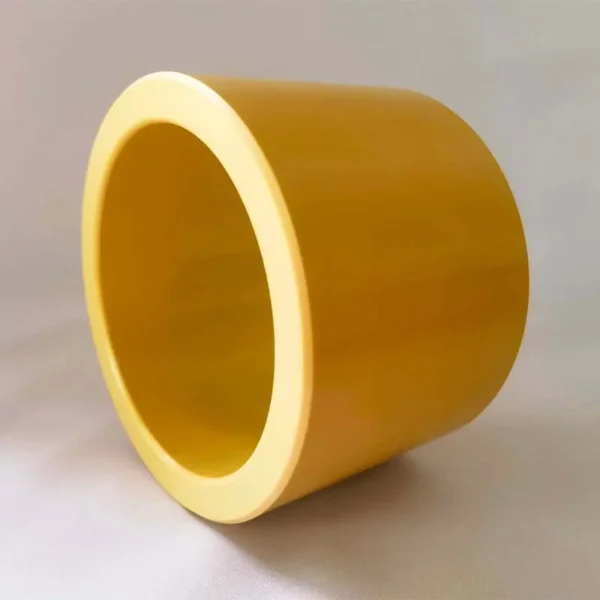
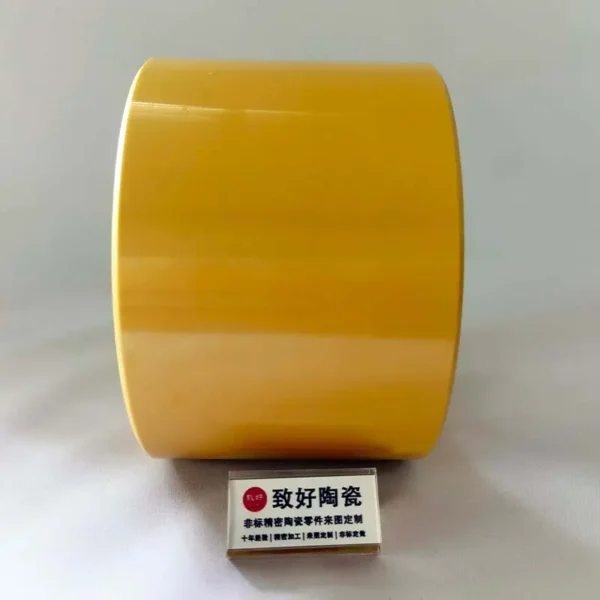

Specify the sleeve as an interface component: define the bore, outer fit, end references, loading, and service environment in the RFQ.
Key Inquiry Requirements
Define the sleeve interface
A sleeve normally interacts with a shaft, pin, electrode, housing, fluid path, or support feature, and each interface changes the design priorities. State which surface locates the sleeve, which surface carries load, and whether the component is fixed, sliding, press-fitted, bonded, or retained mechanically. Include mating-part materials and assembly sequence so fit assumptions are not inferred from nominal diameters.
Show the full axial section, including bore transitions, counterbores, grooves, shoulders, chamfers, and end faces. Identify datum ends and any orientation feature. If the sleeve is used as a spacer or insulator, explain the required separation and the consequences of contact. A simple cylindrical description is rarely enough when the part must align another component or survive repeated installation.
Stabilized zirconia needs a defined grade
The requested material is magnesium oxide stabilized zirconia, but an RFQ should state whether a particular grade is mandatory or whether an equivalent stabilized zirconia may be proposed. Describe the atmosphere, fluids, particles, electrical conditions, and thermal history. Also note whether the sleeve is exposed to rapid changes, localized heating, or differential movement against its mating hardware.
Do not rely on a material name alone to predict fit or service behavior. Grade, density, microstructure, surface finish, and manufacturing route can influence the final component and its interaction with the assembly. Ask for the proposed material designation and relevant documentation for approval. If chemical compatibility or insulation is central, identify the exact media and electrical duty rather than using a broad application label.
Bore and outer surface control
For a sleeve, the bore may guide movement, isolate a conductor, support a shaft, or define a process opening. Specify the functional diameter, roundness or cylindricity needs when applicable, surface finish expectations, and any straightness relationship between bore and outside diameter. Identify whether the fit is based on clearance, transition, or interference, and provide the mating-part condition used to establish that choice.
Outer surfaces deserve equal attention when the sleeve is retained by a housing or located in a fixture. Define shoulders, seating faces, runout relationships, and insertion stops. If the sleeve must be installed without damaging a thin wall or end face, state the tooling and force limitations. These details help connect dimensional control with an actual assembly method.
End geometry and damage control
Sleeve ends often determine stack-up, sealing, electrical spacing, or contact with a retaining feature. Mark which ends are functional and whether parallelism, flatness, or edge condition affects the assembly. If a chamfer is needed for insertion, define its purpose and location. If an end remains exposed, explain whether visual appearance, particle shedding, or handling damage is a concern.
Ceramic sleeves can be vulnerable to concentrated handling loads at edges, especially around thin walls, grooves, and interrupted bores. The RFQ should identify packaging orientation, protective separators, and inspection of critical edges. Ask how the supplier will distinguish acceptable handling marks from functional damage. A practical damage-control plan should be proportionate to the sleeve’s actual role.
Quote, inspect, and approve
Include the latest drawing, model, mating-part information, expected quantity range, prototype or production intent, and any required inspection documentation. Separate characteristics needed for assembly from those recorded for reference. If the bore must be verified with a gauge, coordinate measurement, optical method, or another approach, state the preferred basis or ask for a proposed method.
Before approving an offer, compare material designation, fit assumptions, finishing route, edge treatment, inspection scope, packaging, and stated exclusions. Request clarification where a quotation uses general language such as precision or high temperature without linking it to a measurable requirement. The best RFQ outcome is an agreed definition of the sleeve, its interfaces, and the evidence required at release.
Questions Before You Inquire
What fit information should be supplied for a zirconia sleeve?
Identify the mating shaft or housing material, mating dimensions and condition, assembly temperature if relevant, retention method, and whether the fit is clearance, transition, or interference. Include functional movement or load requirements. A nominal bore and outside diameter without the mating context cannot establish a reliable assembly definition.
Why specify magnesium oxide stabilization explicitly?
The stabilization basis identifies the requested zirconia material family and gives suppliers a starting point for grade review. It should still be accompanied by service conditions, chemical exposure, electrical needs, and thermal history. The final grade and documentation should be approved against the application rather than assumed from the material name alone.
How should thin sleeve edges be handled in an RFQ?
Mark functional ends, insertion edges, exposed edges, and noncritical handling edges separately. Define chamfers, radii, or allowable edge conditions where they affect assembly. Also state packaging and inspection expectations. If the geometry is too sensitive for a fixed edge rule, request a manufacturability proposal tied to the controlled drawing.
Can a sleeve drawing omit the mating components?
It may be possible for a mature, fully dimensioned interface, but supplying mating information is strongly useful. Include housing, shaft, seal, retainer, or conductor details that influence fit and load. This lets the supplier identify stack-up, insertion, and inspection risks before the quotation becomes tied to incomplete assumptions.
Send a Clear Component Brief
Share your drawing, quantity and application with Porcecore. Mark the requirements that are fixed and the questions that remain open.



Reviews
There are no reviews yet.