
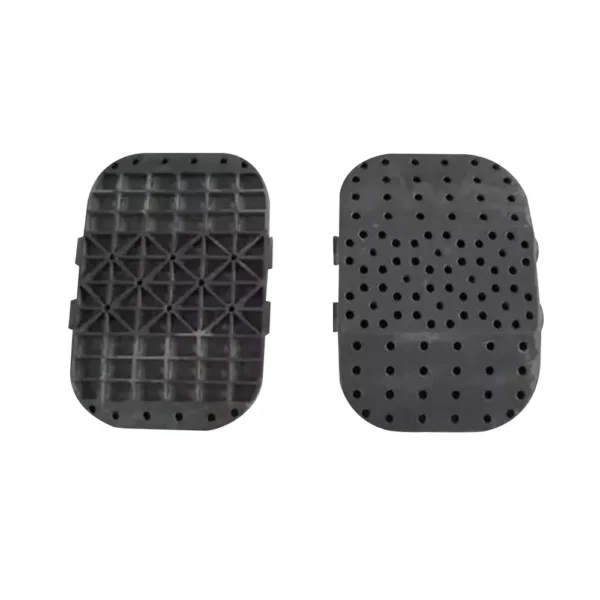


Provide the optical layout, mechanical drawing, reference datums, finishing plan and handling requirements with your inquiry. The supplier review should distinguish blank-stage requirements from later polishing or coating work, so each party understands which surfaces and characteristics must be delivered at each stage.
Key Inquiry Requirements
Blank role in an optical assembly
A mirror blank is the starting substrate for a reflective optical component, not necessarily a finished mirror. Its design must accommodate the later sequence of machining, lapping, polishing, coating and mounting defined by the customer. The RFQ should identify the optical face, back face, edge features, mounting zones and any surfaces reserved for handling or reference.
The blank’s mechanical envelope should be tied to the final optical system. State clear apertures, blocked regions, datum scheme and the relationship between optical and mounting axes. If the substrate will be bonded, clamped or flexure-mounted, include the support concept so blank geometry can be reviewed against the intended assembly rather than evaluated in isolation.
Silicon carbide substrate definition
Silicon carbide is the specified ceramic family for this blank, while the final substrate construction and processing details remain part of the technical review. Define the intended blank form, surface condition, machining allowance and edge treatment. Avoid assuming that a material name alone establishes the required density, finish, stability or optical suitability.
The material and manufacturing route should be considered alongside the optical finishing plan. Clarify whether the blank is intended for direct polishing, a later coating process or integration into a secondary structure. The supplier should identify any limitations in the drawing or proposed route before the buyer treats the blank as ready for the next optical operation.
Geometry, references and finishing allowance
A useful drawing separates finished optical requirements from blank-stage requirements. Mark the optical surface, mechanical datum surfaces, edge zones, mounting pads and areas where material may be removed during finishing. If the blank must preserve a specific orientation or axis relationship, include reference features that can be inspected before and after optical work.
Finishing allowance should be controlled deliberately rather than left as an informal expectation. Define the surfaces where allowance is permitted, the minimum remaining section and the inspection point at which dimensions are reported. This helps compare offers fairly and prevents a blank that is dimensionally similar from being unusable in the customer’s polishing or coating workflow.
Inspection for optical preparation
Inspection may include external dimensions, surface form at the blank stage, edge condition, datum relationships, visible defects and any internal or surface characteristics the customer identifies as critical. The exact method should be agreed with the drawing and the intended finishing route. Do not substitute a general visual statement for an inspection plan tied to the optical substrate.
Request inspection records that identify the actual measurement references and stage of processing. If the blank will be transferred to another finisher, define packaging, marking and orientation controls so the inspected part can be matched to its report. Later optical performance should be validated by the party responsible for the finishing and coating process.
RFQ preparation and supplier comparison
Include the optical prescription or layout where relevant, mechanical drawing, CAD data, datum scheme, finishing sequence and mounting concept. State whether the request is for a development blank, a repeat geometry or a replacement substrate. Identify open questions about polishing, coating, bonding and support so the supplier can separate confirmed requirements from assumptions.
When comparing quotations, review the blank geometry, allowance strategy, inspection scope, packaging method and responsibility split. Ask each supplier to confirm what is included at delivery and which characteristics require later finishing or customer validation. Porcecore can then respond to a defined silicon carbide mirror-blank brief without implying finished optical performance or an inventory commitment.
Questions Before You Inquire
Is a silicon carbide mirror blank a finished optical mirror?
Not necessarily. A blank is generally a substrate prepared for later machining, polishing, coating or assembly. The RFQ should state the delivery stage clearly and assign responsibility for optical finishing, coating, metrology and final performance validation.
What drawing features matter most for a mirror blank?
Define the optical face, clear aperture, mechanical envelope, datum surfaces, mounting zones, axis relationships, edge treatment and finishing allowance. The drawing should distinguish blank-stage characteristics from final optical requirements so suppliers can quote the correct manufacturing and inspection scope.
How should finishing allowance be specified?
Identify the surfaces receiving later material removal, the intended allowance range or controlled condition, the minimum remaining section and the measurement stage. If the polishing route is not finalized, describe the process intent and ask the supplier to flag assumptions before the blank design is approved.
Who validates final mirror performance?
Responsibility depends on the agreed supply scope. The blank supplier may inspect substrate geometry and specified surface characteristics, while a later finisher may control polishing, coating and optical metrology. The RFQ should assign each validation step explicitly rather than treating the blank as proof of final optical performance.
Send a Clear Component Brief
Share your drawing, quantity and application with Porcecore. Mark the requirements that are fixed and the questions that remain open.


Reviews
There are no reviews yet.