
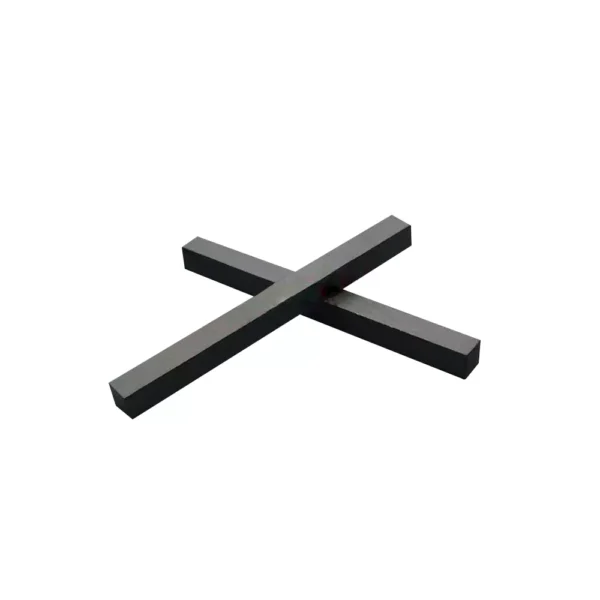
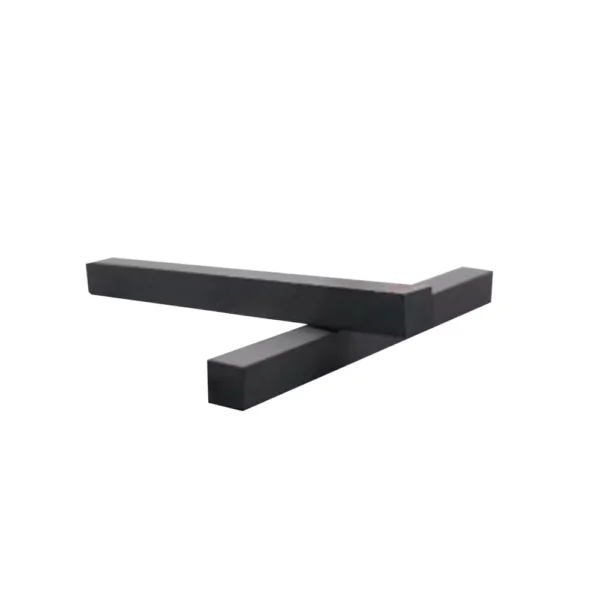
Describe the rod’s role before requesting a quotation: guide, support, spacer, locator, electrode carrier, wear element or another defined function. Include the operating atmosphere, contact materials, movement, loading and thermal conditions, then identify the dimensions and surfaces that must be inspected for assembly acceptance.
Key Inquiry Requirements
Start with the rod’s operating duty
Silicon carbide rods can appear geometrically simple while carrying very different technical duties. Explain whether the part supports, locates, guides, spaces, transfers force or resists wear. State how it is mounted, which surfaces contact other materials and whether the rod is stationary, reciprocating or rotating. These facts establish the design context for every later requirement.
Include a functional section view when the rod is retained inside a fixture, sleeve or assembly. Mark shoulders, grooves, flats, holes and exposed zones, and identify any end that must seat against a datum. A supplier can then assess the complete component and distinguish essential geometry from features included only for handling or assembly convenience.
Describe the service environment
Silicon carbide is often selected for demanding mechanical, wear or oxidation-related environments, but the relevant conditions must be described for the particular application. Identify atmosphere, gas or fluid contact, abrasive media, chemical exposure, thermal cycling and nearby materials. Explain whether the rod is exposed directly or protected by an enclosure, coating or surrounding assembly.
Avoid converting a general material reputation into an unstated guarantee. Instead, ask for the proposed material basis and any evidence relevant to the stated environment. If oxidation resistance, wear life or dimensional stability is critical, define the test condition, comparison method and acceptance logic that will be used during technical review.
Define geometry that affects assembly
For a rod, nominal diameter and overall length are only the beginning. Identify functional zones, diameter transitions, straightness, concentricity, end squareness, surface form and any runout that influences the application. A long unsupported section, a close guide or a loaded shoulder may require different attention from a short locating pin, so explain the assembly behavior beside the drawing.
End treatment should be deliberate. State whether ends are inserted, clamped, seated, exposed to flow or used as contact points. Call out chamfers, radii, flats or protective features where they affect installation or damage risk. Also identify surfaces that must remain free from chips, cracks, contamination or handling damage before acceptance.
Make inspection application-led
Build the inspection plan around the rod’s likely failure modes. List critical diameters, datum relationships, straightness, end conditions and surface requirements, then explain how each item affects fit or service. If the rod will operate in a harsh atmosphere, identify what material or process documentation is needed and whether testing applies to samples, production parts or both.
Supplier comparison should include more than nominal dimensions. Review how each proposal interprets the drawing, controls ceramic edges, measures long or slender features, protects the surface during handling and documents conformity. Ask for explicit assumptions and unresolved points, especially where the drawing does not yet define an environment, fit or acceptance method.
Submit a complete carbide rod inquiry
A complete RFQ should include the controlled drawing, model if available, revision, quantity scenario, assembly drawing and service summary. State whether the design is a one-off development component, a repeat part or one member of a related family. Do not assume that similar rods share the same material route, finish or inspection plan.
Request feedback on manufacturability, end geometry, support during processing, inspection access and packaging. Ask the supplier to separate confirmed requirements from proposed alternatives and trial-dependent items. This creates a transparent basis for reviewing silicon carbide rod quotations while preserving the buyer’s authority over final design decisions.
Questions Before You Inquire
What applications should be explained in a silicon carbide rod RFQ?
Explain the rod’s function, mounting, contact materials, movement, loading and exposure to gases, fluids, abrasives or elevated thermal conditions. Whether it acts as a guide, spacer, support or wear element matters because the same basic cylindrical form can require very different geometry, surface and inspection controls.
Does silicon carbide automatically define wear performance?
No. Wear behavior depends on the grade, opposing material, contact pressure, movement, particles, lubrication and environment. State the expected duty and acceptance method instead of relying on a general material claim. Ask suppliers to identify the proposed material basis and any evidence relevant to the application.
What rod features commonly need drawing detail?
Functional diameters, length, straightness, concentricity, end squareness, shoulders, grooves, flats, holes, chamfers and surface condition may all matter. Mark datums and identify contact zones. Features that seem minor can affect insertion, alignment, retention or damage risk, so their purpose should be clear.
How should an RFQ address atmosphere or oxidation exposure?
Describe the atmosphere, temperature range or cycling pattern, gas or fluid contact and exposure duration relevant to the design. Then specify what evidence is needed, such as material documentation, inspection records or application testing. Keep requested evidence tied to the actual service condition rather than a generic claim.
Send a Clear Component Brief
Share your drawing, quantity and application with Porcecore. Mark the requirements that are fixed and the questions that remain open.

Reviews
There are no reviews yet.