


Specify the roller as an assembly interface, not only as a cylindrical body. Identify the supported process, shaft arrangement, end features, surface requirements and inspection evidence needed to compare custom responses fairly.
Key Inquiry Requirements
Roller application and arrangement
Start by defining what the roller does in the equipment: support, guide, convey, separate, turn or process a moving product. Describe contact material, movement direction, speed or cycle where known, heating or cooling conditions, contamination risks and cleaning practice. The drawing should then connect these conditions to the roller’s diameter, length, surface and mounting features.
A roller is rarely specified independently of its supports. Include the shaft, axle, bearing, sleeve, drive or retainer arrangement in the assembly sketch, even if those parts are not being quoted. Show working span, overhang, end clearances and installation direction. This context helps suppliers understand which features are functional and which are simply inherited from the existing equipment.
Material and forming considerations
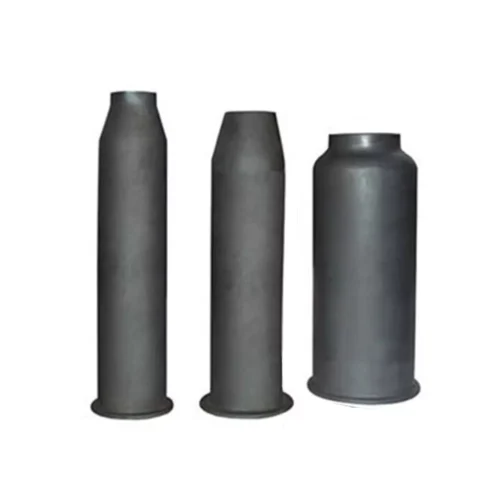
The supplied evidence identifies silicon carbide rollers and mentions extrusion forming followed by high-temperature sintering. It also describes drawing-based customization with drilling, grooving and machining at the inner and outer ends. Treat these as manufacturing topics to clarify, not as automatic scope. Ask suppliers to state the proposed grade, forming route and secondary operations for your design.
Material selection should be discussed against the roller’s actual exposure. Identify abrasion, contact chemistry, thermal cycling, impact, bending loads and cleanliness requirements where relevant. If the roller touches a product that cannot tolerate contamination or marking, state the quality concern explicitly. Request supporting data and limitations instead of assuming every silicon carbide formulation behaves identically.
Geometry and end features
Provide a controlled drawing with roller body dimensions, end diameters, bores, grooves, holes, shoulders, keying features and reference datums. Identify the working surface, nonworking areas and any zones requiring machining. If both ends differ, label them clearly and show the orientation relative to the equipment. Include sections for internal features that are hidden in photographs.
For replacement rollers, provide the installed part reference and measurements from the mating hardware. Clarify whether end machining is used for bearings, retainers, drive elements or alignment. Mark critical relationships such as coaxiality, runout or straightness only when the equipment design establishes them. This prevents a supplier from treating all surfaces as interchangeable or all dimensions as equally important.
Inspection and comparison
Source evidence specifically raises laser straightness testing and bending-strength testing as potential comparison points. In an RFQ, define whether straightness is measured over the full working length, which reference is used and what record format is required. If strength evidence matters, state the applicable method or acceptance basis rather than importing an unverified value from a general source.
Also consider dimensional inspection of body and end features, surface review, internal bore checks, edge condition and documentation of secondary machining. Ask suppliers to provide a proposed inspection plan and sample report. Compare whether each quotation includes the same test scope, measuring references and handling assumptions. A test name without method, location or acceptance basis is difficult to evaluate.
RFQ checklist for rollers
Send the latest roller drawing, equipment sketch, installation location, process description, contact material, movement pattern, support arrangement and known failure history. Include the required quantity only when established, and separate prototype or trial parts from repeat-production expectations. Add packaging, labeling, cleanliness and documentation requirements if they affect installation or process control.
Request a response identifying silicon carbide designation, forming and sintering route, machining scope, inspection and test evidence, packaging, assumptions, exclusions and clarification questions. Ask the supplier to mark any geometry that needs confirmation. Do not infer stock, minimum order, price, lead time or guaranteed bending performance from a product page; require direct, project-specific confirmation.
Questions Before You Inquire
What information is essential for a silicon carbide roller RFQ?
Provide the controlled drawing, equipment arrangement, working span, support and drive interfaces, contact material, movement, environment, end features and inspection requirements. Explain whether the roller guides, supports or conveys a product. Assembly context is essential because shafts, bearings, retainers and end machining can change the required ceramic geometry.
Should roller straightness be specified?
If straightness affects tracking, contact or product quality, include it as a controlled requirement and define the reference, measurement length, method and report format. The source topic identifies straightness testing, but no universal value should be assumed. Ask suppliers to propose a measurable inspection basis where the design is not yet complete.
Are drilling, grooving and end machining automatically included?
No. They are secondary operations that must be shown on the drawing and listed in the quotation scope. Identify each hole, groove, bore, end diameter and functional face, then ask the supplier to state the proposed machining route and inspection coverage. Avoid relying on a general customization statement.
Do silicon carbide rollers come with guaranteed strength?
Strength evidence must be tied to a defined material, test method, specimen or component basis and acceptance criterion. Request the documentation required by your engineering team and compare like with like. Do not treat a general bending-strength statement as a guarantee for the specific roller design or installation.
Send a Clear Component Brief
Share your drawing, quantity and application with Porcecore. Mark the requirements that are fixed and the questions that remain open.


Reviews
There are no reviews yet.