
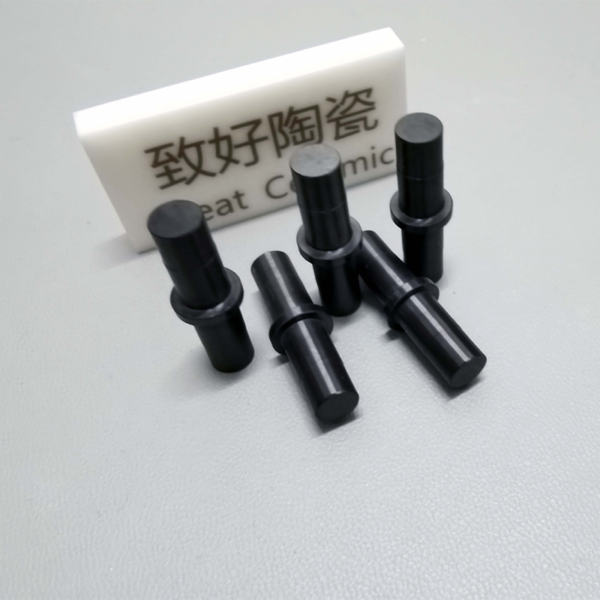
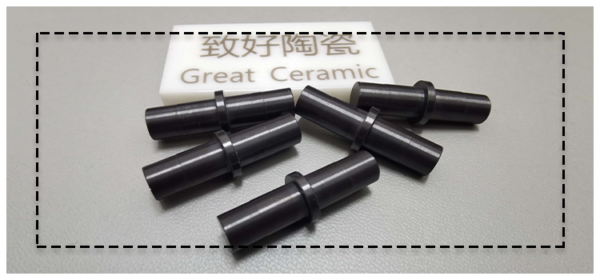
Describe the mandrel’s working surfaces, support conditions, motion, load and replacement context. A supplier needs more than a shaft diameter: the RFQ should connect geometry, material selection, finishing and inspection to the actual process interface.
Key Inquiry Requirements
Mandrel role and geometry
Define whether the component is a rotating shaft, a fixed mandrel, a guide, a forming core or another rod-like element. Explain what travels over it, what the component supports and which surfaces are exposed. The drawing should identify overall length, functional diameters, shoulders, bores, grooves, flats, end features and datum references without relying on the product title.
A mandrel can have several zones with different functional importance. Mark contact lands, clearance areas, clamping regions and surfaces that must not be altered during finishing. Include assembly direction and removal method where access is restricted. These details help a supplier distinguish a simple cylindrical body from a multi-feature ceramic shaft requiring controlled grinding or special handling.
Wear duty and material selection
The source topic identifies silicon nitride and a wear-resistant mandrel use case. Turn that evidence into a service description: identify the counterface, sliding or rolling motion, abrasive particles, process media, contact pressure and cleaning conditions. If impact, thermal cycling or chemical exposure is present, state it separately so the proposed material selection can be reviewed against the real duty.
Request the proposed silicon nitride designation and the reasoning behind it rather than accepting the family name alone. Ask how the supplier relates material choice to the stated contact and environment. Where the mandrel affects product quality, add contamination, surface condition or release requirements. Keep application suitability subject to engineering review and documented evidence.
Fit, finish and interfaces
Shaft performance is often governed by interfaces that are difficult to infer from a catalog image. Define bearing or bushing locations, chucking areas, seals, guides, end supports and any transition between ceramic and metal. Identify critical diameters, concentric relationships, runout, surface finish and edge conditions only where your design establishes them.
If the component is replacing an existing mandrel, provide inspection measurements and an assembly sketch alongside the controlled drawing. Mark wear-prone locations and identify whether dimensions represent new condition or allowable service limits. Separate functional tolerances from preferred finishing values so suppliers can identify what is essential, what is negotiable and what remains to be confirmed.
Inspection and risk review
Plan inspection around the component’s functional features. Potential topics include dimensional verification, diameter relationships, straightness, runout, surface condition, edge integrity and material documentation. State the measurement method or reference standard where your quality system requires one, and identify whether inspection applies to every shaft, a sample or a qualification article.
Ask for evidence that can be reviewed against the drawing, not only a statement that the part is wear resistant. Request a marked-up inspection plan, proposed report fields, packaging method and handling precautions. If the mandrel has a critical fit or fragile edge, discuss inspection access and acceptance decisions before production. This reduces disagreement after machining or assembly.
RFQ response requirements
A complete RFQ should include the drawing revision, assembly context, process description, counterface information, motion and loading, environmental exposure, expected quantity if known, and any trial or approval stage. Include replacement history when available, especially recurring wear locations or damage patterns. State documentation, labeling and packaging expectations as separate commercial and quality requirements.
Ask suppliers to identify the silicon nitride grade, manufacturing route, finishing operations, inspection scope, assumptions and exclusions. Require clarification of any feature that is not fully defined. Compare responses for technical completeness, not just nominal shaft dimensions. Availability, price, minimum order and lead time should be requested directly and should not be inferred from the product title.
Questions Before You Inquire
What should define a silicon nitride mandrel?
Define its role, counterface, movement, load, process media, support arrangement, removal method and critical geometry. Include a controlled drawing with functional diameters, shoulders, grooves, datums and finishing requirements. If it replaces an existing part, add wear measurements and assembly context so the supplier can evaluate the actual interface.
Is silicon nitride wear resistance enough to select a mandrel?
No. Wear behavior depends on the grade, counterface, motion, particles, load, surface condition and environment. State the service conditions and ask for a proposed material designation with supporting technical information. The selection should be reviewed against the complete application rather than accepted from a material label alone.
Which inspection items are commonly relevant?
Relevant items may include dimensions, straightness, runout, concentric relationships, surface condition, edge integrity and material documentation. The exact plan should follow the drawing and assembly function. Specify measurement methods, sampling and acceptance criteria where established, and ask suppliers to identify limitations or unmeasurable features.
Can a supplier quote from a photograph?
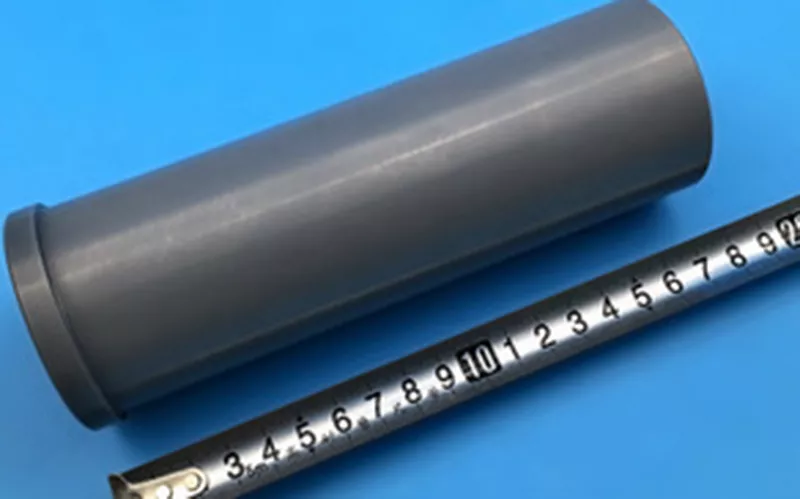
A photograph can illustrate orientation or wear, but it cannot reliably define fit, tolerances, datum relationships or hidden features. Use the photograph as supporting evidence and provide a controlled drawing, assembly details and service description. Ask suppliers to list assumptions rather than converting visual estimates into unapproved dimensions.
Send a Clear Component Brief
Share your drawing, quantity and application with Porcecore. Mark the requirements that are fixed and the questions that remain open.



Reviews
There are no reviews yet.