
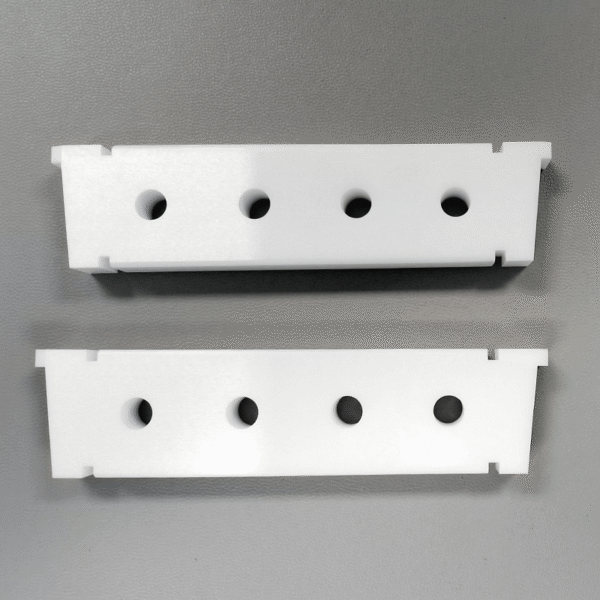


Begin with the material being cut, motion, contact arrangement, cleaning environment and replacement method. Add a controlled drawing for the blade, edge, holes, shoulders and mounting features. The supplier should review the complete cutting interface and propose what must be validated, while the buyer retains control of dimensions, acceptance limits and application-specific performance requirements.
Key Inquiry Requirements
Define the cutting application
Describe what the knife must cut, separate, score or trim, and explain the motion used by the machine or operator. Include material composition, thickness range, feed direction, contact pressure and whether the cut is continuous, intermittent or indexed. These application facts determine which blade features matter and prevent a generic edge description from being treated as a complete specification.
Show how the knife is held and aligned. Identify the reference surfaces, clamping zones, replacement access and neighboring components. If the blade works against an anvil, roller, guide or opposing knife, include that interface drawing. Cutting quality depends on the pair and the setup, so the ceramic part should not be evaluated without its mating conditions.
Review zirconia grade and blade construction
Zirconia may be selected for a ceramic cutting component when hardness, edge retention, electrical insulation or corrosion considerations are relevant to the application. The material designation and manufacturing route still require confirmation. Different grades and finishing methods can influence toughness, surface condition, edge preparation and compatibility with the selected holder or joining method.
State the operating atmosphere, cleaning chemicals, contact materials and handling conditions. If the knife is used around food, medical, chemical or sensitive process areas, define the applicable buyer requirements and documentation rather than assuming compliance. Any biocompatibility, corrosion or contamination expectation must be tied to a specific evaluation and acceptance process.
Specify the blade and edge geometry
The drawing should identify the blade outline, cutting angle or profile, edge position, bevel or wedge form, corner treatment, thickness and mounting features. Use enlarged details for the cutting edge and mark the datum from which edge location is measured. If a serration, notch, relief or stepped area is needed, show its relationship to the cutting path and holder.
Avoid describing an edge only as sharp. Define the functional result, inspection method and allowable variation that matter to the process. Edge condition may include chipping limits, continuity, burr-like residue, surface texture and corner integrity. Where direct measurement is difficult, agree a representative test piece, visual standard or controlled cutting trial before approval.
Plan handling, inspection and validation
Ceramic blades require deliberate handling and packaging because edge and corner damage can occur before assembly. State protective requirements, orientation, separation between parts and any cleanliness expectations. Inspection should cover profile, thickness, mounting holes, edge position, visible damage and the condition of functional surfaces. The record should distinguish measured characteristics from visual observations.
Validation should reflect the actual material pair and machine setup. Define the sample preparation, operating conditions, inspection of cut quality and criteria for acceptance. Do not substitute an unverified service-life promise for application evidence. If the knife is replaceable, include a repeatability check for mounting and alignment so the assembly can be assessed after blade change.
Create a clear cutting-knife RFQ
Send the latest blade drawing, holder or machine interface, cut-material description, process sequence, cleaning method, packaging expectations and inspection plan. Identify prototype status, expected revision activity and whether supplier design input is requested. If several edge concepts are under consideration, ask for separate technical responses so their assumptions remain visible.
A good quotation should explain the proposed zirconia grade, forming and finishing route, edge-inspection approach, known geometry risks and validation needs. Compare technical completeness rather than relying on claims about sharpness or hardness. Approve the design only after reviewing representative parts and agreed test results against the buyer’s real cutting conditions.
Questions Before You Inquire
How should a zirconia cutting edge be described?
Define the edge through a drawing detail, datum, profile, bevel or wedge geometry, corner treatment and inspection method. Also state the cutting material and desired process result. The word “sharp” is insufficient because edge location, continuity, damage limits and mating setup may control performance.
Can the knife be used for any cutting material?
No universal suitability should be assumed. The material being cut, thickness, abrasiveness, speed, contact force, cleanliness and opposing surface all affect the design. A buyer should provide representative material and process conditions, then agree application testing or validation before approving a production geometry.
What mounting information should be included?
Provide the holder drawing, datum scheme, clamping surfaces, fastener or bond details, alignment method, replacement access and neighboring clearances. Explain whether the knife is fixed, adjustable or floating. These details allow review of edge position, stress concentration and repeatable installation rather than evaluating the blade alone.
Does the page guarantee a particular blade life or cut quality?
No. Cutting life and cut quality depend on the complete application, including the material pair, setup, motion, edge condition and maintenance. The RFQ should define test conditions and acceptance criteria. Any performance conclusion should follow representative validation, not a generic zirconia claim or reference image.
Send a Clear Component Brief
Share your drawing, quantity and application with Porcecore. Mark the requirements that are fixed and the questions that remain open.


Reviews
There are no reviews yet.