



Define the plate geometry, interface pattern, operating environment and inspection evidence your assembly requires before comparing BeO substrate proposals.
Key Inquiry Requirements
Plate Substrate Role and Design Intent
A beryllium oxide plate substrate can serve as a rigid ceramic platform where electrical isolation, heat movement and compact packaging must be considered together. The useful design question is not simply whether BeO is specified, but how the plate supports conductors, attached devices, fasteners or interfaces within the finished assembly. Share the application drawing, functional stack-up and any defined contact or clearance zones for review.
For a drawing-led inquiry, distinguish the substrate’s active face, mounting face and edge features at the start. Identify metallized areas, holes, slots, steps, corner treatments and orientation marks as controlled characteristics when they affect assembly. If the plate is part of a higher-power or sensitive electronic package, explain heat-flow assumptions and dielectric constraints without relying on generic material labels alone.
Material and Construction Choices
BeO substrate selection should connect the named material to the required ceramic grade, forming method and finishing sequence. Different process routes can influence shrinkage planning, surface condition, edge quality and the practical shape of features. A complete RFQ should therefore include the latest drawing, material designation, allowable substitutions if any, and the surfaces that require machining, lapping or other finishing.
Because beryllium compounds require disciplined handling, buyers should also define documentation and packaging expectations appropriate to their internal safety procedures and destination requirements. Ask how the proposed supply chain identifies the material, protects finished surfaces and supports traceability. These points belong in technical review alongside geometry, rather than being treated as a late logistics detail after a quotation is issued.
Interfaces, Metallization and Assembly
The plate may interact with deposited conductors, bonded components, clamps, thermal spreaders or other ceramic and metal parts. Describe each interface by function: electrical connection, heat transfer, mechanical location, sealing or insulation. Include mating-part drawings and assembly sequence where possible, since a substrate that appears acceptable in isolation may require different edge relief, flatness control or surface preparation for the assembled design.
For metallized or coated regions, specify the pattern definition, termination boundaries, attachment method and inspection evidence expected at those locations. Avoid describing a finish only by appearance. The RFQ should state which features are design-critical, which may be visually evaluated, and which require dimensional, electrical or adhesion-related verification under your approved test plan.
Inspection and Qualification Planning
Inspection planning should mirror the functions of the plate rather than list generic checks. Identify the dimensions that locate components, the surfaces that establish contact, the holes that guide fasteners and the regions where chips or cracks would be unacceptable. Request a proposed inspection map tied to the drawing, with measurement methods and reporting format agreed before production or sample evaluation.
Qualification may include dimensional review, visual examination, surface assessment, thermal cycling or assembly trials, depending on the end use. The appropriate scope belongs to the buyer’s application and validation plan. If BeO-specific compliance, handling or export documentation is required, state that requirement explicitly so the quotation addresses the complete technical package rather than only the ceramic blank.
RFQ Checklist for a Custom BeO Plate
A useful inquiry should include the 2D or 3D drawing, revision, material callout, surface and edge requirements, interface definitions, quantity assumptions for evaluation and production, and the intended assembly environment. Add any restrictions on process residues, packaging, labeling or handling. If the design is still developing, identify open dimensions and request manufacturability feedback rather than presenting provisional geometry as final.
Ask prospective suppliers to return a marked-up review covering material interpretation, process assumptions, feature risks, inspection capability and proposed documentation. Compare responses on how clearly they address the drawing and its evidence requirements. This creates a more meaningful technical comparison than a broad request for a BeO plate based only on nominal length, width or thickness.
Questions Before You Inquire
What information should accompany a BeO plate substrate RFQ?
Provide the current drawing, material designation, revision, functional surfaces, metallization or coating requirements, mating-part information, inspection expectations and intended assembly environment. Include handling or documentation requirements related to beryllium-containing ceramics, plus any provisional features that need manufacturability review before quotation.
Can the plate include holes, steps or patterned regions?
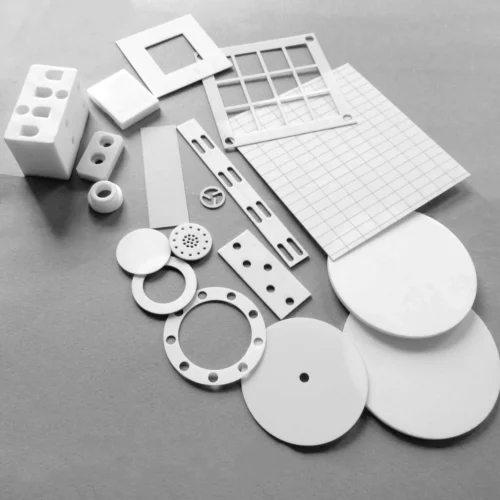
Potentially, depending on geometry, process route and required finishing. Show every feature on the drawing, identify its function and distinguish critical dimensions from reference dimensions. Patterned or machined regions should include boundary, edge-quality and inspection expectations so the design can be reviewed as an assembly component.
How should BeO substrate proposals be compared?
Compare the interpretation of the drawing, material and process assumptions, control of interfaces, inspection method, documentation, packaging and handling provisions. Review technical exceptions carefully. A proposal is more useful when it identifies unresolved risks and evidence requirements instead of offering only a material name and nominal part description.
Does Porcecore guarantee a standard BeO substrate configuration?
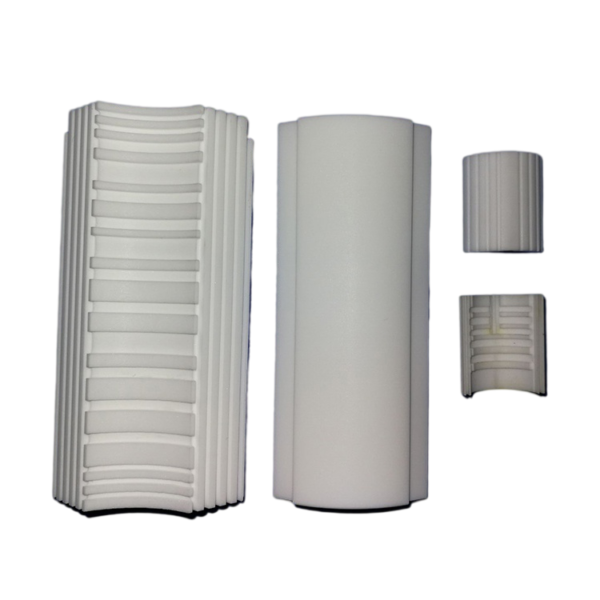
No standard configuration should be assumed from the product topic. This is a drawing-led RFQ component. Final geometry, material grade, processing, inspection and documentation must be defined and reviewed for the buyer’s application. The pictured or referenced component should not be treated as a Porcecore-manufactured part.
Send a Clear Component Brief
Share your drawing, quantity and application with Porcecore. Mark the requirements that are fixed and the questions that remain open.


Reviews
There are no reviews yet.