
Ceramic Rods and Pins, Specified for Your Application
Send a drawing or requirements for ceramic rods and pins matched to project-specific material, geometry and acceptance criteria.
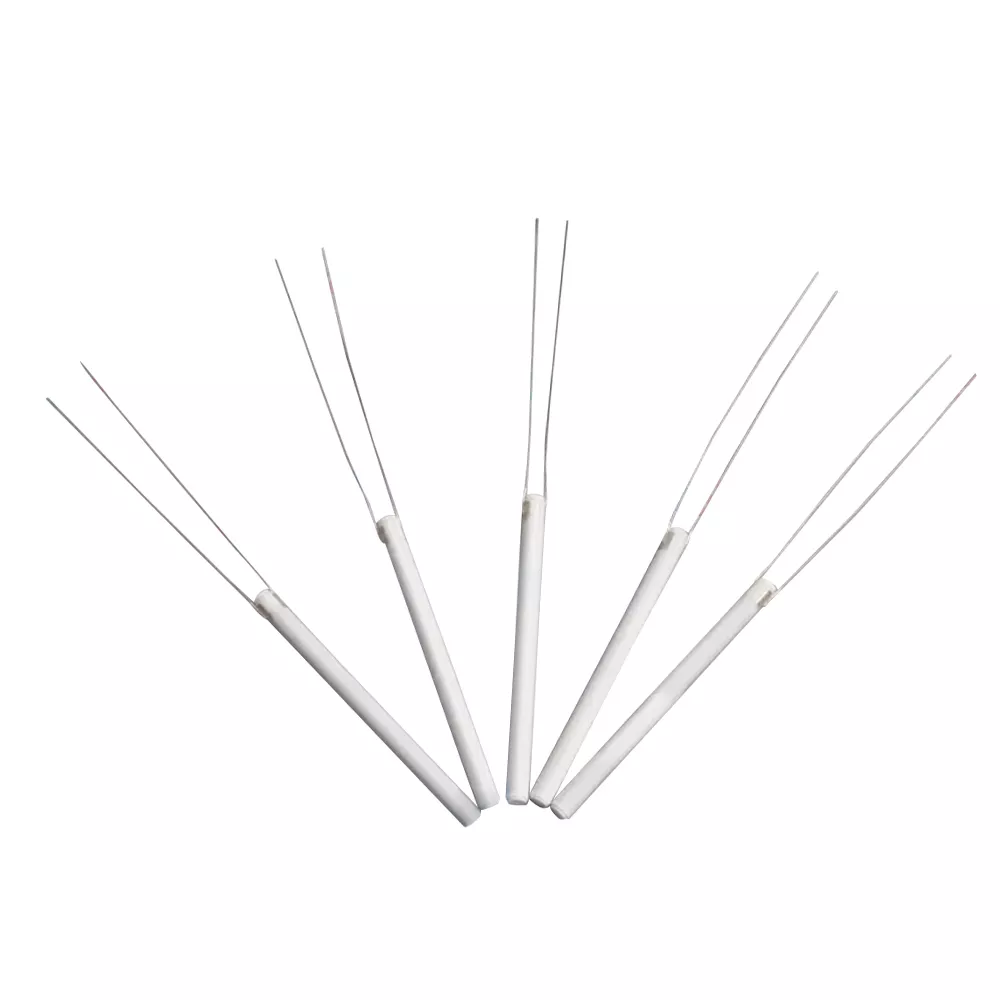
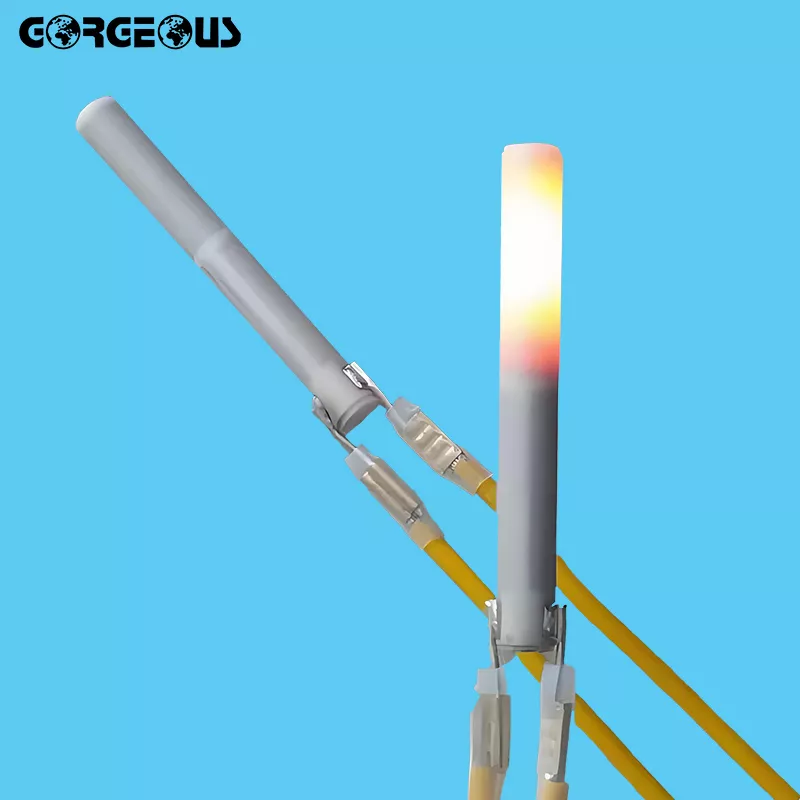
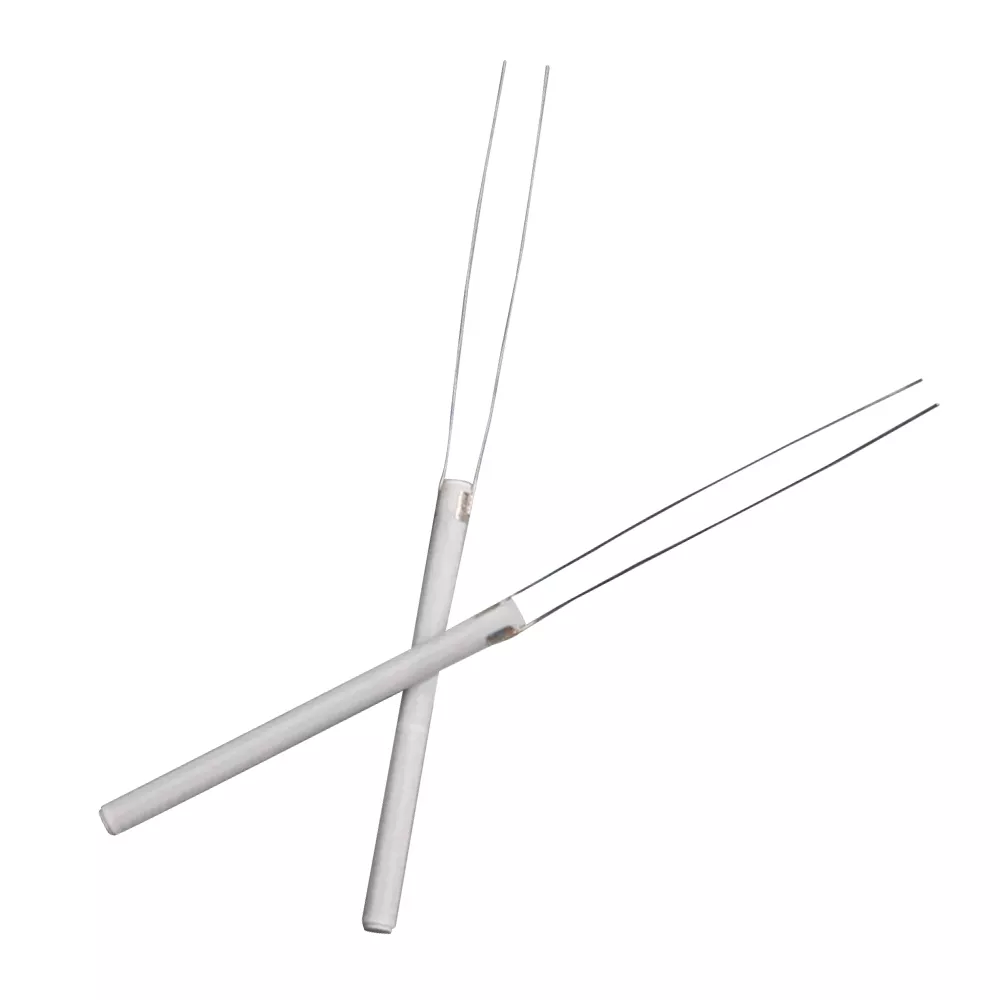
Featured Ceramic Rods and Pins






Related Product Catalogue and Quotation




Ceramic Rods and Pins: Engineering Advantages
Evaluate ceramic rods and pins through clear requirements, drawing-led communication, and project-specific review before quotation.
Control the Drawing Revision
Share the current drawing revision, marked dimensions, and open notes so quotation review starts from the same technical reference for everyone.
Match Grade to Application
Identify the ceramic family and grade if known; Porcecore can review material choice against insulation, wear, temperature, corrosion, or other service requirements.
Define Geometry for Assembly
Define diameter, length, steps, holes, chamfers, straightness, and mating dimensions where they affect assembly, alignment, clearance, or replacement fit directly.
Review the Process Route
Discuss the intended process route, including forming, sintering, machining, grinding, polishing, or finishing steps relevant to the approved geometry and material.
Specify Functional Contact Surfaces
Call out functional surfaces, end faces, bores, threads, or contact areas that require a defined finish, edge treatment, or relationship to mating parts.
Align Inspection Evidence
Specify inspection evidence needed for approval, such as dimensional checks, material confirmation, surface review, packaging expectations, or project-specific acceptance criteria.
Ceramic Component Forms and Applications
Review material families, component geometries and application considerations before moving from an initial requirement to a drawing-led quotation.
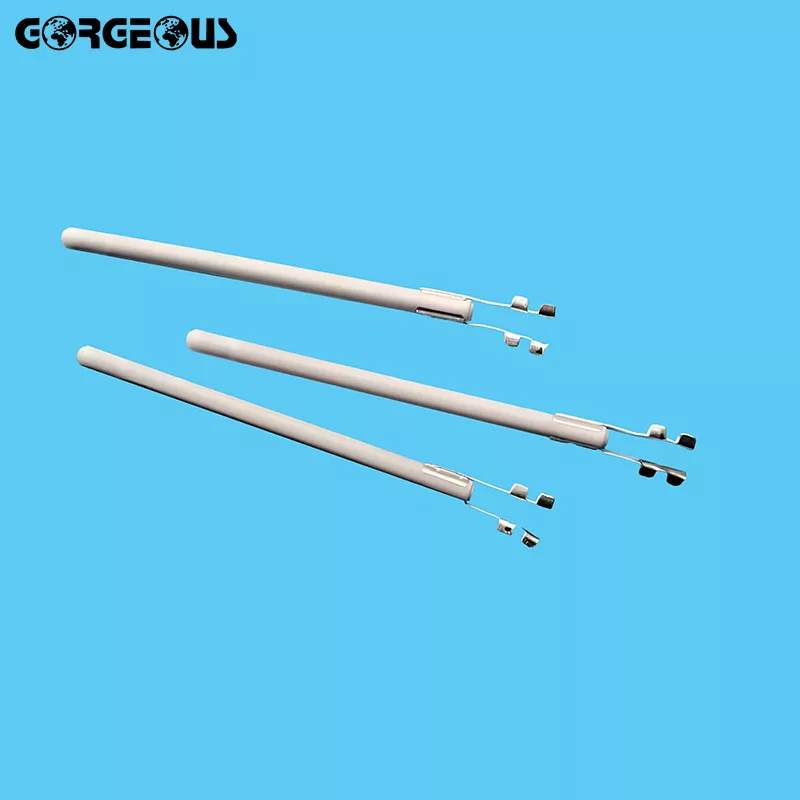
Ceramic Manufacturing Capabilities
Ceramic manufacturing capabilities cover practical forms such as rods, pins, shafts, tubes, rings and substrates. Porcecore supports custom ceramic components through a quotation discussion covering geometry, tolerances, mating surfaces, material designation, quantity and inspection expectations.
Discuss Your Ceramic Part
Ceramic Solutions by Industry
Ceramic solutions by industry connect advanced ceramics applications to the operating conditions of industrial equipment, electrical assemblies and engineered systems. Porcecore evaluates the component’s function, environment, interfaces and acceptance criteria rather than treating an industry label as a complete specification.
Discuss Your Ceramic Part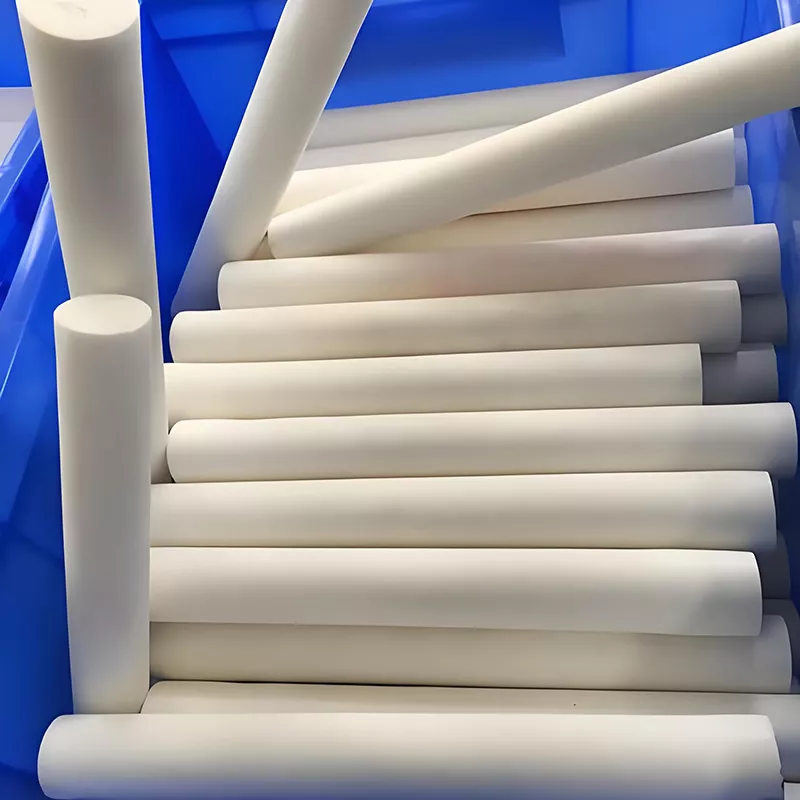
Advanced Ceramic Materials
Advanced ceramic materials include alumina, zirconia, silicon carbide, silicon nitride, aluminum nitride, boron nitride and other specialty families. Material selection should follow the required electrical, thermal, mechanical, chemical and wear characteristics, with the applicable grade confirmed for each project.
Discuss Your Ceramic Part
Technical Ceramic Products
Technical ceramic products include standard and custom components formed as tubes, rods, rings, pins, shafts, plates and related parts. Product illustrations support initial exploration; final geometry, grade, tolerances, documentation and delivery terms require confirmation against the current drawing revision.
Discuss Your Ceramic Part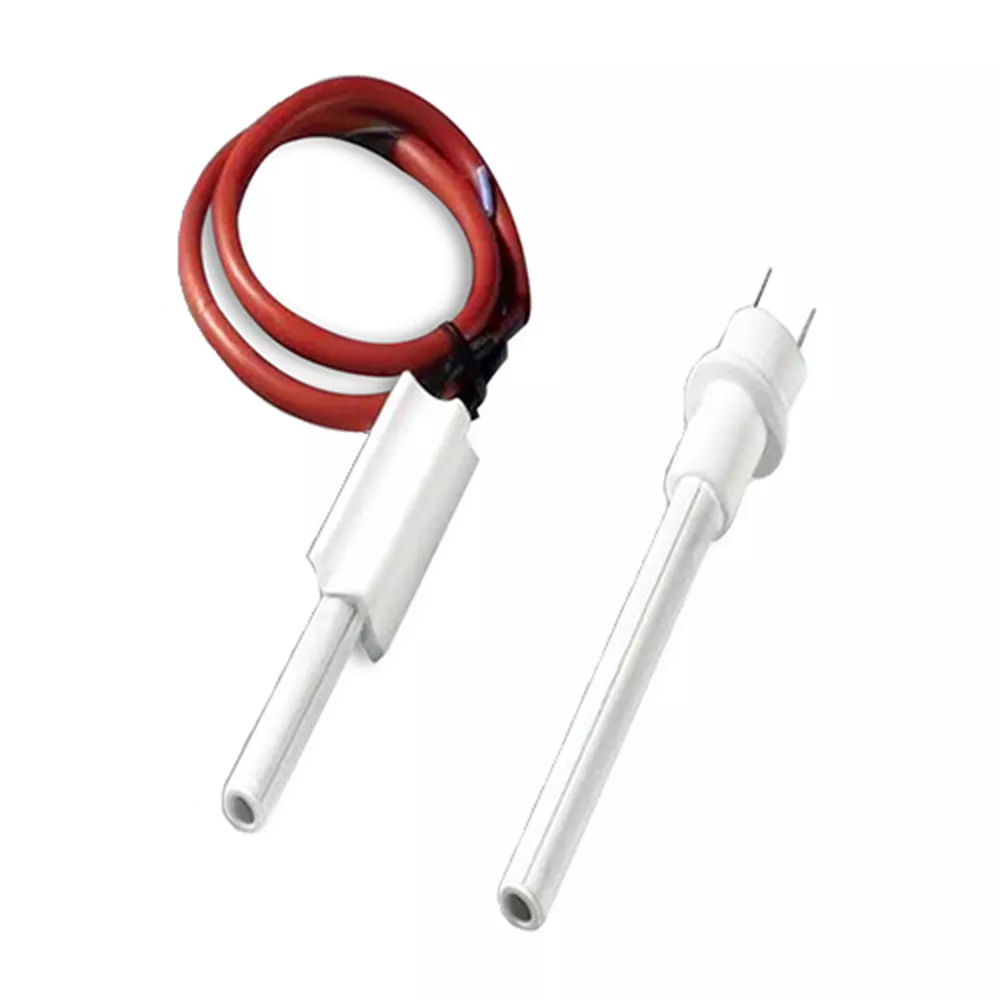
Technical Ceramic Resources
Technical ceramic resources provide a practical guide to material families, component forms and quotation requirements. Use them to identify open questions, distinguish general properties from grade-specific values, and prepare a clearer inquiry by email or WhatsApp.
Discuss Your Ceramic PartSupported Materials for Ceramic Rods and Pins

Alumina Ceramics
Often considered for electrically insulating rods, pins and supports, alumina offers a practical starting point for many industrial assemblies. Final grade, dimensions, finish and inspection requirements depend on the application.

Zirconia Ceramics
Zirconia may suit rods, pins, shafts and guides where toughness, wear behavior or smooth mating surfaces matter. Porcecore reviews the required geometry, service conditions and grade before confirming a quotation basis.
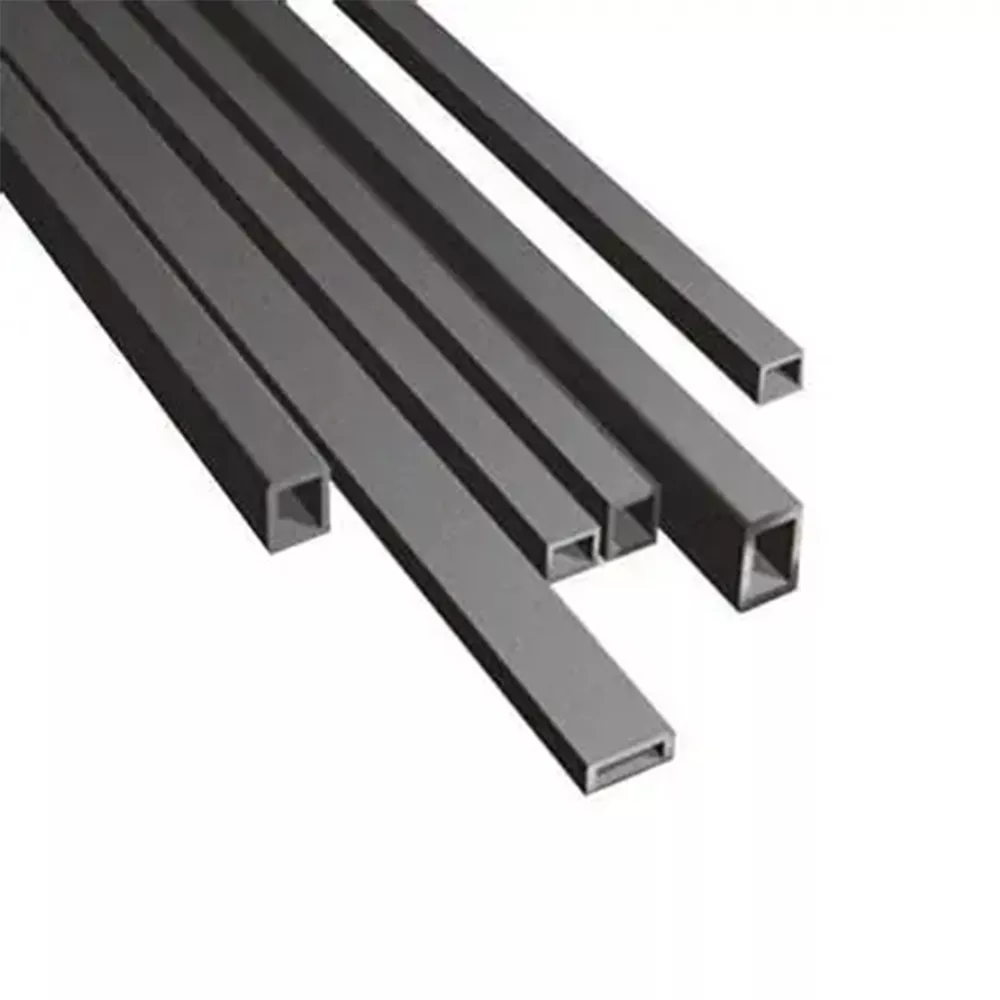
Silicon Carbide Ceramics
Silicon carbide is commonly discussed for demanding thermal, wear or corrosion-related environments. The appropriate composition and processing route depend on the component form, operating conditions, tolerances and project-specific acceptance criteria.
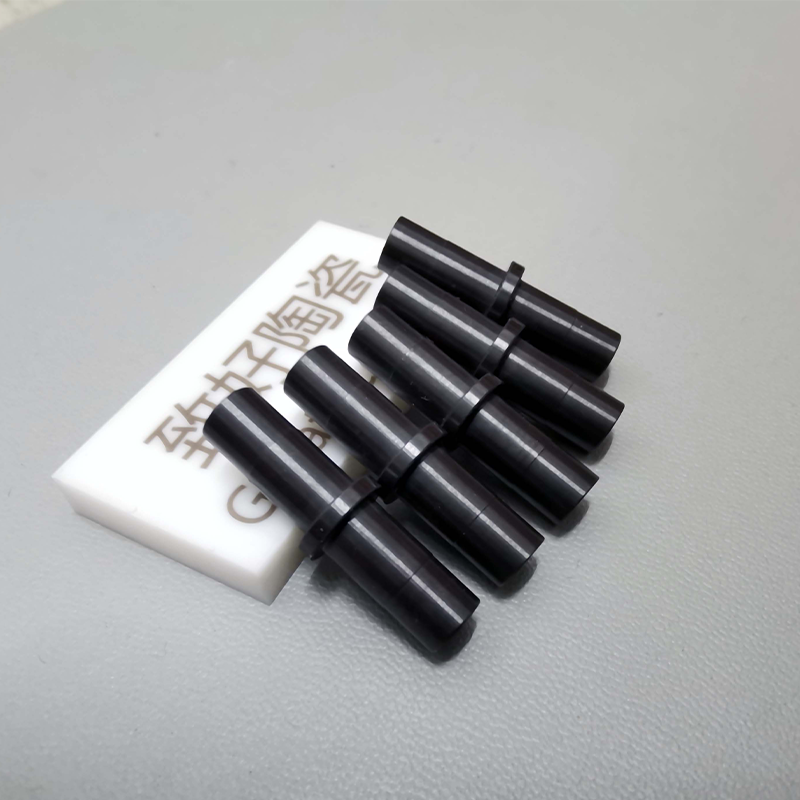
Silicon Nitride
Silicon nitride can be evaluated for ceramic rods and pins requiring mechanical stability in demanding service. Porcecore connects material selection with dimensions, mating features, loading conditions and the documentation needed for approval.

Aluminum Nitride
Aluminum nitride may be considered when a ceramic component must support thermal management alongside electrical insulation. Suitability depends on the assembly, geometry, grade, surface requirements and confirmed project performance expectations.
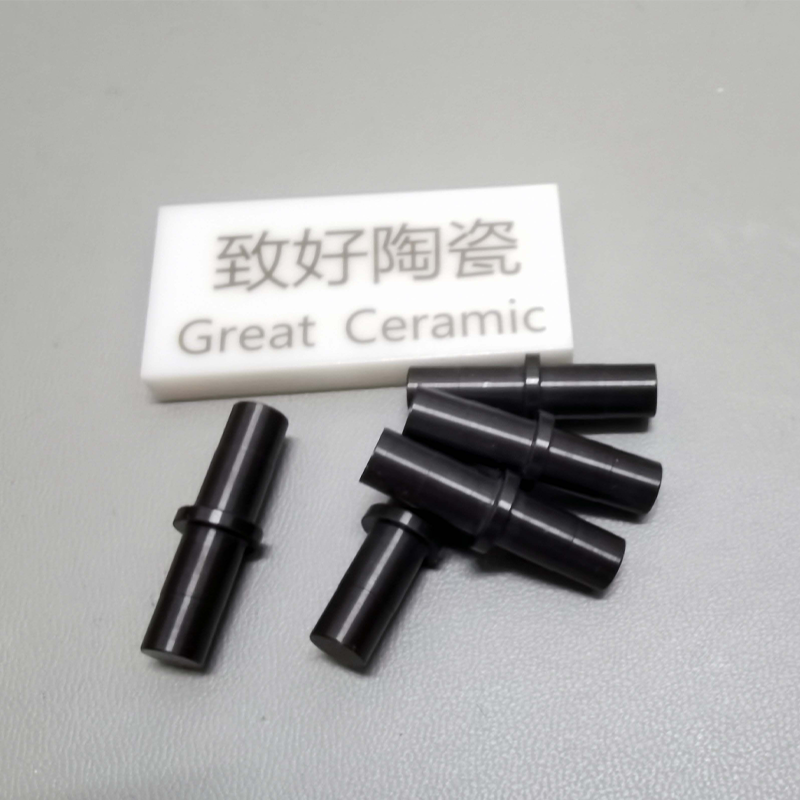
Boron Nitride
Boron nitride is a specialty ceramic option for applications where its particular thermal, electrical or release characteristics may be relevant. Porcecore confirms the applicable grade, form, availability and acceptance requirements per inquiry.
Ceramic Rods and Pins: Supported Manufacturing and Finishing Processes
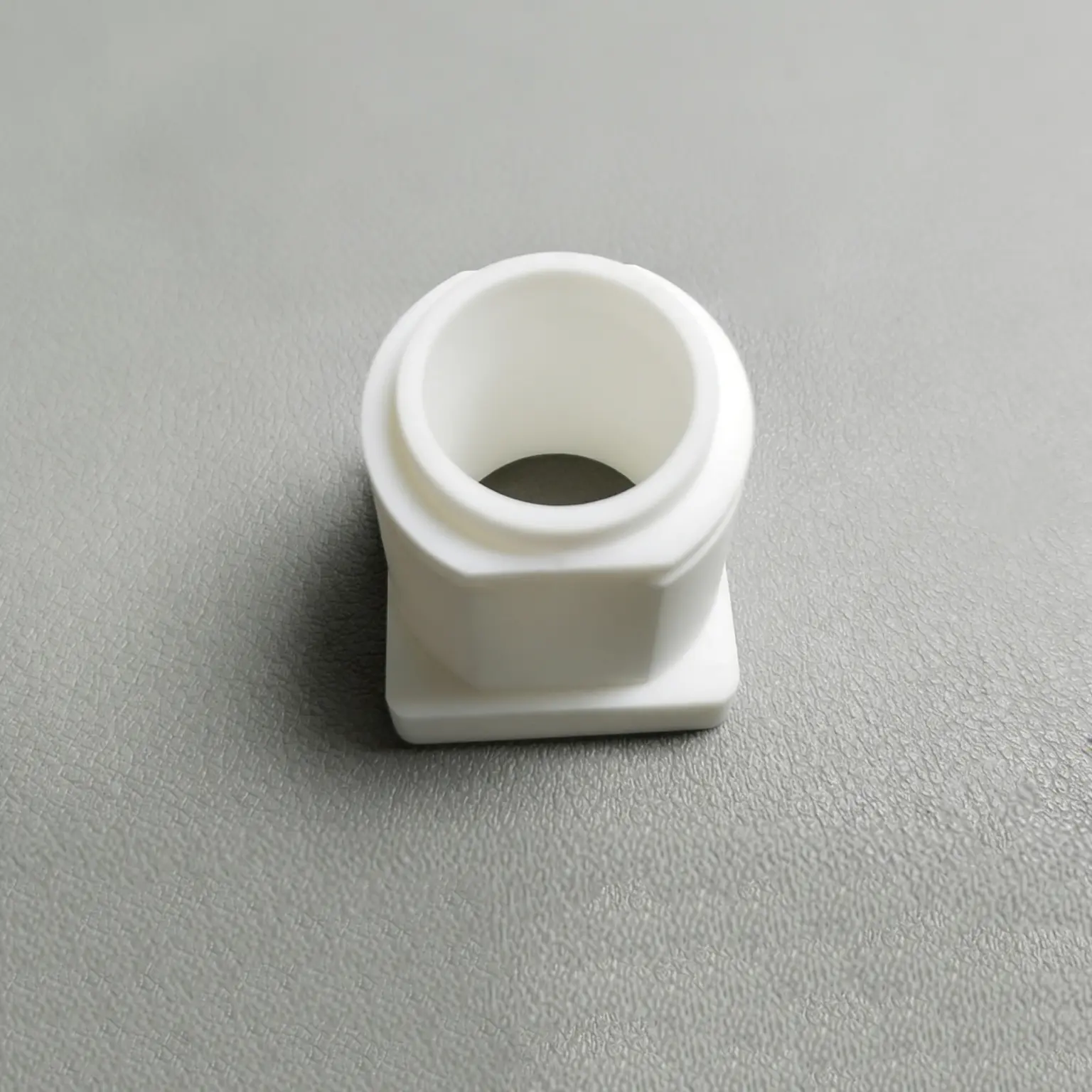
Forming and Sintering
Ceramic powders are shaped and thermally processed to establish the component’s basic geometry and material structure. The suitable route depends on the grade, dimensions, aspect ratio and required production consistency.

Precision Grinding
Grinding refines diameters, lengths and functional surfaces after firing. It is considered when rods or pins require controlled dimensions, fit-critical features, straightness or defined end conditions confirmed against the drawing.
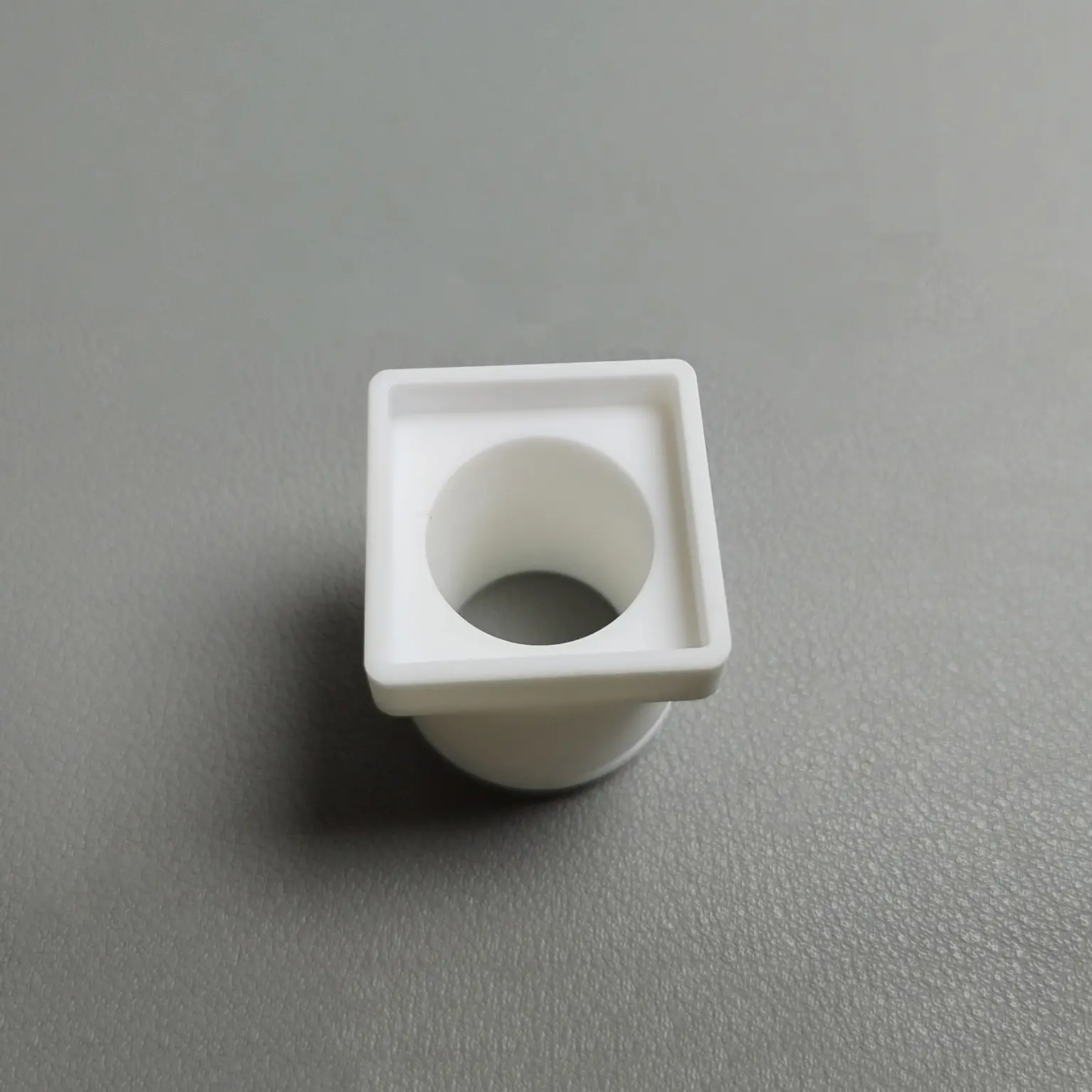
Surface Finishing
Polishing or other finishing operations can improve surface condition where contact, movement, sealing or cleanliness matters. The achievable result depends on ceramic family, geometry, access, tolerance and specified inspection method.

End Feature Machining
Chamfers, steps, radii, slots or other end details may be produced when they support assembly or operation. Feasibility must be reviewed against the material, feature size, edge condition and drawing requirements.
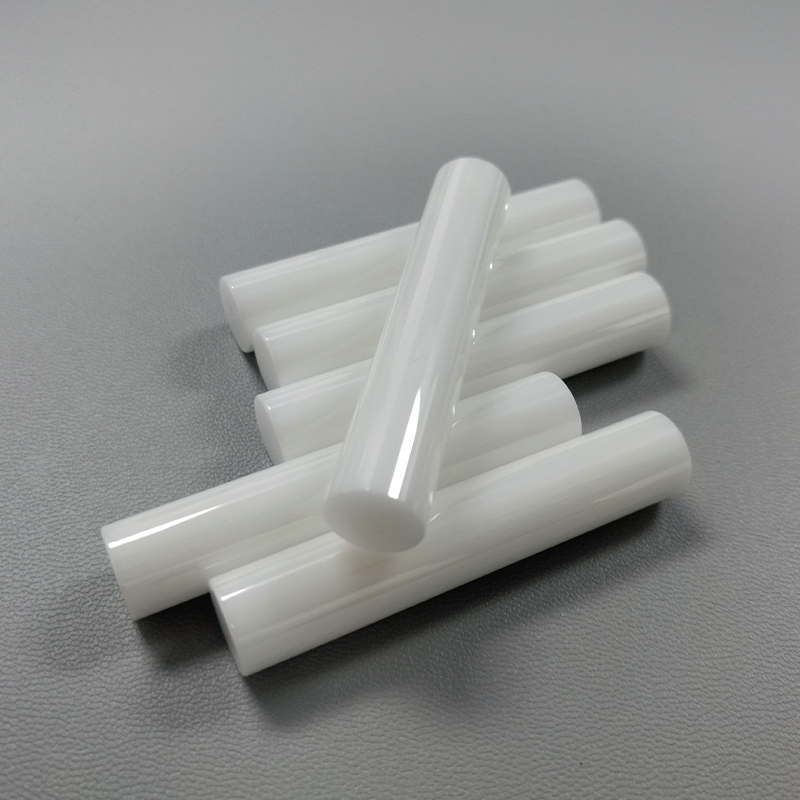
Inspection and Verification
Inspection aligns the finished part with agreed dimensions, tolerances, surface requirements and acceptance criteria. Porcecore recommends confirming critical features, measurement methods and documentation needs before quotation and production.
Supported Accessories for Ceramic Rods and Pins
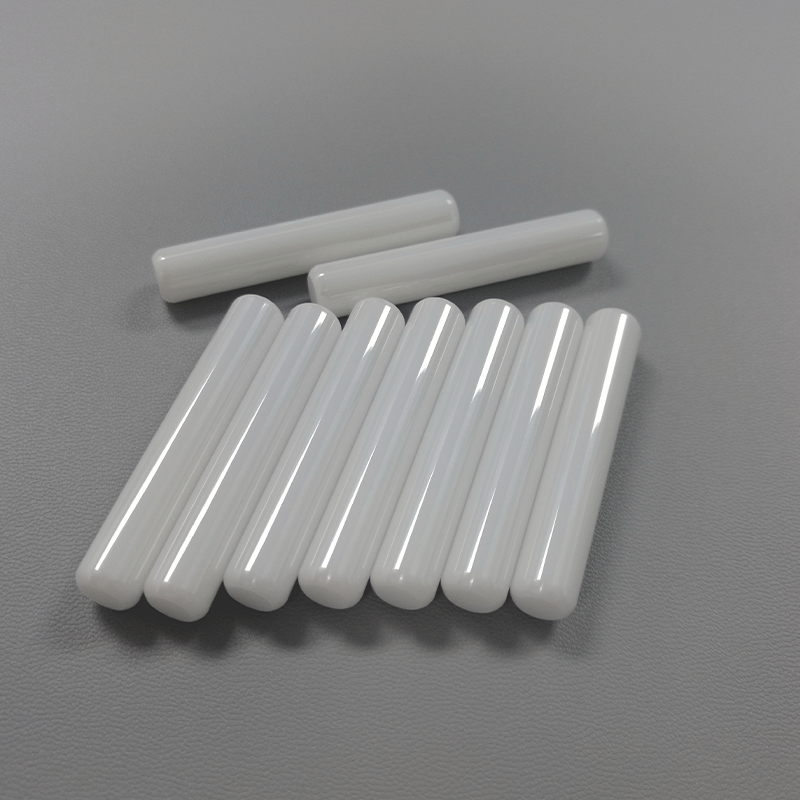
Mating Surfaces
Specify fitted diameters, end faces, chamfers, grooves or other contact features where the ceramic component meets another part. Requirements depend on assembly geometry, movement, load and inspection expectations.
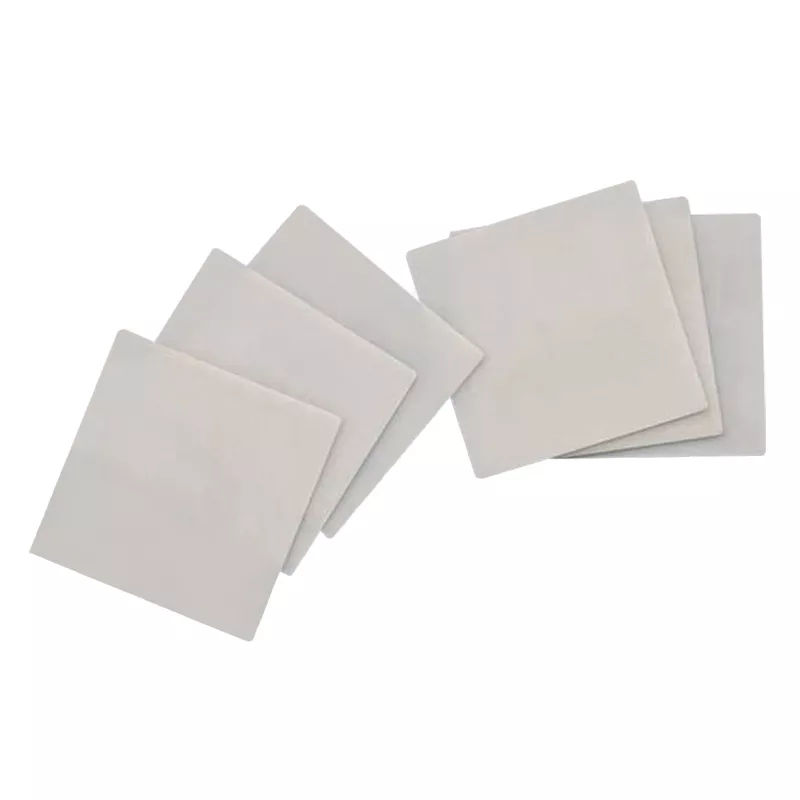
Sleeves and Bushings
Consider sleeves, bushings or protective interfaces when the rod or pin requires guided movement, spacing or isolation from surrounding hardware. Final material, clearance and fit should follow the assembly drawing.
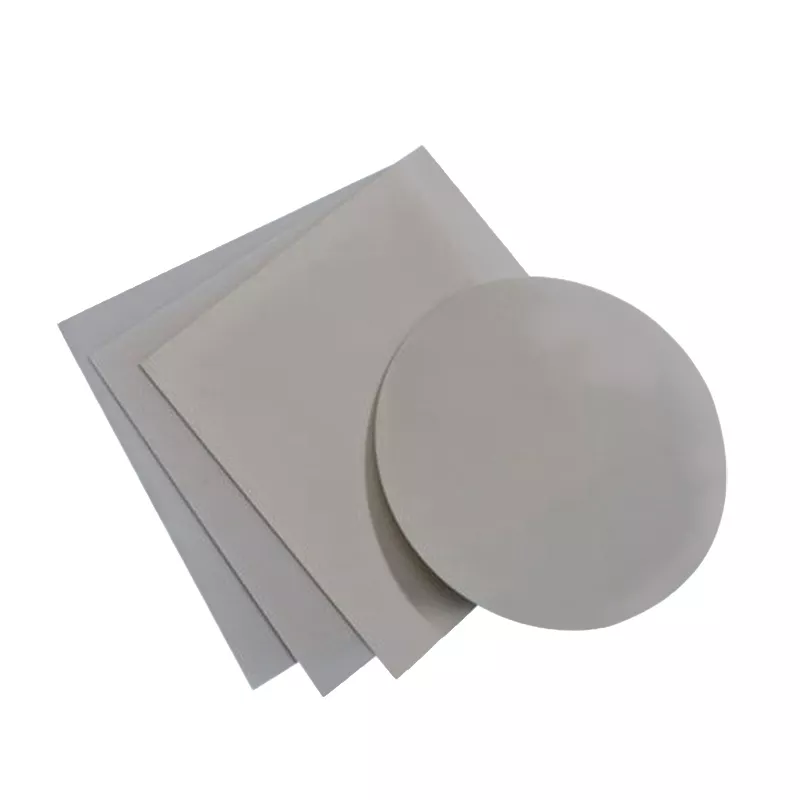
Metal Inserts
Metal inserts or bonded interfaces may be relevant where ceramic components connect to threaded, clamped or mechanically retained hardware. Confirm insert material, position, joining method and service conditions during quotation.
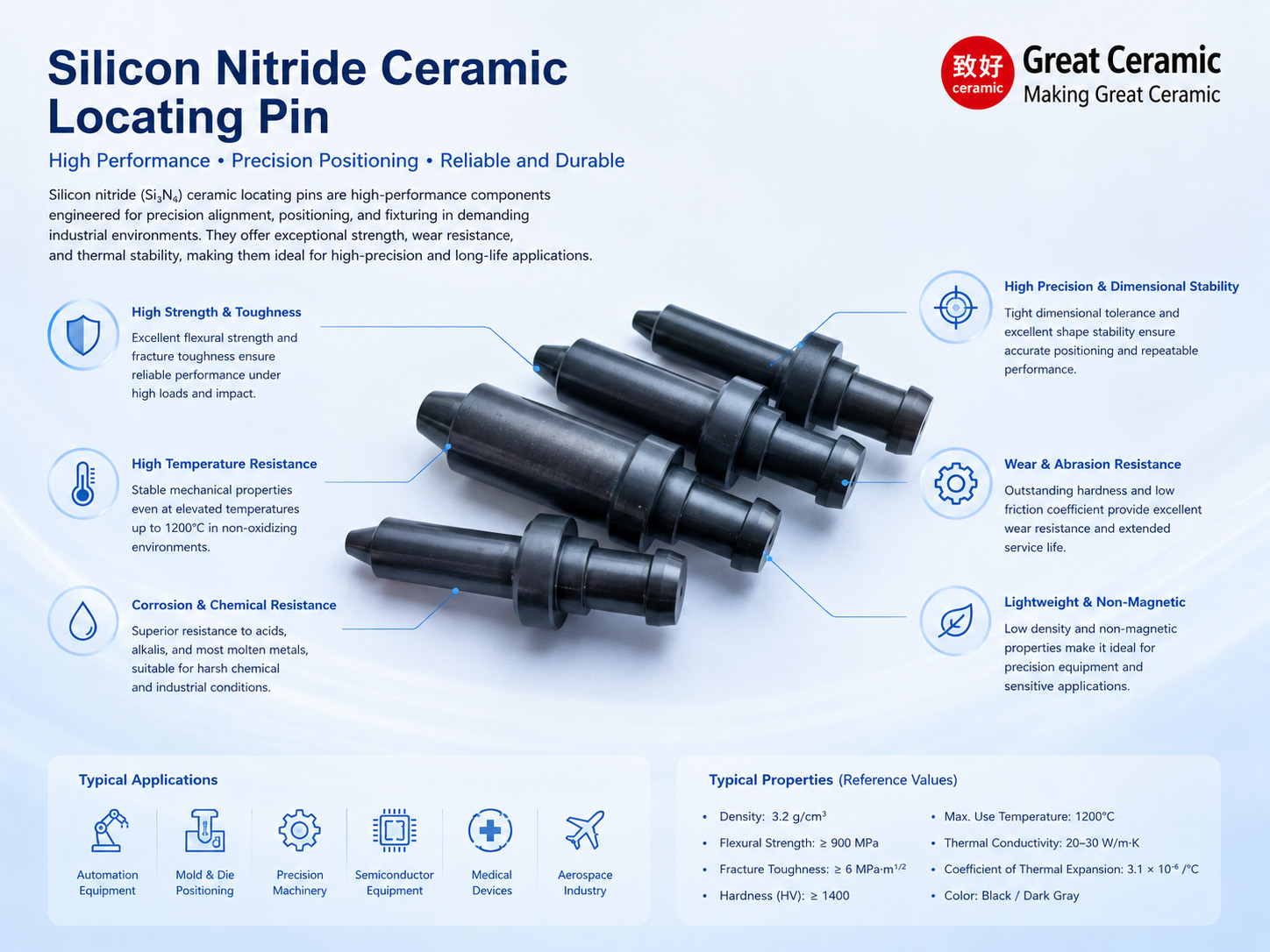
Part Identification
Labels, part markings or revision references can support receiving, traceability and assembly control. Identify the preferred marking location, format and documentation needs so they can be reviewed with the project requirements.
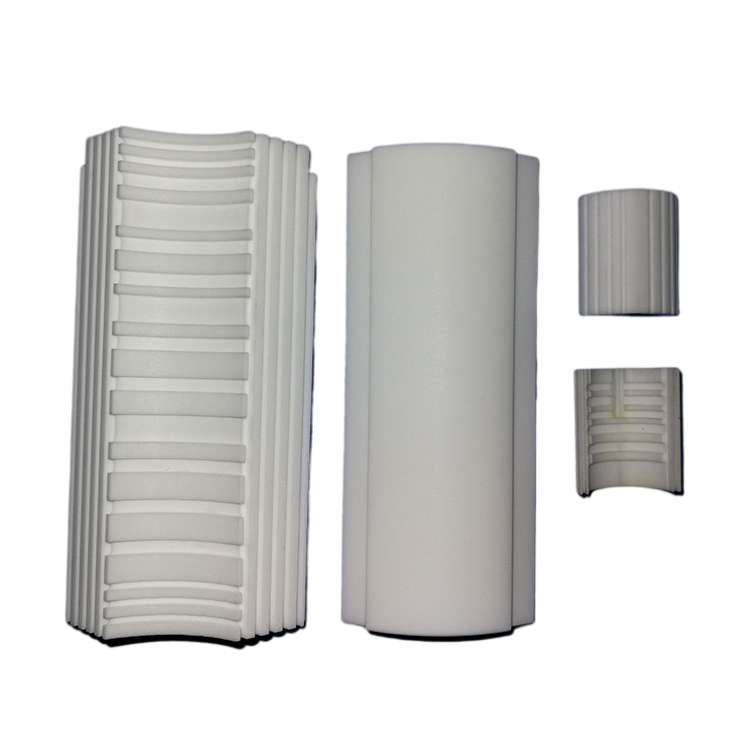
Protective Packaging
Protective packaging helps reduce handling and transport risk for precision ceramic rods and pins. Packaging expectations may include separators, end protection, moisture control, quantity grouping or project-specific labeling.
About Porcecore: Ceramic Rods and Pins
Founded by Andy Yuan, Porcecore helps industrial procurement teams, engineers, equipment builders and distributors begin more useful conversations about technical ceramic components. Our direction is straightforward: connect the material choice with the part’s actual job, so ceramic rods and pins are considered through geometry, operating conditions, mating surfaces and inspection expectations.
Porcecore’s scope covers oxide, nitride, carbide and specialty ceramics, including alumina, zirconia, silicon carbide, silicon nitride, aluminum nitride and boron nitride. We treat each material family as a starting point for discussion, then focus the inquiry around the required grade, geometry, quantity, service conditions and acceptance criteria.
What makes Porcecore different is the emphasis on application-first, drawing-led communication. Send a current drawing revision or describe the component and its environment, and we can identify the open questions that shape a meaningful quotation. Email info@zlrsmaterials.com or connect by WhatsApp at +86 130 6482 5920 to discuss your requirement.

Core Capabilities for Ceramic Rods and Pins
Drawing-Led Requirement Review
Porcecore starts with the current drawing revision and the part’s job. Reviewing dimensions, interfaces and service conditions together helps project teams identify missing information before a ceramic rods and pins quotation becomes a production commitment.
- Review the current drawing revision
- Confirm critical dimensions and tolerances
- Identify operating temperature, loads and environment
- Separate essential requirements from preferences

Material Selection by Application
Material choice should follow the component requirement, not a catalogue label alone. Porcecore helps buyers frame discussions around alumina, zirconia, silicon carbide, silicon nitride, aluminum nitride, boron nitride and other ceramic families where relevant.
- Connect material family to application demands
- Discuss grade and purity requirements
- Consider thermal, electrical and wear conditions
- Flag material questions for technical confirmation

Geometry and Mating Surfaces
A rod or pin may look simple, yet fit can depend on diameter, length, straightness, end treatment and mating surfaces. Porcecore keeps these details in the same conversation so the requested ceramic component reflects the assembly.
- Identify surfaces that fit another part
- Review assembly-defining dimensions
- Clarify holes, steps, chamfers or end faces
- Consider geometry-related production questions
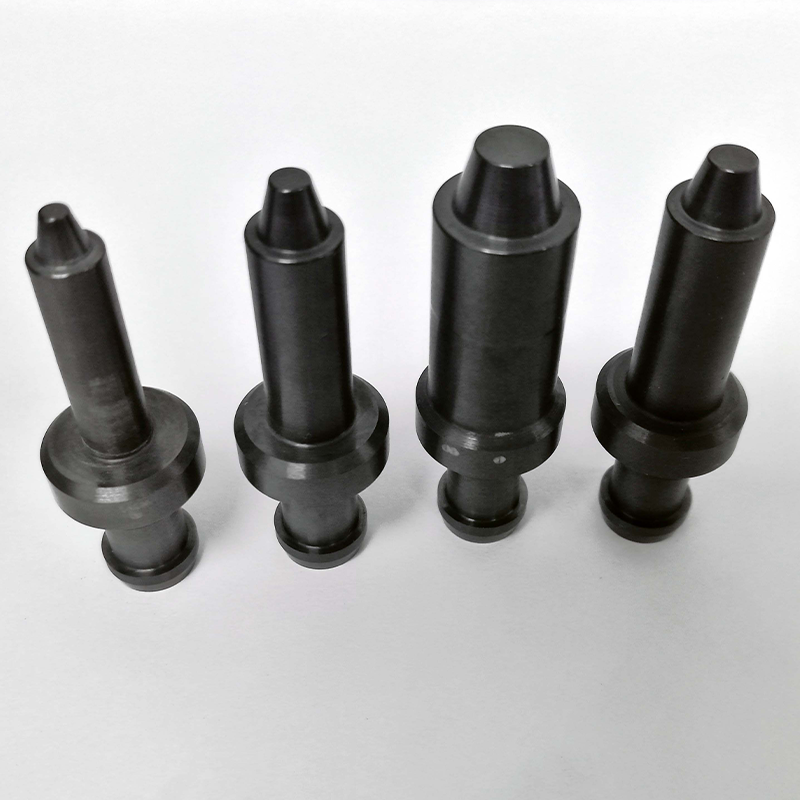
Inspection and Acceptance Clarity
Inspection expectations belong in the inquiry before quotation. Porcecore helps project teams define applicable tolerances, surface requirements, documentation and acceptance criteria, creating a clearer basis for comparing options and confirming the final ceramic rods and pins order.
- Define measurable acceptance criteria
- Specify surface and dimensional checks
- Clarify documentation needed for approval
- Confirm requirements for the individual project
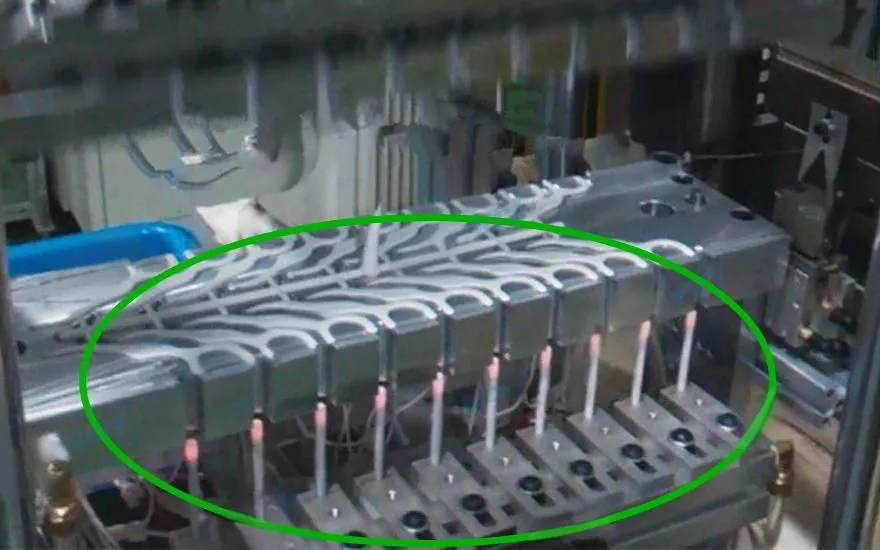
Why Choose Porcecore for Ceramic Rods and Pins
Compare a drawing-led, application-first quotation process with catalogue-only sourcing for technical ceramic components.
← Swipe left or right to view →
Our Ceramic Rods and Pins Production Process
A drawing-led workflow for clarifying requirements, coordinating production details and confirming inspection, documentation and shipment expectations.
Define the Requirement
Share the current drawing revision, component geometry, quantity, operating conditions, mating surfaces and acceptance criteria so the quotation starts with a clear requirement.
Review Material and Geometry
Porcecore discusses suitable ceramic families, grade considerations, dimensions, tolerances and finishing needs, distinguishing confirmed requirements from open questions before production planning.
Confirm the Quotation
The project team aligns on quotation scope, quantities, delivery expectations and documentation needs, then confirms the technical and commercial basis for proceeding.
Coordinate Production and Finishing
Manufacturing and finishing requirements are coordinated against the approved drawing, including relevant machining, surface treatment, edge details and any agreed process constraints.
Inspect and Document
Inspection focuses on agreed dimensions, tolerances, surface condition and other acceptance criteria, with documentation prepared according to the project’s approval requirements.
Pack and Confirm Shipment
After review, Porcecore confirms packing details, shipment information and outstanding questions, giving the buyer a clear handoff for receiving and assembly planning.
Project Guidance for Ceramic Rods and Pins
A drawing-led path from initial requirement to confirmed production, delivery, and commercial terms.
Send Your Drawing
Share the current drawing revision or describe the part, including geometry, quantity, mating surfaces, and any documentation required for quotation.
Confirm Service Conditions
Identify the material designation if known, operating temperature, loads, chemical exposure, electrical requirements, tolerances, and acceptance criteria that affect selection.
Review the Quotation
Porcecore reviews grade, geometry, process feasibility, inspection expectations, open questions, and commercial assumptions so the quotation reflects the defined project requirement.
Align Samples or Production
Confirm sample quantities, approval steps, drawing revisions, production quantities, packaging needs, and timing before moving the ceramic rods and pins into manufacture.
Finalize Delivery Terms
Agree final dimensions, tolerances, material grade, documentation, delivery schedule, payment terms, and responsible contacts before placing the production order with Porcecore.
Certificates and Quality Documentation for Ceramic Rods and Pins
Ceramic Rods and Pins: Customer Feedback and Project Examples
Customer testimonial pending approval. For ceramic rods and pins, the first useful step is to review the current drawing, material designation, operating conditions and acceptance criteria before discussing quotation scope.
Illustrative project example: a clear requirement review helps separate essential dimensions, mating surfaces and inspection expectations from preferences, giving the sourcing team a more concrete basis for comparing ceramic component options.
Documented customer outcome pending. Porcecore recommends sending the current revision, quantity, service conditions and required documentation so ceramic rods and pins can be discussed against the actual assembly and purchasing requirements.
FAQ for Ceramic Rods and Pins Buyers
Project-specific answers for drawings, materials, quality review and commercial planning.
What information should I provide to quote ceramic rods and pins?
Is there a minimum order quantity for ceramic rods and pins?
How are lead time and sample timing confirmed?
How should I select a ceramic material grade?
Can you quote ceramic rods and pins with tight tolerances or functional surfaces?
What inspection evidence can accompany ceramic rods and pins?
How are packaging and shipping handled for ceramic components?
Will my drawing and project information remain confidential?
The Complete Buyer’s Guide to ceramic rods and pins
Use this decision framework to match ceramic rods and pins with application demands, evaluate materials and manufacturing partners, compare customization and cost factors, and avoid specification, quality, and sourcing mistakes.
1. What Are Ceramic Rods and Pins?
One ceramic rod or pin is a solid, round component engineered for a defined job: electrical insulation, alignment, wear contact, structural support, plunging, or high-temperature service. Its suitability depends on more than a material label; diameter, length, straightness, end geometry, mating surfaces, and assembly load must be considered together. Two supplier references illustrate the specification range. com/ceramic-rods). The core buyer question is: what performance requirement must the part meet? Match the ceramic family and grade to temperature, electrical duty, chemical exposure, friction, impact, and environment, then confirm tolerance, finish, and acceptance criteria on the drawing.
2. Evolution and History of Ceramic Rods and Pins
Alumina established the early baseline for technical ceramic rods and pins, combining electrical insulation, hardness and heat resistance in demanding equipment. com/ceramic-rods). Zirconia, silicon nitride and silicon carbide expanded the design range by addressing toughness, mechanical loading, wear and thermal duty. com/ceramic-rods). Machinable glass ceramics added a different route for prototype and specialized equipment parts, while precision grinding improved diameter, straightness, end geometry and surface finish. com/product/ceramic-locating-pin).
3. Types of Ceramic Rods and Pins
Three purchasing forms cover most ceramic rods and pins: stocked cylindrical blanks, precision-machined components, and drawing-based parts. The deciding variables are geometry, mating surfaces, fit, and service conditions.
Standard Rods And Blanks
3–300 mm lengths are commonly offered as-fired or machined rod formats.
Pins, Locators, And Guides
0.001 mm-class tolerances may be specified for precision pins, locating pins, guide rods, and alignment features, but the actual requirement depends on the mating bore and assembly method. Ground diameters, straightness, chamfers, and insertion force belong on the drawing.
Shafts, Plungers, And Rollers
A shaft, plunger, or roller typically adds functional end geometry, working diameters, or a controlled surface finish to the basic rod.
Solid Rods Versus Tubes
A solid rod carries material through its full cross-section, while a tube or sleeve adds an inner diameter for insulation, protection, clearance, or sliding contact.
4. Ceramic Rods and Pins Materials Compared
Material selection for ceramic rods and pins depends on grade, formulation, geometry, and service conditions—not the family name alone. Compare performance, manufacturability, and relative cost against the part requirement.
Mechanical And Chemical Trade-Offs
Alumina and silicon carbide offer high hardness and chemical resistance; zirconia provides greater toughness.
Electrical And Thermal Fit
Alumina, zirconia, silicon nitride, and glass ceramic generally insulate electrically.
Applications And Cost
Alumina suits insulators and furnace supports; zirconia, shafts and wear pins; silicon nitride, bearings; silicon carbide, hot corrosive fixtures.
Aluminum nitride fits thermal-management parts; glass ceramic suits drilled prototypes. Relative cost rises with specialty formulation and machining.
| Material | Strengths | Limitations | Suitable uses |
|---|---|---|---|
| Alumina | Hard, insulating, economical | Lower toughness | Insulators, supports |
| Zirconia | Tough, wear-resistant | Higher cost | Shafts, pins |
| Silicon nitride | Strong, thermal-shock resistant | Grade-sensitive | Bearings, guides |
| Silicon carbide | Very hard, corrosion-resistant | Conductive, difficult machining | Hot fixtures |
| Aluminum nitride | Insulating, thermally conductive | Specialty cost | Heat spreaders |
| Glass ceramic | Highly machinable, insulating | Lower hardness | Drilled prototypes |
5. Customization Options for Ceramic Rods and Pins
A drawing converts ceramic rods and pins from a shape into a controlled part.
Geometry And Dimensional Control
OD, length, steps, holes, chamfers, radii, and end geometry should be dimensioned from assembly function. Herun lists these as custom options: https://www.herunceramic.com/ceramic-rods-tubes.html
As-fired dimensions suit noncritical features; machined dimensions apply where fit, alignment, or motion depends on tolerance.
Finish And Verification
Straightness, roundness, surface roughness, and polishing matter at mating or sliding surfaces, not automatically across every surface.
Functional Versus Optional Specifications
Assembly load, clearance, sealing, guidance, wear, and electrical spacing define functional requirements.
| Specification | Usually functional | Cost risk |
|---|---|---|
| Mating diameter | Yes | Tight tolerance |
| End chamfer | Often | Overspecification |
| Polishing | Surface-dependent | Unneeded finish |
6. Key Construction and Quality Elements
Reliable ceramic rods and pins depend on linked material, geometry, and inspection requirements.
Material And Internal Integrity
Grade, purity, density, and allowable porosity should be named explicitly, with inspection method and acceptance limits. Request internal-defect controls where fracture risk or sealing matters.
Critical requirements include material designation, density range, inclusions, cracks, and lot sampling. Do not treat a general material property as a grade-specific guarantee.
Geometry And Surface Condition
Diameter, length, tolerance, concentricity, straightness, edge integrity, and end geometry should be dimensioned against mating features. Identify datum references and inspection method on the drawing. Surface finish belongs beside the functional surface, using Ra or another agreed parameter.
Service And Traceability
Thermal-shock resistance should be tied to temperature range, ramp rate, dwell, and cycling requirement rather than listed as a vague benefit. Cleanliness should specify particles, residues, packaging, and handling.
Lot traceability should link material batch, processing route, inspection records, and shipment quantity. Ask for the required records without implying Porcecore certification unless separately verified.
7. How to Choose a Ceramic Rods and Pins Manufacturer
One drawing should anchor supplier evaluation because ceramic rods and pins depend on geometry, material, mating surfaces, and service conditions.
Assess Technical Capability
Three evidence areas matter: material expertise, forming, and diamond machining. Request relevant sample drawings, process limits, inspection records, and tolerance results for comparable parts. Prototype support should connect to production scalability.
Define The RFQ Clearly
Eight inputs reduce quotation ambiguity and expose hidden assumptions. Include the current drawing revision, material grade, quantity, tolerance, finish, environment, assembly function, and inspection requirements.
Specify critical mating surfaces, straightness or roundness needs, documentation, acceptance criteria, and packaging expectations where applicable. Ask which requirements remain open before approval.
- Drawing revision and material grade
- Quantity, tolerance, and surface finish
- Operating environment and assembly function
- Inspection plan and acceptance criteria
Verify Quality And Delivery
Four verification topics deserve written answers: measuring equipment, tolerance control, documentation, and nonconformance handling. Review inspection reports and calibration evidence rather than accepting unsupported precision claims. Confirm prototype timing, production capacity, protective packaging, shipping responsibility, and escalation contacts.
8. Common Ceramic Rods and Pins Buying Mistakes
Eight recurring errors can turn a workable ceramic rods and pins requirement into fit, reliability, or quotation problems.
Material And Service Conditions
Price is only one input; alumina, zirconia, silicon nitride, and carbide trade off properties differently. Select the material against load, wear, insulation, temperature, and chemical exposure.
Temperature and chemical conditions omitted from an RFQ leave suppliers guessing. State continuous and peak temperature, media, concentration, exposure time, and cleaning process.
- Request a grade recommendation with written rationale.
- Separate target requirements from preferences.
Geometry And Finish Details
Diameter and length alone do not define a functional pin. Add straightness, roundness, fit surfaces, end geometry, chamfers, edge radius, and surface finish.
Long or slender parts can fail during alignment even when nominal dimensions pass. Mark mating surfaces and critical assembly dimensions on the drawing.
- Specify edge condition and allowable chips.
- Identify datum features and inspection method.
Blank, Machined, Or Assembled
An as-fired blank is not equivalent to a precision-machined component. Confirm whether tolerances, grinding, polishing, chamfers, and final inspection are included.
Ceramics are brittle under point loading and misalignment. Define handling, insertion force, support geometry, and clearance before assembly trials.
- Request a feature-by-feature quotation.
- Use controlled assembly instructions and tooling.
Inspection And Quote Comparisons
First-article inspection should precede volume release, especially for custom ceramic rods and pins. Approve dimensions, material documentation, surface condition, and packaging against the current drawing revision.
Two quotes are comparable only when their assumptions match. Align quantity, tolerances, inspection scope, documentation, tooling, packaging, delivery, and Incoterms.
- Require a signed drawing revision.
- Compare total delivered scope, not unit price alone.
9. Steps to Launch Your Ceramic Rods and Pins Program
A nine-step launch sequence keeps ceramic rods and pins decisions tied to the actual assembly.
Define And Freeze The Requirement
Step 1 begins with the application: record loads, temperature, chemistry, electrical duty, mating surfaces, quantity, and failure risks. Step 2 freezes the drawing revision, dimensions, tolerances, finish, edge details, packaging, and acceptance criteria. Step 3 selects candidate materials against those conditions.
Compare Quotes And Review Samples
Step 4 sends every supplier the same drawing revision, quantity, service conditions, documentation needs, and inspection requirements. Procurement should compare assumptions, tooling, lead time, sampling, and commercial terms—not unit price alone. Step 5 reviews samples dimensionally and visually.
Validate, Pilot, And Monitor
Step 6 validates fit and performance in the intended assembly, including relevant thermal, chemical, wear, or electrical conditions. Step 7 approves the inspection plan, measurement methods, sampling level, records, and nonconformance process. Step 8 releases pilot production with written sign-off from all four parties.
10. Ceramic Rods and Pins Pricing and Cost
3 cost bands usually separate ceramic rods and pins quotes: material grade, blank size, machining complexity, tolerance, finish, inspection, tooling, packaging and logistics all affect the delivered cost.
| Quantity Tier | Unit-Cost Drivers | Lead-Time Considerations | RFQ Basis |
|---|---|---|---|
| Prototype / 1–10 | Grade, oversized blank, complex features, tight tolerance, inspection | Tooling and process review may extend scheduling | Drawing revision, material, critical dimensions |
| Low volume / 11–100 | Setup, machining cycle, finish, inspection and protective packaging | Batch planning and tooling availability matter | Quantity, finish, reports and packing method |
| Production / 101–1,000 | Material yield, repeatable routing, tooling amortization and logistics | Forecasting can support batch consolidation | Annual demand, releases, Incoterm and destination |
| Program volume / 1,001+ | Yield control, dedicated tooling, inspection sampling and freight | Capacity reservation and staged deliveries should be agreed | Forecast, blanket-order terms and acceptance plan |
Discuss Your Ceramic Rods and Pins Requirement
Email a drawing or describe your component, operating environment, quantity and acceptance criteria for a project-specific quotation discussion.