
Ceramic Rollers for Drawing-Led Industrial Sourcing
Define ceramic rollers by geometry, material, service conditions and acceptance requirements with Porcecore.
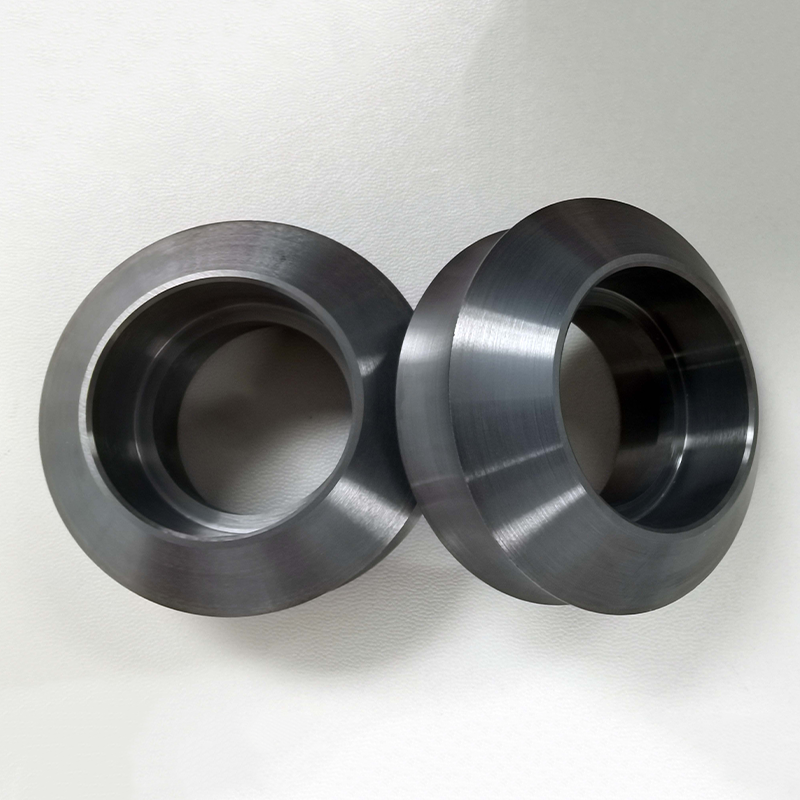
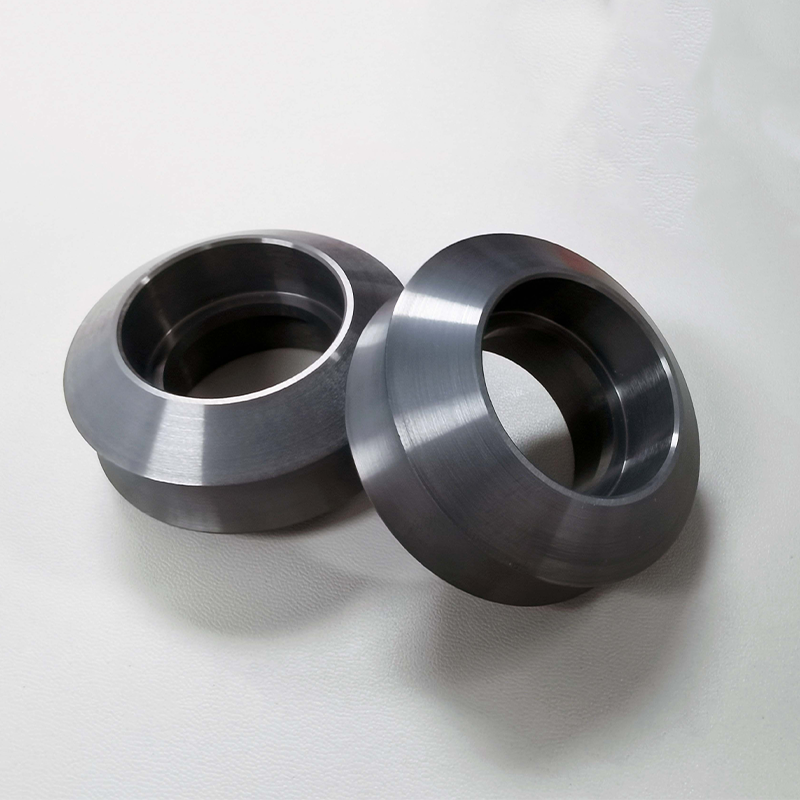
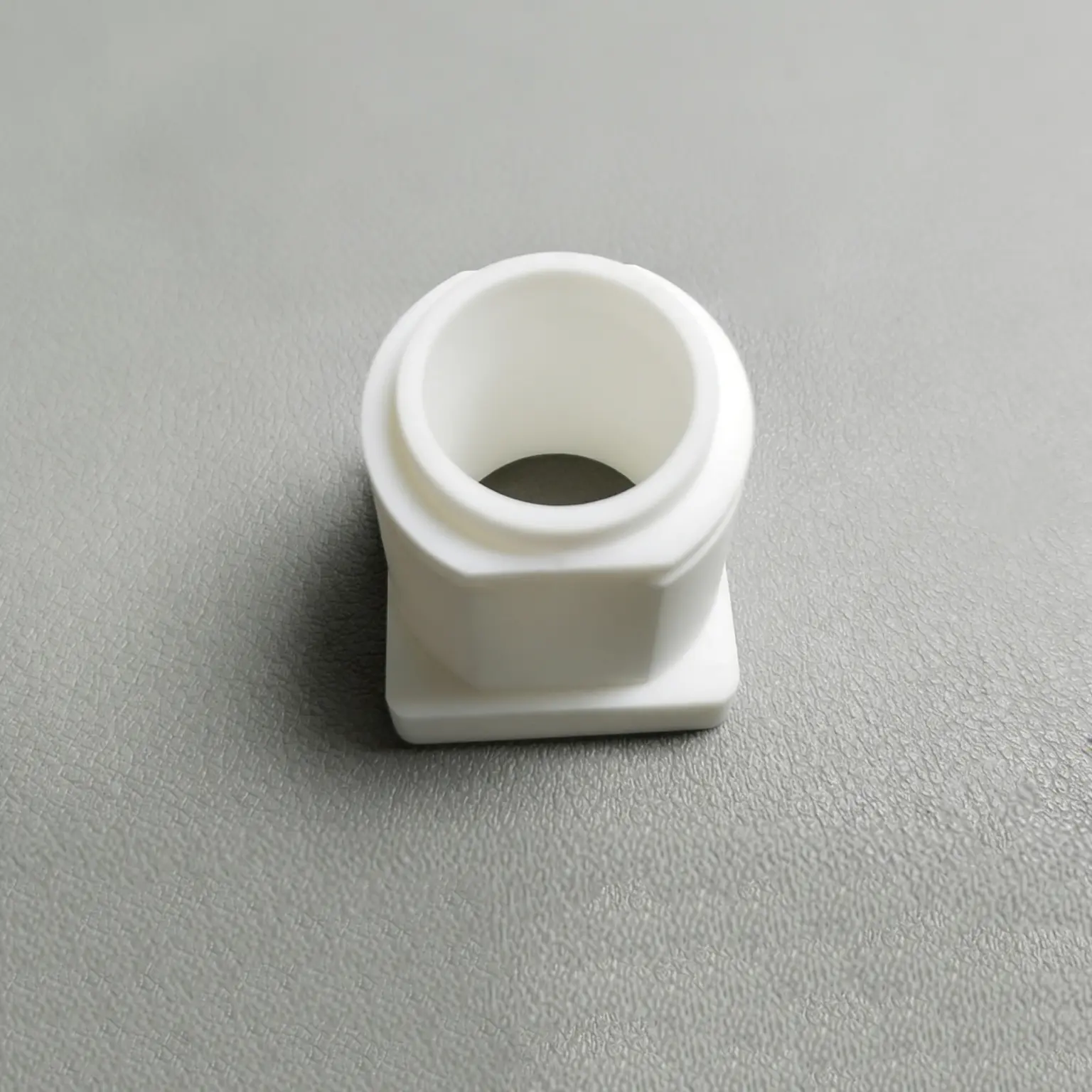
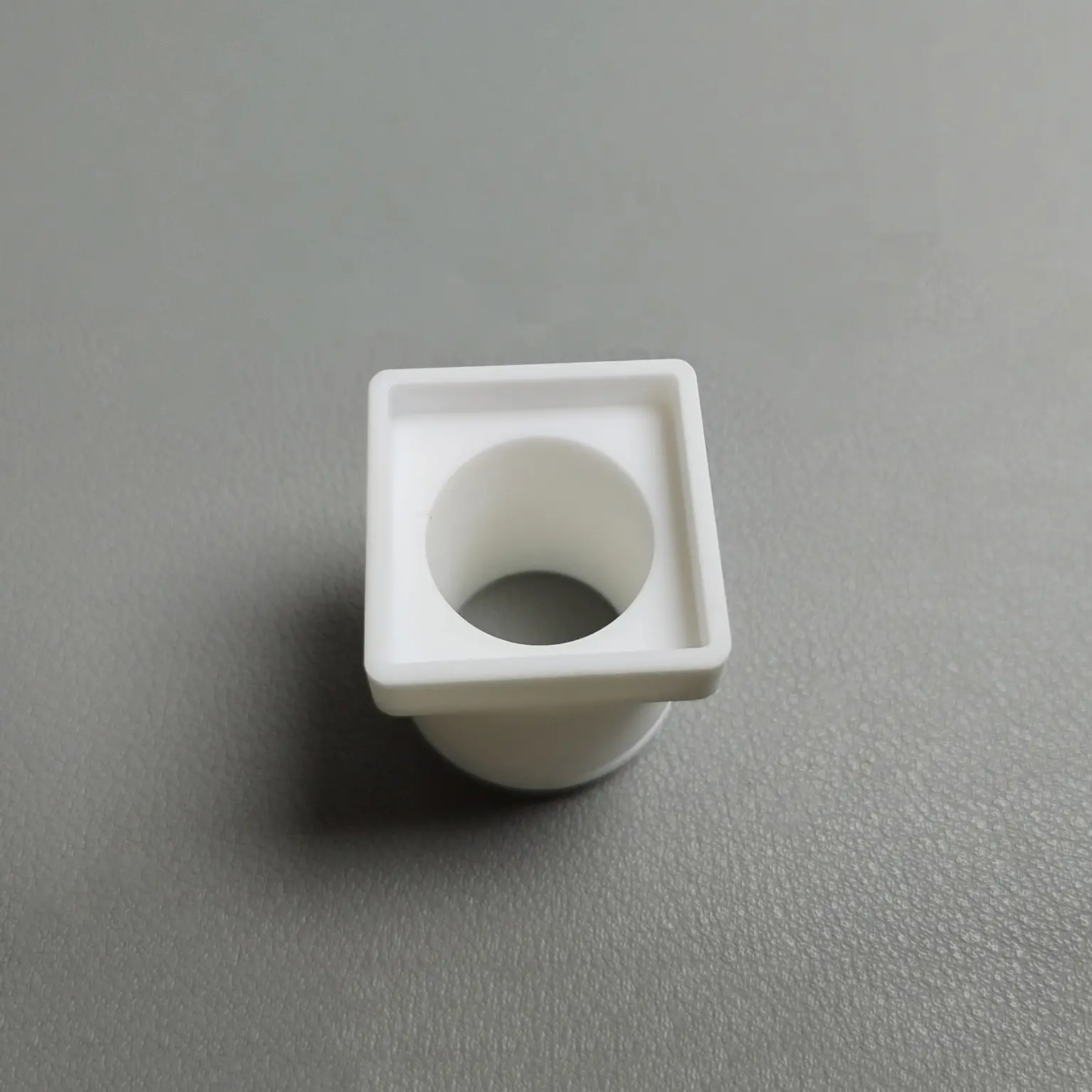
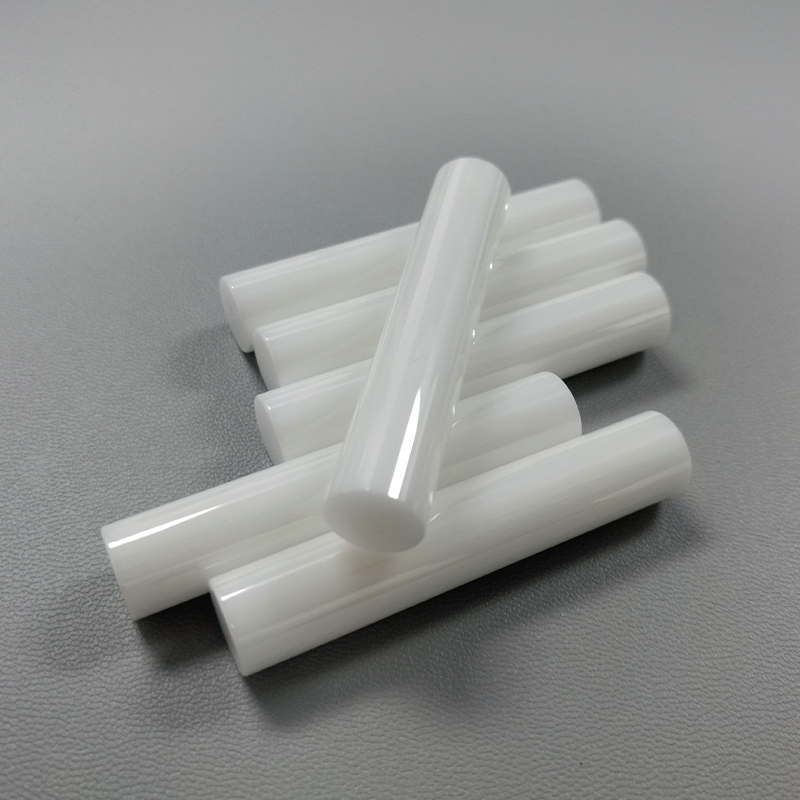
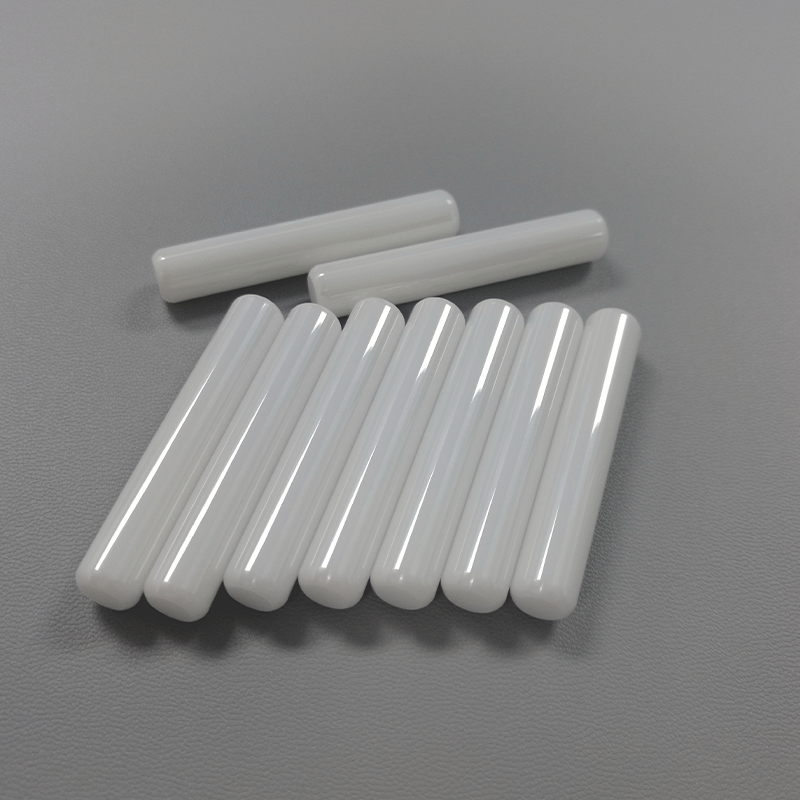
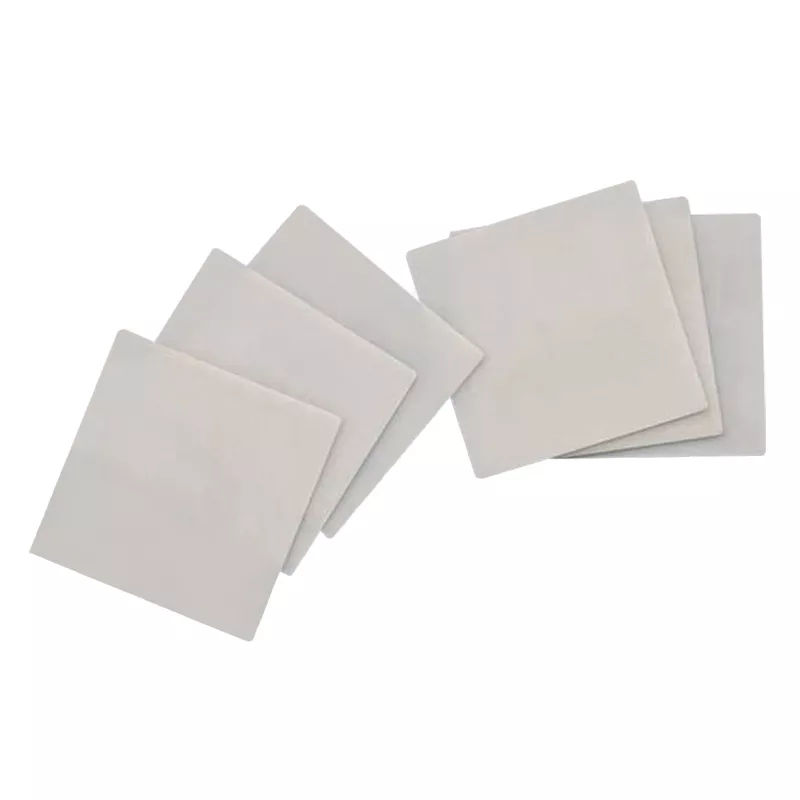
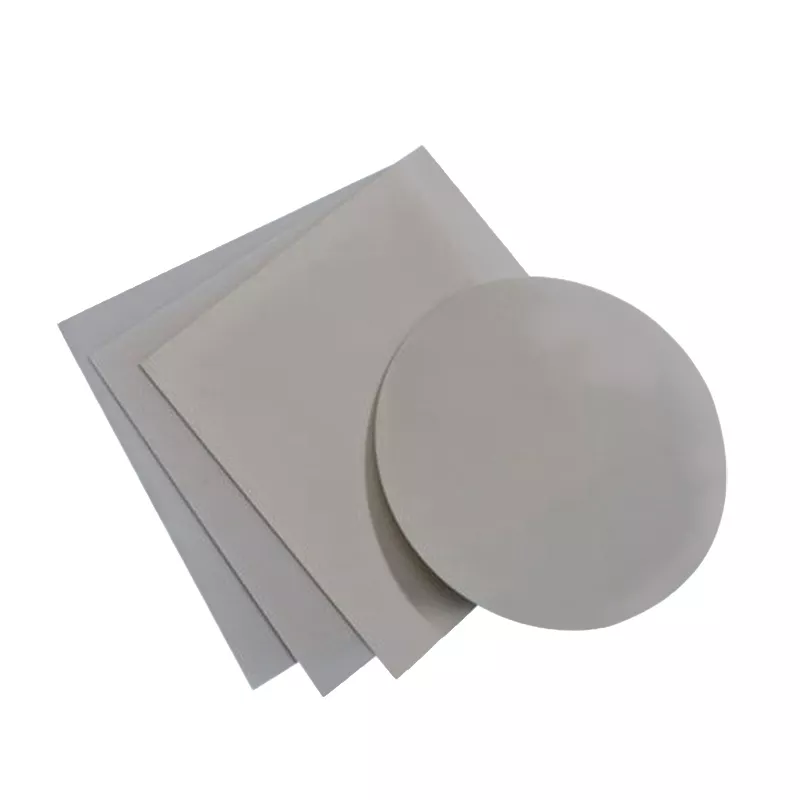
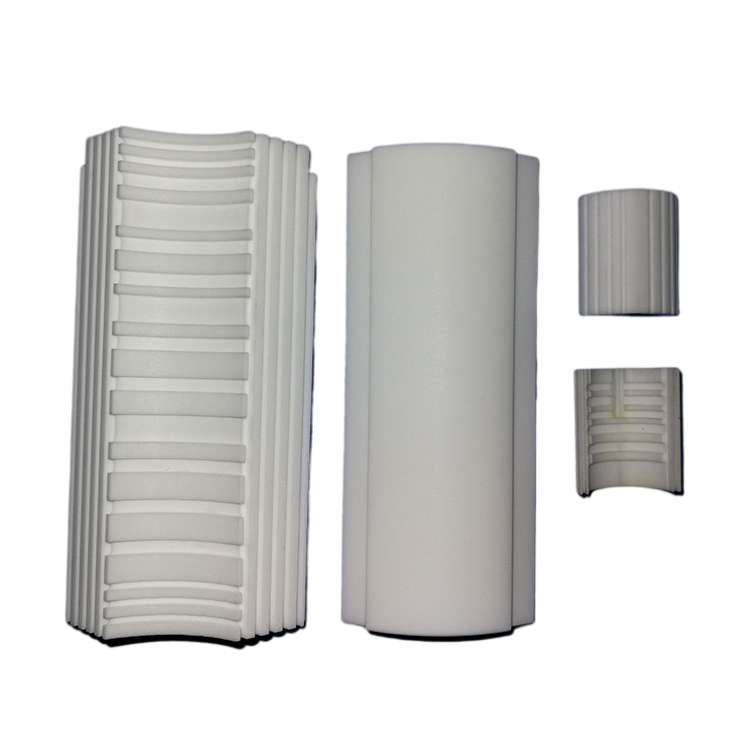
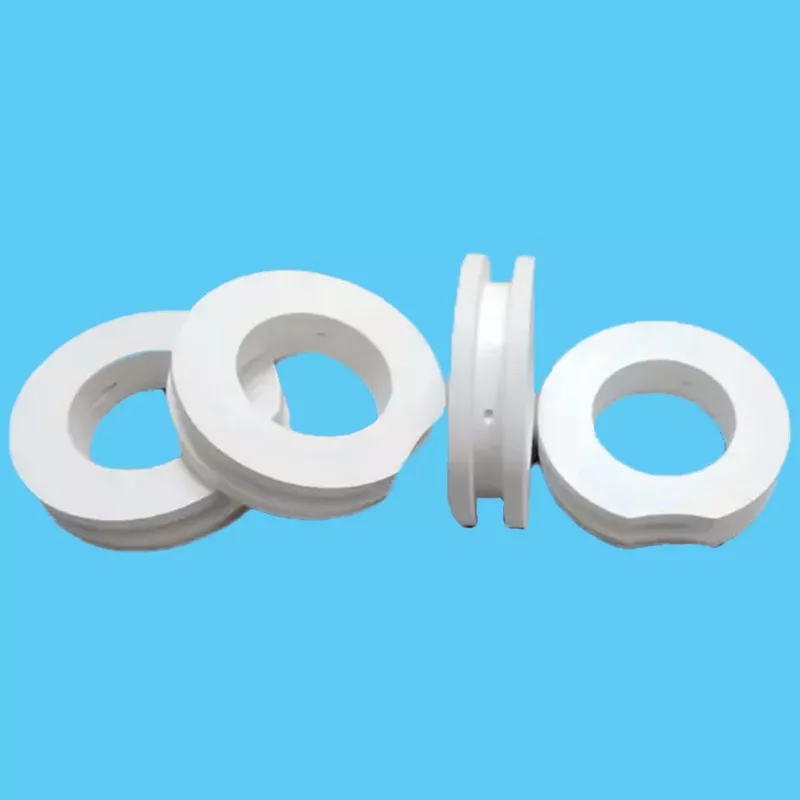
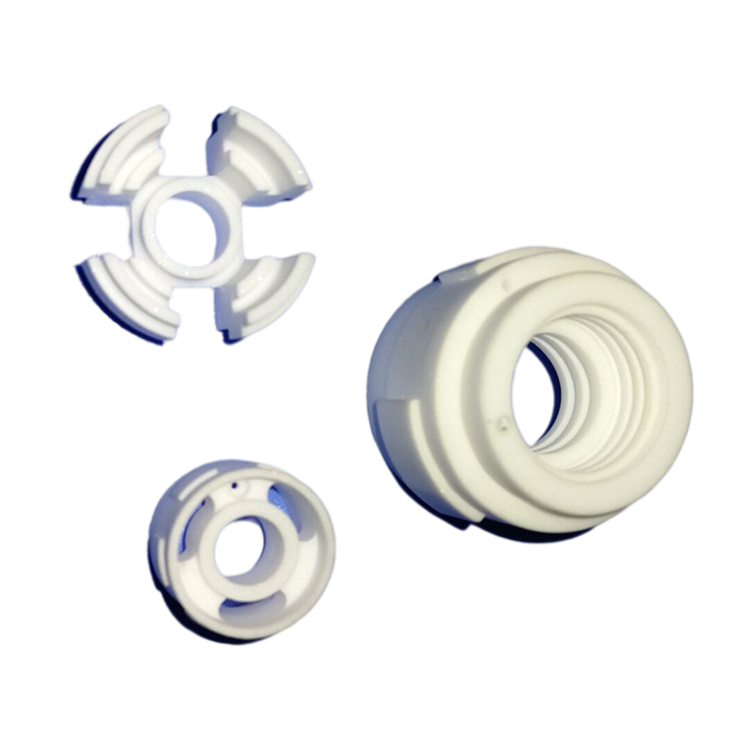
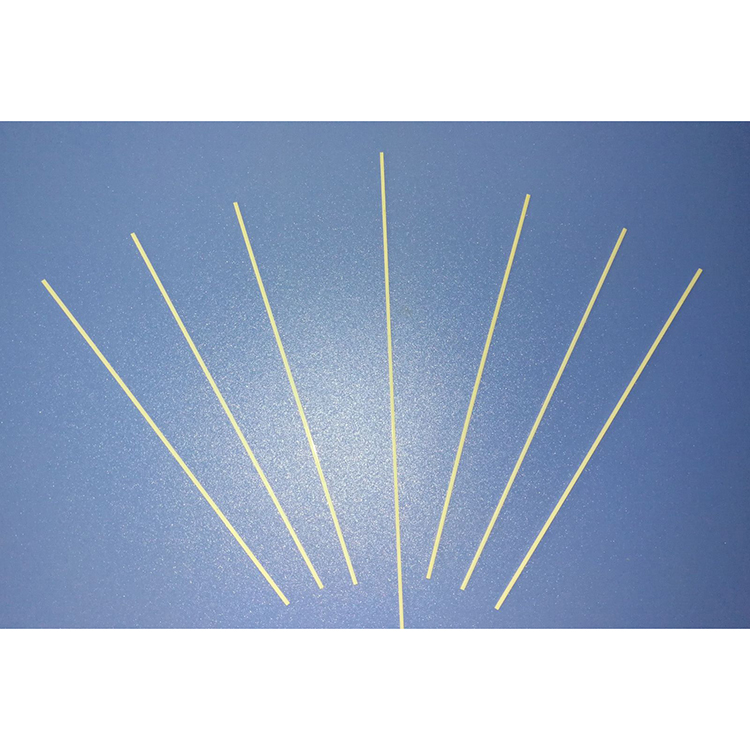
Featured Ceramic Roller Components


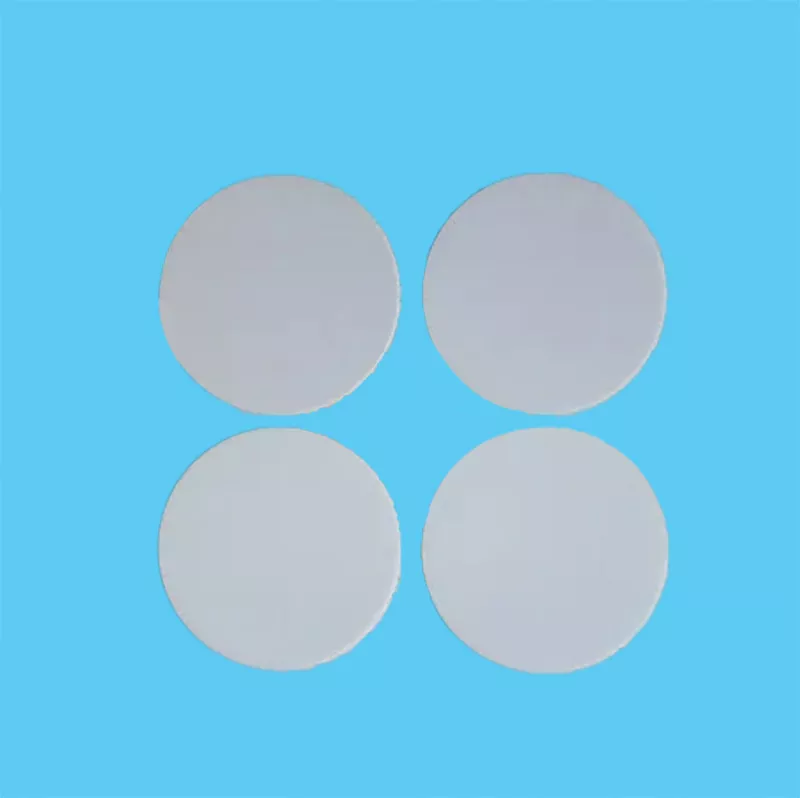

Related Product Catalogue and Quotation


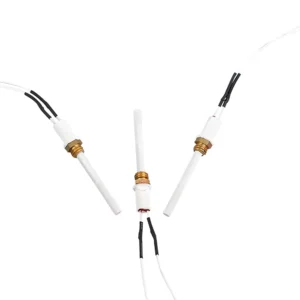


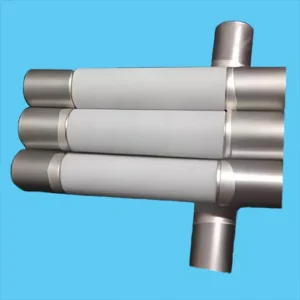
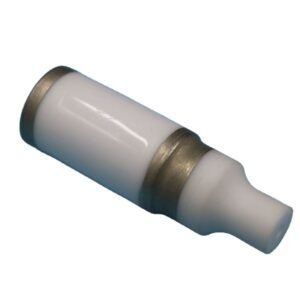
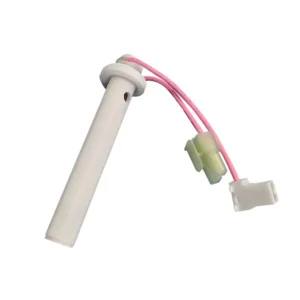
Why Buyers Specify Porcecore Ceramic Rollers
A drawing-led sourcing approach connects ceramic material, component geometry and project requirements before quotation and approval.
Drawing & Revision Control
Start with the current drawing revision, referenced standards and open dimensions so quotation discussions stay aligned with the part your project actually needs.
Grade Selection by Requirement
Discuss alumina, zirconia, silicon nitride, silicon carbide or other ceramic families against temperature, wear, chemical exposure and electrical requirements; confirm the project-specific grade before commitment.
Geometry for Assembly Fit
Define diameter, length, form, concentricity and mating features around the assembly interface, distinguishing an illustrative product form from dimensions that control installation and function.
Functional Surfaces & Finish
Identify bearing, sealing, sliding or contact surfaces, along with finish expectations and edge details, so the inquiry reflects how ceramic rollers interact with neighboring components.
Inspection Evidence for Approval
Set acceptance criteria early, including critical dimensions, visual checks, test records or documentation requirements, so inspection evidence matches your internal approval process.
Conditions, Quantity & Process
Share operating environment, duty cycle, quantity and preferred process route where known; these inputs help separate essential performance requirements from sourcing preferences.
Ceramic Components by Requirement
Explore materials, products, capabilities and application contexts before sending the drawing, service conditions and acceptance criteria for review.
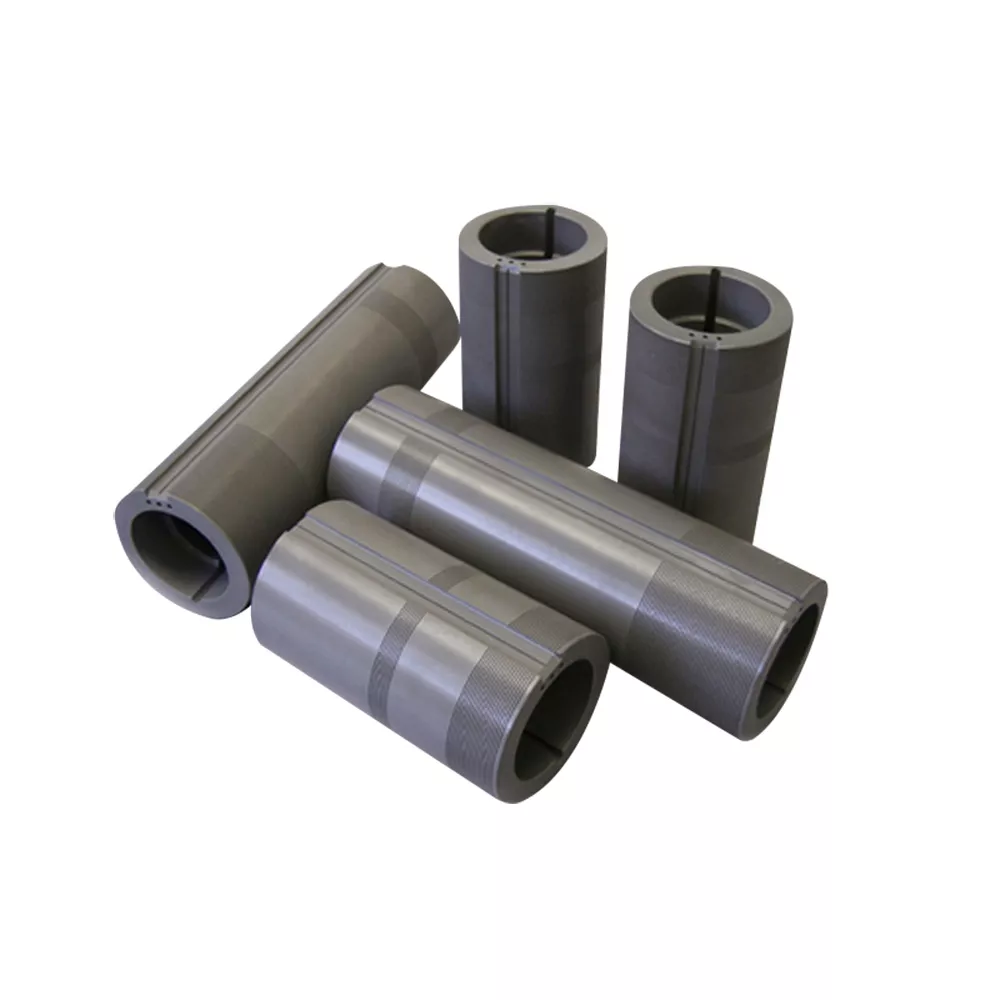
Ceramic Manufacturing Capabilities
Review ceramic manufacturing capabilities in relation to component geometry, tolerances, mating surfaces and inspection needs. Use this category to frame a drawing-led inquiry for tubes, rods, rings, substrates or other parts where fit, wear, heat or electrical conditions influence the specification.
Discuss Your Ceramic Part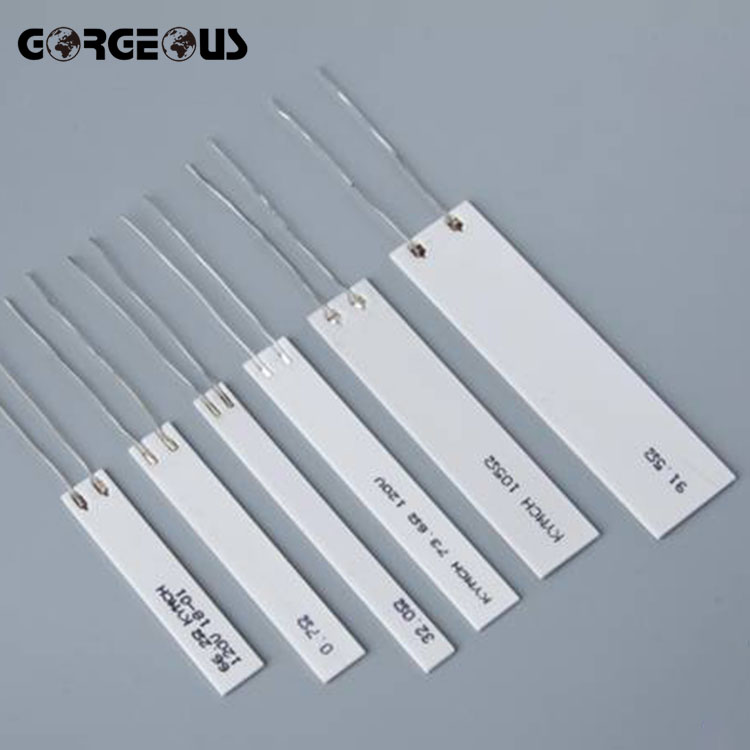
Ceramic Solutions by Industry
Connect advanced ceramics applications with the operating environment and industry requirement. Consider whether the component must manage abrasion, high temperature, electrical insulation, corrosion or dimensional stability, then identify the relevant part, service conditions and documentation needed for a project discussion.
Discuss Your Ceramic Part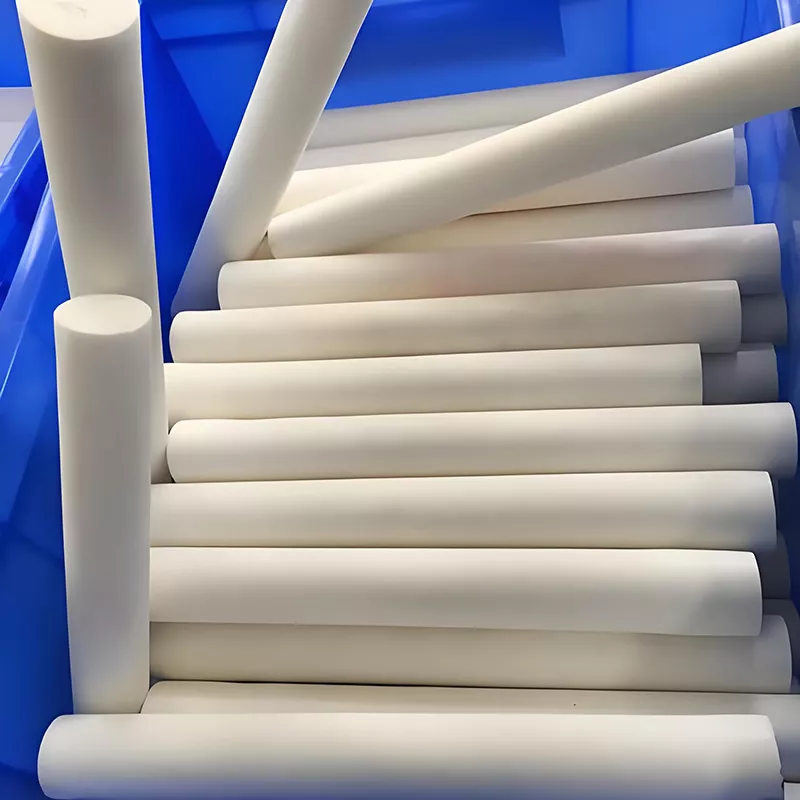
Advanced Ceramic Materials
Compare advanced ceramic materials including alumina, zirconia, silicon carbide, silicon nitride, aluminum nitride, boron nitride and specialty ceramics. Material selection should follow the required grade, geometry, operating conditions and acceptance criteria rather than material family name alone.
Discuss Your Ceramic Part
Technical Ceramic Products
Explore technical ceramic products by familiar component form, such as tubes, rods, rings and substrates. Product illustrations indicate a starting category; final suitability depends on the individual drawing, dimensions, tolerances, mating surfaces, quantity and project-specific requirements.
Discuss Your Ceramic Part
Technical Ceramic Resources
Use technical ceramics guide resources to clarify material properties, component terminology and quotation inputs. Prepare the current drawing revision, known material designation, quantity, service conditions, critical dimensions and acceptance criteria so open questions can be identified before commitment.
Discuss Your Ceramic PartCeramic Roller Manufacturing Processes
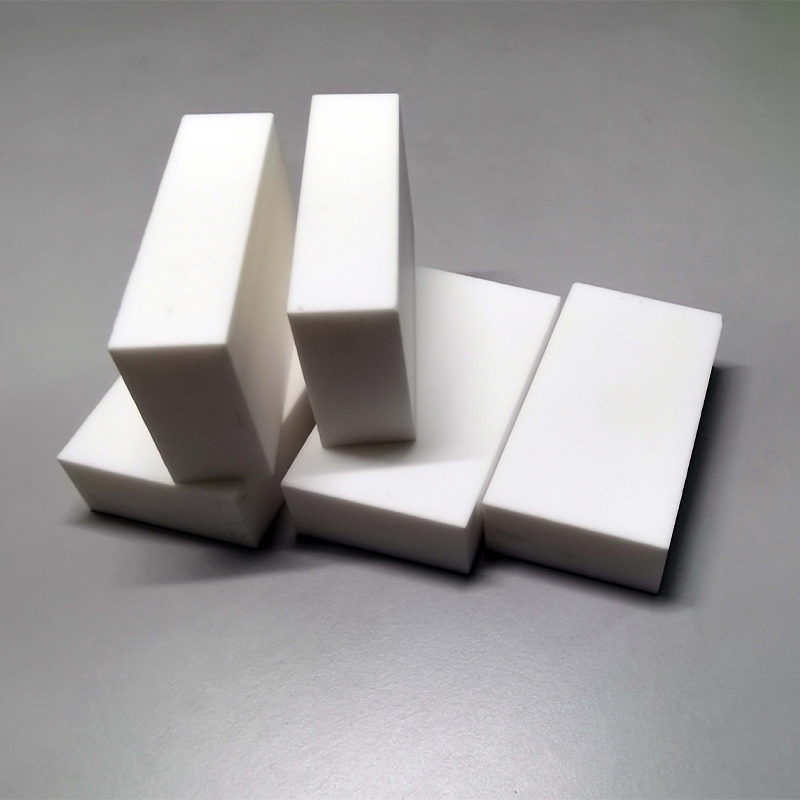
Alumina Ceramic
Alumina offers a widely used oxide ceramic option for insulating components, wear parts and precision rollers. Its suitability depends on grade, geometry, surface finish, operating environment and specified inspection requirements.
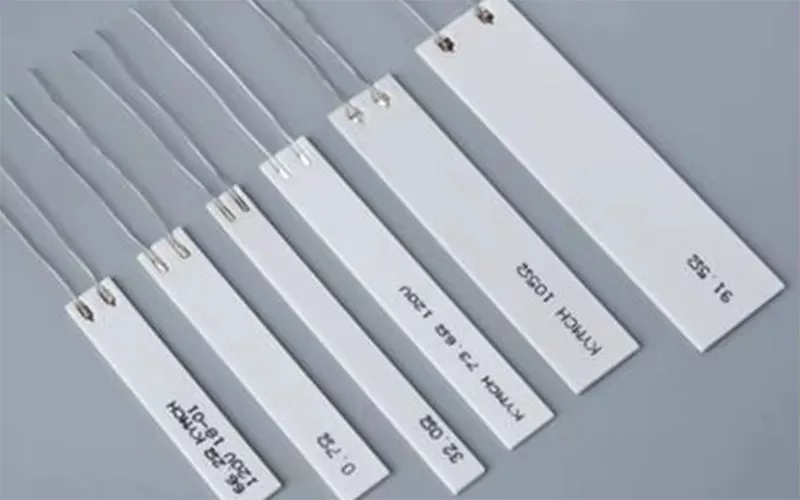
Zirconia Ceramic
Zirconia can support applications requiring toughness and dimensional stability in demanding component geometries. Porcecore reviews the selected grade, fit, load conditions, temperature and finishing expectations before confirming suitability for ceramic rollers.

Silicon Nitride
Silicon nitride is considered for demanding rolling and wear applications where low density, hardness and thermal performance matter. Final grade selection depends on roller geometry, mating components, operating conditions and acceptance criteria.
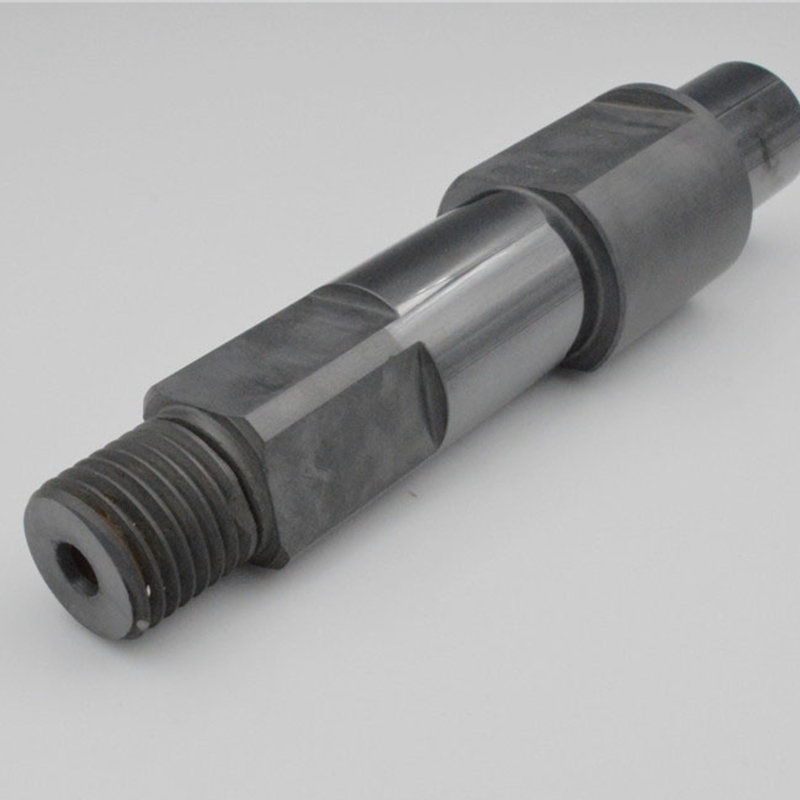
Silicon Carbide
Silicon carbide provides a carbide ceramic option for components exposed to wear, heat or corrosive environments. Porcecore evaluates grade, dimensional requirements, surface interactions and production feasibility against the project specification.

Aluminum Nitride
Aluminum nitride may suit ceramic components where electrical insulation and thermal management are important. Its use in ceramic rollers requires review of geometry, mating surfaces, service conditions, material grade and documentation needs.
Ceramic Rollers: Supported Manufacturing Processes
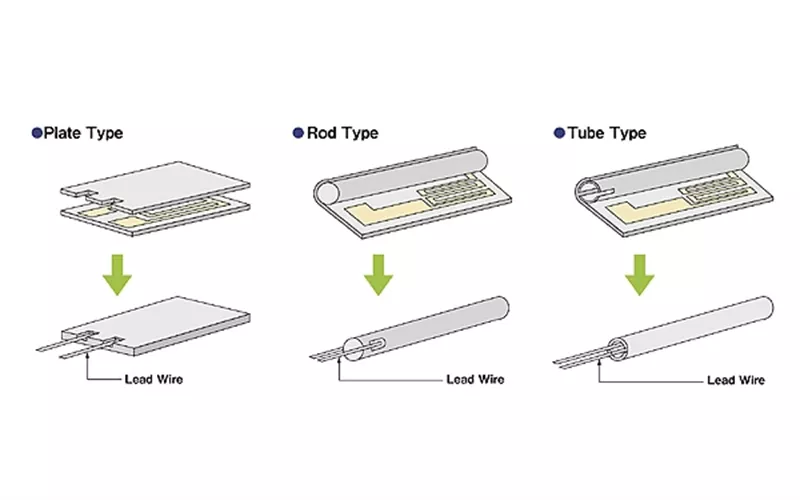
Near-Net Forming
Ceramic powder is shaped into a controlled blank before firing and finishing. The selected forming route influences material consistency, geometry allowance and the starting condition for subsequent precision operations.

Precision Grinding
Diamond grinding refines fired ceramic rollers toward the required diameter, length and profile. This process supports controlled mating surfaces and dimensional conformity, subject to the drawing and specified tolerances.
Surface Superfinishing
Where the application requires it, additional surface refinement can improve roller contact quality and reduce irregularities. Final finish expectations should be defined by the drawing, mating components and service conditions.
Sorting And Gauging
Finished rollers may be measured and sorted against agreed dimensional criteria so components can be matched consistently for assembly. The inspection method, sampling plan and acceptance limits require project confirmation.
Final Inspection
Inspection reviews the characteristics identified as critical for the application, including geometry, dimensions, surfaces and documentation. Results are assessed against the approved specification rather than a general material description.
Ceramic Rollers: Supporting Components and Assembly Considerations

Mating Rings
Specify the ring or raceway surfaces that contact ceramic rollers, including material pairing, geometry and fit. These details help clarify the interface requirements for bearings, guides and other rotating assemblies.
Shaft Interfaces
Identify shaft diameters, shoulders, clearances and alignment features that determine how ceramic rollers integrate with the surrounding mechanism. Include critical dimensions and tolerances from the current assembly drawing.

Cages And Spacers
Cages, retainers or spacers may influence roller spacing, guidance and operating clearance. Describe the related component, available envelope and service conditions so the ceramic roller design can be evaluated in context.
Seals And Shields
Seals and shields affect contamination control, lubrication access and available installation space. Note the sealing arrangement, temperature range and dimensional limits when sourcing ceramic rollers for a demanding assembly.

Inspection Documents
Define the acceptance records needed for incoming inspection, such as dimensional reports, material information or drawing-based checks. Confirm which characteristics are essential for assembly approval and project documentation.
About Porcecore's Ceramic Rollers Approach
Founded by Andy Yuan, Porcecore helps industrial procurement teams, engineers, equipment builders and distributors connect ceramic material choices with clearly defined component requirements. Our mission is to make ceramic sourcing more understandable, beginning with the tube, rod, ring, roller or substrate and the job it must perform.
Our scope covers oxide, nitride, carbide and specialty ceramics, including project-specific consideration of grade, geometry, mating surfaces, operating conditions and acceptance criteria. For ceramic rollers and related components, Porcecore encourages drawing-led inquiries so essential requirements can be separated from preferences before quotation and production discussions begin.
What makes Porcecore different is a founder-led commitment to clarity before commitment. Buyers can share a current drawing revision, known material designation, quantity, service conditions and documentation needs, then work through the open questions with a practical project conversation. Contact us by email or WhatsApp to define the next decision.

Technical Ceramic Sourcing Guidance
Interpret Drawings Before Quotation
A useful ceramic rollers inquiry begins with the current drawing revision. Porcecore reviews the component’s purpose, critical dimensions, mating surfaces and open technical questions so quotation discussions reflect the intended part rather than an isolated material label.
- Current drawing revision and part identification
- Critical dimensions, tolerances and mating surfaces
- Quantity, service conditions and intended use
- Open questions requiring engineering confirmation

Discuss Material Families Clearly
Material selection should follow the operating requirement. Porcecore can discuss ceramic material families in relation to geometry, environment and performance priorities, while keeping grade availability and project suitability subject to technical review and individual confirmation.
- Oxide, nitride, carbide and specialty ceramics
- Known material designation or preferred alternatives
- Temperature, chemical and electrical conditions
- Grade-specific requirements requiring confirmation

Review Geometry For Assembly
Ceramic rollers must be considered as working components, not generic shapes. Reviewing diameter, length, form, surface features and interfaces helps identify the dimensions that control assembly, motion, replacement compatibility and the practical path to production.
- Roller form, diameter and length requirements
- Chamfers, radii and functional surfaces
- Interfaces with shafts, races or adjacent parts
- Replacement-part compatibility and assembly constraints

Align Acceptance Criteria Early
A clear acceptance basis helps separate essential requirements from preferences. Porcecore’s quotation discussion can address inspection expectations, documentation, packaging and delivery considerations so the project team knows which details still require agreement before production commitment.
- Inspection points and measurement expectations
- Surface finish, dimensional and visual criteria
- Required material or quality documentation
- Delivery, packaging and approval requirements

Why Choose Porcecore for Ceramic Rollers
Compare a drawing-led conversation with catalogue-only sourcing for ceramic rollers, from specification review through project confirmation.
← Swipe left or right to view →
Quality Documentation for Ceramic Rollers
A drawing-led sequence for reviewing requirements, coordinating production, confirming inspection criteria and preparing project-specific shipment details.
Define the Requirement
Share the current drawing, quantity, service conditions, mating surfaces, dimensional priorities and acceptance criteria so the quotation starts from a defined ceramic roller requirement.
Review Material Options
Review suitable ceramic families, grades, geometry and manufacturing routes against the application’s temperature, load, wear, electrical and chemical conditions, identifying open questions before commitment.
Confirm Production Details
Coordinate production details by order, including confirmed dimensions, tolerances, surface requirements, documentation expectations and any approved changes to the drawing revision or quantity.
Inspect Against Criteria
Inspect the finished components against agreed project criteria, with attention to critical dimensions, fit-related surfaces, material identification and requested records before release.
Pack and Prepare Shipment
Pack confirmed ceramic rollers for transport, align shipping details with the approved order, and provide the agreed documentation so the receiving team can plan inspection and installation.
Customer Evidence Status for Ceramic Rollers
A drawing-led path from ceramic rollers requirements to confirmed production terms.
Send Your Drawing and Conditions
Provide the current drawing revision, known material designation, quantity, service environment, mating surfaces, and acceptance criteria for a focused quotation discussion.
Clarify Open Requirements
Review geometry, grade, tolerances, documentation, inspection expectations, and delivery needs with Porcecore so essential project requirements are separated from preferences.
Review the Supply Plan
Assess the quotation, proposed sample route, or production approach against your application, quantities, and approval process before committing to an order.
Confirm Production Terms
Confirm the agreed material grade, geometry, tolerances, documentation, delivery, and commercial terms for the individual ceramic rollers project.
Ceramic Rollers Certifications and Quality Documentation
Customer Feedback on Ceramic Rollers
Customer testimonial pending publication approval. Porcecore is collecting verified feedback on drawing-led ceramic roller sourcing, including confirmed requirements, inspection expectations and project outcomes.
Customer case study pending verified publication evidence. Project-specific details should be confirmed before describing ceramic roller geometry, material grade, acceptance criteria or measurable procurement results.
Porcecore does not publish unverified endorsements. Buyers can share a drawing, quantity, service conditions and documentation requirements to establish a clear basis for a ceramic roller quotation.
Ceramic Rollers FAQ for Industrial Buyers
Clear answers for drawing-led sourcing, material selection, quotation inputs and project-specific acceptance requirements.
What quantity or MOQ applies to ceramic rollers?
How should we evaluate lead time and sample cost?
What drawing information is needed to quote ceramic rollers?
How is the ceramic grade selected for our application?
What acceptance criteria and inspection evidence can be requested?
Can ceramic rollers be made to match mating parts and tight tolerances?
How are payment, packaging and shipping handled for ceramic rollers?
How are drawings, application details and IP protected during a ceramic rollers inquiry?
The Complete Buyer’s Guide to ceramic rollers
Use a practical decision framework to compare ceramic roller types, materials, quality controls, customization options, and supplier capabilities while avoiding costly specification, sourcing, and application mistakes.
1. What Are Ceramic Rollers?
Two industrial functions define ceramic rollers: bearing rollers carry and transmit rolling loads, while conveying rollers guide or move webs, sheets, or parts through equipment. They are engineered components specified by geometry, mating surfaces, load, speed, temperature, lubrication, and inspection requirements—not by the word ceramic alone. Thermal hair rollers are consumer styling products and belong to a different product category. Two material arrangements are common in ceramic rolling systems. com/timken-world/ceramic-hybrid-bearings-advancing-air-travel). One buyer question should lead the specification: what performance problem must the component solve? com/en/products-applications/pumps-valves-and-seals/bearing-rollers).
2. Ceramic Rollers: Evolution and History
Early bearing development relied mainly on steel rollers because steel offered established manufacturing methods, predictable contact behavior, and broad industrial availability. As operating demands increased, engineers began evaluating ceramic rolling elements for higher speed capability, lower friction, reduced wear, improved heat and corrosion resistance, and electrical insulation. com/timken-world/ceramic-hybrid-bearings-advancing-air-travel. Hybrid designs pairing steel rings with silicon-nitride rollers created a practical transition between conventional steel bearings and full-ceramic systems. Today, adoption remains application-specific rather than universal. com/en/products-applications/pumps-valves-and-seals/bearing-rollers. Historical milestones and maturity vary by industry, so procurement teams should verify claims against standards, supplier data, and independent technical sources.
3. Types of Ceramic Rollers
Five industrial geometries address different load paths and motion constraints.
Geometry Comparison
Five profiles cover most industrial bearing arrangements; geometry determines contact behavior, alignment tolerance, and load direction.
| Type | Load or motion fit | Typical tradeoff |
|---|---|---|
| Cylindrical | Radial loads; high-speed rotation | Simple, robust; limited axial location |
| Tapered | Combined radial and axial loads | Adjustable preload; alignment-sensitive |
| Barrel | Misalignment and concentrated loads | Conformal contact; specialized geometry |
| Spherical | Oscillation or self-aligning motion | Lower edge stress; lower precision potential |
| Needle | High radial load in compact space | Small envelope; limited skew tolerance |
Hybrid Bearings
Silicon-nitride rollers with steel rings reduce rotating mass and provide electrical resistance; verify cage, lubrication, speed, and ring compatibility. Source: https://www.timken.com/timken-world/ceramic-hybrid-bearings-advancing-air-travel
Full-Ceramic Bearings
All-ceramic rings and rollers suit severe corrosion, insulation, or temperature requirements, but brittleness and cost demand careful fits and load validation.
Matching Type To Assembly
Radial load favors cylindrical or needle rollers; combined load favors tapered designs, while misalignment favors barrel or spherical profiles. Confirm the drawing, fits, and operating envelope before selection.
4. Ceramic Roller Materials and Grades
Silicon nitride is often the reference material for demanding ceramic rollers because low density, hardness, thermal stability and electrical resistance can complement steel rings and cages. Selection still depends on grade, geometry, lubrication and inspection requirements.
| Material or grade | Strengths | Limitations | Suitable environments |
|---|---|---|---|
| Bearing-grade Si3N4 | Light, hard, heat-resistant, electrically insulating | Brittle; needs controlled finishing | High-speed, electrical or chemical exposure |
| Alumina | Insulating, chemically stable, economical | Higher fracture sensitivity in impact | Insulating, chemically demanding service |
| Zirconia | Higher toughness, thermal-shock tolerance | Denser; higher thermal expansion | Lower-speed, impact-sensitive assemblies |
Material Comparison
Si3N4 offers low density, high hardness, heat and chemical resistance, electrical insulation, and lower centrifugal loading. Alumina prioritizes insulation and chemical stability; zirconia offers higher fracture toughness but greater density and thermal expansion.
Bearing Grade Requirements
Bearing-grade silicon nitride depends on powder purity, particle control, additives and complete densification, not the material name alone. Porosity, inclusions and grinding damage can determine rolling-contact reliability.
Inspection And Traceability
ASTM F2730/F2730M, dimensional gauging, surface inspection and batch records should match the approved drawing and acceptance criteria. Traceability should connect powder lot, forming, sintering, finishing and final inspection.
5. Ceramic Roller Customization Options
Each ceramic rollers inquiry should begin with the part geometry and the job conditions it must satisfy.
| Option | Typical effect | Buyer decision |
|---|---|---|
| Standard profile | Lower cost, shorter lead time | Accept available geometry |
| Custom profile | More tooling and validation | Justify by fit or performance |
| Tight inspection | Higher control effort | Specify critical characteristics |
Geometry And Assembly
Diameter, length, crown or taper, corner radius and end geometry determine fit and load transfer. Specify mating surfaces, shaft interfaces, chamfers, holes, threads or assembly configuration on the current drawing. Prototype dimensions may expose clearance or alignment issues before production quantities are fixed.
Tolerance And Surface Requirements
Tolerance bands should identify critical dimensions rather than apply one blanket value to every feature. Surface finish, roundness, straightness, concentricity and edge condition may require separate inspection methods.
Sorting by diameter or length can support matched assemblies, while marking and packaging should protect identification and surfaces. Define inspection records, marking location and packaging units before quotation.
Prototype To Production
One prototype, a pilot lot and a production run may require different tooling, inspection depth and commercial assumptions. Send the drawing revision, quantity, service data and acceptance criteria so Porcecore can separate essential requirements from preferences.
6. Key Ceramic Roller Construction Quality Elements
Ten linked checks determine whether ceramic rollers deliver repeatable service: geometry, surface condition, material integrity, cleanliness, and inspection evidence.
Geometry And Surface Control
1 micrometer-level requirements should be assigned only where assembly or contact demands them. Verify diameter consistency, roundness, cylindricity, edge integrity, balance, and surface finish using an agreed gauge method.
Material And Cleanliness Evidence
com/en/products-applications/pumps-valves-and-seals/bearing-rollers. Request the applicable material grade, microstructure controls, lot traceability, and defect criteria. Cleanliness records should address residue, loose particles, packaging, and handling before approval, especially where lubrication or electrical insulation is sensitive.
Sorting And Final Inspection
Matched sorting by diameter or length can help rollers enter an assembly as a controlled set; define the sorting bands and permitted spread in advance. Request sample data, calibration status, inspection frequency, and nonconformance handling. com/timken-world/ceramic-hybrid-bearings-advancing-air-travel. Approve production lots against the signed drawing and inspection plan.
7. How to Choose a Ceramic Roller Manufacturer
Three inputs should anchor supplier comparison: the current drawing, the service environment, and the acceptance criteria. Evaluate evidence and controls, not another manufacturer’s unverified claims.
Engineering And Material Fit
The drawing should identify geometry, mating surfaces, tolerances, material designation, quantity, and operating conditions. Ask how the supplier resolves conflicting requirements and documents approved assumptions. A credible review connects ceramic selection to load, temperature, chemistry, speed, lubrication, and electrical conditions.
Process And Quality Evidence
Inspection reports should show measured dimensions, tolerance results, surface requirements, and applicable test methods—not only a certificate statement. Ask which characteristics are checked during forming, grinding, finishing, and final release.
Require a defined nonconformance process, including segregation, root-cause review, disposition authority, and notification timing. Confirm whether samples, prototypes, and production parts use comparable tooling and controls.
Capacity Communication And Change Control
Prototype support matters when tooling, inspection fixtures, or geometry remain unsettled. Ask for realistic capacity, tooling ownership, minimum practical batch size, lead-time assumptions, packaging protection, and the path from prototype to repeat production.
Before approval, define drawing revision control, material substitutions, process changes, inspection-plan updates, and customer notification. Compare written responses across suppliers so scalability and communication remain auditable.
8. Common Ceramic Roller Buying Mistakes
One drawing can hide several procurement risks when ceramic rollers are specified as a material alone.
Material Without Conditions
Temperature, speed, load, atmosphere, lubrication, and electrical exposure determine whether a ceramic grade is suitable; material names alone do not define performance.
Ask: Which operating limits and failure modes must the roller withstand?
Interfaces And Tolerances
Two mating components can fail through incorrect fits, surface finish, runout, or inadequate dimensional tolerance, even when the roller material is appropriate.
Ask: Which diameters, shoulders, bores, surfaces, and tolerances control assembly and motion?
Missing Lubrication And Electrical Needs
Lubrication method and electrical requirements affect friction, heat, contamination risk, and insulation behavior; overlooking them can shorten service life or create system faults.
Ask: What lubricant, current exposure, insulation target, and maintenance interval apply?
Unequal Quotes And No Validation
Three quotations may cover different inspection, documentation, tooling, samples, or delivery scopes, making unit-price comparisons misleading; skipping sample validation adds launch risk.
9. Steps to Launch Your Ceramic Roller Program
A controlled ceramic rollers program starts with a frozen application brief and drawing, then advances through documented commercial and engineering gates.
Define The Requirement
1 application brief should state load, speed, temperature, environment, mating surfaces, quantity and service life target. Engineering freezes the current drawing revision and acceptance criteria before supplier contact.
Shortlist And Quote
3 supplier candidates can be compared against process fit, drawing review quality, traceability and communication. Procurement requests itemized quotations; engineering records open technical assumptions.
Prototype And Approve
1 prototype lot should verify dimensional inspection, surface condition, runout and mating compatibility before functional testing. Engineering approves the inspection report and test method; procurement confirms sample status and corrective-action ownership.
Release And Monitor
Each production release should repeat the approved drawing revision, purchase specification, packaging requirements and inspection plan. Procurement controls supplier acknowledgments; engineering controls any engineering-change request.
10. Ceramic Rollers Pricing and Cost Factors
1 quote—not a universal list price—should anchor any ceramic rollers budget. Material grade, geometry, tolerances, surface finishing, tooling, inspection, sorting, packaging, quantity, and lead time can each change the quotation. 2 interfaces—the mating surfaces and assembly-critical dimensions—often deserve tighter tolerances than nonfunctional features. Confirm the drawing revision, acceptance criteria, inspection records, and packaging method before comparing supplier offers. 3 commercial tiers make comparison clearer: prototype, low-volume, and repeat production.
| Quantity Tier | Scope | Indicative Cost Driver | Lead-Time Implication |
|---|---|---|---|
| Prototype | New geometry or replacement sample | Tooling, setup, engineering review, inspection | Often longer due to first-article approval |
| Low volume | Small production batch | Setup, sorting, finishing, documentation, packaging | Quote-dependent scheduling |
| Repeat production | Approved recurring part | Higher quantity can distribute tooling and inspection costs | Potentially more predictable after confirmation |
| Tight-tolerance program | Critical interfaces and documented acceptance | Precision grinding, gauging, sorting, traceability | Additional inspection may extend delivery |
Discuss Your Ceramic Rollers Requirement With Porcecore
Email a drawing or describe your component, operating environment, quantity, and acceptance criteria to begin a clear quotation conversation with Porcecore.