
Large Ceramic Components for Clearer Technical Sourcing
Define geometry, material and service requirements for large ceramic components, then start a drawing-led quotation discussion with Porcecore.
Featured Ceramic Components for Large-Part Development

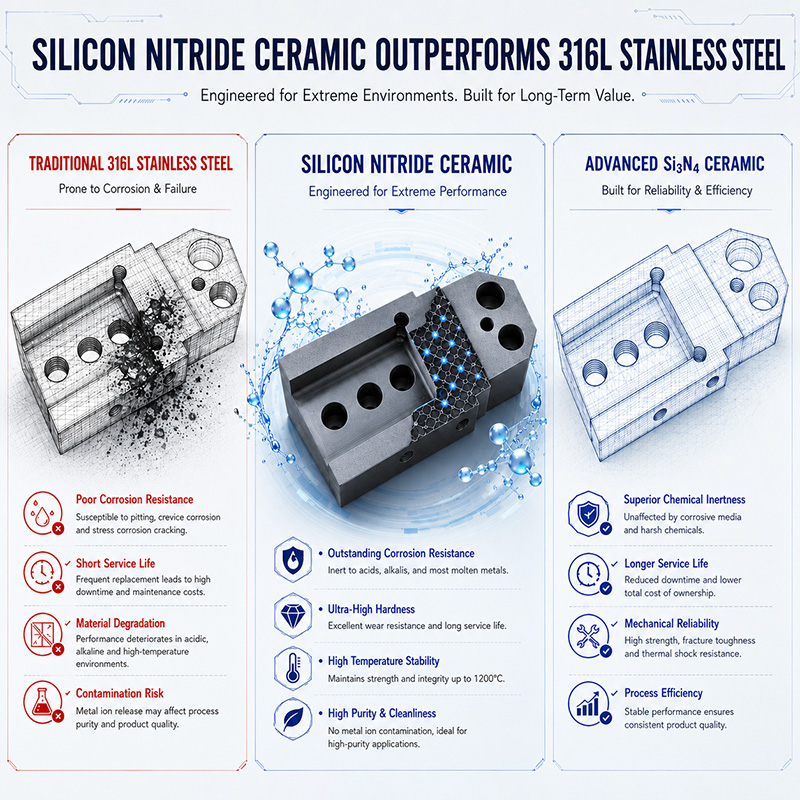

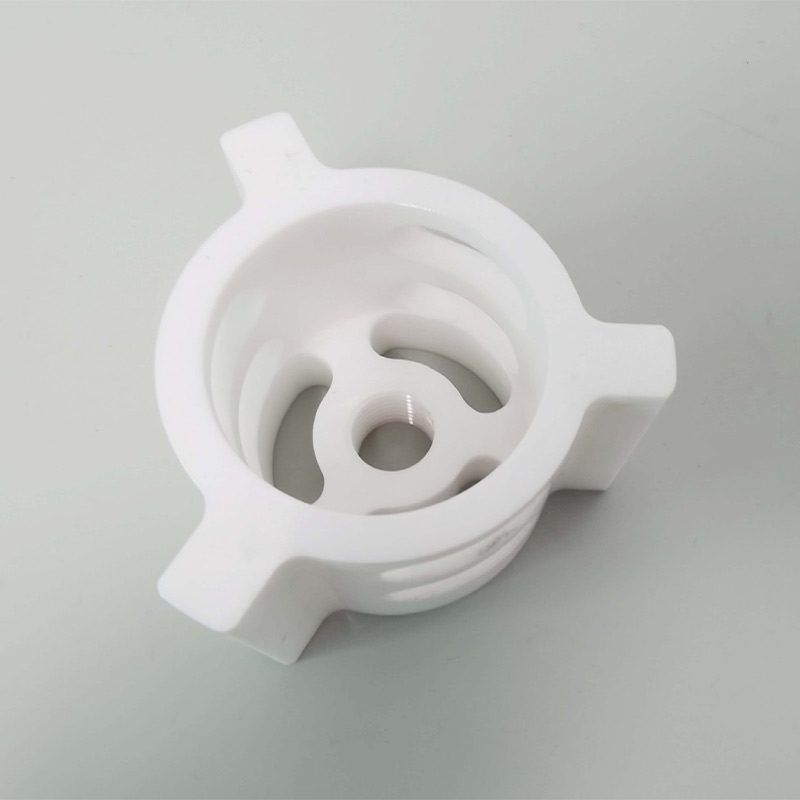


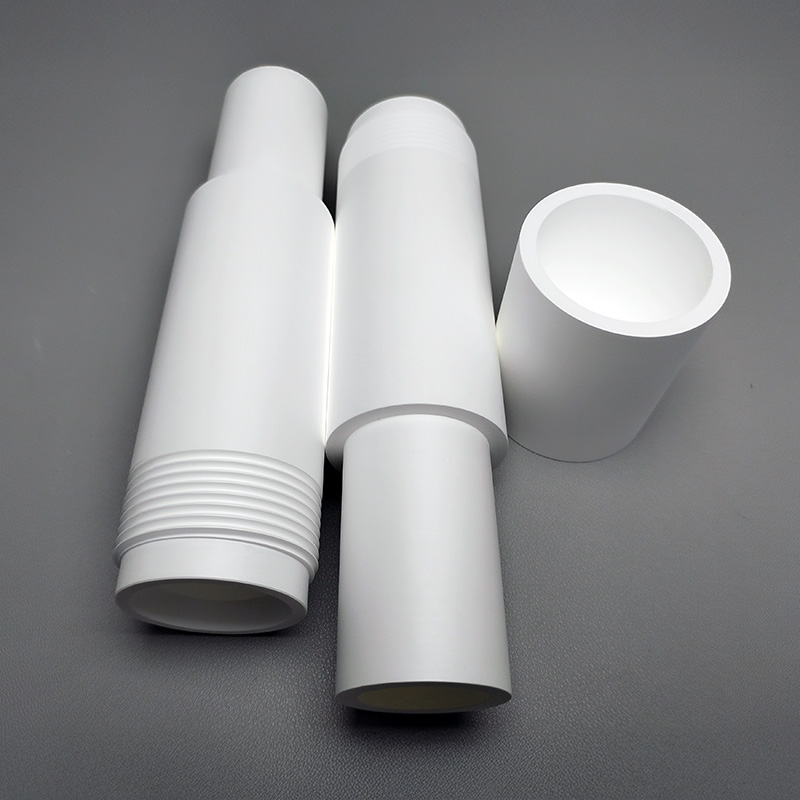
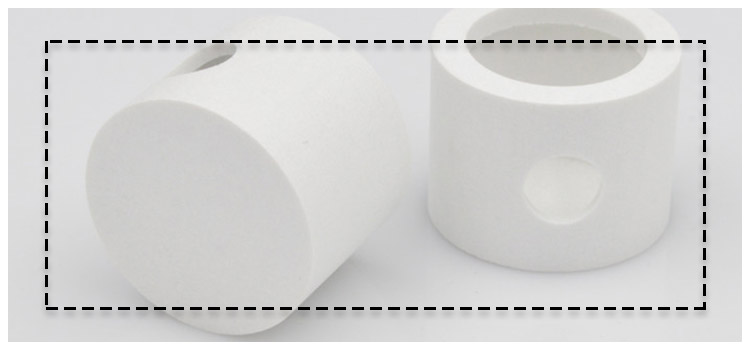


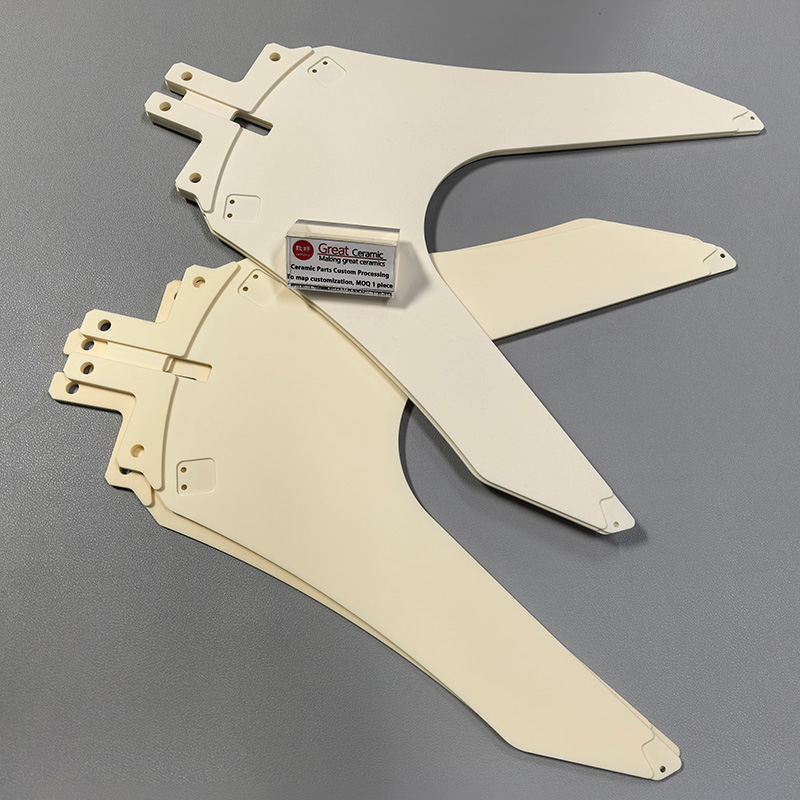

Large Ceramic Components: Catalogue and Quote Review


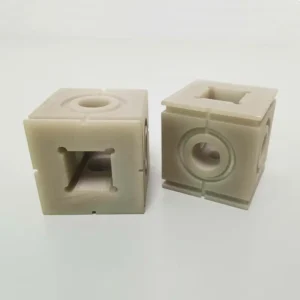


Why Buyers Specify Porcecore for Large Ceramic Components
Evaluate material, geometry and documentation requirements together for clearer technical ceramic sourcing decisions.
Technical Material Coverage
Review oxide, nitride, carbide and specialty ceramic options against the part’s operating needs, electrical behavior, thermal demands and chemical environment before narrowing the inquiry.
Drawing Revision Control
Share the current drawing revision, critical dimensions and applicable notes so quotation discussions stay anchored to the geometry your project actually intends to purchase.
Grade And Geometry Fit
Confirm material designation, component form, size, tolerances and assembly interfaces together; large ceramic components require project-specific decisions beyond a material family name.
Process Route Alignment
Discuss the proposed forming, sintering and finishing route in relation to geometry, quantity and acceptance requirements, while keeping process assumptions open for confirmation.
Functional Surface Requirements
Identify mating surfaces, sealing areas, holes, edges and finishes that influence assembly, wear or insulation, giving procurement and engineering a shared requirement set.
Inspection Evidence
Define dimensional checks, visual criteria, test needs and documentation expectations early, helping teams distinguish general product information from evidence required for project approval.
Ceramic Components by Form, Material, and Application
Review manufacturing capabilities, material families, component types, and application guidance before defining a drawing-led quotation request.

Ceramic Manufacturing Capabilities
Ceramic manufacturing capabilities cover forming, machining, finishing, and inspection considerations for technical components. Use the capability overview to identify feasible geometry, critical dimensions, mating surfaces, and documentation requirements before requesting a project-specific quotation.
Discuss Your Ceramic Part
Ceramic Solutions by Industry
Ceramic solutions by industry connect advanced ceramics applications with operating conditions such as temperature, wear, electrical insulation, corrosion, and purity. Compare the service requirement with the component function to frame a practical sourcing discussion.
Discuss Your Ceramic Part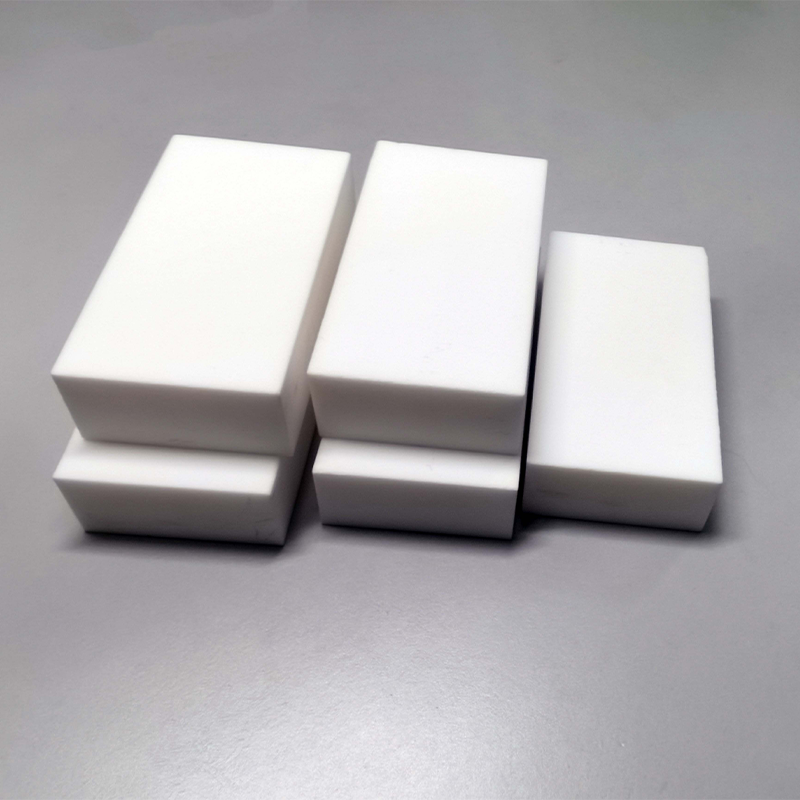
Advanced Ceramic Materials
Advanced ceramic materials include alumina ceramics, zirconia ceramics, silicon carbide ceramics, silicon nitride, aluminum nitride, boron nitride, and other specialty families. Review each material in relation to grade, geometry, service conditions, and required acceptance criteria rather than material name alone.
Discuss Your Ceramic Part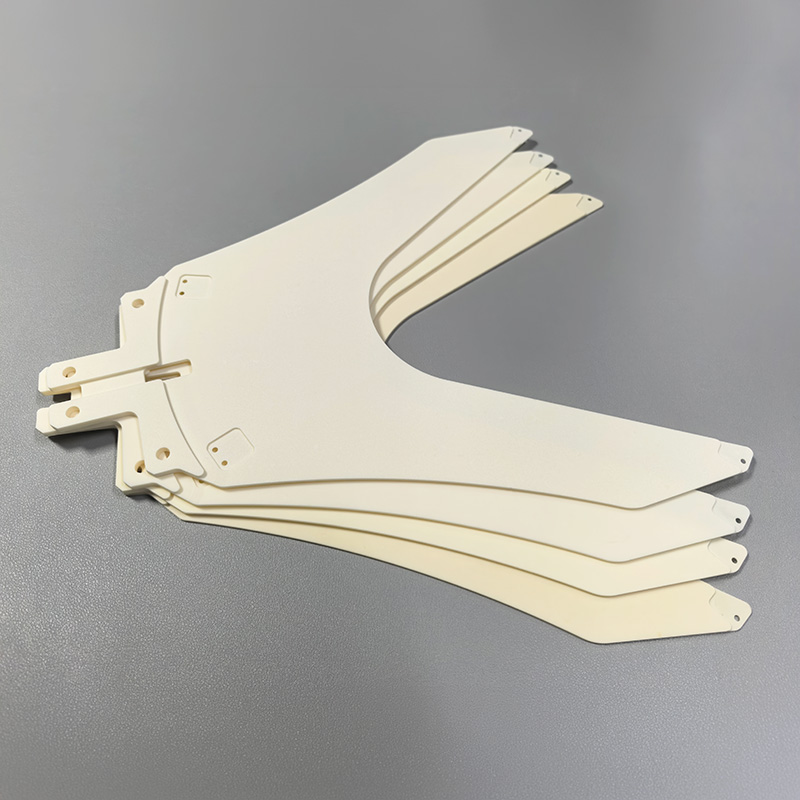
Technical Ceramic Products
Technical ceramic products include industrial ceramic parts in familiar forms such as tubes, rods, rings, substrates, plates, insulators, and custom ceramic components. Use the product category to identify a starting form, then confirm dimensions, tolerances, interfaces, quantity, and inspection needs.
Discuss Your Ceramic Part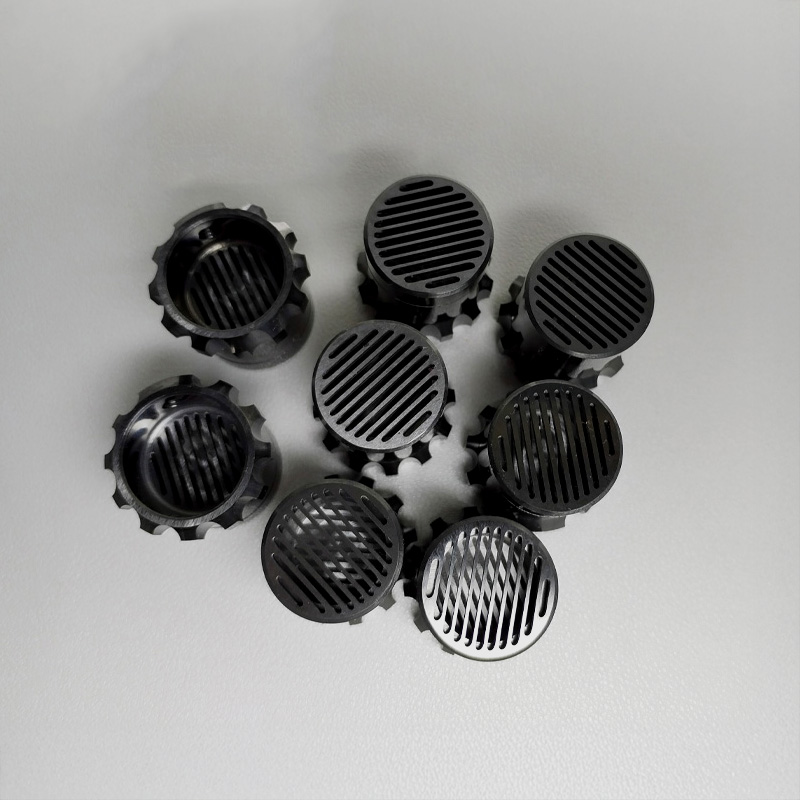
Technical Ceramic Resources
Technical ceramic resources provide practical guidance for comparing materials, defining component requirements, and preparing an effective inquiry. A useful starting package includes the current drawing revision, material designation if known, quantity, operating environment, and acceptance criteria.
Discuss Your Ceramic PartSupported Materials for Large Ceramic Components
Alumina Ceramic
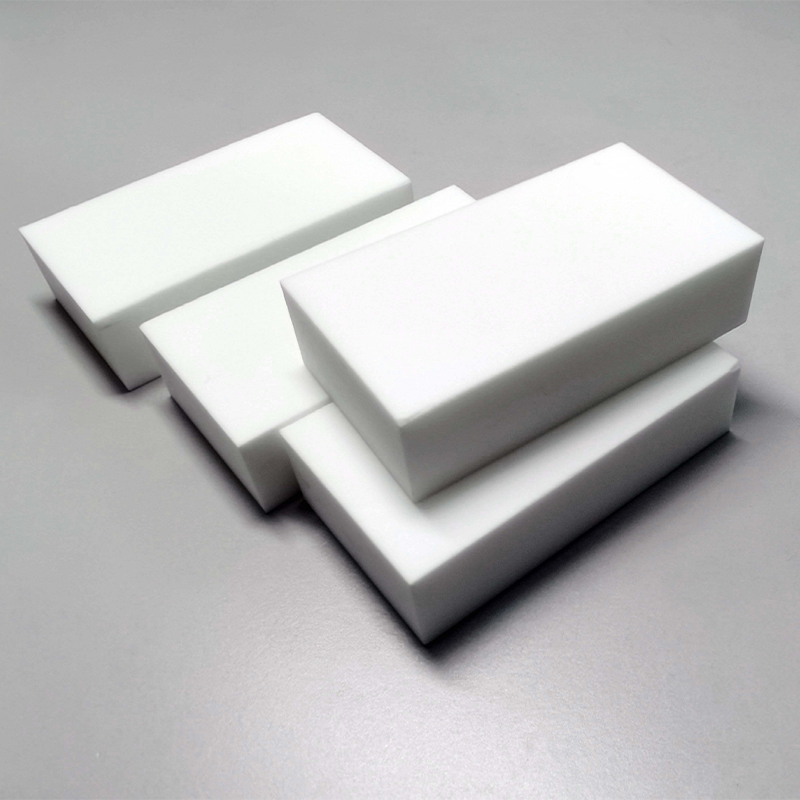
A widely specified oxide ceramic for electrical insulation, wear-focused parts and thermally stable assemblies. Available grades, purity, dimensions and finish should be confirmed against the component drawing and service conditions.

Zirconia Ceramic
A ceramic family considered for demanding wear, friction and mechanical applications where toughness and surface behavior matter. Confirm the selected grade, geometry, mating surfaces and inspection criteria for each project.
Silicon Carbide
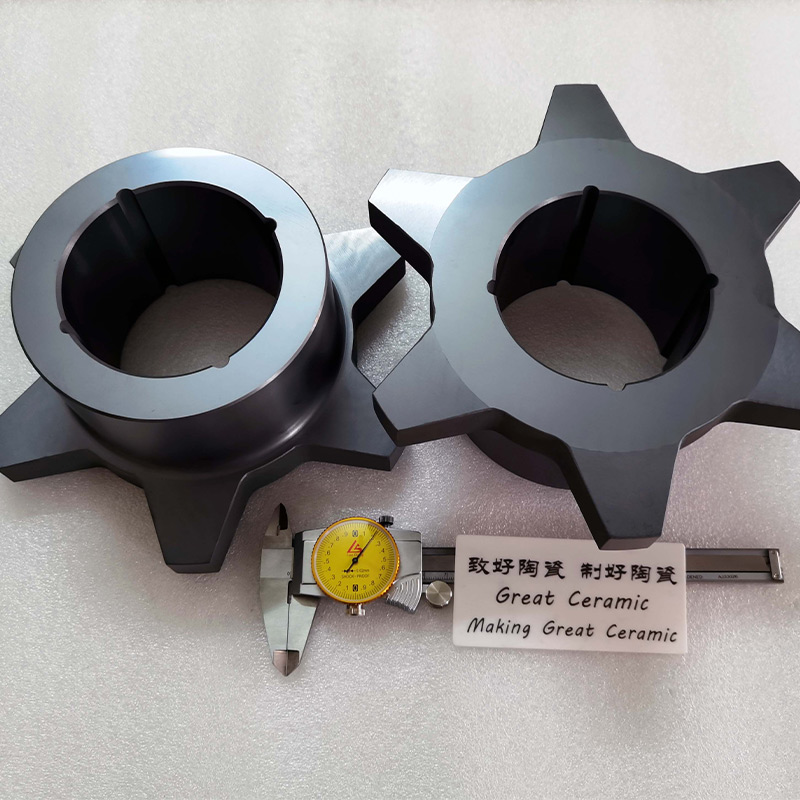
Often evaluated for high-temperature, wear-intensive or chemically demanding environments. The appropriate grade and processing route depend on geometry, thermal conditions, surface requirements and the acceptance criteria defined in the inquiry.

Silicon Nitride
A non-oxide ceramic considered for mechanically demanding components exposed to heat, wear or thermal cycling. Project suitability depends on grade-specific properties, part geometry, mating surfaces and documented inspection requirements.

Aluminum Nitride
Selected for applications where ceramic insulation and thermal-management requirements must be considered together. Confirm thermal, electrical, dimensional and surface requirements for the specific grade and component configuration.
Boron Nitride
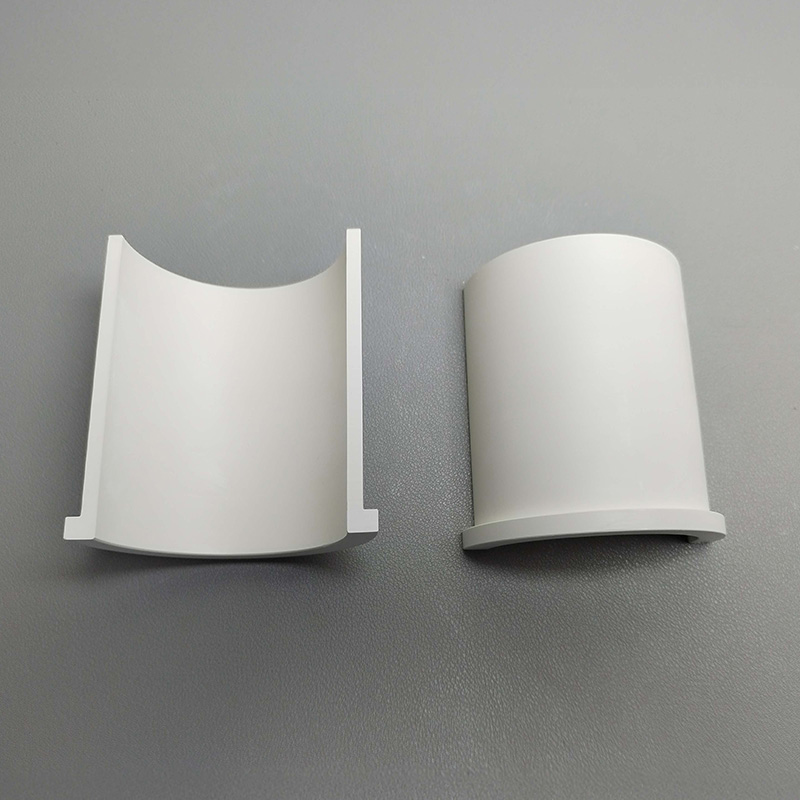
A specialty ceramic family used where electrical insulation, thermal behavior or low-friction characteristics may support the application. Grade, density, geometry and operating environment require project-specific confirmation before quotation.
Available Processes for Large Ceramic Components

Powder Forming
Ceramic powder is shaped into a defined green form using a project-suitable forming route. Geometry, material behavior and expected shrinkage are reviewed before confirming whether the process fits the component.

Green Machining
Unfired or partially processed ceramic blanks may be machined to establish complex geometry efficiently before final densification. Resulting dimensions and process allowances depend on material, design and the approved drawing.

Precision Finishing
After firing, selected surfaces may receive grinding, lapping or other finishing to support mating, sealing or assembly requirements. Surface finish, dimensional tolerance and edge conditions are confirmed for each part.

Controlled Sintering
Thermal processing develops the required ceramic structure and final dimensions. The suitable schedule depends on the material family, geometry and production route, with shrinkage and critical dimensions addressed during quotation.

Final Inspection
Inspection can be aligned with the agreed acceptance criteria, including critical dimensions, mating surfaces, visual condition and requested documentation. The inspection scope is defined with the drawing revision and project requirements.
Supporting Features for Large Ceramic Components

Mating Surfaces
Identify the ceramic surfaces that contact another part, including fit, finish and dimensional relationships. These details help Porcecore review interfaces that affect assembly, sealing or alignment for the individual component.

Assembly Interfaces
Describe mounting features, holes, slots, shoulders or other interfaces required by the equipment design. Confirming these requirements early helps connect component geometry with the intended installation and operating conditions.

Inspection Documentation
Specify the inspection records, dimensional reports, material information or acceptance criteria needed for project approval. Documentation expectations should be agreed with the drawing revision and quotation requirements for each order.

Protective Packaging
Discuss packaging needs for large ceramic components where size, geometry, fragile edges or sensitive surfaces require defined handling considerations. Packaging expectations can be reviewed alongside delivery conditions and component protection requirements.

Replacement References
For replacement parts, provide the current drawing, part number, sample details or interface measurements available. This gives the quotation discussion a practical reference while separating confirmed requirements from assumptions about the original component.
Large Ceramic Components, Clearly Defined
Founded by Andy Yuan, Porcecore helps industrial procurement teams, engineers, equipment builders and distributors begin more useful conversations about technical ceramic components. The focus is not material selection in isolation, but the relationship between a component’s geometry, mating surfaces, operating conditions and acceptance requirements.
Porcecore’s scope includes oxide, nitride, carbide and specialty ceramics in familiar forms such as tubes, rods, rings and substrates. Buyers can begin with a material family, component type, drawing or replacement requirement, then refine the inquiry around the project-specific grade, dimensions, tolerances and documentation needed for review.
This approach keeps product exploration practical and expectations clear. Product illustrations and general material information provide a starting point; confirmed specifications, inspection criteria, delivery and commercial terms belong to the individual quotation and order. Email a drawing or describe the part and service environment to discuss the next decision.

Core Capabilities for Large Ceramic Components
Start With Drawing Review
A useful quotation begins with the current drawing revision and the details that determine whether a large ceramic component will fit, function and pass inspection. Porcecore helps organize the initial discussion around dimensions, tolerances, quantity, material designation and unresolved technical questions.
- Review the current drawing revision
- Identify critical dimensions and tolerances
- Separate essential requirements from preferences
- Clarify quantity and project stage

Match Material to Application
Material selection should follow the component’s operating requirements, not a material name alone. Porcecore’s coverage includes oxide, nitride, carbide and specialty ceramics, giving project teams a practical starting point for comparing candidate material families against service conditions.
- Consider alumina, zirconia and other oxide ceramics
- Review nitride, carbide and specialty options
- Connect material choice to operating conditions
- Confirm grade-specific values for the project

Resolve Geometry and Interfaces
Large ceramic components often depend on more than overall size. Mating surfaces, assembly dimensions and interface features belong in the same conversation as the component geometry. Early clarification helps buyers identify which surfaces and tolerances require focused review before quotation or production planning.
- Mark surfaces that fit another part
- Discuss assembly-defining dimensions
- Review holes, steps, shoulders and interfaces
- Flag geometry questions before commitment
Align Acceptance Requirements
Inspection expectations should be defined alongside the part requirement. Porcecore encourages buyers to identify dimensional tolerances, material grade, documentation, delivery expectations and acceptance criteria early, so the quotation discussion has a concrete basis and project decisions remain clear.
- Define inspection and acceptance criteria
- Confirm required documentation and records
- Distinguish general properties from grade-specific data
- Align delivery and commercial expectations
Why Choose Porcecore for Large Ceramic Components?
Compare a clearer, drawing-led approach for sourcing technical ceramic components against a typical catalog-first supplier.
← Swipe left or right to view →
Drawing-Led Workflow for Large Ceramic Components
A drawing-led workflow from requirement review to coordinated delivery, with exact phases defined by the confirmed project scope.
Define The Requirement
Share the current drawing revision, material designation if known, quantity, service conditions and acceptance criteria so the requirement has a concrete starting point.
Review Material And Geometry
Review geometry, mating surfaces, operating conditions and grade options together, identifying open questions before Porcecore prepares a project-specific quotation basis.
Coordinate Manufacturing Scope
Coordinate the confirmed manufacturing route, component dimensions and commercial scope, with exact timing and process details depending on the approved project requirements.
Inspect Against Criteria
Inspect agreed dimensions, critical surfaces and documentation against the acceptance criteria, distinguishing confirmed project results from general material or product information.
Pack And Coordinate Shipping
Confirm packing and shipping details for the approved order, then coordinate dispatch documentation and delivery expectations with the designated project contacts.
How to Source Large Ceramic Components with Porcecore
A practical path from technical requirements to confirmed production terms.
Send Your Drawing Revision
Share the current drawing revision, component quantity, service conditions and operating environment so Porcecore can frame the large ceramic components requirement accurately.
Clarify Material and Acceptance
Discuss known material grades, geometry, mating surfaces, tolerances, inspection expectations and documentation needs to separate essential acceptance requirements from open questions.
Review the Quotation Plan
Evaluate the quotation against confirmed requirements, then align on sample needs, validation points and any project-specific details before production decisions are made.
Confirm Production Terms
Confirm grade, geometry, quantities, tolerances, documentation, delivery expectations and commercial terms for the approved order before Porcecore formally schedules production.
Certifications for Large Ceramic Components
Project Evidence Availability for Large Ceramic Components
No approved customer quote has been supplied for publication. Replace this evidence slot with a verified sourcing outcome covering the component geometry, confirmed material grade, quantity, acceptance criteria and measurable project result.
Customer evidence pending approval. Add a documented outcome showing how drawing-led communication clarified the requirement, reduced open questions or supported a more informed decision for large ceramic components.
No authorized project case is currently available. Add a customer-approved account of the part, operating conditions, inspection expectations and confirmed delivery or sourcing result before publication.
Large Ceramic Components FAQ
Clear answers for procurement teams evaluating drawings, materials, inspection requirements, and project terms.
Is there a minimum order quantity for large ceramic components?
How should I estimate lead time for large ceramic components?
Can I request samples of large ceramic components before production?
What payment terms and shipping options apply to large ceramic components?
How is intellectual property handled when I share a drawing?
Can I revise a drawing after requesting a quotation for large ceramic components?
What if the ceramic grade I need is not listed?
Which acceptance criteria should I include for large ceramic components?
The Complete Buyer’s Guide to large ceramic components
Use this practical framework to compare component types, materials, manufacturing capabilities, quality controls, supplier criteria, cost drivers, and common sourcing mistakes before requesting quotes for OEM production.
1. What Are Large Ceramic Components?
1. In industrial procurement, large ceramic components are engineered parts whose dimensions, mass, wall thickness, aspect ratio, or processing difficulty materially affect forming, drying, sintering, handling, and inspection. They include tubes, rods, rings, plates, insulators, and custom shapes—not merely oversized pottery.
2. Technical ceramics are formulated and processed for controlled engineering performance, unlike conventional pottery intended mainly for utility or decoration; pottery is a subdivision of the broader ceramics category (https://www.xometry.com/resources/materials/ceramics). Large size may mean a long unsupported geometry, substantial cross-section, tight mating features, or high fracture risk during production, even when the part is not exceptionally heavy.
3. Thermal stability, electrical insulation, chemical resistance, and wear resistance make ceramics preferable where metals oxidize or conduct heat and electricity, polymers soften or degrade, or glass lacks the required wear or geometric robustness. The correct choice still depends on the drawing, operating environment, mating surfaces, and acceptance criteria; material family alone is not a specification.
2. Evolution and History of Ceramic Components
For centuries, kiln-fired clay shaped vessels, tiles, and refractory forms; industrial ceramics later shifted the focus from craft tradition to controlled composition and repeatable geometry. Powder preparation, granulation, pressing, extrusion, and injection molding made oxide and non-oxide ceramics practical for equipment, electronics, energy, and high-temperature systems.
The 20th century established sintering as the central densification step, followed by diamond grinding, lapping, honing, and other machining methods for functional surfaces and tight dimensions. These process chains remain relevant because a large ceramic component is judged by its final geometry, mating interfaces, operating environment, and inspection requirements—not by material name alone.
Today, ceramic additive manufacturing extends the toolkit for complex prototypes and tooling-light development, while conventional forming and machining remain important for repeat production. The buyer’s question is therefore practical: which route is mature enough for the prototype, stable enough for production volume, and documented sufficiently for OEM qualification?
3. Types of Large Ceramic Components
Four functional classes organize large ceramic components: electrical isolation, heat control, wear protection, and load-bearing service. Geometry, interfaces, operating conditions, and inspection criteria should be specified together.
Electrical Insulators And Housings
Alumina tubes, sleeves, standoffs, and housings commonly separate conductors or protect energized assemblies. Critical dimensions include bore, wall thickness, mounting features, creepage paths, and mating surfaces.
Failure risks include cracking during assembly, flashover, and poor fit. Provide voltage, temperature, fastener loads, tolerances, surface finish, and dielectric acceptance criteria.
Thermal-Management Parts
Substrates, heat spreaders, and insulating plates manage heat around power electronics, sensors, and furnace assemblies. Flatness, thickness, hole position, and contact surface quality often determine thermal and mechanical performance.
Thermal gradients, warpage, and brittle edge damage are key risks. Specify heat path, temperature range, clamping method, interface material, and allowable flatness.
Wear Liners And Plates
Liners, nozzles, plates, and guides protect equipment from abrasion, erosion, corrosion, or sliding contact. Thickness, countersinks, edge radii, hole patterns, and replaceable-panel dimensions control service fit.
Impact chipping and unsupported spans are common risks. Provide media type, particle size, flow or impact conditions, backing method, and replacement tolerances.
Structural, Furnace, And Custom Parts
Kiln setters, supports, beams, fixtures, and complex machined bodies carry loads or position parts at elevated temperature. Span, datum scheme, load points, clearances, and distortion limits require early review.
Channels, slots, radii, and thin walls can increase fracture risk. Send the current drawing, quantity, service cycle, material preference, inspection plan, and documentation needs.
4. Materials for Large Ceramic Components
Material selection for large ceramic components is a trade-off among load, temperature, environment, tolerances, and lifecycle cost. Compare grade-specific data against the drawing and service conditions before committing.
Oxide Families
Alumina offers high hardness, electrical insulation, chemical resistance, and moderate cost; zirconia improves fracture toughness but usually costs more and conducts little heat.
Cordierite and mullite suit thermal cycling and insulation where extreme mechanical loading is limited. Machining, tolerances, and final strength remain grade- and geometry-dependent.
Non-Oxide Families
Silicon carbide combines high-temperature capability, chemical resistance, hardness, and high thermal conductivity, but machining is difficult and cost is typically higher.
Silicon nitride provides strong thermal-shock resistance and mechanical reliability; electrical behavior, oxidation exposure, and joining requirements require grade-specific review.
Buyer Selection Matrix
Temperature, load, atmosphere, mating surfaces, inspection limits, and replacement interval should determine the shortlist. Use relative rankings only for early screening; confirm exact values from the proposed grade and drawing.
| Family | Strength / Heat | Electrical / Chemical | Cost / Machining |
|---|---|---|---|
| Alumina | High / moderate | Insulating / resistant | Low–medium / moderate |
| Zirconia | Very tough / low | Insulating / resistant | Medium–high / moderate |
| Silicon carbide | High / very high | Semiconductive / excellent | High / difficult |
| Silicon nitride | High / high | Insulating / resistant | High / difficult |
| Cordierite | Moderate / low | Insulating / resistant | Low / moderate |
| Mullite | Moderate / high | Insulating / resistant | Medium / moderate |
| BN, specialty | Application-specific | Insulating / chemically stable | High / machinable |
5. Customization and Finishing Options
Three decisions—geometry, surface condition, and marking—should be linked before quoting large ceramic components. 1 process chain should follow the part’s mating and inspection requirements.
| Route | Best Fit | Constraint |
|---|---|---|
| Pressing | Repeated shapes | Tooling, draft, and thickness limits |
| Casting | Large or hollow forms | Drying and shrinkage control |
| Extrusion | Constant sections | Profile and cut-length limits |
| Machining, grinding, lapping, additive | Complex or prototype features | Stock, distortion, and post-processing review |
Geometry And Features
2D drawings should specify dimensions, wall thickness, holes, channels, grooves, mounting features, datums, and critical tolerances.
Three checks—minimum section, corner radii, and unsupported spans—help expose cracking, distortion, or costly machining.
Forming And Finishing Routes
Four route groups cover most needs; selection depends on size, quantity, complexity, and tolerance.
1 finishing plan should identify machining stock, grinding or lapping faces, and additive-method post-processing.
Surface Treatments And Inputs
2 surface options may include glazing where appropriate, metallization, coatings, or controlled coloration and marking.
4 buyer inputs—current drawing revision, sample, quantity, and service conditions—give suppliers a usable quotation basis; state acceptance criteria and fit surfaces.
6. Key Construction and Quality Elements
Density, porosity, and batch consistency determine whether large ceramic components behave predictably in service. Final acceptance also depends on dimensional tolerance, flatness, concentricity, surface finish, crack detection, strength, and thermal-shock results.
Process Control And Geometry
Four process stages—green-body forming, debinding, sintering, and post-sinter machining—govern final geometry. Forming and debinding can introduce distortion; sintering shrinkage changes scale, while grinding or lapping controls mating surfaces, flatness, concentricity, and finish.
Performance Verification
Three inspection groups should cover density and open porosity, dimensional measurements, and defects. Request documented crack detection, strength testing, and thermal-shock behavior against the component’s service conditions, not only general material data.
Records And Acceptance Criteria
Two records matter for repeatability: a lot-level inspection report and traceability linking material, process batch, and revision-controlled drawing. Specify measurement methods, applicable standards, tolerances, sampling, surface limits, documentation format, and disposition rules before production.
7. How to Choose a Large Ceramic Components Manufacturer
A qualified supplier should match large ceramic components to the drawing, service conditions, and inspection plan. Evaluate evidence before discussing price or approving production.
| Evaluation Area | Evidence To Request | Approval Signal |
|---|---|---|
| Capability | Envelope, process limits, machinery | Drawing-specific feasibility |
| Quality | Inspection plan and sample report | Traceable acceptance records |
| Delivery | Lead time, MOQ, capacity | Documented production route |
Confirm Process Fit
1 drawing revision should trigger review of material expertise, maximum part envelope, forming, tooling, and machining routes.
3 sample parts should demonstrate prototype-to-production continuity, stable tolerances, and clear responses to open engineering questions.
Audit Quality Controls
5 checks should cover dimensional equipment, surface inspection, density or material verification, process records, and nonconformance handling.
Each sample should be compared with the drawing, tolerance scheme, mating surfaces, acceptance criteria, and required documentation.
Test Commercial Readiness
2 lead-time estimates should separate tooling, prototype, and repeat-order stages; confirm MOQ, capacity planning, packaging, and export experience.
Before approval, require written communication rules, revision control, inspection reports, shipment terms, and escalation contacts.
8. Common Mistakes Buyers Make
Nine recurring errors can turn a workable ceramic part into a delayed qualification project. Most are preventable when geometry, processing assumptions, service conditions, and acceptance criteria are reviewed together.
Incomplete Part Definition
Material and dimensions alone omit mating surfaces, loads, operating conditions, and documentation needs. Sintering shrinkage must be designed into tooling; ignoring it can produce rejected dimensions and a second manufacturing cycle.
Unrealistic tolerances increase machining cost and scrap, while thermal gradients can create distortion or cracking that undermines reliability.
Poor Material And Process Fit
A wrong ceramic family may fail through inadequate thermal, electrical, chemical, or wear performance, forcing redesign and requalification. Compare the grade to the actual duty cycle, not a generic property table.
Skipping prototype validation transfers untested assumptions into production, where failures cost more time and disrupt equipment schedules.
Weak Commercial And Inspection Controls
Fragile large ceramic components need packaging and handling criteria; underestimating them can cause transit damage, replacement cost, and schedule slippage. Quotes are comparable only when material, process, tolerances, quantity, packaging, and delivery scope match.
Define inspection methods, sampling, records, and acceptance limits before ordering, or qualification disputes may follow.
9. Steps to Launch Your Component Program
One approved application brief gives large ceramic components a measurable starting point. Define operating conditions, interfaces and acceptance criteria before comparing materials or suppliers.
Define The Requirement
1. Record temperature, load, chemistry, electrical duty, cycle time and failure consequences. Attach the current drawing revision, quantity, target date and service environment.
2. Identify mating surfaces, critical dimensions, tolerances, finish, inspection method, packaging and required documentation. This quote package separates essential requirements from preferences.
Select And Shortlist
2. Compare suitable material families against the duty, geometry and manufacturing route; confirm grade-specific values with the supplier. Request DFM feedback on shrinkage, machining access, warpage and achievable tolerances.
3. Shortlist suppliers using relevant process evidence, sample inspection records, communication quality and capacity fit for OEM or distributor demand.
Approve And Scale
4. Engineering approves the design and material; quality approves the inspection plan and sample results; procurement confirms commercial terms and supply risk. Release a prototype only after open technical questions are recorded.
5. Test prototypes under representative conditions, then authorize pilot production and qualification. Production approval should lock the drawing, revision, packaging and change-control rules before series ordering.
10. Large Ceramic Components Pricing and Cost Factors
1 quote rarely supports a universal price for large ceramic components. Material family and grade, part size and mass, tooling, forming method, sintering yield, machining hours, tolerances, surface finish, testing, packaging and logistics can each change the project total.
2 comparison questions protect procurement decisions: Is tooling included, how is yield accounted for, which dimensions are inspection-critical, and are testing, export packaging and freight quoted separately? Treat any lead time or figure below as project-dependent, not a Porcecore price promise.
| Quantity Tier | Representative Cost Drivers | Lead-Time Considerations | Quote-Comparison Questions |
|---|---|---|---|
| Prototype / 1–5 | Tooling, setup, low sintering yield, machining and inspection | Engineering review and first-article work may dominate | What is included in setup and tooling? |
| Pilot / 6–50 | Yield learning, fixtures, tolerances, finish and testing | Process validation can affect scheduling | Are rejects, inspection and packaging allowances stated? |
| Production / 51+ | Material mass, amortized tooling, cycle time, quantity and freight | Capacity, replenishment cadence and logistics matter | Are unit price, MOQ, delivery basis and revision controls comparable? |
The Complete Buyer’s Guide to Large Ceramic Components
Email your current drawing or describe the component, operating environment, quantity, and acceptance requirements for a focused sourcing conversation.