
Ceramic Components with Precision Holes for Clearer OEM Sourcing
Ceramic components with precision holes, material guidance and drawing-led review help teams define requirements before requesting a project-specific quotation.
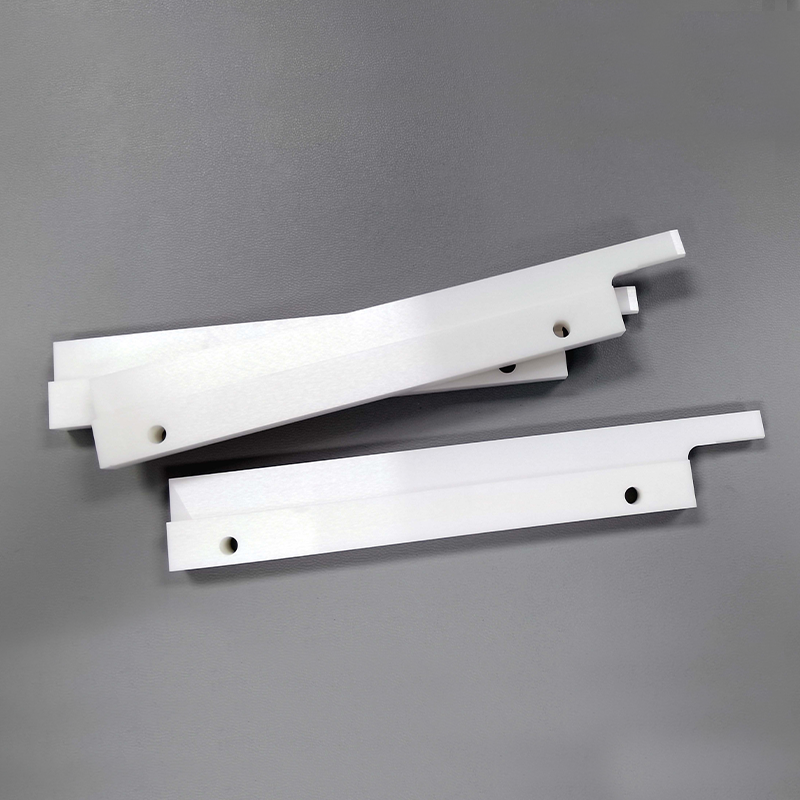
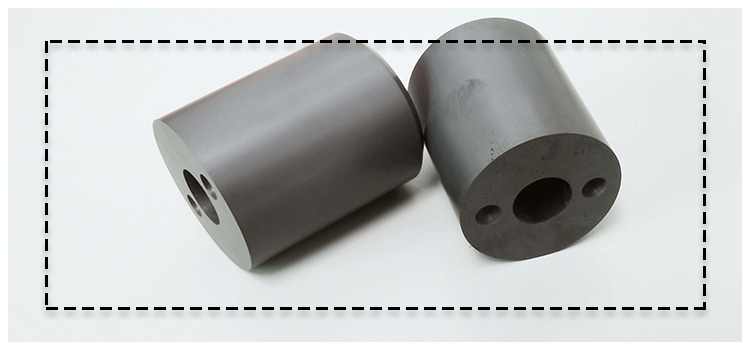
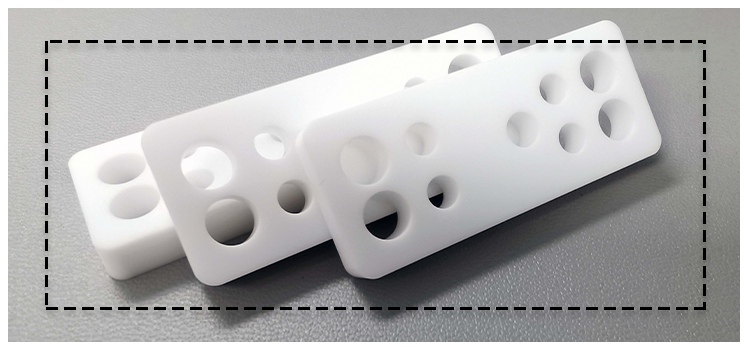
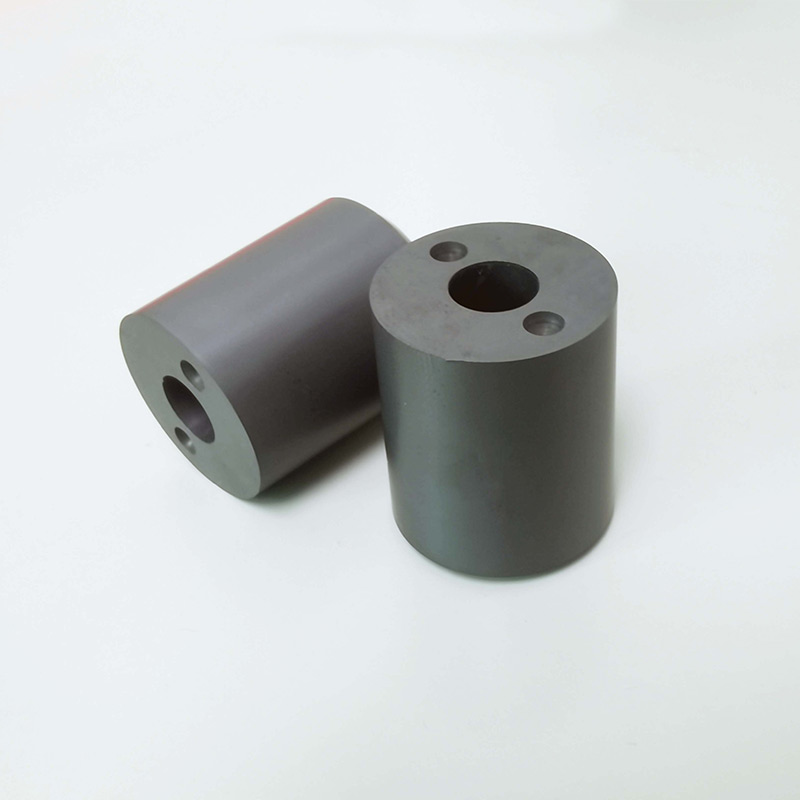
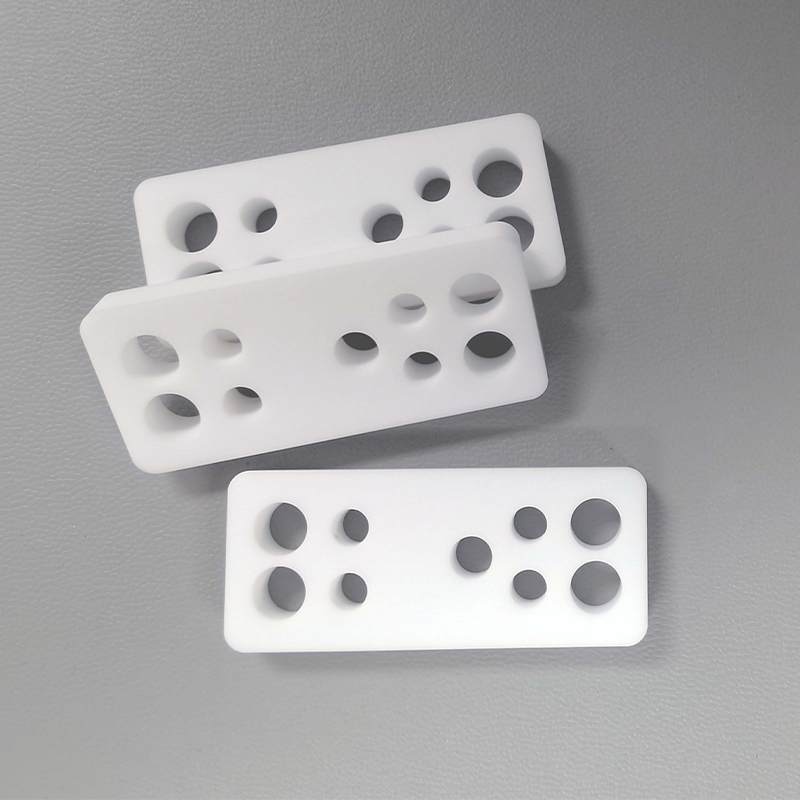
Featured Ceramic Components for Drawing-Led Review









Related Product Catalogue and Quotation



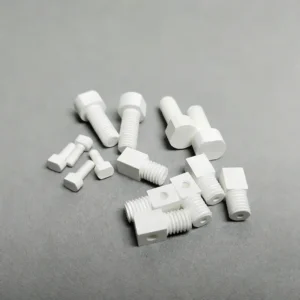

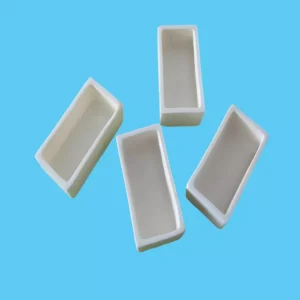

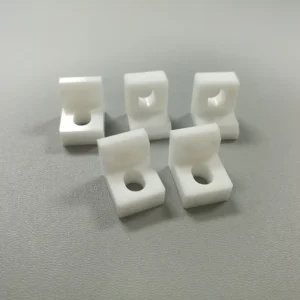

Why Choose Porcecore for Ceramic Components with Precision Holes
Evaluate ceramic sourcing around the drawing, material, geometry and evidence required for a clear project decision.
Drawing Revision Control
Start with the current drawing revision, critical dimensions, hole details and quantity so quotation discussions reflect the part you actually need.
Project-Specific Material Grade
Discuss alumina, zirconia, silicon carbide, silicon nitride, aluminum nitride, boron nitride or another suitable family against your operating requirements and known grade.
Geometry And Hole Requirements
Define hole diameter, position, wall thickness, concentricity, edge condition and mating dimensions according to assembly needs, rather than relying on a material name alone.
Suitable Process Route
Review the proposed forming, sintering and finishing route in relation to the component geometry, material choice, quantity and acceptance requirements for the project.
Functional Surface Priorities
Identify sealing, sliding, mating, insulating or wear-contact surfaces, then distinguish essential finish and fit requirements from preferences that may affect sourcing decisions.
Inspection Evidence Agreed Early
Align inspection points, dimensional evidence, defect criteria and documentation expectations before production so both sides understand how the finished ceramic component will be evaluated.
Ceramic Components, Materials and Applications
Review material families, component forms and engineering resources before defining a drawing-led quotation or project-specific sourcing requirement.

Ceramic Manufacturing Capabilities
Technical ceramic components and industrial ceramic parts can involve forming, machining and finishing considerations. Use this category to frame geometry, mating surfaces, tolerances, inspection expectations and documentation needs before requesting a quotation against a current drawing revision.
Discuss Your Ceramic Part
Ceramic Solutions by Industry
Ceramic solutions by industry connect advanced ceramics applications with operating conditions such as temperature, wear, electrical insulation or corrosion exposure. Compare the component’s job, interfaces and service environment to identify requirements that should guide material and geometry selection.
Discuss Your Ceramic Part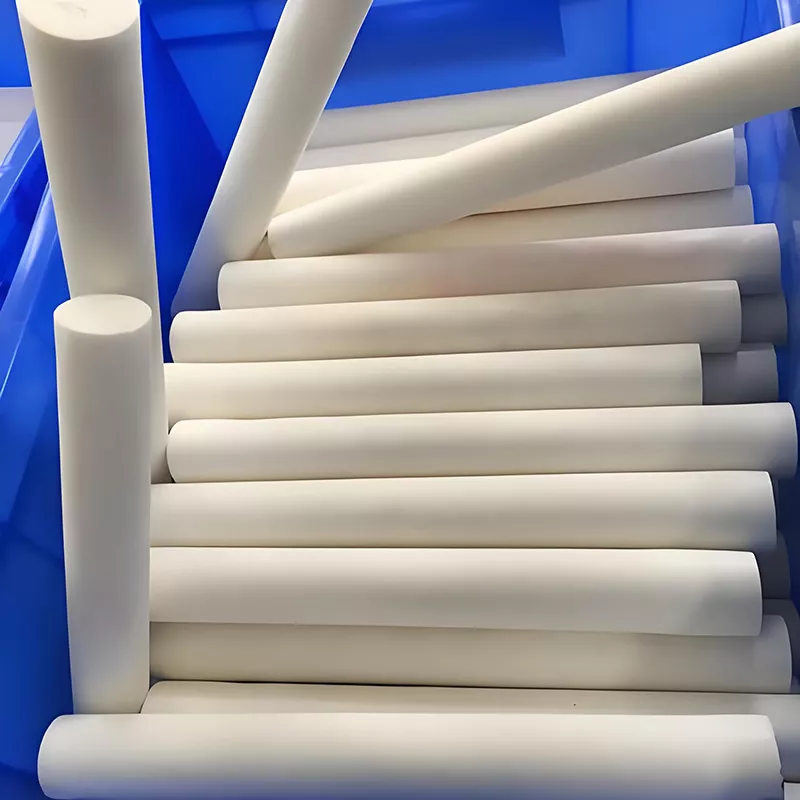
Advanced Ceramic Materials
Advanced ceramic materials include oxide, nitride, carbide and specialty ceramic families for custom ceramic components. Review alumina, zirconia, silicon carbide, silicon nitride, aluminum nitride and boron nitride as starting points, then confirm grade-specific properties, dimensions, availability and acceptance criteria for the project.
Discuss Your Ceramic Part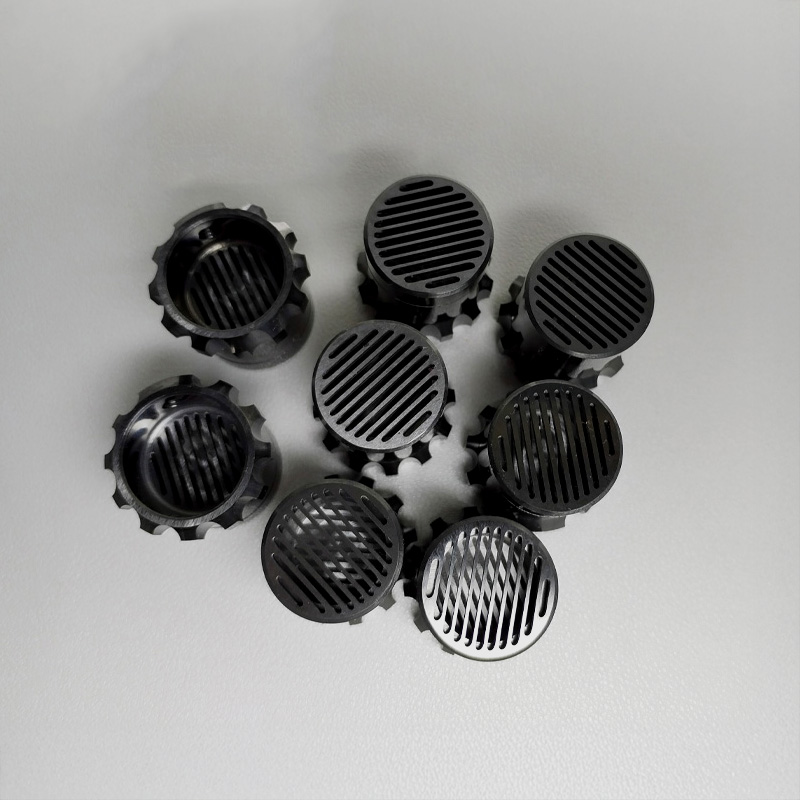
Technical Ceramic Products
Technical ceramic products organize familiar component forms such as tubes, rods, rings and substrates around practical sourcing needs. Buyers can narrow an inquiry by material, dimensions, surface requirements, quantity and application, while distinguishing product illustrations from confirmed specifications.
Discuss Your Ceramic Part
Technical Ceramic Resources
Technical ceramic resources provide a clearer starting point for material selection, component specification and inquiry preparation. Use the guide to identify relevant service conditions, drawing details, inspection documents and open questions before contacting Porcecore by email or WhatsApp.
Discuss Your Ceramic PartSupported Materials for Ceramic Components with Precision Holes
Alumina Ceramics
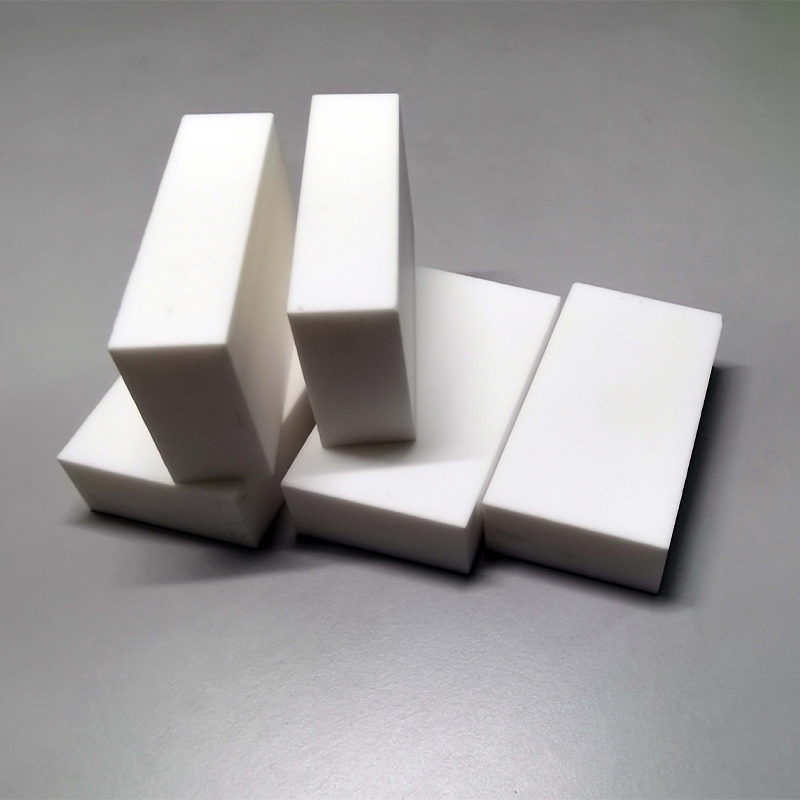
Hard, smooth and electrically insulating, alumina suits tubes, rings, substrates, insulators and wear components. Consider dielectric needs, temperature exposure, hole geometry, edge condition and the grade required for the application.

Zirconia Ceramics
Dense and refined in surface feel, zirconia is considered for small structural parts, guides, wear components and assemblies needing greater toughness. Confirm grade, dimensions, mating surfaces and resistance to applied mechanical loads.
Silicon Carbide Ceramics
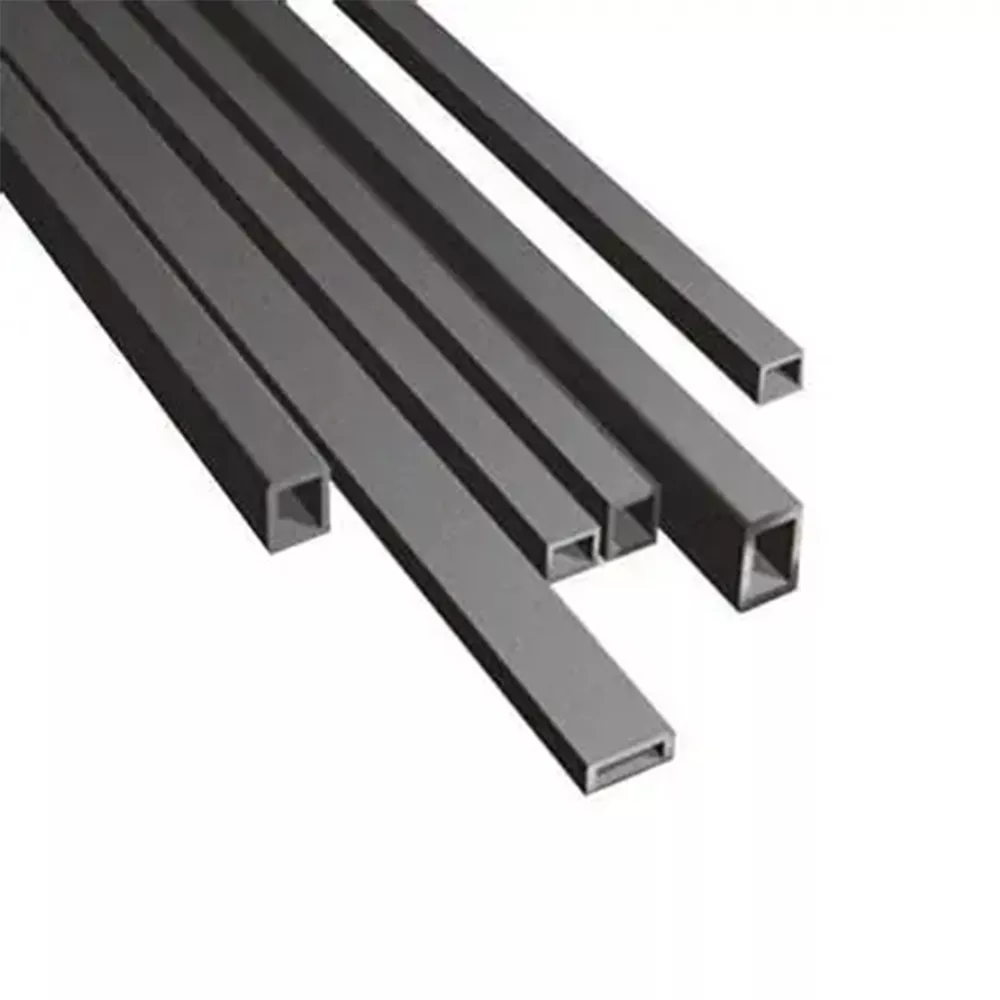
Hard and wear-focused, silicon carbide is commonly considered for seals, nozzles, plates and components exposed to abrasive or chemically demanding conditions. Review hole accuracy, surface finish, thermal conditions and handling requirements.
Silicon Nitride
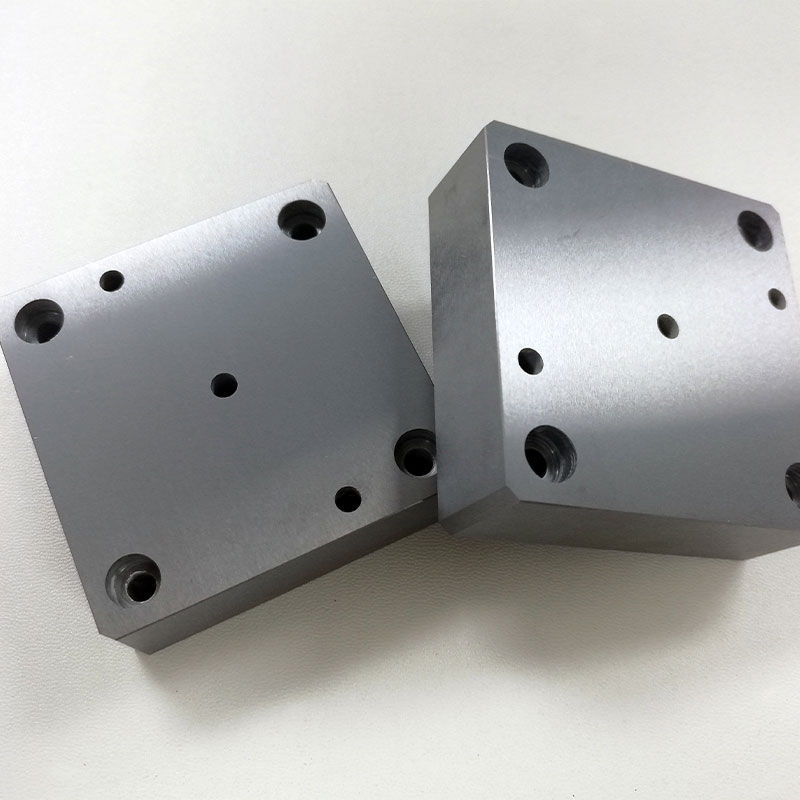
Smooth and mechanically capable, silicon nitride may suit rollers, bearings, guides and thermal-shock environments. Project review should address loading, speed, temperature cycling, hole position, material grade and acceptance criteria.
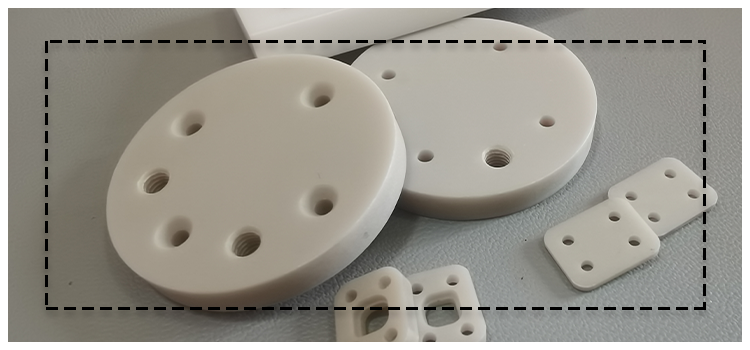
Aluminum Nitride
A technical ceramic with a smooth, precise surface, aluminum nitride is often considered for electronic substrates, heat-spreading parts and insulated assemblies. Confirm thermal requirements, electrical isolation, geometry and the required surface finish.

Boron Nitride
Light-handling and electrically insulating, boron nitride is considered for high-temperature fixtures, insulators and process components. Define atmosphere, temperature, contact surfaces, hole dimensions and any strength or documentation requirements before quotation.
Manufacturing Processes for Ceramic Components with Precision Holes

Powder Forming
Powder forming establishes the initial ceramic shape before firing. The suitable method depends on component geometry, wall thickness, hole design, material family, quantity and dimensional requirements identified during drawing review.

Ceramic Sintering
Sintering develops the ceramic body through a controlled firing cycle. Process suitability and expected dimensional change must be considered alongside material grade, geometry, shrinkage allowances and the project’s acceptance criteria.

Diamond Machining
Diamond machining can refine selected ceramic features after firing, including precision holes, mating surfaces and critical dimensions. The practical route depends on material hardness, access, tolerance requirements and component geometry.

Grinding And Lapping
Grinding and lapping can improve dimensional control and surface condition on functional ceramic surfaces. The required finish should be defined by assembly, sealing, sliding or electrical requirements rather than assumed as a standard.

Final Inspection
Final inspection confirms agreed dimensions, hole features, surface conditions and documentation requirements. Porcecore can review the inspection approach with the drawing, material designation, critical characteristics and acceptance criteria before quotation.
Ceramic Components with Precision Holes: Supported Features

Mating Surfaces
Identify the surfaces that fit, seal or align with another part. Porcecore can review critical dimensions, contact areas and finish expectations against your drawing and intended assembly conditions.

Precision Holes
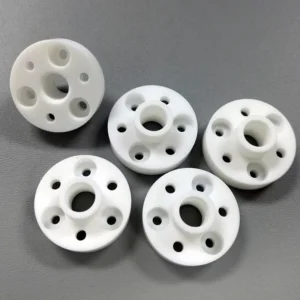
Specify hole diameter, depth, position, spacing and edge requirements according to the component’s function. Drawing-led review helps clarify which features are essential for assembly, flow or alignment.

Ceramic Inserts
Add ceramic inserts where insulation, wear resistance or thermal stability is important. Share the insert geometry, surrounding material, joining method and inspection criteria so the interface can be evaluated clearly.

Finished Edges
Call out chamfers, radii, deburred edges and other fragile features that affect handling or fit. Requirements should reflect the component’s application, assembly sequence and acceptable visual condition.

Surface Finishes
Define ground, lapped, polished or other functional surfaces according to sealing, sliding, electrical or contact needs. Porcecore can discuss finish priorities alongside material grade and dimensional tolerances.
About Porcecore: Drawing-Led Technical Ceramic Sourcing
Founded by Andy Yuan, Porcecore is shaped around an application-first question: what must the part do, and which requirements define a suitable solution? We help industrial procurement teams, engineers, equipment builders and distributors connect material choices with geometry, operating conditions, mating surfaces and acceptance expectations.
Our collection covers oxide, nitride, carbide and specialty ceramics in familiar forms such as tubes, rods, rings and substrates. A material listing or product illustration is a starting point, not a confirmed specification. For ceramic components with precision holes, a useful inquiry includes the current drawing revision, known grade, quantity, service conditions and critical inspection requirements.
Porcecore’s difference is drawing-led communication and clarity before commitment. We help separate essential dimensions and tolerances from preferences, then identify the open questions that shape a quotation. Email a drawing or describe the component and its environment to begin a project conversation with a concrete basis.
Core Capabilities for Ceramic Components with Precision Holes
Review the Drawing First
Porcecore starts with the current drawing revision and the dimensions that control fit, assembly and function. This creates a clearer basis for discussing ceramic components with precision holes, open technical questions and the information needed before a project-specific quotation can be confirmed.
- Review critical dimensions, tolerances and hole locations
- Identify mating surfaces and assembly-defining features
- Compare 2D drawings with available 3D CAD files
- Separate essential requirements from preferred options
Match Material to Service
Material selection should follow the component’s operating requirements rather than the material name alone. Porcecore can discuss oxide, nitride, carbide and specialty ceramic options in relation to temperature, wear, electrical behavior, chemical exposure and the acceptance requirements defined for the project.
- Consider alumina, zirconia and other ceramic families
- Discuss thermal, mechanical, electrical and chemical conditions
- Confirm grade-specific properties before technical commitment
- Keep material recommendations tied to the application

Define Hole and Surface Requirements
Precision holes can affect alignment, flow, fastening, insulation or the movement of another part. Their dimensions, position, edge condition and surface requirements should be reviewed together with wall thickness, surrounding geometry and the inspection method expected for the finished component.
- Identify hole diameter, position and applicable tolerance
- Review edges, chamfers, threads and surface finish
- Flag geometry that may affect manufacturing or inspection
- Confirm which features are function-critical

Set Acceptance Criteria Clearly
A useful quotation discussion includes more than quantity and target price. Porcecore helps organize the project around the material designation, geometry, service conditions, documentation and acceptance criteria that must be confirmed for the individual ceramic component order.
- Provide quantity, delivery expectations and drawing revision
- State inspection, testing and documentation requirements
- Clarify packaging or handling expectations when relevant
- Use email or WhatsApp to resolve open questions

Why Buyers Choose Porcecore for Ceramic Components with Precision Holes
Compare a drawing-led sourcing conversation with a less defined supplier process.
← Swipe left or right to view →
A Clearer Process for Drawing-Led Ceramic Sourcing
From requirement definition through shipping confirmation, Porcecore keeps material, geometry, inspection and documentation decisions visible to your project team.
Define the Requirement
Share the current drawing revision, component form, quantity, service conditions, mating surfaces and acceptance criteria so the requirement is clear.
Align Material and Geometry
Discuss alumina, zirconia, silicon carbide, silicon nitride, aluminum nitride or other suitable families against geometry, operating conditions and project priorities.
Review Drawing and Acceptance
Review hole dimensions, tolerances, edge conditions, critical mating surfaces, inspection methods and documentation needs before confirming a quotation basis together.
Coordinate Production Details
Coordinate production details, including approved revision, grade, quantity, lead-time expectations, packaging requirements and any open decisions that affect execution beforehand.
Confirm Inspection and Shipping
Confirm inspection results, packing and shipping information, then receive the agreed project documentation and a clear next step for delivery.
How to Work With Porcecore on Ceramic Components With Precision Holes
A clear, drawing-led path from initial component details to a confirmed quotation or sample discussion.
Send Your Drawing or Description
Share the current drawing revision or describe the ceramic component with precision holes, including key geometry, mating surfaces, and intended function.
Define Quantity and Conditions
Provide expected quantity, material designation if known, service temperature, loads, media exposure, electrical conditions, and other relevant operating requirements.
Confirm Requirements and Acceptance
Review open questions together, including grade, tolerances, critical surfaces, inspection method, documentation, packaging, delivery expectations, and acceptance criteria.
Proceed to Quote or Sample
Use the agreed requirement basis to move toward a project-specific quotation, prototype discussion, or sample review before production decisions are finalized.
Certificates and Technical Documentation for Ceramic Components with Precision Holes
Project Evidence for ceramic components with precision holes
No approved customer testimonial or quantified project outcome has been supplied for publication. Porcecore invites buyers to share a drawing, material designation, quantity, service conditions and acceptance criteria for a reviewable quotation discussion.
For ceramic components with precision holes, project evidence should connect the hole geometry, mating surfaces, operating conditions and inspection expectations. These details help distinguish an initial inquiry from a confirmed production specification.
A useful project record should identify the current drawing revision, required ceramic family or grade if known, quantity, delivery expectations and documentation needs. Porcecore uses these inputs to clarify open questions before commercial commitment.
FAQ: Ceramic Components with Precision Holes
Clear answers for engineering and procurement teams evaluating a drawing-led ceramic component project.
What should I include when requesting ceramic components with precision holes?
How does Porcecore help select the right ceramic grade?
Can ceramic components with precision holes meet my specified tolerances?
What quantities and lead times should I expect for ceramic components with precision holes?
Can Porcecore support samples before production approval?
How are ceramic components with precision holes inspected and documented?
How are payment, packaging and shipping handled for a ceramic component order?
How does Porcecore protect drawing information and clarify application conditions?
The Complete Buyer’s Guide to ceramic components with precision holes — OEM Ready
Use this decision framework to match ceramic materials, hole designs, manufacturing processes, inspection standards, and supplier capabilities to your application while avoiding costly tolerance, design, sourcing, and quality mistakes.
1. What Are Ceramic Components with Precision Holes?
1. Ceramic components with precision holes are engineered technical parts with controlled apertures, bores, or channels formed for a defined assembly or process requirement. The hole is not merely an opening: its diameter, position, straightness, surface condition, edge quality, and dimensional stability can determine fit, flow, alignment, and service life.
7 common functions include electrical insulators, guides, spacers, sleeves, nozzles, substrates, and wear components. Porcecore evaluates these forms alongside the mating surfaces, operating temperature, chemical exposure, load, and inspection expectations rather than treating a material name as a complete specification.
3 conditions commonly justify ceramics over metal or plastic: sustained heat, aggressive chemical or abrasive service, and a need for electrical insulation with stable geometry. Ceramics can reduce corrosion, leakage, deformation, or wear in demanding equipment, but brittleness and impact sensitivity must be addressed during design and acceptance review.
2. Evolution of Ceramic Components with Precision Holes
3 manufacturing stages define the modern route: powder forming creates near-net shapes, controlled sintering establishes the ceramic body, and post-fire grinding corrects critical dimensions. This progression moved production beyond basic tubes, rods, rings, and plates toward repeatable parts with smaller holes and more demanding mating features.
5 process options—forming, sintering, grinding, lapping, and honing—can now be combined according to geometry, tolerance, surface finish, and quantity. Ceramic injection molding and cold isostatic pressing also broaden the practical range of complex shapes, as described by DIAMOND: https://www.diamond-fo.com/en/ceramic-components.
2 inspection priorities remain decisive: dimensional verification and defect control. Better inspection planning, including checks for hole size, position, edge condition, cracks, and surface finish, gives buyers more material and process choices for electrical, wear, thermal, chemical, and precision equipment applications.
3. Types of Ceramic Components with Precision Holes
Six geometry groups cover most sourcing requests: flow paths, alignment interfaces, electrical barriers, patterned substrates, and application-specific structures. Classify the function first, then define the dimensions that control assembly and performance.
Flow And Support Geometry
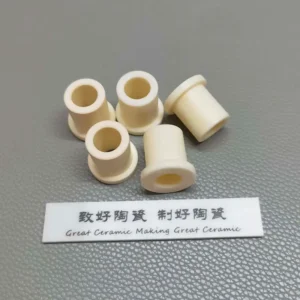
Tubes and sleeves use bores for flow, protection, or guidance; ferrules and bushings use holes for alignment, spacing, or wear control.
Specify bore diameter, wall thickness, length, concentricity, mating fit, temperature, chemicals, and whether the part rotates or remains stationary. Ask which dimensions are critical for quotation.
Fluid And Electrical Interfaces
Nozzles and orifices meter gases or liquids; insulators and feedthroughs pass conductors while maintaining electrical separation.
Clarify hole diameter, taper, pitch, sealing surfaces, voltage, pressure, temperature, medium, conductor size, and required leakage or insulation criteria before requesting pricing.
Patterned And Structural Parts
Perforated plates and substrates distribute flow, support components, or provide repeated apertures; custom structural parts combine holes with mounting or load-bearing features.
Send the drawing revision, quantity, operating loads, hole pattern, flatness, edge condition, inspection method, and acceptance criteria so Porcecore can separate essentials from preferences.
4. Materials for Ceramic Components with Precision Holes
Alumina, zirconia, silicon nitride, and steatite serve different electrical, mechanical, thermal, and chemical priorities. Select the grade with the supplier against the actual hole geometry, service conditions, and acceptance criteria.
| Material | Typical Advantage | Key Check |
|---|---|---|
| Alumina | Insulation, wear, cost | Purity and thermal shock |
| Zirconia | Toughness, biocompatibility | Grade and shrinkage |
| Silicon nitride | Strength, thermal cycling | Chemical compatibility |
| Steatite | Insulation, machinability | Temperature and purity |
Confirm The Ceramic Grade
Grade and purity affect strength, insulation, shrinkage, and cost.
Suppliers should confirm property data for the specified application, not a material family alone.
Match Properties To Service
Electrical insulation favors alumina or steatite; wear and chemical exposure may favor alumina, silicon nitride, or zirconia.
Zirconia supports toughness and selected biocompatibility needs, while silicon nitride suits strength and thermal cycling.
Balance Machining And Cost
Green machining can simplify holes; fired machining usually costs more.
Confirm shrinkage allowances, hole tolerances, inspection method, and grade-specific data before quotation.
5. Customization Options for Precision-Hole Ceramic Components
Hole geometry, mating surfaces, and inspection requirements should be defined together. Porcecore reviews the drawing, operating conditions, and acceptance criteria before confirming a practical ceramic route.
Hole And Wall Geometry
Ø and depth determine drilling access, aspect ratio, and inspection method. Specify through-holes or blind holes, arrays, slots, countersinks, threads, corner radii, and minimum wall thickness on the drawing.
Thin walls, deep small holes, sharp internal corners, and interrupted arrays generally increase breakage risk, tooling demands, and inspection effort.
Finish And Secondary Operations
Ra targets, edge condition, metallization, glazing, lapping, polishing, grinding, and compatible assembly operations should be identified by functional surface. Ceramic-to-metal joining may also require a defined metallization system and inspection standard.
Separate essential requirements from preferences; a general finish description is not a grade-specific commitment.
Prototype To Production
Prototype quantities can validate fit, hole position, and process assumptions before production tooling is fixed. Production designs should prioritize repeatable forming, stable fixtures, accessible gauging, and agreed sampling.
The following features commonly influence project effort:
| Feature | Primary Impact | Typical Concern |
|---|---|---|
| Deep small holes | Yield and lead time | Breakage, debris, gauging |
| Arrays and thin walls | Tooling and yield | Warp, chipping, spacing |
| Tight finish or threads | Inspection effort | Specialized grinding, gauges |
6. Construction Quality Elements to Specify
A drawing should identify every feature that affects fit, motion, sealing, insulation, or inspection. For ceramic components with precision holes, acceptance criteria must distinguish critical geometry from allowable cosmetic variation.
Geometry And Hole Control
Dimensional tolerances should cover hole diameter, position, cylindricity, concentricity, flatness, and perpendicularity. Datum references and tolerance zones prevent ambiguous interpretation during inspection.
Critical holes should specify the gauge or method used, such as pin gauges, optical measurement, or CMM inspection, with sampling frequency agreed before production.
Surface And Edge Acceptance
Surface roughness belongs on functional faces, bores, and mating surfaces where friction, sealing, or electrical performance depends on finish. Edge condition should define permitted chipping, corner breaks, and burr-like remnants.
Cracks, open pores, embedded contamination, and unacceptable chips require explicit rejection criteria; a general visual standard is insufficient for safety- or fit-critical areas.
Records And Traceability
Inspection plans should identify first-article checks, lot sampling, calibrated gauges, and CMM or optical reports for critical features. Certificates should state material designation, revision, results, and applicable acceptance criteria.
Lot or batch traceability connects each shipment to its inspection record and drawing revision. Porcecore buyers should confirm documentation, sampling level, and disposition rules before ordering.
7. How to Choose a Manufacturer for Ceramic Components
A supplier should be evaluated against the part requirement, not a broad capability list. Request evidence linking material selection, hole production, inspection, documentation, and export handling to your drawing.
Process And Material Fit
One drawing should trigger discussion of alumina, zirconia, silicon carbide, or another suitable grade, plus forming, sintering, grinding, lapping, or honing routes.
Ask which features are formed before firing and which require diamond machining; the route should reflect quantity, tolerance, wall thickness, and surface finish. Reference: https://www.diamond-fo.com/en/ceramic-components
Hole Capability And DFM
Three questions reveal process control: What hole diameters and depths are repeatable? How are concentricity, taper, chips, and edge condition inspected? What limits apply after shrinkage?
Require a DFM review covering datum strategy, fixturing, thin walls, tolerance stack-up, and prototype method before quotation. Reference: https://mim-supplier.com/blogs/knowledge/custom-ceramic-parts-material-selection-design-considerations-and-precision-manufacturing
- Request prototype quantity, sample approval, scale-up plan, and capacity evidence.
- Confirm CMM, optical, gauge, surface-finish, and documentation capability.
RFQ And Export Readiness
Include the current drawing revision, material designation, quantity or forecast, service conditions, critical surfaces, acceptance criteria, packaging, and required records.
Compare response clarity, inspection reports, change control, lead-time assumptions, export documents, and protective packaging. Ask for a process flow and control plan, not only a tolerance promise.
- Confirm certificates, traceability, packing method, Incoterms, and shipment responsibilities.
- Separate indicative pricing from confirmed production terms.
8. Common Mistakes When Buying Precision-Hole Ceramics
Three buying errors commonly create avoidable cost: over-specification, incomplete drawings, and weak validation. Treat each requirement as a functional decision tied to assembly, service conditions, and acceptance criteria.
Tolerances And Material
±0.01 mm tolerances are unnecessary when function permits more freedom; specify only dimensions that control fit, sealing, alignment, or performance. Confirm inspection capability for every critical feature.
Two material quotes are not comparable if grades, purity, thermal behavior, or quantity assumptions differ. Select by operating requirements, and account for sintering shrinkage in the process plan and final dimensions.
Geometry And Edge Control
Four fragile features—sharp internal corners, thin walls, deep small holes, and unsupported projections—can reduce yield or fracture during handling. Request a ceramic-specific design-for-manufacture review before release.
Define allowable chips, cracks, burrs, and edge breaks by location and size. Distinguish functional mating edges from non-critical edges so cosmetic preferences do not obscure essential controls.
Inspection And Sample Approval
One incomplete quotation can hide tooling, machining, inspection, packaging, or delivery assumptions. Compare drawings, material grade, quantities, tolerances, test methods, documentation, and commercial terms line by line.
A first sample is not validated until it passes assembly and relevant thermal testing. State the measurement method—such as optical inspection, CMM, gauges, or microscopy—before approving production.
9. Steps to Launch Your Ceramic Component Program
A current drawing revision and defined service conditions give ceramic components with precision holes a usable starting point. Each stage should record decisions, open questions, acceptance criteria, and the person responsible for final approval.
Define And Review The Requirement
Start with the drawing, preliminary geometry, quantity, operating temperature, loads, media, electrical conditions, mating surfaces, and inspection expectations. Identify critical holes, tolerances, edge conditions, and surface finishes.
Before quotation, review material family and manufacturability together. A DFM review should address wall thickness, hole depth, tolerance stack-up, forming or machining route, and realistic inspection methods.
Approve Prototype And Pilot
Use an agreed sample or prototype to confirm fit, function, material designation, test plan, and measurement results. The buyer’s engineering or quality representative should document approval, deviations, and any required corrective action.
Pilot production should validate repeatability, packaging, labeling, inspection records, and handling protection. Release criteria must distinguish functional requirements from cosmetic preferences before broader production.
Control Repeat Orders
Every repeat order should reference the approved drawing revision, material grade, inspection plan, packaging specification, quantity, and delivery terms. Retain a controlled master sample where appropriate and define who may authorize final release.
Any change to geometry, process, material, supplier route, packaging, or acceptance criteria should trigger documented change control and reapproval before shipment.
10. Pricing and Cost of Precision-Hole Ceramic Components
For ceramic components with precision holes, 1 quote is comparable only when the drawing names ceramic grade, purity, blank size, quantity, service conditions, and acceptance criteria. Forming, tooling, expected yield, and freight should be separated from the unit price.
2 geometry variables—hole count, diameter, depth, spacing, and edge condition—can alter post-sinter machining. Tolerances, surface finish, inspection, packaging, and documentation should be specified against the same drawing revision and quantity tiers.
| Cost Driver | What Changes Cost | Quotation Request |
|---|---|---|
| Material | Grade and purity | State designation |
| Geometry | Blank size, holes, walls | Attach drawing |
| Process | Forming, tooling, machining, yield | Separate setup costs |
| Quality | Tolerances, finish, inspection | Name critical features |
| Commercial | Quantity, packaging, freight | Compare equal tiers |
Discuss Your Ceramic Components with Precision Holes
Email a drawing or describe the component, operating environment, and acceptance requirements to guide your next sourcing decision.