
Oxygen Sensor Ceramic Elements, Defined by Your Drawing
Start oxygen sensor ceramic elements discussions with geometry, operating conditions, and acceptance requirements aligned to your project.
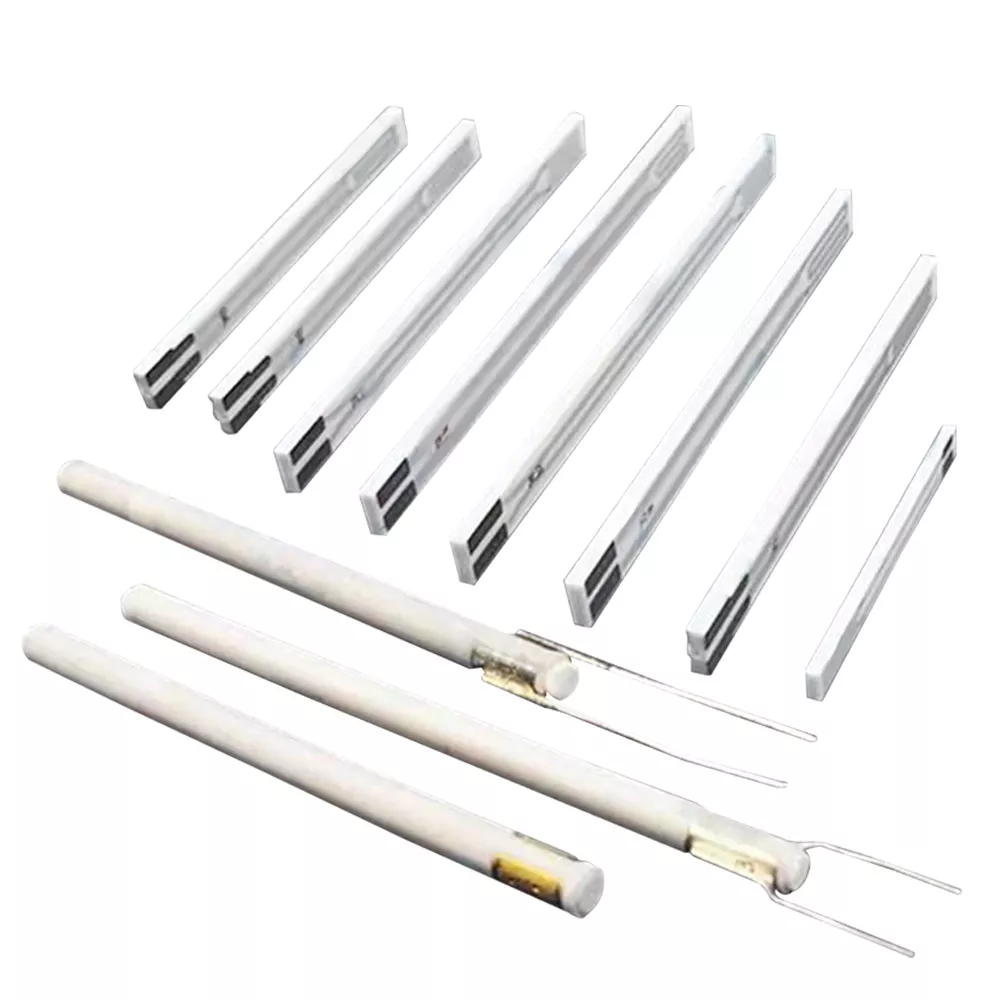
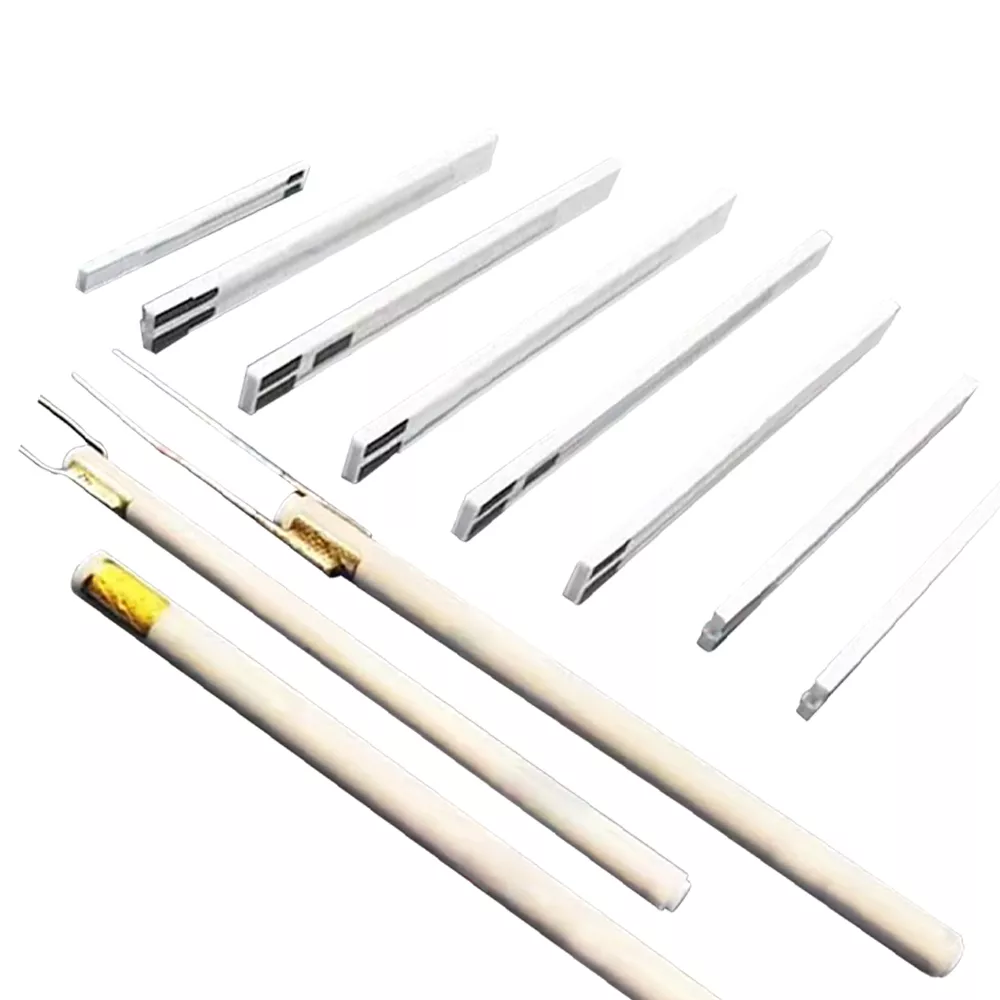
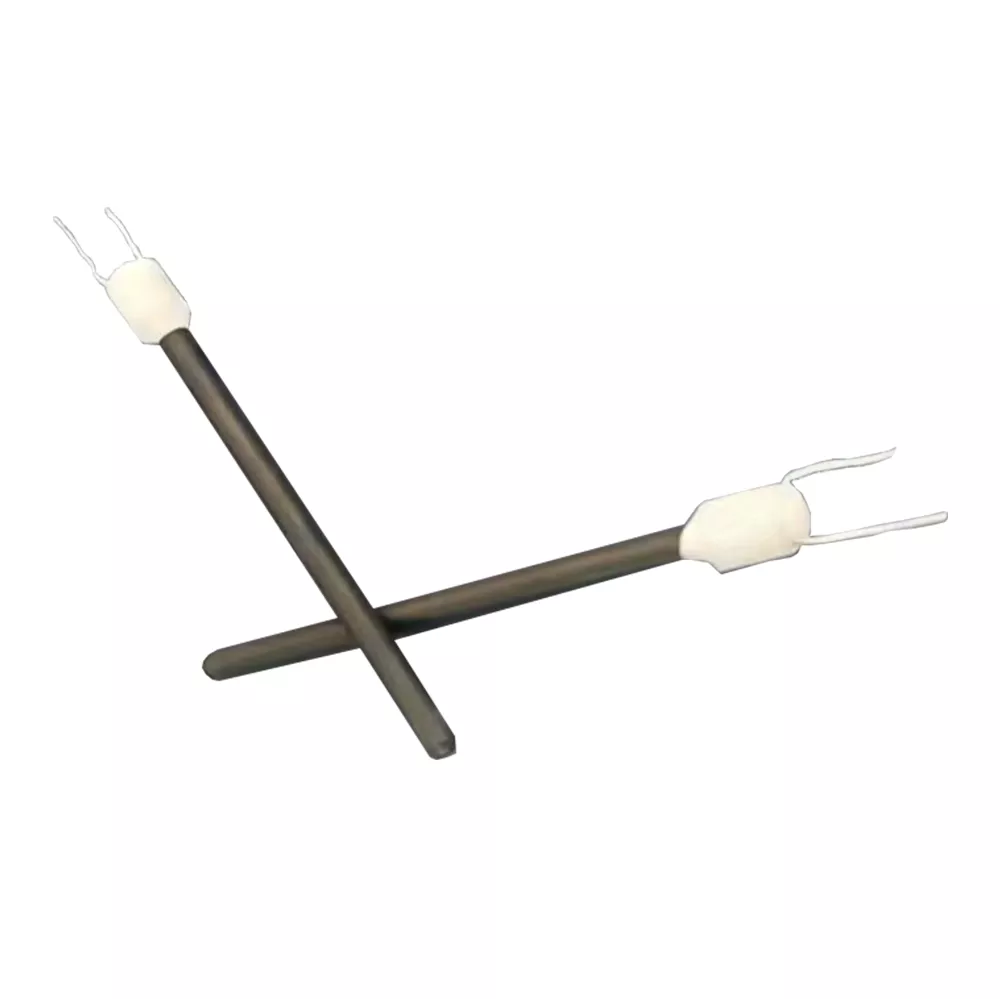
Featured Products for Oxygen Sensor Ceramic Element Development
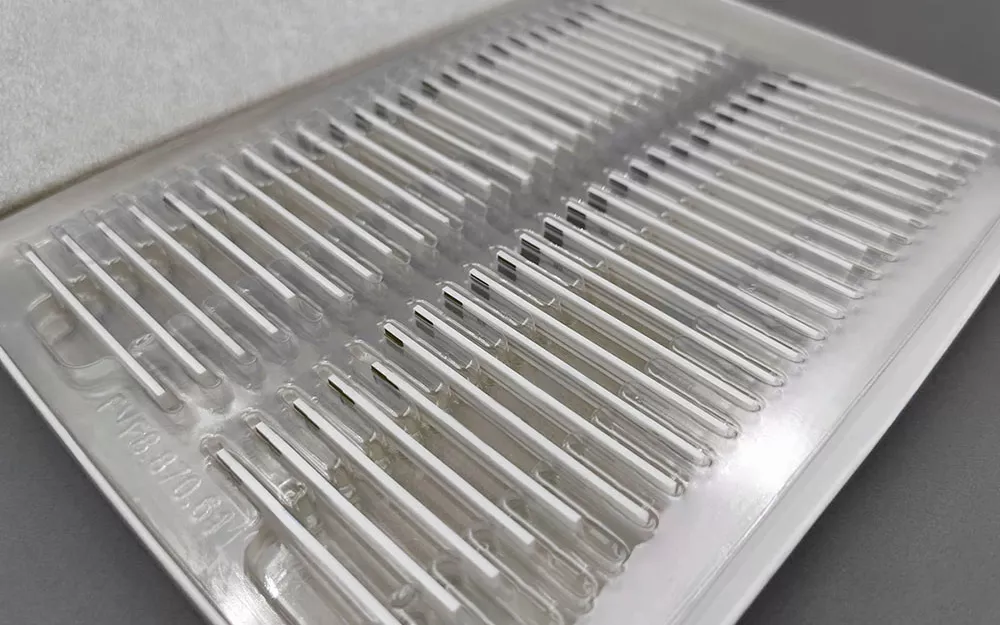
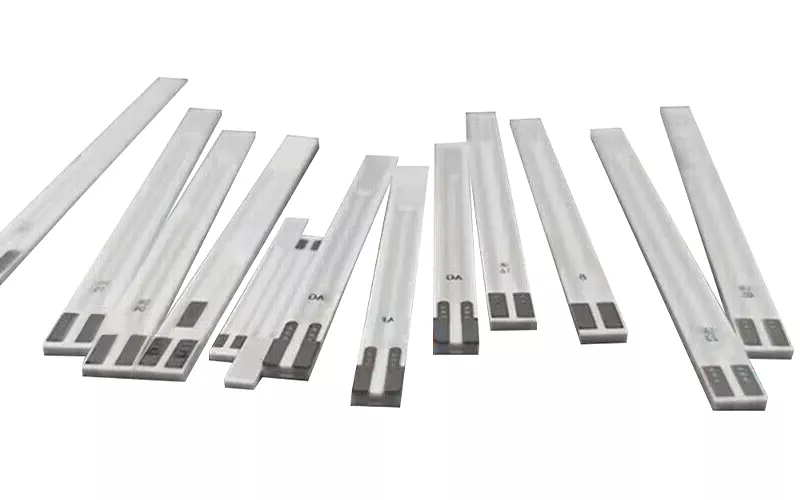
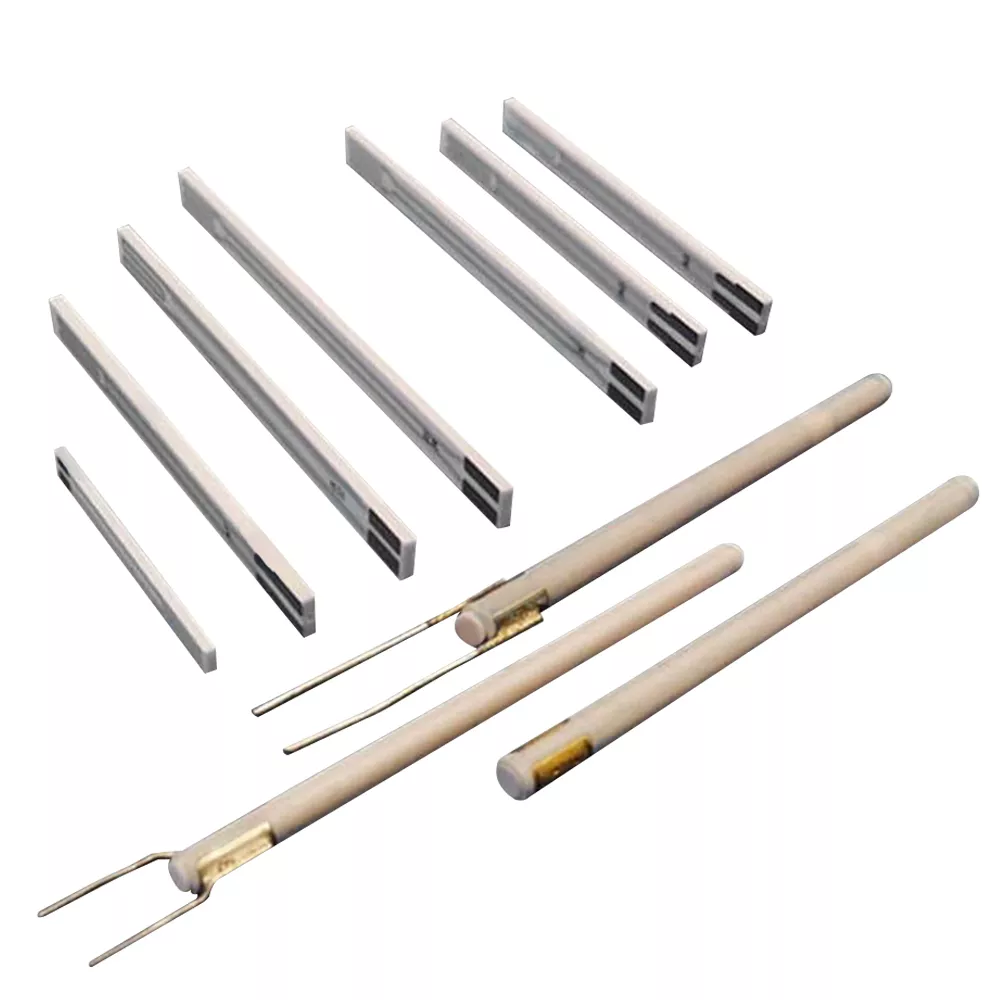
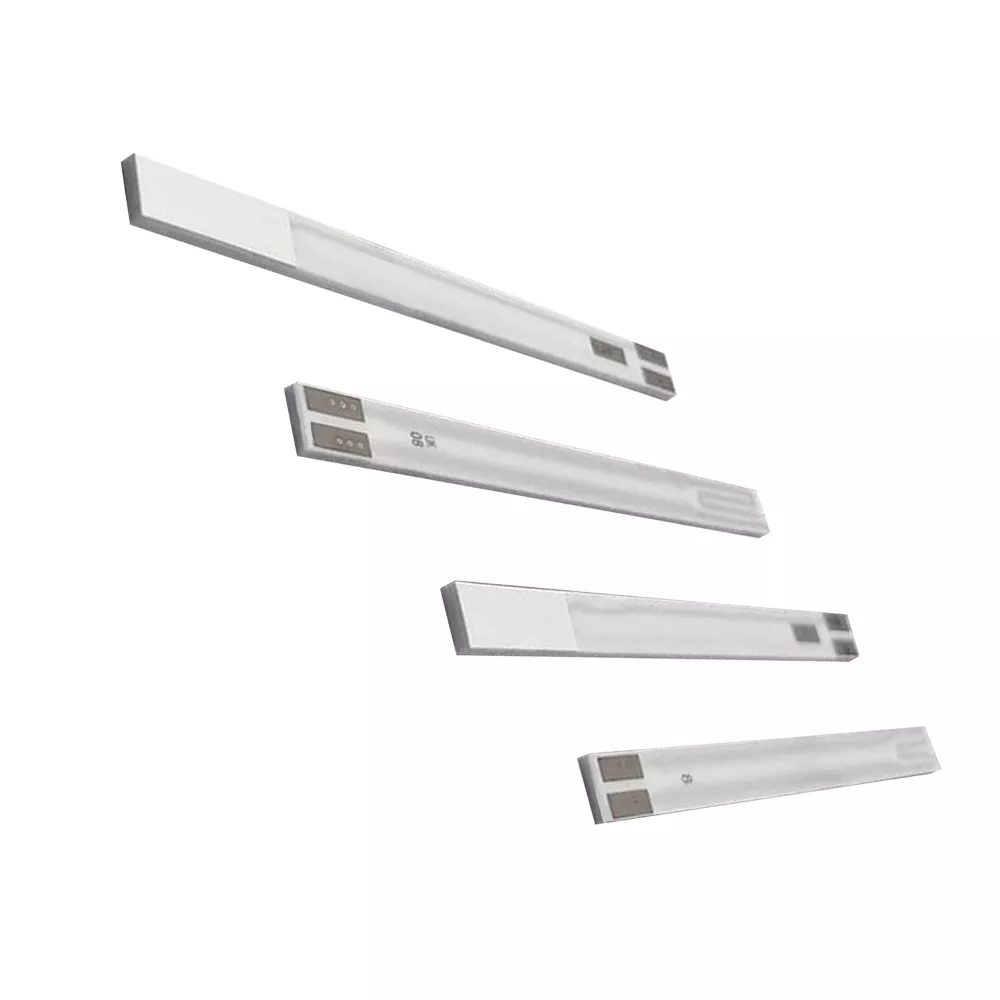
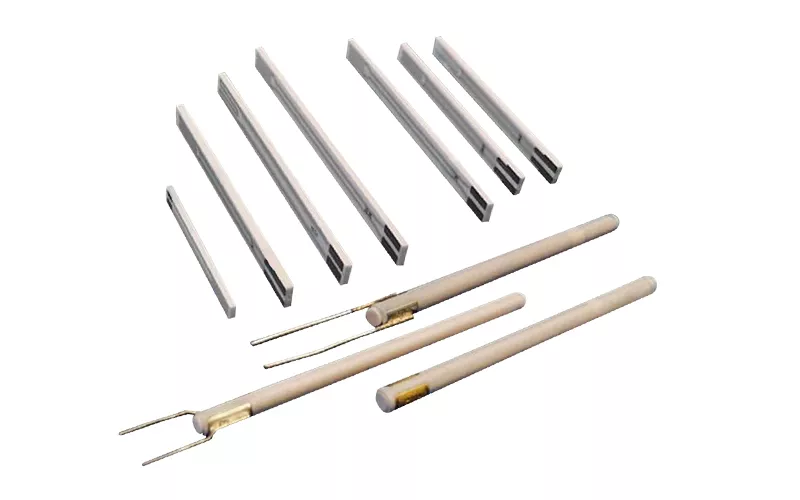


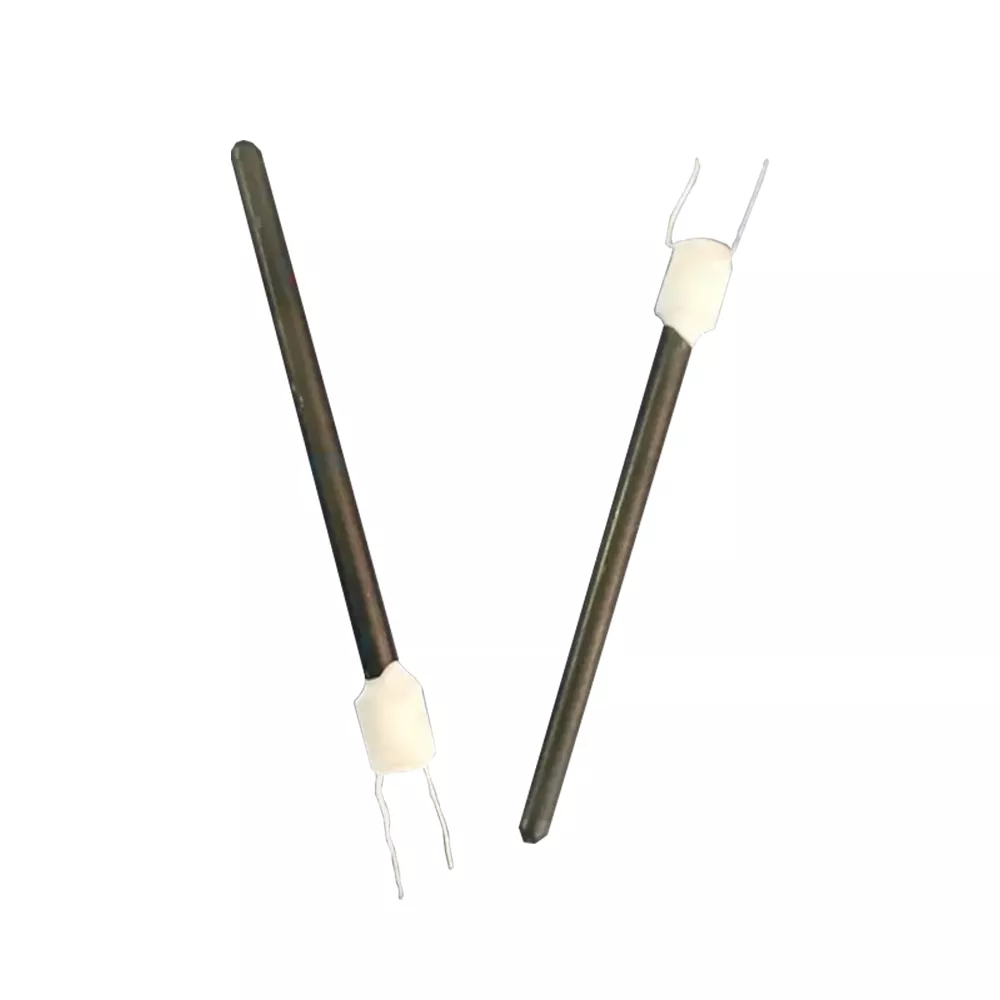



Related Ceramic Components and Quotation Support




Why Source Oxygen Sensor Ceramic Elements Through Porcecore
Review the technical details that give a quotation discussion a clearer, project-specific basis.
Current Drawing Revision
Share the current drawing revision so dimensions, interfaces, notes, and open items can be reviewed against the component requirement before a quotation discussion progresses.
Material Grade Review
Identify the material designation when known and relate it to service conditions, rather than treating a ceramic family name as a complete component specification.
Assembly-Critical Geometry
Highlight dimensions that determine assembly, along with walls, holes, channels, and mating features that may affect how oxygen sensor ceramic elements are evaluated.
Functional Surface Definition
Call out surfaces that fit, seal, locate, contact, or support another part, so functional expectations are considered alongside nominal geometry and tolerances.
Process Route Questions
Discuss the component form, required features, and relevant finishing needs early to identify process questions that should be clarified for the individual project.
Inspection Evidence Requirements
State the acceptance criteria and documentation needed for approval, allowing inspection expectations to be part of the requirement instead of an assumption after quotation.
Ceramic Component Forms for Sensor Applications
Review component, material and application pathways, then define the drawing, operating conditions and acceptance criteria needed for a project-specific sourcing discussion.
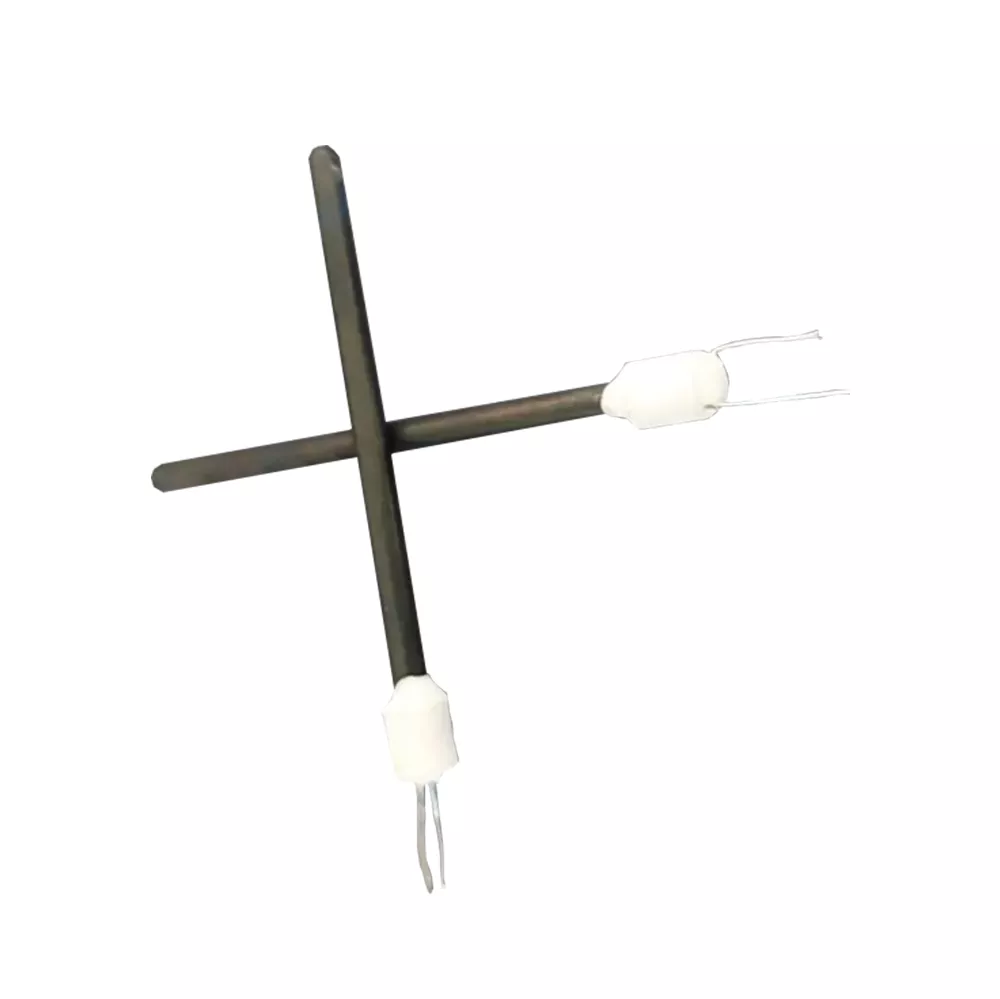
Ceramic Manufacturing Capabilities
Review ceramic manufacturing capabilities around the component requirement: geometry, critical interfaces, surface condition, tolerances and inspection needs. Share the current drawing revision and quantity so the quotation discussion can address feasible material, process and acceptance details.
Discuss Your Ceramic Part
Ceramic Solutions by Industry
Explore advanced ceramics applications across industrial equipment and sensor-related assemblies. Start with the operating environment, electrical or thermal role, mating parts and failure concerns to identify the questions that should be resolved before material and component selection.
Discuss Your Ceramic Part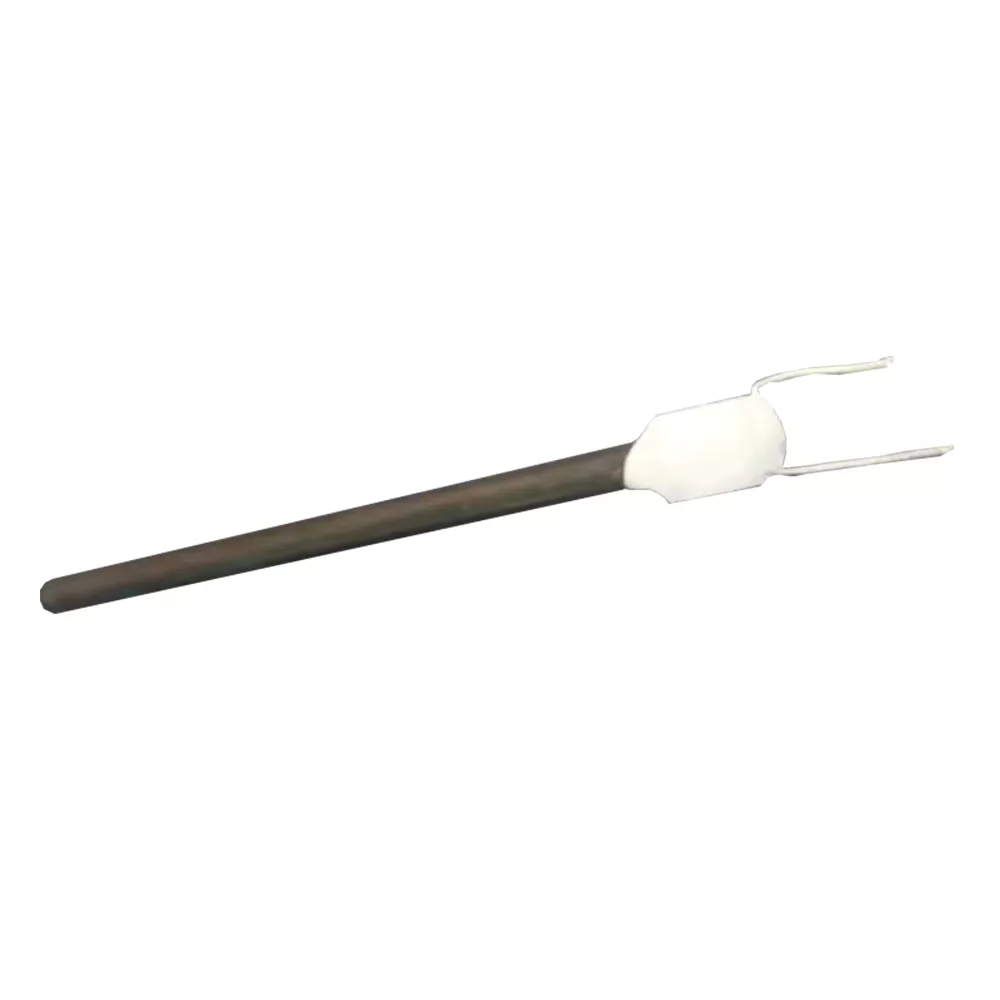
Advanced Ceramic Materials
Compare advanced ceramic materials for industrial ceramic parts, including alumina ceramics, zirconia ceramics, silicon carbide ceramics, silicon nitride, aluminum nitride, and boron nitride. General properties help frame an inquiry, while the specific grade and project requirements require confirmation for the individual part.
Discuss Your Ceramic Part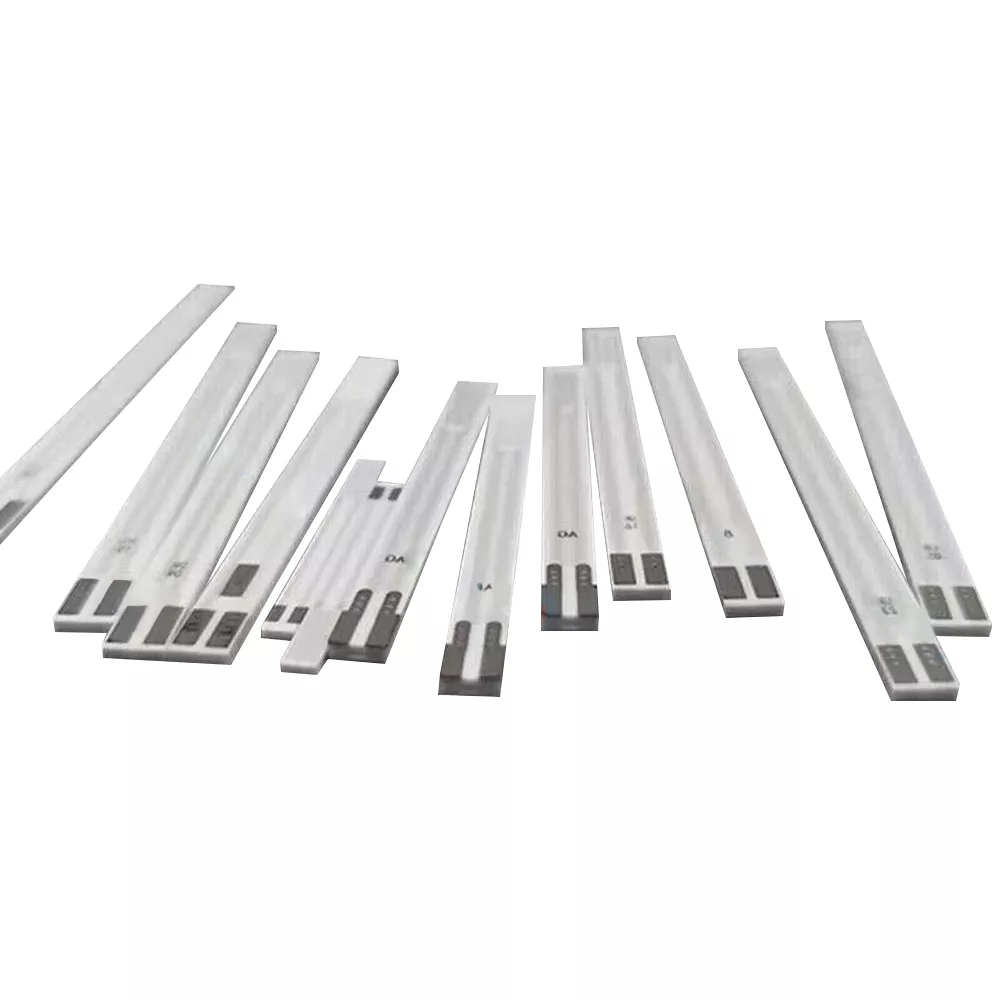
Technical Ceramic Products
Browse technical ceramic products by familiar forms such as tubes, rods, rings, substrates, and custom ceramic components. Use the product form as a starting point, then define assembly-critical dimensions, mating surfaces, service conditions, and documentation requirements.
Discuss Your Ceramic Part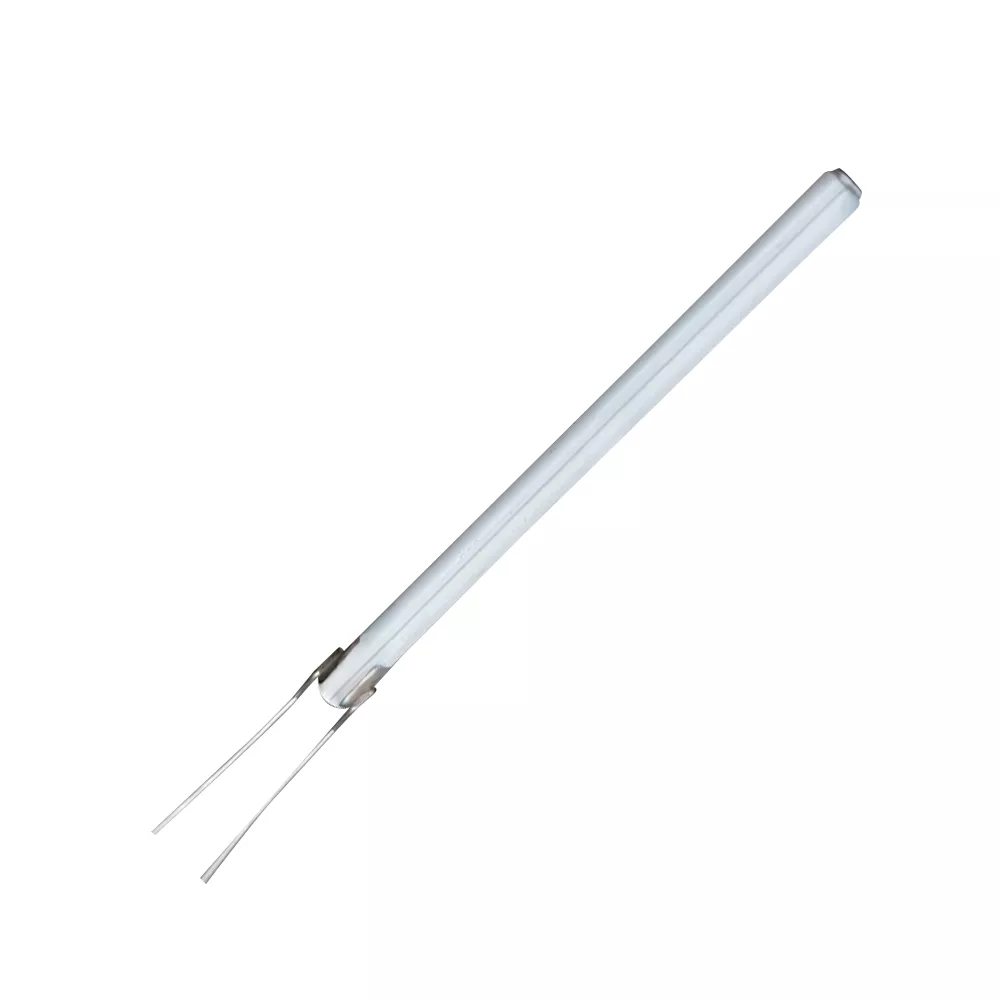
Technical Ceramic Resources
Use this technical ceramics guide to prepare a clearer inquiry. Gather the drawing, material designation if known, quantity, service conditions and acceptance criteria, then contact Porcecore by email or WhatsApp to discuss the next sourcing decision.
Discuss Your Ceramic PartMaterials for Oxygen Sensor Ceramic Elements

Stabilized Zirconia
A dense, engineering-focused ceramic for oxygen-sensing elements and related sensor structures. Its high-temperature ionic conductivity is grade dependent, so electrode interfaces, geometry, and operating conditions require project-specific review.

High-Purity Alumina
A widely considered ceramic for insulating supports, heater-related parts, and protective sensor components. It offers electrical insulation and heat resistance, while purity, dimensions, and surface requirements should be confirmed against the drawing.

Silicon Carbide
A robust ceramic option for fixtures, protective parts, and components exposed to demanding thermal environments. Its high thermal conductivity and wear resistance make grade, finish, and assembly interfaces important topics for technical review.
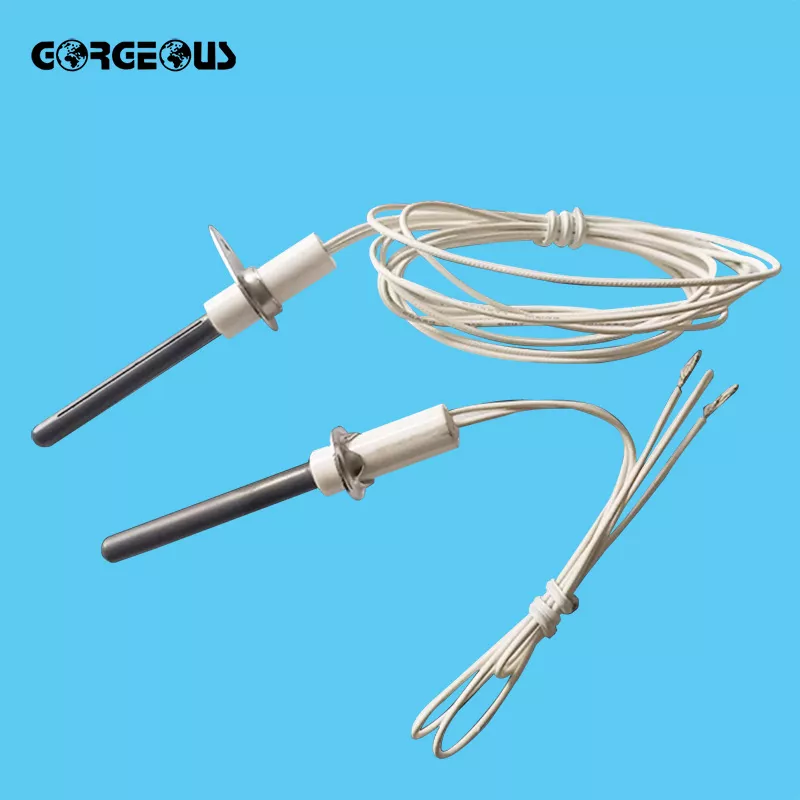
Silicon Nitride
A tough technical ceramic suited to structural sensor-adjacent components, insulating parts, and mechanically loaded interfaces. Its fracture resistance can support demanding designs, but grade selection, tolerances, and service conditions remain application specific.

Aluminum Nitride
A thermally conductive electrical insulator considered for substrates and heat-management components around sensor electronics. Thermal conductivity varies by grade and process, making layout, metallization needs, and inspection criteria important to define.

Boron Nitride
A machinable, electrically insulating ceramic for specialized insulation, handling, and high-temperature component needs. Its lubricious character and thermal behavior depend on grade, orientation, and service exposure, requiring a drawing-led material discussion.
Processing Options for Oxygen Sensor Ceramic Elements
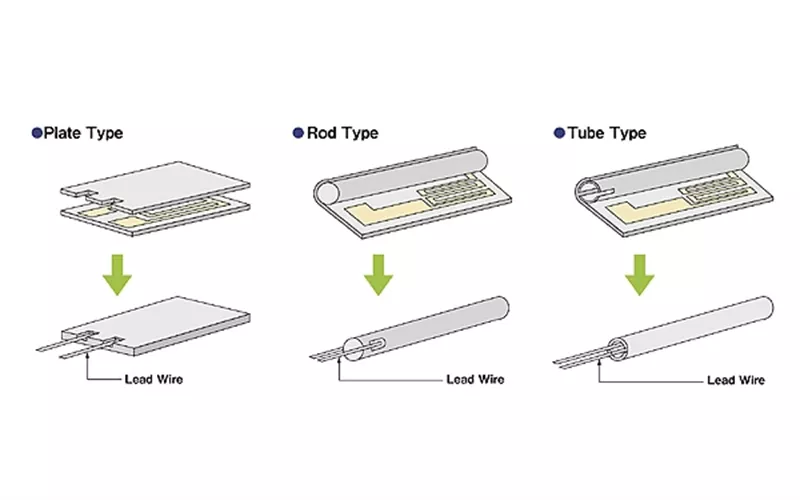
Powder Preparation
Ceramic powder selection, blending, and conditioning establish the starting material for a proposed component route. Grade-specific behavior, target geometry, and service conditions should be reviewed together before requirements are confirmed.

Green Body Forming
Pressing, casting, or other forming approaches shape the unfired body before final densification. The selected method affects feasible geometry, wall sections, and allowance for subsequent machining on oxygen sensor ceramic elements.

Controlled Sintering
Sintering densifies the formed ceramic under a material-appropriate thermal cycle. Shrinkage, dimensional change, and final properties are project-specific considerations, so drawing tolerances and material requirements need confirmation for the proposed route.

Precision Ceramic Machining
Grinding, drilling, and surface finishing can establish critical dimensions, holes, and mating features after sintering. Process planning should identify datum surfaces, tolerance priorities, edge conditions, and inspection expectations from the current drawing.

Inspection Planning
Dimensional and visual inspection planning connects the finished component to defined acceptance requirements. Discuss measurement points, documentation needs, surface criteria, and quantities early so the quotation conversation addresses the checks that matter.
Oxygen Sensor Ceramic Elements: Interfaces and Supporting Details

Mating Surfaces
Define sealing, locating, or contact surfaces on oxygen sensor ceramic elements with the dimensions, finish expectations, and counterpart interfaces that matter to assembly. Identify critical faces directly on the current drawing revision for project-specific review.

Precision Holes
Specify holes for mounting, gas passage, electrical routing, or alignment by size, location, geometry, and inspection requirement. Include the relationship between each hole and its mating part so feasibility can be reviewed against the intended ceramic component.

Functional Grooves
Grooves may support seating, routing, clearance, or controlled interfaces within a sensor assembly. Share groove profiles, edge conditions, reference dimensions, and service context to distinguish essential functional requirements from noncritical preferences before quotation discussion.

Metallized Areas
Where conductive or joining interfaces are under consideration, identify the intended metallized areas, adjoining materials, operating environment, and documentation needs. Material grade, geometry, and acceptance criteria require confirmation for the individual project.

Protective Housings
Protective housings and adjacent hardware affect fit, exposure, clearance, and assembly sequence around ceramic elements. Provide the housing interface, applicable drawing details, and service conditions so the ceramic part requirement can be evaluated in context.

Part Identification
Identification features can help distinguish revisions, orientations, or assembly positions during handling and inspection. Describe the marking or keying need, its location, and any readability or traceability expectation as part of the drawing-led inquiry.
About Porcecore
Porcecore is a founder-led B2B technical ceramics brand established by Andy Yuan for industrial buyers, equipment builders, and project teams. We help turn an application, replacement part, or current drawing into a more focused conversation about oxygen sensor ceramic elements and other technical ceramic components.
Our material scope includes oxide, nitride, carbide, and specialty ceramics, considered alongside the component form and service conditions. Rather than treating a material name as a complete specification, we ask about geometry, mating surfaces, assembly-critical dimensions, quantity, and acceptance expectations.
What distinguishes Porcecore is drawing-led clarity before commitment. Product illustrations and general material information are useful starting points, but grade, tolerances, documentation, delivery, and commercial terms require project-specific confirmation. Send a drawing revision or application details to begin a better-informed quotation discussion.

A Clearer Path to Specifying Oxygen Sensor Ceramic Elements
Review the Operating Context
Start with the function of the oxygen sensor ceramic element in the assembly. Share the sensing environment, temperature exposure, gas contact, heating arrangement, and replacement-part context so the inquiry can focus on requirements that affect the proposed component.
- Describe the sensor or equipment application
- Identify operating environment and service conditions
- Note heater, electrode, or housing interfaces
- Flag known failure or replacement concerns

Clarify Drawing and Interfaces
A material name alone does not define a usable ceramic part. For oxygen sensor ceramic elements, the current drawing revision helps establish geometry, critical dimensions, mating surfaces, datum references, and tolerances that guide a focused quotation conversation.
- Send the current drawing revision
- Identify dimensions critical to assembly
- Mark fitting, sealing, and contact surfaces
- State tolerances or inspection points

Discuss Grade and Geometry
Porcecore can discuss relevant technical ceramic material families alongside the required form. Grade selection, manufacturing route, wall thickness, flatness, holes, channels, and surface condition should be considered together, then confirmed for the individual oxygen sensor ceramic elements project.
- Share any known material designation
- Specify component form and cross-section
- Call out holes, channels, or features
- Separate essential needs from preferences

Align Acceptance Requirements
Before commitment, align what an acceptable part means for your project. Discuss quantities, required documentation, inspection expectations, packaging needs, delivery considerations, and commercial terms so oxygen sensor ceramic elements can move from a general inquiry toward a defined production discussion.
- State quantity and target timing
- Define acceptance and inspection criteria
- List documentation needed for approval
- Confirm project-specific commercial details
Oxygen Sensor Ceramic Elements: Drawing-Led vs. Material-Only Inquiries
Compare drawing-led discussion with material-only starting points.
← Swipe left or right to view →
From Oxygen Sensor Ceramic Elements Requirements to Shipment
A drawing-led path for aligning part details, inspection expectations, packing, and commercial terms before an order is confirmed.
Share Drawing and Context
Send the current drawing revision, target quantity, material designation if known, operating environment, mating details, and required acceptance criteria for initial review.
Review Critical Part Requirements
Clarify dimensions driving assembly, functional surfaces, geometry, interfaces, and open technical questions so the oxygen sensor ceramic elements inquiry has a concrete basis.
Confirm Material and Process
Discuss the proposed ceramic grade and feasible processing approach against the individual part requirement; availability and final details require project-specific confirmation.
Align Inspection Expectations
Identify agreed dimensions, tolerances, inspection points, documentation needs, and acceptance criteria needed to support approval and a clear production discussion.
Confirm Packing and Terms
Review packing needs, delivery expectations, commercial terms, and remaining project details before proceeding, with timing confirmed for the individual order rather than assumed.
How to Source Oxygen Sensor Ceramic Elements
Move from a drawing or replacement-part need to clearly defined project questions and next steps.
Send Your Drawing
Share the current drawing revision or replacement-part details, including critical dimensions, mating surfaces, quantities, and any available material designation for oxygen sensor ceramic elements.
Describe Service Conditions
Explain the operating environment, temperature exposure, gases, electrical conditions, and application constraints so relevant ceramic material and geometry questions can be identified early.
Clarify Acceptance Requirements
Confirm tolerances, inspection points, documentation needs, and surfaces affecting assembly. Porcecore uses these details to frame a quotation discussion around the project-specific requirement.
Confirm the Next Steps
Review open questions on grade, dimensions, delivery, and commercial terms by email or WhatsApp, then align the next project-specific decision before commitment.
Oxygen Sensor Ceramic Elements Documentation Review
Customer References and Case Examples
Buyer-approved project feedback will be published here once the application, drawing revision, acceptance criteria, and documented outcome have been reviewed for accurate representation.
This space is reserved for a verified case example covering the specified ceramic component, relevant geometry, quantity, and project-specific inspection requirements without overstating unconfirmed results.
Future testimonials will reflect approved customer language and documented sourcing outcomes, including measurable details only where the buyer has authorized publication and the project record supports them.
Oxygen Sensor Ceramic Elements FAQ
Practical answers for buyers preparing a drawing-led ceramic component inquiry.
What should we include when requesting oxygen sensor ceramic elements?
Can Porcecore help select a grade for oxygen sensor ceramic elements?
How should tolerances be specified for oxygen sensor ceramic elements?
Is there a fixed minimum order quantity for a ceramic inquiry?
How are drawing revisions handled during quotation?
What inspection documentation can be discussed for a ceramic part?
How should oxygen sensor ceramic elements be packaged for shipment?
How are confidential drawings, payment terms, and project details addressed?
The Complete Buyer’s Guide to Oxygen Sensor Ceramic Elements
Use this practical framework to compare element designs, materials, quality controls, customization requirements, and supplier qualifications while avoiding specification gaps, unreliable samples, and total-cost surprises.
1. What Are oxygen sensor ceramic elements?
One oxygen sensor ceramic element is the functional ceramic core that converts an oxygen-concentration difference in a hot gas environment into an electrical response. Zirconia-based elements commonly use porous platinum electrodes on opposing sides; at operating temperature, the ceramic serves as a solid electrolyte (https://en.wikipedia.org/wiki/Oxygen_sensor).
Two assembly levels must be kept separate. The element may include or interface with printed electrodes and an integrated heater structure, while a finished sensor also includes leads or terminals, protective layers, a metal housing, seals, and application-specific packaging.
Three purchasing questions define what is being sourced: the ceramic element alone, a semi-finished sensing stack, or a complete sensor. For an element inquiry, provide the drawing revision, electrode and heater interface requirements, gas exposure, mating dimensions, inspection criteria, and required documentation; a product illustration is not a contractual specification.
2. Evolution of oxygen sensor ceramic elements
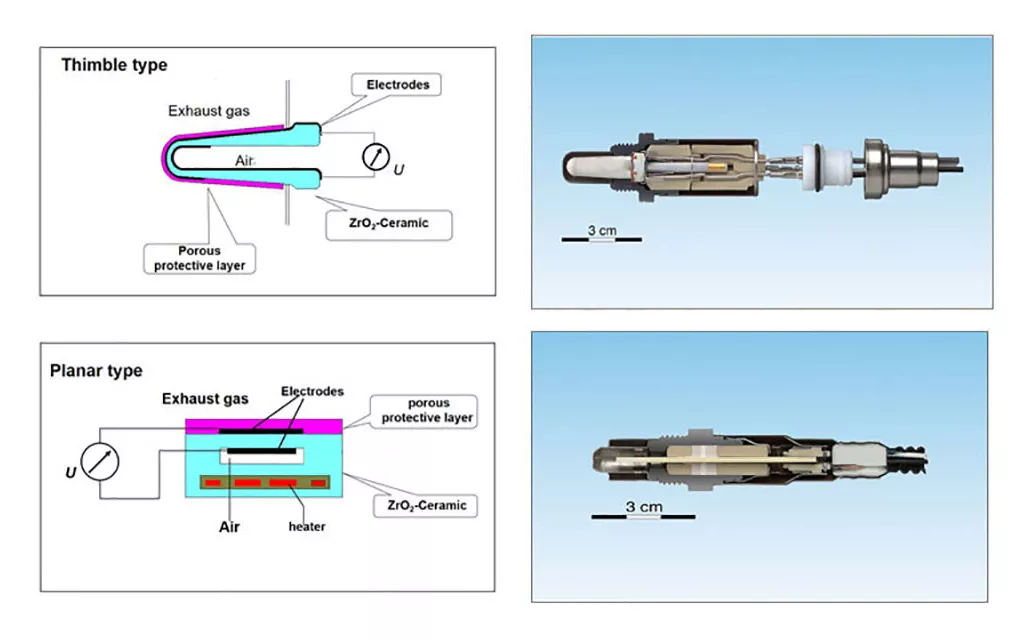
Planar, heated, and legacy oxygen-sensor constructions differ in thermal behavior, interfaces, and replacement requirements. When sourcing a replacement, confirm the housing, connector, lead configuration, reference-air path, and element geometry rather than relying on labels such as “lambda sensor.”
Operating temperature and warm-up requirements depend on the sensing architecture and application. Buyer requirements should distinguish thimble, heated, planar, narrowband, and wideband designs because these terms are not interchangeable specifications.
3. Types of oxygen sensor ceramic elements
Two sensing approaches dominate oxygen sensor ceramic elements: zirconia develops an electrochemical signal from an oxygen difference, while titania changes electrical resistance. Construction and control strategy must match the installed sensor design.
| Category | Principle | Typical Fit | Key Limitation |
|---|---|---|---|
| Zirconia | Oxygen-difference signal | Narrowband or wideband | Needs matched cell design |
| Titania | Resistance change | Temperature-compensated sensing | Temperature sensitivity |
| Thimble | Tubular ceramic | Legacy-style assemblies | Slower thermal response |
| Planar | Layered ceramic | Fast-response heated designs | Interface-specific |
Sensing Material
Zirconia suits voltage-based sensing; titania requires temperature compensation because resistance varies with oxygen and temperature. Confirm electrode system, reference-air arrangement, target temperature, and controller input before comparing.
Construction And Signal Range

Thimble elements are tubular; planar elements stack ceramic layers and can integrate heating. Narrowband elements switch near stoichiometry, whereas wideband systems require the matched pump-cell architecture and calibration.
Heating And Interchangeability

Heated elements shorten warm-up; non-heated versions depend on exhaust heat. For replacements, verify part number, connector, dimensions, heater resistance, and ECU compatibility; for custom work, provide the current drawing revision and acceptance criteria.
4. Materials in oxygen sensor ceramic elements
Oxygen sensor ceramic elements are material stacks, not single ceramic parts. Procurement should link each layer to gas exposure, electrical function, thermal cycling, and the approved manufacturing route.
| Material or Feature | Primary Role | Procurement Focus |
|---|---|---|
| Stabilized zirconia | Ionic sensing | Grade and thermal-cycle validation |
| Titania | Resistive sensing | Temperature compensation validation |
| Alumina | Insulation or heater support | Dielectric and thermal stability |
| Platinum system | Electrode function | Adhesion, porosity, firing control |
| Porous coating | Gas-path protection | Contamination resistance and permeability |
Sensing Layer
Stabilized zirconia conducts oxygen ions at operating temperature; titania changes electrical resistance with oxygen concentration. Select by sensing architecture, temperature control, and application validation.
Electrodes And Protection
Platinum electrodes require controlled adhesion, porosity, and firing compatibility with the sensing ceramic. Porous protective coatings must balance gas access against particulate and contaminant exposure.
Insulation And Interfaces
Alumina commonly supports insulation and heater structures because electrical isolation and thermal stability are required. Metallization and joining features need validation for contact resistance, cycling, and mating geometry.
5. Custom oxygen sensor ceramic element options
Three specification groups keep a custom inquiry concrete: the ceramic geometry, functional layout, and approval evidence. Porcecore treats each as project information to confirm, not a catalog promise.
| Specification Area | Buyer Input | Decision Supported |
|---|---|---|
| Geometry | Drawing and mating data | Fit and tolerance review |
| Functional layout | Stack, electrodes, heater, contacts | Electrical configuration discussion |
| Control plan | Validation, packaging, markings | Approval and supply planning |
Geometry And Interfaces
Two geometry controls deserve separate callouts: overall dimensions and assembly-critical tolerances. Supply the current drawing revision, datum scheme, mating-part dimensions, and surfaces that seal, locate, or contact.
Functional Stack Details
Four functional details can be defined on a drawing: layer stack, electrode pattern, heater geometry, and lead or contact configuration. State protective-coating expectations, electrical targets, gas conditions, temperature profile, and target response.
Approval And Supply Data
Three commercial inputs shape a practical review: annual demand, packaging needs, and traceability markings. Identify validation methods, acceptance criteria, required records, and the approval stage before requesting a quotation.
6. Critical construction and quality checks
Two inspection stages matter: incoming verification and production qualification. For oxygen sensor ceramic elements, each construction check should be tied to a field risk before release.
Ceramic And Laminate Integrity
Two checks—density/porosity and layer alignment—should be defined against the approved construction. Voids, misregistration, or weak interfaces can initiate cracking, delamination, and slow response after thermal cycling.
Electrical Path Consistency
Three checks cover electrode continuity, heater resistance consistency, and protective-coating coverage. Open paths, resistance variation, or incomplete coverage can cause electrical drift, uneven heating, or premature failure.
Incoming Qualification Questions
Four questions sharpen acceptance: What drawing revision applies? Which dimensions and edge conditions are critical? What sampling, continuity, resistance, cleanliness, and thermal-cycle records accompany the lot?
7. Choosing an oxygen sensor ceramic element manufacturer
Three pre-release checks reduce supplier risk: confirm technical understanding, inspect a representative sample, and document what may change after approval. Evaluate evidence, not assumed certifications or capabilities.
| Review Area | Evidence To Request | Risk Reduced |
|---|---|---|
| Drawing review | Marked-up revision | Misinterpreted geometry |
| Prototype | Inspection record | Unverified conformance |
| Production | Lot and change plan | Inconsistent supply |
Review Engineering Communication
One drawing review should identify critical dimensions, mating surfaces, material designation, service conditions, and unresolved tolerances. Ask the supplier to return marked-up questions rather than merely acknowledge receipt.
Validate Samples And Records
One prototype lot should be linked to a drawing revision and inspection record. Request material traceability, process documentation, measurement methods, test evidence, and a nonconformance response path before release.
Control Production Risk
Two commercial questions matter before nomination: planned capacity for the required lot size and response time for schedule or quality issues. Define change-control notice, lot identification, protective packaging, and approval criteria in writing.
8. Common oxygen sensor ceramic element mistakes
Two documents prevent most sourcing failures: the released part drawing and an application requirement sheet. Treat oxygen sensor ceramic elements as one assembly input, not a finished sensor substitute.
Complete The Technical Package
One incomplete drawing can omit datum surfaces, layer orientation, or electrode areas. Ask for the current revision, critical dimensions, material designation, and mating-interface drawing before quotation.
Separate Element From Sensor
One ceramic element does not define the finished sensor’s housing, connector, lead, seal, or calibration requirements. Provide the sensor assembly drawing and ask which interfaces remain outside the ceramic supplier’s scope.
Approve Service And Quality
Three missing inputs—temperature profile, gas contaminants, and acceptance tests—can invalidate a dimensionally correct part. Submit a duty-cycle sheet, contaminant list, tolerance schedule, and representative sample approval plan.
One low unit price can conceal inspection, yield, tooling, or revision-control gaps. Compare total landed scope, documentation, sample representativeness, and agreed test criteria before release.
9. From drawing to production approval
Gate 1 turns a replacement request into a controlled program: engineering defines gas exposure, temperature, electrical targets, and service life. Procurement records the approved drawing revision and required quantity.
Define The Technical Baseline
Gate 2 requires a dated drawing, material designation, critical dimensions, mating surfaces, and allowable tolerances. Engineering marks functional features; quality identifies measurable acceptance characteristics.
- Operating environment and performance target
- Current drawing revision and change history
- Critical dimensions and datum scheme
Approve Samples And Inspection
Gate 3 closes feasibility before tooling or sample release. Engineering approves the prototype specification; quality validates samples against the agreed inspection plan, test method, sampling level, and record format.
- Prototype specification approval
- Sample validation results
- Inspection criteria freeze
Control Production Release
Gate 4 approves packaging, labeling, traceability, and pilot-lot results before production release. Procurement releases purchase terms only after engineering and quality sign off; any change to drawing, material, process, inspection, or packaging returns to review.
- Pilot lot approval
- Lot identification requirements
- Written change authorization
10. Pricing oxygen sensor ceramic elements
Prototype and production pricing is quote-dependent rather than fixed Porcecore pricing. Setup, tooling review, inspection effort, material system, planar layer count, electrode and heater complexity, tolerances, testing, packaging, and order volume should be evaluated against the current drawing revision, material designation, acceptance criteria, and documentation requirements.
| Illustrative quantity tier | Commercial focus | Quote-dependent lead-time range |
|---|---|---|
| 1–10 | Prototype; engineering review and tooling assessment | Confirmed in quotation |
| 50–500 | Pilot run; process capability and test plan | Confirmed in quotation |
| 1,000+ | Production; yield, packaging, and release planning | Confirmed in quotation |
Discuss Oxygen Sensor Ceramic Elements for Your Project
Email your drawing, material designation, quantity, operating conditions, and acceptance criteria to begin a clear, project-specific quotation discussion.