
Quartz Ceramics Electrical and Insulation Performance for Defined Parts
Connect quartz ceramics electrical and insulation performance to your drawing, operating conditions, mating surfaces, and acceptance requirements before requesting a quotation.
Component References for Quartz Ceramic Insulation Applications


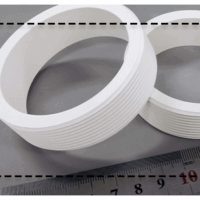













Related Quartz Ceramic Components & Quotation

Quartz Ceramics Electrical and Insulation Performance Starts With Defined Requirements
Evaluate the part, its interfaces, service environment, and verification needs together before selecting a material or requesting a quotation.
Current Drawing Revision
Provide the current drawing revision, critical dimensions, tolerances, and notes so the component discussion begins with the configuration intended for production.
Material Grade Context
Identify the preferred material designation when known, then review whether its grade-specific electrical, thermal, and mechanical characteristics suit the stated application conditions.
Assembly-Driven Geometry
Define the tube, rod, ring, substrate, or custom profile around the dimensions that control fit, alignment, clearance, and installation within the assembled equipment.
Functional Surface Definition
Call out surfaces that mate with other parts, seal, locate, conduct, or require finish control, separating functional requirements from noncritical cosmetic preferences.
Service Condition Review
Describe voltage exposure, temperature, atmosphere, cycling, load, contamination risks, and operating duration to frame quartz ceramics electrical and insulation performance for the actual duty.
Inspection Evidence Planning
State the acceptance criteria, measurements, records, and documentation needed for approval so quotation discussions address how the finished component will be evaluated.
Technical Ceramic Component Options
Explore technical ceramic components and industrial ceramic parts by material, component form, application, and technical reference; then move to a drawing-led inquiry.

Ceramic Manufacturing Capabilities
Review ceramic manufacturing capabilities in the context of the part: forming approach, geometry, mating features, toleranced dimensions and inspection needs. Share the current drawing revision, quantity and acceptance requirements so feasibility and quotation questions can be defined early.
Discuss Your Ceramic Part
Ceramic Solutions by Industry
Explore advanced ceramics applications by operating environment and equipment function. Consider temperature, electrical duty, wear, chemical exposure, insulation needs and assembly interfaces alongside the component drawing before selecting a material family or requesting a quotation.
Discuss Your Ceramic Part
Advanced Ceramic Materials
Compare alumina ceramics, zirconia ceramics, silicon carbide ceramics, silicon nitride, aluminum nitride, and boron nitride for custom ceramic components. Material families are a starting point; grade, geometry, service conditions, and required documentation must be confirmed for each project.
Discuss Your Ceramic Part
Technical Ceramic Products
Browse technical ceramic products by familiar component forms, including tubes, rods, rings and substrates. Use each listing to frame an inquiry around dimensions, fit-critical surfaces, material designation, operating conditions and the inspection criteria needed for approval.
Discuss Your Ceramic Part
Technical Ceramic Resources
Use this technical ceramics guide to prepare a clearer sourcing discussion. Identify the drawing-controlled dimensions, mating surfaces, expected service environment, quantity and acceptance criteria, then contact Porcecore by email or WhatsApp with the information available.
Discuss Your Ceramic PartQuartz Ceramics Electrical and Insulation Performance: Material Considerations


High-Purity Alumina
A common choice for electrical insulators, substrates, spacers, and wear-conscious components. Available grades can differ in dielectric behavior, thermal response, strength, and machinability, so confirm the grade and inspection requirements for the individual part.
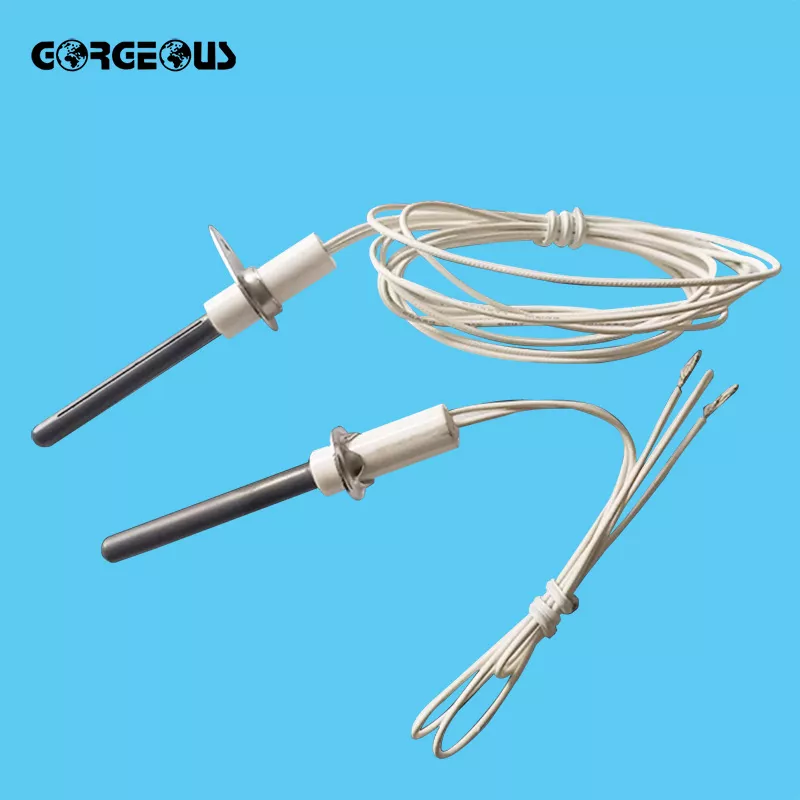
Aluminum Nitride
Considered for electronic substrates and insulating components where heat transfer is also part of the design requirement. Material selection should account for the operating environment, surface finish, geometry, joining interfaces, and applicable documentation needs.

Boron Nitride
Used in selected high-temperature electrical insulation, thermal processing, and non-wetting contact applications. Its suitability depends on the grade, component form, atmosphere, mechanical loading, and any dimensional or surface requirements identified on the drawing.
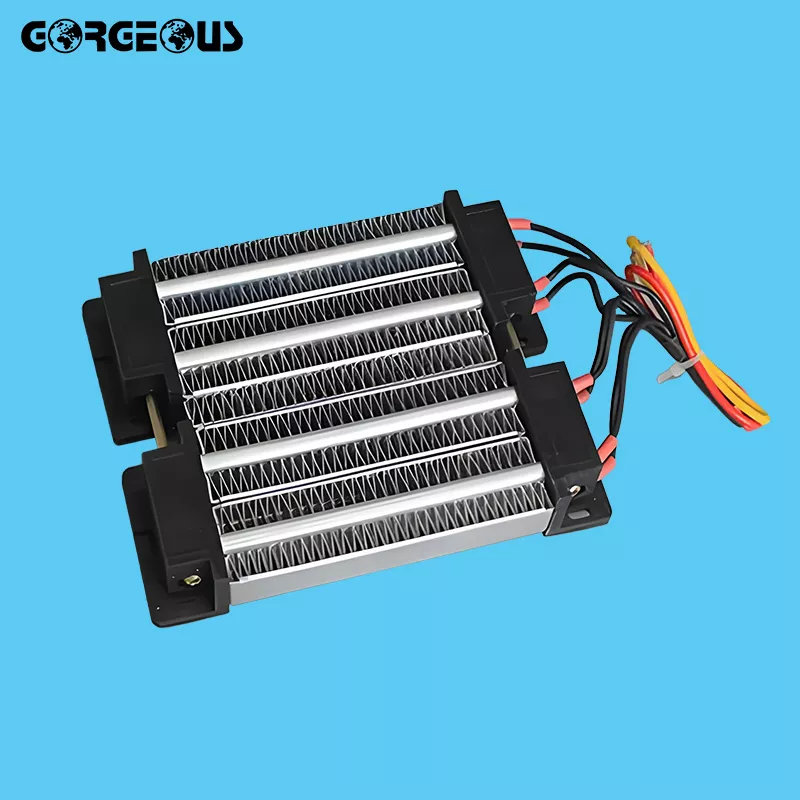
Zirconia Ceramics
Often evaluated for insulating rings, sleeves, and structural components that also face mechanical contact. Grade and stabilizer selection, tolerances, surface condition, and electrical service conditions should be defined before a production discussion.
Quartz Ceramics Electrical and Insulation Performance: Processing Routes

Powder Preparation
Material preparation begins with the selected composition and intended part form. The discussion should connect powder condition, forming approach, and service environment to the drawing, rather than treating a generic quartz request as a finished specification.

Part Forming
Forming options are considered around the component’s shape, wall sections, holes, and production quantity. Early geometry review helps identify which features should be formed directly and which require later machining.
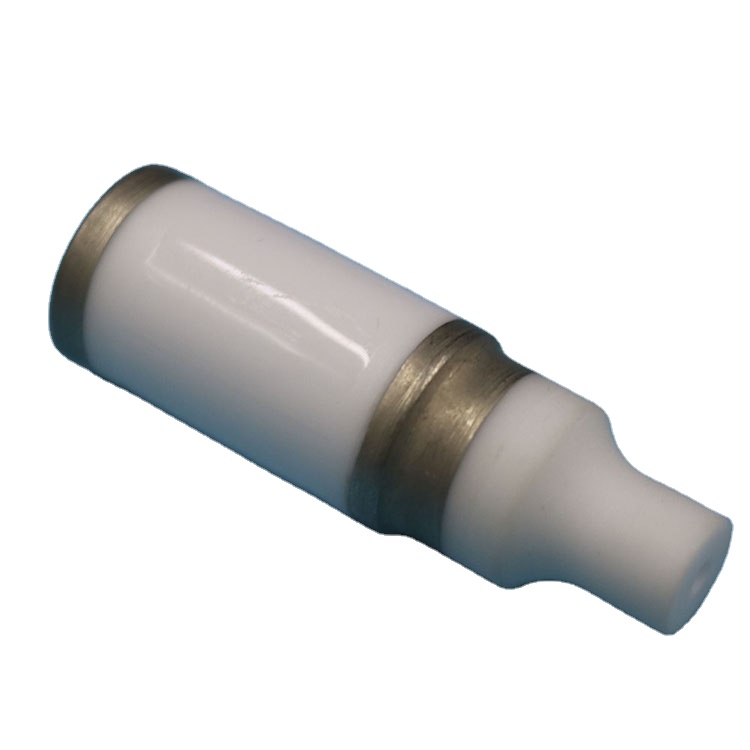
Green Machining
Features may be addressed before final densification when the geometry and tolerance plan support it. Share current drawings and mating relationships so the route can be evaluated against the dimensions that govern assembly.
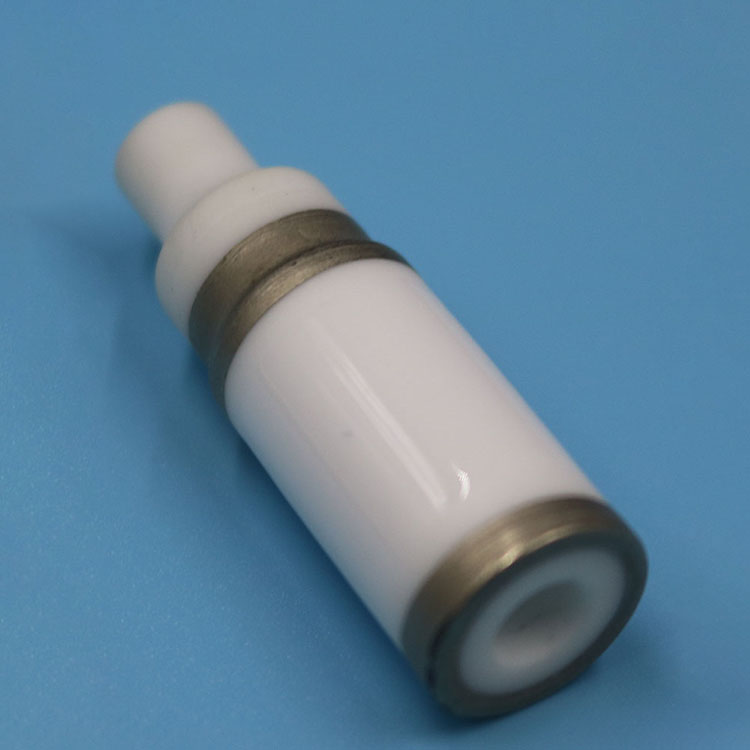
Thermal Processing
Thermal processing must be discussed with the specified material grade, component geometry, and operating environment in view. Project-specific requirements help frame questions about dimensional change, surfaces, and inspection expectations.
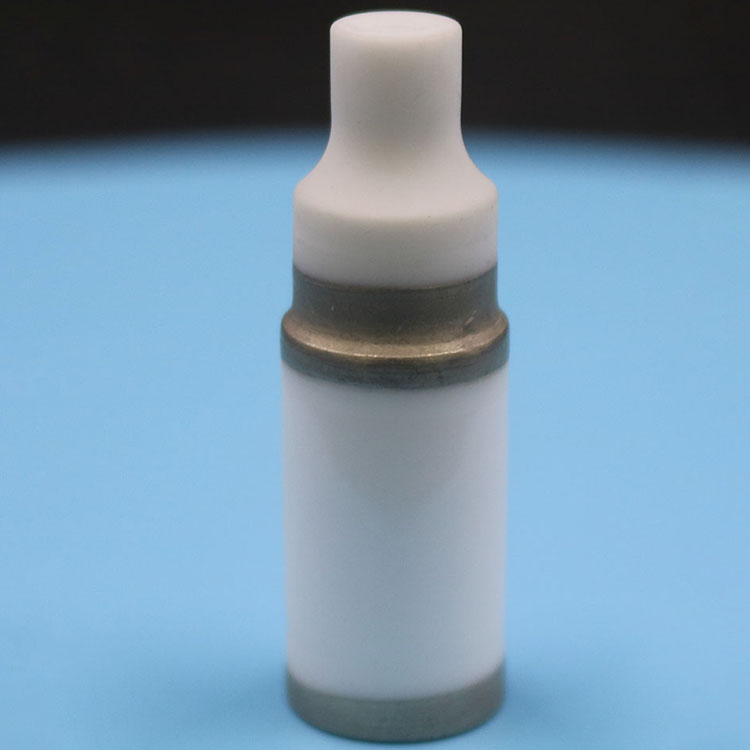
Finish Machining
Grinding and finishing discussions focus on fit surfaces, critical dimensions, edge conditions, and relevant tolerances. Identify the interfaces that mate with other parts, along with any drawing notes that affect acceptance.
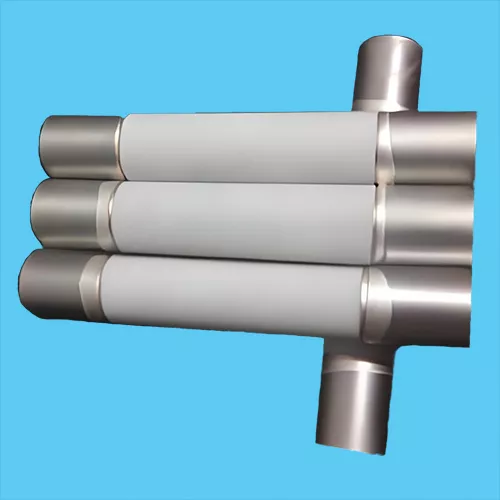
Requirement Inspection
Inspection planning follows the agreed drawing revision and acceptance criteria. Clarify which dimensions, surfaces, material details, and documentation are required for approval before quotation and production commitments are discussed.
Functional Features for Assembly and Identification
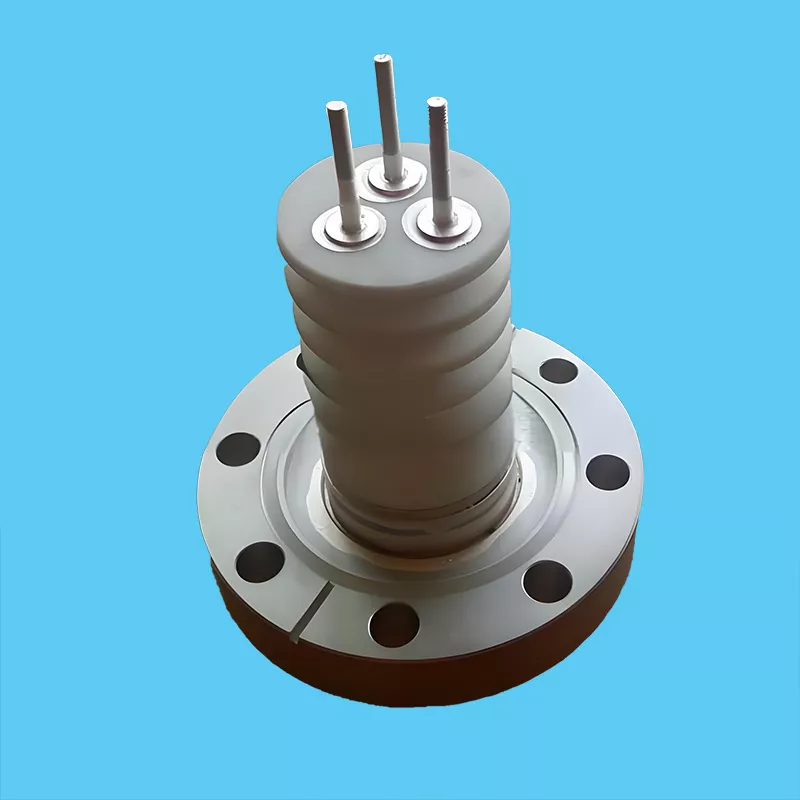
Mating Surface Callouts
Identify sealing, locating, or contact surfaces on the drawing so quartz ceramics electrical and insulation performance requirements are considered alongside the dimensions that control assembly.
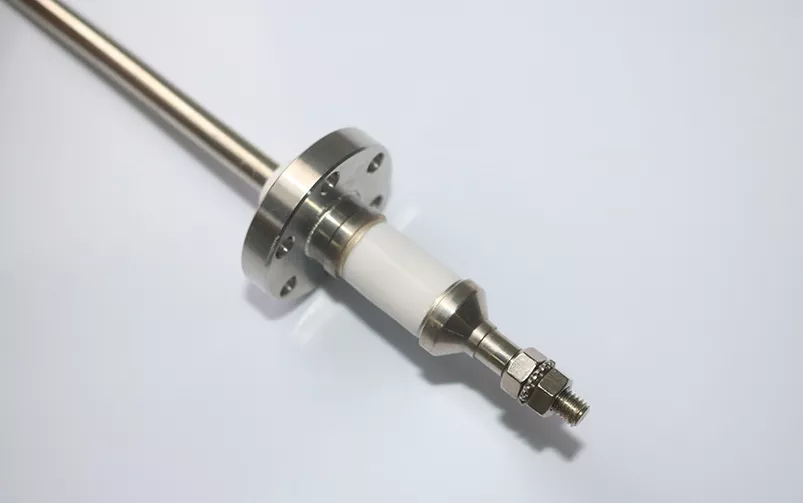
Orientation Flats
Flats, key features, or indexed geometry can help establish a repeatable installation position where component alignment, lead routing, or adjacent hardware requires clear orientation.

Part Identification Marks
Specify the required marking content, location, and method when a component needs project-level identification without leaving assumptions about visible surfaces or functional areas.
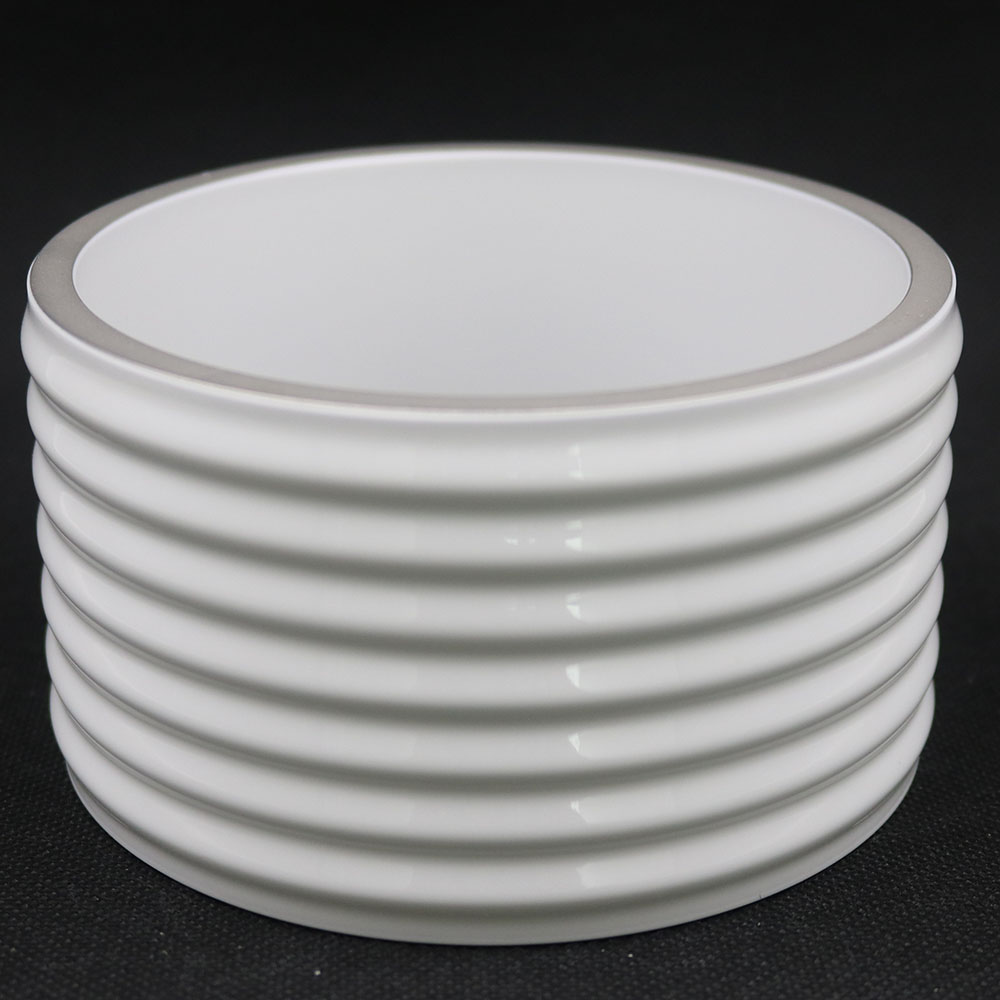
Inspection Reference Features
Datums, measurement points, and critical dimensions give inspection discussions a practical basis, especially where fit depends on bore position, face geometry, or mating interfaces.

Protective Handling Packs
Discuss separation, labeling, and packing expectations for parts with controlled surfaces or fragile geometry, so receiving and assembly teams can identify and handle components appropriately.
About Porcecore: Quartz Ceramics Electrical and Insulation Performance
Porcecore is a founder-led B2B technical ceramics brand founded by Andy Yuan. Our mission is to make ceramic procurement more understandable by connecting the material discussion to the actual component, application, and decision the buyer needs to make.
For quartz ceramics electrical and insulation performance, we begin with the part and its operating environment. A tube, rod, ring, or substrate needs more than a material name: geometry, mating surfaces, service conditions, inspection expectations, and acceptance criteria should be reviewed together.
Our difference is drawing-led, application-first communication. Send the current drawing revision, known material designation, quantity, service conditions, and required documentation. Porcecore helps procurement teams and engineers identify open requirements before a quotation discussion, while confirming grade, dimensions, tolerances, delivery, and commercial terms for each project.

Quartz Ceramics Electrical and Insulation Performance Review
Start With Critical Geometry
Share the current drawing revision and identify dimensions that control fit, clearance, alignment, or electrical separation. Porcecore helps frame the inquiry around the part geometry and interfaces that matter before material and production discussions move forward.
- Current drawing revision and part form
- Assembly-critical dimensions and tolerances
- Bores, grooves, edges, and datum references
- Surfaces that mate with other components

Define the Service Environment
Quartz ceramics electrical and insulation performance should be considered with the actual operating environment in view. Describe voltage exposure, temperature range, cycling, atmosphere, frequency considerations, and mechanical loading so the proposed component discussion reflects the job the part must perform.
- Electrical duty and insulation function
- Operating temperature and thermal cycling
- Atmosphere, moisture, or chemical exposure
- Mechanical loads and installation conditions

Confirm Acceptance Requirements
A material name or product illustration does not define an acceptable production part. Clarify the requested material designation, inspection points, cosmetic expectations, and documentation needed for your project, allowing quotation conversations to distinguish essential requirements from preferences.
- Material designation, if known
- Dimensional and visual inspection needs
- Required reports or project documentation
- Quantity, delivery context, and approval criteria

Quartz Ceramics Electrical and Insulation Performance: Requirement-First Sourcing
Compare a drawing-led review with material-only sourcing conversations before project terms are confirmed.
← Swipe left or right to view →
Quartz Ceramics Electrical and Insulation Performance: From Requirements to Delivery
A drawing-led path for turning component requirements into a clearer quotation, confirmation, inspection, packing, and delivery discussion.
Share Part Requirements
Send the current drawing revision, known material designation, quantity, operating conditions, mating surfaces, and dimensions that determine fit within the assembly.
Clarify Application Details
Review quartz ceramics electrical and insulation performance needs alongside geometry, service environment, critical tolerances, and any open questions affecting material or process selection.
Define Quotation Basis
Align the proposed part scope around grade, dimensions, quantity, documentation needs, acceptance criteria, delivery expectations, and commercial details before a quotation discussion proceeds.
Confirm Production Requirements
Confirm the agreed drawing, material grade, inspection expectations, packing requirements, delivery terms, and other project-specific details before treating the inquiry as a production order.
Review Inspection Expectations
Identify critical dimensions, fitting surfaces, requested records, and acceptance criteria so inspection expectations are clear for the individual ceramic component project.
Coordinate Packing And Delivery
Discuss protective packing, shipment coordination, required documentation, and delivery timing according to the confirmed order requirements and destination needs.
Quartz Ceramics Electrical and Insulation Performance: Start Your Inquiry
Provide the details that connect material selection, component geometry, and project acceptance requirements.
Send Current Drawing
Send the current drawing revision, including dimensions that control assembly and surfaces that mate with other parts, so the component discussion starts from defined geometry.
Identify Service Conditions
Identify the material designation if known, then describe voltage exposure, temperature, frequency, atmosphere, and mechanical loads relevant to quartz ceramics electrical and insulation performance.
Confirm Critical Requirements
Confirm tolerance priorities, inspection expectations, documentation needs, quantity, and acceptance criteria. This separates essential requirements from preferences before a project-specific sourcing discussion moves forward.
Discuss Quotation Scope
Discuss quotation scope with Porcecore, including feasible grade and geometry considerations, delivery expectations, and commercial terms requiring confirmation for the individual project.
Quartz Ceramics Electrical and Insulation Performance Documentation Review
Customer Feedback and Application Cases Pending Approval
Verified customer feedback and application outcomes will be added here only after project details, approved wording, and any reported results have been confirmed with the customer.
Future case feedback will identify the component form, drawing revision context, and the specific sourcing or assembly requirement discussed, rather than presenting unverified material-performance claims.
Where customers approve publication, Porcecore will share relevant project feedback with clear limits on grade, geometry, service conditions, inspection requirements, and results for the individual application.
Quartz Ceramics Electrical and Insulation Performance FAQ
Clarify the part requirement before requesting a project-specific quotation.
How should we evaluate quartz ceramics electrical and insulation performance for our application?
What drawing information is needed for a quartz ceramic component quotation?
Can you recommend a grade based on quartz ceramics electrical and insulation performance requirements?
Which tolerances and surfaces should be identified on the drawing?
How do quantity and annual demand affect a quotation discussion?
What evidence can support quartz ceramics electrical and insulation performance acceptance?
How should we describe service conditions for an insulating ceramic part?
Can Porcecore handle IP-sensitive quartz ceramics electrical and insulation performance inquiries?
Quartz Ceramics Electrical and Insulation Performance: Buyer’s Guide
Use a practical decision framework to evaluate electrical insulation requirements, compare material and processing options, qualify suppliers, and avoid specification mistakes that can undermine component reliability, lead time, and total procurement cost.
1. Quartz Ceramics Electrical and Insulation Performance Defined
Six linked measures define quartz ceramics electrical and insulation performance: dielectric strength, volume resistivity, dielectric constant, dissipation factor, insulation resistance, and their change in service. Dielectric strength concerns breakdown under an applied field; resistivity and insulation resistance concern leakage paths; dielectric constant and dissipation factor describe field storage and loss.
300–1000 K testing of natural quartz reported temperature- and frequency-dependent dielectric behavior, so a room-temperature datasheet is not a service guarantee (https://link.springer.com/article/10.1007/s12633-021-01318-7). Humidity, ionic residue, conductive dust, pores, and surface contamination can further reduce practical insulation resistance, especially across exposed surfaces.
One finished component must be evaluated as a system, not as a material label. Operating voltage, wall thickness, creepage distance, electrodes, surface finish, temperature, frequency, conditioning, and the specified test method determine whether a reported value is relevant; provide the drawing revision and acceptance criteria for a meaningful quotation discussion.
2. Evolution of Quartz Ceramic Insulation
SiO2-based quartz and fused silica became established choices where electrical isolation had to coexist with heat exposure, low expansion, and thermal-shock resistance. Their use moved from bulk furnace and laboratory parts toward formed insulators, windows, and precision component geometries as electronics and process equipment imposed tighter assembly requirements.
300–1000 K dielectric testing of natural quartz found temperature- and frequency-dependent behavior, underscoring why higher-frequency electronics and power systems cannot rely on room-temperature legacy assumptions alone. Aerospace thermal cycling and semiconductor processing likewise shifted selection toward controlled purity, porosity, interfaces, and documented acceptance tests. Source: https://link.springer.com/article/10.1007/s12633-021-01318-7
5 kW quartz-lamp testing of fiber-reinforced fused quartz ceramics reached a reported 1153 °C surface temperature, illustrating the continuing role of engineered structures in severe thermal environments. Established fused-silica families and newer composites or modified formulations should be qualified against the actual voltage, frequency, thermal cycle, geometry, and mating conditions. Source: https://www.mdpi.com/2072-666X/14/6/1231
3. Types of Quartz Ceramic Insulation Components
Material form determines whether quartz ceramics electrical and insulation performance is evaluated as a dense electrical part or a thermal barrier. Confirm density, geometry, temperature exposure, and test method before selecting a grade.
| Form | Typical Geometry | Selection Fit |
|---|---|---|
| Fused silica | Rings, tubes, plates | Dense precision parts |
| Fiber-reinforced quartz | Panels, shells | Thermal cycling barriers |
| Porous quartz | Blocks, liners | Lightweight thermal barriers |
| Quartz composite | Custom shapes | Application-specific tradeoffs |
Dense Fused Silica
Fused silica suits dense tubes, plates, rings, and precision insulators where smooth mating surfaces and dimensional control matter. Its low-expansion behavior helps during thermal cycling, but dielectric properties remain grade- and condition-dependent.
Structured Quartz Forms
Fiber-reinforced and porous quartz structures reduce heat transfer through their architecture. Fiber reinforcement can slow longitudinal heat flow, while porosity favors lightweight barriers over tight-tolerance, load-bearing electrical components.
Composite Options
Quartz-containing composites combine quartz with a ceramic matrix to tune expansion, strength, or processing. Specify the matrix, moisture exposure, frequency, and required insulation test; a material-family label cannot establish performance.
4. Quartz Ceramics Electrical and Insulation Performance Materials
Quartz ceramics electrical and insulation performance depends on the delivered microstructure, not the material label alone. Feedstock purity, silica phase, particle size, binder residue, reinforcement, and open porosity can change reliability between lots.
| Material Choice | Electrical Priority | Thermal Priority | Manufacturing Effect |
|---|---|---|---|
| High-purity fused silica | Lower contamination risk | Low expansion focus | Controlled sintering |
| Fine-particle dense body | More uniform insulation | Better heat path consistency | Tighter processing control |
| Porous reinforced composite | Application-dependent dielectric path | Thermal-shock tolerance | Complex forming and inspection |
Material Variables
Fused silica, crystalline quartz, and composite formulations should be distinguished on the drawing and certificate. Particle distribution and binder system affect densification; fiber reinforcement or a secondary matrix can alter thermal-shock behavior and electrical uniformity.
Data Package
Each lot should carry composition, bulk density, apparent porosity, and lot traceability. Request dielectric strength or resistivity with electrode geometry, voltage ramp, frequency, humidity, and test temperature, plus the intended service-temperature range.
5. Engineered Options and Surface Treatments
Engineered options should begin with the assembly drawing and the electrical environment. Each requested feature needs a stated function, acceptance method, and effect on quartz ceramics electrical and insulation performance.
Geometry And Fit
Drawing-controlled diameter, wall thickness, holes, and machined shoulders determine mating fit.
Specified radii and creepage distances help avoid unintended field concentration and shortened leakage paths.
Inserts And Surface Finish
Threaded interfaces or metal inserts require feasibility review because local stresses and joining details matter.
Defined roughness on sealing or contact surfaces can improve assembly consistency; decorative polishing rarely improves insulation.
Cleanliness And Protection
Specified cleaning limits residues that can create surface tracking paths in service.
Glazes or coatings should be requested only with a defined arc-resistance, contamination, or chemical-exposure purpose; package parts to protect critical surfaces and verify them at inspection.
6. Construction Quality for Reliable Insulation
Real insulation reliability depends on construction quality as much as nominal quartz properties. Porcecore buyers should convert each defect risk into a drawing note, inspection method, and project-specific acceptance criterion.
Control Internal Defects
Critical parts may require visual inspection for chips, cracks, inclusions, and open pores, subject to the project-specific inspection plan.
Where internal porosity or homogeneity is a credible failure risk, agree appropriate sampling or non-destructive evaluation methods.
- Define allowable pore size and location
- Specify crack-free functional surfaces
- Retain lot traceability where required
Design The Electrical Path
Two electrical-path dimensions require confirmation: creepage along the surface and clearance through air. Edge radii, uniform wall thickness, and protected corners can reduce local field concentration and handling damage.
Drawing-controlled minimum radii and thickness limits should apply at mounting holes, transitions, and mating faces.
Protect Finished Surfaces
A post-machining review should check grinding damage, sharp edges, contamination, and cleaning residues. Surface cleanliness and dry handling matter because moisture films can change leakage behavior.
Final acceptance should define cleaning condition, packaging, storage humidity limits, and reinspection after shipment when the application is sensitive.
7. Choosing a Quartz Ceramic Manufacturer
One approved drawing revision should anchor supplier selection for quartz ceramics electrical and insulation performance. Request evidence tied to the proposed part, not a generic material datasheet.
Engineering And Process Control
One technical review should cover service voltage, temperature, geometry, mating surfaces, forming route, firing controls, and precision machining.
- Material-source identification
- Prototype and production capacity
- Controlled process changes
Metrology And Electrical Evidence
Three records matter: dimensional inspection, electrical test results, and lot traceability. Confirm test voltage, electrode arrangement, specimen thickness, temperature, humidity, frequency, sample count, and pass criteria before approving samples.
- Calibration status
- Measured dimensions
- Lot-linked test report
Production Approval Package
Two sample lots provide stronger evidence than one favorable result. Compare results across lots and require documented notification before material, firing, machining, inspection, or test-method changes.
- Drawing revision control
- Certificate requirements
- Change-control process
8. Common Quartz Ceramic Insulation Buying Mistakes
A pre-RFQ review prevents general quartz claims from becoming an untestable component requirement. Use the drawing, duty cycle, test method, and acceptance plan as one controlled package.
Material Name Only
One material name does not define purity, density, process route, or part condition. Ask: Which grade, dimensions, fitted surfaces, and electrical acceptance values apply?
Unmatched Test Conditions
Two dielectric results are not comparable without method, specimen geometry, frequency, temperature, and humidity. Require each certificate to state those conditions and the tested lot.
Geometry And Machining
One sharp edge, long creepage path, or machined surface can alter practical insulation behavior. Specify radii, surface finish, cleaning condition, and leakage-critical paths on the drawing.
Qualification Gaps
Three interacting exposures—temperature, frequency, and humidity—should reflect actual service rather than room-condition data alone. Define inspection characteristics, sampling plan, certificate contents, and disposition rules before qualification.
9. Launching an OEM Insulation Component
One OEM launch package should turn quartz ceramics electrical and insulation performance into measurable acceptance criteria before a supplier quotes. Engineering, quality, and purchasing should review the same controlled revision.
Define Service Inputs
One requirements sheet should state voltage, waveform, frequency, temperature range, environment, mechanical loading, and expected duty cycle.
- Identify mating interfaces and assembly forces.
- State creepage and clearance constraints.
- Attach applicable test standards.
Review The Preliminary Drawing
One preliminary drawing should identify critical dimensions, datum scheme, tolerances, surface requirements, and inspection points. Porcecore can discuss the part requirement, while grade and process suitability require project confirmation.
Qualify Before Production
Three gated stages reduce ambiguity: prototype testing, design verification, and pilot approval. Freeze the drawing, material designation, test method, sampling plan, documentation, and change-control path before production release.
- Record prototype results and deviations.
- Approve pilot inspection records.
- Return field feedback to the supplier.
10. Quartz Ceramics Electrical and Insulation Performance Pricing
Three commercial stages usually separate one-off development from repeat supply. Prototype quotations concentrate fixed engineering, tooling, machining setup, surface finish, inspection, packaging, and expedited scheduling into few parts.
One drawing revision can materially change cost when purity, large sections, thin walls, tight fits, complex holes, or documented electrical testing reduce yield. Request a part-specific quotation rather than treating general quartz ceramics electrical and insulation performance data as a finished-part specification.
Two controls lower total cost: freeze assembly-critical dimensions and identify which surfaces or tests are truly acceptance-critical. Provide quantity forecasts, packaging constraints, service conditions, drawing revision, and required documentation so alternatives can be evaluated before commitment.
| Supply tier | Pricing structure | Typical cost and lead-time drivers |
|---|---|---|
| Prototype | Highest unit cost | Setup, tooling, machining, inspection, expedited delivery |
| Low volume | Fixed costs spread across parts | Yield, complex geometry, finish, documentation |
| Production quantity | Lower unit cost when stable | Tooling amortization, repeatability, packaging, scheduled lead time |
Discuss Quartz Ceramics Electrical and Insulation Performance
Email your drawing, operating environment, quantity, and acceptance requirements to begin a clear project discussion with Porcecore.