
Zirconia Ceramics for Defined Part Requirements
Start with your drawing, operating conditions, mating surfaces, and acceptance criteria to make zirconia ceramics quotation discussions more specific.
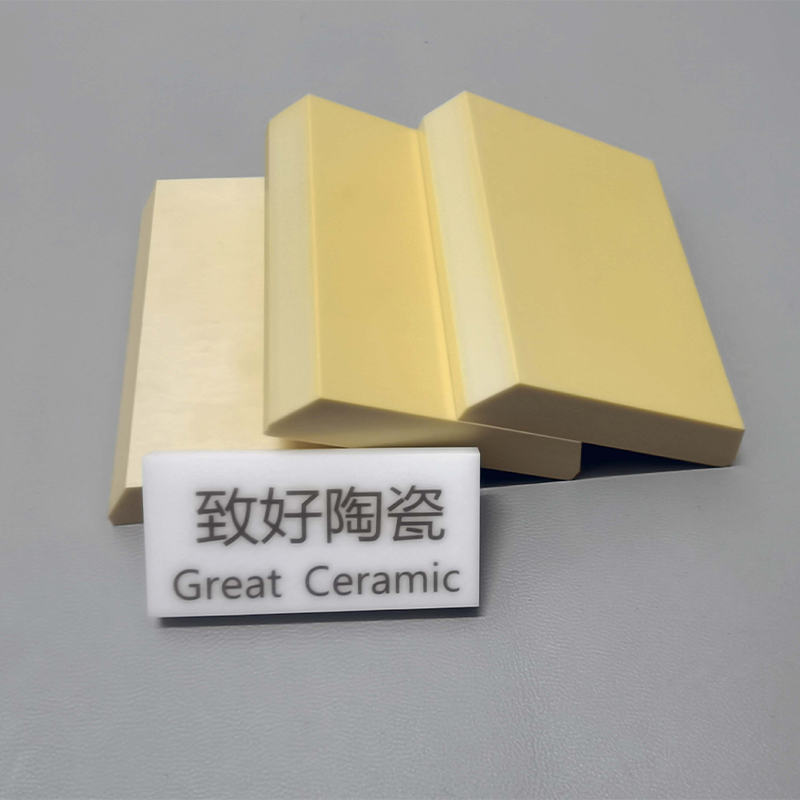
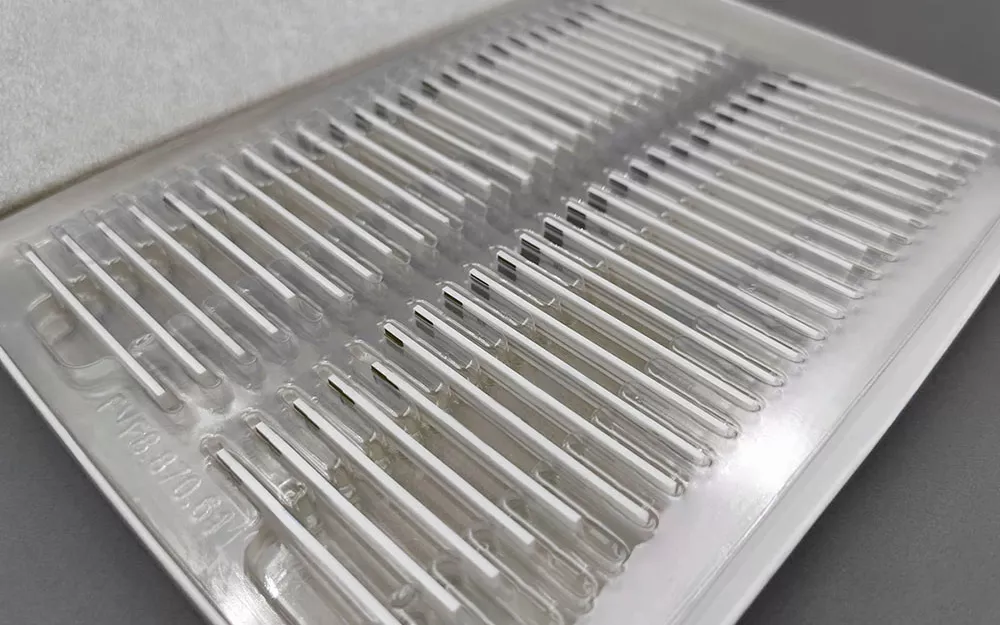
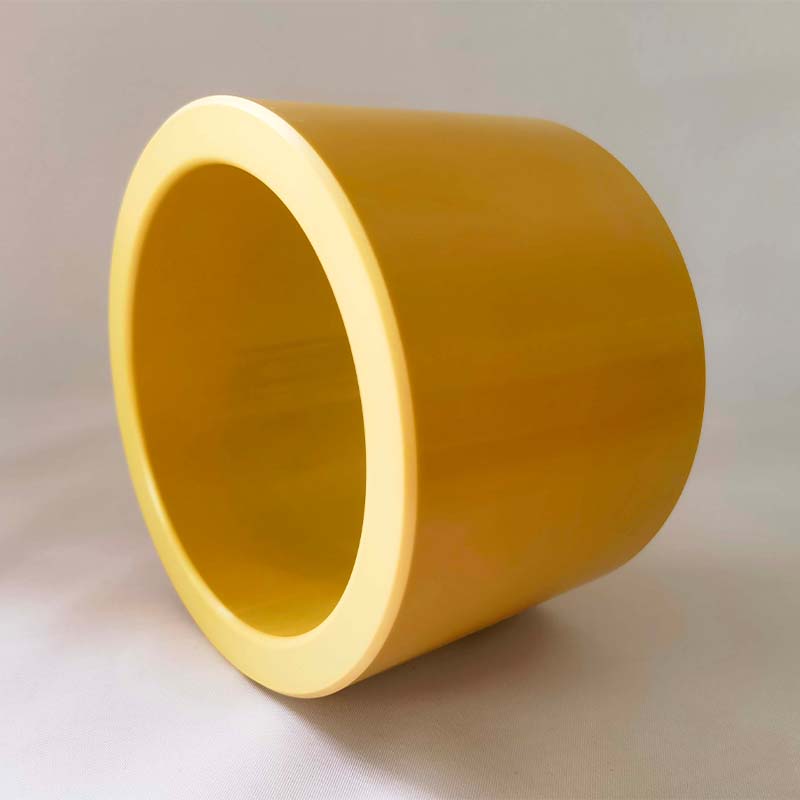
Featured Ceramic Component References






Related Product Catalogue and Quotation
Why Source Zirconia Ceramics Through Defined Requirements
Give each quotation conversation a practical starting point by aligning the drawing, application, interfaces, and acceptance needs before material and production details are reviewed.
Current Drawing Revision
Share the current drawing revision so dimensions, datums, notes, and changes can be discussed against one controlled reference for the requested zirconia ceramics component.
Grade Selection Context
Identify the zirconia grade if known, then relate it to operating conditions, mechanical demands, and material preferences that require project-specific review before quotation.
Assembly-Critical Geometry
Call out dimensions that determine fit, alignment, clearance, or sealing. Geometry becomes more useful when the component’s mating parts and assembly role are understood.
Functional Surface Definition
Identify sliding, sealing, contact, or wear-facing surfaces and clarify their role. This helps focus discussion on the surfaces that matter most to component function.
Application Conditions Provided
Describe media exposure, temperature, load, motion, electrical needs, and operating environment. These conditions help frame whether zirconia ceramics suit the intended component duty.
Inspection Evidence Expectations
State the dimensions, characteristics, documentation, and acceptance criteria required for approval, helping separate essential verification needs from preferences before a production order is agreed.
Zirconia Ceramic Categories for Industrial Projects
Review material, design, and application considerations before preparing a drawing-led inquiry for a project-specific zirconia component.

Zirconia Ceramics: Properties and Selection Guide
Use this guide to frame zirconia ceramic property requirements around the actual part: operating environment, mating surfaces, load, temperature, dimensions, and inspection criteria. General material data should be confirmed against the proposed grade and component geometry.
Discuss Your Ceramic Part
Zirconia Ceramics: Grades and Compositions
Zirconia grades and compositions can differ in stabilizer content, microstructure, and project suitability. Identify the material designation when known, then review it alongside service conditions, drawing requirements, quantity, and acceptance documentation needed for the intended component.
Discuss Your Ceramic Part
Zirconia Ceramics: Thermal Performance
Thermal performance discussions should consider operating temperature, heating and cooling cycles, thermal gradients, adjacent materials, and geometry. Share the service environment and critical dimensions so grade selection and part design can be evaluated for the specific application.
Discuss Your Ceramic Part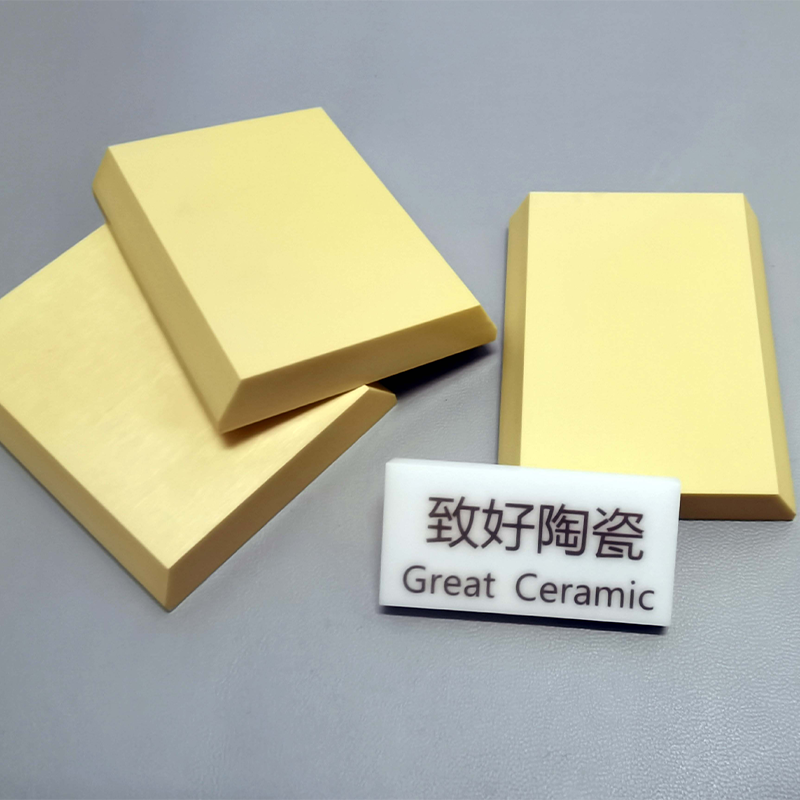
Zirconia Ceramics: Mechanical and Wear Performance
For wear-loaded zirconia components, define contact surfaces, load type, movement, mating material, lubrication or media, and allowable wear. These details help connect mechanical and wear considerations to the component’s geometry, finish expectations, and inspection requirements.
Discuss Your Ceramic Part
Zirconia Ceramics: Electrical and Insulation Performance
Electrical and insulation requirements depend on voltage conditions, environment, component geometry, surface condition, and adjacent assemblies. State the application context, critical insulating surfaces, and any required test or documentation criteria when requesting a zirconia ceramic part.
Discuss Your Ceramic Part
Zirconia Ceramics: Machining and Design Guide
Zirconia design and machining considerations begin with the current drawing revision, tolerances, radii, holes, threads, surface finishes, and assembly interfaces. Clearly identify dimensions that determine fit and function before discussing process options or quotation assumptions.
Discuss Your Ceramic Part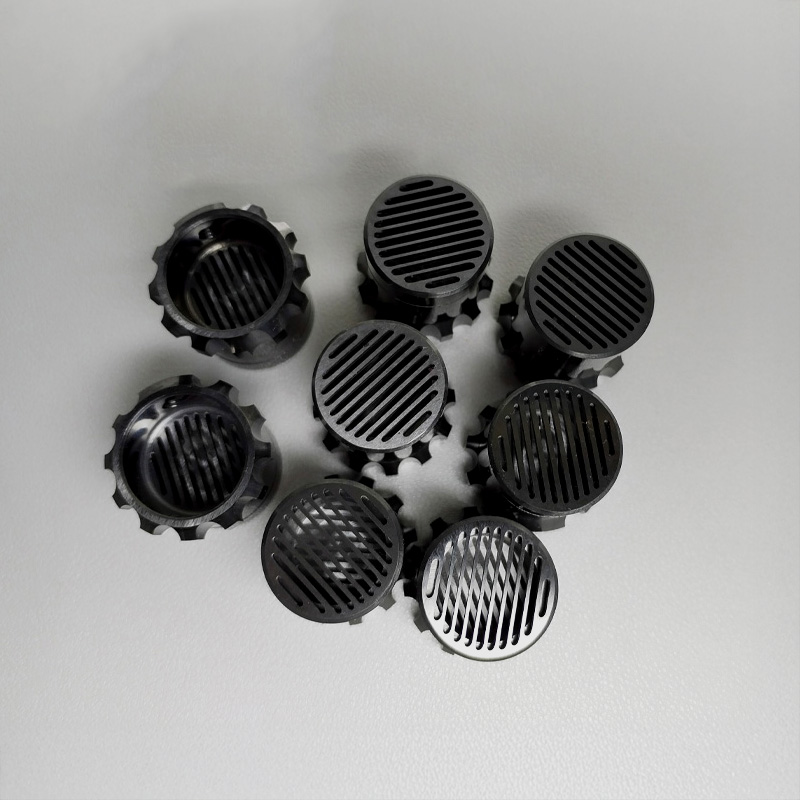
Zirconia Ceramics: Applications and Component Selection
Applications range from wear and sealing parts to insulating, structural, and precision ceramic components. Start with the job the part must perform, then provide the drawing, operating conditions, material preference, quantity, and acceptance criteria for a focused component-selection discussion.
Discuss Your Ceramic PartZirconia Ceramics Material Options for Your Application
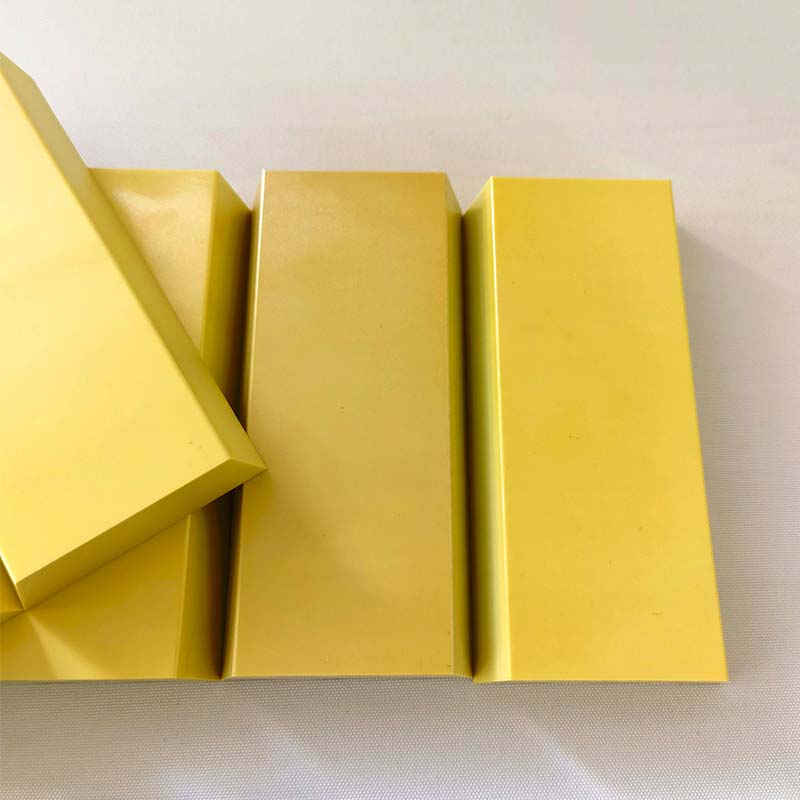
Yttria Stabilized Zirconia
Often reviewed for components needing strength, toughness, wear resistance, and a refined surface finish, such as sliding parts. Confirm the exact designation, operating environment, dimensions, and inspection needs for the part. Source: https://global.kyocera.com/prdct/fc/material-property/material/zirconia/index.html
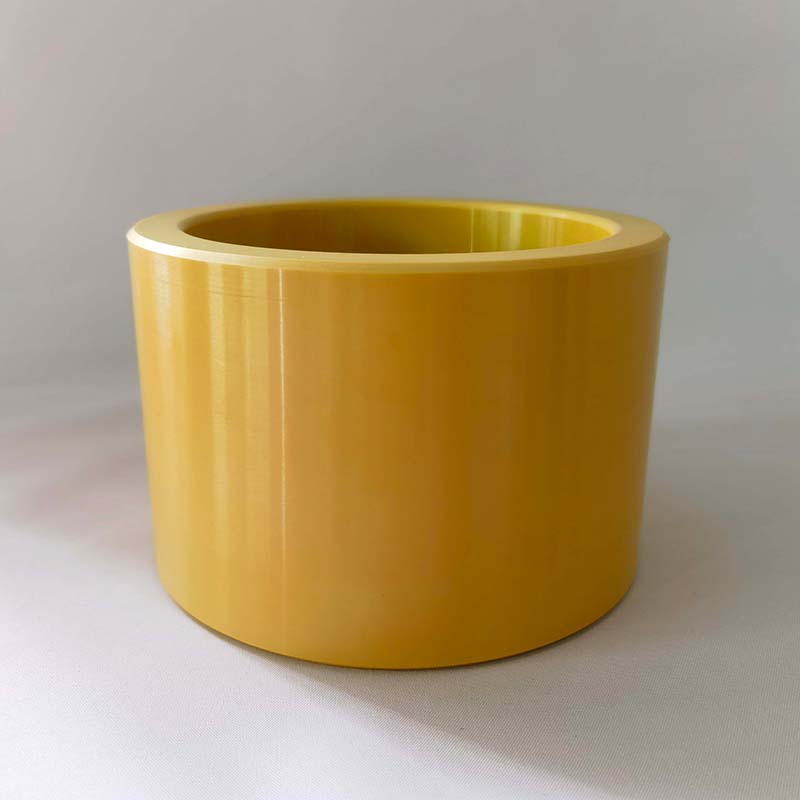
Magnesia Stabilized Zirconia
A stabilized zirconia option to assess where project conditions may influence thermal and mechanical requirements. Provide the drawing revision, service temperature, mating surfaces, and acceptance criteria so grade suitability can be discussed. Source: https://precision-ceramics.com/materials/zirconia
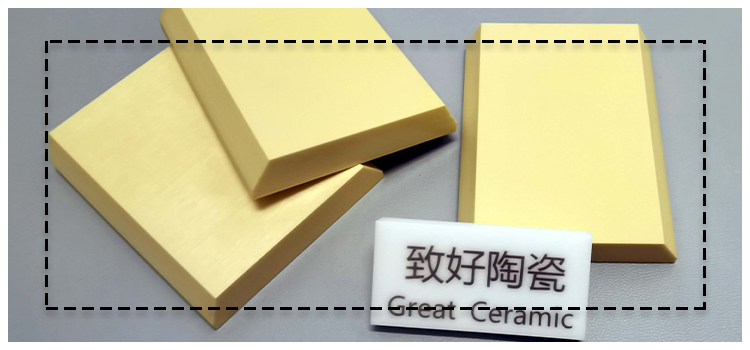
Partially Stabilized Zirconia
Partially stabilized zirconia is a material family rather than a complete part specification. It may be considered for wear, structural, or thermal-duty components, subject to confirmed stabilizer system, geometry, load conditions, and inspection expectations. Source: https://www.iqsdirectory.com/articles/ceramic/zirconia-ceramics-and-zta.html

Fully Stabilized Zirconia
Fully stabilized zirconia may enter discussion for application-specific thermal or ionic-performance needs. Material designation alone is insufficient; identify the component form, operating environment, interfaces, documentation needs, and project acceptance requirements before commitment. Source: https://www.iqsdirectory.com/articles/ceramic/zirconia-ceramics-and-zta.html
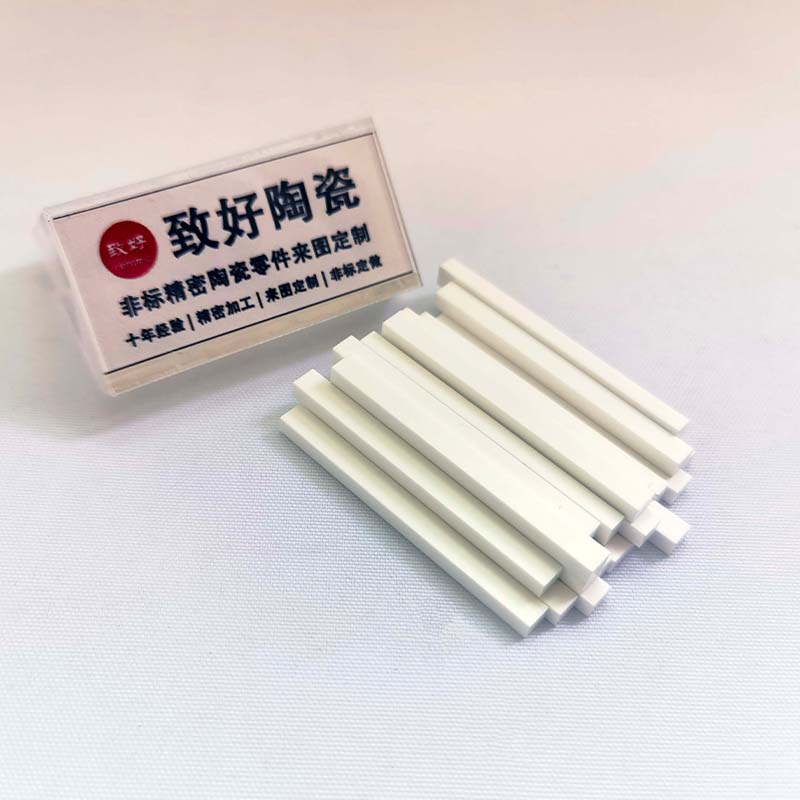
Zirconia Toughened Alumina
Zirconia toughened alumina is a related composite worth reviewing when wear and toughness are central selection questions. Share the current drawing, duty cycle, contact surfaces, quantity, and required dimensional or material documentation. Source: https://www.iqsdirectory.com/articles/ceramic/zirconia-ceramics-and-zta.html
Zirconia Ceramics: Processes for Component Requirements
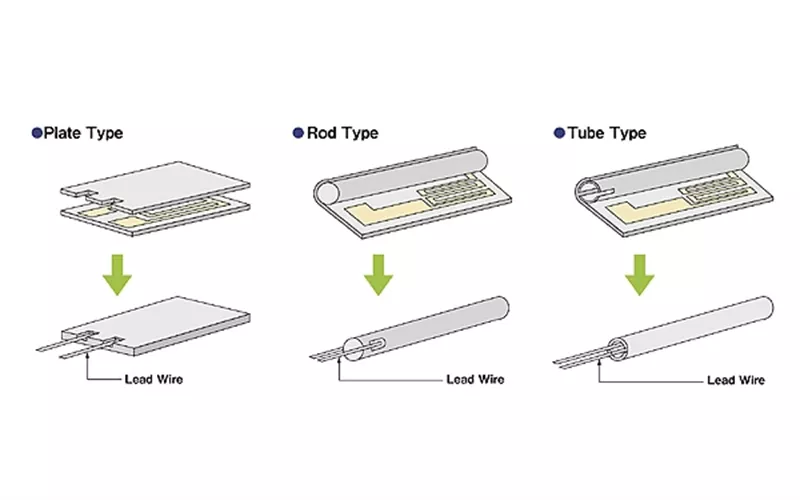
Powder Preparation
Powder selection, blending, and conditioning can be discussed in relation to the requested zirconia grade and component purpose. The resulting route should be confirmed against project-specific material, geometry, and inspection requirements.


Controlled Firing
Firing conditions are part of the material and dimensional discussion, particularly where shrinkage-sensitive dimensions or mating surfaces matter. Final requirements should distinguish general expectations from the agreed part specification.

Precision Machining
Grinding and machining discussions focus on dimensions that govern assembly, fits, holes, and functional surfaces. Identify tolerances, datum references, and drawing revisions so the quotation can address the required finished geometry.
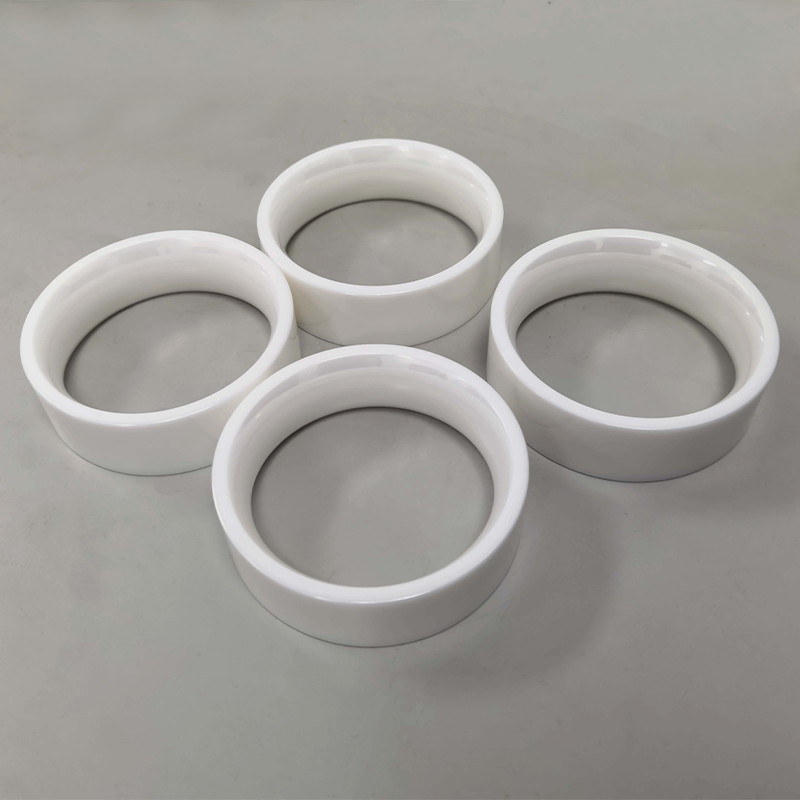
Surface Finishing
Surface condition may affect sliding contact, sealing, wear behavior, or assembly. Specify the relevant faces, finish expectations, edge conditions, and any cosmetic limits rather than relying on a product image alone.

Final Inspection
Inspection planning can be aligned with the dimensions, material documentation, and acceptance criteria needed for approval. Define which characteristics require reporting before production and commercial terms are confirmed for the individual project.
Zirconia Ceramics Component Features to Specify

Threads and Inserts
Identify thread type, size, depth, engagement, and whether a metal insert or mating feature is involved. These details help frame the assembly interface and the review needed for a zirconia ceramic component.

Precision Holes
State hole diameter, depth, position, counterbore or chamfer needs, and any datum relationship. Note whether the hole guides a shaft, carries a fastener, supports flow, or serves another assembly function.

Functional Grooves
Call out groove profile, location, depth, edge condition, and intended purpose, such as sealing, retention, or fluid control. Include the mating-part context where groove dimensions affect the assembled component.
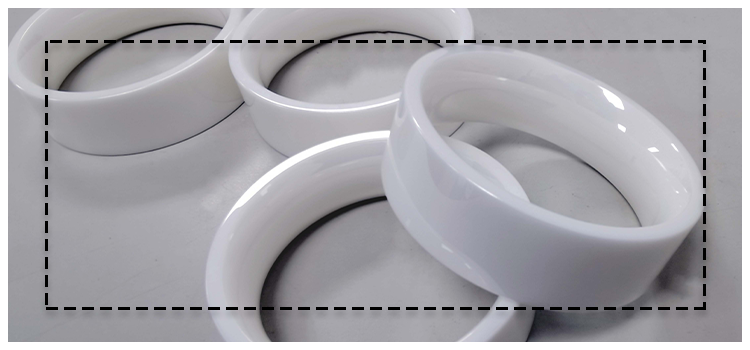
Surface Finish
Mark surfaces requiring grinding, polishing, or a defined finish, especially where wear, sealing, sliding, or cleaning matters. Distinguish general surfaces from those with project-specific finish or inspection expectations.

Fit Surfaces
Highlight diameters, faces, and reference features that locate against another part. Provide tolerances, mating-material details, and assembly conditions so the zirconia ceramics inquiry is grounded in the required interface.
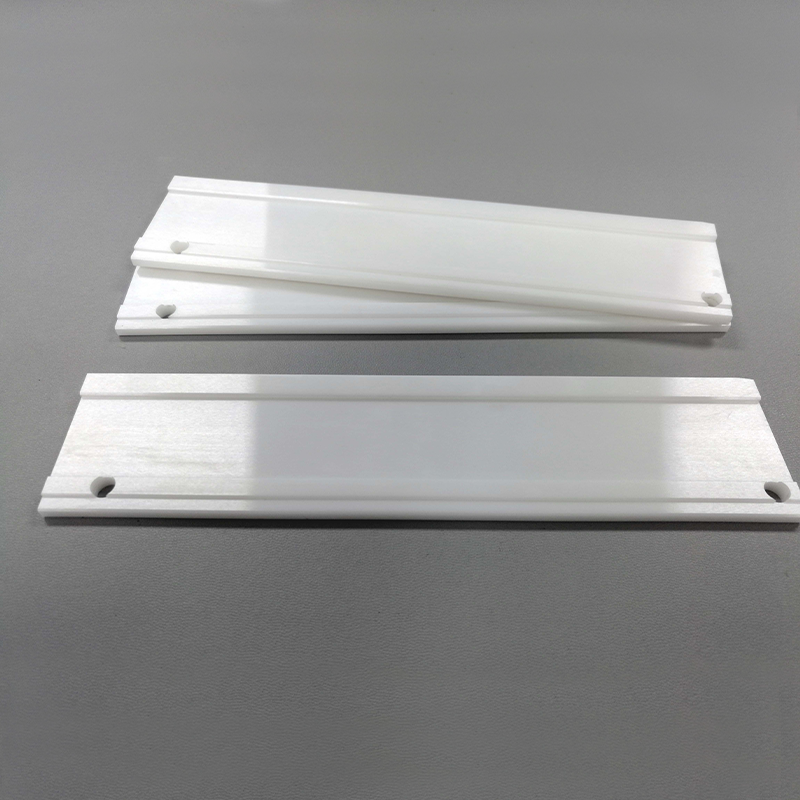
Part Identification
Specify identification marks, batch references, orientation marks, packaging labels, or documentation links needed for receiving and traceability. Clarify placement restrictions where marking could affect a functional or appearance-critical surface.
About Porcecore: Zirconia Ceramics Sourcing
Founded by Andy Yuan, Porcecore helps industrial buyers, equipment builders, and project teams turn ceramic material questions into clearer component requirements. Our focus is technical ceramic components, including zirconia ceramics, considered alongside the work each part must perform.
We begin with the part: its geometry, mating surfaces, service conditions, and inspection expectations. A tube, rod, ring, or substrate needs more than a material name. Drawing-led inquiries give quotation discussions a concrete starting point and help identify what must be confirmed for the project.
Porcecore brings oxide, nitride, carbide, and specialty ceramic families into one practical sourcing conversation, including alumina ceramics, silicon carbide ceramics, and other industrial ceramic parts. For custom ceramic components, send the current drawing revision, known material designation, quantity, operating environment, and acceptance criteria. Contact us directly at info@zlrsmaterials.com or on WhatsApp at +86 130 6482 5920 to define the next decision before commitments are made.

Zirconia Ceramics Capability Review for Better-Defined Part Requests
Review the Functional Requirement
Start with the component’s job, not a material label alone. Porcecore helps frame a zirconia ceramics inquiry around operating conditions, mating parts, critical geometry, and the decisions that still need engineering confirmation.
- Describe the component’s function and service environment
- Identify loads, wear, temperature, media, or electrical considerations
- Flag interfaces, assembly-critical dimensions, and replacement-part context
- Separate confirmed requirements from open technical questions

Work From the Current Drawing
A current drawing revision gives the quotation discussion a practical foundation. Share the part geometry, dimensions, tolerances, and notes so zirconia ceramics can be considered against the actual component rather than an incomplete description.
- Provide the latest drawing revision or a clear dimensional sketch
- Mark critical dimensions and tolerance-controlled features
- Identify sealing, sliding, locating, or fit-related surfaces
- Include quantity, target timing, and revision-control requirements

Connect Grade to Part
Zirconia ceramics may be evaluated alongside the shape, finishing needs, and operating environment of the proposed part. Grade selection, geometry, and process considerations should be discussed together before a project-specific direction is confirmed.
- State the material designation if it is already known
- Explain the application and expected service conditions
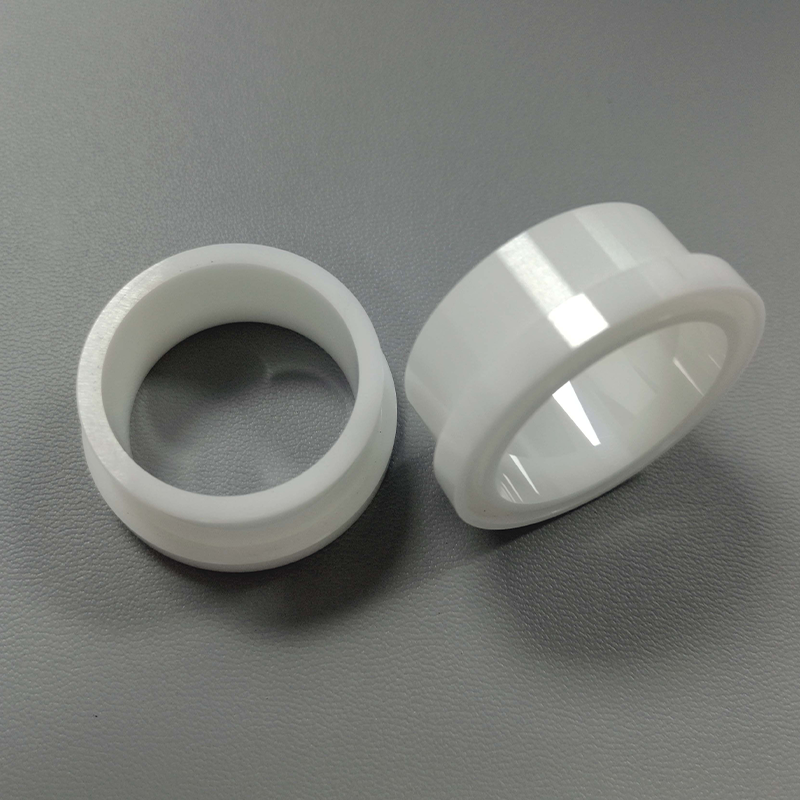
- Discuss whether tubes, rods, rings, plates, or custom forms are needed
- Clarify which material characteristics matter most to the application
Confirm Acceptance Expectations
Inspection, documentation, delivery, and commercial terms belong in the same project conversation as the part design. Porcecore invites buyers to state the evidence and acceptance expectations needed for their specific zirconia ceramics inquiry.
- List required inspection points and acceptance criteria
- Specify material, dimensional, or traceability documentation needed
- Identify packaging, delivery, and approval milestones
- Send details by email or WhatsApp to begin the review

Why Choose a Drawing-Led Zirconia Ceramics Inquiry
Compare a requirements-led discussion with a material-only sourcing conversation.
← Swipe left or right to view →
Zirconia Ceramics Project Discussion and Production Workflow
Move from an initial component requirement to confirmed production, inspection, packing, and shipping details with a clearer basis for each decision.
Submit Your Part Requirement
Send the current drawing revision, material designation if known, quantity, service conditions, mating surfaces, and acceptance criteria for the zirconia component under review.
Clarify Technical Details
Review geometry, critical assembly dimensions, surface requirements, operating environment, documentation needs, and open questions so the request is defined beyond a material name.
Review Quotation Basis
Discuss the project-specific grade, component form, quantity, inspection expectations, delivery considerations, and commercial details needed to establish a quotation conversation with clear assumptions.
Confirm Production Requirements
Before production commitment, confirm the agreed drawing, material grade, dimensions, tolerances, inspection scope, documentation, packing approach, delivery terms, and other project-specific requirements.
Confirm Packing and Shipping
Review packing and shipping details against the agreed order requirements, then confirm dispatch information so procurement and project teams can coordinate the next receiving steps.
How to Work With Porcecore on Zirconia Ceramics
Move from drawing review to project-specific terms with a defined discussion process.
Send Your Current Drawing
Share the current drawing revision, known material designation, quantity, service conditions, and acceptance criteria so Porcecore can begin a zirconia ceramics discussion with useful context.
Clarify Open Requirements
Identify mating surfaces, assembly-critical dimensions, and inspection expectations. Clarify open questions about grade, geometry, or operating environment before the quotation basis is prepared.
Review the Quotation Basis
Review the proposed basis for material, component details, documentation, delivery considerations, and commercial assumptions to distinguish confirmed requirements from points needing further project discussion.
Confirm Project-Specific Terms
Confirm the agreed drawing, material grade, dimensions, tolerances, acceptance criteria, documentation, delivery, and commercial terms before proceeding with a production order.
Certificates and Documentation for Project Review

Zirconia Ceramics Project Conversations and Buyer Feedback
Verified customer feedback will be published here only after the customer approves attribution, wording, and any project-specific outcomes for this zirconia ceramics requirement.
This space is reserved for an approved customer perspective on drawing review, material discussions, and the requirements that supported a zirconia ceramics quotation conversation.
Project outcomes, quantities, dimensions, and acceptance details will be included only when they are confirmed by the relevant customer and suitable for publication.
Zirconia Ceramics FAQ for Procurement and Engineering Teams
Clarify the drawing, material, inspection, and commercial inputs needed for a more informed component quotation discussion.
What should we send for a zirconia ceramics quotation?
How do we choose a grade for zirconia ceramics?
Can Porcecore review tolerances and functional surfaces?
Is there a fixed MOQ for zirconia ceramics components?
Can we request samples or a first article before production?
What lead time and payment terms should we expect?
How are zirconia ceramics parts packaged and shipped?
How should we handle drawings and proprietary requirements?
The Complete Buyer’s Guide to zirconia ceramics
Use this decision framework to match zirconia ceramics grades, properties, tolerances, and finishing needs to your application, evaluate capable suppliers, compare quote inputs, and avoid specification mistakes that create cost, quality, or lead-time risk.
1. What Are zirconia ceramics?
ZrO2 is zirconium dioxide formed into engineered ceramic components rather than a generic commodity material. It is appropriate for parts needing a balance of high strength, wear resistance, corrosion resistance, electrical insulation, and relatively low thermal conductivity. https://global.kyocera.com/prdct/fc/material-property/material/zirconia/index.html
3 crystal forms—monoclinic, tetragonal, and cubic—make phase stabilization a purchasing requirement, not a footnote. Stabilizers help retain a useful microstructure; transformation behavior can improve crack resistance, while the selected grade also changes thermal and mechanical tradeoffs. https://www.ceramicsrefractories.saint-gobain.com/news-articles/zirconia-ceramics-what-are-they-how-are-they-used-0
1 drawing cannot establish performance alone: grade, grain structure, density, forming route, sintering, finish, geometry, mating surfaces, loads, temperature cycling, media, and acceptance criteria all matter. Source zirconia ceramics when the service case favors toughness and sliding or abrasive durability, then confirm the individual part requirement before specifying a value.
2. Evolution of zirconia ceramics
ZrO2 first served broadly in refractory and structural roles, where heat resistance mattered more than tightly controlled moving interfaces. As engineering use expanded, stabilizer additions and microstructure control produced distinct grades rather than a single universal zirconia.
3 mol% yttria-stabilized zirconia is one familiar engineering formulation, but stabilizer type, amount, grain size, porosity, and additives can change performance and processing behavior. Powder preparation and controlled sintering made dense, repeatable bodies possible; green machining still requires allowance because sintering shrinkage can be about 20% (https://precision-ceramics.com/materials/zirconia).
Diamond grinding of fully sintered parts enabled precision seats, plungers, guides, seals, electronic insulators, and machinery wear components. Procurement specifications therefore need grade-level detail plus drawing-critical dimensions, surface condition, service media, load, temperature, and acceptance criteria; a material name alone cannot define the delivered component.
3. Types of zirconia ceramics
Five commercial families differ chiefly by stabilizer, retained phases, and composite design. Start from temperature, water or steam exposure, impact loading, and the drawing’s critical surfaces—not a generic material label.
| Family | Concept | Starting Pattern |
|---|---|---|
| Yttria-stabilized | Yttria-stabilized tetragonal zirconia | High strength; verify hydrothermal aging |
| Magnesia-stabilized | Magnesia partially stabilized zirconia | Impact and thermal-cycling parts |
| Ceria-stabilized | Ceria-stabilized zirconia | Aging-sensitive wet or steam service |
| Partially stabilized | Mixed retained-phase zirconia family | Toughness-led structural duty |
| Zirconia-toughened alumina | Alumina-zirconia composite | Wear parts needing stiffness |
Selecting a Starting Family
3Y-TZP is a common yttria-stabilized starting point for high-strength, wear-loaded precision parts.
Mg-PSZ is often the tougher starting family where impact and thermal cycling outweigh fine-feature strength.
Names Need Verification
ZTA combines alumina with zirconia, favoring wear resistance and stiffness over monolithic-zirconia toughness.
Supplier trade names are not grade specifications; request stabilizer content, property data, aging exposure, and acceptance criteria.
4. zirconia ceramics material properties
Nine measurable properties should appear in a drawing review: they expose wear, crack, fit, heat-flow, electrical, and corrosion risks. Published data are typical, not acceptance limits; Kyocera notes process-dependent variation: https://global.kyocera.com/prdct/fc/material-property/material/zirconia/index.html
| Material | Decision-Level Strength | Thermal Behavior | Review Focus |
|---|---|---|---|
| Zirconia | Tough, wear-resistant | Low conductivity; higher expansion | Crack resistance, fit |
| Alumina | Hard, stiff | Higher conductivity; lower expansion | Wear, heat removal |
| ZTA | Balanced composite behavior | Intermediate, grade-dependent | Impact and thermal duty |
Mechanical Failure Risks
Density supports mass and inertia calculations; hardness informs abrasive-wear screening.
Flexural strength, fracture toughness, and elastic modulus govern bending, crack growth, contact stress, and stiffness.
Thermal And Electrical Fit
Thermal expansion governs clearance changes against metals, seals, and mating ceramics.
Thermal conductivity governs heat gradients; dielectric behavior matters for insulation, leakage, and high-voltage assemblies.
Chemistry Requires Context
Chemical compatibility depends on the specific fluid, concentration, temperature, pressure, and exposure time.
Request grade-specific evidence when acids, alkalis, steam, or process contaminants can drive degradation.
5. zirconia ceramics design and finishing
One controlled drawing can define the geometry, datum scheme, functional surfaces, and acceptance criteria for a custom zirconia part. Specify assembly contacts before cosmetic preferences, because each feature can change machining and inspection effort.
| Feature | Preferred Planning | Cost Effect |
|---|---|---|
| External profile | Green-state allowance | Lower finishing load |
| Fit diameter | Diamond-grind after sintering | Higher inspection effort |
| Small holes or threads | Confirm tool access and insert strategy | Risk rises with complexity |
Specify Functional Features
Three items deserve explicit callouts: holes, threads, and minimum radii. Identify mating diameters, sealing lands, thread inserts or metallized areas, plus required finish and inspection method.
Plan The Process
About 20% sintering shrinkage is reported for pre-sintered zirconia, so green-state machining suits less critical geometry; source: https://precision-ceramics.com/materials/zirconia. Tight final dimensions generally require post-sinter diamond grinding, which adds cost.
Control Interfaces
Two datum references are usually more useful than a general dimensional note. State which surfaces locate, slide, seal, bond, or receive metallization, then define permissible defects and measurement conditions.
6. Quality factors in ceramic components
Component consistency begins with the powder lot, forming route, and thermal cycle—not a finished-part appearance alone. Approval evidence should connect each control to the drawing’s functional surfaces and service loads.
Material And Thermal Control
Powder purity, stabilizer content, and homogeneous mixing influence density and grain structure. Controlled binder removal and sintering limit residual porosity, distortion, and crack initiation; zirconia shrinkage during sintering can be about 20%, so final dimensions require planning. https://precision-ceramics.com/materials/zirconia
- Request material designation and lot traceability.
- Confirm forming and sintering records.
- Review density or porosity acceptance criteria.
Finish And Inspection Evidence
Diamond grinding can establish critical dimensions after sintering, while aggressive finishing may introduce edge chips or surface damage. Inspect drawing-defined dimensions, mating surfaces, surface condition, and visible cracks; chips can concentrate stress, pores can reduce load capacity, and distortion can impair assembly.
- Dimensional inspection report
- Surface-finish requirement
- Visual defect criteria
- Lot and revision identification
7. Choosing a zirconia ceramics manufacturer
A supplier comparison should begin with the drawing and service conditions, not a unit-price spreadsheet. Compare how each candidate converts requirements into a documented manufacturing and inspection plan.
Engineering Review
1 drawing revision should trigger questions about mating surfaces, loads, media, temperature, and failure consequences. Ask the supplier to identify unresolved dimensions, datum strategy, grade options, and process risks before quotation.
Process And Verification
2 capability discussions should separate forming, sintering, diamond grinding, and final inspection. Request achievable tolerances by feature, metrology method, sampling plan, material certificate format, and lot traceability evidence.
Launch And Supply Planning
3 commercial checks should cover prototype quantities, approval samples, production capacity, packaging for brittle parts, communication cadence, and quality-system evidence. Confirm target quantities, inspection acceptance criteria, delivery assumptions, and escalation contacts in writing.
8. Common zirconia ceramics sourcing mistakes
Eight recurring omissions drive most rework, delayed quotations, and early field failures in zirconia ceramics. Prevent them by converting material assumptions into drawing, RFQ, and validation requirements before release.
Specify Grade And Properties
Two parts with similar hardness can need different stabilized grades, toughness, or aging resistance. State the stabilizer, grade, service medium, temperature, and required property limits in the RFQ.
Design For Ceramic Processing
One metal-style tolerance scheme can create unnecessary grinding cost or rejectable features. Identify critical dimensions, datum surfaces, finish limits, mating materials, and allowable interface expansion during drawing review.
Approximately 20% presintering shrinkage is reported for zirconia, so do not approve green-state dimensions as finished-part dimensions. Require the supplier to define the sintering and final-machining route. Source: https://precision-ceramics.com/materials/zirconia
Validate The Actual Function
Typical data are not guaranteed acceptance values. Put grade-specific test methods, sampling, documentation, and pass/fail criteria into the purchase requirement.
One dimensional sample cannot prove a sealing, wear, thermal-cycle, or assembly function. Test representative parts under the actual load, medium, temperature, and mating condition before production approval.
9. From drawing to production launch
A repeatable ceramic program starts with one controlled requirement set, not a material name. Record the duty cycle, load, temperature, media, mating parts, and the failure mode the component must avoid.
Freeze The Technical Input
One released drawing should identify datum scheme, critical dimensions, tolerances, surface requirements, and revision level. Equipment builders should separate customer-mandated requirements from internal preferences; distributors should pass the complete approved input unchanged.
Review Grade And Manufacturability
One candidate grade can be evaluated against service conditions before quotation. Request feedback on geometry, achievable tolerances after sintering and grinding, inspection access, likely risk areas, and any proposed drawing changes.
Qualify Before Volume Release
First-article approval should follow agreed sampling, measurement methods, acceptance criteria, and service validation. Production release should then define the approved revision, documentation, packaging, lot traceability needs, and a change-control path for material, process, drawing, or inspection changes.
10. zirconia ceramics pricing and cost
1 reviewed drawing changes the quote more than a material name: specify grade, powder route, geometry, mating surfaces, tolerance, finish, inspection, packaging, and required delivery date.
3 production stages commonly separate cost: forming, sintering, and green or finished machining. Final price requires Porcecore to review the drawing revision and complete specification.
| Quantity tier | Illustrative cost pattern | Lead-time implication |
|---|---|---|
| 1–10 pieces | Highest unit cost; setup, tooling, finished grinding, and inspection dominate | Prototype scheduling; confirm capacity |
| 11–100 pieces | Setup spread across parts; geometry and tolerance remain key drivers | Batch planning may reduce waiting |
| 101–500 pieces | Lower unit cost when tooling, yield, packaging, and inspection are stabilized | Schedule material and production slots |
| 500+ pieces | Tooling amortization and repeatability can improve economics; release schedule matters | Phased deliveries may be evaluated |
Define Your Zirconia Ceramics Part Requirements
Email your drawing, operating environment, quantity, and acceptance criteria to start a practical quotation discussion.