
Zirconia Ceramic Components for Industrial Applications
Define grade, geometry, mating surfaces, service conditions, and acceptance requirements before requesting a zirconia component quotation.
Zirconia Ceramic Components for Industrial Applications







Related Zirconia Components and Quotation


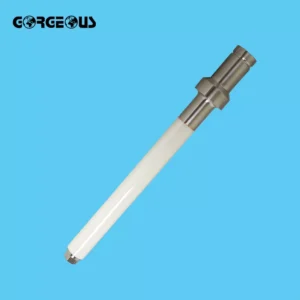

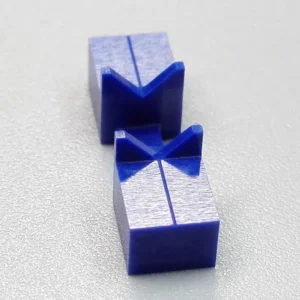


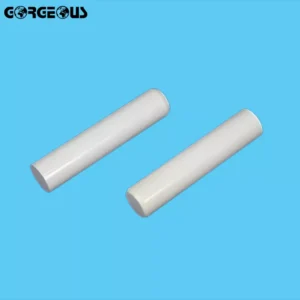

Zirconia Ceramics Applications and Component Selection, Defined by the Drawing
Evaluate the material, interfaces, service environment, and acceptance details together before requesting a quotation for a zirconia component.
Current Drawing Revision
Share the current drawing revision so dimensions, tolerances, notes, and change history can anchor the inquiry around the component actually intended for purchase.
Project-Specific Material Grade
Identify the zirconia grade or describe the functional need, allowing material selection to be considered alongside wear, loading, temperature, chemical exposure, and electrical requirements.
Geometry That Can Be Made
Component form, wall sections, radii, holes, threads, and dimensional relationships should be reviewed as a complete geometry rather than as isolated drawing features.
Functional Mating Surfaces
Call out surfaces that seal, locate, slide, clamp, or interface with another part, including the dimensions and finish expectations that influence assembly performance.
Service Conditions First
Describe the operating environment, media, temperature changes, loads, motion, and duty cycle so zirconia ceramics applications and component selection start with the job.
Acceptance Evidence Requested
State the inspection, documentation, traceability, packaging, and approval evidence needed for your project, separating essential acceptance requirements from preferences before production discussions.
Zirconia Ceramic Components, Materials and Applications
Explore technical ceramic categories by part type, material family, industry application and the information needed to prepare a drawing-led inquiry.
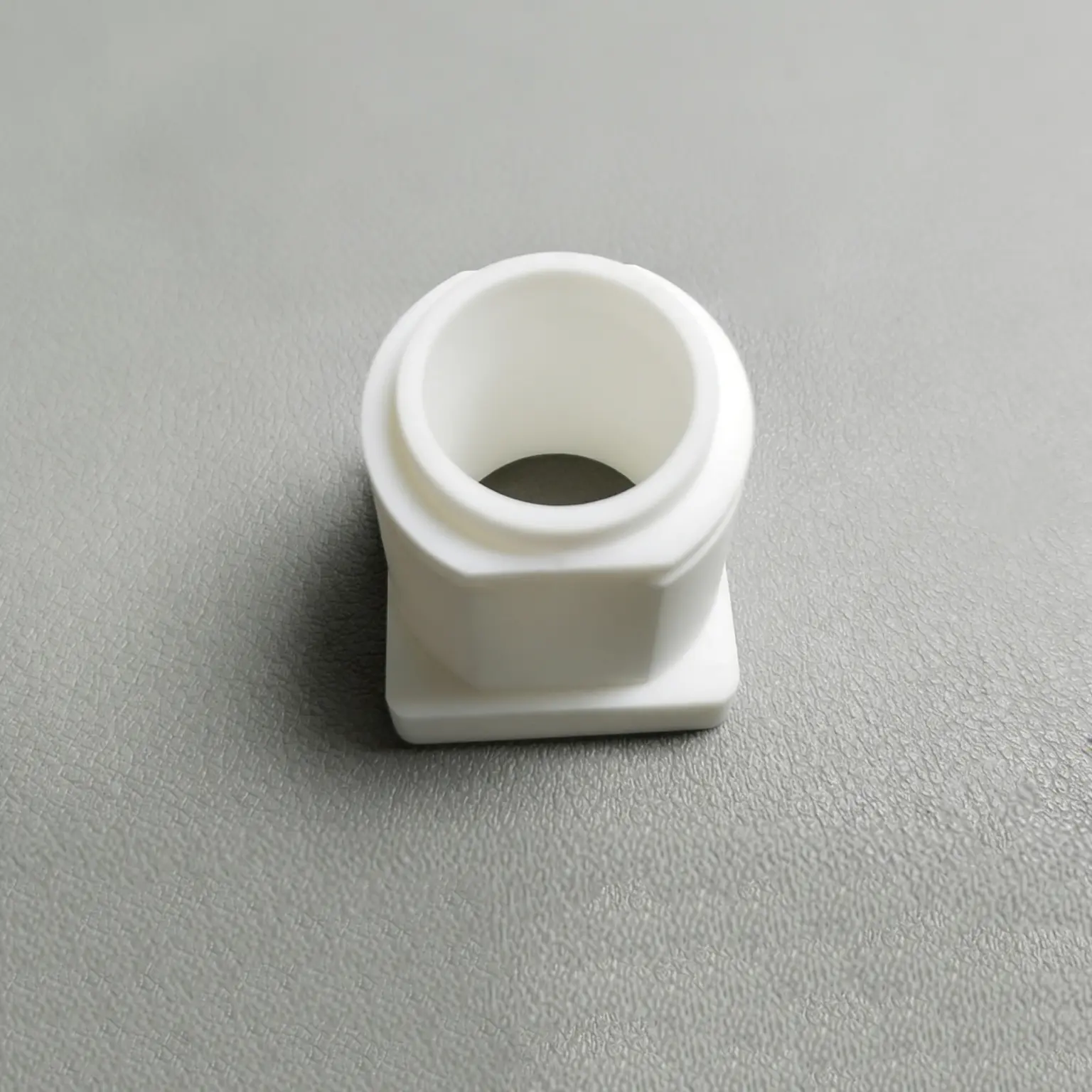
Ceramic Manufacturing Capabilities
Review ceramic manufacturing capabilities in relation to the part requirement: forming route, achievable geometry, critical surfaces, dimensional tolerances and inspection needs. Share the current drawing, quantity and acceptance criteria so feasibility and quotation discussions address the actual component.
Discuss Your Ceramic Part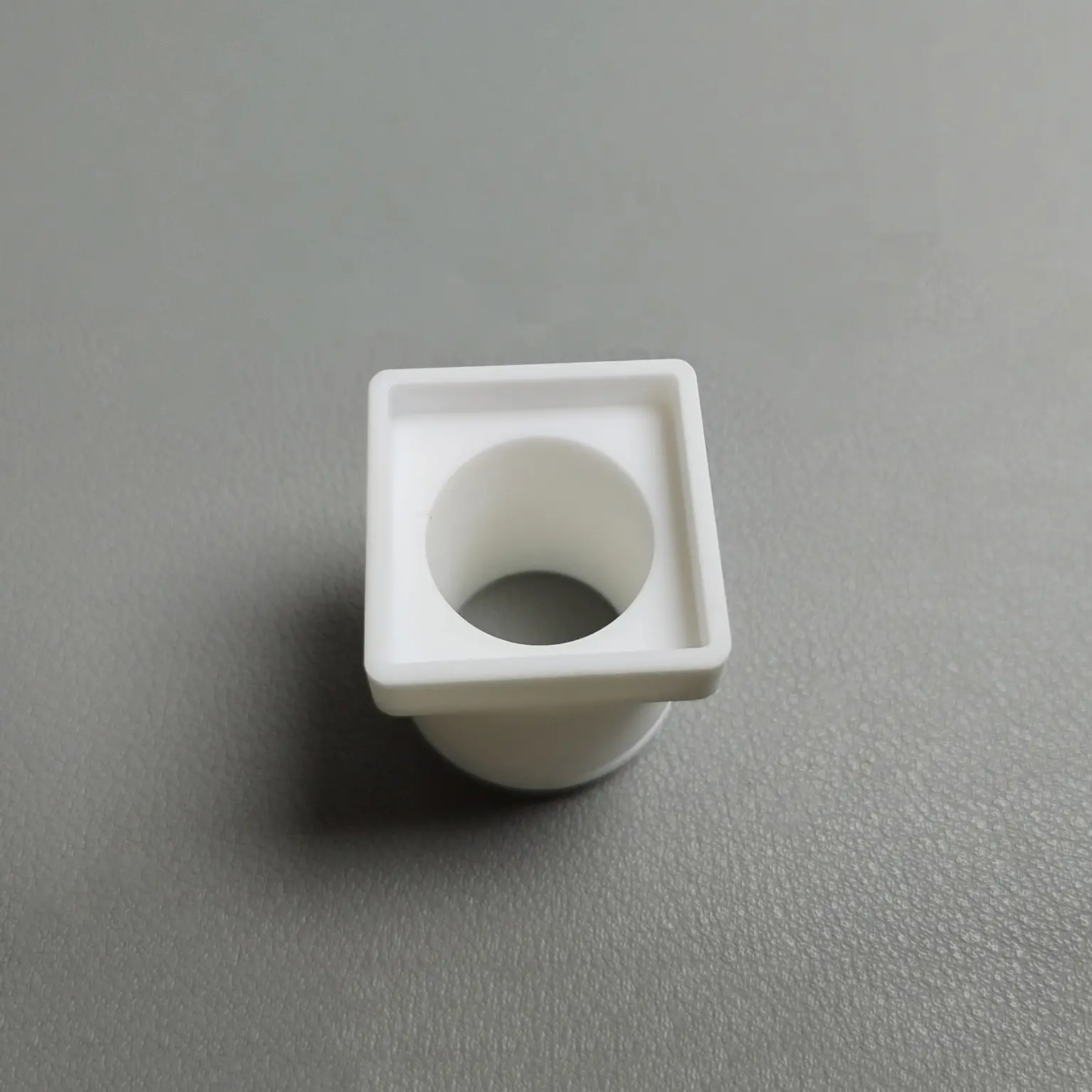
Ceramic Solutions by Industry
Explore advanced ceramics applications by industry, from equipment exposed to heat, wear, electrical demand or corrosive media to assemblies requiring stable insulating or structural components. Define the operating environment, mating parts and relevant failure concerns before selecting a material or component approach.
Discuss Your Ceramic Part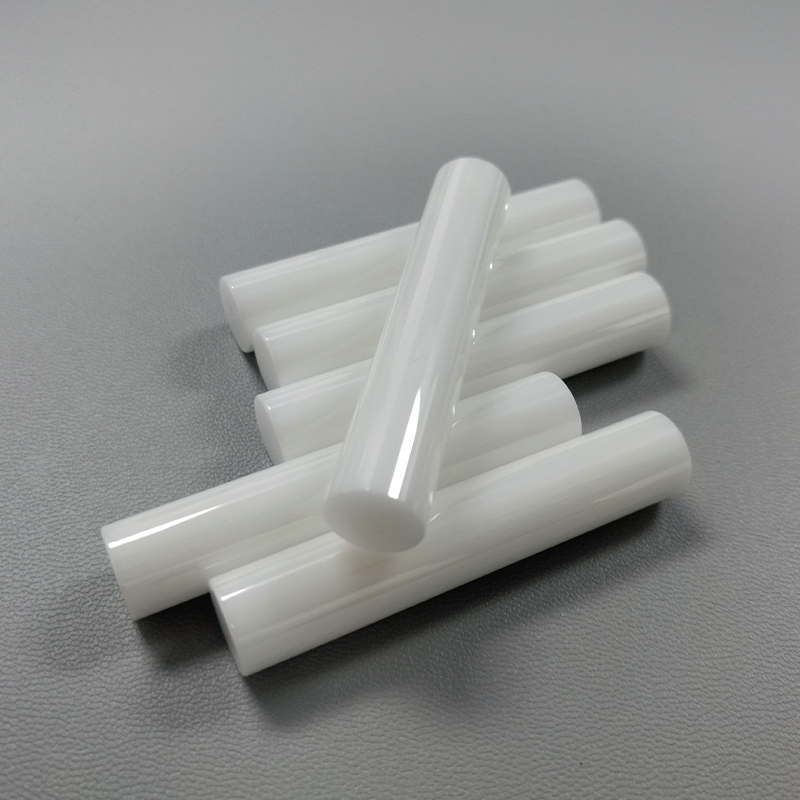
Advanced Ceramic Materials
Compare alumina ceramics, zirconia ceramics, silicon carbide ceramics, silicon nitride, aluminum nitride, and boron nitride material families. Use each family as a starting point, then confirm the grade, geometry, service conditions, and project-specific property requirements for the proposed part.
Discuss Your Ceramic Part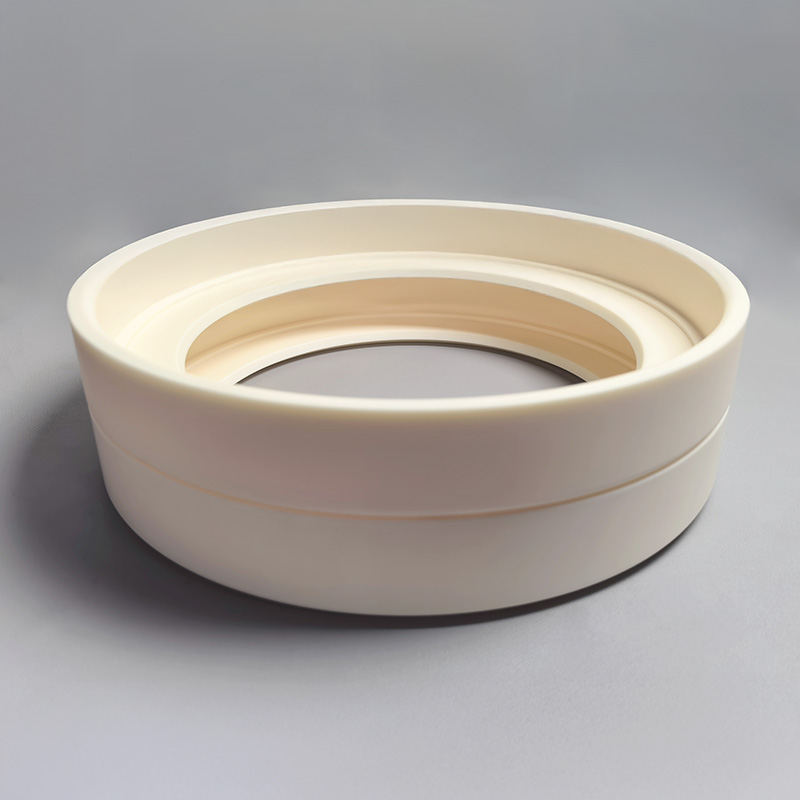
Technical Ceramic Products
Browse technical ceramic components and industrial ceramic parts by familiar form, including tubes, rods, rings, substrates, and custom ceramic components made to drawing. Identify assembly-critical dimensions, mating surfaces, and documentation expectations to turn a product reference into a defined sourcing inquiry.
Discuss Your Ceramic Part
Technical Ceramic Resources
Use this technical ceramics guide to prepare a clearer component inquiry. Gather the drawing revision, material designation where known, quantity, operating conditions, key dimensions, tolerances and required documentation before contacting Porcecore by email or WhatsApp.
Discuss Your Ceramic PartZirconia Ceramics Applications and Component Selection: Material Options
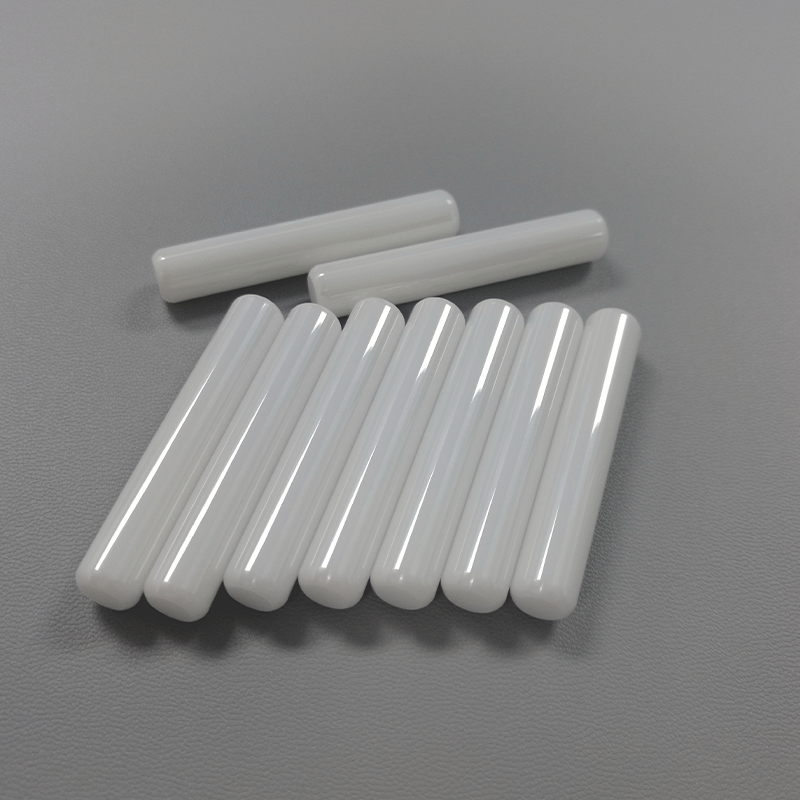
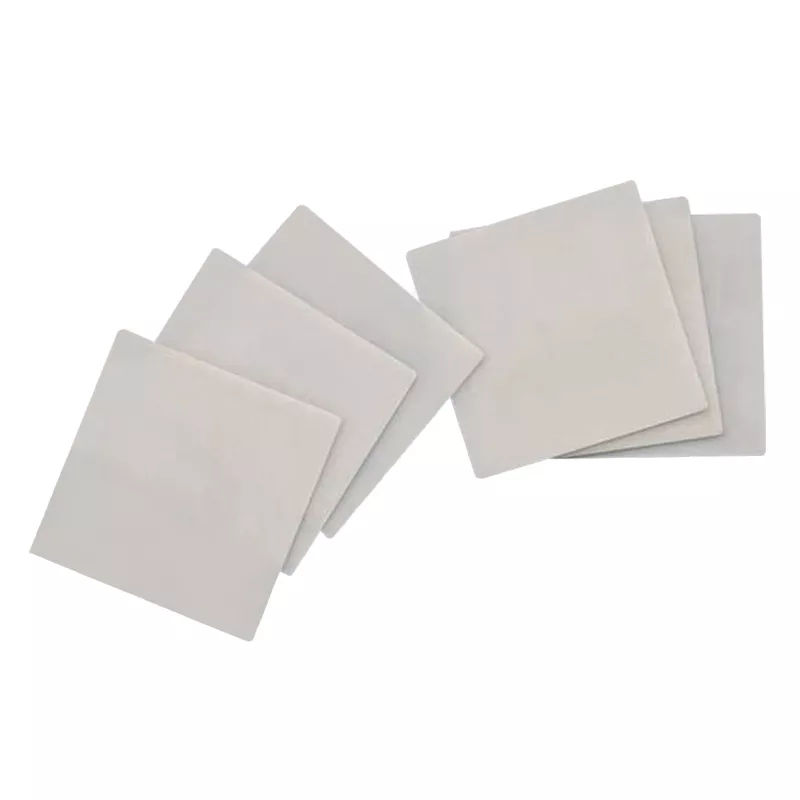
Magnesia Stabilized Zirconia
Often evaluated for parts exposed to elevated temperatures or demanding mechanical conditions. Confirm the required stabilized grade, geometry, thermal cycle, inspection needs, and any critical surfaces before requesting a quotation.
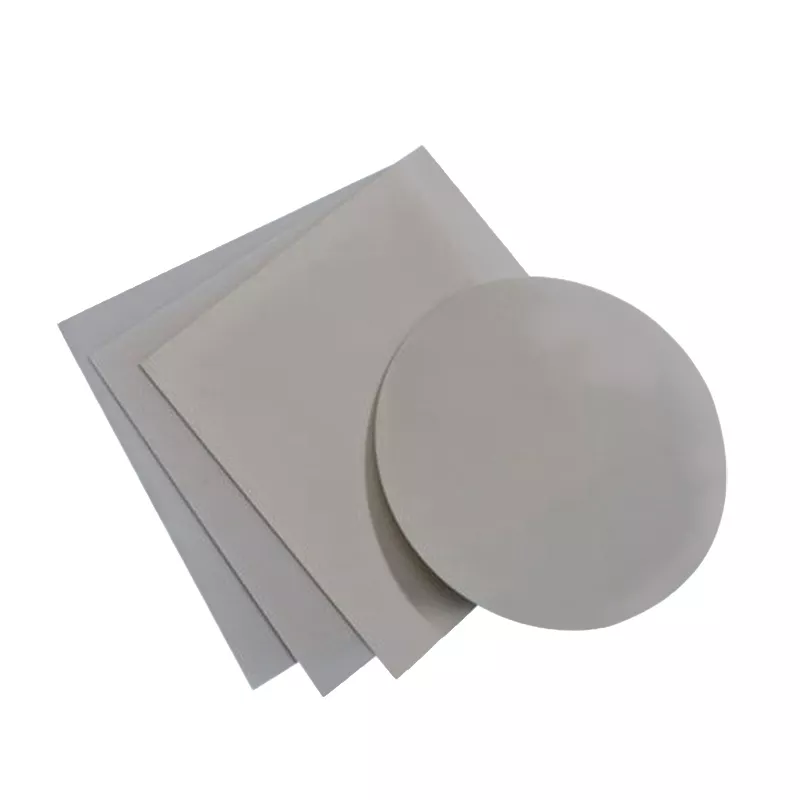
Calcia Stabilized Zirconia
A zirconia option to review where thermal behavior and application-specific electrical or mechanical needs influence selection. Provide the operating environment, drawing revision, quantity, and acceptance criteria for a focused discussion.
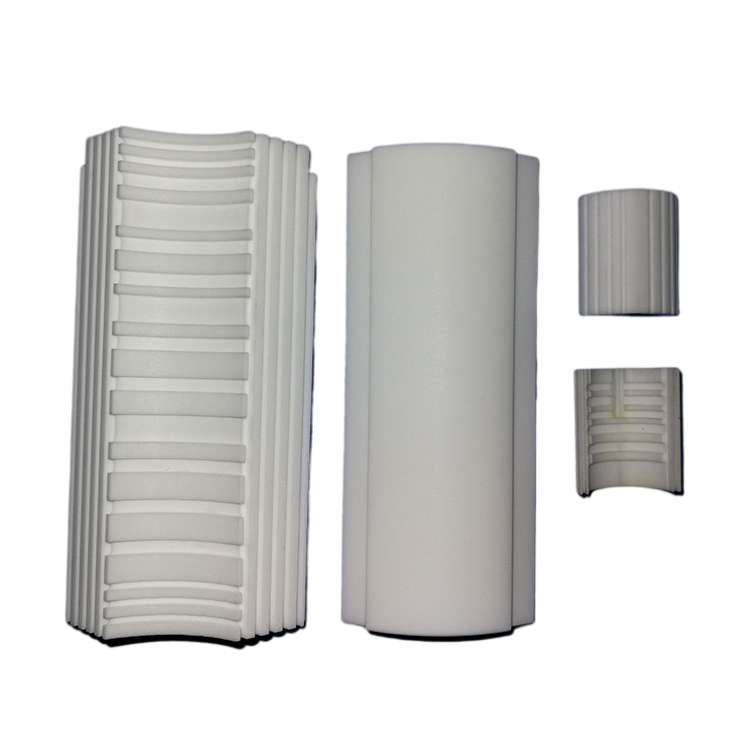
Ceria Stabilized Zirconia
Can be considered when fracture behavior, thermal conditions, and component geometry require closer technical review. Define load direction, contact surfaces, temperature exposure, and documentation expectations alongside the material inquiry.

Zirconia Toughened Alumina
A composite ceramic option for applications balancing wear resistance and structural performance. Its suitability depends on the individual part design, assembly interfaces, operating conditions, tolerances, and grade-specific requirements to be confirmed.
Zirconia Ceramics Applications and Component Selection: Process Options
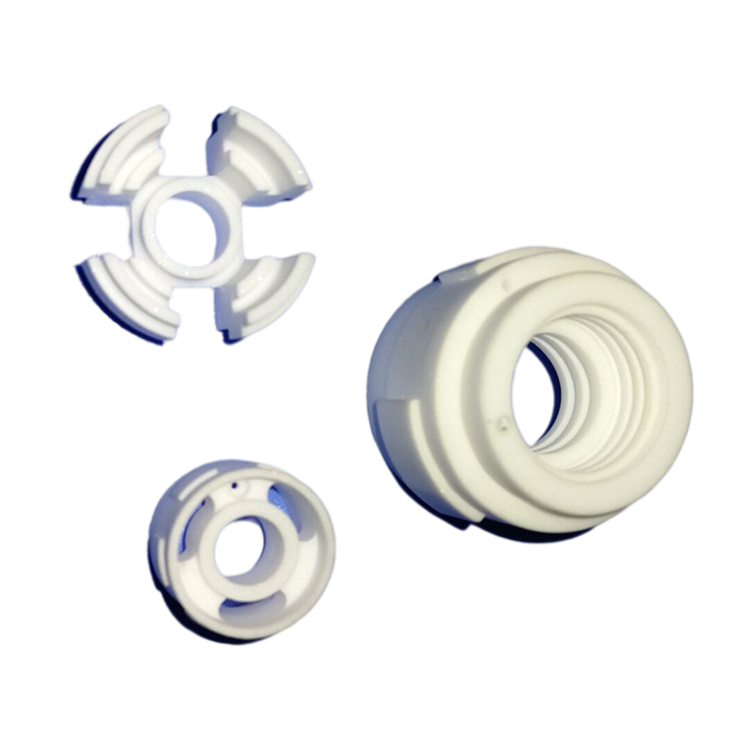
Powder Preparation
Powder selection and preparation are considered alongside the requested zirconia grade, intended service environment, and forming route. The discussion establishes a practical starting point for density, geometry, and project-specific material requirements.
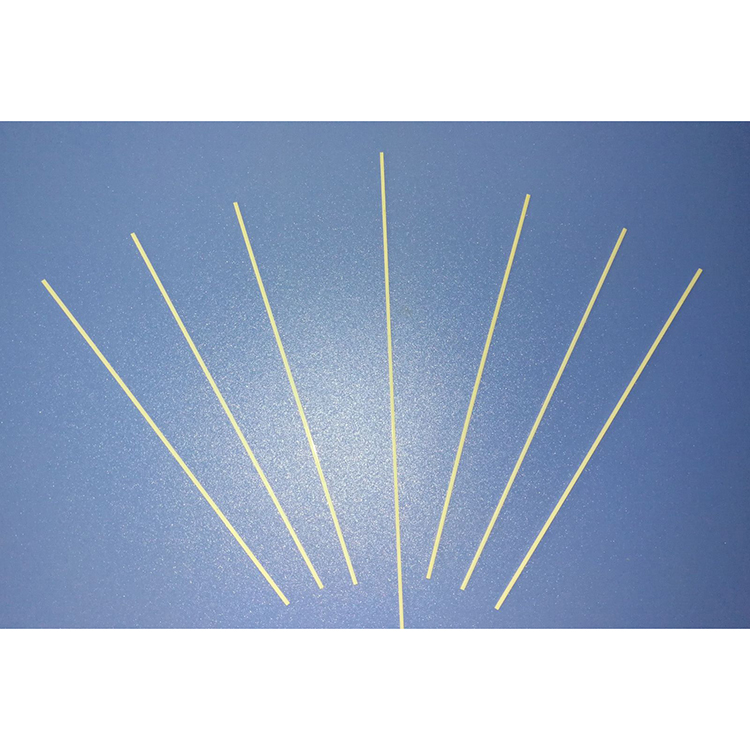
Near-Net Forming
Pressing, molding, or other near-net forming approaches may be evaluated according to part shape, wall thickness, feature detail, and quantity. Early review helps identify geometry that supports a realistic ceramic manufacturing route.

Controlled Sintering
Sintering conditions are considered in relation to the selected material designation, target component form, and dimensional requirements. Shrinkage and final geometry require project-specific confirmation rather than assumptions based on a product illustration.

Precision Finishing
Grinding, polishing, or other finishing operations may be discussed for critical diameters, flatness, surface condition, and mating areas. Marking the functional surfaces on the drawing helps focus quotation review on assembly-relevant requirements.
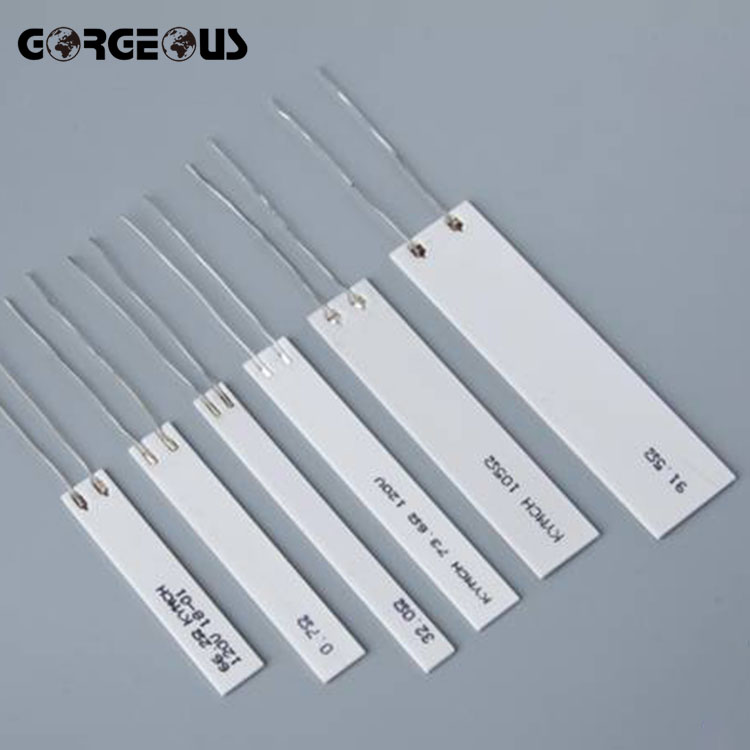
Dimensional Inspection
Inspection planning can address dimensions, tolerances, visual criteria, and documentation requested for approval. Clear acceptance criteria allow Porcecore and the buyer to distinguish essential checks from preferences before production terms are agreed.
Functional Features and Assembly Interfaces
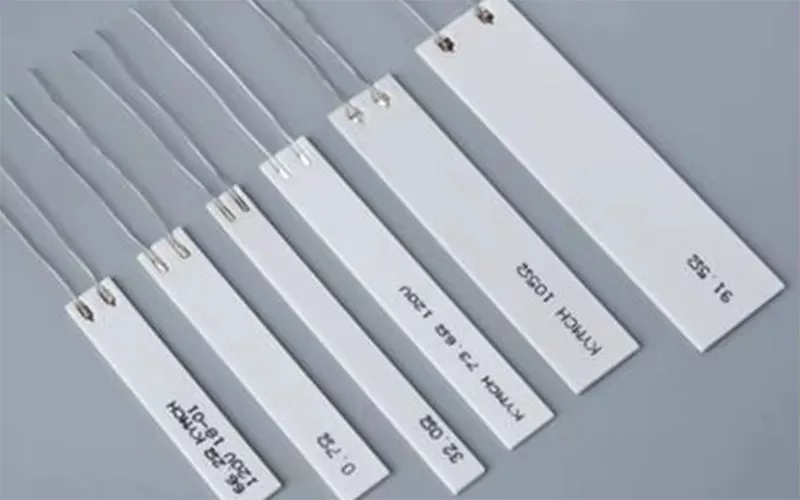
Mating Surfaces
Identify sealing, sliding, locating, and contact surfaces on the drawing. Note surface finish expectations, flatness, geometry, and the counterpart material so the functional interface can be reviewed with the component requirement.
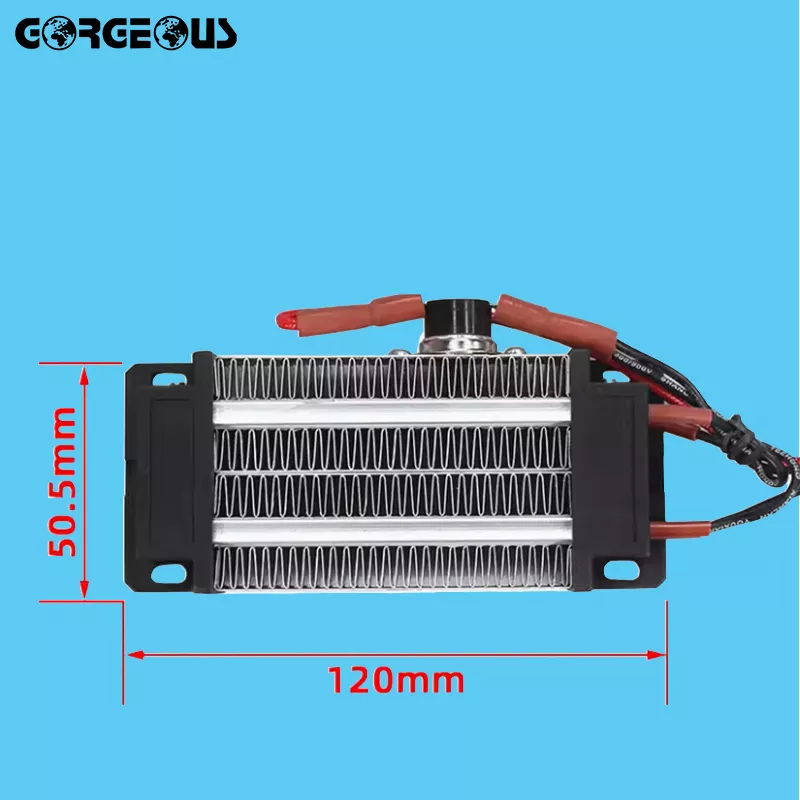
Precision Holes
Specify through holes, blind holes, bores, and counterbores with their controlled dimensions. State which holes locate, fasten, flow, or align the assembly, plus any inspection method or critical positional relationship.
Threaded Interfaces
Clarify whether threads are required in the ceramic part or handled by a mating insert or component. Include thread standard, engagement area, assembly load considerations, and the relevant drawing revision for quotation discussion.
Functional Grooves
Define grooves used for sealing, retention, clearance, or fluid passage. Share section dimensions, edge conditions, mating seal details, and operating environment so the groove is considered as part of the complete assembly.

Metallised Areas
Mark any areas requiring metallisation or a prepared joining interface. Describe the intended connection, coverage location, subsequent assembly process, and documentation expectations, rather than treating the finish as a standalone request.
Part Markings
Request markings when identification, traceability, orientation, or assembly control requires them. Provide the text or code, location, legibility expectation, and any restriction on functional surfaces before the part requirement is finalized.
Zirconia Ceramics Applications and Component Selection at Porcecore
Founded by Andy Yuan, Porcecore supports industrial buyers, equipment builders, engineers, and distributors sourcing technical ceramic components. Our mission is to make zirconia ceramics applications and component selection easier to discuss by connecting material choices with the practical requirements of a specific part.
Our approach is application-first and drawing-led. A tube, ring, rod, substrate, or replacement component needs more than a material name: geometry, mating surfaces, service conditions, tolerances, inspection expectations, and documentation all shape the inquiry. Porcecore helps teams identify those open questions before committing to a quotation discussion.

Zirconia Ceramics Applications and Component Selection, Defined by Requirements
Start With Service Conditions
For zirconia ceramics applications and component selection, describe the operating environment before naming a material. Temperature, media, loading, motion, electrical function, and exposure cycles help frame which grade and component design questions require review for the project.
- State temperature range and duty cycle
- Identify chemicals, moisture, abrasives, or vacuum exposure
- Describe loads, contact conditions, and movement
- Note electrical or thermal function requirements
Identify Assembly-Critical Geometry
A drawing becomes more useful when it separates overall shape from the dimensions that control assembly. Porcecore helps focus the inquiry on bores, faces, shoulders, concentric features, and interfaces whose geometry affects how the zirconia component fits and functions with neighboring parts.
- Send the current drawing revision
- Mark assembly-critical dimensions
- Identify bores, threads, grooves, and seating faces
- Clarify datum references and mating-part relationships

Define Surfaces and Acceptance
Surface condition and inspection expectations should be discussed with the part requirement, not added after quotation. Specify which surfaces mate, seal, slide, or locate; then identify tolerance, finish, visual criteria, and any inspection or documentation needed for project approval.
- Distinguish functional surfaces from noncritical areas
- Specify tolerances and surface-finish needs
- Describe visual or dimensional acceptance criteria
- List required inspection records or material documentation

Turn Details Into an RFQ
Clear requirements give a zirconia quotation discussion a practical starting point. Send the known material designation, quantity, service context, drawing, and acceptance needs to Porcecore. Open questions can then be identified before grade, geometry, delivery, and commercial terms are confirmed.
- Include expected order quantity
- Attach drawings and relevant mating-part details
- Flag required documentation early
- Email info@zlrsmaterials.com or message WhatsApp

Zirconia Ceramics Applications and Component Selection: Define the Inquiry
Compare a drawing-led quotation conversation with a material-name-only starting point.
← Swipe left or right to view →
Zirconia Ceramics Applications and Component Selection: Inquiry-to-Delivery Process
A drawing-led path for defining the part requirement before quotation, confirmation, inspection, packing, and shipping.
Submit Drawing and Duty
Share the current drawing revision, known material designation, quantity, service environment, and acceptance needs so the initial discussion starts with the actual component requirement.
Clarify Interfaces and Risks
We review assembly-driving dimensions, mating surfaces, tolerances, and operating conditions, then identify open questions that should be resolved before a project-specific quotation discussion.
Align Quote Scope
Align the requested zirconia grade, geometry, quantity, documentation, commercial terms, and delivery expectations; any quoted scope remains subject to confirmation for the individual project.
Confirm Sample or Production
Where appropriate, confirm sample or production details against the agreed requirement, including the drawing revision, critical dimensions, material designation, and any stated approval checkpoints.
Inspect Pack and Ship
Before dispatch, align inspection expectations, required documentation, packing needs, shipping details, and final contact information so the delivery handoff follows the confirmed project arrangement.
How to Work With Porcecore on a Ceramic Part
Connect zirconia ceramics applications and component selection to a drawing-led quotation discussion with the details needed for project review.
Send Your Current Drawing
Provide the current drawing revision, component form, quantity, and any replacement-part context so the inquiry begins with an identifiable requirement.
Describe Service Conditions
Identify the intended application, operating environment, mating surfaces, assembly-critical dimensions, and material designation when known for zirconia component evaluation.
Define Acceptance Requirements
Clarify tolerances, inspection expectations, documentation needs, and other acceptance criteria that affect the proposed grade, geometry, and quotation basis.
Review Quotation Details
Confirm the project-specific scope, material grade, dimensions, delivery considerations, and commercial terms before treating a quotation as an agreed production order.
Proceed After Agreement
Move forward once the defined part requirement and order terms are agreed, with open questions addressed before production planning begins.
Zirconia Ceramics Applications and Component Selection Documentation
Publication Standards for Future Project References
Porcecore will publish customer feedback and project examples only after receiving publication permission and confirming the relevant component details and outcomes.
Published references will identify the relevant component requirement, drawing context, and project-specific acceptance criteria where disclosure is approved.
Project examples will distinguish confirmed sourcing outcomes from general material guidance and product illustrations.
Zirconia Ceramics Applications and Component Selection FAQ
Clarify the drawing, material, inspection, and commercial inputs needed for a project-specific quotation discussion.
What should a zirconia component RFQ include?
How does Porcecore help when the zirconia grade is not specified?
Can I request a quotation from a sample or replacement part?
What tolerances and surface requirements should be shown on a zirconia part drawing?
Which questions matter most for zirconia ceramics applications and component selection in demanding service?
Is there a fixed MOQ, sample policy, lead time, or price for zirconia components?
What inspection evidence and packaging details can be discussed before ordering?
How are drawings, IP, payment, shipping, and order terms handled?
Zirconia Ceramics Applications and Component Selection Buyer’s Guide
Use a practical decision framework to match zirconia grades, component geometry, operating conditions, and validation requirements while comparing supplier capabilities, cost drivers, documentation, and avoidable sourcing mistakes.
1. Zirconia Ceramics Applications and Component Selection Explained
Zirconia (ZrO2) selection starts with the component’s job: seal, guide, insulate, resist wear, or carry load. Specify the stabilized grade, geometry, mating surfaces, finish, media, temperature cycle, load, and inspection criteria together; material properties vary with formulation and processing (https://www.intechopen.com/chapters/88191).
Three failure questions drive the comparison: will the part chip under edge loading, wear at a contact interface, or crack from thermal gradients? Zirconia is often evaluated where toughness and wear resistance matter, while alumina, silicon carbide, metals, or polymers may better serve different stiffness, thermal-conductivity, conductivity, cost, or compliance needs.
Porcecore treats zirconia ceramics applications and component selection as a drawing-led decision, not a material-name purchase. Confirm the manufacturing route and final surface condition against the service environment before committing to tolerances, quantity, and acceptance testing.
2. How Industrial Zirconia Ceramics Evolved
Zirconia first served largely in refractories and abrasives, where heat resistance and hardness mattered more than precision geometry. That legacy still informs high-temperature purchasing, but a material name alone does not define a usable engineered part. Source: https://www.intechopen.com/chapters/88191
Yttria, magnesia, calcia, and ceria stabilizers made selected crystal phases practical at service temperature, while controlled powder preparation and sintering improved density and repeatability. Stress-induced tetragonal-to-monoclinic transformation can help resist crack growth, expanding zirconia into structural and wear-critical components. Source: https://www.iqsdirectory.com/articles/ceramic/zirconia-ceramics-and-zta.html
1600-1800°C is a commonly reported zirconia sintering range, illustrating why furnace cycle, green density, shrinkage, and finishing allowance belong in an RFQ. For zirconia ceramics applications and component selection, procurement should connect the stabilizer system and process route to the drawing, mating surfaces, fluid, electrical, medical, or thermal duty, plus acceptance criteria. Source: https://www.intechopen.com/chapters/88191
3. Zirconia Ceramics Applications and Component Selection Types
Component type frames zirconia ceramics applications and component selection more reliably than a material name. Start with the load path, process medium, temperature, and the surface that controls assembly.
Seals And Valve Parts

Pump seals and valve seats face pressure, sliding contact, and corrosive media. Ask which faces seal, what leakage limit applies, and whether impact occurs.
Bearings And Wear Parts
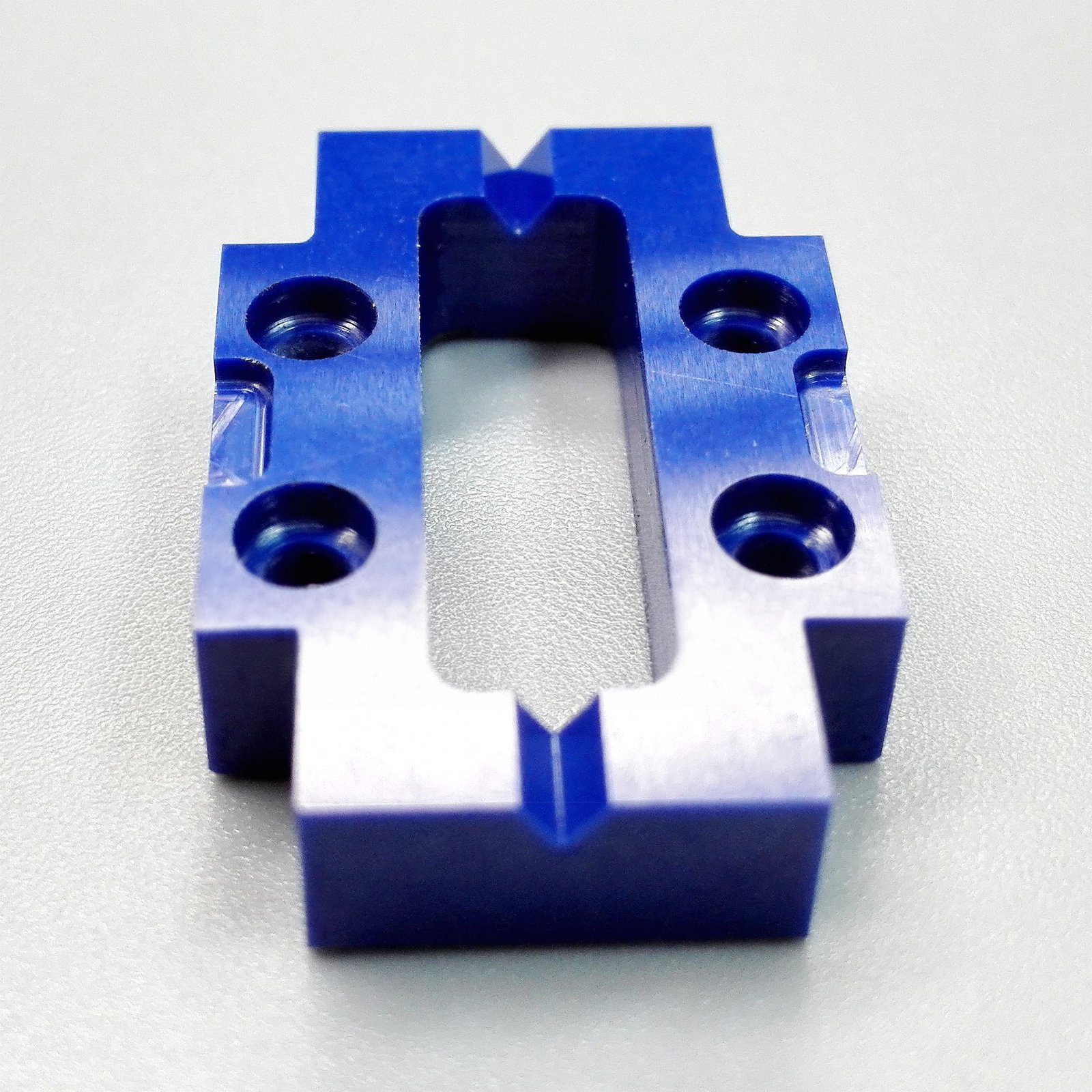
Rollers, bushings, and guides manage abrasion and repeated contact. Zirconia can resist wear, but poor alignment or edge loading can cause failure; ask for load direction.
Cutting And Forming Components

Blades, dies, and forming guides require hard, stable contact edges. Ask whether the part sees shock, continuous abrasion, or a controlled clearance.
Electrical And Sensor Parts
Sensor housings and electrical fixtures may need insulation, chemical resistance, or dimensional stability. Ask for dielectric requirements, electrode interfaces, and operating temperature.
Thermal-Process Hardware
Furnace fixtures and process supports encounter heat, cycling, and atmosphere exposure. Ask for maximum temperature, ramp rate, gas chemistry, and allowable distortion.
Medical Or Specialty Applications
Medical and specialty parts require application-specific material and documentation review. Ask which regulatory, traceability, surface-finish, and biocompatibility evidence is required.
4. Zirconia Materials for Component Selection
Five zirconia-based families trade toughness, hardness, thermal response, and moisture-aging behavior differently. Shortlist against the actual stress state, temperature cycle, electrical function, and mating wear pair before prototype testing.
| Family | Toughness / Wear | Thermal / Aging | Electrical / Typical Fit |
|---|---|---|---|
| YSZ | High / high | Low conductivity; aging-sensitive | Insulator; seals, guides |
| Mg-PSZ | High / good | Good thermal-shock tolerance | Insulator; larger structural parts |
| CSZ | Very high / good | Strong moisture-aging resistance | Insulator; wet-service components |
| PSZ | High / good | Grade-dependent stability | Insulator; impact-loaded parts |
| ZTA | Moderate-high / very high | Good thermal-shock resistance | Insulator; abrasive wear parts |
Shortlist By Service Risk
YSZ is commonly selected for high-toughness, electrically insulating precision parts; verify low-temperature degradation exposure. CSZ is often considered where moisture-aging resistance and fracture tolerance outweigh cost or hardness priorities.
- Confirm grade-specific toughness and hardness.
- Specify dry, humid, or immersed service.
- Test mating-pair wear and thermal cycling.
5. Custom Zirconia Component Design Options
Porcecore treats custom zirconia design as a part-definition exercise. Net-shape geometry and post-sinter machining should be selected with the assembly, inspection method, and service environment in view.
Shape And Machining
Net-shape forming can reduce machining, but sintering shrinkage must be accommodated in the design.
Machined bores, cross-holes, threads, and sharp internal corners add setup time and fracture risk.
Tolerances And Finishes
Drawing tolerances should identify functional dimensions rather than applying tight limits everywhere.
Grinding and polishing can control fit and surface condition; specify the required finish and measurement method.
Interfaces And RFQ Data
Porcecore requests the current drawing revision, quantity, material designation, and acceptance criteria.
Mating materials, contact loads, temperature, media, joining method, metallization needs, and critical radii clarify technical risk before quotation.
6. Construction Quality and Validation Essentials
A reliable zirconia part reflects its complete process route, not a single property value. Quality planning should link powder, forming, sintering, machining, inspection, and traceability to drawing-defined functional requirements.
Process Control
Powder consistency affects shrinkage, density, and microstructure; record the approved material designation and lot.
Forming method and sintering cycle should be controlled for the specified geometry, wall thickness, and performance need.
Machining And Inspection
Post-sinter machining can introduce edge chips or subsurface damage; identify critical radii, sealing faces, and mating surfaces.
Dimensional inspection should reference the current drawing revision, tolerances, datums, and agreed sampling method.
Validation Evidence
Sample approval should include a fit check when assembly geometry determines function.
Lot traceability, inspection reports, material data, and application-specific testing should be agreed before production release.
7. Zirconia Ceramics Applications and Component Selection Suppliers
Two supplier quotations can match a drawing yet reflect different assumptions about powder grade, sintering shrinkage, and inspection. For zirconia ceramics applications and component selection, evaluate the engineering conversation before unit price.
Application Review
One RFQ should state the service medium, temperature range, load cycle, and mating material. These conditions reveal whether grade selection needs discussion.
One drawing revision should identify critical interfaces and cosmetic surfaces. Ask how the supplier converts those requirements into a manufacturing route.
Process And Metrology
Three capability questions expose more than a capability list: forming method, green-state allowance, and post-sinter machining sequence. Request the proposed route for the actual geometry.
One tolerance callout needs a measurement method, datum scheme, and sampling plan. Ask which dimensions receive 100% inspection.
Scale-Up And Documentation
One prototype order should establish the same critical requirements planned for production. Ask what changes in tooling, process controls, or inspection as volume rises.
Two documentation questions matter: which records accompany parts, and when will deviations be reported. Confirm a realistic lead-time window after drawing, acceptance, and quantity are frozen.
8. Common Zirconia Component Sourcing Mistakes
Seven recurring sourcing errors can turn a promising zirconia part into a fit, reliability, or cost problem. Address each before tooling release, using the drawing and service environment together.
Hardness Is Not Enough
One hardness value does not establish fracture behavior, grade suitability, or service life. Consequence: a wear-focused choice may crack or degrade prematurely; ask, ‘Which stabilized grade and properties fit the actual load, fluid, and temperature?’
Service Conditions Omitted
Two overlooked conditions are thermal shock and moisture-related aging. Consequence: qualification misses the real duty cycle; ask, ‘What temperature ramp, exposure duration, media, and cycling must a representative part survive?’
Metal Geometry Assumptions
Three metal-style choices—sharp corners, thin sections, and unconstrained tolerances—can raise machining cost or create stress concentrations. Consequence: poor yield or avoidable cost; ask, ‘Which radii, wall transitions, and tolerances are functionally necessary?’
Interfaces And Testing Ignored
Four interface details matter: mating material, contact geometry, clearance, and assembly load. Consequence: a nominally correct part binds, chips, or leaks; ask, ‘Can production approval follow representative assembly and service-condition testing?’
9. From Requirement to Production Launch
A four-stage launch aligns engineering, quality, procurement, and the supplier before a ceramic part becomes a production commitment. For zirconia ceramics applications and component selection, document decisions at each gate.
Define Duty And Failure
One duty profile should state load, temperature, media, cycling, mating parts, and unacceptable failure modes. Engineering and quality should agree measurable pass criteria before quoting.
- Wear limit
- Leakage limit
- Fracture definition
Release Drawings And Targets
One current drawing revision should identify datum surfaces, critical dimensions, tolerances, material designation, quantity, and required records. Procurement should route the same controlled package to every reviewer.
Validate And Control Changes
First articles should be reviewed for dimensional results, surface condition, and agreed documentation before service trials. After approval, changes to grade, process, drawing, inspection, or source require cross-functional review and written authorization.
- Sample approval
- Service validation
- Change notification
10. Zirconia Component Pricing and Lead Times
Three quotation stages commonly separate prototype economics from repeat production: engineering review, process setup, and recurring manufacture. Final pricing depends on zirconia grade, geometry, tolerances, surface finish, inspection scope, and order volume.
One-off prototypes usually carry the highest unit cost because setup and machining effort are distributed across few parts. Repeat orders can reduce unit cost when the drawing, acceptance criteria, and process route remain stable.
Two lead-time risks deserve early review: special material availability and added inspection or finishing operations. Porcecore can quote more clearly when buyers provide the current drawing revision, mating surfaces, quantity forecast, and required documentation for zirconia ceramics applications and component selection.
| Quantity tier | Representative complexity | Unit-cost direction | Tooling or setup | Lead-time drivers |
|---|---|---|---|---|
| 1–10 | Prototype ring or tight-tolerance part | Highest | Review and setup spread across few pieces | Material, machining, inspection |
| 10–100 | Repeat geometry with controlled features | Decreases | Setup amortized across batch | Capacity, finish, inspection |
| 100+ | Stable repeat component | Lowest relative unit cost | Dedicated tooling may be evaluated | Material planning, production scheduling |
Discuss Zirconia Ceramics Applications and Component Selection
Email your drawing revision, operating environment, quantity, and acceptance criteria to begin a grounded quotation discussion with Porcecore.