
Zirconia Ceramics Properties and Selection Guide for Industrial Components
Align grade, geometry, operating conditions, and acceptance criteria before requesting a quotation for custom ceramic components.
Featured Ceramic Components for Zirconia Applications


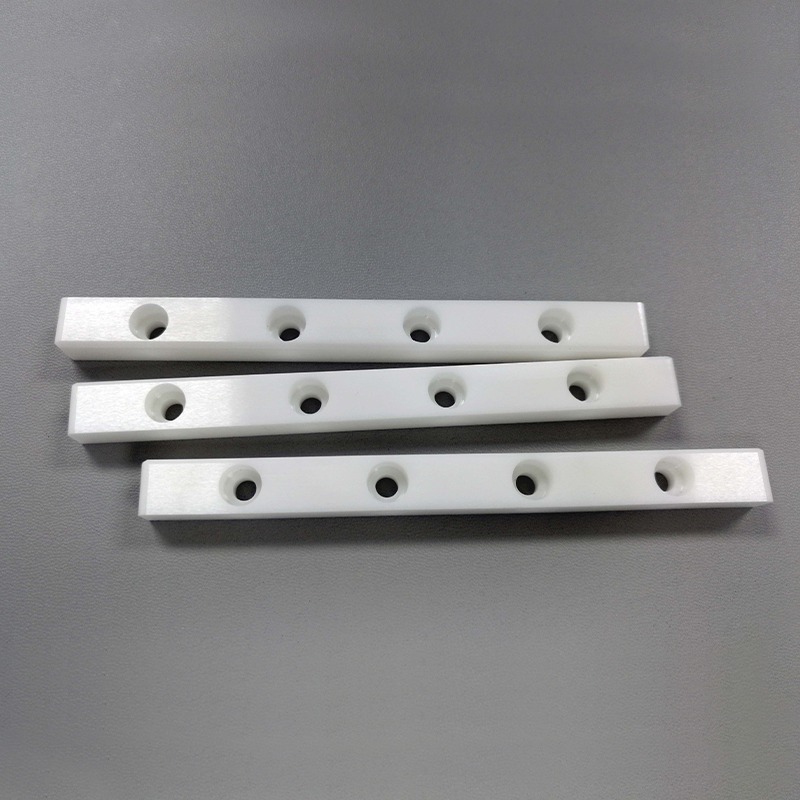










Related Zirconia Ceramic Components for Quotation


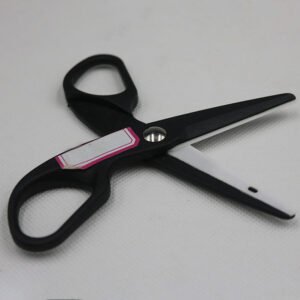

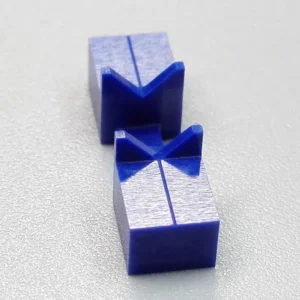


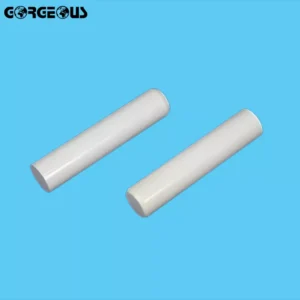

Zirconia Ceramics Properties and Selection Guide for Demanding Components
Use general zirconia advantages as a starting point, then confirm the grade, geometry, service environment, and acceptance criteria for the individual component.
Confirm the Drawing Revision
Provide the current drawing revision, critical dimensions, tolerances, and assembly interfaces so the proposed ceramic part can be reviewed against the actual requirement.
Specify the Material Grade
Zirconia can offer useful toughness, wear behavior, chemical resistance, and electrical insulation characteristics, but grade-specific values and stabilization details require project confirmation.
Define Component Geometry
Rings, tubes, rods, and custom profiles should be assessed with wall thickness, transitions, holes, and load paths in view of the intended manufacturing route.
Describe Service Conditions
State media exposure, temperature, pressure, electrical duty, abrasion, shock, and cycling conditions to evaluate whether zirconia properties align with the operating environment.
Identify Functional Surfaces
Mark sealing faces, bearing interfaces, mating diameters, and other function-critical surfaces on the drawing so finish, geometry, and inspection expectations are clearly discussed.
Set Inspection Evidence
Clarify required dimensional records, material identification, surface requirements, and other acceptance evidence before quotation, separating essential approval needs from preferred documentation.
Zirconia Ceramic Selection by Component Need
Connect component form, operating conditions and mating requirements to a focused technical ceramics inquiry.

Ceramic Manufacturing Capabilities
Review ceramic manufacturing capabilities in the context of your part: forming route, machining features, toleranced surfaces, inspection needs and quantity. Share the current drawing revision so feasibility and quotation discussions address the actual component requirement.
Discuss Your Ceramic Part
Ceramic Solutions by Industry
Explore advanced ceramics applications by industry, from equipment assemblies and fluid-handling systems to electrical and thermal-duty components. Start with the service environment, loading, interfaces and acceptance criteria rather than selecting a material from application labels alone.
Discuss Your Ceramic Part
Advanced Ceramic Materials
Compare advanced ceramic materials, including zirconia and other oxide, nitride and carbide families, against project-specific requirements. Material selection should consider grade, geometry, mating surfaces, operating conditions and any documented properties required for approval.
Discuss Your Ceramic Part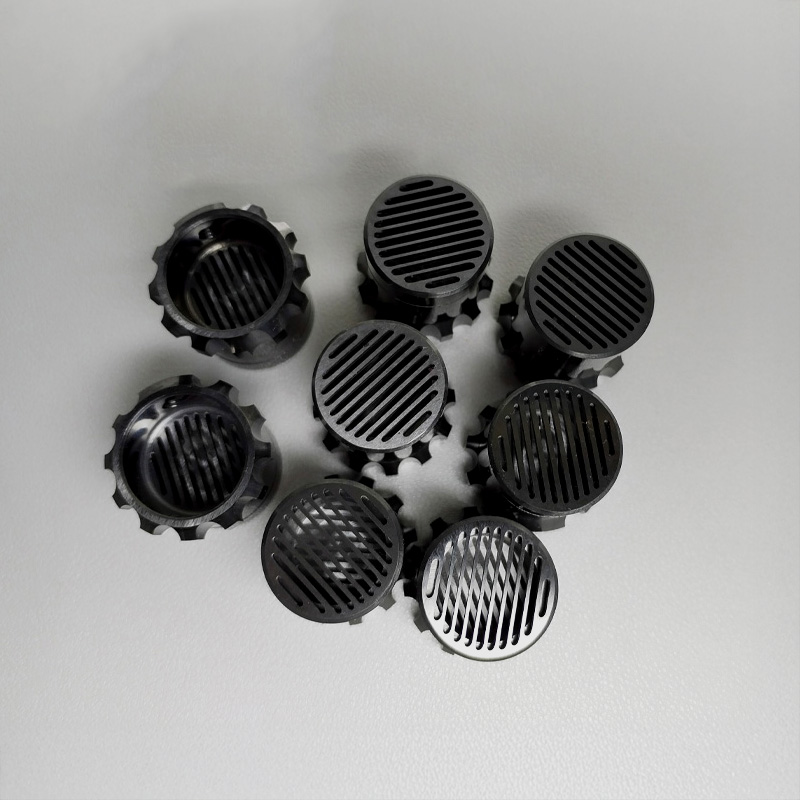
Technical Ceramic Products
Browse technical ceramic components by familiar forms, including tubes, rods, rings, plates, and custom machined parts. Product illustrations help frame an inquiry; final dimensions, tolerances, grade, documentation, and delivery terms require project confirmation.
Discuss Your Ceramic Part
Technical Ceramic Resources
Use this technical ceramics guide to prepare a clearer drawing-led inquiry. Identify the part function, material designation if known, assembly-critical dimensions, service conditions, quantity and acceptance criteria, then email your details or contact Porcecore by WhatsApp.
Discuss Your Ceramic PartCompare Technical Ceramic Material Families


Alumina Ceramics
A familiar option for electrical insulation, wear resistance, and general industrial ceramic parts. Share the required purity, component geometry, working conditions, tolerances, and documentation needs for a focused quotation discussion.

Silicon Carbide Ceramics
Consider silicon carbide for applications involving heat, abrasion, corrosion exposure, or demanding thermal conditions. Define the service media, temperature profile, part form, critical interfaces, and acceptance requirements before comparing material routes.

Silicon Nitride
Often evaluated for mechanically demanding parts where strength, wear behavior, and thermal performance matter together. Provide the drawing revision, loading conditions, fit-critical dimensions, surface requirements, and quantity for project review.
Aluminum Nitride
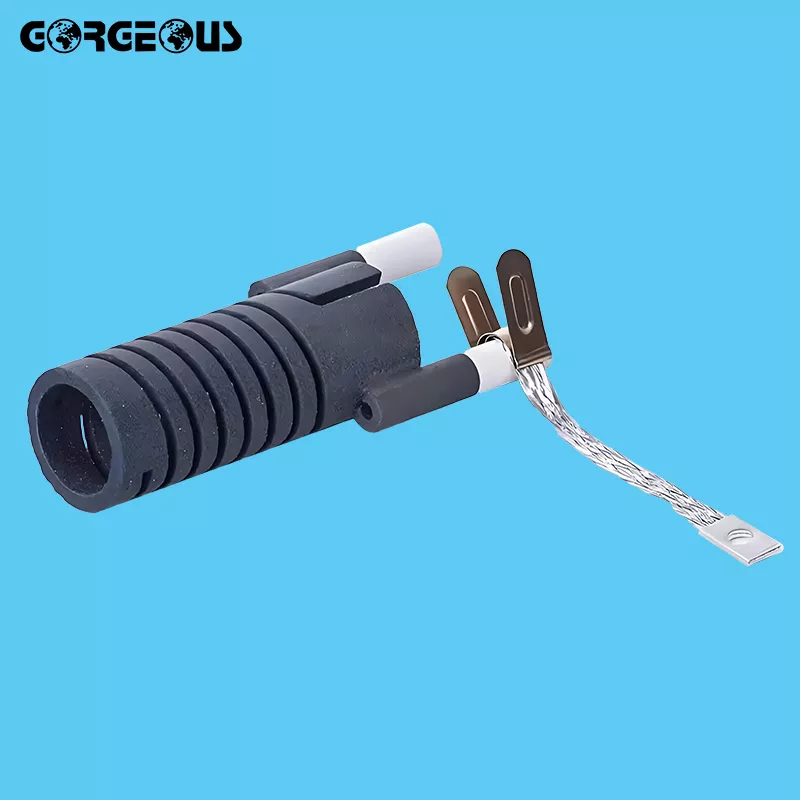
A material family to evaluate when thermal management and electrical insulation are central to the component requirement. Clarify heat path, operating conditions, geometry, mounting interfaces, and any required inspection or documentation.

Boron Nitride
Useful to compare for specialized high-temperature, electrical, or process-facing component requirements. Describe the operating environment, contact materials, component form, critical dimensions, and acceptance criteria to guide the material conversation.
Production Routes for Zirconia Components
Powder Preparation
Powder composition and processing route are reviewed with the requested zirconia grade and component function in mind. Material naming alone does not define the final part; grade-specific requirements need project confirmation.

Component Forming
Pressing, molding, or another forming approach must suit the proposed shape, wall sections, holes, and production quantity. Share the drawing revision so geometry can be assessed before a route is assumed.

Green Machining
Pre-sinter machining can be considered for features that benefit from processing before densification. Feature location, geometry, and dimensional priorities should be identified early to support a practical part review.

Sintering Review
Sintering requirements are considered alongside zirconia grade, section thickness, dimensional needs, and service environment. General material properties are not a substitute for confirming the requirements of the individual component.

Diamond Finishing
Grinding and finishing discussions should focus on assembly-critical dimensions, mating surfaces, tolerances, and inspection expectations. Specify the features that determine fit and provide any documentation requirements with the inquiry.
Interface Details for Zirconia Components
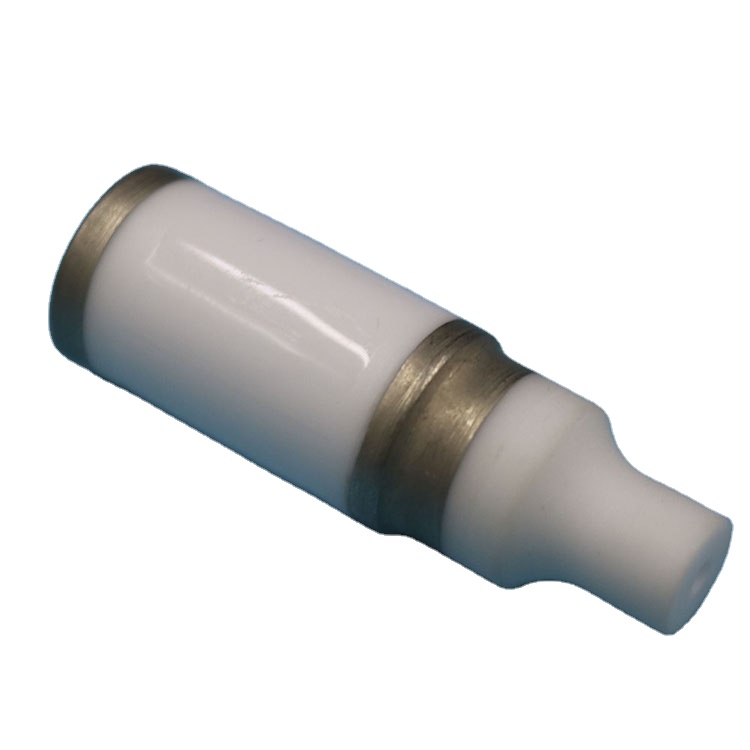
Mating Surfaces
Identify faces that seat, seal, slide, clamp, or locate against another component. Include surface-finish expectations, critical dimensions, and the mating material so the drawing-led discussion reflects the actual assembly.
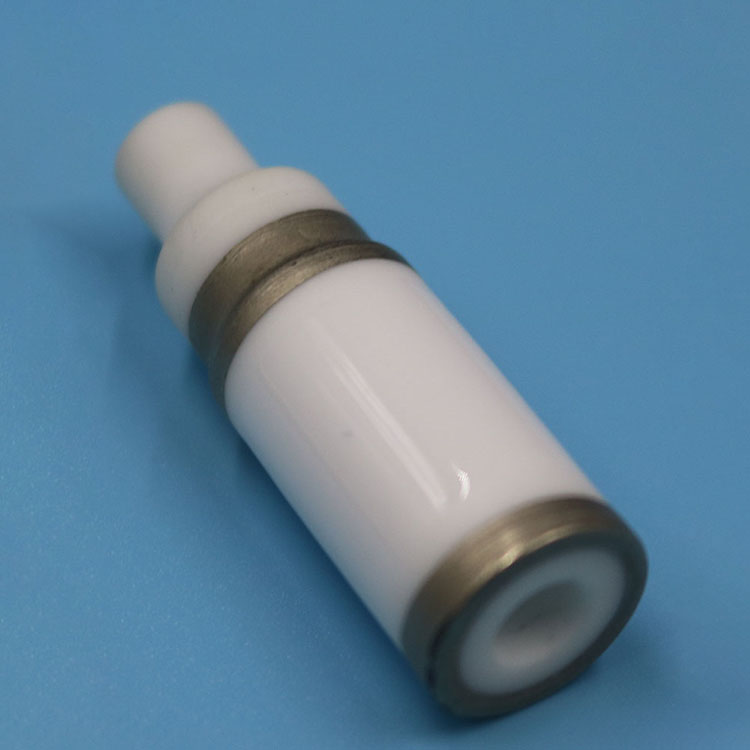
Metal Interfaces
Clarify where zirconia meets metal housings, shafts, fasteners, or inserts. Note fit relationships, temperature exposure, loading direction, and any interface treatments or assembly constraints requiring project-specific review.
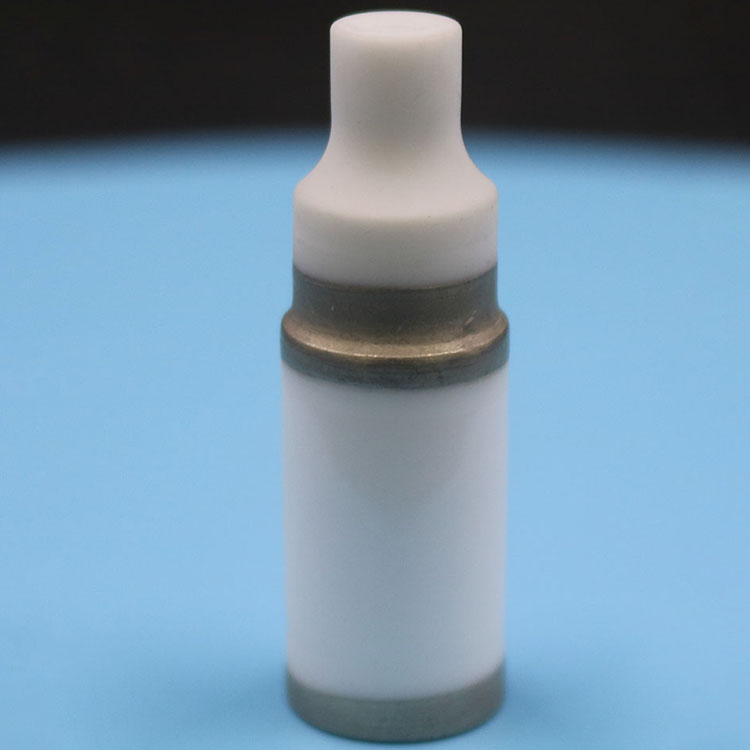
Identification Marks
Specify required part numbers, revision references, lot identifiers, or orientation marks when traceability matters. State the marking location and legibility requirement to keep identification needs separate from general material properties.
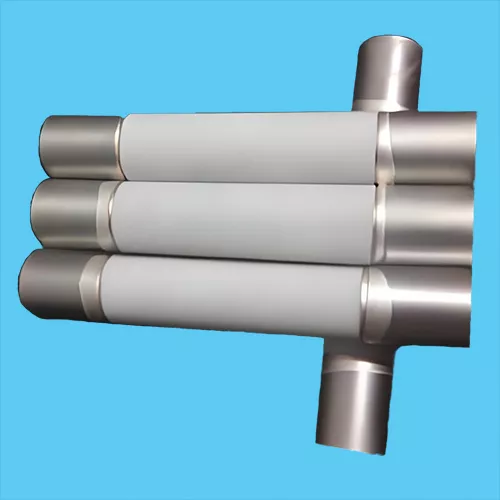
Protective Packaging
Describe packaging needs for finished ceramic components, including separation of contact surfaces, cleanliness expectations, labeling, and shipment handling. This helps align packing discussion with fragile geometry and receiving procedures.
Inspection Records
List the documentation, dimensional checks, material designation, or acceptance records needed for approval. Linking these requests to the current drawing revision gives the quotation conversation a clearer technical basis.
About Porcecore
Porcecore was founded by Andy Yuan to make technical ceramic sourcing more understandable for industrial buyers, equipment builders, and project teams. Our mission is to connect a material choice with the actual component requirement, so zirconia ceramics properties and selection guide discussions begin with the job the part must perform.
Our coverage spans oxide, nitride, carbide, and specialty ceramic materials in familiar component forms such as tubes, rods, rings, and substrates. We do not treat a material name as a complete specification: grade, geometry, mating surfaces, service conditions, and inspection expectations must be considered together.
What distinguishes Porcecore is a drawing-led, application-first approach. Send the current drawing revision, quantity, operating conditions, and acceptance criteria; we help clarify the requirements that support a practical quotation discussion. Material properties and availability remain project-specific and require confirmation before production commitment.

Drawing-Led Sourcing for Zirconia Components
Start With the Part
Use zirconia ceramics properties and selection guide discussions to connect material behavior with the actual component job. Share the form, operating purpose, mating parts, and known constraints before treating a material name as a finished specification.
- Identify whether the component is a tube, rod, ring, substrate, or replacement part
- Describe the function the part must perform in the assembly
- Flag interfaces, contact surfaces, and assembly-critical dimensions
- Separate essential requirements from preferred options

Review the Current Drawing
A current drawing revision gives a quotation discussion a practical starting point. It helps define geometry, tolerances, surface expectations, and the dimensions that determine fit, while leaving project-specific grade and manufacturing details open for confirmation.
- Send the latest controlled drawing revision
- Mark dimensions that govern fit and assembly
- Identify surfaces that mate with another component
- State requested tolerances and surface-condition expectations

Clarify Service Conditions
Material selection becomes more useful when the operating environment is stated clearly. Describe loads, motion, temperature exposure, media, electrical needs, and likely wear mechanisms so the proposed zirconia discussion reflects the component’s working conditions.
- Note mechanical load, impact, vibration, or contact conditions
- Describe temperature range and thermal cycling where known
- Identify process media, moisture, chemicals, or contaminants
- Specify electrical insulation or functional requirements if relevant

Align Acceptance Requirements
Before commitment, align the grade, dimensions, documentation, delivery needs, and inspection expectations for the individual project. Porcecore treats general material information as design context, while final requirements must be confirmed for the quoted component.
- List material designation or approved alternatives when known
- Define inspection points and acceptance criteria
- Request required documentation for internal approval
- Include quantity, delivery expectations, and commercial requirements

A Clearer Basis for Ceramic Component Sourcing
Compare a drawing-led inquiry with material-name-only sourcing before committing to a ceramic component discussion.
← Swipe left or right to view →
From Drawing Review to Shipment
A drawing-led process for aligning material, geometry, inspection, and delivery expectations before an order is finalized.
Share Part Requirements
Send the current drawing, target quantity, intended application, operating conditions, and any known material designation to begin a focused component discussion.
Clarify Critical Details
Identify assembly-driving dimensions, mating surfaces, tolerances, surface requirements, inspection expectations, and documentation needs so essential requirements are clearly distinguished from preferences.
Review Material Fit
Discuss zirconia grade considerations alongside service conditions, geometry, and component function, recognizing that general material properties require project-specific confirmation before selection.
Align Quotation Basis
Confirm the proposed basis for material, dimensions, acceptance criteria, quantity, commercial terms, and delivery expectations before moving toward an agreed production order.
Coordinate Shipment Details
Finalize approved production details and coordinate packaging, required documentation, delivery arrangements, and shipment communication for the individual project requirements.
Work With Porcecore on Your Zirconia Component
Turn a material question into a defined component discussion with the details needed to evaluate fit, grade, geometry, and acceptance expectations.
Send Your Current Drawing
Share the current drawing revision, including critical dimensions, mating surfaces, and assembly-defining features so the component requirement has a clear starting point.
Identify Material and Quantity
State the zirconia grade or material designation if known, along with required quantity, target component form, and any replacement-part reference information.
Describe Service Conditions
Explain the operating environment, loads, temperatures, media, wear concerns, electrical needs, and interfaces that may influence zirconia ceramics properties and selection guide decisions.
Define Acceptance Requirements
Identify tolerances, inspection expectations, documentation needs, delivery considerations, and other criteria that should be confirmed before a project-specific quotation discussion proceeds.
Discuss the Next Decision
Email your details to Porcecore to review open questions and determine the next practical step for your ceramic component requirement.
Documentation Requirements for Zirconia Components
Evidence Required for Published Case Studies
Customer testimonials and application cases will be added only after Porcecore has documented project approval, the relevant component requirement, and permission to publish the stated outcome.
Porcecore does not publish unverified endorsements, customer names, or performance figures. Approved case material should identify the drawing scope, operating conditions, and acceptance criteria behind any reported result.
For a meaningful zirconia component case, the evidence should connect material grade, geometry, mating surfaces, quantity, and inspection expectations to the specific sourcing decision and documented project outcome.
Zirconia Ceramics Properties and Selection Guide FAQs
Practical answers for turning material considerations into a clearer component quotation request.
How should we use a zirconia ceramics properties and selection guide when choosing a grade?
What drawing details are needed for a zirconia ceramics properties and selection guide inquiry?
Can general zirconia property data become a component specification?
Which functional surfaces should be identified before requesting a quotation?
How should zirconia be evaluated for wear or corrosion service?
Is there a fixed MOQ, sample process, or lead time for zirconia components?
What inspection evidence and documentation should procurement request?
How are payment, shipping, and IP handling discussed for a custom ceramic RFQ?
Zirconia Ceramics Properties and Selection Guide
Use a practical decision framework to match zirconia grades, component requirements, and processing routes while evaluating supplier capability, quality evidence, lead-time risk, and costly specification mistakes before sourcing.
1. Zirconia Ceramics Properties and Selection Guide Overview
ZrO2 is the chemical basis of zirconia ceramics: engineered zirconium-oxide materials formulated and processed for industrial components rather than specified by material name alone. Stabilizer system, powder condition, forming route, sintering, and finishing all influence the usable result.
3 inputs should start a zirconia ceramics properties and selection guide: service conditions, component geometry, and verification needs. Record loads, temperature, media, mating surfaces, critical dimensions, quantity, and the inspection or documentation required; these turn a material discussion into a supplier brief.
1 published property value is design guidance, not a universal guarantee. Grade, processing history, finished geometry, surface condition, sample population, and test method can change reported performance, so project acceptance criteria must be confirmed against the individual drawing and order.
2. Evolution of Industrial Zirconia Ceramics
1789 marks Martin Heinrich Klaproth’s identification of zirconium, but early industrial zirconia was valued chiefly for refractory service rather than finely toleranced parts. That legacy explains why heat exposure and chemical environment remain separate selection questions.
3 mol% yttria is a common designation for transformation-toughened zirconia, while magnesia- and ceria-stabilized systems developed for different phase stability and service tradeoffs. Multiple grades exist because stabilizer choice, impurity control, grain size, and densification route alter the usable balance; see https://ceramics.net/wp-content/uploads/stc-material-brochure-zirconia-ceramic-web-NEW-LOGO.pdf.
1400-1600°C is a typical sintering range reported for dense zirconia processing, after controlled powder preparation and forming. Modern buyers should therefore specify the drawing revision, critical fits, surface condition, inspection method, and service conditions—not merely ‘zirconia’—because diamond finishing and process controls determine whether a grade becomes a repeatable component.
3. Zirconia Ceramics Properties and Selection Guide: Grades
Four industrial families differ because stabilizers control zirconia phase balance and transformation toughening. Compare grade-specific data with the drawing, service medium, and acceptance criteria before selection.
| Family | Stabilizer Role | Relative Behavior | Typical Fit |
|---|---|---|---|
| Y-TZP | Yttria retains tetragonal phase | High toughness; strong wear resistance; aging-sensitive | Precision seals, guides, valves |
| MSZ | Magnesia stabilizes high-temperature phases | Good toughness; higher thermal capability | Furnace parts, thermal service |
| CSZ | Ceria promotes stable transformation toughening | Very high impact tolerance; good corrosion resistance | Shock-loaded valves, pump parts |
| ZTA | Alumina matrix toughened by zirconia | High hardness; strong abrasive-wear resistance; good dimensional stability | Wear plates, nozzles, forming tools |
Grade Comparison
Four common families are summarized below.
Priority Matching
Impact and shock commonly favor ceria-stabilized zirconia. Its transformation response can provide very high toughness.
Wear and hardness commonly favor ZTA. Alumina raises hardness and abrasive-wear resistance.
Service Limits
High-temperature duty commonly favors magnesia-stabilized zirconia. Its stabilized structure generally supports higher-temperature service than Y-TZP.
Humid aging requires explicit grade review. Y-TZP can undergo low-temperature degradation, so validate exposure and dimensional requirements.
4. Zirconia Ceramics Properties and Selection Guide: Requirements
Two documents should start selection: the part drawing and duty profile. This zirconia ceramics properties and selection guide turns service conditions into measurable acceptance criteria before grades are compared.
| Requirement | Record | Comparison Basis |
|---|---|---|
| Mechanical duty | Force and cycles | Test method and temperature |
| Wear contact | Counterface and Ra | Load, speed, medium |
| Electrical service | Voltage and environment | Thickness and test conditions |
Load And Wear Inputs
Three load inputs are essential: peak force, cycle count, and load direction. Add contact pressure, impact frequency, abrasive medium, and lubricant or slurry details.
Two mating-surface inputs matter: counterface material and relative motion. Specify clearance, runout, critical tolerances, and Ra surface-finish limits on functional faces.
Service And Evidence
Four service inputs are temperature range, ramp rate, dwell time, and thermal-cycle count. State chemical identity, concentration, temperature, exposure duration, and cleaning method.
Three data controls make comparisons valid: request test method, specimen orientation, and test temperature. Include flexural strength, fracture toughness, hardness, dielectric data, density, inspection method, cleanliness, and applicable regulatory documentation.
5. Materials, Powders, and Processing Routes
Zirconia performance begins with powder chemistry but is established by the completed component. In this zirconia ceramics properties and selection guide, specify composition, forming route, critical surfaces, and acceptance tests together.
| Route | Best Fit | Buyer Check |
|---|---|---|
| Pressing | Simple forms | Density and shrinkage |
| Injection molding | Complex forms | Tooling and debinding |
| Post-sinter grinding | Critical interfaces | Tolerance and finish |
Powder And Formulation
3 mol% yttria is a common stabilizer level for transformation-toughened zirconia; purity, particle-size distribution, agglomerates, and binder loading affect packing and defect risk. A powder datasheet is not evidence of final density, grain size, or strength.
Forming Route Selection
Pressing suits simpler, higher-volume shapes, while injection molding can produce complex near-net geometries. Near-net forming reduces grinding, but shrinkage and tooling constraints must be evaluated against assembly tolerances.
Densification And Finishing
1400–1600°C is a commonly reported pressureless-sintering range, and cycle control influences porosity, grain growth, and distortion. HIP may close residual porosity; post-sintered diamond grinding is appropriate where mating dimensions or surface finish are critical.
6. Component Design and Customization Options
A current drawing revision turns a zirconia inquiry into a manufacturable part discussion. The zirconia ceramics properties and selection guide should connect every dimension, interface, and acceptance criterion to service duty.
Drawing And Tolerances
One RFQ should identify material designation, quantity, overall dimensions, datum scheme, critical tolerances, and mating surfaces.
Final tolerances require engineering review after geometry, forming route, sintering shrinkage allowance, and grinding access are assessed.
Ceramic Geometry Rules
Sharp internal corners concentrate stress; specify practical radii and avoid abrupt section changes where loads transfer.
Thin walls, deep holes, blind features, and ceramic threads require review for forming, machining, handling, and inspection feasibility.
Finish And Delivery Details
Surface finish requirements should name polished or ground areas, functional roughness targets, metallization needs, assemblies, marking, and protective packaging.
An inspection plan should define measured features, sampling, records, test method, and documentation required before production release.
7. Construction Quality and Verification Elements
Component reliability begins with traceable powder, controlled densification, and a documented route from green body to finished part. The zirconia ceramics properties and selection guide should turn these controls into part-specific acceptance criteria.
Process Control Records
Each lot should link powder designation, forming batch, sintering cycle, and machining route to the finished component. Green machining and post-sinter diamond grinding need controlled instructions because geometry and processing can affect material results (https://ceramics.net/wp-content/uploads/stc-material-brochure-zirconia-ceramic-web-NEW-LOGO.pdf).
Surface And Defect Checks
Critical sealing, bearing, or loaded edges require defined edge-break condition, visual inspection coverage, and crack-detection method. Density or porosity limits should be specified only when the service risk makes them relevant, with the measurement method and sampling plan stated.
Dimensional Release Criteria
Drawing-controlled dimensions need an agreed inspection method, datum scheme, tolerance, and reporting format before quotation. For critical parts, request lot identification, dimensional records, and named test methods; avoid imposing every possible test on low-risk components.
8. How to Choose a Zirconia Manufacturer
A capable supplier connects the drawing to actual load, media, temperature, and assembly conditions. For the zirconia ceramics properties and selection guide, evaluate evidence of control before comparing unit prices.
| Evaluation Area | Evidence To Request | RFQ Question |
|---|---|---|
| Material engineering | Grade rationale and service assumptions | How will you validate operating conditions? |
| Geometry capability | Tolerance and inspection plan | Which dimensions are process-critical? |
| Qualification control | Sample report and approval steps | What changes require requalification? |
Engineering Support
One RFQ should ask which grade suits the service environment and why. Ask how the supplier will assess wear, thermal cycling, chemical exposure, and mating surfaces.
- Request grade-specific property data.
- Provide operating loads and media.
- Identify assembly-critical surfaces.
Process And Measurement
Two questions reveal process maturity: which steps are in-house, and which dimensions receive final inspection? Require a sample plan, measured results, gauge method, and acceptance criteria before release.
- Forming and sintering ownership
- Grinding capability and tolerance range
- Inspection records and traceability
Production Readiness
Three controls matter after qualification: capacity planning, revision control, and documented change notification. Confirm realistic sample and production lead times for the specific geometry, quantity, and finish.
- Drawing revision control
- Material and process change notice
- Documentation supplied with shipment
9. Common Zirconia Sourcing Mistakes
Three purchasing errors recur: treating a headline value as a part specification, accepting unqualified comparisons, and approving a nonrepresentative sample. Each can move risk downstream into assembly, service, or incoming inspection.
Specify The Whole Requirement
One strength figure cannot select a grade. State load mode, temperature, media, mating material, and phase-stability exposure; this protects the material-selection decision.
Two drawing details matter early: corner radii and functional surfaces. Define radii, tolerances, roughness, and allowed edge condition; this protects manufacturability and fit.
Qualify Data And Inspection
One datasheet value is only comparable when grade, test method, specimen geometry, and condition match. Request those qualifiers and acceptance limits; this protects supplier comparison.
Two inspection questions must be answered before quotation: what is measured and how. Name datum scheme, gauge or method, sampling plan, and report format; this protects receiving decisions.
Test Representative Samples
One finished sample does not prove production performance. Test parts with production-intent geometry, surface finish, assembly load, and service environment; this protects release approval.
Three records should accompany approval: drawing revision, measured results, and deviations. Confirm any aging concern for the chosen stabilized grade before release; this protects field reliability.
10. Zirconia Component Pricing and Cost Drivers
3 commercial scenarios frame zirconia component cost more reliably than a catalog price: prototype work absorbs setup and qualification, while repeat production spreads them across more parts. In this zirconia ceramics properties and selection guide, a finalized drawing, required material grade, service conditions, quantity, acceptance criteria, and delivery target are the basis for a supplier quotation.
1 quotation should separate nonrecurring charges from unit cost. Grade selection, complex geometry, forming route, sintering control, precision diamond grinding, inspection documentation, tooling, and first-article qualification can each change the total.
| Scenario | Typical quantity | Main cost drivers | Commercial focus |
|---|---|---|---|
| Prototype | 1–10 parts | Grade, complex forming, sintering, grinding, inspection, qualification | High setup share; confirm feasibility |
| Low volume | 10–100 parts | Repeat setups, tooling amortization, precision surfaces, documentation | Balance tolerance against processing cost |
| Production volume | 100+ parts | Dedicated tooling, yield, cycle time, sampling plan, delivery releases | Lower setup share; validate capacity and change control |
Zirconia Ceramics Properties and Selection Guide: Discuss Your Part
Email your drawing, service conditions, quantity, and acceptance criteria to start a clear, project-specific ceramic component quotation discussion.