
Technical Ceramics for Fluid Handling Systems, Defined Around Your Part
Specify technical ceramics for fluid handling systems with the drawing, service conditions, mating interfaces and acceptance requirements needed for a clearer quotation discussion.
Featured Industrial Ceramic Parts for Fluid-Handling Applications
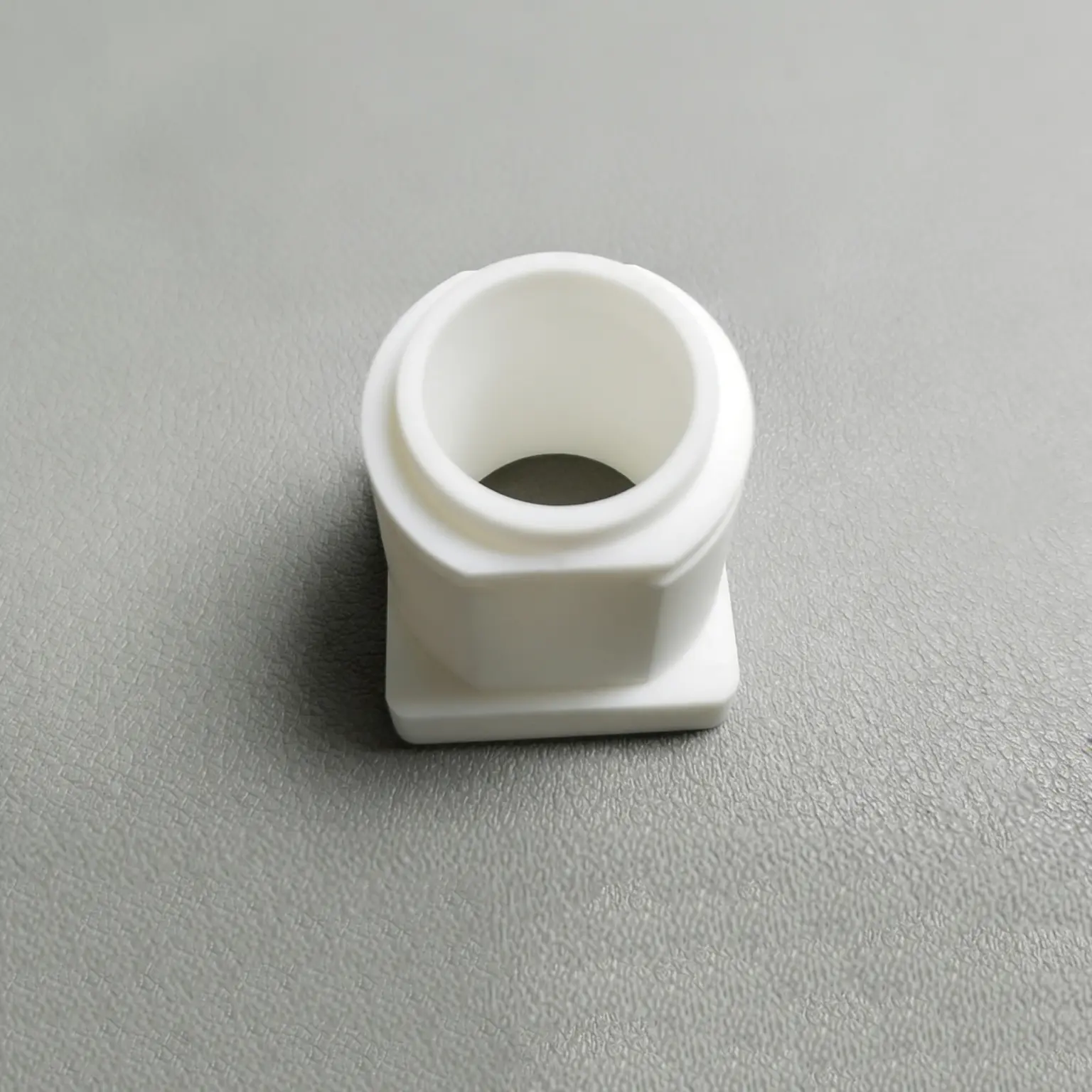
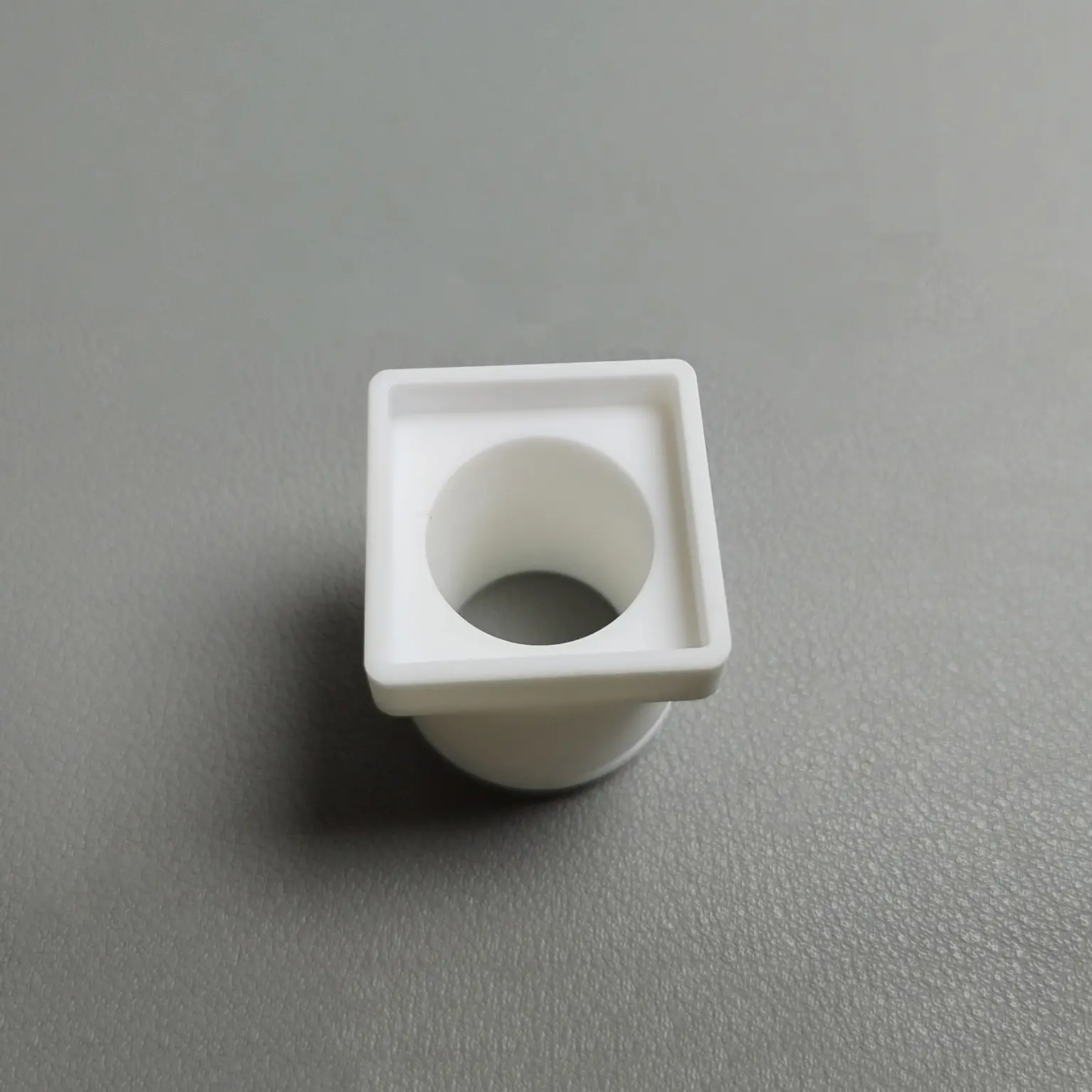
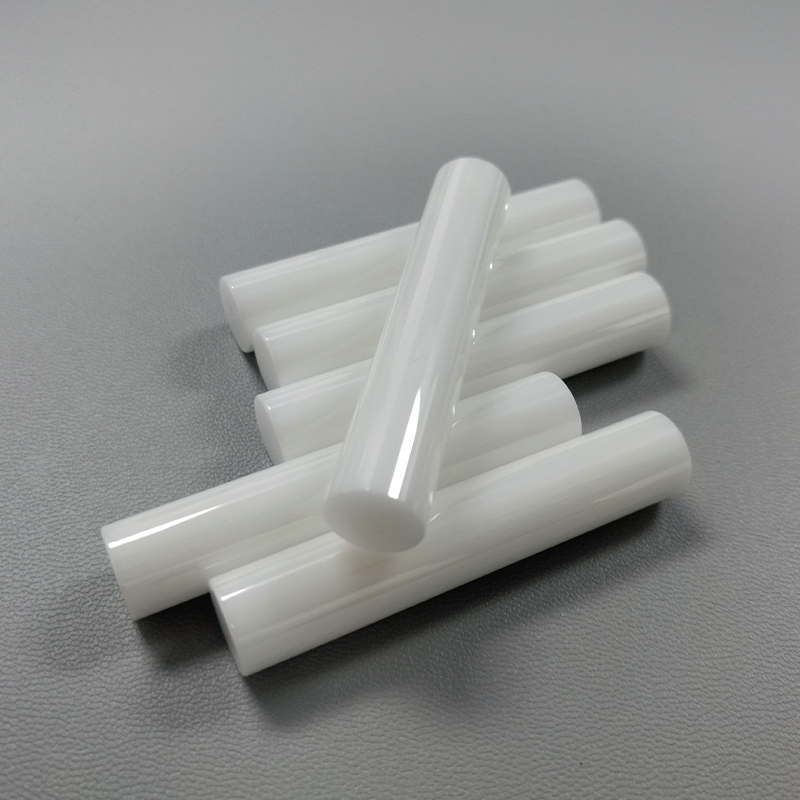
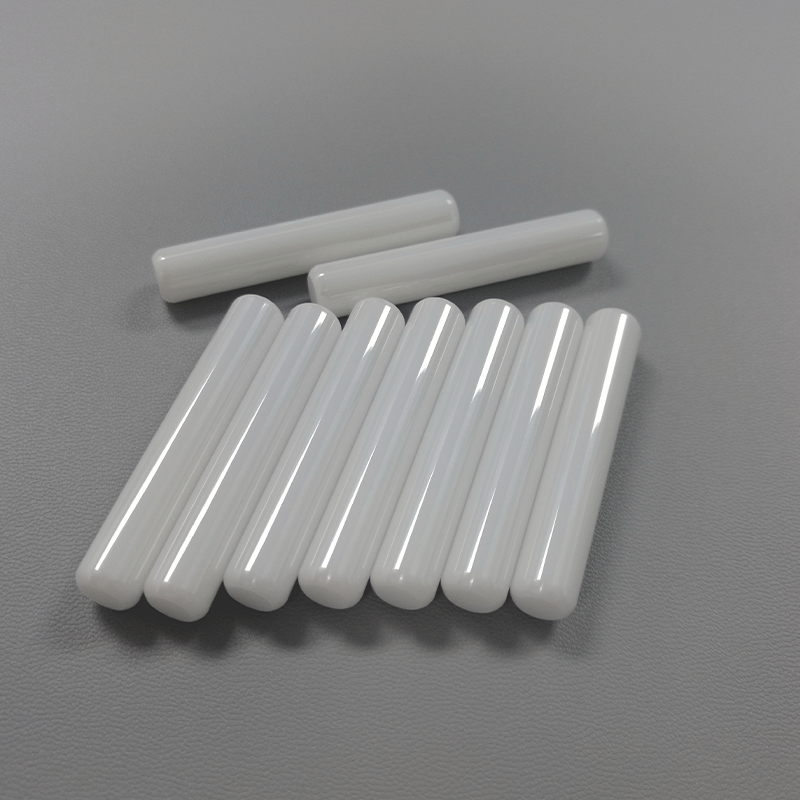




Custom Ceramic Components: Catalogue & Quote Requests





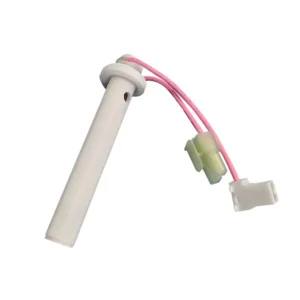


Technical Ceramics for Fluid Handling Systems Start With the Part
Define the component, service context, and acceptance needs before narrowing material and production options.
Current Drawing Revision
Share the current drawing revision so dimensions, callouts, interfaces, and open questions can be reviewed against the component requirement before a quotation discussion begins.
Project-Specific Material Grade
Identify the material designation when known, then discuss grade-specific suitability in relation to fluid exposure, temperature, loading, and the part’s intended function.
Geometry That Supports Assembly
Clarify the dimensions that govern installation, alignment, flow paths, and mating components, including features that may affect how the ceramic part fits the wider system.
Functional Surface Priorities
Point out sealing, sliding, seating, or wear-facing surfaces and describe their role, so surface-related requirements are considered alongside the overall component geometry.
Application Conditions In Context
Describe the fluid, operating environment, pressure conditions, temperature exposure, abrasive content, and duty cycle relevant to the application, without treating general material properties as commitments.
Inspection Evidence And Acceptance
State the inspection expectations, documentation needs, and acceptance criteria required for approval, helping separate essential project requirements from preferences before commercial terms are confirmed.
Technical Ceramics for Fluid Handling Systems
Explore component paths for pumps, valves, seals, flow-control assemblies, and replacement parts—then define the drawing, service conditions, and acceptance requirements for quotation.

Ceramic Manufacturing Capabilities
Review ceramic manufacturing capabilities for project-specific tubes, rings, seats, sleeves, plungers, and wear components. Start with the drawing revision, critical dimensions, mating surfaces, quantity, and inspection expectations so the quotation discussion is based on the actual part requirement.
Discuss Your Ceramic Part
Ceramic Solutions by Industry
Explore advanced ceramics applications across fluid handling, mechanical equipment, process systems, and replacement-part projects. Application context helps identify relevant wear, corrosion, temperature, electrical, and assembly considerations before material and component details are confirmed.
Discuss Your Ceramic Part
Advanced Ceramic Materials
Compare advanced ceramic materials including alumina, zirconia, silicon carbide, silicon nitride, aluminum nitride, boron nitride, and specialty ceramics. Material-family information is a starting point; the grade, geometry, processing route, and project-specific performance requirements require confirmation.
Discuss Your Ceramic Part
Technical Ceramic Products
Browse technical ceramic products for pump, valve, seal, flow-control, and replacement-part requirements. Product illustrations and familiar forms help frame an inquiry, while the final component specification depends on confirmed dimensions, tolerances, material grade, documentation, delivery, and commercial terms.
Discuss Your Ceramic Part
Technical Ceramic Resources
Use this technical ceramics guide to prepare a clearer inquiry. Include the current drawing, known material designation, quantity, operating environment, critical fit surfaces, assembly dimensions, and required documentation; send details by email or WhatsApp to begin a project discussion.
Discuss Your Ceramic PartTechnical Ceramics for Fluid Handling Systems: Materials to Discuss

Alumina Ceramics
A widely considered oxide ceramic family for wear interfaces, valve elements, sleeves and insulating components. Hardness and grade options are discussed alongside dimensions, surface finish, media exposure and the required inspection criteria.

Zirconia Ceramics
An oxide ceramic family often evaluated for pump, valve and control parts where mechanical loading and interface details matter. Toughness-related behavior varies by grade, so drawing dimensions, operating conditions and acceptance needs should guide discussion.
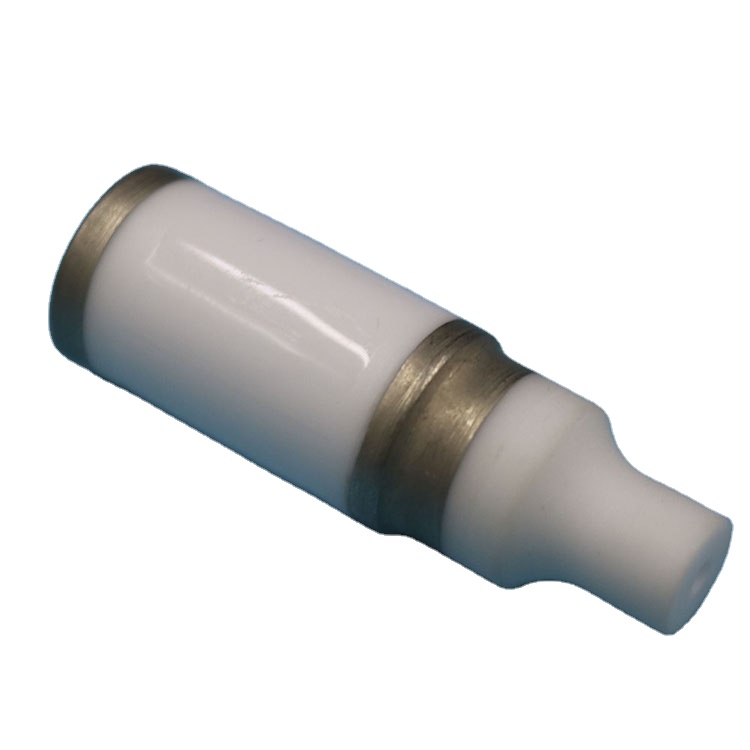
Silicon Carbide Ceramics
A carbide ceramic family commonly discussed for seal faces, nozzles, bearings and flow-path components. Its high hardness makes it relevant to wear-focused requirements, subject to confirmation of grade, geometry, media and mating-part conditions.
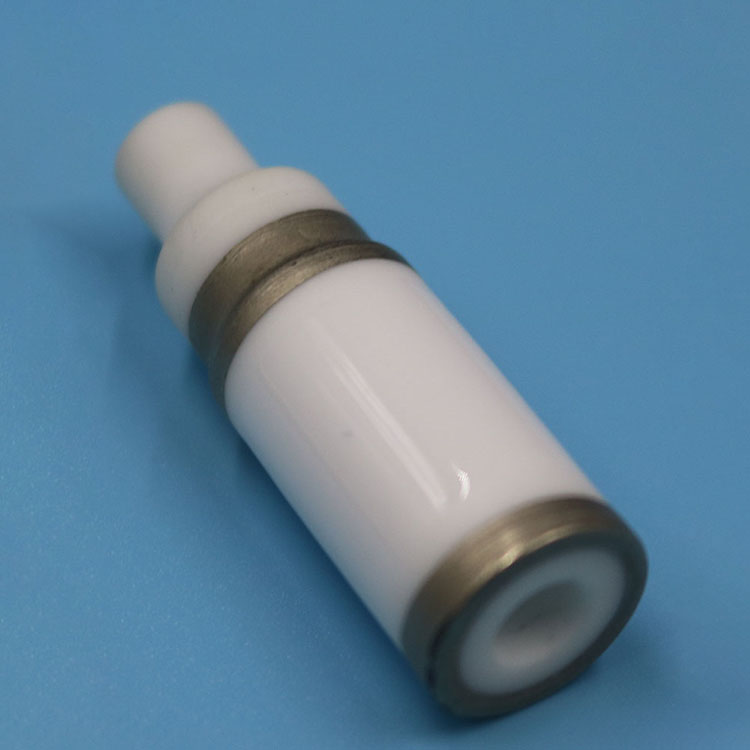
Silicon Nitride
A nitride ceramic family considered for bearings, rolling interfaces and mechanically loaded fluid-system components. Strength and thermal behavior depend on the specified grade and process route, which should be reviewed against the project drawing.
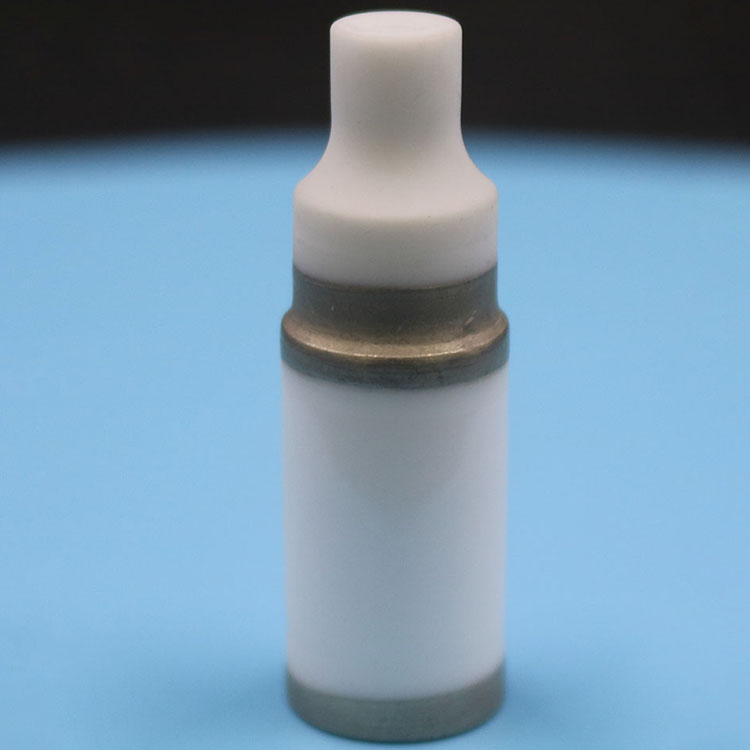
Specialty Ceramics
Additional oxide, nitride and specialty ceramic families can be explored for distinctive thermal, electrical or chemical requirements. Share the application, material designation if known, critical dimensions and documentation expectations to define the next option.
Technical Ceramics for Fluid Handling Systems: Production Considerations
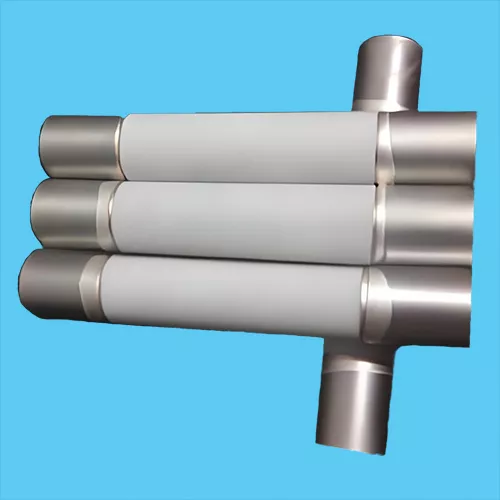
Drawing Review
Start with the current drawing revision to identify critical dimensions, datum strategy, interfaces and notes. This gives the component discussion a shared reference before any process, grade or delivery assumption is carried forward.
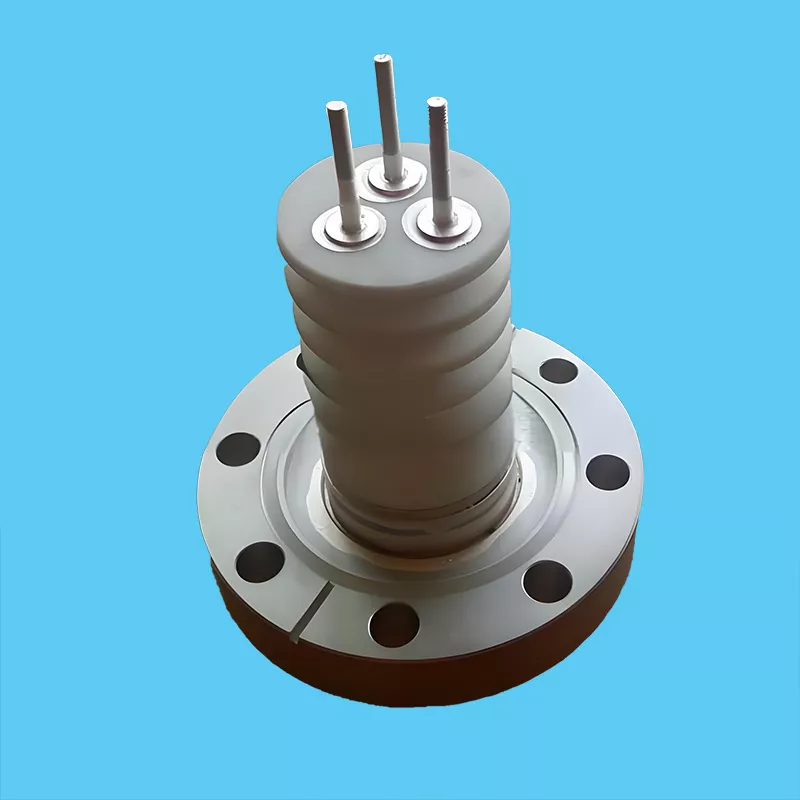
Geometry Assessment
Review wall sections, holes, grooves, transitions and unsupported features in relation to the selected component form. Geometry should be discussed alongside the part’s duty, rather than treated as separate from material selection.
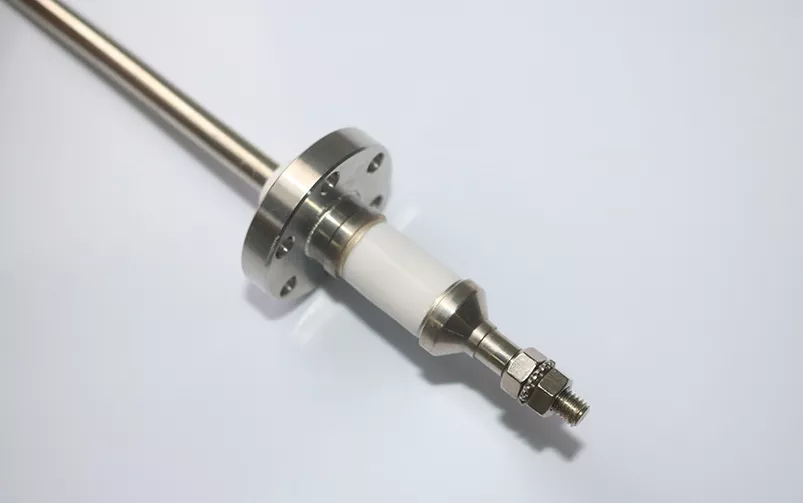
Material Discussion
Compare the stated material designation with service conditions and the features that matter to the application. A listed ceramic family begins the conversation; grade-specific properties and availability require project-level confirmation.

Surface Definition
Identify surfaces that seal, slide, locate or mate with another part. Surface requirements, fit-driving dimensions and relevant finish expectations should be clear enough to support a focused technical and quotation discussion.
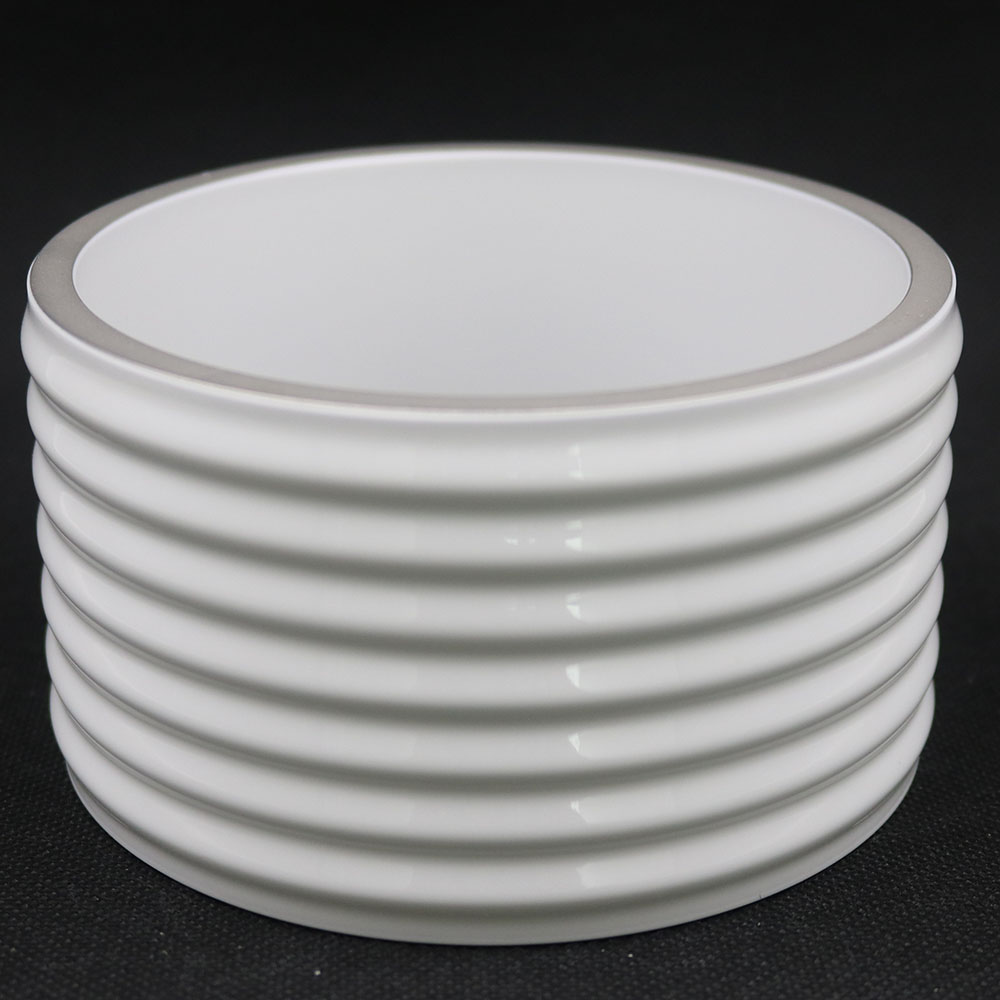
Inspection Planning
Define the acceptance criteria, measurement needs and documentation expected for the individual project. Aligning these expectations early helps distinguish essential controls from preferences before commercial terms and production details are confirmed.
Technical Ceramics for Fluid Handling Systems: Interface Requirements

Mating Surfaces
Identify the ceramic faces that contact seals, shafts, seats or housings. Note finish expectations, contact conditions and the mating material so the functional interface can be discussed against the actual assembly.

Assembly Dimensions
Flag the dimensions that establish location, clearance, alignment or preload in the fluid-handling assembly. Provide the current drawing revision and call out critical diameters, lengths, radii and reference datums.

Tolerance Callouts
Separate essential tolerances from general dimensions, particularly where a ceramic component must fit another part. This gives the quotation discussion a clearer basis for geometry, inspection and production considerations.

Service Conditions
Describe the fluid, temperature, pressure, abrasion, cycling and surrounding environment where known. These conditions help frame a project-specific conversation about technical ceramics for fluid handling systems and material options.
Acceptance Records
State the documentation, inspection records, material designation or approval information needed for your project. Confirming these expectations early helps distinguish an inquiry requirement from an agreed production commitment.
Technical Ceramics for Fluid Handling Systems
Porcecore was founded by Andy Yuan to make technical ceramic sourcing more understandable for industrial buyers, equipment builders, and project teams. Our application-first approach begins with the part and its job, helping turn a material question into a clearer discussion of geometry, operating conditions, interfaces, and acceptance needs.
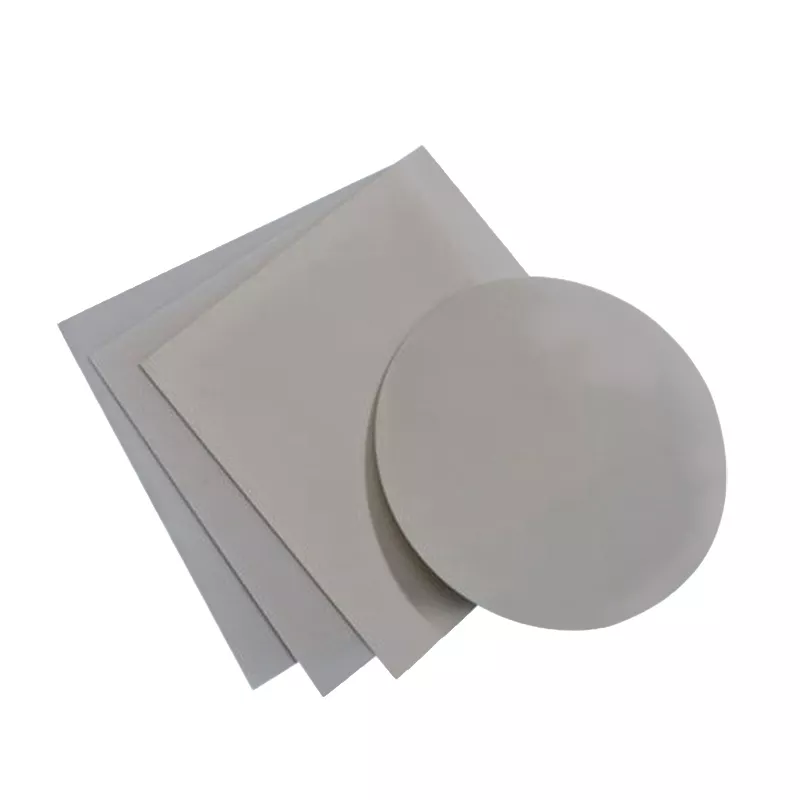
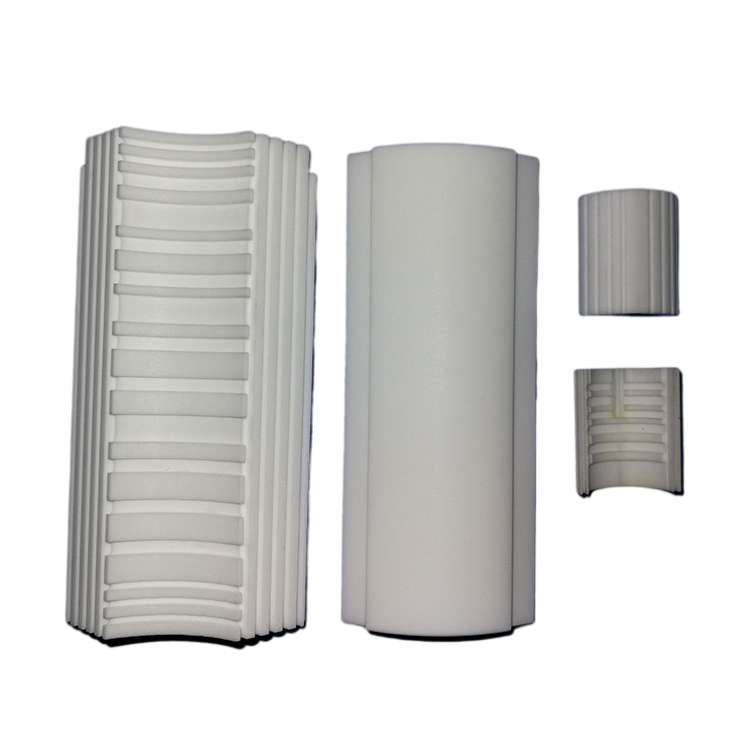
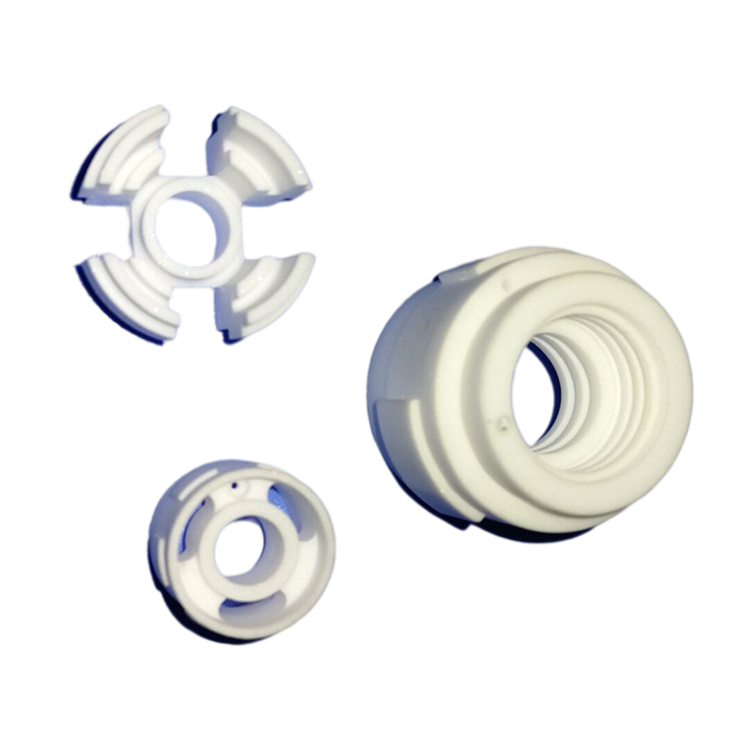
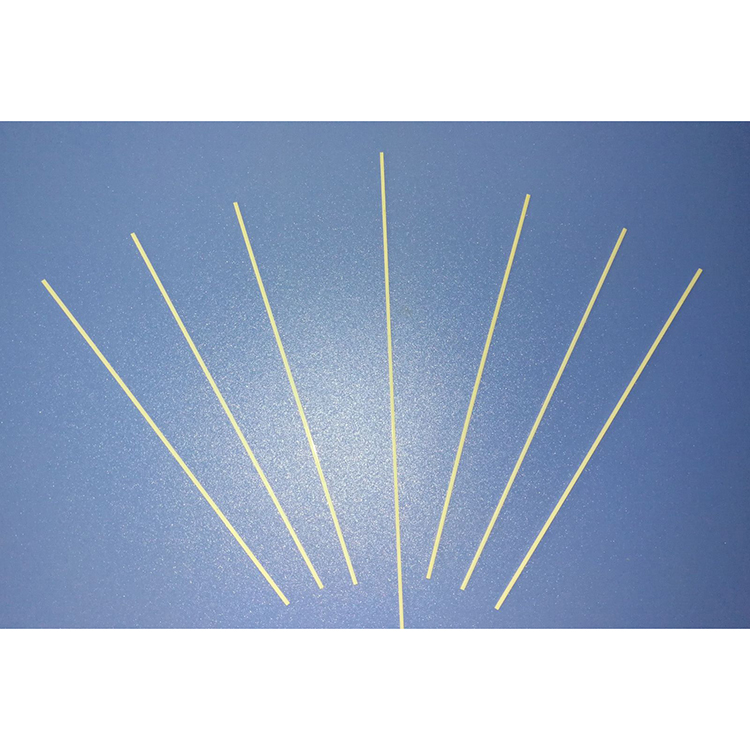
For technical ceramics for fluid handling systems, we organize discussions around material families and component forms, including tubes, rods, rings, and substrates. Instead of treating a listing as a fixed specification, we invite drawing-led inquiries that clarify grade, dimensions, mating surfaces, quantity, documentation, and the current revision before quotation decisions move forward.

Define the Part Before Requesting a Quote
Clarify Service Conditions
For technical ceramics for fluid handling systems, begin with the fluid, pressure, temperature, abrasive exposure, cycling conditions and expected duty. This context helps frame a material and component discussion around the actual service environment rather than a material name alone.
- Identify the fluid or media involved
- Note pressure, temperature and operating cycles
- Describe abrasive, corrosive or cleanliness concerns
- State the component’s functional role

Define Geometry and Interfaces
A quotation discussion becomes more useful when the drawing identifies dimensions that govern assembly. Share the current revision, component form and mating surfaces so Porcecore can understand whether a tube, ring, seat, nozzle or other ceramic part must fit, seal or align with another component.
- Send the current drawing revision
- Mark critical assembly dimensions
- Identify sealing and contact surfaces
- Describe related mating components

Separate Needs From Preferences
Not every requested detail carries the same weight. Distinguish the requirements that determine function, fit and approval from preferred options that may remain open for discussion. This gives technical ceramics for fluid handling systems inquiries a clearer basis for evaluating grade, geometry and supply options.
- List essential material requirements
- Flag non-negotiable tolerances
- Separate preferences from acceptance criteria
- Identify open decisions early

Confirm Inspection Expectations
Include the inspection and documentation expectations that matter for the individual project. Specify the dimensions, surfaces, material designation and records needing confirmation, then align delivery and commercial terms during the quotation conversation. Project-specific details should be confirmed before an order is agreed.
- Identify dimensions requiring inspection
- Define surface or fit expectations
- Request needed project documentation
- Confirm delivery and commercial terms

A Drawing-Led Basis for Ceramic Component Sourcing
Porcecore frames the part, service conditions and acceptance needs before commercial terms are confirmed.
← Swipe left or right to view →
A Clear Workflow for Your Ceramic Component Inquiry
Move from a current part definition to a better-informed quotation discussion by confirming the details that shape material, geometry, inspection and commercial decisions.
Share the Current Part
Send the latest drawing, replacement-part details or application description, along with the component form and the dimensions that govern assembly.
Describe Service Conditions
Outline the fluid, pressure, temperature, wear exposure and operating environment so the discussion begins with the job the ceramic part must perform.
Identify Critical Interfaces
Mark mating surfaces, sealing areas, fit-related dimensions and other functional features that need attention when defining geometry, finishing and inspection expectations.
Review Material Direction
Discuss known material designations or candidate ceramic families alongside project-specific requirements, recognizing that general properties do not define a final grade.
Clarify Acceptance Requirements
Confirm quantity, tolerances, documentation needs, acceptance criteria, delivery considerations and commercial details that give a quotation discussion a concrete basis.
Confirm Project-Specific Terms
Use the reviewed requirements to identify remaining open questions before agreeing material grade, dimensions, inspection scope, delivery and commercial terms for the project.
Start Your Fluid-Handling Ceramic Component Inquiry
Give the quotation discussion a clear basis by defining the part, its operating context and the details that need confirmation.
Send the Current Drawing
Provide the latest drawing revision and identify assembly-critical dimensions, mating surfaces, tolerances and any features that determine fit or fluid-facing function.
Identify the Material
Name the ceramic material or grade if known, or describe the application so material options can be discussed against project-specific requirements.
State Service Conditions
Share quantity, fluid media, temperature, pressure, wear exposure and operating cycle, plus any conditions that affect the component’s intended job.
Define Acceptance Requirements
Specify inspection expectations, documentation needs and other approval criteria. This helps distinguish essential requirements from preferences before a quotation is considered.
Confirm Open Questions
Review grade, geometry, tolerances, delivery and commercial details together before commitment, so the individual project has a clearly defined basis.
Discuss Documentation Requirements Before Quotation
Customer Evidence Will Be Added With Approval
Approved customer feedback will be published here when a buyer authorizes attribution and confirms the project context, component requirement, and outcome for technical ceramics used in fluid handling systems.
Future project examples will describe the drawing revision, material discussion, critical dimensions, and acceptance requirements that shaped the quotation conversation, subject to customer permission and confidentiality requirements.
Porcecore will only publish attributable feedback with confirmed details. Until then, procurement and engineering teams can send a drawing, service conditions, quantity, and inspection expectations to begin a project-specific discussion.
Fluid-Handling Ceramic Component Sourcing FAQ
Clarify the part, operating conditions, and acceptance requirements before requesting a quotation.
What should we send when requesting technical ceramics for fluid handling systems?
Can Porcecore help select a grade for technical ceramics for fluid handling systems?
How should tolerances and functional surfaces be specified?
Can I request a quote for technical ceramics for fluid handling systems without a complete drawing?
What quantity information should be included in an inquiry?
What inspection evidence or documentation can be discussed?
How should ceramic parts be packaged and shipped?
How are drawings and proprietary component details handled?
Buyer’s Guide to Ceramic Components for Fluid Handling
Use a practical decision framework to compare materials, component designs, total-cost drivers, and supplier qualifications—while avoiding specification gaps, unvalidated performance assumptions, and sourcing mistakes that compromise reliability.
1. What Are Technical Ceramics for Fluid Handling Systems?
Two material questions define technical ceramics for fluid handling systems: what contacts the fluid, and what loads the part carries. Engineered ceramic components include pump sleeves, valve seats, seal faces, nozzles, plungers, bearings, orifices, and flow-control elements.
Six operating variables—abrasion, chemistry, temperature, pressure, leakage risk, and required dimensional stability—determine whether a ceramic is justified. Hard, chemically resistant surfaces can preserve critical clearances and wetted geometry when metal corrosion, galling, or polymer wear would alter performance.
One component rarely needs a ceramic-only design. Ceramics commonly complement metal housings, shafts, springs, and polymer seals; the material decision must follow fluid composition, particle size, duty cycle, mating surface, thermal cycling, allowable leakage, and inspection criteria.
2. Evolution of Ceramic Fluid Components
Alumina moved ceramic fluid components beyond conventional wear pieces by enabling more controlled compositions and densification. Better powder conditioning and forming made repeatable tubes, seats, and orifices more practical.
Zirconia and silicon carbide broadened the design palette: zirconia for applications where fracture resistance matters, silicon carbide for demanding wear and chemical environments. Sintering control, diamond grinding, and surface-finish measurement increasingly tied material selection to fit, leakage, and mating behavior.
A current drawing revision, specified grade, and acceptance criteria matter because a legacy material name does not establish density, microstructure, tolerances, or inspection method. Procurement risk grows when an old replacement part is assumed equivalent without confirming service conditions.
3. Types of Technical Ceramics for Fluid Handling Systems
Six component families translate material selection into a defined fluid-system duty. Quote requests should state the part’s function, medium, load, and critical interfaces.
Pump Wear Parts
Pump liners, plungers, and impellers face abrasion, pressure cycling, and corrosion. Wear can reduce efficiency or seize equipment; define OD, ID, wall, and slurry conditions.
Valve And Control Parts
Valve seats, balls, and trims regulate flow under throttling and pressure differentials. Leakage or sticking follows damage; define seat angle, port size, pressure, and mating material.
Mechanical Seal Faces
Seal faces limit leakage at rotating shafts while handling friction and thermal gradients. Face damage causes emissions; define face diameter, flatness, finish, speed, and fluid.
Nozzles And Orifices
Nozzles and orifices shape spray or meter flow under erosive velocity. Bore growth changes output; define orifice diameter, length, inlet geometry, pressure, and particle size.
Bearings And Metering Parts
Sleeve bearings and dosing pistons guide motion or displace controlled volumes. Clearance loss causes leakage or binding; define bore, shaft clearance, stroke, viscosity, and target flow.
4. Materials for Technical Ceramics for Fluid Handling Systems
Four common choices trade wear resistance, fracture tolerance, heat handling, finishing effort, and cost. For technical ceramics for fluid handling systems, material properties are only screening criteria.
| Material | Hardness / Toughness | Corrosion / Thermal | Friction / Machining | Cost Tendency | Typical Duty |
|---|---|---|---|---|---|
| Alumina | High / low | Good / moderate | Low / difficult | Lower | Seats, nozzles |
| Zirconia | High / high | Good / moderate | Low / difficult | Medium | Plungers, valves |
| Silicon carbide | Very high / moderate | Excellent / high | Very low / difficult | Higher | Seal faces, slurry parts |
| Silicon nitride | High / high | Good / high | Low / difficult | Higher | Bearings, pump parts |
Material Tradeoffs
Alumina is a common hard, economical baseline; zirconia adds toughness. Silicon carbide favors corrosion, thermal conductivity, and low-friction seal duties, while silicon nitride combines toughness with thermal-shock resistance.
Compatibility Checks
Fluid chemistry, suspended-solids size and concentration, temperature, pressure, mating material, and duty cycle determine compatibility. Confirm the grade, surface finish, clearance, and acceptance criteria against the current drawing before release.
5. Customization for Technical Ceramics for Fluid Handling Systems
One controlled drawing should define the geometry, mating surfaces, service medium, pressure, temperature, and acceptance criteria before a custom quotation. Technical ceramics for fluid handling systems are specified around function, not catalog appearance.
| Feature | Functional Purpose | Cost Consideration |
|---|---|---|
| Bore or orifice | Controls flow | Small features increase machining effort |
| Flat sealing face | Supports leak control | Tighter flatness adds grinding |
| Metallized interface | Enables joining | Requires assembly validation |
Geometry And Interfaces
Two critical features are the bore or orifice and its entry radius; both affect flow and stress concentration. Grooves, mounting faces, and thread alternatives need drawing-defined datums.
Finish And Inspection
Three linked requirements—surface finish, flatness, and dimensional tolerance—must match sealing or sliding function. Tighter limits can require additional grinding and more inspection points.
Assembly And Grade
One assembly may require metallization or a brazed interface where ceramic joins metal. Material grade, prototype iteration, inspection method, and production quantity should be confirmed together.
6. Critical Construction and Quality Elements
Three drawing-controlled elements—material condition, finished geometry, and inspection evidence—often determine whether a ceramic fluid component seals, meters, and assembles as intended. Treat each as an acceptance requirement, not a brochure claim.
Material Microstructure
Specified purity, density, grain size, and allowable porosity affect strength, wear response, and pressure integrity. A material-family name alone does not confirm a grade or microstructure.
Functional Geometry
Defined flatness and surface finish govern seal-face contact; concentricity and bore tolerance govern rotating fit and flow accuracy. Edge breaks or radii should be called out where chips could initiate or disrupt assembly.
Inspection Evidence
Traceable inspection should identify the drawing revision, measured dimensions, lot, method, and acceptance criteria. A statement such as ‘high precision’ is unverified until the agreed records and limits are supplied.
7. How to Choose a Ceramic Manufacturer
Three supplier checks reduce avoidable risk: engineering fit, process control, and commercial discipline. Evaluate evidence for the specific drawing and service condition, not a catalog material label.
Engineering And Materials
1 drawing review should address pressure, media, temperature, mating surfaces, and failure modes. Ask which grade is proposed, why it fits, and which assumptions remain open.
Process And Measurement
2 process records matter: request the forming route, machining sequence, datum scheme, inspection plan, and sample report. Confirm how critical bores, flatness, surface finish, and cracks are measured.
Release And Change Control
3 production questions expose readiness: ask for prototype timing, production lead-time assumptions, lot traceability, documentation, and approval points. Require written notice before material, process, drawing, or inspection changes.
8. Common Buyer Mistakes and How to Avoid Them
1 purchase-order release should follow a requirements check, not a material-name or lowest-price comparison. For technical ceramics for fluid handling systems, missing service and acceptance details often shift risk into assembly or commissioning.
Define The Service Media
2 data sets are essential: media chemistry and abrasive-solids size, concentration, and hardness. Without them, a nominally suitable ceramic may wear or corrode prematurely; document them before quotation.
Control Interfaces And Tolerances
1 mating-surface review must identify fits, seals, contact faces, and assembly-critical dimensions. Unworkable tolerances raise cost or reject risk; agree tolerances and datum scheme before release.
Validate And Accept Parts
1 prototype or first-article review should confirm function before production quantity. Define inspection methods, sampling, records, and acceptance limits so delivery is judged against agreed criteria.
9. From Requirements to Production Release
A shared release package prevents procurement, engineering, equipment builders, and distributors from comparing different assumptions. Start with service data, then lock the drawing, inspection, and change-control records together.
Capture Duty And Risks
1 operating profile should state fluid chemistry, pressure, temperature, solids, cycles, and mating material. 3 likely failures—wear, leakage, and fracture—should be ranked by consequence.
Build The Technical Package
1 current drawing revision should identify datum scheme, critical fits, surface finish, and allowable defects. 2 candidate materials should be evaluated against the duty, not selected from generic property tables.
Quote, Validate, Release
2 comparable quotations should use identical quantities, documentation, tooling, and delivery assumptions. 1 approved sample and inspection plan should precede production release; record any deviation through controlled revision.
10. Pricing Technical Ceramic Components
1 comparable quotation starts with a validated drawing revision, service medium, temperature, pressure, mating surfaces, and acceptance criteria. These inputs let suppliers separate essential requirements from optional finishing or documentation.
2 quantity tiers change unit economics: prototype, low-volume, and repeat-production orders distribute setup differently. For technical ceramics for fluid handling systems, confirm material grade, inspection method, delivery target, and commercial terms for the individual project.
| Cost driver | Indicative quotation effect | Typical lead-time effect |
|---|---|---|
| Material family | Grade and availability affect cost | May require sourcing review |
| Geometry complexity | Bores, thin walls, and features increase machining | Adds process steps |
| Machining and finishing | Grinding, lapping, and surface finish add cost | Extends finishing time |
| Tolerance and inspection | Tighter limits and records increase effort | Adds verification time |
| Tooling or setup | New fixtures spread across quantity | Initial orders take longer |
| Order volume | Repeat volume can dilute setup cost | Supports scheduling |
Discuss Technical Ceramics for Fluid Handling Systems
Email your drawing, operating environment, and acceptance requirements to begin a clear, quote-ready conversation with Porcecore.