
Technical ceramics for industrial heating — source the right part
Specify the ceramic part around its geometry, service conditions, material requirements, and acceptance criteria.
Featured Ceramic Components for Industrial Heating

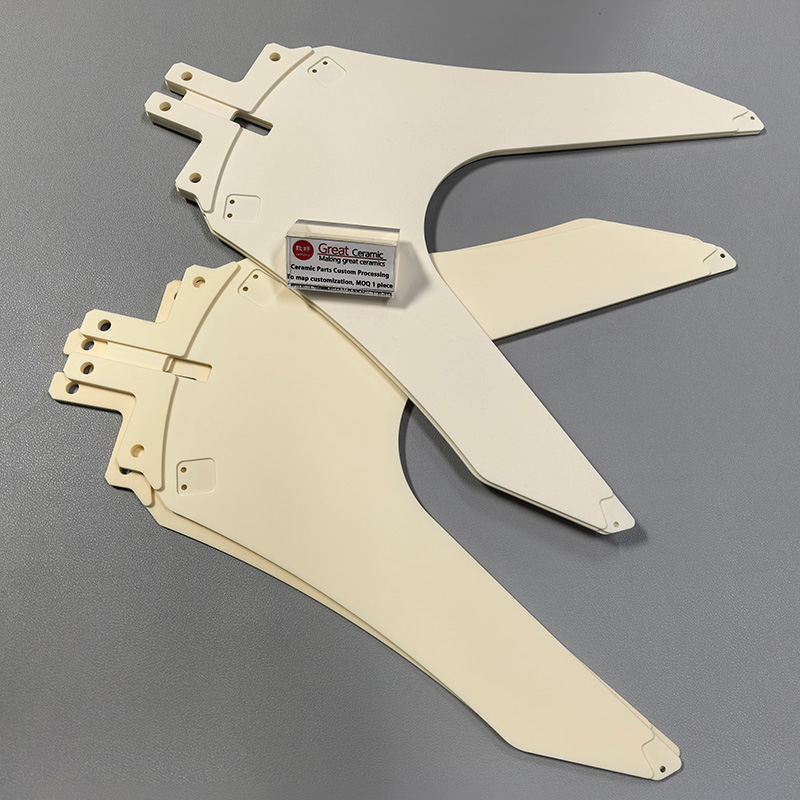
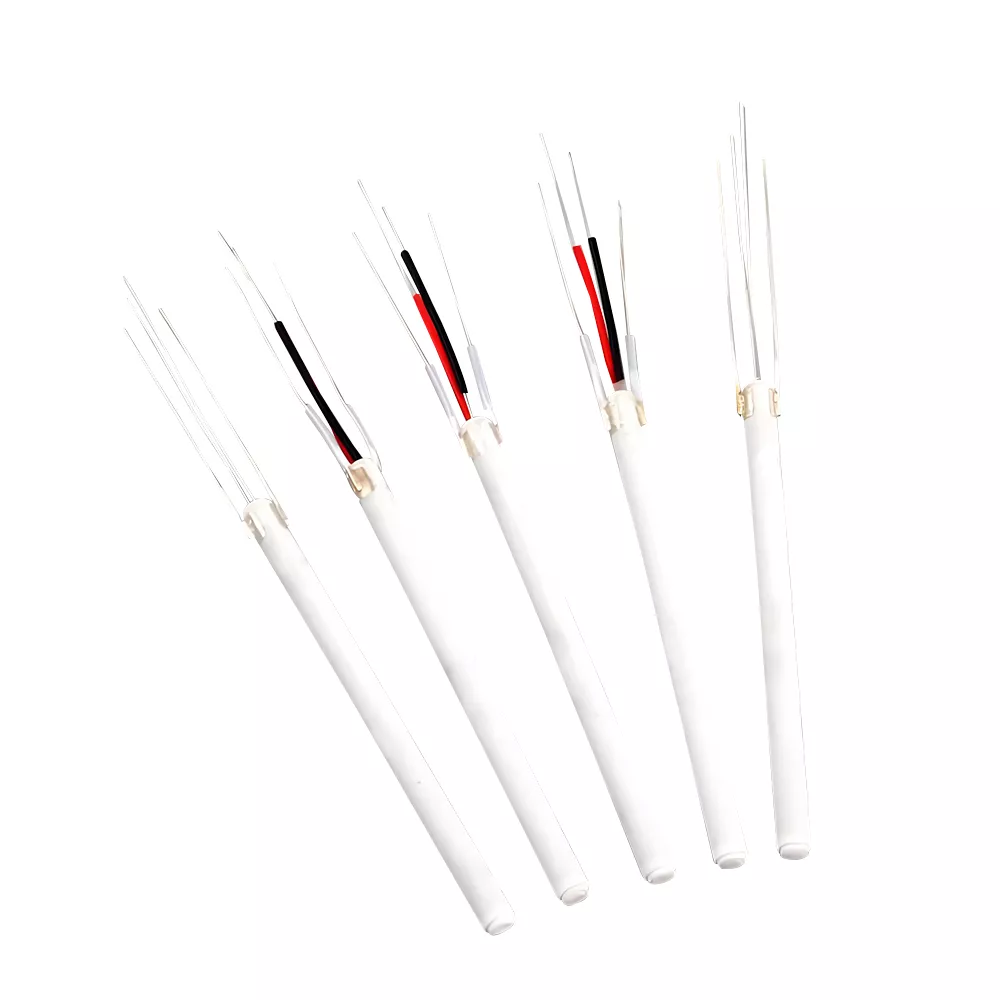
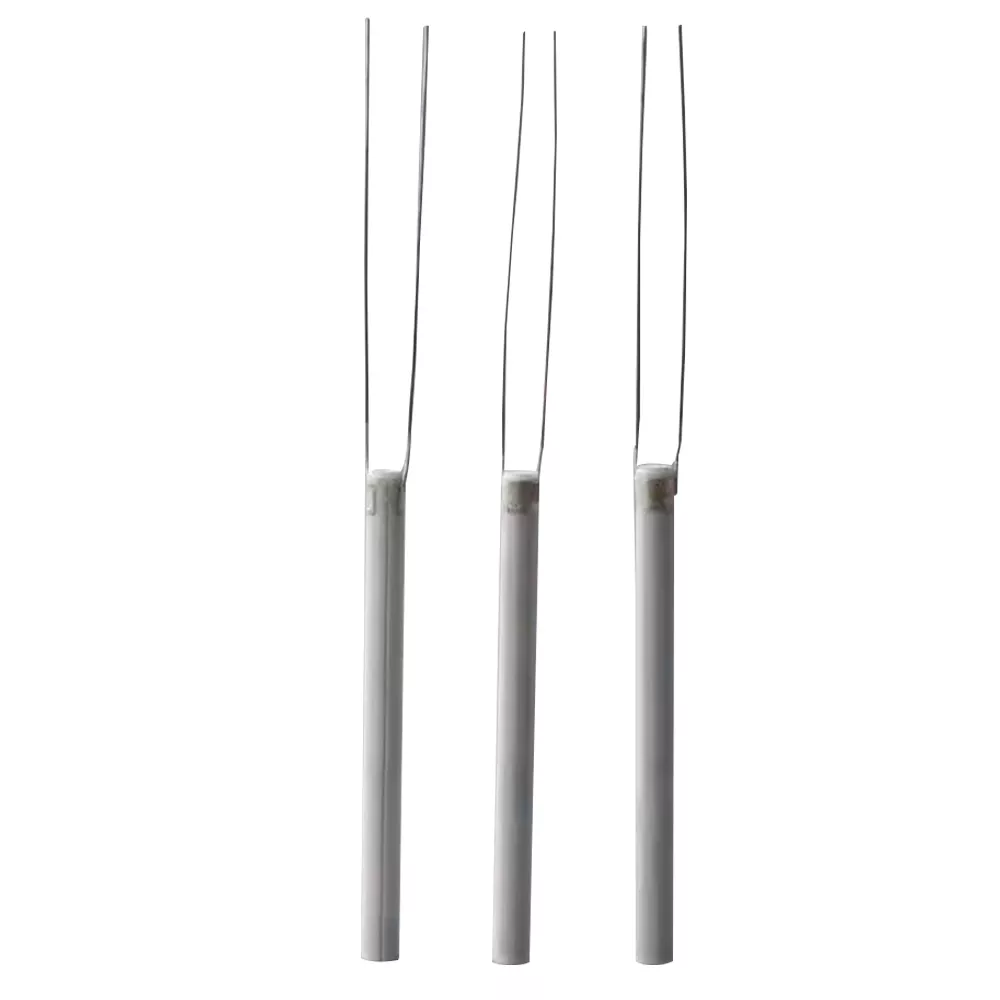


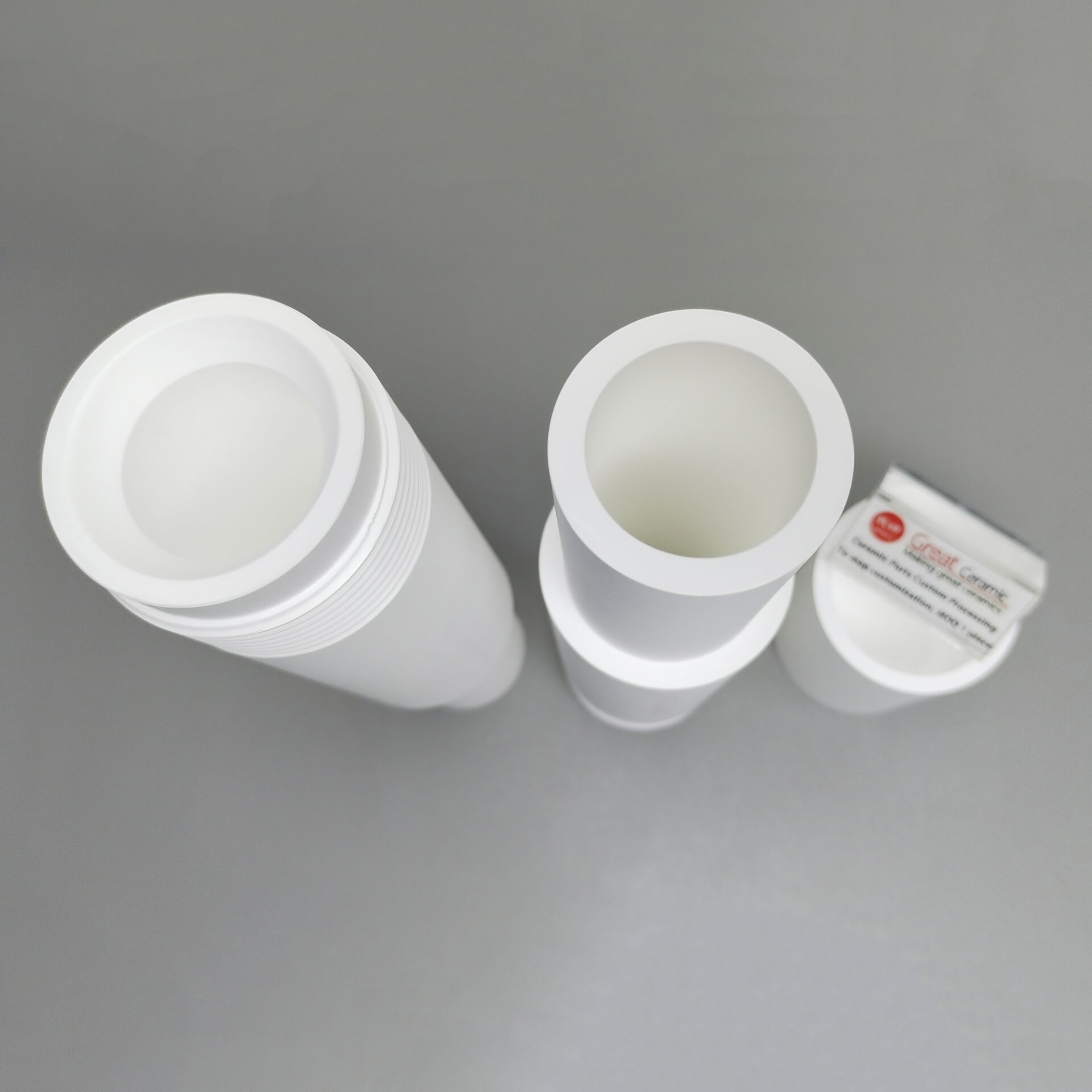
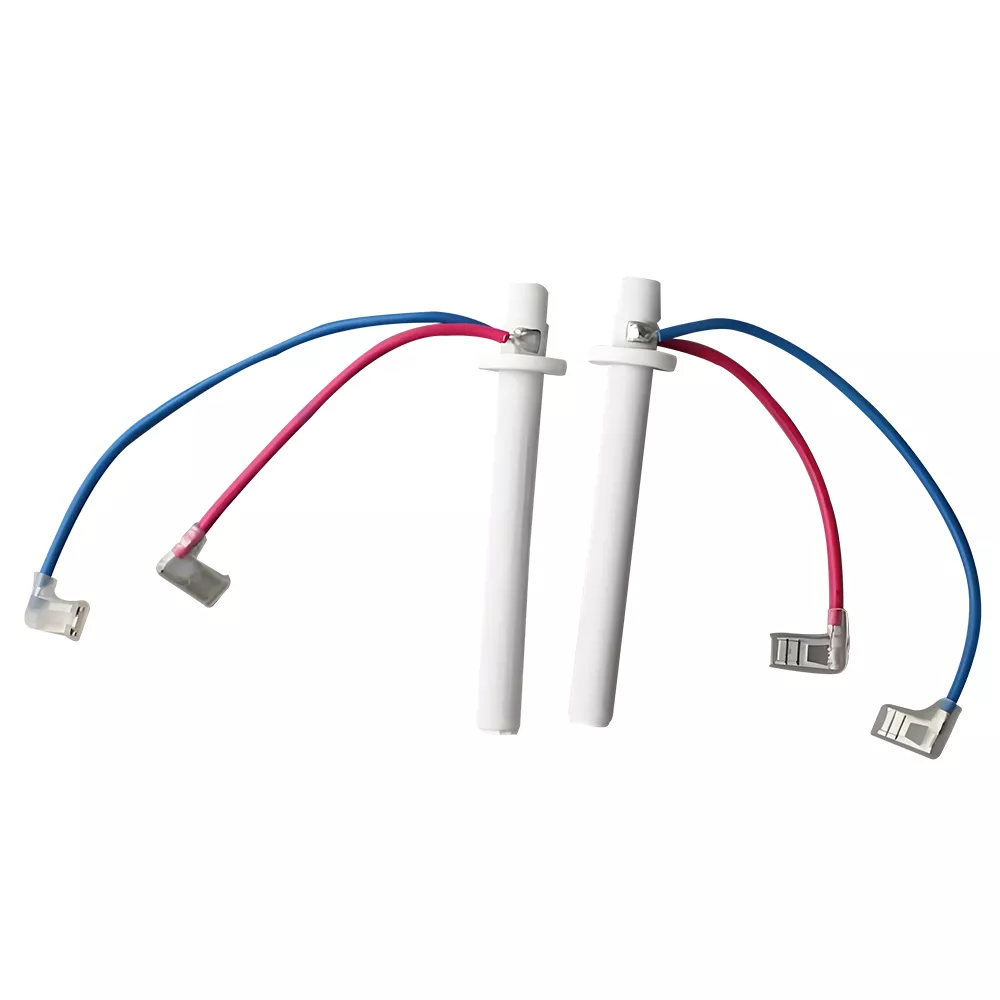
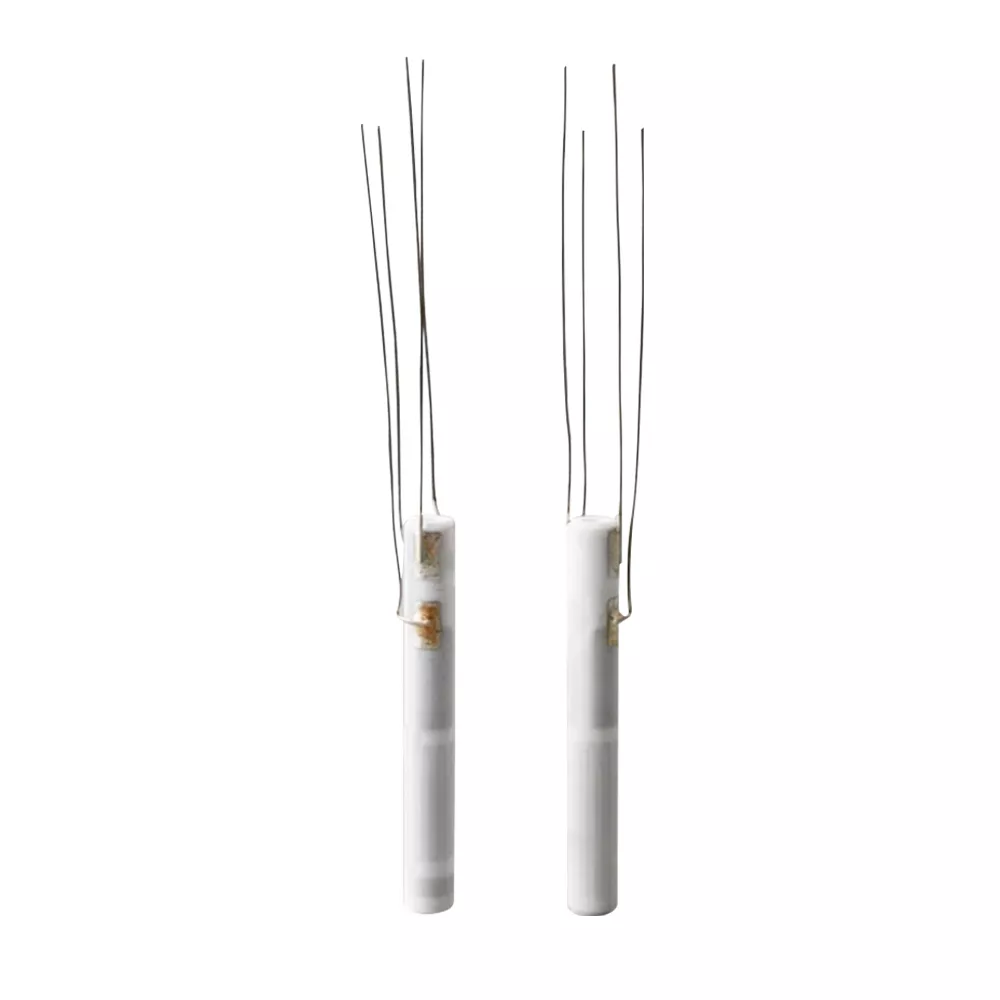
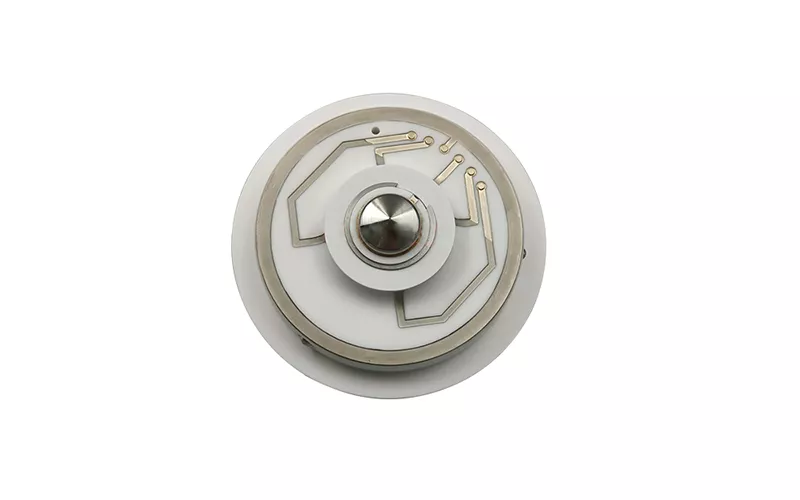


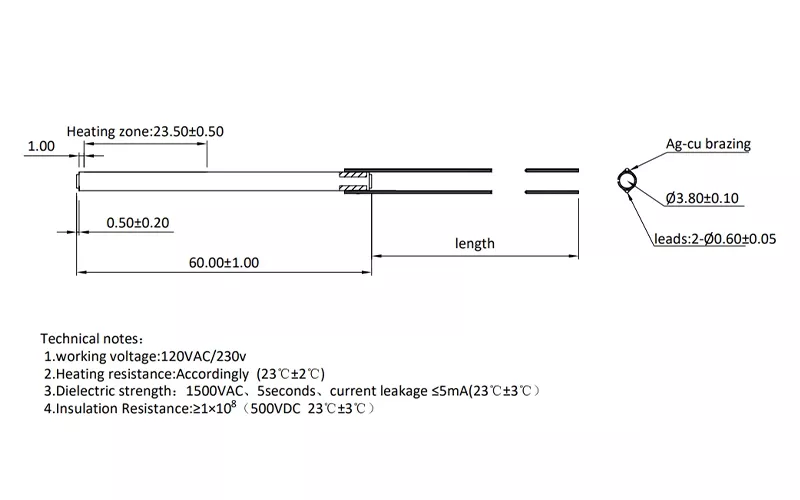


Related Ceramic Components for Quotation


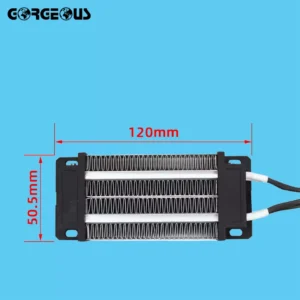


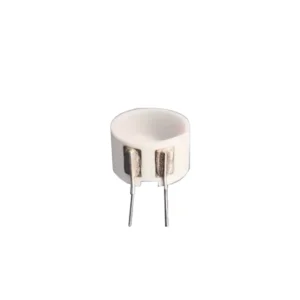
What Makes a Ceramic Part Ready for Sourcing
Evaluate the requirements that connect ceramic material choice, component geometry, production planning and acceptance evidence for a more focused sourcing discussion.
Control Drawing Revisions
Share the current drawing revision so dimensions, notes, interfaces and requested changes remain aligned throughout quotation and technical review.
Confirm Material Grade
Identify the requested ceramic family and grade when known, then review suitability against electrical, thermal, mechanical and chemical service conditions.
Define Component Geometry
Specify tube, rod, ring, substrate or other form alongside critical dimensions, tolerances and assembly relationships that determine part fit.
Clarify Process Route
Discuss the required manufacturing approach, shaping constraints and finishing expectations so the proposed route reflects the component’s geometry and application.
Identify Functional Surfaces
Mark mating, sealing, heating, insulating or contact surfaces on the drawing to distinguish essential interface requirements from non-critical preferences.
Set Inspection Evidence
State acceptance criteria, inspection points and documentation needs early, giving procurement and engineering teams a shared basis for evaluating supplied parts.
Industrial Ceramic Materials and Components
Explore material families, component forms and application pathways before confirming project-specific grades, dimensions, tolerances and acceptance requirements.

Ceramic Manufacturing Capabilities
Ceramic manufacturing capabilities are best evaluated against the required geometry, mating surfaces, operating conditions and inspection expectations. Share a current drawing, quantity and service requirements to establish which forming, machining or finishing approaches may suit the component.
Discuss Your Ceramic Part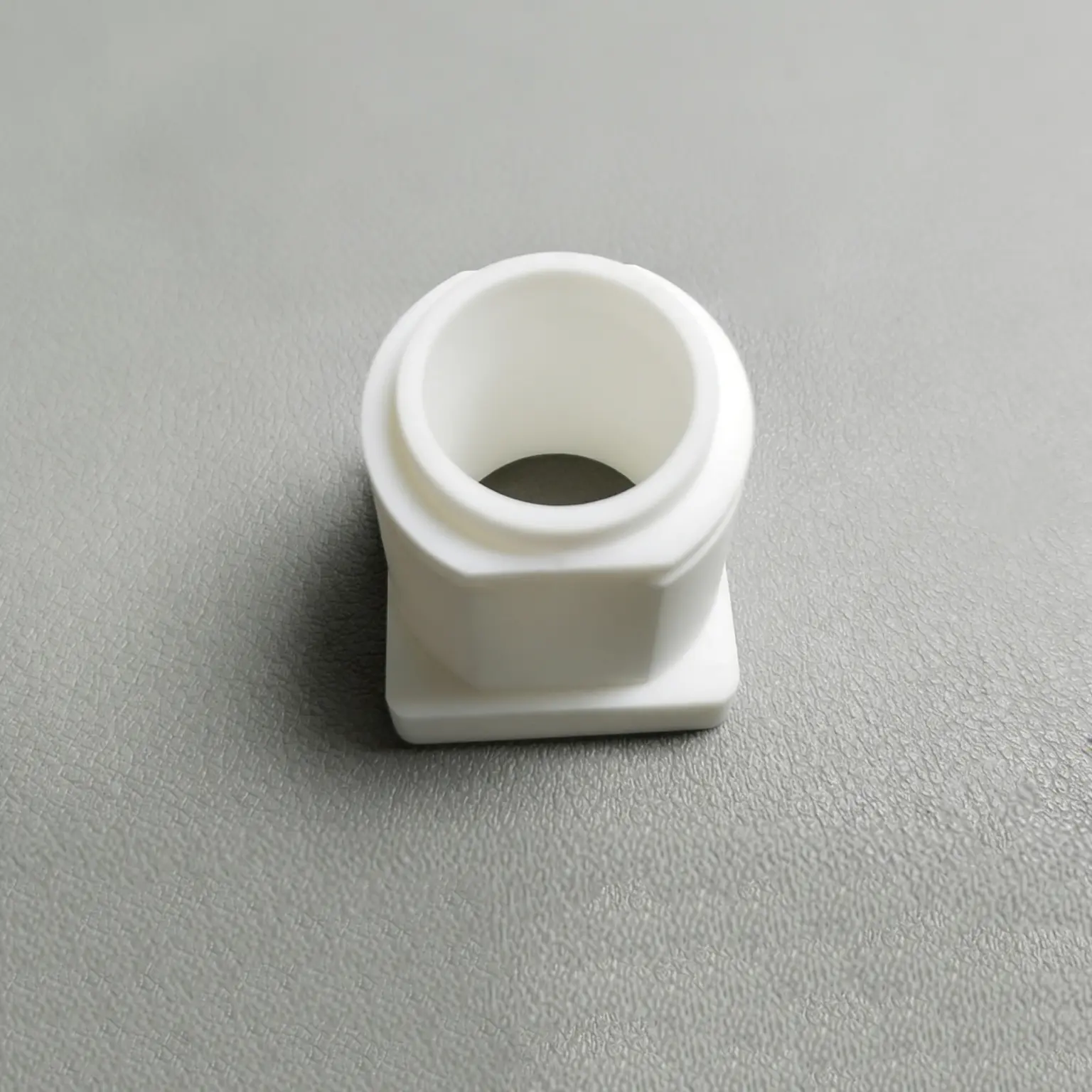
Ceramic Solutions by Industry
Advanced ceramics applications can be reviewed by connecting the component to its industrial duty, such as heating, insulation, wear, chemical exposure or thermal management. Equipment builders and procurement teams can begin with the application, then confirm material and design requirements.
Discuss Your Ceramic Part
Advanced Ceramic Materials
Advanced ceramic materials include alumina, zirconia, silicon carbide, silicon nitride, aluminum nitride, boron nitride and other oxide, nitride, carbide and specialty families. Selection should consider grade-specific properties, service conditions, geometry and required documentation.
Discuss Your Ceramic Part
Technical Ceramic Products
Technical ceramic products include industrial ceramic parts in familiar forms such as tubes, rods, rings and substrates, along with custom ceramic components. Product illustrations indicate possible categories; dimensions, tolerances, material grade, surfaces and acceptance criteria require individual confirmation.
Discuss Your Ceramic Part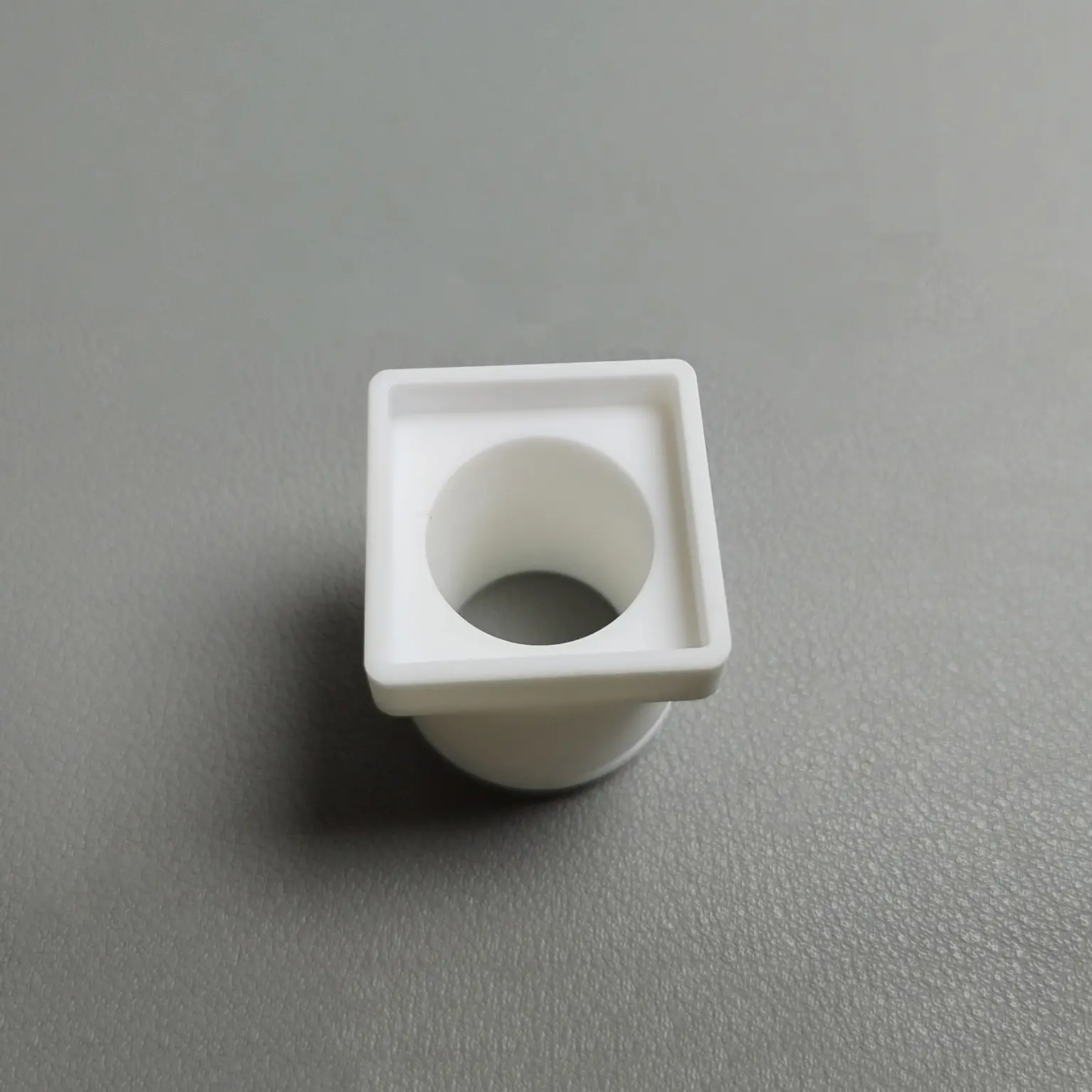
Technical Ceramic Resources
Technical ceramic resources help buyers distinguish general material information from grade-specific values and contractual specifications. Use a technical ceramics guide to frame the drawing, application, quantity, operating environment, documentation and open questions for a quotation discussion.
Discuss Your Ceramic PartSupported Technical Ceramics for Industrial Heating
Alumina Ceramic
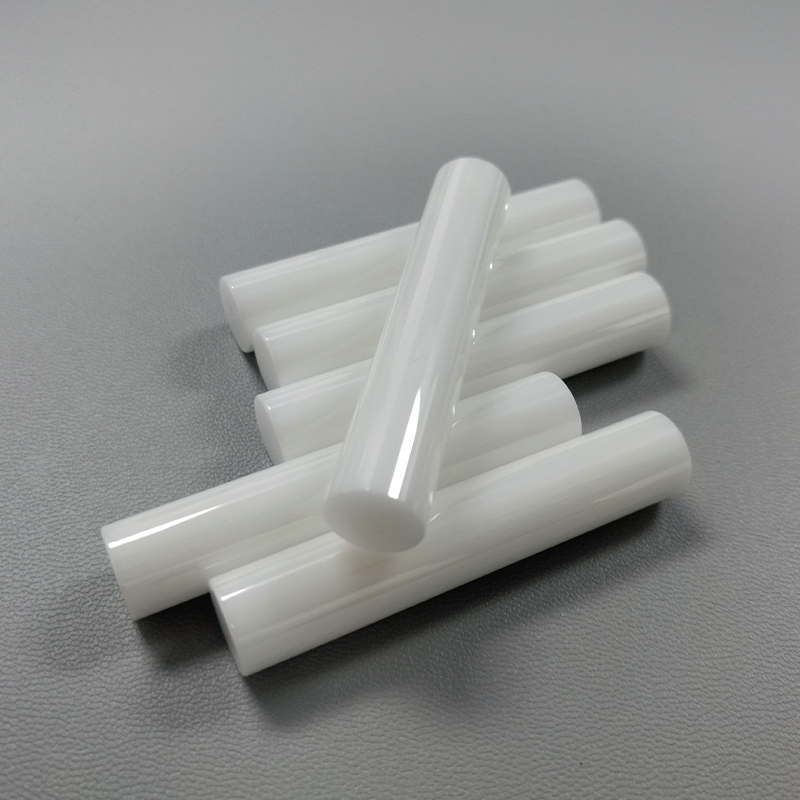
Hard, rigid and electrically insulating, alumina ceramics are commonly considered for heater supports, tubes, insulators and furnace components where high-temperature stability and mechanical strength are important. Grade, purity and geometry require project confirmation.

Silicon Carbide
Dense silicon carbide ceramics have a distinctive hard, technical profile and are considered for demanding heating, furnace and wear-related environments. Thermal conductivity and temperature capability can support heat-transfer requirements, subject to grade and design review.

Silicon Nitride
Lightweight yet mechanically robust, silicon nitride is considered for components exposed to thermal cycling, mechanical load or demanding wear conditions. Its suitability depends on the specific grade, geometry, mating surfaces and service environment.
Aluminum Nitride
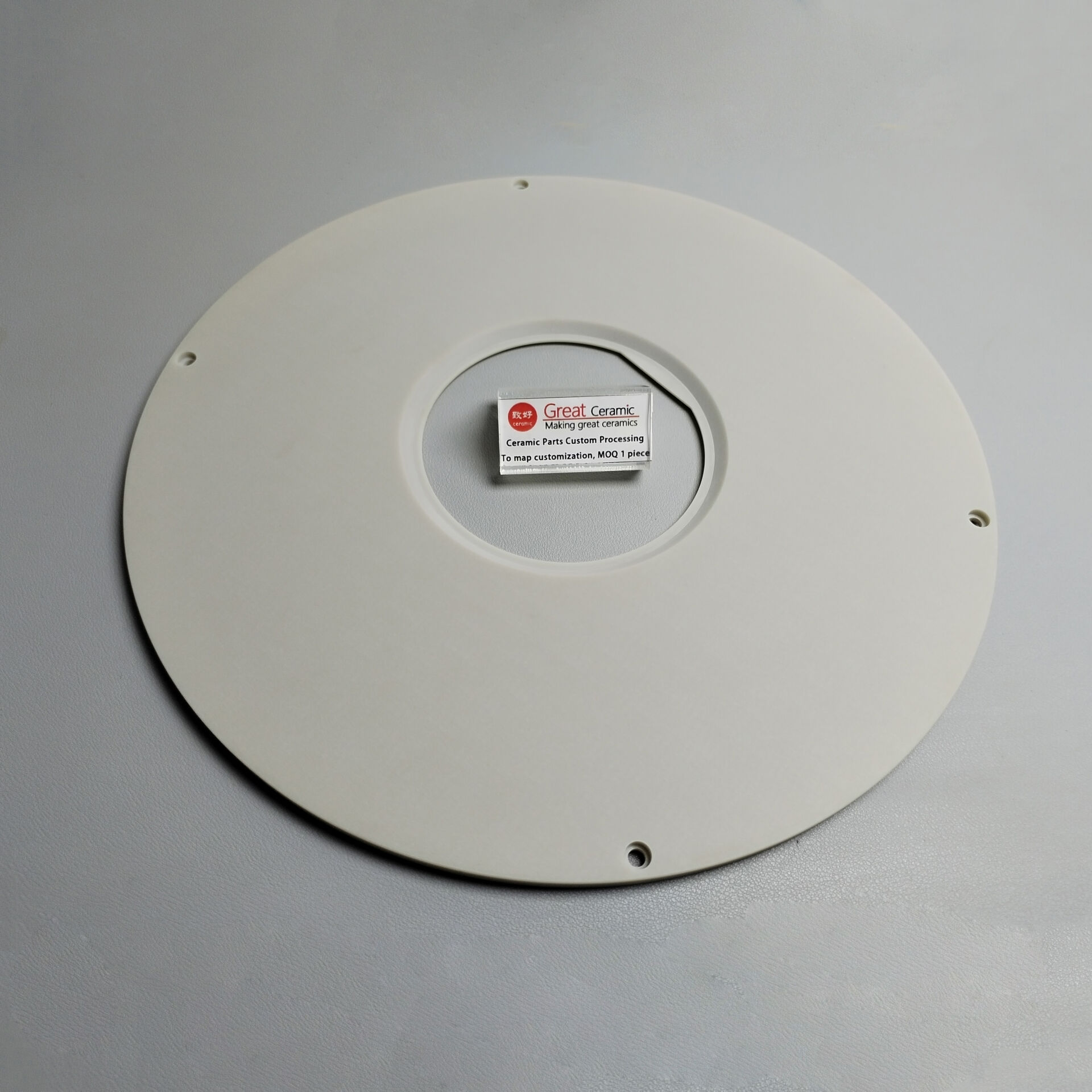
Smooth, dense aluminum nitride is valued for high thermal conductivity combined with electrical insulation, making it relevant to heat-spreading substrates and thermal-management components. Confirm grade-specific properties, dimensions and inspection requirements for each project.
Boron Nitride
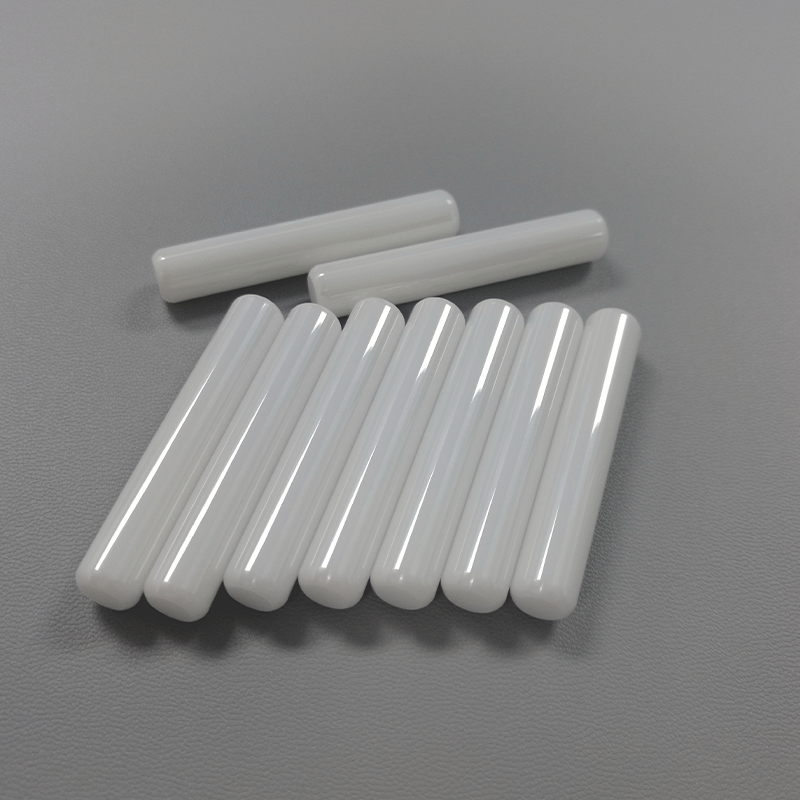
Boron nitride offers a dry, non-metallic feel and is considered for high-temperature insulation, crucibles and release applications where electrical insulation and resistance to thermal conditions matter. Final selection depends on atmosphere, loading and geometry.
Manufacturing Processes for Custom Ceramic Components
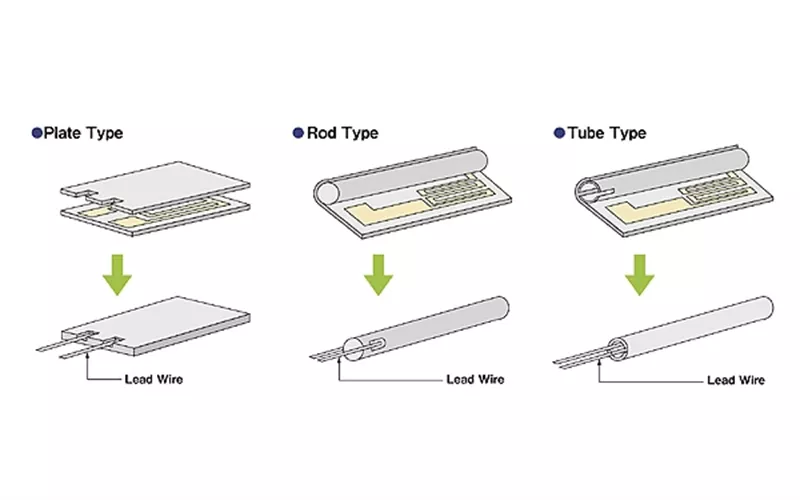
Dry Pressing
Suitable for repeatable ceramic shapes where the drawing, material grade and production volume align. Final dimensions, tolerances, density expectations and inspection requirements remain subject to project review.
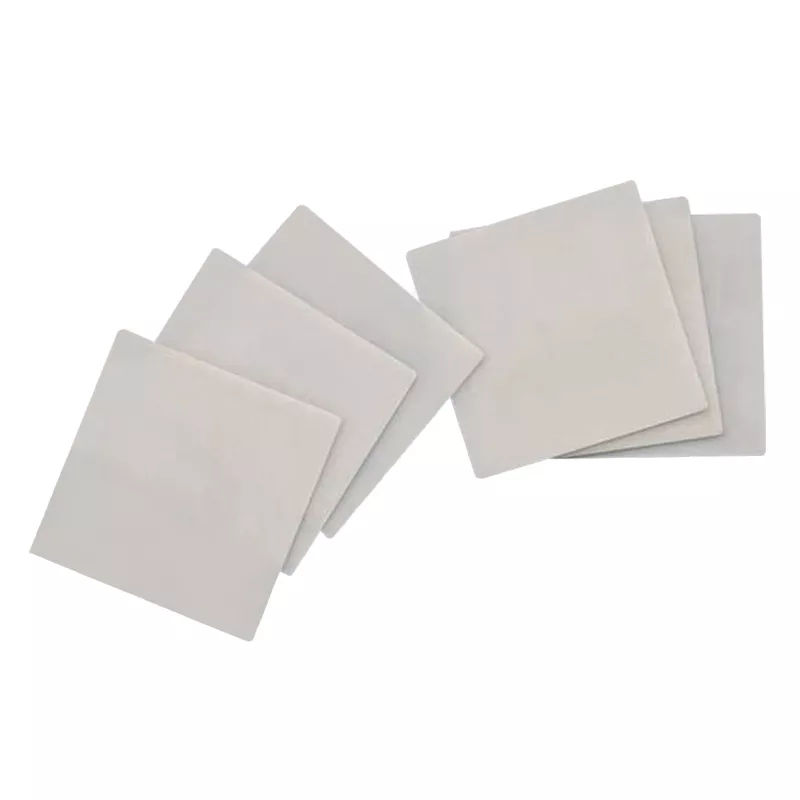
Isostatic Pressing
A potential route for larger, thicker or more demanding ceramic geometries requiring consistent forming pressure. Porcecore confirms suitability, machining allowance and achievable results from the individual drawing.
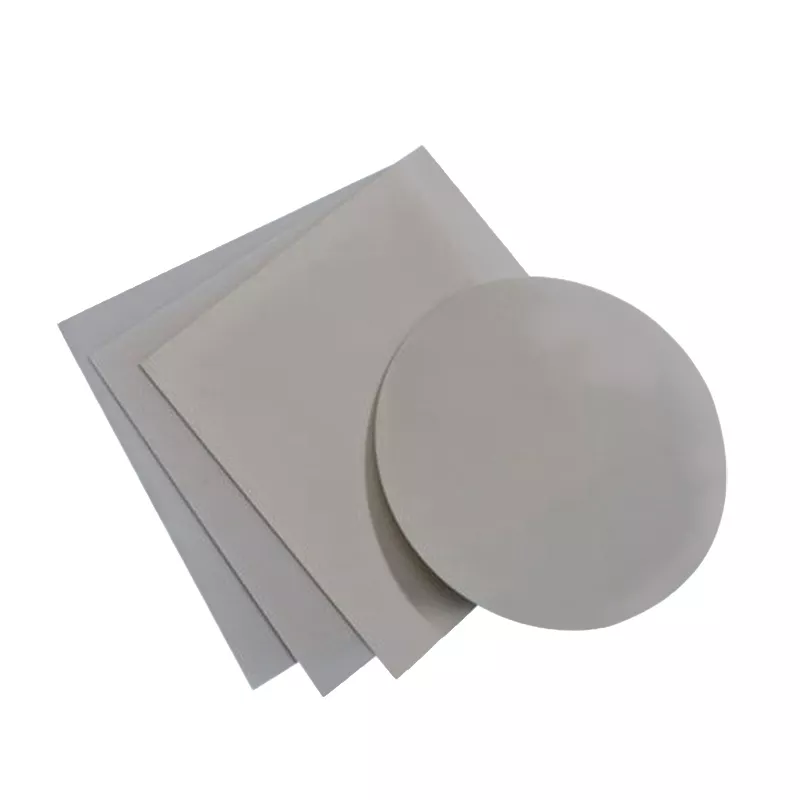
Injection Molding
May support intricate small ceramic components when geometry, material formulation, quantity and tooling requirements justify the process. Parting lines, shrinkage, tolerances and acceptance criteria require drawing-led confirmation.
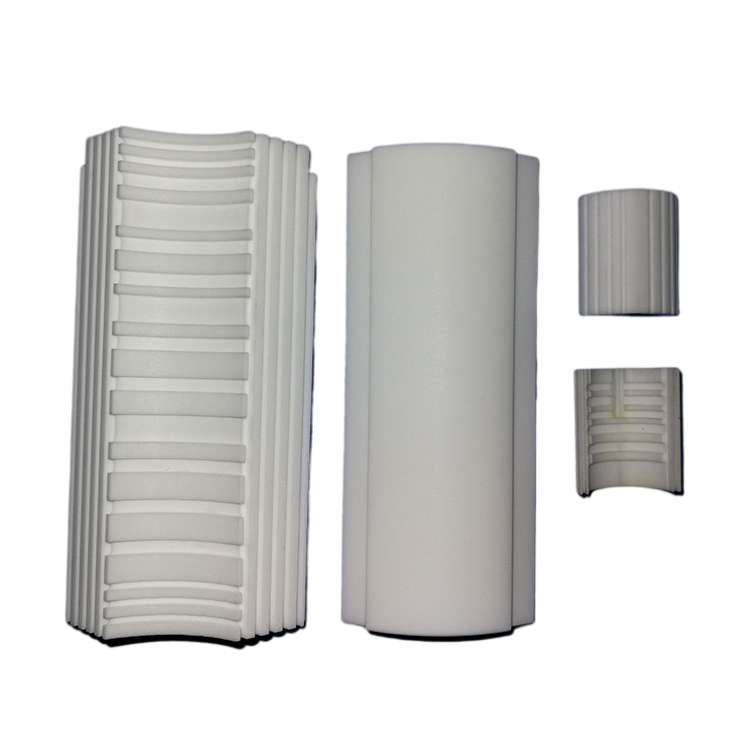
CNC Machining
Used to refine selected ceramic forms after forming, including critical dimensions and mating features where the material and geometry permit. Machining scope, tolerances and surface requirements are reviewed per part.

Precision Grinding
A possible finishing process for dimensions, flatness, roundness or mating surfaces that influence assembly. Required finish, edge condition, tolerance and inspection method must be defined on the project drawing.
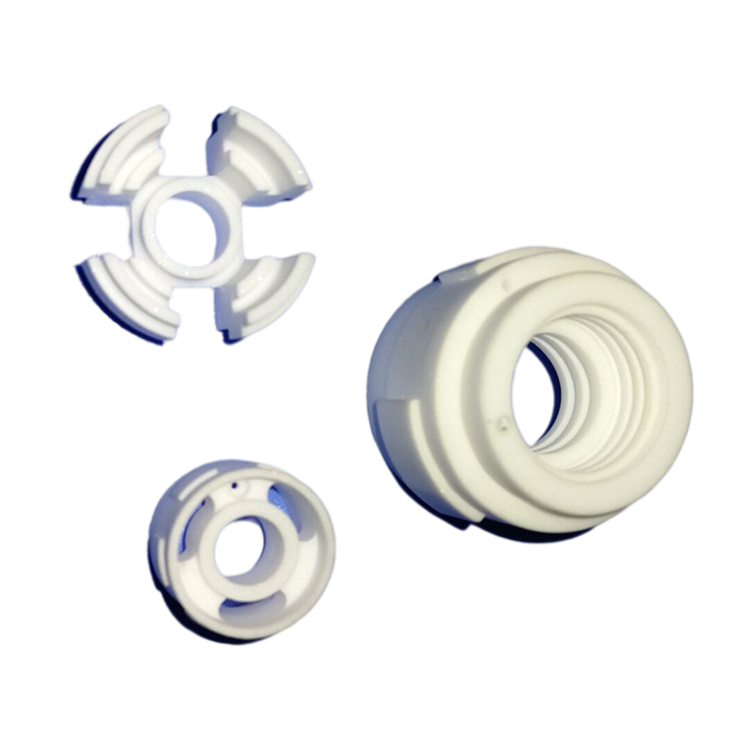
Lapping And Polishing
May be considered for surfaces requiring tighter finish or controlled contact characteristics. Porcecore reviews the functional surface, measurement method, material behavior and acceptance standard before confirming availability.
Technical Ceramics for Industrial Heating: Supported Hardware and Accessories
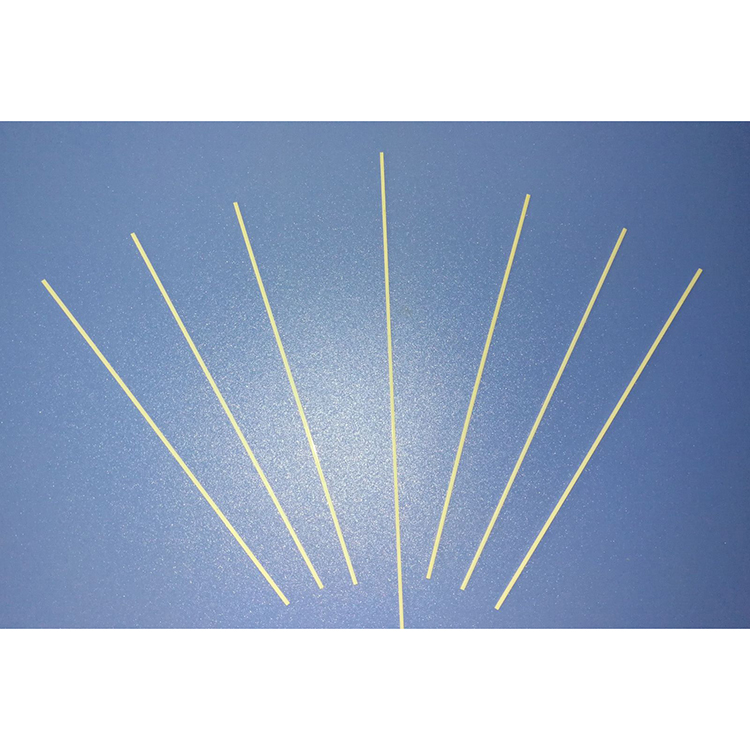
Metal Mounting Hardware
Clamps, brackets and retainers can support ceramic tubes, rods, insulators or assemblies within heating equipment. Final selection depends on mating surfaces, clearances, thermal movement, fastening method and operating environment.

Lead Support Components
Ceramic-compatible terminals, sleeves and lead supports help organize electrical connections around heating elements and insulating parts. Confirm conductor dimensions, routing, insulation needs, temperature exposure and connection requirements against the drawing.

Machined Mating Features
Grooves, holes, shoulders and custom interfaces can help a ceramic part locate or mate with surrounding hardware. These features should be reviewed with the current drawing revision, tolerances, assembly sequence and inspection criteria.
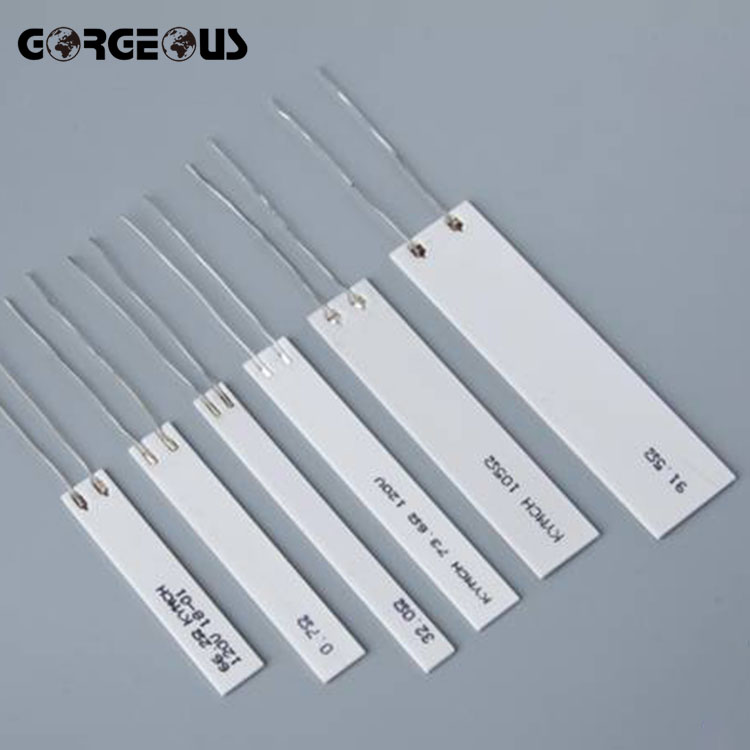
Surface Finishing Options
Surface grinding, edge treatment and controlled finishing may support fit, handling or sealing requirements for ceramic components. Specify critical surfaces, dimensional limits, finish expectations and any areas that must remain protected.
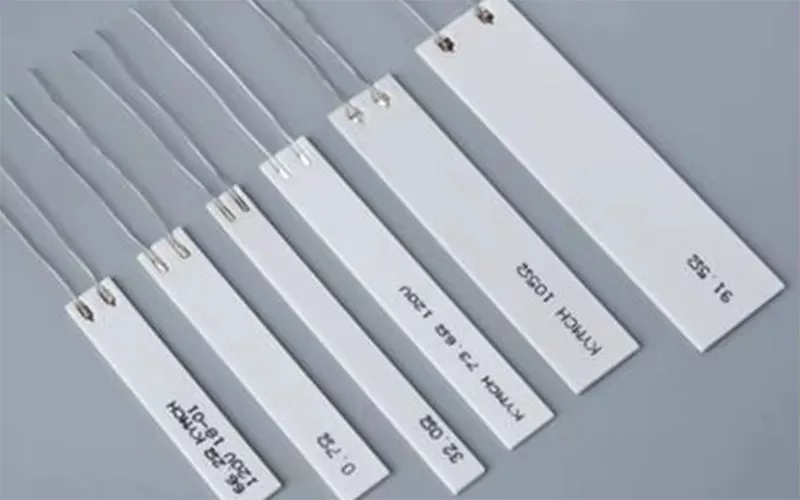
Part Identification Labels
Marking, packaging labels and lot identification can support receiving inspection, assembly control and replacement-part management. Confirm the required format, location, traceability information and documentation before quotation or production approval.
About Porcecore: Technical Ceramics for Industrial Heating
Founded by Andy Yuan, Porcecore helps industrial procurement teams, engineers, equipment builders and ceramic distributors make technical ceramic sourcing more understandable. Our mission is to connect each material and component choice with the job it must perform, from heating-system insulation and supports to application-specific tubes, rods, rings and substrates.
Porcecore covers oxide, nitride, carbide and specialty ceramics, including alumina ceramics, zirconia ceramics, silicon carbide ceramics, silicon nitride, aluminum nitride and boron nitride. Project discussions are shaped by the required grade, geometry, mating surfaces, operating conditions and acceptance criteria. Our difference is a requirement-led, drawing-aware approach: product examples open the conversation, while the current drawing, service conditions, quantity and documentation needs establish a practical basis for quotation.
For technical ceramics for industrial heating, we encourage buyers to share the current drawing revision or describe the component and operating environment. Email info@zlrsmaterials.com, copy info@cceramic.com, or contact us on WhatsApp at +86 130 6482 5920 to clarify open questions and define the next decision.
Core Capabilities for Technical Ceramics for Industrial Heating Sourcing
Start With the Drawing
A current drawing gives the quotation discussion a concrete starting point. Porcecore reviews the part’s dimensions, critical tolerances, material designation, quantity and revision status so technical ceramics for industrial heating can be discussed against a defined component requirement.
- Review drawing revision and key dimensions
- Identify critical tolerances and assembly features
- Separate confirmed requirements from open questions
- Build the inquiry around the actual part

Guide the Material Choice
Material families provide a useful path into sourcing, but they do not replace project review. Porcecore can help frame questions around alumina, zirconia, silicon carbide, silicon nitride, aluminum nitride, boron nitride and other ceramic options.
- Compare relevant oxide, nitride and carbide families
- Consider thermal, electrical and mechanical requirements
- Treat listed grades as discussion starting points
- Confirm grade availability for the individual project

Review Geometry and Interfaces
A ceramic component must work within the assembly around it. Review the surfaces that mate with other parts, dimensions that control fit, holes, threads, bends, radii and handling features before a geometry is treated as ready for quotation.
- Identify mating surfaces and fit-critical dimensions
- Review holes, threads, radii and clearances
- Flag features that affect forming or machining
- Connect geometry decisions to the application environment

Align Acceptance Criteria
Clear acceptance criteria help distinguish a useful quotation from an incomplete specification. Porcecore encourages buyers to define inspection expectations, documentation needs, packaging or delivery requirements and any project-specific evidence needed for approval.
- Define inspection points and measurement expectations
- State documentation required for technical approval
- Clarify quantity, delivery and commercial assumptions
- Confirm final requirements before production commitment

Why Choose Porcecore for Technical Ceramics for Industrial Heating
Compare a clearer path from component requirements to project-specific quotation.
← Swipe left or right to view →
Our Technical Ceramic Sourcing and Production Process
A drawing-led workflow for technical ceramics for industrial heating, connecting material review, geometry, production coordination, inspection, packing, and shipping.
Define the Requirement
Share the drawing revision, component form, quantity, service conditions, material designation if known, and acceptance criteria for an informed quotation discussion.
Review Material and Geometry
Porcecore reviews the requested ceramic family, dimensions, mating surfaces, tolerances, operating environment, and documentation expectations to identify open project questions.
Coordinate Production
After requirements are confirmed, production details are aligned around the approved geometry, project-specific grade, quantity, delivery expectations, and commercial terms.
Inspect Against Requirements
Inspection focuses on the agreed dimensions, tolerances, material identification, surface conditions, and documentation needed for the individual project approval process.
Pack and Ship
Completed ceramic components are prepared for shipment according to the confirmed packing, labeling, delivery, and communication requirements for your project.
How to Source Technical Ceramics for Industrial Heating
Move from an initial requirement to a confirmed production plan through drawing-led communication and project-specific decisions.
Submit Your Drawing and Conditions
Share the current drawing revision, known material designation, quantity, temperatures, atmosphere, electrical conditions and acceptance criteria for an informed review.
Clarify Critical Requirements
Confirm geometry, mating surfaces, tolerances, grade expectations, documentation needs and open questions so the proposed component reflects the actual assembly and service environment.
Review Quotation and Samples
Review material, geometry, pricing, lead time, inspection details and sample plan together; use the discussion to separate essential requirements from preferences before approval.
Confirm Production Details
Approve the agreed drawing revision, grade, quantities, acceptance criteria, documentation, delivery and commercial terms before production begins for your ceramic heating component.
Certifications and Technical Documentation
Technical Ceramics for Industrial Heating: Project Examples
Technical ceramics combine electrical insulation, high-temperature resistance and mechanical strength, helping heating assemblies remain reliable where plastics and similar materials fail. Source: https://www.ceramic-applications.com/wp-content/uploads/2021/08/2019_Issue-2-Artikel-4.pdf
Industrial heating systems use ceramic carriers, insulation elements and crucibles to support stable, safe and precise thermal processes, including high-temperature furnaces, tool heating systems, presses and drying systems. Source: https://ceramitec.com/en/munich/consumer-industries/industrial-applications
High-temperature ceramic heating elements can maintain structural stability above 1,000°C in localized thermal processing, supporting direct heat transfer for demanding fabrication and maintenance work. Source: https://ispheat.com/blogs/high-temperature-ceramic-heating-elements
FAQ for Technical Ceramics for Industrial Heating Buyers
Clear answers for sourcing ceramic components against real drawings, service conditions and project requirements.
What information should I provide when sourcing technical ceramics for industrial heating?
How do I select a grade for technical ceramics for industrial heating?
Can technical ceramics for industrial heating be made to drawing with functional surfaces and tight tolerances?
Is there a minimum order quantity for ceramic heating components?
What are the usual sample cost and lead-time considerations?
How are payment, shipping and packaging handled for technical ceramic components?
How can I protect my drawing and intellectual property when requesting a quote?
What inspection evidence can I request for technical ceramics for industrial heating?
The Complete Buyer’s Guide to technical ceramics for industrial heating
Use this practical decision framework to compare ceramic types, materials, designs, quality controls, suppliers, and total costs while avoiding specification, sourcing, and launch mistakes that can compromise industrial heating performance.
1. What Are Technical Ceramics for Industrial Heating?
Industry literature describes technical ceramics for industrial heating as engineered parts that insulate electrical conductors, transfer heat, or provide structural support around heating zones. Five requirements usually shape the specification: dielectric performance prevents unwanted current paths; temperature resistance preserves function during heating and cooling; strength limits distortion and breakage; thermal conductivity controls heat flow; and chemical stability resists atmospheres, vapors, or contaminants. The right balance depends on geometry, mating surfaces, operating conditions, and inspection criteria. One ceramic tube, ring, insulator, support, substrate, or carrier is a component—not automatically a complete ceramic heater. A complete heater integrates a heating element, electrical connections, controls, and often a housing; ceramic components solve insulation, alignment, heat distribution, and protection problems within that larger system.
2. Evolution and History of Industrial Heating Ceramics
For decades, industrial heating ceramics primarily served as refractory supports and electrical insulators, allowing metal heating conductors to operate where plastics failed. Steatite C221 illustrates the engineering trade-off: its room-temperature thermal conductivity is about 2–3 W/m·K, while alumina is reported at approximately 25 W/m·K. Modern 3D printing, ceramic lamination, multilayer construction and miniaturization support more compact geometries and integrated functions.
3. Types of Technical Ceramics for Industrial Heating
Six component families cover most heating-system requirements.
| Component family | Typical geometry and role | Typical applications | Key criteria |
|---|---|---|---|
| Heater carriers/supports | Grooved plates, frames, rods; position conductors | Furnaces, dryers, presses | Strength, thermal cycling, fit |
| Insulators/terminal blocks | Bushings, beads, blocks; isolate leads | Band, cartridge, and frame heaters | Dielectric strength, creepage, heat resistance |
| Tubes/sleeves | Straight or flanged tubes; shield or contain | Air, liquid, and atmosphere heating | Seal, wall thickness, thermal shock |
| Kiln furniture/setters | Plates, beams, posts; support workpieces | Firing, sintering, powder processing | Load, flatness, warpage, reuse |
| Crucibles | Cups, boats, liners; hold molten or reactive material | Melting, calcination, laboratory furnaces | Chemical compatibility, purity, shock |
| Ceramic heating elements | Rods, tubes, tiles; generate or transfer heat | Zone heating, infrared, heat treatment | Resistance, uniformity, connections |
Match Geometry to Duty
Tube, rod, ring, plate, sleeve, and machined block geometries serve different load paths.
Compare Component Families
Operating temperature, thermal shock, dielectric strength, creep resistance, dimensional stability, and surface finish should be reviewed against the application.
Prepare the Inquiry
A current drawing revision should identify critical dimensions, fitted surfaces, quantity, service conditions, material designation if known, and acceptance criteria.
4. Materials for Technical Ceramics for Industrial Heating
Six material families cover most technical ceramics for industrial heating, but no material wins every requirement.
| Material | Electrical insulation | Thermal behavior and selection |
|---|---|---|
| Alumina | High | High temperature; balanced, moderate shock; chemical resistance; moderate cost |
| Steatite | High | Low conductivity; economical, machinable; moderate temperature |
| Cordierite | High | Low expansion; excellent shock resistance; moderate temperature |
| Silicon carbide | Variable | Very high conductivity and temperature; lower shock; chemically resistant |
| Zirconia | High | Tough, insulating; lower conductivity; expensive |
| Other grades | Grade-dependent | Purity, porosity, glaze, and route can change performance |
Material Tradeoffs
Alumina and steatite prioritize electrical insulation; silicon carbide conducts heat and supports severe furnace service.
Grade And Porosity
Purity, grade, open porosity, and glaze change dielectric behavior, strength, contamination risk, chemical resistance, and usable temperature.
Manufacturing Route
Pressing, extrusion, slip casting, machining, and sintering affect tolerance, surface finish, geometry, and price.
5. Customization Options for Industrial Heating Ceramics
A drawing or sample becomes repeatable only when geometry, interfaces, finish, and acceptance criteria are defined together.
Define The Geometry
Dimensions, holes, slots, grooves, threads, bends, and assembly features determine forming methods, tooling, datum strategy, and achievable tolerances. Mark mating surfaces and critical dimensions directly on the drawing. A sample is useful evidence, not automatically a complete specification.
- Separate critical interfaces from nonfunctional dimensions.
- Use standard radii, hole sizes, and wall sections where practical.
Specify Surface And Identification
Three finish groups—machined, glazed, and metallized—can change surface performance, process sequence, and validation needs. State roughness, coating or metallization zones, color coding, and marking durability by function. Laser or engraved markings, orientation symbols, and assembly references should remain legible after the intended thermal cycle.
- Define finish only on functional surfaces.
- Identify marking location, method, and permanence requirement.
Control The Release
One approved drawing revision should govern production, with a defined sample or first-article review before repeat orders. Tooling changes, tight tolerances, complex bends, and added assembly features generally require separate feasibility review and validation. Porcecore can begin from a drawing, replacement sample, or application description.
- Validate interfaces, thermal exposure, and assembly sequence.
- Confirm tooling, lead time, documentation, and commercial terms per project.
6. Key Construction and Quality Elements
Dimensional control and electrical integrity determine whether technical ceramics for industrial heating remain safe and stable in service.
Geometry And Fit
Tolerance, concentricity, wall thickness, and mating-surface fit should be checked against the current drawing revision. Small deviations can disturb assembly, contact pressure, heating uniformity, or clearance to grounded hardware.
- Verify critical dimensions and concentricity.
- Measure wall thickness at defined locations.
- Approve fit using representative mating parts.
Material And Electrical Integrity
Density, porosity, dielectric strength, and insulation resistance indicate whether the ceramic can support its intended thermal and electrical duty. Thermal-shock testing or documented cycle criteria should reflect the actual heating and cooling profile.
- Review grade-specific test results.
- Define thermal-shock acceptance criteria.
- Record surface-defect limits and electrical tests.
Controls Packaging And Records
Inspection plans should identify sampling, gauges, test methods, and release criteria; process controls should cover forming, firing, machining, and cleaning. Traceability should connect each lot to material, revision, inspection results, and approved samples. Protective packaging must prevent impact, moisture, and contamination during shipment.
- Use lot-level traceability.
- Document approved samples and revisions.
- Specify packaging and required records.
7. How to Choose a Technical Ceramics Manufacturer
A qualified supplier should connect material selection with forming, machining, inspection, and delivery controls.
Evaluate Technical Capability
An RFQ should include the drawing revision, material or grade, quantity, dimensions, tolerances, mating surfaces, service temperature, atmosphere, electrical loads, acceptance criteria, and documentation needs.
Approve Samples And Production
A first-article review should verify dimensions, surface condition, material identification, test results, and fit against the mating part.
Check Delivery Readiness
Before order release, confirm communication ownership, escalation timing, export packaging, moisture and impact protection, labeling, spare tooling, and shipping documents.
8. Common Mistakes Buyers Make
Price, temperature and material names rarely define a workable ceramic component.
Specify the Full Service Condition
Temperature alone is incomplete: record atmosphere, dwell time, ramp rate, thermal-cycle count and electrical loading. Verify these against the intended grade and geometry before requesting quotations. Lowest price can conceal unsuitable processing or inspection scope.
- Record atmosphere and thermal-cycle data.
- Compare equivalent grades and inspection scope.
- Confirm dimensions, tolerances and mating surfaces.
Control Fit, Grade and Validation
A material family is not a grade, and a nominal dimension is not a fit. State the grade designation, critical tolerances, surface requirements and mating dimensions on the current drawing revision. Prototype testing should verify assembly, heating behavior and failure modes before production release.
- Approve the current drawing revision.
- Test a representative prototype.
- Clarify tooling ownership and reuse.
Protect Continuity and Delivery
A supplier change can alter shrinkage, surface finish, packing and inspection results even when the material name is unchanged. Requalify samples against the approved drawing and acceptance criteria before switching sources. Packaging must protect brittle ceramic edges, mating surfaces and traceability during transit.
- Requalify after supplier changes.
- Specify protective packaging and labels.
- Inspect quantity, damage and traceability on receipt.
9. Steps to Launch Your Industrial Heating Ceramic Program
Start with the part’s duty, then connect operating conditions, drawing control, material screening, and acceptance criteria.
Define Requirements And Screen Materials
Step 1 records temperature, voltage, atmosphere, thermal cycling, load, mating surfaces, tolerances, quantity, and inspection needs. Mechanical engineering owns geometry; electrical engineering confirms insulation, clearances, and connections. Step 2 screens suitable ceramic families against the duty and identifies unknowns requiring supplier input.
Shortlist Suppliers And Validate Samples
Step 3 uses the drawing, material designation, quantity, service conditions, and acceptance criteria to shortlist suppliers and request comparable RFQs. Procurement compares scope, tooling, lead time, documentation, and commercial terms. Step 4 completes design review, prototype tooling, and sample testing.
Pilot, Approve, And Review Continuously
Step 5 runs a controlled pilot with operations, confirming assembly method, process controls, inspection records, packaging, and traceability. Approval should reference the exact drawing revision, grade, test results, and open actions.
10. Pricing and Cost of Technical Ceramics for Industrial Heating
Ten cost variables typically shape a ceramic heating component quotation: grade and purity, size, geometry, tooling, forming method, machining, finishing, inspection, packaging and logistics. Tight mating tolerances, complex profiles and high-purity materials generally add processing and verification requirements. An application-specific quotation should confirm drawing revision, quantity, service conditions, acceptance criteria and delivery destination.
| Quantity Tier | Indicative Cost Category | Typical Cost Drivers | Lead-Time Implication |
|---|---|---|---|
| Prototype or 1–10 pieces | Highest unit cost | Tooling allocation, setup, machining, inspection and protective packaging | Longest relative lead time; engineering review may dominate |
| 11–100 pieces | Medium-high unit cost | Tooling amortization begins; machining and inspection remain significant | Moderate lead time after drawing approval |
| 101–1,000 pieces | Medium unit cost | Forming efficiency improves; finishing, inspection and logistics still vary | More predictable production scheduling |
| 1,000+ pieces | Lowest potential unit cost | Tooling amortized across volume; packaging and freight depend on shipment plan | Recurring supply planning can reduce scheduling variability |
Discuss Your Technical Ceramics for Industrial Heating Part
Email your drawing, operating conditions, and acceptance requirements to begin a clear, project-specific quotation conversation with Porcecore.