
Aluminum Nitride Ceramics, Defined by Your Drawing
Discuss custom ceramic components and industrial ceramic parts with geometry, service conditions, mating surfaces, and acceptance requirements aligned before quotation.
Featured Aluminum Nitride Ceramic Components



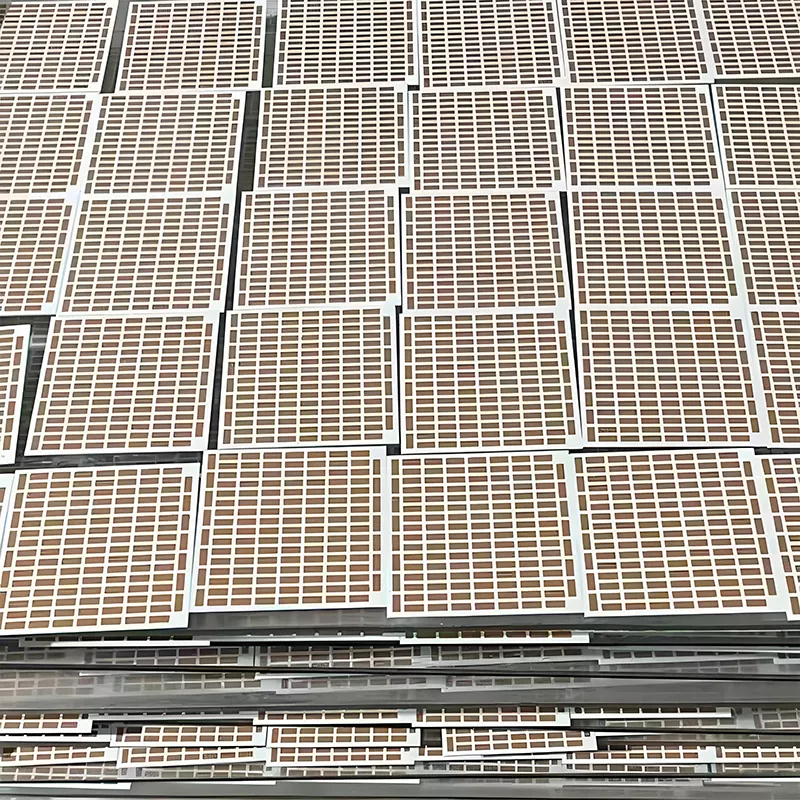
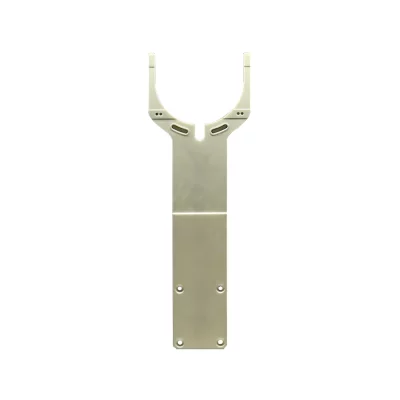

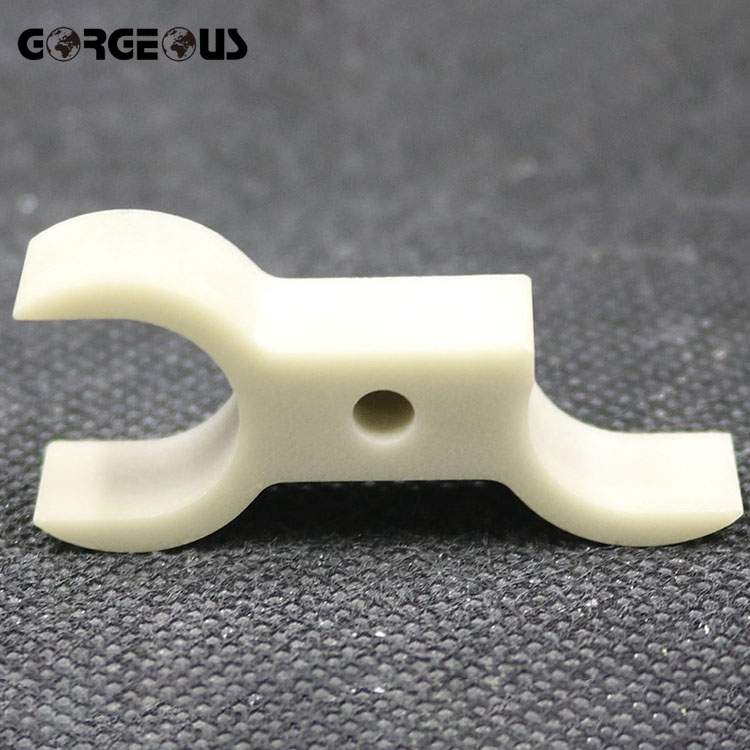

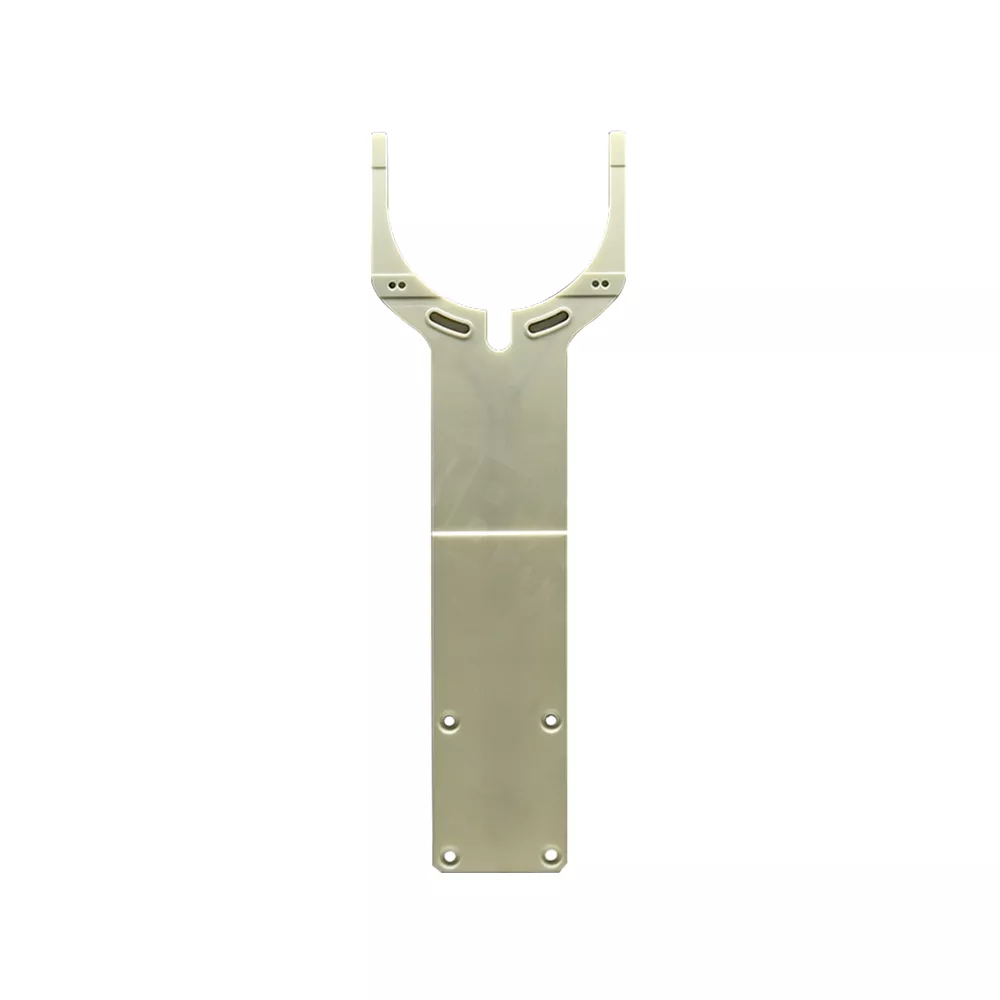
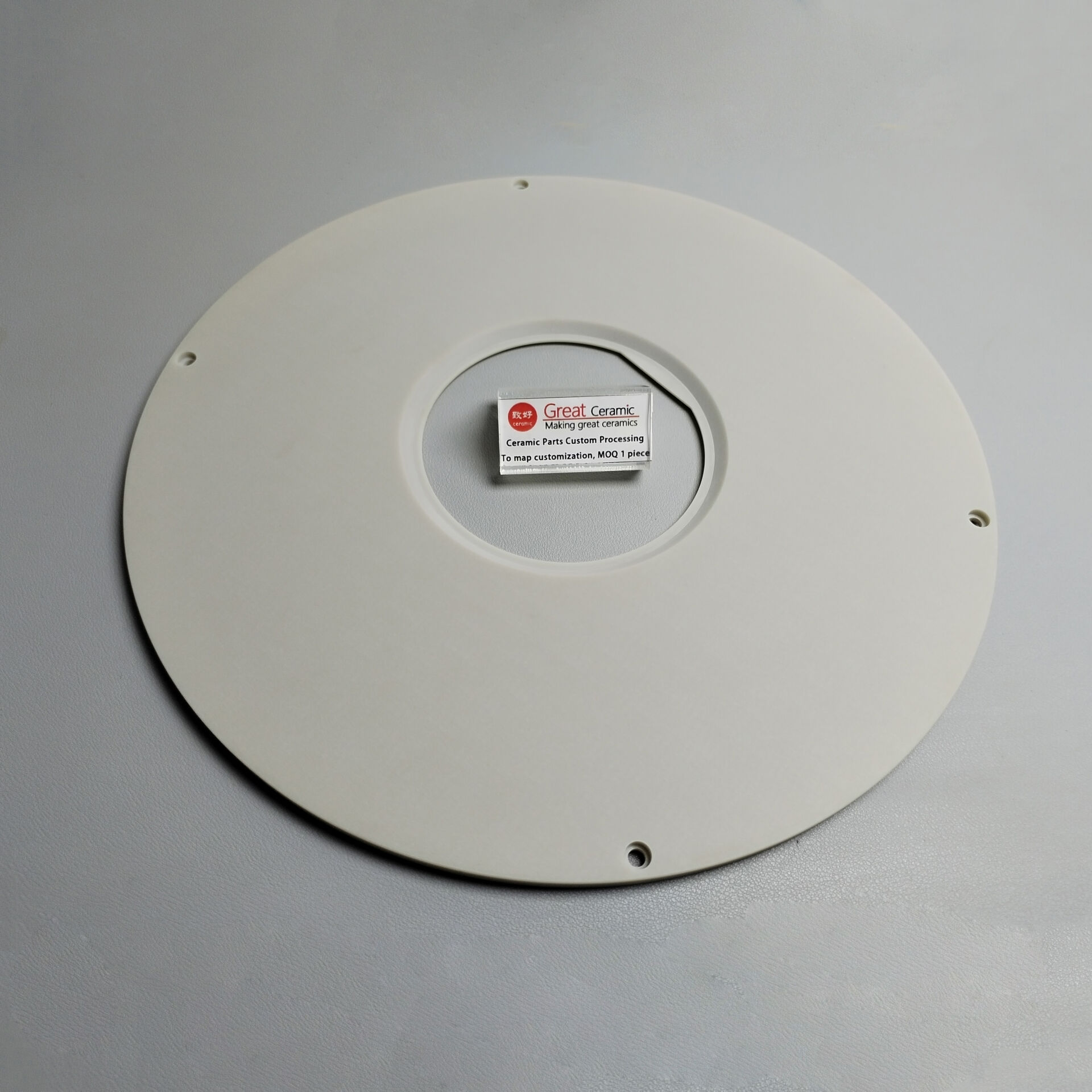
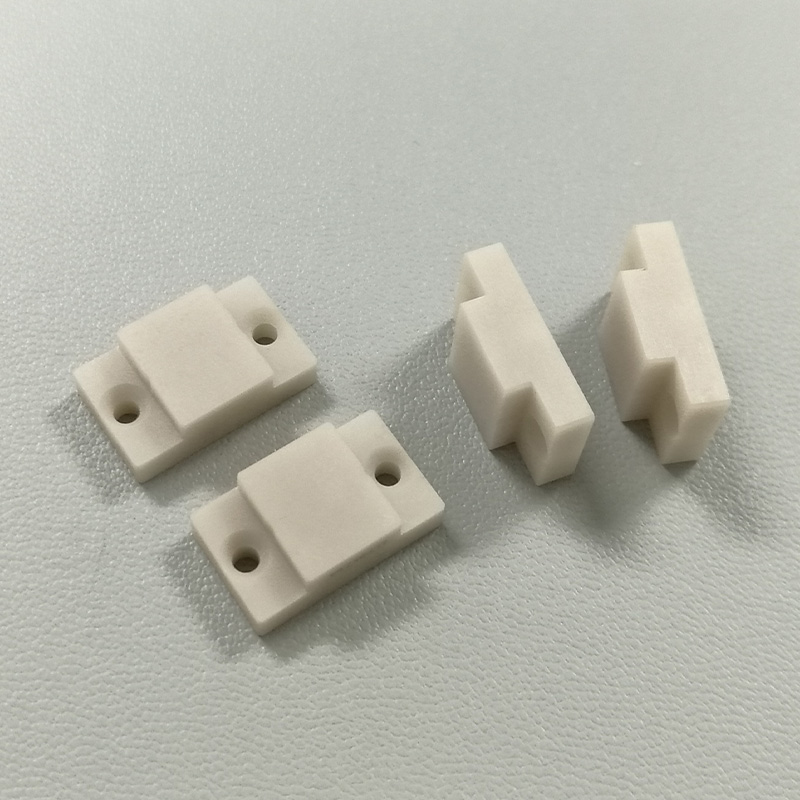
Related Aluminum Nitride Ceramic Components
Why Specify Aluminum Nitride Ceramics with Porcecore
Turn material selection into a clearer component discussion by defining the details that shape fit, function, review, and quotation.
Current Drawing Revision
Share the current drawing revision so dimensions, tolerances, notes, and change status can be reviewed against the part requirement before quotation discussions begin.
Material Grade Alignment
Identify the aluminum nitride grade or intended performance priorities, then confirm which material details require project-specific review rather than relying on general property data.
Geometry Defines the Part
Provide the component form, critical dimensions, wall sections, holes, and interfaces so the inquiry reflects the actual geometry needed for assembly and service.
Process Route Considerations
Discuss the proposed forming, machining, or finishing needs when relevant, recognizing that process choices and feasible details require confirmation for the individual component.
Functional Surface Requirements
Mark surfaces that mate, seal, locate, transfer heat, or require controlled finish, helping distinguish essential interface requirements from noncritical features on the drawing.
Inspection Evidence Review
State the acceptance criteria and documentation needed for approval, including the dimensions or characteristics that should be checked as part of the project conversation.
Aluminum Nitride Component Selection
Review material, design, and performance considerations before defining the drawing, grade, inspection requirements, and quotation basis for an aluminum nitride component.

Aluminum Nitride Ceramics: Properties and Selection Guide
Use aluminum nitride ceramics properties as a starting point, then relate thermal, electrical, mechanical, and environmental requirements to the actual component geometry. Confirm the relevant grade and project-specific values against the drawing and service conditions.
Discuss Your Ceramic Part
Aluminum Nitride Ceramics: Grades and Compositions
Alumina ceramics are a familiar technical ceramic option for insulating components, wear-related parts, and general industrial fixtures. Material selection should account for the required grade, geometry, mating surfaces, operating environment, and acceptance criteria.
Discuss Your Ceramic Part
Aluminum Nitride Ceramics: Thermal Performance
Thermal performance depends on the selected aluminum nitride grade, component thickness, heat path, mounting interfaces, operating temperature, and thermal cycling conditions. Provide the drawing and duty environment so heat-transfer requirements can be assessed against the intended component design.
Discuss Your Ceramic Part
Aluminum Nitride Ceramics: Mechanical and Wear Performance
Silicon carbide ceramics are a material family to consider for parts exposed to wear, temperature, or chemically demanding environments. Grade suitability, component form, surface requirements, and inspection expectations need confirmation before quotation.
Discuss Your Ceramic Part
Aluminum Nitride Ceramics: Electrical and Insulation Performance
Zirconia ceramics can be explored for industrial ceramic parts where strength, toughness, or precision interfaces influence the decision. Send the current drawing revision and define fit-critical surfaces so the requirement can be reviewed in context.
Discuss Your Ceramic Part
Aluminum Nitride Ceramics: Machining and Design Guide
Aluminum nitride machining and design decisions begin with the current drawing revision. Call out holes, slots, thin sections, surface finish, flatness, metallized areas, and mating features that affect manufacturability, inspection, assembly, or component handling.
Discuss Your Ceramic Part
Aluminum Nitride Ceramics: Applications and Component Selection
Select aluminum nitride components by linking the application to a defined form, such as a substrate, plate, heat-spreading element, insulator, or custom machined part. Send quantity, service conditions, drawing, and documentation needs to establish a quotation discussion.
Discuss Your Ceramic PartAluminum Nitride Ceramics and Related Materials
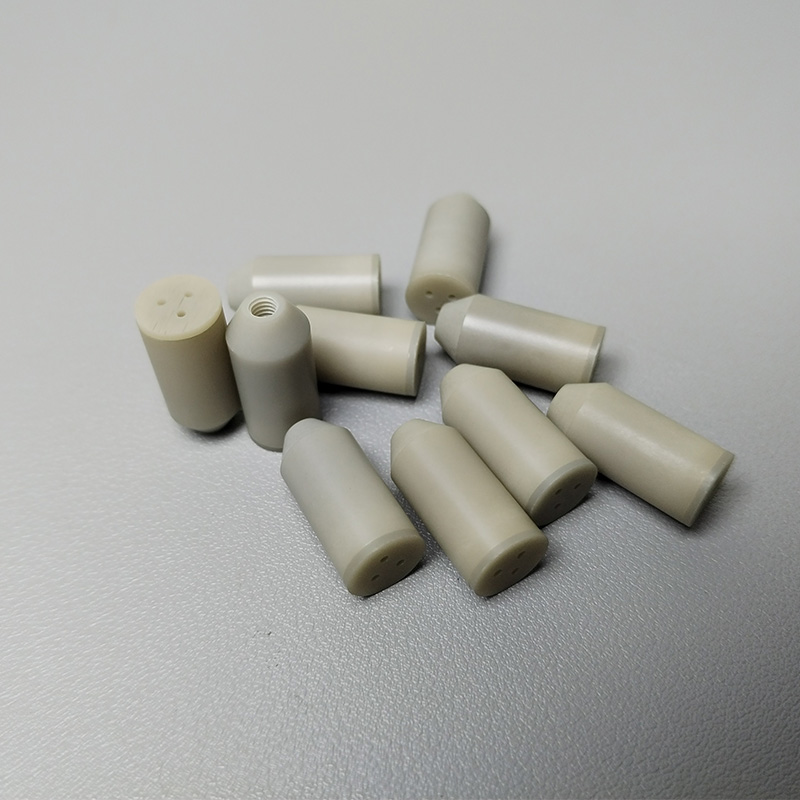
Aluminum Nitride
Consider aluminum nitride ceramics for components where thermal management and electrical isolation both matter. Substrates, plates, and custom insulating parts require project-specific confirmation of grade, dimensions, interfaces, and inspection needs.
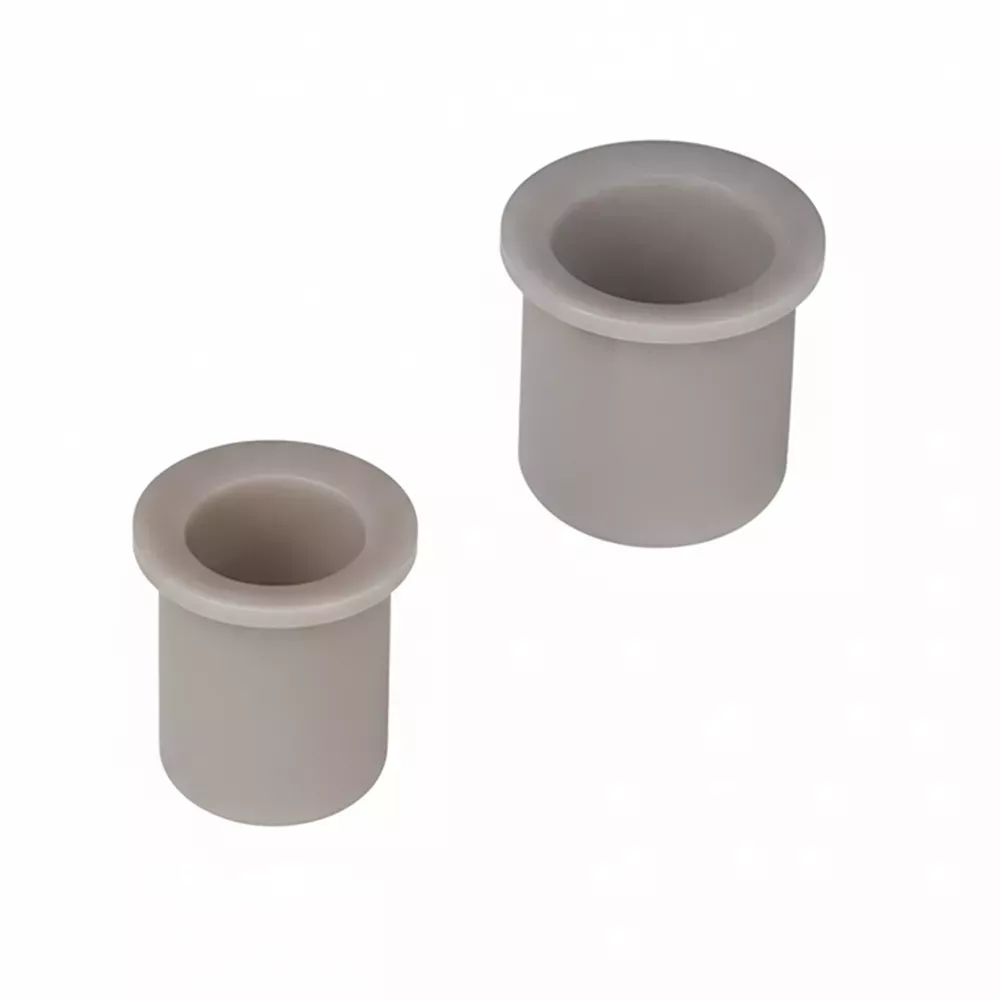

Silicon Nitride
Silicon nitride may be evaluated for demanding mechanical components and applications involving thermal or cyclic loading. Share the drawing, service conditions, critical dimensions, and documentation expectations to guide a practical material discussion.

Silicon Carbide
Silicon carbide is a material family to consider for parts exposed to wear, temperature, or chemically demanding environments. Grade suitability, component form, surface requirements, and inspection expectations need confirmation before a quotation discussion.

Zirconia Ceramic
Zirconia can be explored for ceramic parts where strength, toughness, or precision interfaces influence the decision. Send the current drawing revision and define fit-critical surfaces so the requirement can be reviewed in context.

Boron Nitride
Boron nitride offers another technical ceramic family for application-led material review, including insulating and thermal-use components. Clarify the operating environment, geometry, material designation if known, quantity, and required acceptance documentation.
Aluminum Nitride Ceramics Process Options

Powder Forming
Pressing routes can be considered for aluminum nitride ceramics when part geometry, wall thickness, quantity, and dimensional priorities are defined. Early discussion helps distinguish practical forming assumptions from drawing requirements.

Green Machining
Features may be shaped before final densification where the component design allows. Share critical dimensions and interfaces so the quotation discussion can identify which geometry requires attention after subsequent processing.

Controlled Sintering
Sintering is considered in relation to the selected grade, component form, and dimensional requirements. Final size, flatness, and tolerance expectations should be reviewed as project-specific acceptance points rather than assumed material defaults.

Diamond Finishing
Grinding and finishing can be discussed for surfaces that locate, seal, slide, or mate with another part. Identify critical faces, surface-condition expectations, and dimensional callouts directly on the current drawing revision.

Inspection Review
Inspection planning starts with the characteristics that determine assembly and approval. Provide tolerances, measurement references, documentation needs, and acceptance criteria so the inquiry can be evaluated against a clear component requirement.
Aluminum Nitride Ceramics: Feature and Interface Requirements

Mating Surfaces
Identify sealing, contact, or mounting faces on the drawing, including flatness, finish, datum relationships, and protected areas. These requirements help focus review on the interfaces that determine how the ceramic part fits its assembly.

Precision Holes
Specify hole type, diameter, location, depth, and any positional tolerance needed for fasteners, alignment pins, or electrical routing. Note whether a feature is through, blind, threaded by an insert, or subject to inspection.

Machined Slots
Slots, pockets, and relief features can define clearance, routing, or component location. Share their geometry, edge condition, critical dimensions, and relationship to assembly datums so the quotation discussion reflects the intended function.

Metallized Areas
Where an aluminum nitride component requires conductive or bondable regions, identify the required location, coverage, interface purpose, and any downstream joining process. Metallization details should be reviewed against the individual project requirement.

Part Markings
Add identification marks when traceability, assembly orientation, or receiving inspection calls for them. Provide the content, location, size, legibility expectation, and whether the marking must remain visible after handling or subsequent processing.
About Porcecore Aluminum Nitride Ceramics
Porcecore was founded by Andy Yuan to help industrial buyers connect a material choice to a clearly defined component requirement. Our focus includes aluminum nitride ceramics and other technical ceramic families for equipment builders, engineering teams, and component distributors evaluating a project-specific need.
We begin with the part and the job it must perform. Whether the requirement is a substrate, tube, rod, ring, or custom geometry, we encourage discussion of the drawing revision, mating surfaces, operating conditions, quantity, and acceptance criteria alongside the material designation.
Our approach is application-first and drawing-led. Product listings help start the conversation; final grade, dimensions, tolerances, documentation, delivery, and commercial terms require confirmation for each project. Send your drawing or describe the application to begin a more concrete quotation discussion.

Define Aluminum Nitride Ceramics by the Part
Review the Current Drawing
Begin with the current drawing revision and identify the features that govern fit, function, and assembly. Porcecore uses the drawing as the basis for a more focused aluminum nitride ceramics quotation discussion, helping distinguish defined requirements from details still needing review.
- Share the latest drawing revision
- Identify mating and locating surfaces
- Flag dimensions that control assembly
- Note any open design questions
Discuss the Service Environment
Material selection becomes more useful when operating conditions are stated alongside the part geometry. Describe the thermal load, electrical role, surrounding atmosphere, and intended application so the discussion can assess whether aluminum nitride ceramics are an appropriate direction for the component.
- State operating temperature conditions
- Describe electrical insulation needs
- Identify thermal-management demands
- Mention exposure or process conditions
Prioritize Critical Dimensions
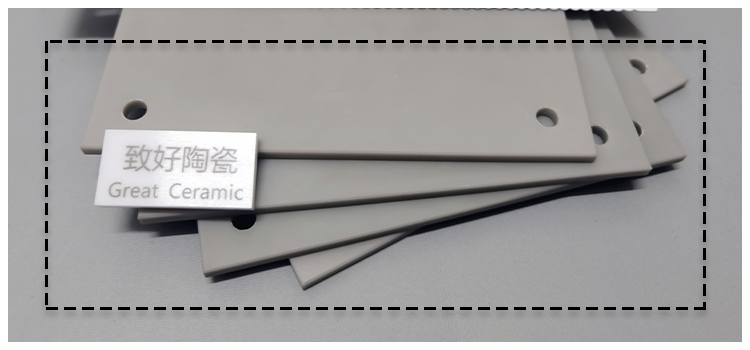
Not every dimension carries the same sourcing risk. Call out the sizes, thicknesses, flatness requirements, holes, edges, and surfaces that affect the finished assembly. This gives the quotation conversation a practical reference for geometry, tolerances, and inspection expectations.
- Mark fit-critical dimensions
- Specify required tolerances
- Identify surface-finish needs
- Clarify datum and inspection references
Set Acceptance Expectations
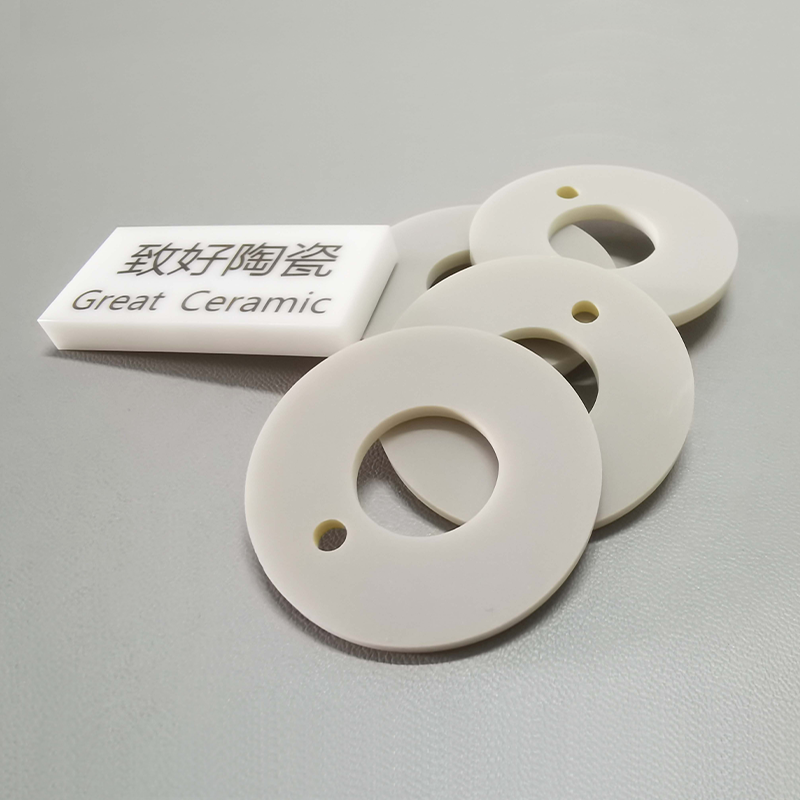
A material illustration or general property does not replace a project specification. Define the required grade if known, requested documentation, inspection criteria, quantity, and commercial requirements before commitment, allowing Porcecore to frame the next sourcing decision around your actual acceptance needs.
- Name the material designation if known
- List required documentation
- Describe inspection or approval criteria
- Include quantity and delivery context
Aluminum Nitride Ceramics, Defined by the Part
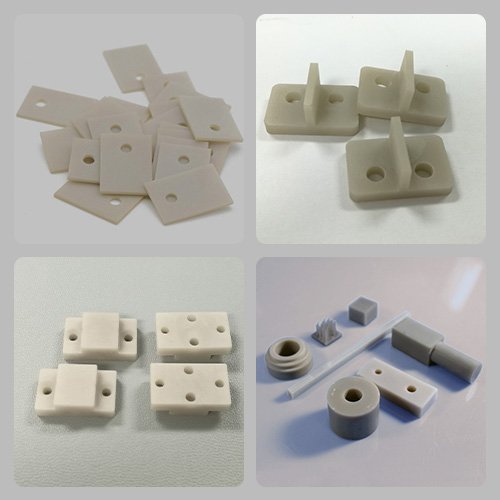
Porcecore helps turn an aluminum nitride ceramics inquiry into a clearer discussion of geometry, interfaces, service conditions, and acceptance requirements.
← Swipe left or right to view →
Aluminum Nitride Ceramics: A Clear Path from Inquiry to Delivery Discussion
Move from an initial part question to a better-defined sourcing discussion by aligning drawings, material considerations, inspection expectations, and delivery details for the individual project.
Share Your Part Requirement
Send the current drawing revision, quantity, application details, and known aluminum nitride ceramics designation. Identify assembly-critical dimensions, mating surfaces, and service conditions.
Review Technical Open Questions
Porcecore reviews the part requirement with you, helping distinguish essential geometry, grade considerations, surface needs, and documentation requests from items requiring further clarification.
Align Quotation Basis
Confirm the information needed for a meaningful quotation discussion, including dimensions, tolerances, acceptance criteria, expected quantity, and any project-specific commercial or delivery requirements.
Confirm Inspection Expectations
Before commitment, discuss how the finished component should be evaluated, including critical features, requested records, packaging needs, and any approval requirements relevant to your project.
Arrange Packing and Shipping
Once project details are agreed, coordinate packing, shipping preferences, delivery timing, and contact information. Final terms remain subject to confirmation for the individual order.
How to Work with Porcecore on Aluminum Nitride Ceramics
Give the quotation discussion a practical starting point by defining the part, its operating conditions, and the requirements that matter for approval.
Send the Current Drawing
Share the latest drawing revision or a clear description of the aluminum nitride ceramic component, including critical dimensions, mating surfaces, and assembly-related features.
Define Material and Service Conditions
Identify the material designation if known, then describe operating temperature, electrical needs, thermal demands, environment, and any application-specific constraints influencing the part.
Clarify Quantity and Acceptance Needs
State the required quantity, target timing, inspection expectations, documentation needs, and tolerances that determine fit, function, approval, or replacement-part compatibility.
Begin the Quote Discussion
Email your drawing and requirements to Porcecore so the team can identify open questions and discuss a project-specific aluminum nitride ceramics quotation.
Documentation and Certification Review
Customer References Published with Approval
Porcecore publishes customer references only after customer approval and verification of the project context, including the component type and documented sourcing outcome.
Approved references may describe relevant requirements such as drawing control, critical dimensions, documentation, and confirmed outcomes when customers authorize publication.
Until an approved reference is available, Porcecore keeps project discussions focused on the buyer’s drawing, service conditions, acceptance requirements, and quotation inputs.
Aluminum Nitride Ceramics FAQ
Clarify the drawing, material, acceptance, and commercial details needed for a project-specific quotation.
What should I send for an aluminum nitride ceramics quotation?
Can Porcecore help select a grade for aluminum nitride ceramics?
How are tolerances and functional surfaces reviewed for aluminum nitride ceramics?
Is there a minimum order quantity for a custom ceramic part?
Can I request samples or a first-article review?
What lead time should we expect for aluminum nitride ceramics?
How are aluminum nitride ceramics packaged for shipment?
How are drawings, payment terms, and confidential requirements handled?
Complete Buyer’s Guide to aluminum nitride ceramics
Use this decision framework to match aluminum nitride components to thermal, electrical, and dimensional requirements, evaluate qualified suppliers, compare cost drivers, and avoid specification mistakes that create delays or reliability risk.
1. What Are aluminum nitride ceramics?
AlN is the formula for aluminum nitride, a non-oxide technical ceramic used where heat must move away from an assembly while electrical isolation is retained. Typical commercial AlN data often cite thermal conductivity around 170 W/m·K, but buyers should treat values as grade- and test-specific: https://www.msesupplies.com/products/aluminum-nitride-aln-ceramic-substrate
Two requirements make aluminum nitride ceramics worth shortlisting: a meaningful heat path and an insulating interface. Common forms include substrates, insulating plates, heat spreaders, electronic-package parts, chamber fixtures, rings, and custom machined components.
One drawing is the practical starting point for evaluation. Define the heat source, voltage isolation need, mating surfaces, service atmosphere, dimensions, tolerances, quantity, and acceptance documentation before comparing AlN with other ceramic options.
2. Evolution of aluminum nitride ceramics
1862 marked an early milestone when F. Briegleb and A. Geuther synthesized aluminum nitride. It remained primarily a material-development subject until controlled powder preparation and densification made technical grades reproducible.
1984 literature documented AlN as a ceramic substrate option for high-power microcircuits: https://ieeexplore.ieee.org/abstract/document/1136380. Sintering aids and hot pressing enabled dense bodies, while better powder purity helped preserve the thermal path needed for electronic packaging.
20% approximate sintering shrinkage makes post-sinter diamond grinding important when assemblies require tight dimensions: https://precision-ceramics.com/materials/aluminum-nitride. As power density rose, aluminum nitride ceramics became relevant because they combine electrical isolation with efficient heat removal; modern buyers should therefore specify drawing revision, critical mating surfaces, tolerance scheme, service environment, and required inspection records together.
3. Types of aluminum nitride ceramics
Six common forms translate AlN material into distinct drawing and service requirements. Start with the heat path, electrical isolation, mounting pattern, and process exposure; then select the form rather than specifying aluminum nitride ceramics generically.
| Form | Typical Geometry | Best-Fit Environment |
|---|---|---|
| Substrate | Thin flat sheet | Electronic packages |
| Plate or spreader | Thick flat body | Thermal interfaces |
| Insulating part | Bushing, spacer, standoff | Electrically isolated assemblies |
| Wafer fixture | Ring, tray, support | Semiconductor processing |
| Custom component | Drawing-defined profile | Mated industrial equipment |
Substrates And Plates

0.25–1.0 mm substrates suit electronic packages where flatness, finish, and metallization-ready surfaces govern. Thicker plates suit structural insulation or a machined heat path; confirm density and purity by the requested grade.
Heat Spreaders And Insulators

2–20 mm heat spreaders commonly need holes, pockets, and controlled contact faces. Insulating spacers, bushings, and standoffs fit assemblies requiring electrical separation with a defined thermal route.
Fixtures And Custom Parts

3.26 g/cm³ is the theoretical density of AlN; use the supplier’s grade-specific density requirement for acceptance. Wafer fixtures and custom rings should identify plasma or chemical exposure, wafer contact surfaces, and all assembly-critical tolerances.
4. Aluminum nitride ceramics material grades
A grade name alone does not define aluminum nitride ceramics. Powder purity, sintering-aid system, achieved density, conductivity target, finish, and metallization route must align with the drawing and service environment.
| Material | Decision Priority | Verify |
|---|---|---|
| AlN | Insulating heat path | Conductivity, density, finish |
| Alumina | Economical insulation | Grade, strength, finish |
| Silicon nitride | Toughness | Strength, fracture behavior |
| Silicon carbide | Thermal path | Electrical behavior, coating |
Grade Inputs
Sintering aids enable dense AlN but can change thermal and electrical behavior. Specify the material designation, minimum density, thermal-conductivity test method, and measurement temperature.
- Powder purity and impurity limits
- Sintering-aid chemistry
- Bulk density and open porosity
- Thermal conductivity target
Surface And Metallization
Surface roughness affects bonding, contact, and inspection. Identify polished or ground faces, flatness, cleaning condition, metallization system, adhesion test, and whether pads require solderability.
Material Decision Criteria
AlN is selected when electrical isolation and heat flow are both decisive. Alumina suits cost-sensitive insulation; silicon nitride favors mechanical toughness; silicon carbide suits conductive thermal paths.
5. Custom aluminum nitride ceramics options
Custom aluminum nitride ceramics should begin with the assembly-critical drawing, not a generic part label. Define the finished condition for each interface before requesting a manufacturability review.
| Feature | Drawing Detail | Manufacturing Effect |
|---|---|---|
| Holes and slots | Diameter, location, tolerance | May require post-sinter machining |
| Mating faces | Flatness, roughness, datum | Grinding or lapping scope |
| Metallized areas | Layout and joining method | Defines coating and masking |
Define Finished Geometry
Drawing revision control avoids quoting an obsolete profile. State overall dimensions, thickness, hole diameters, slots, radii, complex outlines, datum scheme, and tolerances.
Assembly features determine inspection priorities. Identify mating faces, fastener clearances, counterbores, edge breaks, and any no-contact areas.
Balance Forming And Machining
Green-state shaping can accommodate complex profiles before sintering, but shrinkage makes tight final dimensions difficult. Post-sinter diamond grinding improves precision but adds cost and processing time; source: https://precision-ceramics.com/materials/aluminum-nitride
Finish requirements should be localized. Specify grinding, lapping, polishing, flatness, parallelism, and roughness only on surfaces that need them.
Specify Functional Additions
Metallization must be defined by its electrical or joining function. Provide pad layout, coated areas, thickness expectations, solder or braze method, and masking boundaries.
Quote inputs should include quantity, service temperature, electrical conditions, documentation, inspection method, and acceptance criteria. Porcecore can then separate essential requirements from preferences.
6. Quality factors for AlN components
Two controls determine whether an AlN part fits and performs: a documented material lot and measurable geometry. Acceptance criteria should identify the critical surfaces, inspection method, sampling, and required records.
Traceability And Density
One lot record should link the drawing revision, material designation, density requirement, and inspection report. Density is meaningful only with the agreed test method and grade-specific target.
- Lot or batch identifier
- Material designation
- Certificate or test report requirement
Tolerance Planning
Approximately 20% sintering shrinkage makes tight pre-sinter tolerances unreliable; final diamond grinding is typically needed for precision features. Source: https://precision-ceramics.com/materials/aluminum-nitride
One drawing should distinguish as-fired dimensions from ground dimensions and state datum references, thickness tolerance, flatness, and surface roughness by face.
Surface And Application Checks
100% visual inspection can define allowable chips, cracks, discoloration, burrs, and edge breaks using agreed magnification and comparison criteria. Critical mating edges need a specified chamfer or radius.
One purchase order should also name application-specific tests, such as electrical insulation, thermal performance, leak testing, or fit verification, plus the report format and acceptance limit.
7. How to choose an AlN manufacturer
Two supplier types serve different needs: a component manufacturer can review process and inspection fit, while a distributor may primarily coordinate sourcing. Three pre-award gates—drawing review, evidence, and sample approval—reduce avoidable risk.
| Check | Manufacturer Evidence | Procurement Decision |
|---|---|---|
| Capability | Process and inspection plan | Technical fit |
| Sampling | First-article report | Release prototype |
| Schedule | Capacity and dated lead time | Plan order |
Confirm Engineering Ownership
1 drawing revision should trigger written review of critical dimensions, datum surfaces, sintering shrinkage allowances, and feasible tolerances.
Ask who owns manufacturing decisions and who answers technical deviations.
- Identify process route and finishing method
- Separate general properties from grade data
- Record open points before quotation
Protect Documents And Evidence
2 documents matter early: a confidentiality agreement and a grade-specific material certificate. Request inspection methods, report format, and traceability expectations before releasing controlled drawings.
Confirm whether samples represent the proposed production route.
- Define drawing access and retention
- Specify required certificates
- Approve first-article criteria
Test Delivery Readiness
3 schedule questions expose execution risk: available capacity, prototype timing, production lead time, and notice for delays. Require one accountable contact and dated milestones.
Compare manufacturer capability directly; use distributors when their sourcing and documentation control are explicit.
8. Common aluminum nitride ceramics mistakes
Six omissions repeatedly turn a workable drawing into rework, scrap, or an approval delay. Treat aluminum nitride ceramics as a part-and-service specification, not a material name.
Define Property Test Methods
One conductivity, strength, or insulation value without a method, temperature, specimen direction, and sampling plan is not an acceptance requirement. Ask: Which test standard, conditions, and report format govern release?
Check Service Exposure Early
Any moisture, acid, alkali, plasma, or process-gas exposure can change the material-selection discussion and sealing details. Ask: What media, concentration, temperature, duration, and cleaning cycle will the part experience?
Match Tolerances To Process
Tight tolerances on every dimension can add post-sinter grinding cost and extend schedules, while undefined fit surfaces invite assembly failure. Ask: Which dimensions are functional, what datum scheme applies, and what finish or roughness is required?
Separate Prototype From Production
One prototype quantity does not automatically establish the tooling, inspection rate, packaging, or yield assumptions needed for volume production. Ask: What quantities, revision-control rules, sample acceptance criteria, and production-release checks apply?
9. Steps to launch an AlN project
A controlled AlN project starts with the component’s operating duty and ends with repeatable acceptance. Treat aluminum nitride ceramics as a drawing-led supply program, not a material-only purchase.
Define The Requirement
Revision-controlled drawings should identify critical dimensions, mating surfaces, material designation, quantity, service temperature, electrical conditions, and acceptance criteria. Mark features that govern assembly or thermal contact.
- Current drawing revision
- Application and service conditions
- Required documentation
Review And Quote Prototypes
Supplier review should confirm manufacturability, open tolerances, inspection methods, and any material-grade questions before quotation. Prototype quotations should separately state part price, tooling if applicable, lead time, sample quantity, and proposed deviations.
- Manufacturability feedback
- Quoted scope and exceptions
- Sample approval plan
Validate And Control Production
Sample validation should compare measured results with the approved drawing and functional test needs. Production approval should lock the revision, inspection plan, packaging, documentation, delivery terms, and change-notification process before repeat orders.
- First-article records
- Approved inspection criteria
- Repeat-order revision control
10. Aluminum nitride ceramics pricing and cost
3 quote stages help separate prototype economics from repeat production: feasibility review, first-article approval, and released-volume supply. Porcecore prices aluminum nitride ceramics from the current drawing, material designation, service conditions, acceptance criteria, documentation, delivery terms, and destination—not competitor list prices.
2 cost levers usually matter most: reduce fully sintered diamond-grinding time and avoid requirements that do not affect assembly or function. Consolidating annual demand, standardizing thicknesses, relaxing noncritical tolerances, and combining inspections can lower total landed component cost after engineering review.
| Quantity tier | Cost drivers | Commercial planning focus |
|---|---|---|
| 1–10 pieces | Complex geometry, tight tolerances, setup, first-article inspection | Prototype quote; allow review time |
| 11–99 pieces | Material grade, diamond grinding, dimensional inspection | Batch repeated parts where practical |
| 100–499 pieces | Repeat setup, yield, documentation level | Confirm forecast and release schedule |
| 500+ pieces | Tooling approach, process consistency, packaging, freight | Request volume and delivery options |
Discuss Your Aluminum Nitride Ceramics Part Requirements
Email your drawing, operating environment, quantity, and acceptance criteria to info@zlrsmaterials.com, or contact Porcecore on WhatsApp at +86 130 6482 5920, to begin a clear, quote-ready component discussion.