
Aluminum Nitride Ceramic Components for Electrical Insulation
Define custom ceramic components around your drawing, geometry, service conditions, and acceptance requirements.
Featured Aluminum Nitride Ceramic Components
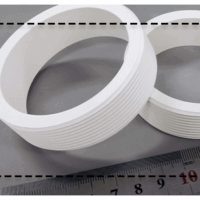

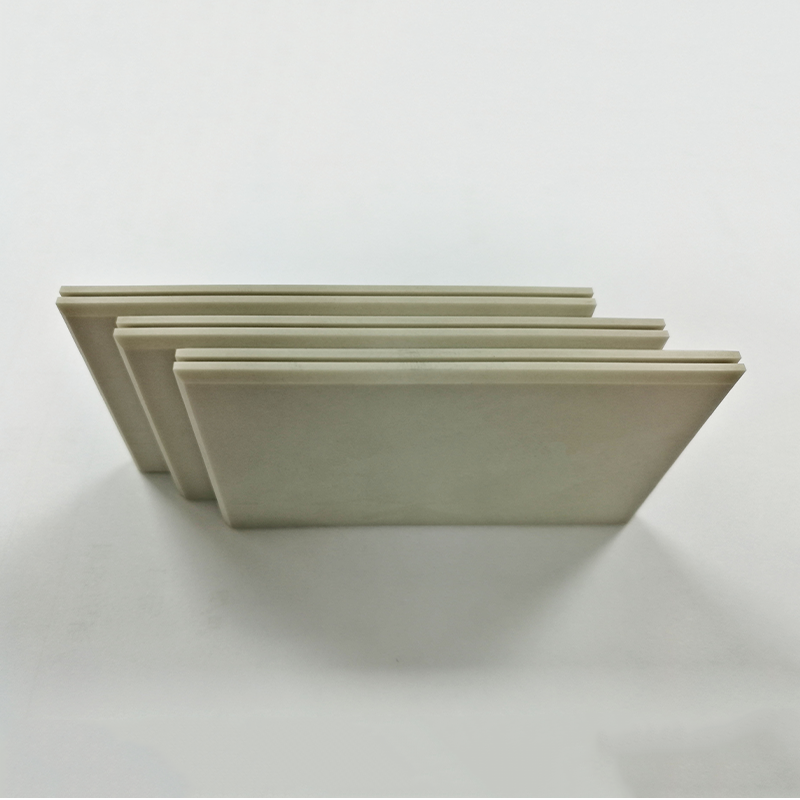


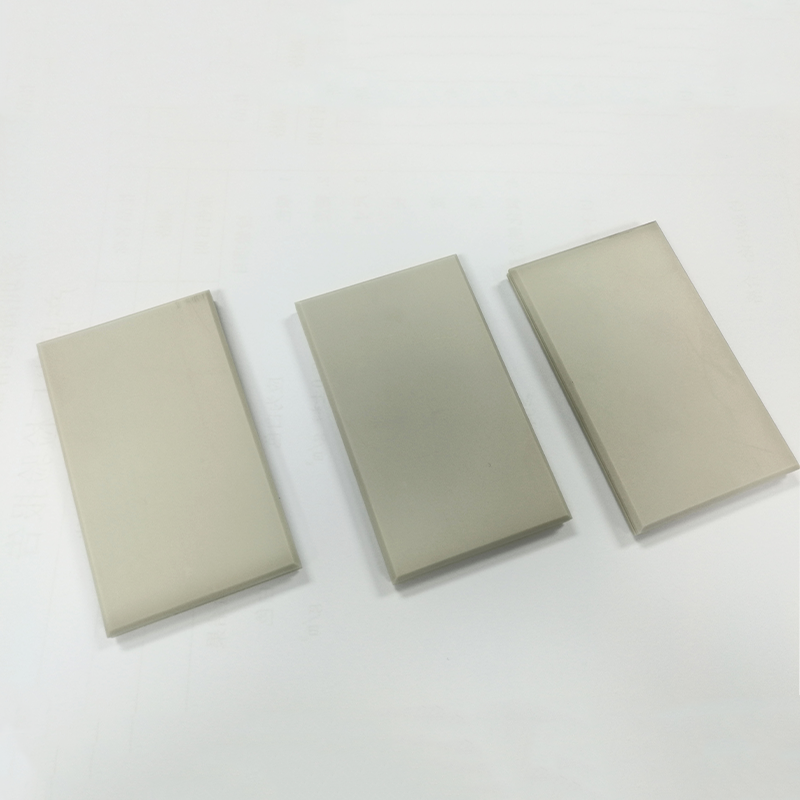

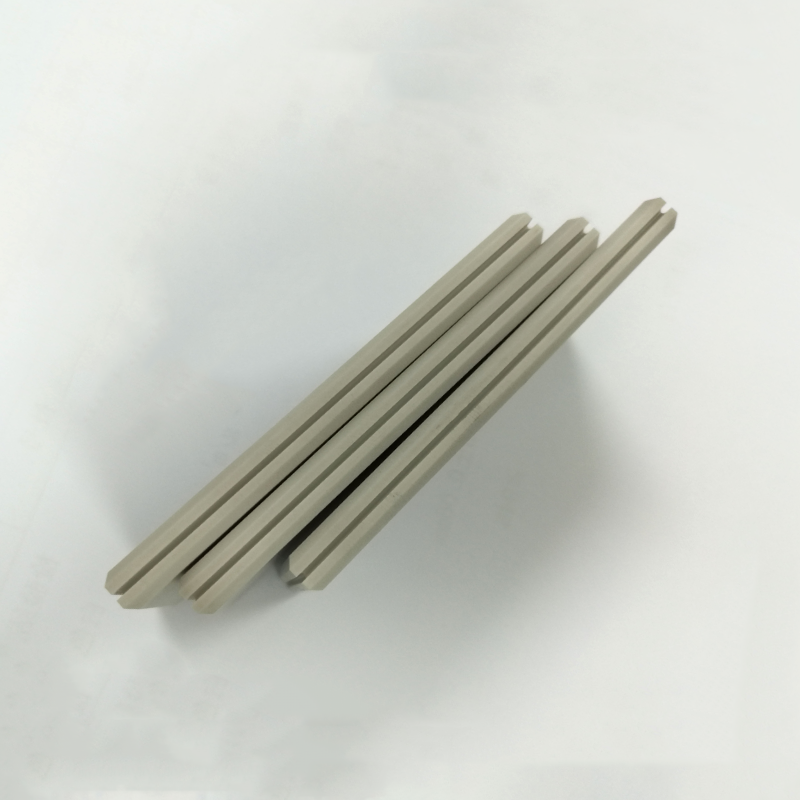

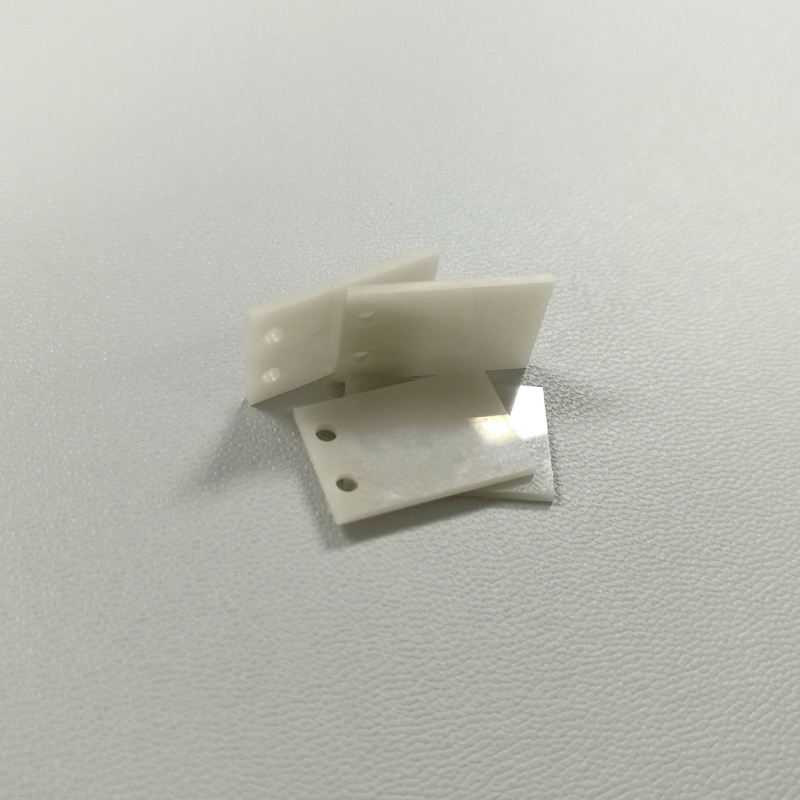

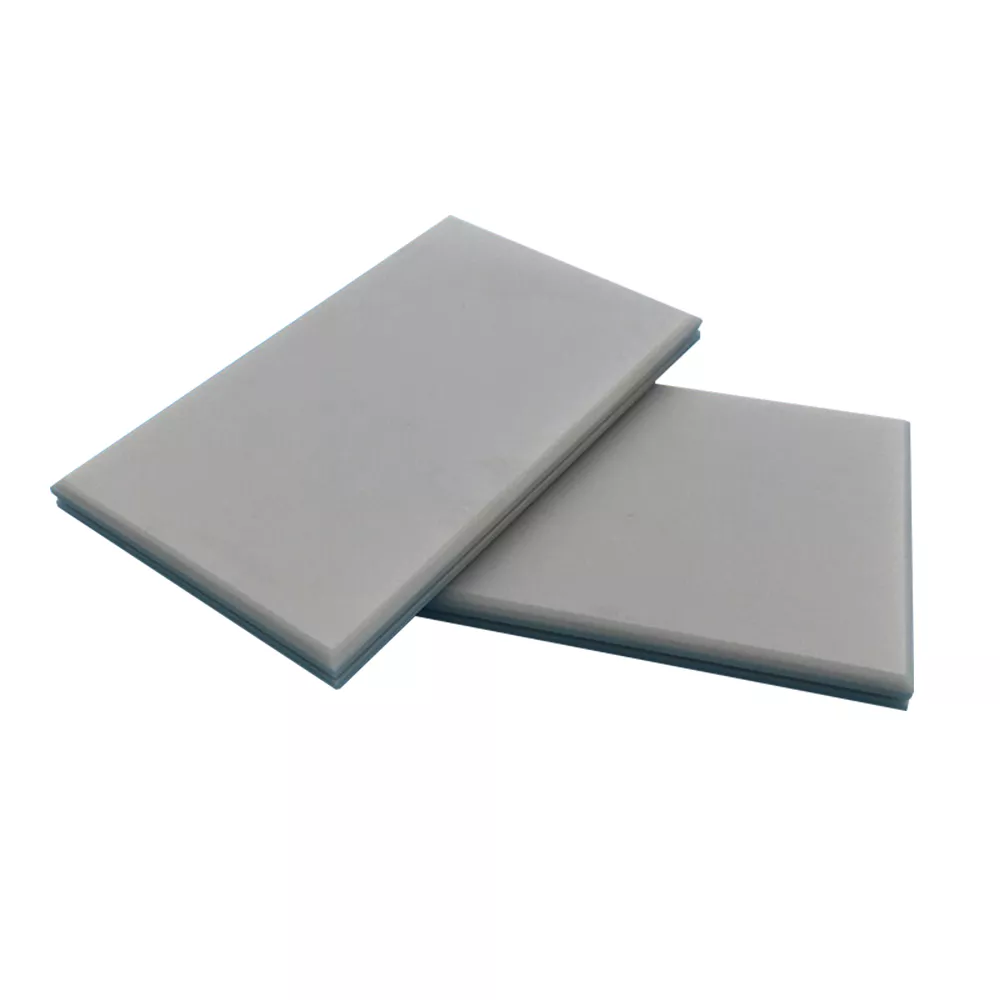
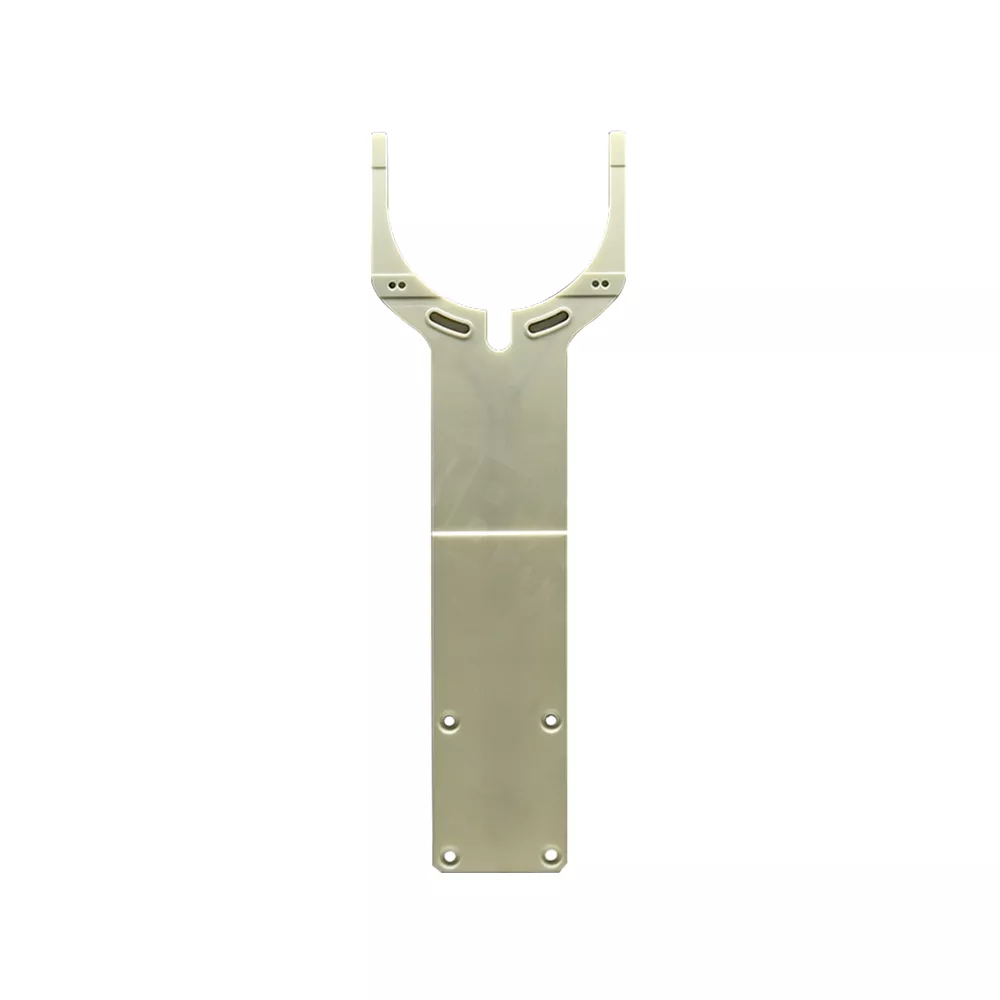

Aluminum Nitride Ceramic Parts: Catalogue and Quotation


Electrical Insulation and Thermal Management Considerations
Review heat transfer, electrical isolation, and part-definition requirements together before selecting a grade or requesting a quotation.
Application Conditions First
Define operating temperature, electrical loading, thermal path, surrounding environment, and duty cycle so material suitability can be considered against the actual component job.
Grade-Specific Property Review
Discuss the proposed aluminum nitride grade rather than relying on general material data, since electrical and thermal behavior can vary with composition and processing.
Thermal Transfer Path
Identify where heat enters and leaves the component, including mounting interfaces and contact conditions, to evaluate thermal transfer alongside electrical isolation needs.
Electrical Isolation Requirements
Specify voltage conditions, frequency considerations, leakage concerns, and the insulating surfaces required in assembly, enabling a more relevant review of dielectric performance.
Semiconductor Interface Geometry
Share the drawing revision, critical dimensions, flatness expectations, and mating features for substrates, rings, or fixtures used near semiconductor-related equipment.
Inspection Evidence Alignment
State the acceptance criteria, requested dimensional records, material documentation, and cosmetic expectations before quotation so inspection evidence aligns with the project requirement.
Aluminum Nitride Requirements by Application
Explore component, material, and application starting points for defining geometry, interfaces, operating conditions, and project-specific acceptance criteria.

Ceramic Manufacturing Capabilities
Review ceramic manufacturing capabilities in relation to the part requirement: forming route, achievable geometry, critical surfaces, dimensional tolerance, finishing needs, inspection expectations, and quantity. Share the current drawing revision so feasibility and quotation discussions begin with the features that affect assembly and function.
Discuss Your Ceramic Part
Ceramic Solutions by Industry
Explore advanced ceramics applications by the operating environment and job of the part. Consider temperature exposure, electrical behavior, wear, chemical contact, thermal transfer, loading, and mating interfaces alongside the industry context. These inputs help identify the questions that must be resolved before selecting a component approach.
Discuss Your Ceramic Part
Advanced Ceramic Materials
Compare advanced ceramic materials as a starting point for a specific component requirement. Alumina, zirconia, silicon carbide, silicon nitride, aluminum nitride, boron nitride, and other families require grade-level review against service conditions, geometry, assembly interfaces, and documentation needs.
Discuss Your Ceramic Part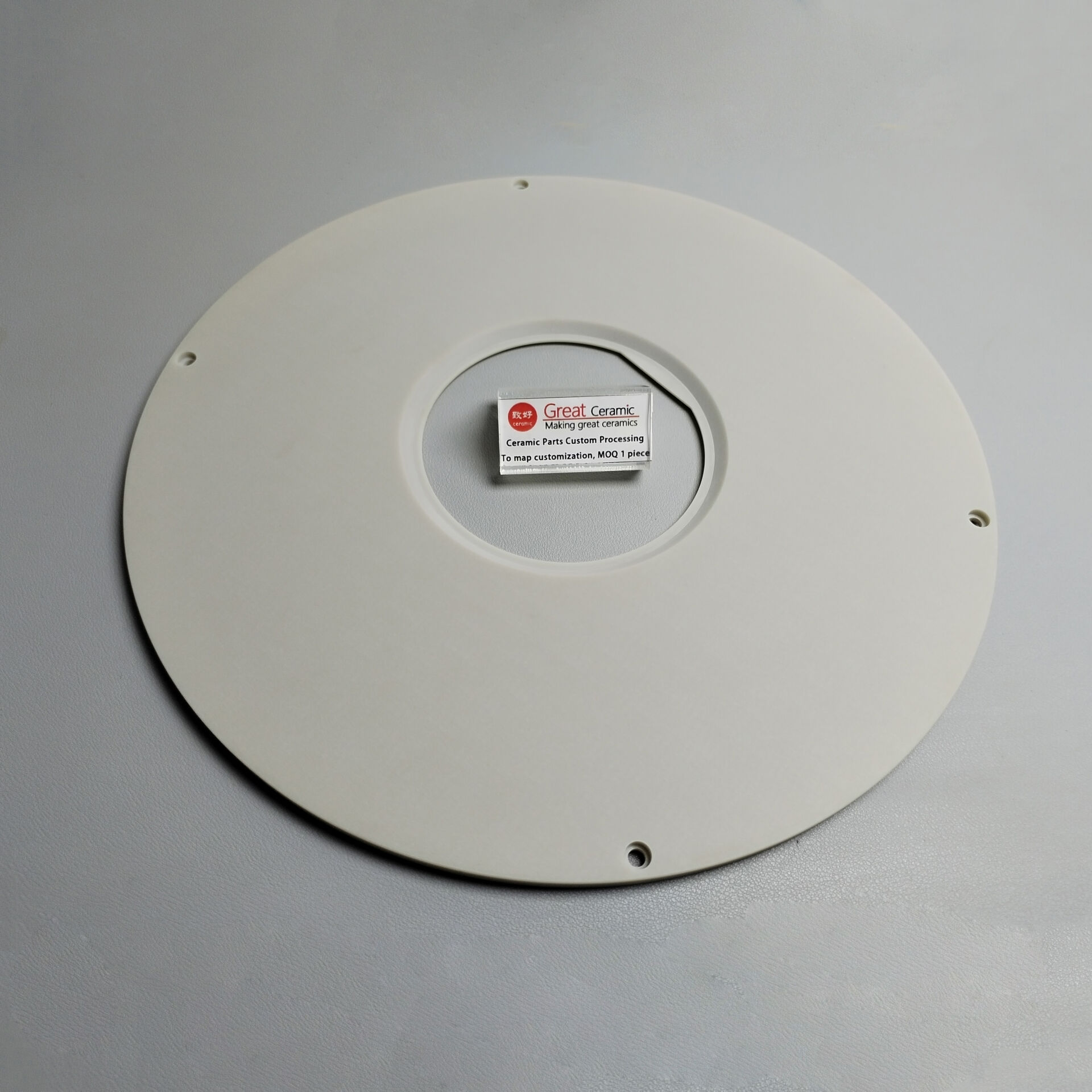
Technical Ceramic Products
Browse technical ceramic products by familiar component forms, including tubes, rods, rings, plates, substrates, and replacement parts. Product illustrations provide an initial reference; final material grade, dimensions, tolerances, surface requirements, and acceptance criteria must be confirmed for the individual project.
Discuss Your Ceramic Part
Technical Ceramic Resources
Use this technical ceramics guide to prepare a clearer drawing-led inquiry. Include the material designation if known, current drawing revision, quantity, service conditions, critical fit surfaces, inspection requirements, and requested documentation. Contact Porcecore by email or WhatsApp to discuss open questions.
Discuss Your Ceramic PartSupported Technical Ceramic Materials


Alumina Ceramics
A widely considered oxide ceramic for electrical insulation components, wear-resistant parts, and general industrial fixtures. It can suit substrates, insulators, rings, and tubes, subject to the required grade, dimensions, tolerances, and service environment.

Zirconia Ceramics
A ceramic family often evaluated for demanding mechanical components, including seals, wear parts, and precision assemblies. Its suitability depends on the selected grade, mating conditions, dimensional requirements, thermal exposure, and defined acceptance criteria.

Silicon Carbide Ceramics
A material family commonly reviewed for parts exposed to wear, corrosion, heat, or demanding process conditions. Discuss the component form, operating media, critical surfaces, and required documentation before selecting a grade for a project.

Silicon Nitride
A technical ceramic option for mechanically demanding components such as rollers, bearings, valves, and structural parts. Project review should account for load paths, thermal cycling, geometry, surface requirements, and the relevant material designation.

Boron Nitride
A specialty ceramic family that may be considered for thermal, electrical, or high-temperature component requirements. Share the application environment, part drawing, contact surfaces, quantity, and acceptance expectations to guide a useful material discussion.
Forming and Finishing for Aluminum Nitride Components

Powder Preparation
Powder selection and preparation set the starting point for density, material consistency, and downstream processing. Grade suitability, additives, and project-specific electrical and insulation expectations should be confirmed for the individual component.

Press Forming
Press forming can be considered for component geometries suited to repeatable compaction. Part shape, wall transitions, draft needs, quantity, and dimensional targets must be reviewed against the drawing before a process route is proposed.

Green Machining
Green-state machining may help create selected features before final densification. Because firing changes dimensions, the drawing must identify critical assembly dimensions, geometry limits, and tolerance priorities for process suitability review.

Controlled Sintering
Sintering develops the final ceramic body and influences shrinkage, density, and dimensional outcome. Aluminum nitride ceramics electrical and insulation performance depends on the specified grade and project conditions, not a general material statement.

Diamond Finishing
Diamond grinding and finishing can address precision surfaces after sintering. Identify mating faces, flatness or surface expectations, key dimensions, and inspection requirements so achievable tolerances and finishing scope can be discussed clearly.
Component Features for Aluminum Nitride Parts

Mating Surfaces
Define the surfaces that locate, seal, clamp, or contact another component. Share flatness, parallelism, contact-area expectations, and the dimensions that control assembly so the functional interfaces can be reviewed with the part geometry.

Holes And Grooves
Include hole locations, diameters, depths, countersinks, slots, and grooves when they affect mounting, clearance, sealing, or routing. A current drawing helps distinguish essential dimensions from preferred details and supports a more focused quotation discussion.

Threads And Inserts
Specify any threaded interfaces, insert concepts, fastening loads, and assembly sequence. For aluminum nitride ceramic parts, these requirements should be assessed alongside wall thickness, edge conditions, mating hardware, and the service environment for the individual project.
Metallized Areas
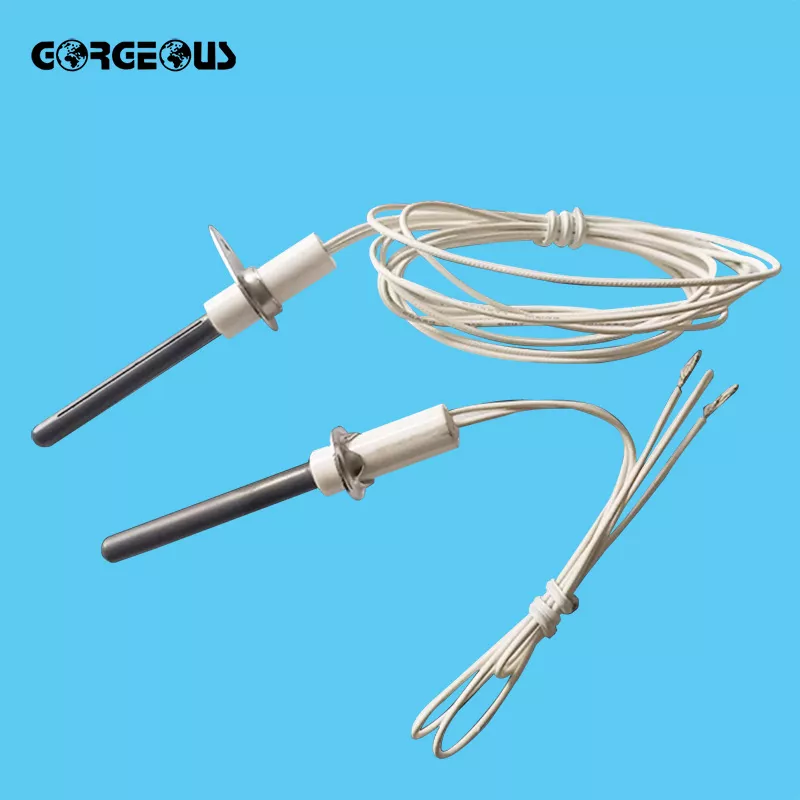
Mark any areas requiring metallization, electrical contact, or defined conductive interfaces. State the intended function, coverage area, attachment method, and inspection needs so material, geometry, and acceptance requirements can be discussed on a project-specific basis.

Surface Finish
Identify functional finishes for sealing faces, contact regions, optical surfaces, or noncritical exterior areas. Include roughness targets where known, along with scratch, chip, edge-break, and cosmetic expectations that influence inspection and component acceptance.
Inspection Criteria
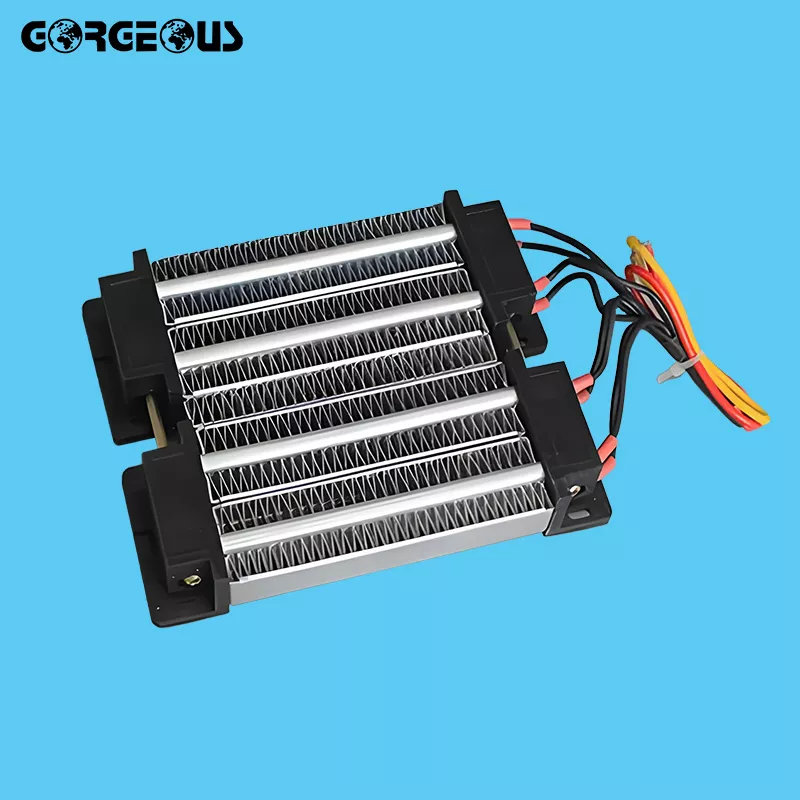
Clarify the dimensions, surfaces, material designation, documentation, and acceptance criteria that require verification. Sharing these expectations early helps align the quotation conversation around measurable requirements rather than treating a product illustration as a specification.
About Porcecore
Founded by Andy Yuan, Porcecore helps industrial buyers, equipment builders, and engineering teams connect technical ceramic material choices with clearly defined component requirements. Our mission is practical: make the path from application need to informed sourcing discussion easier to start, document, and review.
Our coverage spans oxide, nitride, carbide, and specialty ceramic materials in component forms such as tubes, rods, rings, and substrates. For aluminum nitride components, we consider geometry, mating surfaces, operating environment, and acceptance expectations alongside the material family.
Porcecore works from the drawing and the job the part must perform. Send the current revision, known material designation, quantity, service conditions, critical assembly dimensions, and documentation needs. This gives a quotation conversation a concrete basis before grade, tolerance, delivery, and commercial terms are confirmed.

A Drawing-Led Review for Aluminum Nitride Components
Review the Operating Context
Start with the electrical duty, thermal path, environment, assembly constraints, and the role the component performs. This helps frame aluminum nitride ceramics electrical and insulation performance as part of an application requirement, rather than as a material label alone.
- Define voltage, insulation, and thermal-management needs
- Describe service temperatures and operating environment
- Identify the component's function within the assembly

Define Geometry and Interfaces
A substrate, ring, tube, or machined ceramic part must fit its mating components as well as its application. Share the current drawing revision and identify critical dimensions, surface conditions, holes, edges, and interfaces that influence assembly or performance.
- Mark dimensions that control assembly
- Identify mating and contact surfaces
- Note thickness, flatness, and edge requirements

Confirm Grade-Specific Requirements
General aluminum nitride properties are useful for early screening, but they do not replace project-specific confirmation. Discuss the intended material designation, required property range, geometry, and process considerations so the proposed part can be reviewed against the actual application.
- State the material grade if known
- Separate essential requirements from preferences
- Review property needs against the intended service

Align Acceptance Before Commitment
Clear acceptance criteria give a quotation discussion a practical foundation. Include inspection expectations, documentation needs, quantity, delivery considerations, and any approval requirements. Porcecore can help turn the available drawing and application details into a more focused technical ceramic inquiry.
- Specify inspection and documentation needs
- Provide quantity and delivery expectations
- Identify approval and acceptance criteria

Aluminum Nitride Ceramics Electrical and Insulation Performance: A Drawing-Led Approach
Compare requirement-focused component discussions with material-only catalogue sourcing.
← Swipe left or right to view →
Inquiry-to-Delivery Process for Aluminum Nitride Components
A drawing-led process to clarify component requirements, review open points, and confirm project-specific terms before production and shipment.
Share Part Requirements
Send the current drawing revision, known material designation, quantity, operating conditions, mating surfaces, and acceptance criteria for an initial project discussion.
Review Drawing Details
We review geometry, assembly-critical dimensions, surface requirements, and the intended role of aluminum nitride ceramics electrical and insulation performance in the application.
Discuss Quotation Basis
The quotation discussion separates confirmed requirements from open questions, including grade, tolerances, documentation, delivery expectations, and commercial terms for the individual project.
Confirm Project Specification
Before proceeding, align the agreed part requirement with material grade, dimensions, inspection expectations, applicable documentation, and other details requiring project-specific confirmation.
Plan Production And Inspection
Production planning follows the confirmed requirement, with attention to the specified geometry, critical surfaces, inspection criteria, and any agreed documentation needs.
Confirm Packing And Shipping
Review packing, delivery, and shipping details against the agreed order terms so the project team has a clear basis for final coordination.
How to Work with Porcecore
Turn an aluminum nitride component need into a drawing-led quotation discussion with clear technical and commercial next steps.
Send Your Current Drawing
Share the current drawing revision, part form, quantity, and application context so aluminum nitride ceramics electrical and insulation performance can be considered against the actual component need.
Define Critical Requirements
Identify the material designation if known, operating conditions, mating surfaces, assembly-critical dimensions, tolerances, and acceptance criteria that should guide the project review.
Review the Quotation Basis
Discuss the proposed basis for grade, geometry, finishing, inspection documentation, delivery expectations, and commercial terms before treating any inquiry as an agreed production order.
Confirm Project Next Steps
Resolve open questions, confirm the information needed for quotation progression, and align the next technical or sourcing conversation around the individual project requirements.
Documentation Options for Project Review

Customer Feedback and Case Studies
Verified customer feedback will be published only after Porcecore can document the component requirement, agreed scope, and project-specific outcome. No customer endorsement or performance figure is currently presented here.
A future application case may describe how drawing revision, mating surfaces, and acceptance criteria shaped an aluminum nitride component inquiry. Outcomes will be attributed only with the customer’s approval and supporting project records.
Porcecore will publish customer feedback only when the material grade, geometry, service conditions, and confirmed result can be stated responsibly. Illustrative claims, unnamed endorsements, and unverified performance numbers are intentionally excluded.
Aluminum Nitride Ceramics Electrical and Insulation Performance FAQ
Practical questions for defining an AlN component inquiry, reviewing requirements, and confirming project-specific terms.
What drawing information is needed to review aluminum nitride ceramics electrical and insulation performance?
How is aluminum nitride ceramics electrical and insulation performance confirmed for a specific application?
Which grade should we specify for aluminum nitride ceramics electrical and insulation performance?
Can Porcecore quote custom AlN substrates, rings, tubes, or other component forms?
How are MOQ, samples, and production quantity handled?
What inspection evidence can be requested with an AlN ceramic order?
What should we provide for shipping, payment, and packaging discussions?
How can we share an IP-sensitive ceramic component requirement?
Aluminum Nitride Ceramics Electrical and Insulation Performance Buyer’s Guide
Use a practical decision framework to specify AlN components, compare insulation and thermal requirements, evaluate supplier controls, and avoid qualification, machining, and cost-planning mistakes before purchase.
1. Aluminum Nitride Ceramics Electrical and Insulation Performance Explained
6 eV is the approximate room-temperature bandgap reported for wurtzite AlN, a non-oxide technical ceramic of aluminum and nitrogen; this wide bandgap supports insulating behavior. Dielectric constant, loss, volume resistivity, and dielectric breakdown strength describe different electrical risks and should not be treated as interchangeable. Source: https://www.preciseceramic.com/blog/what-is-aluminum-nitride-ceramic.html
170 W/m·K is a published example of thermal conductivity for one AlN grade, while the material can remain electrically insulating—a useful combination where an insulated part must move heat. Published conductivity and electrical values vary with grade, sintering additives, oxygen content, density, and grain-boundary microstructure. Source: https://precision-ceramics.com/materials/aluminum-nitride
4.5 × 10⁻⁶/°C is a commonly published AlN expansion value over 25–400°C, close to silicon’s cited 3.5–4 × 10⁻⁶/°C. For aluminum nitride ceramics electrical and insulation performance, request test method, specimen thickness, temperature, electrode configuration, and acceptance limits; breakdown and resistivity are condition-dependent, not catalog constants. Source: https://ggsceramic.com/news-item/aluminum-nitride-ceramic
2. Evolution of AlN Electrical Insulation
1862 marked an early documented synthesis of aluminum nitride by F. Briegleb and A. Geuther, long before it became an electronics material. That history explains the material’s maturity, but not the suitability of any current grade or component: https://www.preciseceramic.com/blog/what-is-aluminum-nitride-ceramic.html
170 W/(m·K) is a commonly published thermal-conductivity threshold for polycrystalline AlN ceramics, while the material remains electrically insulating. As power density rose, this combination made AlN substrates, insulators, heat spreaders, and power-electronics parts relevant where a metal heat path could create an unwanted electrical path: https://www.mascera-tec.com/news/what-is-the-main-use-of-aluminum-nitride-ceramics
2026 purchasing decisions should therefore start with the part’s heat load, voltage exposure, geometry, mating surfaces, and service environment—not with historical property claims. Request the specified material grade, test conditions, drawing revision, acceptance criteria, and any required electrical or thermal documentation before committing a production order.
3. Aluminum Nitride Ceramics Electrical and Insulation Performance Types
Two form decisions drive aluminum nitride ceramics electrical and insulation performance: the heat path through the part and the voltage path around it. Standard blanks suit simple interfaces; complex mounting or conductive joints require an engineered drawing.
Substrates And Plates

Two flat forms serve different assemblies. Thin substrates support circuit layouts and controlled heat flow, while thicker plates suit mounted power devices where flatness, hole location, and clamping load matter.
Rings Discs And Fixtures

Three-dimensional rings, discs, and fixtures isolate shafts, electrodes, or process hardware. Bore tolerance, edge condition, thermal cycling, and the actual voltage clearance should be specified before selecting a nominal standard size.
Packages And Metallized Parts
Two interface requirements distinguish ceramic packages from bare parts: electrical connection and mounting. Metallization, joined hardware, high-frequency layout, and sealing surfaces need project-specific confirmation because geometry affects both insulation distance and heat transfer.
4. AlN Materials, Additives, and Material Comparisons
AlN results depend on powder purity, oxygen pickup, sintering aids, grain-boundary phases, and final density. Surface finish and metallization must be qualified with the operating voltage, thermal path, and mating stack.
| Material | Selection Strength | Qualification Tradeoff |
|---|---|---|
| AlN | High heat transfer with insulation | Oxygen, density, metallurgy control |
| Alumina | Established insulating ceramic | Lower heat-transfer capability |
| Silicon nitride | Strength and thermal-shock resistance | Different thermal and electrical balance |
| Beryllium oxide | High thermal performance | Serious safety controls |
| Machinable ceramic | Complex prototype geometry | Validate final service performance |
Microstructure Controls
AlN grain boundaries can limit heat flow or increase leakage when oxygen-derived secondary phases or residual porosity are uncontrolled.
Dense bodies still require grade-specific resistivity, dielectric, and thermal testing; nominal material names are insufficient.
Surface And Metallization
Metallization adhesion and surface roughness affect conductor continuity, bonding, and local electric-field concentration.
Finished parts should be inspected after grinding, cleaning, and the intended metallization process, not only before finishing.
Selection And Qualification
BeO requires strict exposure-control review during machining and disposal. Machinable ceramics can reduce prototype complexity but need thermal and electrical qualification.
Compare the finished geometry, environment, interfaces, documentation, and acceptance tests before selecting a material.
5. Customizing Aluminum Nitride Electrical Insulation Components
One drawing revision should define the assembly envelope before a custom AlN part is quoted. Thickness, cutouts, and conductive interfaces jointly affect clearance, thermal path, yield, cost, and lead time.
| Feature | Primary Effect | Drawing Input |
|---|---|---|
| Holes and slots | Yield and clearance | Diameter, radius, position |
| Flat contact face | Thermal path | Flatness, roughness, datum |
| Metallized area | Insulation spacing | Pattern, keep-out, interface |
Geometry And Edges
Two-dimensional dimensions need datum references, thickness limits, hole diameters, slot radii, and edge-break requirements. Tight internal corners, thin webs, and sharp edges can increase diamond-machining time and breakage risk.
Surfaces And Metallization
Flatness and surface roughness should be assigned only where contact, sealing, or bonding requires them. Metallization patterns need layer definition, coverage, keep-out zones, and insulation spacing from energized features.
Quote Package
Three inputs make a quotation discussion concrete: the current drawing, annual and release quantities, and service conditions. Identify mating surfaces, inspection method, dielectric acceptance criteria, documentation, and approved deviations.
6. Construction Quality for Reliable AlN Insulation
Reliable AlN insulation begins with a controlled part definition, not a catalog property. Procurement should require evidence that links the incoming material, finished geometry, inspection method, and electrical acceptance condition.
Material And Microstructure
100% lot traceability should connect powder or certified material designation, forming lot, sintering batch, and finished-part lot. Density and porosity limits need a stated measurement method because pores can concentrate electrical stress.
3.26 g/cm3 is the theoretical density of AlN, but a purchase specification should set the applicable minimum relative density rather than infer quality from appearance.
Geometry And Surface Release
Each drawing should identify assembly-critical dimensions, tolerances, flatness, surface finish, permissible edge chips, and excluded surface defects. Cleanliness requirements should also name the surfaces, residue limits, packaging, and handling controls.
Where metallization is required, define the metallized area, adhesion test method, test coupon geometry, and pass-fail criterion before production release.
Electrical Test Definition
Test voltage alone is not a transferable result. Record AC or DC waveform, ramp rate, dwell time, electrode arrangement, sample thickness, creepage path, temperature, humidity, and conditioning.
1 acceptance criterion should state the required outcome, sample size, retest rule, and whether breakdown, leakage current, or insulation resistance governs. This makes aluminum nitride ceramics electrical and insulation performance comparable across lots.
7. Choosing an AlN Ceramic Manufacturer
Choose against the documented requirements of the part, not a generic AlN claim. Ask each supplier to identify the grade, process route, available machining and metallization scope, and limits before comparing quotations.
Request Verifiable Material Data
1 data sheet is only a starting point. Request test methods, typical versus minimum values, and the lot-specific records available for dielectric, resistivity, thermal, and dimensional requirements.
- Grade and sintering route
- Test method and condition
- Lot identification and records
Define The RFQ Clearly
5 inputs prevent an insulation quotation from becoming guesswork. State operating voltage, temperature range, atmosphere or contamination exposure, controlled dimensions, mating surfaces, quantity, and required verification.
- Voltage and waveform
- Temperature and environment
- Drawing revision and tolerances
- Required electrical verification
Check Delivery Readiness
2 production stages deserve separate dates: prototype approval and production release. Confirm inspection reporting, traceability format, protective packaging, engineering response ownership, and lead time from approved drawing—not inquiry date.
- Prototype acceptance criteria
- Inspection report format
- Packaging for fragile edges
8. Common AlN Electrical Insulation Buying Mistakes
AlN selection errors often arise when a material value is treated as a finished-part requirement. Aluminum nitride ceramics electrical and insulation performance must be assessed with geometry, environment, interfaces, and the intended test method together.
Thermal Data Without Context
Thermal conductivity alone does not establish insulation reliability; grade, thickness, and electrical stress may govern the part. Ask: which thermal, resistivity, and breakdown tests apply at the actual operating temperature?
Geometry And Environment Gaps
Creepage, clearance, tight fit tolerances, moisture exposure, and oxidation conditions can alter field distribution or assembly behavior. Ask: which surfaces, gaps, tolerances, contaminants, and service exposures are acceptance-critical?
Interfaces Need Validation
Metallization, brazed joints, coatings, and mounting hardware are not electrically neutral by default and can introduce leakage paths or local fields. Ask: what prototype test reproduces the assembled voltage, thermal cycling, and environment before release?
9. Specifying and Launching an AlN Component Program
Four functions should agree on duty before any AlN part is quoted: electrical, thermal, mechanical, and quality. Aluminum nitride ceramics electrical and insulation performance must be translated into testable part requirements.
Define Duty And Targets
Two operating envelopes matter first: voltage, frequency, leakage limits, temperature, heat load, mounting stress, and environment. Electrical engineers set dielectric tests; mechanical engineers define interfaces and load paths.
Build The Drawing Package
One controlled drawing revision should identify material designation, datum scheme, critical-to-quality dimensions, tolerances, surface condition, and mating surfaces. Attach assembly context, quantity forecast, and required documentation.
Validate And Release Supply
Three gates reduce launch risk: sample inspection, functional validation, and pilot-lot approval. Quality locks acceptance criteria and sampling; purchasing confirms lead time, packaging, revision control, and production replenishment.
- Drawing revision and quantity
- Electrical and thermal test conditions
- Critical dimensions and inspection method
- Pilot-lot approval criteria
10. Aluminum Nitride Ceramics Electrical and Insulation Performance Costs
Three cost layers usually dominate an AlN part: material grade, post-sinter machining, and verification. Higher-conductivity grades, tight tolerances, and low-yield geometry can raise cost before any added metallization.
Two prototype lots with identical outer dimensions can quote differently when one requires ground mating faces, holes, or metallized pads. Tooling amortization, scrap risk, inspection sampling, and requested reports must be defined with the drawing.
Porcecore requires a project-specific supplier quotation; the matrix is illustrative only and is not Porcecore pricing. Confirm quantity, drawing revision, acceptance criteria, and required lead time before comparing offers.
| Quantity tier | Geometry and processing | Inspection scope | Expected lead-time effect |
|---|---|---|---|
| Prototype, 1–20 | Complex profile; precision grinding or metallization | Full dimensional and electrical checks | Longest per-part setup burden |
| Small series, 20–200 | Moderate geometry; limited machining | First-article plus sampling | Setup spread across more parts |
| Production, 200+ | Stable, manufacturable geometry; repeat processing | Agreed sampling and traceability | Potentially shorter after qualification |
Discuss Aluminum Nitride Ceramics Electrical and Insulation Performance
Email your drawing, operating environment, quantity, material designation, and acceptance criteria for a clearer, project-specific component discussion with Porcecore.