
Aluminum Nitride Ceramics Machining and Design Guide
Turn part geometry, mating surfaces, service conditions, and acceptance criteria into a clearer drawing-led quotation discussion.
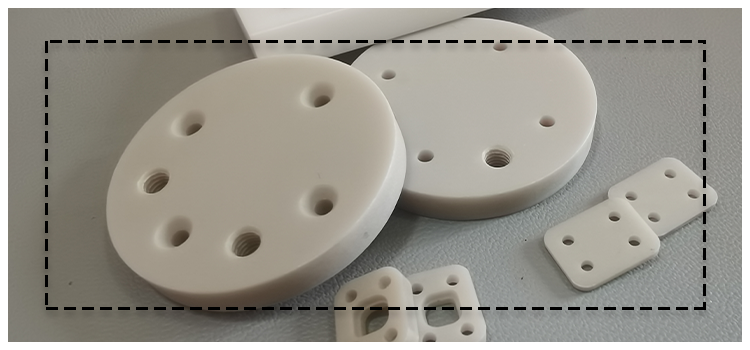
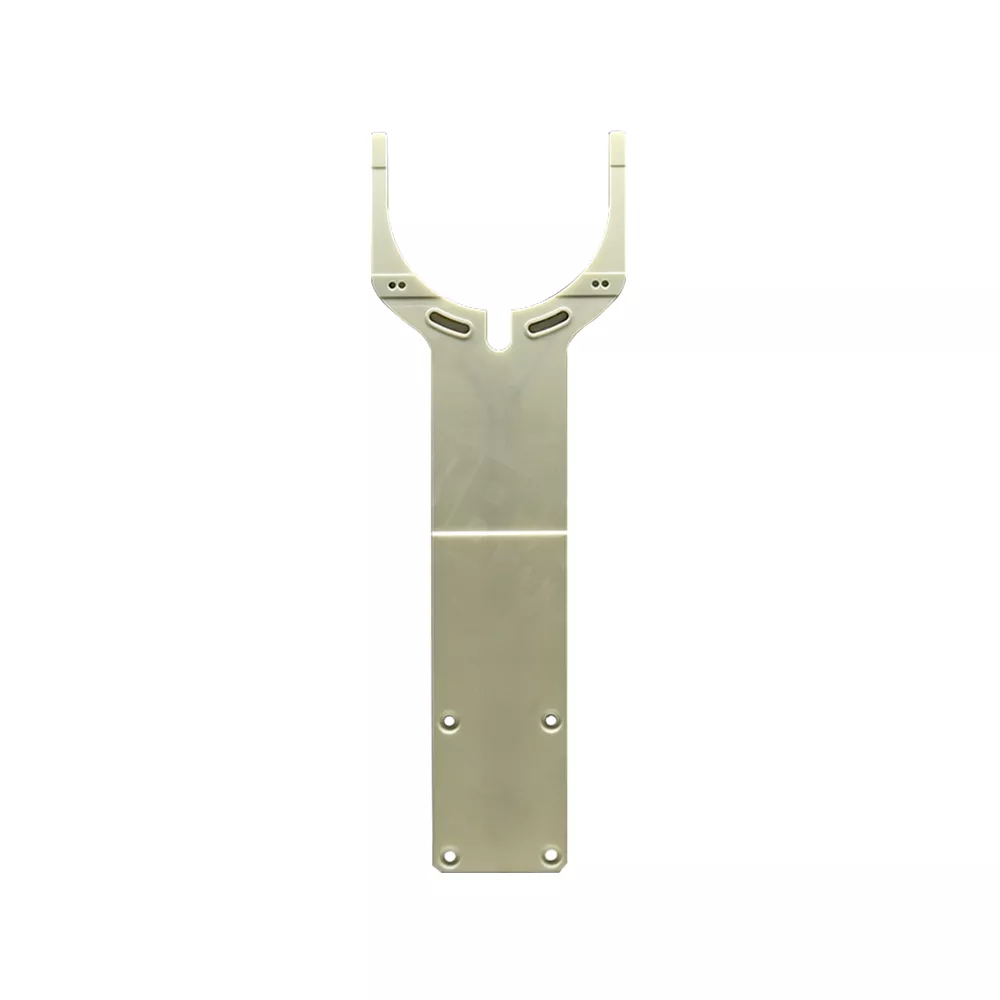
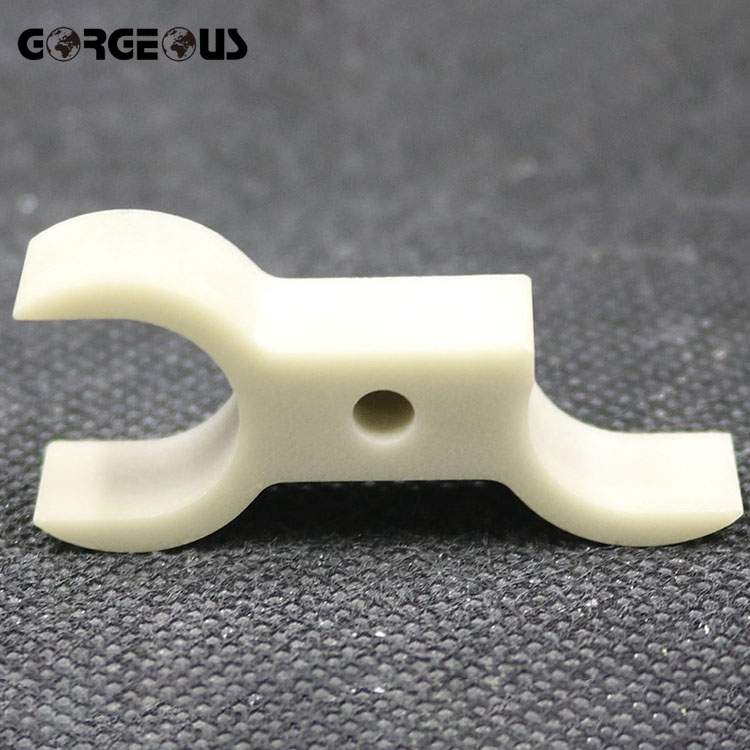
Featured Aluminum Nitride Ceramic Components








Related Product Catalogue and Quotation


Aluminum Nitride Ceramics Machining and Design Guide: Six RFQ Checks
Align the material, part geometry, functional interfaces, service environment, and approval expectations before requesting a quotation.
Current Drawing Revision
Provide the current drawing revision, including dimensions, notes, datum references, and any marked changes, so the quotation discussion starts from one controlled part definition.
Material Grade Requirements
State the aluminum nitride grade or known material designation, then identify the application properties that matter so material selection is reviewed against the actual component requirement.
Geometry and Assembly Dimensions
Identify the features that determine fit, clearance, alignment, and assembly. A clear geometry definition helps distinguish essential dimensions from preferences during the sourcing conversation.
Process Route Considerations
Describe relevant shaping, machining, finishing, or metallization needs where known. The proposed process route should be considered with the part form, material condition, and requested result.
Functional Surface Definition
Mark surfaces that mate with another component, transfer heat, seal, locate, or support a coating. Include applicable finish, flatness, or interface expectations in the drawing package.
Inspection and Acceptance Evidence
Specify the measurements, records, visual criteria, or documentation needed for approval. Clear acceptance requirements give both procurement and engineering teams a concrete basis for review.
Aluminum Nitride Component Requirements Guide
Use component form, operating environment, mating interfaces, and acceptance needs to frame a drawing-led technical ceramics inquiry.

Ceramic Manufacturing Capabilities
Review ceramic manufacturing capabilities against the part requirement: component geometry, wall thickness, critical surfaces, tolerances, machining needs, inspection points, and quantity. For aluminum nitride components, confirm the drawing revision and any dimensions that control fit, sealing, or thermal contact.
Discuss Your Ceramic Part
Ceramic Solutions by Industry
Explore advanced ceramics applications by the equipment context and duty of the component. Describe heat flow, electrical insulation requirements, exposure conditions, mounting method, mating materials, and service cycle so the proposed aluminum nitride solution can be evaluated against the actual job.
Discuss Your Ceramic Part
Advanced Ceramic Materials
Compare advanced ceramic materials with the conditions that matter to the individual part. Aluminum nitride may be considered alongside oxide, nitride, carbide, and specialty ceramic families, subject to confirmation of grade, geometry, processing route, and project-specific acceptance criteria.
Discuss Your Ceramic Part
Technical Ceramic Products
Technical ceramic components include tubes, rods, rings, substrates, plates, industrial ceramic parts, and custom ceramic components. Send a current drawing, target quantity, and required documentation to discuss the aluminum nitride part configuration, critical dimensions, and quotation basis.
Discuss Your Ceramic Part
Technical Ceramic Resources
Use this technical ceramics guide to prepare a practical inquiry. Identify material designation if known, assembly-critical dimensions, mating surfaces, operating conditions, inspection expectations, and approval documentation; then email info@zlrsmaterials.com or contact WhatsApp +86 130 6482 5920.
Discuss Your Ceramic PartAluminum Nitride Ceramics Machining and Design Guide: Related Materials


Alumina Ceramics
A widely used oxide ceramic for electrical insulation, wear-resistant parts, and general industrial fixtures. Available grades can differ in purity, strength, and finishing response, so drawings should identify fit-critical surfaces and inspection needs.

Silicon Nitride Ceramics
A non-oxide ceramic often evaluated for mechanically demanding parts such as rollers, bearings, and structural insulators. Its toughness-oriented material profile can suit dynamic applications where loading, contact conditions, and geometry need review together.

Silicon Carbide Ceramics
A hard ceramic family commonly considered for wear components, high-temperature fixtures, and chemical-process parts. Abrasive service, thermal exposure, mating materials, and required edge condition help determine whether it fits the component requirement.

Zirconia Ceramics
A specialty ceramic option often explored for high-temperature electrical insulation, crucibles, and non-wetting contact surfaces. Its composition and form can influence machinability and service behavior, making application details essential before material selection.
Aluminum Nitride Ceramics Machining and Design Guide: Processing Considerations

Profile Cutting
Cutting discussions establish the part outline, substrate format, edge condition, and critical contour dimensions. Share the current drawing revision and identify features that affect assembly so the proposed route can be evaluated against project-specific requirements.

Feature Drilling
Hole patterns, slots, and openings require clear callouts for diameter, position, depth, and functional purpose. Identifying datum relationships and any mating hardware helps focus the quotation discussion on the features that determine fit.

Diamond Grinding
Grinding may be considered for dimensions, surfaces, or profiles that need controlled finishing after ceramic processing. Define the dimensions that govern assembly, the tolerance expectations, and the relevant material grade for a project-specific review.

Lapping Finishing
Lapping and related finishing discussions center on flatness, thickness, surface condition, and contact faces. Mark the surfaces that mate with other components and distinguish essential acceptance criteria from preferences before requesting a quotation.

Inspection Review
Inspection planning connects drawing dimensions, datum references, surface requirements, and documentation needs to the acceptance conversation. State the measurements or records needed for approval so Porcecore can clarify open questions before commercial commitment.
Aluminum Nitride Ceramics Machining and Design Guide: Supported Part Features

Mating Surfaces
Identify every surface that fits, seals, bonds, or locates against another part. Include its functional role, finish expectation, flatness needs, and any handling considerations that could affect assembly or inspection.

Critical Dimensions
Flag the dimensions that control installation, alignment, clearance, or thermal contact. Supply nominal values, tolerances, datums, and measurement expectations so the quotation discussion focuses on the features that determine function.

Geometry Details
Share the current drawing revision with holes, slots, radii, wall sections, edge conditions, and internal features clearly shown. Geometry should be reviewed alongside material designation and the intended operating environment.
Acceptance Criteria
State the inspection points, cosmetic limits, documentation, and approval requirements relevant to your program. Distinguishing essential requirements from preferences helps create a more focused conversation before production terms are confirmed.

Service Conditions
Describe operating temperature, electrical environment, mounting method, contact media, and anticipated loads where known. These details help connect an aluminum nitride component requirement to the job the finished part needs to perform.
Aluminum Nitride Ceramics Machining and Design Guide
Founded by Andy Yuan, Porcecore helps industrial buyers, equipment builders, engineers, and distributors turn technical ceramic needs into clearer component discussions. Our focus spans oxide, nitride, carbide, and specialty ceramics, including aluminum nitride, with each project considered around the part and the job it must perform.
Our aluminum nitride ceramics machining and design guide approach begins with the drawing, not a material name alone. We encourage teams to identify assembly-critical dimensions, mating surfaces, operating conditions, material designation where known, and inspection or documentation expectations before moving into a quotation conversation.
Porcecore is built around clarity before commitment. A product illustration is not a contractual specification, and general material information does not replace project-specific confirmation. Share the current drawing revision, quantity, service conditions, and acceptance criteria so the next sourcing decision has a practical basis.

Aluminum Nitride Ceramics Machining and Design Guide: Define the Part Before Quotation
Review the Operating Job
Start with the component’s role: heat transfer, electrical isolation, assembly interface, exposure conditions, and installation limits. This aluminum nitride ceramics machining and design guide approach helps turn an application need into questions that can be addressed on the drawing and in the inquiry.
- Describe the operating environment and functional objective
- Identify temperature, electrical, and mechanical considerations
- Flag interfaces with silicon, metal, or mating ceramic parts
- Separate essential performance needs from preferences

Read the Drawing as a System
A drawing provides more than nominal dimensions. Porcecore helps frame the features that influence manufacture and assembly, including datum relationships, critical dimensions, holes, slots, edge details, and surfaces that locate or seal against another part.
- Provide the current drawing revision or a clear sketch
- Mark assembly-critical dimensions and reference datums
- Identify mating, sealing, flatness, and alignment surfaces
- Note geometry details that require project-specific review

Connect Grade to Application
Aluminum nitride is often considered where thermal management and electrical insulation matter together, but material designation alone does not complete the requirement. Discuss the intended application, grade if known, form factor, and any performance values or documentation that must be confirmed for the project.
- State the material designation when available
- Describe the application and thermal-management objective
- Confirm whether substrates, rings, tubes, or custom forms are needed
- Treat published material properties as grade-specific until confirmed

Clarify Acceptance Before Commitment
A productive quotation discussion defines how the completed part will be evaluated. Include tolerances, surface expectations, quantity, inspection needs, required records, delivery timing, and commercial considerations so the proposal can distinguish confirmed requirements from points still open for discussion.
- Specify tolerances and finish requirements by feature
- State quantity and expected production timing
- List inspection, traceability, or approval documentation needs
- Confirm acceptance criteria before placing an order

Aluminum Nitride Ceramics Machining and Design Guide: A Clearer Sourcing Conversation
Compare a drawing-led project discussion with material-only supplier conversations before you request a quotation.
← Swipe left or right to view →
Aluminum Nitride Ceramics Machining and Design Guide: From Review to Quotation
Move from a current part requirement to a more informed quotation discussion by confirming the details that affect fit, performance, inspection, and supply terms.
Share Current Requirements
Send the latest drawing revision, part form, target quantity, and service environment so the conversation begins with the component and its intended job.
Clarify Material Selection
Review the aluminum nitride designation if known, while identifying thermal, electrical, mechanical, and environmental considerations that may affect the project-specific grade discussion.
Define Critical Features
Identify assembly-driving dimensions, mating surfaces, tolerances, edge conditions, and finish expectations to distinguish essential functional requirements from secondary preferences before quotation.
Confirm Acceptance Needs
State required inspection points, documentation, sample expectations, and approval criteria so the proposed scope can be evaluated against your internal purchasing and engineering process.
Review Supply Terms
Discuss delivery expectations, commercial terms, and any remaining open questions before treating an inquiry as a defined production order or quotation basis.
Use This Aluminum Nitride Ceramics Machining and Design Guide
Move from an initial part requirement to a clearer, drawing-led quotation discussion with Porcecore.
Send Your Drawing
Email the current drawing revision or describe the component, including its form, assembly role, operating environment, and the dimensions most important to your project.
Define Essential Requirements
Identify the material designation if known, critical mating surfaces, tolerances, finish expectations, quantity, service conditions, and any documentation or approval requirements for review.
Clarify Open Questions
Review unresolved grade, geometry, inspection, delivery, and commercial details with Porcecore so the inquiry distinguishes essential requirements from preferences before commitment.
Discuss Your Project Quote
Use the clarified requirement as the basis for a project-specific quotation discussion, with final material, dimensions, acceptance criteria, and terms confirmed for the individual order.
Documentation and Approval Requirements

Aluminum Nitride Ceramics Machining and Design Guide: Project Conversation Examples
Illustrative scenario: Our team submitted the current drawing, identified 3 assembly-critical surfaces, and stated the inspection needs. The resulting discussion clarified which requirements needed confirmation before we requested a formal quotation.
Illustrative scenario: We needed a replacement AlN component but had limited material information. By sharing the sample dimensions, operating environment, and quantity, we created a focused list of open questions for the sourcing review.
Illustrative scenario: Our RFQ covered a substrate with 2 mating interfaces and documentation expectations. Framing the request around geometry, acceptance criteria, and service conditions helped separate essential specifications from preferences before quotation.
Aluminum Nitride Ceramics Machining and Design Guide FAQs
Clarify the drawing, material, inspection, commercial, and delivery inputs needed for a project-specific quotation discussion.
What should we include in an aluminum nitride ceramics machining and design guide RFQ?
How does the aluminum nitride ceramics machining and design guide address grade selection?
Which tolerances and surfaces need emphasis in an aluminum nitride ceramics machining and design guide?
Can we discuss prototypes, samples, MOQ, and production lead time before ordering?
What inspection evidence can be requested for an AlN ceramic component?
How should we specify packaging and shipping requirements?
How are drawings, intellectual property, and revision control handled in a quotation discussion?
What payment and order details should procurement teams confirm?
Aluminum Nitride Ceramics Machining and Design Guide
A practical decision framework for specifying aluminum nitride components, comparing machining routes, qualifying suppliers, controlling cost, and avoiding design choices that create tolerance, yield, or lead-time risks.
1. Aluminum Nitride Ceramics Machining and Design Guide Basics
Aluminum nitride (AlN) is evaluated where a component must move heat while maintaining electrical insulation; its thermal-management and electrical-use context is summarized at https://precision-ceramics.com/materials/aluminum-nitride. This aluminum nitride ceramics machining and design guide covers material selection, design-for-manufacture, machining, inspection, and sourcing decisions.
Two product paths require different specifications. A standard substrate is a defined sheet or plate format, whereas a machined AlN component is a drawing-controlled part with functional geometry, mating surfaces, tolerances, finish, and inspection requirements.
Four groups commonly shape the request: design engineering, thermal or electrical engineering, quality, and procurement. Before quotation, provide the current drawing revision, material designation if known, quantity, service conditions, critical assembly dimensions, acceptance criteria, and required documentation.
2. Development of Aluminum Nitride Ceramic Manufacturing
AlN entered electronic thermal-management work because it combines electrical insulation with high thermal conductivity; it is also used where thermal expansion compatibility with silicon matters. That need moved production beyond simple fired shapes toward controlled substrate and component processing. Source: https://precision-ceramics.com/materials/aluminum-nitride
20% is the approximate sintering shrinkage cited for pre-sintered AlN, making final dimensions difficult to guarantee before densification. Powder forming and sintering therefore establish the economic shape, while post-fire diamond grinding creates tight-tolerance faces, holes, and edges. Source: https://precision-ceramics.com/materials/aluminum-nitride
2022 design guidance documents laser scribing, cutting, drilling, and contouring for AlN substrates, with solid-state laser sources noted especially for AlN. Laser-created edge effects require cleaning or deburring, so current drawings should specify functional surfaces, allowable edge condition, and inspection method—not geometry alone. Source: https://www.lcpgmbh.de/fileadmin/user_upload/Downloads/Datenblaetter/EN/02_LCP_DB_design_guideline_alumina_96__ALN_05_en.pdf
3. Aluminum Nitride Ceramics Machining and Design Guide Types
Five AlN routes separate flat thermal interfaces from complex shapes and tight-fit parts. Select the route from geometry, thermal duty, tolerance, and production volume; reference: https://precision-ceramics.com/materials/aluminum-nitride.
Substrates And Plates
Two-dimensional substrates and plates suit broad, flat electronic assemblies where heat transfer and electrical isolation are both required. Standard blank formats can simplify repeat volume purchases.
Heat Spreaders And Insulators
High-power heat spreaders and electrical insulators suit assemblies needing a thermal path through an electrically isolating part. Define contact faces, flatness, mounting features, and duty cycle on the drawing.
Structural Precision Parts
Three-dimensional rings, tubes, rods, and custom parts suit fixtures or assemblies with functional geometry. Specify mating dimensions and inspection features before choosing volume or process.
Green Or Pre-Sintered Machining
Approximately 20% sintering shrinkage follows green or biscuit machining, according to Precision Ceramics. Use this route for complex geometry when final tolerance can accommodate shrinkage variation.
Fully Fired Precision Finishing
Diamond finishing after full sintering supports tighter tolerances for critical fits and flat interfaces. Use it selectively because hard, dense AlN increases processing time and cost.
4. Aluminum Nitride Materials, Grades, and Alternatives
AlN selection begins with the heat path, voltage isolation, mating interface, and inspection plan—not the material name alone. In this aluminum nitride ceramics machining and design guide, confirm grade-specific values in the selected supplier’s data sheet: https://precision-ceramics.com/materials/aluminum-nitride.
| Material | Thermal Priority | Electrical Isolation | Mechanical Or Handling Priority | Typical Use |
|---|---|---|---|---|
| AlN | High heat transfer | Insulating | Specify surface and assembly interface | Power modules, heat spreaders |
| Alumina | Moderate heat transfer | Insulating | General-purpose ceramic option | Insulators, substrates |
| Silicon nitride | Lower thermal priority | Insulating | Strength and thermal-shock priority | Structural electrical parts |
| BeO | Very high heat transfer | Insulating | Special handling evaluation required | Thermal-management assemblies |
Grade Selection Inputs
Purity, thermal-conductivity target, density, dielectric requirement, and surface finish can vary by grade and process route.
Metallization and assembly compatibility require defined surface condition, flatness, attachment method, and acceptance criteria.
5. Aluminum Nitride Ceramics Machining and Design Options
AlN parts should start with the usable blank, functional datums, and inspection faces—not a nominal outline alone. The aluminum nitride ceramics machining and design guide should separate essential interfaces from cosmetic features before quotation.
Blank Format And Thickness
Blank thickness and panel format govern nesting, support, and material removal. Thin sections, narrow walls, and unsupported islands raise breakage risk and reduce yield; identify the assembly datum and critical flatness area on the drawing.
Holes, Slots, And Edges
Hole diameter, slot width, and inside-corner geometry must suit the selected operation. Avoid treating sharp internal corners as free: radii, chamfers, and edge breaks can improve handling, while feature spacing and wall thickness require drawing review.
Finish And Machining Route
Diamond grinding, lapping, polishing, dicing, laser work, and ultrasonic drilling are established AlN operations; the route changes cost, surface condition, and datum control. Valley Design describes these combined processes at https://valleydesign.com/aln-cnc-machining.
Laser processing can leave edge effects needing cleaning or deburring, as noted in LCP’s guideline: https://www.lcpgmbh.de/fileadmin/user_upload/Downloads/Datenblaetter/EN/02_LCP_DB_design_guideline_alumina_96__ALN_05_en.pdf. Confirm finish, reference faces, and acceptance criteria per part.
6. Construction and Quality Requirements
A controlled AlN part requires measurable acceptance criteria before production: grade traceability, dimensions, flatness, parallelism, finish, cleanliness, edge limits, and inspection records. Visual approval alone is insufficient.
Drawing Clarity
Revision-controlled drawings should identify every critical feature, tolerance, surface finish, allowable chips or cracks, and required documentation.
100% of assembly-driving dimensions should carry a defined limit rather than notes such as ‘smooth’ or ‘no defects’.
Datum Selection
Three functional datums should establish inspection orientation for thickness, flatness, parallelism, hole location, and mating faces.
0.00 mm datum ambiguity can otherwise produce conforming measurements that do not assemble correctly.
Thermal And Dielectric Validation
Specified test methods should define thermal conductivity, dielectric strength, test direction, sample quantity, and acceptance values for the selected grade.
25 °C property data should not substitute for validation at the component’s actual operating conditions.
Packaging And Moisture Handling
Clean packaging should protect finished edges and mating surfaces from abrasion, particles, and handling damage.
Glove, dry-storage, moisture-barrier, labeling, and lot-segregation requirements should be agreed when cleanliness or traceability is critical.
7. How to Choose an AlN Manufacturer
Two qualification tracks matter: technical fit and production control. Use the aluminum nitride ceramics machining and design guide to turn both into drawing-specific questions.
Engineering Review
One current drawing revision should drive review. Ask how mating surfaces, service conditions, and critical dimensions will be interpreted before quotation.
Material Documentation
One material designation is not enough. Request source grade, lot traceability, property test basis, and the stated machining state: green, bisque, or fully sintered.
Process And Measurement Fit
Two questions expose risk: which process makes each feature, and how is it inspected? Confirm critical-feature methods, datum strategy, and feedback on yield-sensitive geometry.
Prototype Production Controls
One approved sample should anchor production. Define revision change control, first-article acceptance, lead-time assumptions, and what triggers reapproval.
Communication And Quotation
Four inputs improve a quote: drawing, quantity, service environment, and acceptance criteria. Porcecore can be considered as a prospective quote partner after these requirements are supplied.
8. Common AlN Design and Sourcing Mistakes
One drawing can hide cost, yield, and acceptance risks until production. The aluminum nitride ceramics machining and design guide should turn each risk into a stated requirement before quotation.
Tolerance And Shrinkage
Post-sintered dimensions need tolerances only on functional features; blanket tight limits raise grinding cost. Ask: Which dimensions control assembly, and what shrinkage route will be used?
Corners, Surfaces, And Edges
Internal corners need radii, while mating faces need defined finish, flatness, chamfers, and chip limits. Ask: Which edges and surfaces are functional, and how will they be called out?
Grade And Inspection Assumptions
Thermal conductivity is grade- and test-condition-specific, not a universal AlN value; inspection also needs a method. Ask: Which grade value, test standard, gauges, sampling plan, and records are required?
Unequal Quote Comparisons
Two quotations are comparable only when material, machining state, tolerances, inspection, documentation, quantity, and delivery scope match. Ask: What is included, excluded, and assumed in each line item?
9. Steps to Launch an AlN Component Program
A controlled launch turns an AlN inquiry into an approval trail. In this aluminum nitride ceramics machining and design guide, assign engineering, procurement, and quality owners before quotation.
Define Service Requirements
Step 1: Engineering documents heat load, voltage, temperature range, mounting forces, and mating materials. Procurement records forecast quantity and target delivery; quality approves measurable acceptance criteria.
Control Drawing And DFM
Step 2: Issue the current drawing revision with material designation, critical dimensions, datum scheme, surfaces, and finish requirements. Engineering must approve DFM changes in writing before prototype manufacture.
Qualify Prototype And Release
Step 3: Quality agrees prototype inspection, then engineering validates fit, thermal behavior, and electrical isolation in the assembly. Production release requires documented approval of the sample, inspection plan, packaging, revision, and delivery terms.
10. Aluminum Nitride Component Pricing and Cost
1 quote should separate material, blank utilization, and finished-part operations. Aluminum nitride ceramics machining and design guide pricing changes with grade, blank size, machining state, geometry, tolerance, finish, inspection, packaging, and volume.
2 comparable quotations use the same drawing revision, acceptance criteria, annual forecast, and delivery split. Request exceptions and one-time engineering or tooling charges as separate line items.
| Quantity tier | Primary cost drivers | Lead-time influence | Buyer action |
|---|---|---|---|
| Prototype | Blank selection, programming, setups, inspection | Engineering review and setup dominate | Provide a dimensioned drawing and critical features |
| Low volume | Complex geometry, post-fired machining, finish | Multiple setups can govern | Identify functional surfaces and acceptable alternatives |
| Production | Yield, fixtures, repeat inspection, packaging | Capacity planning becomes important | State forecast, releases, and lot size |
| Repeat order | Revision control, packaging, documentation | Stable requirements improve planning | Confirm prior revision and approved inspection plan |
Start Your Aluminum Nitride Ceramics Machining and Design Guide
Email your drawing, operating conditions, material designation, quantity, and acceptance requirements to begin a project-specific quotation discussion with Porcecore.