
Boron Nitride Ceramic Components, Selected for the Job
Define the grade, geometry, mating surfaces, service conditions, and acceptance criteria for your boron nitride ceramic component.
Featured Boron Nitride Ceramic Components
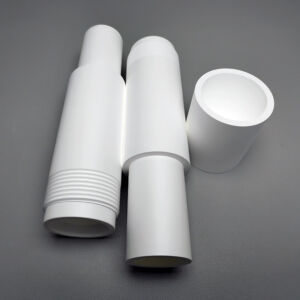
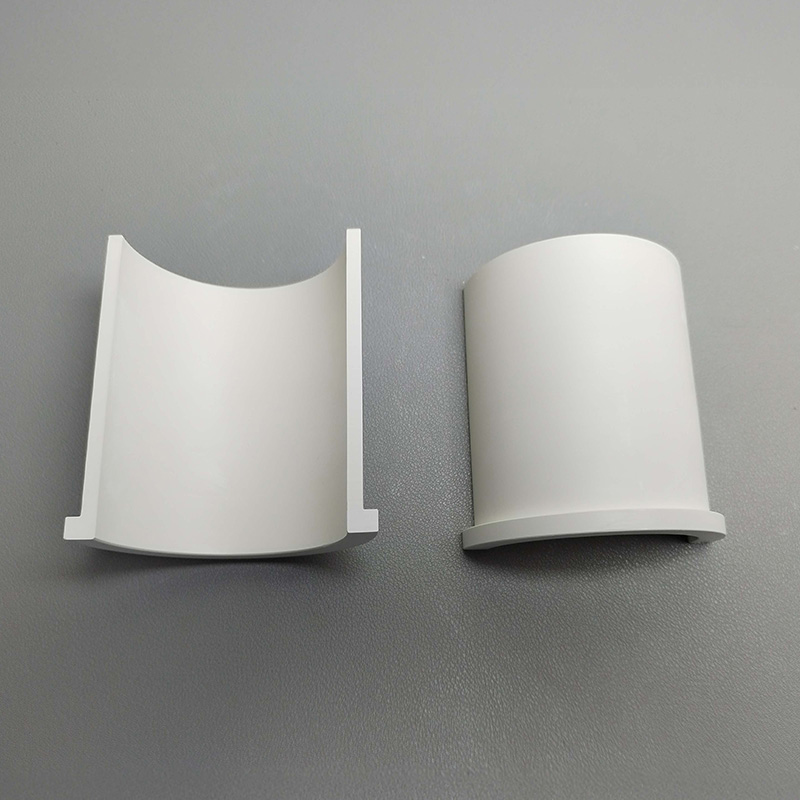
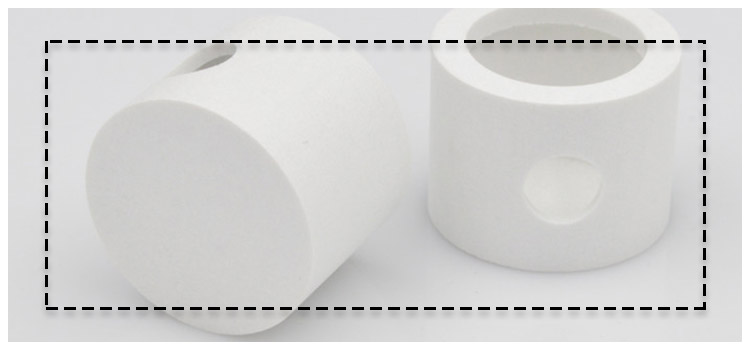

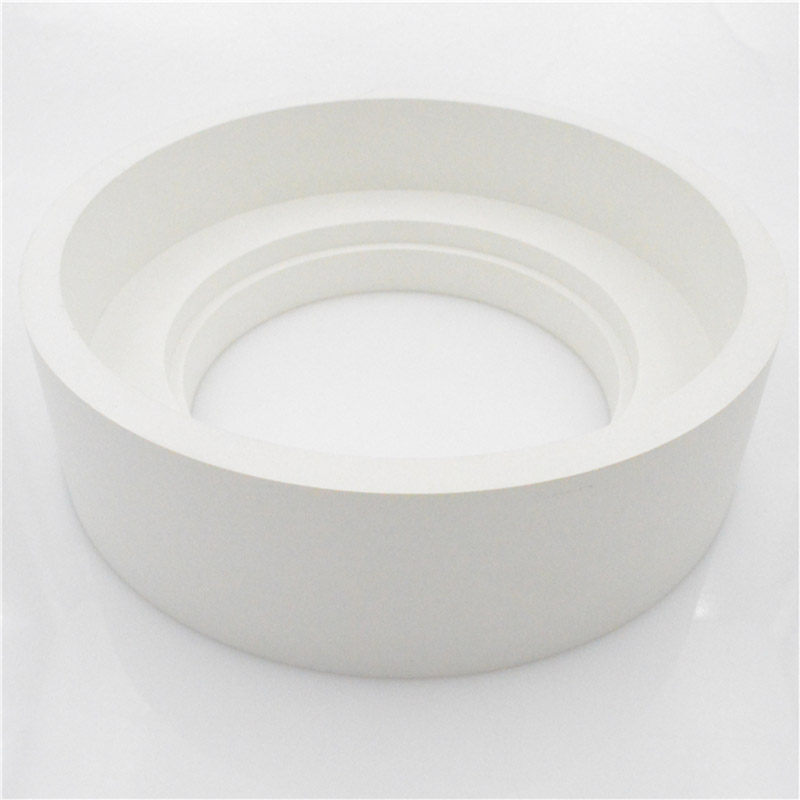
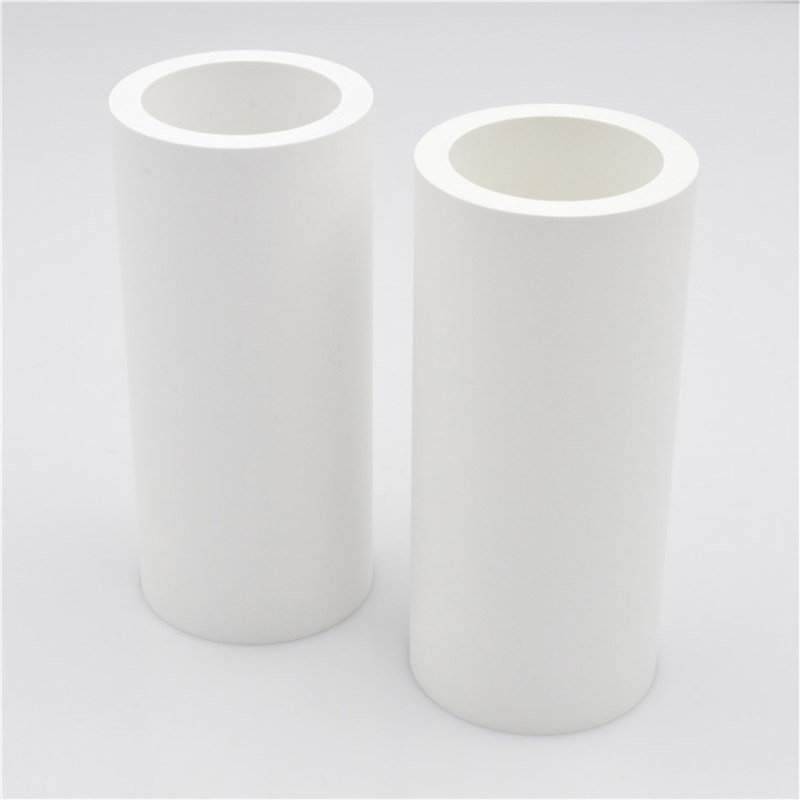
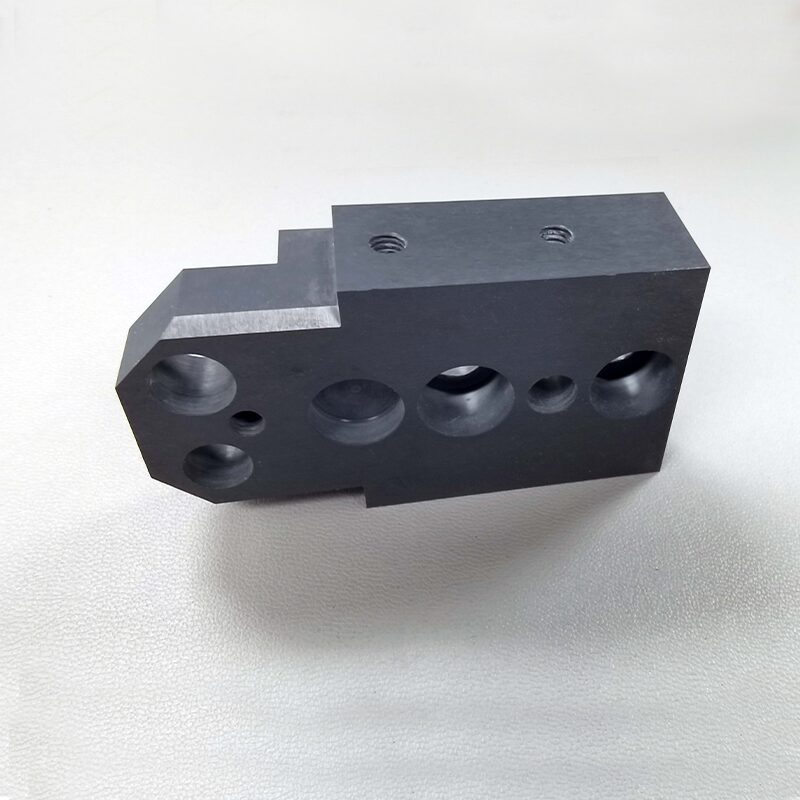
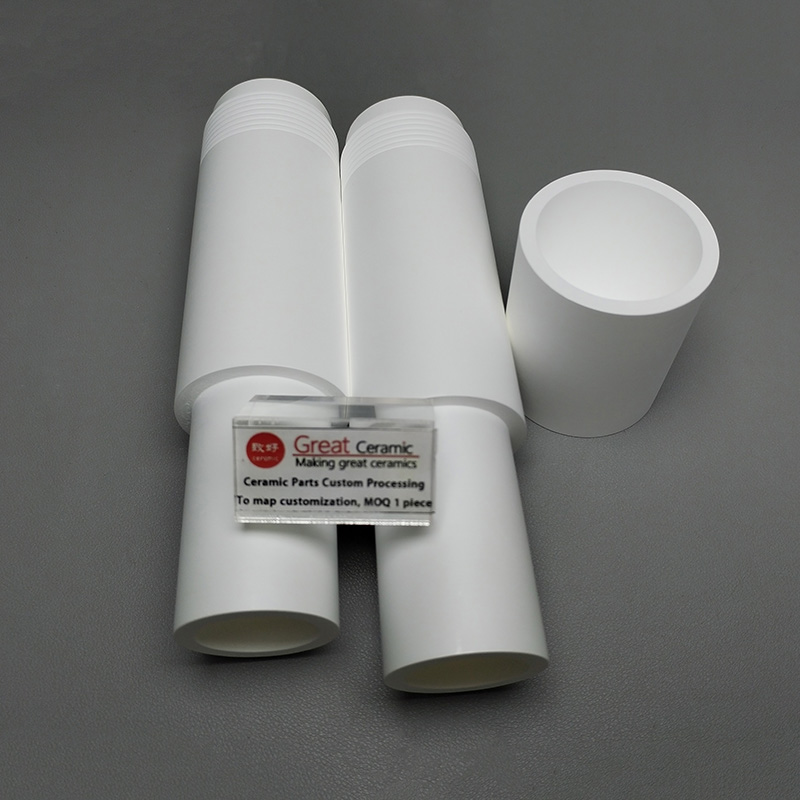

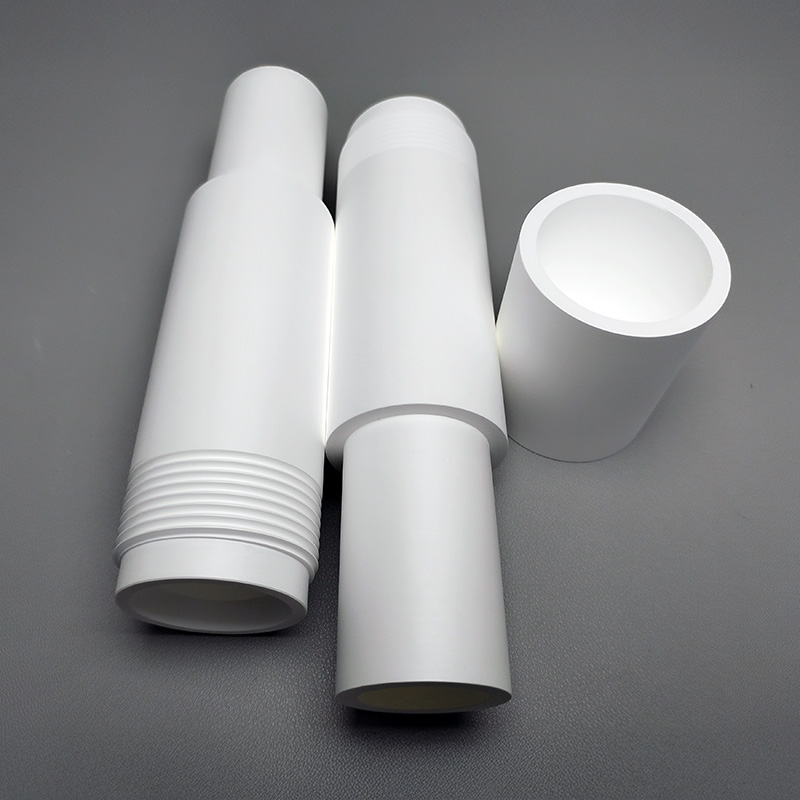
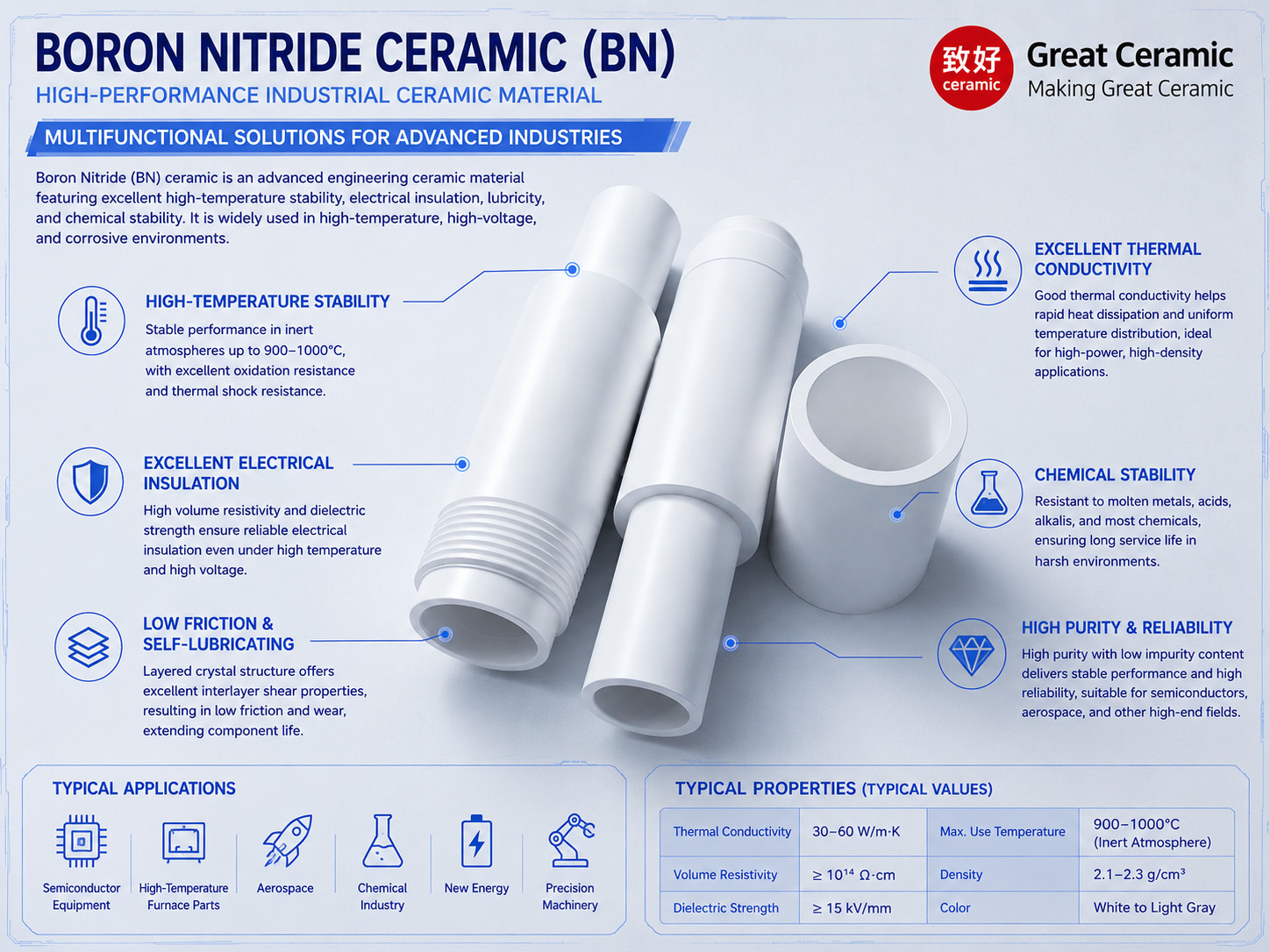
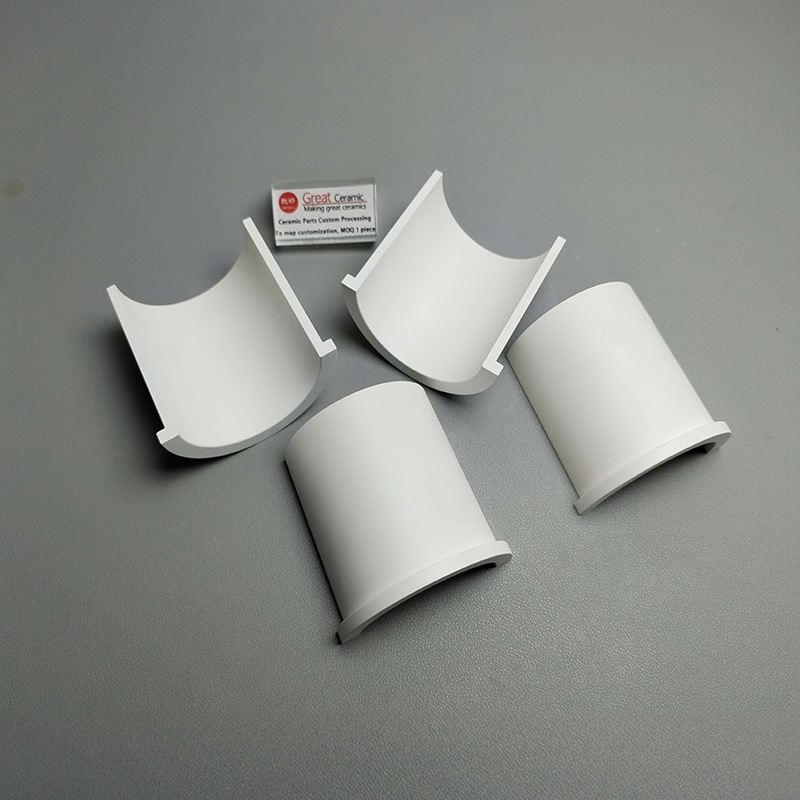


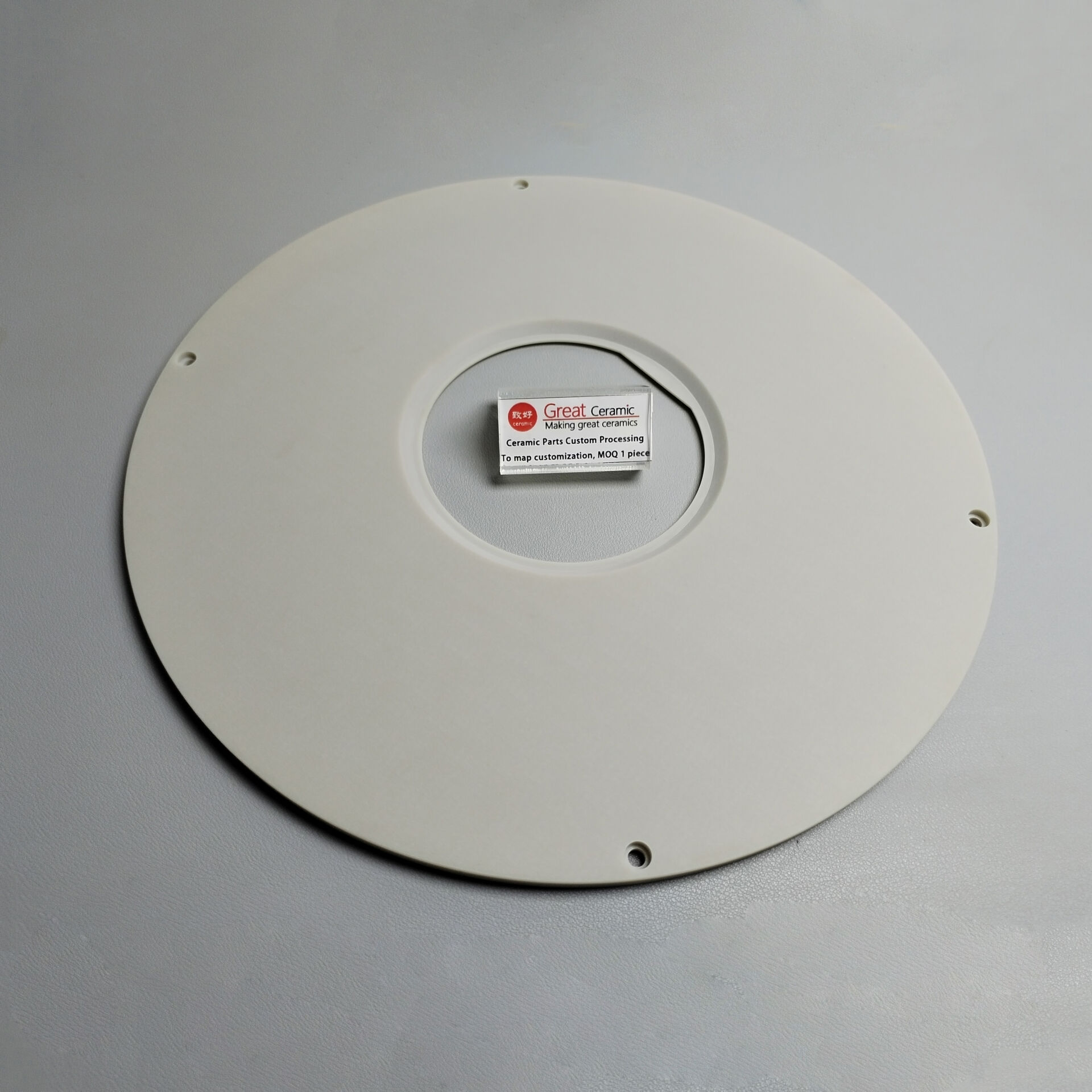
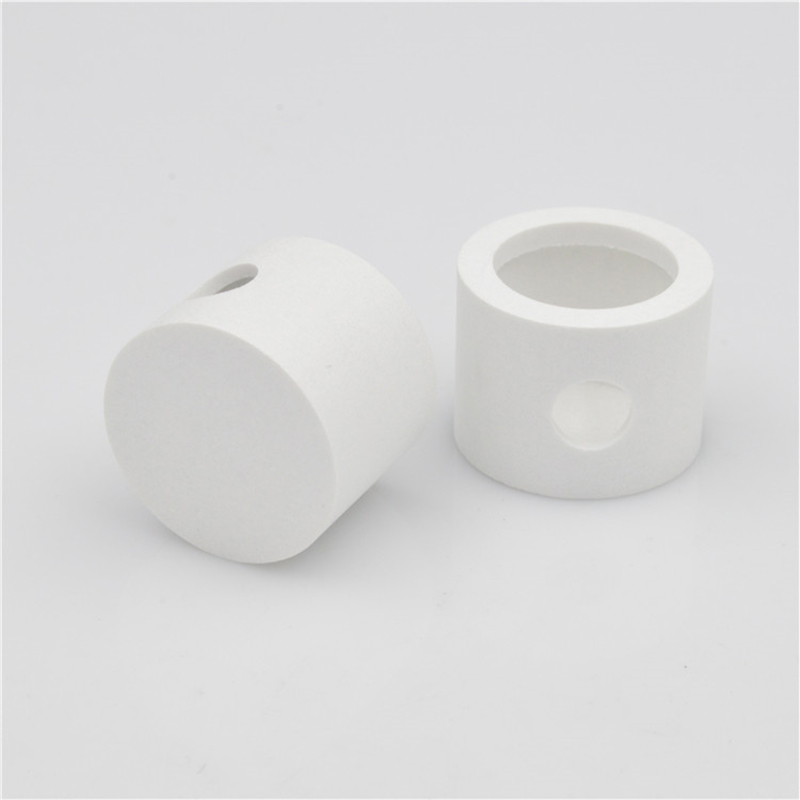
Related Boron Nitride Ceramic Components and Quotations
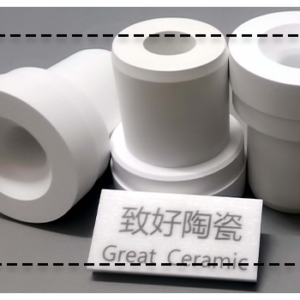


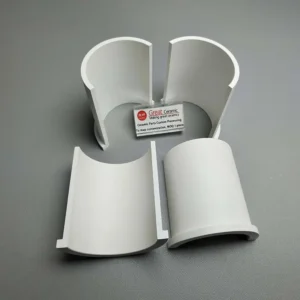

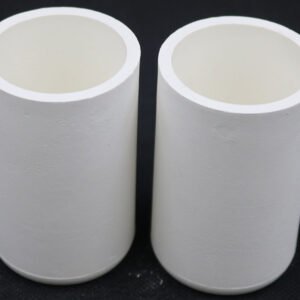
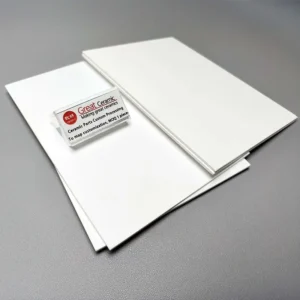


Criteria for Selecting Boron Nitride Ceramic Components
Define the part, service environment, and acceptance needs together before requesting a quotation.
Control Drawing Revisions
Submit the current drawing revision, including critical dimensions, callouts, and notes, so quotation discussions begin from the part definition your assembly team is actually evaluating.
Confirm Material Grade
Identify the boron nitride grade or performance priorities where known, then review whether electrical, thermal, chemical, and mechanical requirements fit the intended service.
Define Functional Geometry
Clarify the component form, wall sections, holes, threads, and interfaces that govern fit, handling, or use, rather than selecting a material independently of geometry.
Review Process Route
Discuss forming, machining, finishing, and any special features in relation to the drawing, because process choices can affect feasible details and inspection expectations.
Identify Mating Surfaces
Mark the surfaces that locate, seal, slide, insulate, or contact another part, along with relevant finish and dimensional requirements for dependable assembly review.
Set Acceptance Evidence
State the inspection records, material documentation, packaging needs, quantity, and acceptance criteria required for approval, giving both procurement and engineering a clearer basis for comparison.
Component Paths for Industrial Requirements
Review material, product, application and sourcing categories to frame a drawing-led technical ceramics inquiry around your project requirements.

Ceramic Manufacturing Capabilities
Assess ceramic manufacturing capabilities against the component requirement: material family, geometry, critical surfaces, tolerances, quantity and inspection needs. Share the current drawing revision and acceptance criteria so the quotation discussion can identify feasible process and finishing considerations.
Discuss Your Ceramic Part
Ceramic Solutions by Industry
Explore advanced ceramics applications by operating environment and equipment need. Thermal exposure, electrical function, wear, corrosion, insulation and mating conditions help determine which material and component questions must be resolved before a project-specific inquiry proceeds.
Discuss Your Ceramic Part
Advanced Ceramic Materials
Compare advanced ceramic materials including oxide, nitride, carbide and specialty ceramic families. General material information supports initial selection, while the grade, form, dimensions, service conditions and required documentation must be confirmed for the individual component.
Discuss Your Ceramic Part
Technical Ceramic Products
Review technical ceramic products by familiar forms such as tubes, rods, rings, substrates and replacement components. Product illustrations provide a starting point; send a drawing or application description to define assembly dimensions, fit surfaces and project-specific requirements.
Discuss Your Ceramic Part
Technical Ceramic Resources
Use this technical ceramics guide to prepare a more complete inquiry. Include the drawing revision, known material designation, quantity, operating conditions, critical dimensions, acceptance criteria and documentation needs, then contact Porcecore by email or WhatsApp to begin the discussion.
Discuss Your Ceramic PartBoron Nitride Ceramics Applications and Component Selection: Related Materials


Alumina Ceramic
A widely used oxide ceramic for insulating, wear-related, and structural component requirements. Compare grade, dimensions, surface finish, and thermal conditions with the assembly drawing before selecting a material.

Silicon Carbide
A non-oxide ceramic family commonly evaluated for parts exposed to heat, wear, or corrosive service. Material choice should account for the operating medium, component geometry, mating conditions, and acceptance criteria.

Silicon Nitride
A technical ceramic option for project-specific mechanical and thermal requirements. Review the load case, temperature range, tolerances, and interface surfaces so the material discussion is connected to the finished part.

Aluminum Nitride
Often explored where thermal management and electrical insulation are relevant to the component function. Provide the drawing revision, substrate or part dimensions, service environment, and documentation needs for evaluation.

Zirconia Ceramic
An oxide ceramic family to consider when a project calls for a defined balance of geometry, assembly fit, and service conditions. Confirm the grade and inspection expectations before a quotation is prepared.
Manufacturing and Finishing Options for Boron Nitride Components

Blank Forming
Review whether the required plate, rod, tube, ring, or near-net blank format supports the finished geometry. Material grade, part scale, and machining allowance should be confirmed before quotation.

Precision Machining
Define turned, milled, drilled, or profiled features from the current drawing revision. Identify assembly-critical dimensions, datum relationships, threads, slots, and edge conditions so the component requirement is clear.

Surface Finishing
Specify the surface condition needed for contact, sealing, insulation, handling, or process exposure. Finish expectations should be linked to functional surfaces and verified alongside tolerances and inspection criteria.

Feature Inspection
Establish how critical dimensions, geometry, and surface-related requirements will be checked. Share the applicable acceptance criteria and any requested records so inspection expectations are considered with the part.

Project Documentation
Identify material designation, drawing revision, quantity, service environment, and documentation needs early. This gives the quotation discussion a practical basis while grade, process route, delivery, and commercial terms remain project-specific.
Assembly Features for Boron Nitride Ceramic Components

Mating Surfaces
Identify every surface that seats, slides, seals, or contacts another part. Include critical dimensions, fit expectations, flatness needs, and the mating material so the functional interface can be reviewed with the component geometry.

Holes and Grooves
Specify through-holes, blind holes, slots, grooves, and edge features on the current drawing revision. Note their purpose, dimensions, positions, and any assembly-sensitive relationships to avoid treating secondary features as afterthoughts.

Threaded Interfaces
Describe any threaded, tapped, or fastener-related interface, including thread standard, engagement requirement, insert concept, and loading conditions. This helps distinguish a direct ceramic feature from an assembly that needs another fastening approach.

Surface Finish
Call out surfaces requiring a defined finish, contact condition, or edge treatment. Separate cosmetic preferences from assembly-critical requirements, and identify the areas that influence sealing, alignment, wear, electrical isolation, or handling.
Part Identification
State any marking, lot traceability, orientation indicator, packaging label, or inspection record needed for receiving and assembly. Include the required location and acceptance method so identification expectations can be discussed before quotation.
Boron Nitride Ceramics Applications and Component Selection
Porcecore is a B2B technical ceramics brand founded by Andy Yuan for industrial buyers, equipment builders, and engineering teams. We help turn material questions into clearer component discussions across oxide, nitride, carbide, and specialty ceramic families, including boron nitride.
Our approach is application-first and drawing-led. For boron nitride ceramics applications and component selection, we consider the part geometry, mating surfaces, operating environment, material designation, and inspection expectations together. Send the current drawing revision, quantity, service conditions, and acceptance criteria to begin a more concrete quotation conversation.

Define Boron Nitride Components by the Part
Start With the Job
For boron nitride ceramics applications and component selection, begin with the component’s function rather than a material name alone. Describe the assembly role, the issue being solved, and the conditions that make the part requirement specific.
- State the component’s function in the equipment
- Identify the current part, drawing, or replacement need
- Separate essential performance needs from preferences
- Confirm the material designation if it is known

Define Geometry and Fits
A tube, rod, ring, plate, or custom form needs dimensional context before it can be meaningfully reviewed. Share the current drawing revision and identify the surfaces, dimensions, and features that determine how the ceramic component mates with surrounding parts.
- Mark critical assembly dimensions
- Identify mating and seating surfaces
- Call out holes, slots, threads, and other features
- Include tolerances and surface expectations

Describe Service Conditions
Operating environment helps frame the questions behind a proposed boron nitride ceramic component. Include the relevant thermal, electrical, mechanical, chemical, and handling conditions so the application discussion is tied to the actual job the part must perform.
- Describe temperature and cycling conditions
- Note electrical insulation or conductivity needs
- Identify process media and exposure conditions
- Explain loading, contact, and handling constraints
Set Acceptance Expectations
A productive quotation conversation also establishes how the finished part will be evaluated. Specify required material grade, inspection points, documentation, quantity, delivery needs, and acceptance criteria so open questions can be identified before commitment.
- Provide required documentation details
- Define inspection and acceptance criteria
- Confirm quantity and delivery requirements
- Review commercial terms for the individual project

Boron Nitride Ceramics Applications and Component Selection, Compared
Porcecore structures the inquiry around the part, operating conditions, and acceptance requirements—not a material name alone.
← Swipe left or right to view →
A Drawing-Led Workflow for Boron Nitride Components
Move from application context to a defined component requirement through a drawing-led, project-specific discussion.
Share Application Context
Describe the component’s function, operating environment, assembly role, and known material preference so the project discussion begins with the job to be done.
Submit Current Drawing
Send the current drawing revision, including critical dimensions, mating surfaces, tolerances, and any existing part references relevant to fit and assembly.
Confirm Technical Requirements
Review proposed grade, geometry, service conditions, inspection expectations, and required documentation to distinguish essential requirements from preferences before quotation discussion.
Review Quotation Basis
Discuss quantity, confirmed scope, delivery considerations, commercial terms, and open technical questions using the defined component requirement as the quotation basis.
Agree Production Details
Confirm the individual project requirements before production proceeds, including drawing revision, material grade, acceptance criteria, documentation, and agreed commercial terms.
Coordinate Delivery Requirements
Align delivery timing, packaging needs, documentation, and receiving expectations for the agreed order, with final details confirmed for the individual project.
How to Work with Porcecore
Turn boron nitride ceramics applications and component selection into a defined, drawing-led sourcing discussion.
Send the Current Drawing
Share the latest drawing revision, component form, quantity, and any dimensions or surfaces that control fit, assembly, or function.
Define Service Conditions
Describe the operating environment, temperatures, electrical requirements, media exposure, mating parts, and material designation if it is already known.
Confirm Quotation Requirements
Clarify tolerances, grade expectations, inspection criteria, documentation, sample needs, target delivery, and commercial details before a project-specific quotation discussion begins.
Align the Production Order
Review the agreed part requirements, acceptance criteria, and order details before production commitments are confirmed for the individual project.
Documentation and Compliance Requirements

Boron Nitride Ceramics Applications and Component Selection: Customer Feedback
Verified customer feedback and approved project examples will be published here when available. Porcecore does not publish unverified endorsements, project outcomes, or customer identities.
Future case examples will identify the component form, application requirements, drawing revision, and acceptance criteria where publication approval has been confirmed.
For a current project discussion, share the operating environment, mating surfaces, critical dimensions, quantity, and documentation needs so the quotation conversation starts with defined requirements.
Boron Nitride Ceramics Applications and Component Selection FAQ
Practical questions for defining a boron nitride ceramic part, preparing an RFQ, and confirming project-specific requirements.
How should we begin boron nitride ceramics applications and component selection?
What drawing details matter for boron nitride ceramics applications and component selection?
Which grade should be considered for boron nitride ceramics applications and component selection?
Can Porcecore quote a replacement part without a complete material specification?
How should we state quantities, sampling needs, and delivery expectations?
What inspection evidence can be requested with a ceramic component order?
How should boron nitride ceramic parts be packaged and shipped?
How are drawings and confidential project details handled during an inquiry?
Boron Nitride Ceramics Applications and Component Selection
Use this decision framework to match boron nitride grades and geometries to operating conditions, assess supplier capabilities, control qualification risk, and avoid costly specification, machining, and sourcing mistakes.
1. Boron Nitride Ceramics Applications and Component Selection
Porcecore begins boron nitride ceramics applications and component selection with the duty cycle: peak and continuous temperature, atmosphere or vacuum, electrical load, contact media, and cycling rate. Hexagonal BN is commonly considered for electrical insulation, thermal service, and molten-material contact, but composition and binder system can change moisture, oxidation, strength, and compatibility behavior (https://precision-ceramics.com/materials/boron-nitride).
Four inputs must agree: grade, component form, mating geometry, and acceptance criteria. A tube, ring, nozzle, or insulator needs defined critical dimensions, tolerances, surface condition, support method, and allowable distortion under service loads.
One qualification plan should test the actual risk: thermal cycling, leakage or dielectric behavior, dimensional inspection, contamination limits, and exposure to the intended melt or chemical. Material-family properties are screening guidance; project performance depends on the confirmed grade and operating environment.
2. Evolution of Boron Nitride Ceramics
Two principal crystalline forms frame industrial BN selection: hexagonal BN is the basis for machinable refractory components, while cubic BN is associated with superabrasive tooling. Commercial hot pressing consolidated h-BN powder into billets that could be machined into tubes, insulators, crucibles, and fixtures rather than limited to coatings or loose powder. https://www.kennametal.com/us/en/products/sintec-ceramics/boron-nitride-and-ceramic-components.html
50+ years of legacy hot-pressed grades show why replacement parts remain an important market, but binder chemistry and moisture exposure can differ by grade. Therefore, an old part designation is a starting point for review, not proof that a current grade is interchangeable. https://precision-ceramics.com/materials/boron-nitride
Modern composite grades extended selection beyond pure h-BN by balancing machinability, non-wetting behavior, wear resistance, thermal performance, and electrical isolation. That broadened boron nitride ceramics applications and component selection for furnace hardware, semiconductor equipment, molten-metal contact parts, and high-temperature electrical insulators; buyers should specify the service environment and mating geometry before choosing pure BN or a composite.
3. Types of Boron Nitride Ceramics Applications and Component Selection
Five selection classes separate machinability, cleanliness, wear resistance, and abrasive duty. For boron nitride ceramics applications and component selection, specify a solid engineered part rather than assuming that BN powder or a coating is interchangeable.
| Class | Principal Trade-Off | Typical Part | Procurement Question |
|---|---|---|---|
| Hot-pressed h-BN | Machinability versus wear | Insulator or crucible | Need a machined solid? |
| High-purity BN | Cleanliness versus grade options | Semiconductor fixture | What contamination limit applies? |
| BN composite | Tailored properties versus purity | Nozzle or support | Which service condition dominates? |
| Wear-resistant composite | Wear resistance versus easy machining | Guide or break ring | Is molten-metal wear present? |
| Cubic BN | Hardness versus component versatility | Cutting insert or abrasive | Is cutting or grinding required? |
Hot-Pressed Hexagonal BN
Hot-pressed h-BN favors machinability, insulation, and thermal-shock tolerance over structural wear resistance. Use it for furnace insulators, crucibles, nozzles, and fixtures; ask whether the drawing needs a machinable solid.
Purity And Composite Grades
High-purity BN prioritizes low contamination in clean thermal or semiconductor service, while composite grades trade purity or softness for tailored strength and thermal behavior. Ask which atmosphere, contact material, and contamination limit govern acceptance.
Wear And Abrasive Grades
Wear-resistant BN composites suit molten-metal guides, break rings, and atomizing nozzles where plain BN can wear. Cubic BN is a superabrasive for grinding and hardened-steel cutting, not a substitute for a machinable insulating component.
4. Materials for Boron Nitride Component Selection
Hexagonal BN is often selected where electrical insulation, thermal cycling, and easy machining must coexist. Grade selection must distinguish pure h-BN from binder-containing or reinforced BN composites.
| Material | Electrical Behavior | Thermal/Mechanical Tradeoff | Risk To Confirm |
|---|---|---|---|
| h-BN | Insulating | Thermal-shock tolerant; machinable | Binder moisture sensitivity; purity |
| BN composite | Usually insulating | Tailored wear or strength | Composition and contamination |
| Alumina | Insulating | Strong; difficult machining | Thermal-shock limits |
| Zirconia | Insulating | High toughness; lower conductivity | Temperature and phase stability |
| Silicon carbide | Semiconductive | High conductivity and strength | Electrical isolation |
| Graphite | Conductive | Thermal-shock tolerant; machinable | Carbon contamination |
| Fused silica | Insulating | Low expansion; modest strength | Chemical and thermal limits |
Material Tradeoffs
h-BN is electrically insulating and readily machined, while graphite is conductive and can introduce carbon contamination. Alumina, zirconia, and silicon carbide generally provide higher structural strength but are harder to machine.
Selection Inputs
Five inputs should be confirmed before naming a grade: service temperature, atmosphere, electrical requirement, contacting media, and drawing tolerances. Purity limits, moisture exposure, thermal-cycling rate, mating materials, and acceptance documentation can change the appropriate choice.
5. Boron Nitride Ceramics Applications and Component Selection by Form
Component form turns boron nitride ceramics applications and component selection into a duty-specific decision. Fluid exposure, cycling history, cleanliness limits, and the direction of applied load should be reviewed with the drawing.
Melt And Crystal Contact

Crucibles and boats contain melts or support crystal-growth charges; select the grade after confirming alloy, flux, dwell time, and contamination limits. Nozzles require the same fluid-contact review plus flow-path geometry.
Rings and sleeves suit continuous contact interfaces, while rods and custom fixtures locate work without turning a bending load into a ceramic failure risk. https://www.kennametal.com/us/en/products/sintec-ceramics/boron-nitride-and-ceramic-components.html
Furnace And Process Hardware
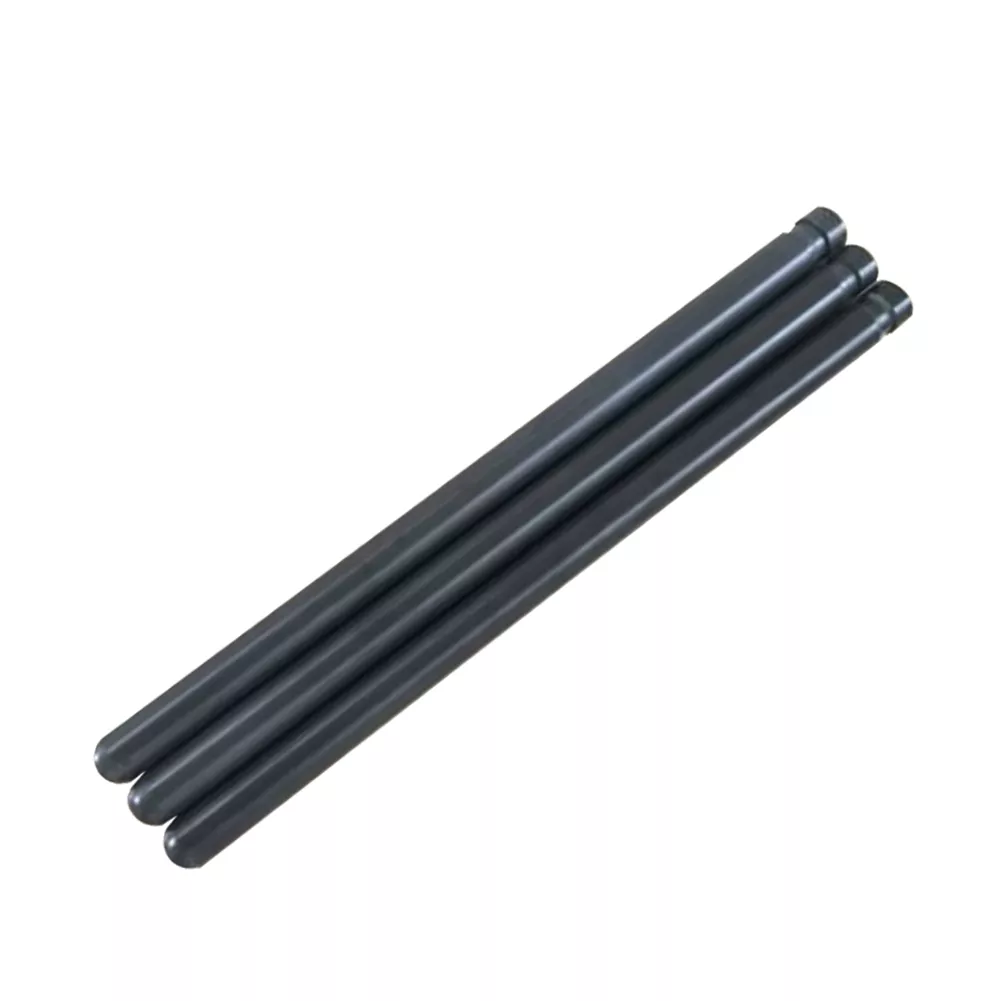
Plates provide furnace shields, separator layers, and electrically isolated thermal-management assemblies; specify flatness, supported span, and thermal-cycle frequency. Tubes protect thermocouples or carry process gases when bore finish and joint interfaces are defined.
Insulators and spacers in vacuum or semiconductor hardware need a grade and cleaning plan matched to the process environment. https://thermic-edge.com/what-makes-boron-nitride-the-ultimate-ceramic-for-extreme-environments
6. Custom Geometry, Machining, and Surface Requirements
A custom BN component needs a drawing plus manufacturing and acceptance instructions. Boron nitride ceramics applications and component selection becomes practical when functional surfaces, process limits, and handling requirements are defined together.
Define Machined Geometry
Two geometry states matter: near-net stock and final-machined features. State minimum walls, holes, slots, threads, and each mating function.
One metal-part assumption creates risk: sharp corners, thin unsupported features, and force fits may not suit ceramics. Specify radii and accessible tool paths.
Control Functional Surfaces
Three datum references should locate critical dimensions where possible. Identify surfaces controlling alignment, sealing, electrical clearance, or contact.
One finish callout should apply only where function requires it. Define edge breaks, chamfers, cleanliness limits, protective packaging, and lot traceability.
Request Validation Evidence
One prototype is appropriate when geometry, assembly behavior, or service exposure remains uncertain. Request inspection against the agreed drawing revision before production release.
First-article inspection is useful for critical dimensions or documentation needs. Application testing should confirm fit and operating behavior under representative conditions.
7. Critical Quality Elements for BN Components
For every BN component, reliability begins with a controlled material-and-process record, not a catalog label. Request evidence matched to the operating environment before approving production.
Material And Microstructure
Each lot should identify BN grade, binder system, density, and microstructure. Variation can change porosity, anisotropy, thermal response, and crack resistance.
- Request lot-specific material records.
- Confirm orientation where directional properties matter.
Cleanliness And Surface Integrity
Vacuum and semiconductor parts need impurity limits, cleaning status, and visual inspection criteria. Chips, embedded debris, or machining damage can cause contamination, leakage paths, or early cracking.
- Specify critical surfaces on the drawing.
- Request defect acceptance criteria.
Inspection And Packaging
High-temperature and molten-material parts need dimensional results, revision-controlled lot identification, and protective packaging. Uncontrolled dimensions cause assembly drift; moisture or impact damage can compromise service life.
- Request inspection records for mating dimensions.
- Require traceable labels and protective packing.
8. How to Evaluate a Boron Nitride Manufacturer
One supplier comparison should start with the drawing, service environment, quantity, and acceptance criteria. Ask each candidate to distinguish documented capability from a preliminary quotation assumption.
Application And Grade Support
Two questions matter first: which BN grade is proposed, and what grade-specific data supports it? Request prior similar-application context, stated limits, and the test method behind any property value.
Manufacturing And Inspection
Three process points require confirmation: forming route, CNC-machining scope, and achievable tolerances for the actual geometry. Ask for the inspection plan, measured dimensions, surface requirements, and documentation available with prototypes and production lots.
Commercial Control
One nonstandard drawing should receive a clear technical response, including open questions and revision control. Compare prototype-to-production plans, lead-time updates, protective packaging, change notification, and the supplier’s response when a requirement cannot be confirmed.
9. Common Component Selection Mistakes
Component failures often begin with an incomplete requirement, not an incorrect material name. Treat temperature, environment, geometry, cleanliness, and lot acceptance as one controlled specification.
Service Conditions Before Temperature
1 temperature limit alone can mislead: atmosphere, moisture, vapor, melt, and flux exposure can change compatibility. State the full environment and run a representative exposure test before release.
Direction, Geometry, And Wear
2 directional behavior matters in platelet-based BN; record the property direction relative to heat flow and load. Define feasible wall thicknesses, tolerances, mating surfaces, and wear mechanism; h-BN is not a universal abrasion material, so validate against the counterface.
Production Lot Qualification
3 a successful sample does not qualify production. Specify purity, cleanliness, inspection method, documentation, and lot-based acceptance; engineering owns function, quality defines evidence, and purchasing locks the agreed revision into the order.
10. Boron Nitride Component Pricing and Lead Times
Three cost layers govern a BN component: selected grade and billet yield, machining time for geometry and tolerances, and inspection, packaging, tooling, or qualification scope. A large thin-walled part can consume more billet and setup time than a smaller, more intricate part.
One comparable quotation package includes drawing revision, grade designation, quantity, critical dimensions, surface requirements, acceptance criteria, documents, packaging, and requested delivery. Separate one-time engineering, tooling, first-article inspection, and freight assumptions so scope differences do not appear later as price changes.
| Purchase scenario | Primary cost drivers | Lead-time influences |
|---|---|---|
| Prototype | Setup, material allocation, first-article inspection | Drawing maturity and billet availability |
| Low volume | Machining hours, tolerances, custom fixtures | Programming and inspection capacity |
| Repeat production | Yield, batch size, packaging, qualification maintenance | Forecast stability and release schedule |
Discuss Boron Nitride Ceramics Applications and Component Selection
Email your drawing, operating environment, quantity, and acceptance criteria to begin a concrete component discussion with Porcecore.