
Boron Nitride Ceramics Electrical and Insulation Performance for Custom Parts
Discuss boron nitride ceramics electrical and insulation performance with the drawing, operating conditions, and acceptance requirements that define your part.
Featured Boron Nitride Components for Insulation Applications


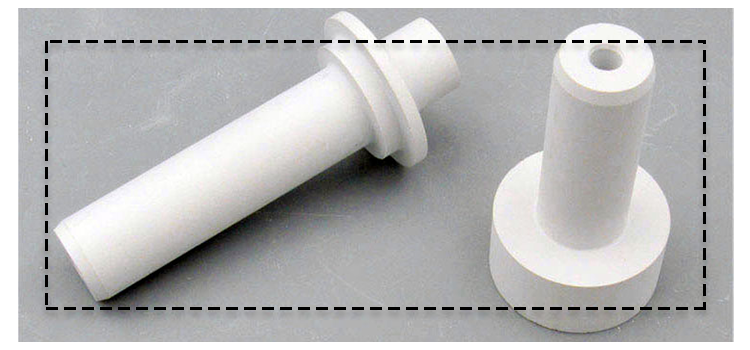
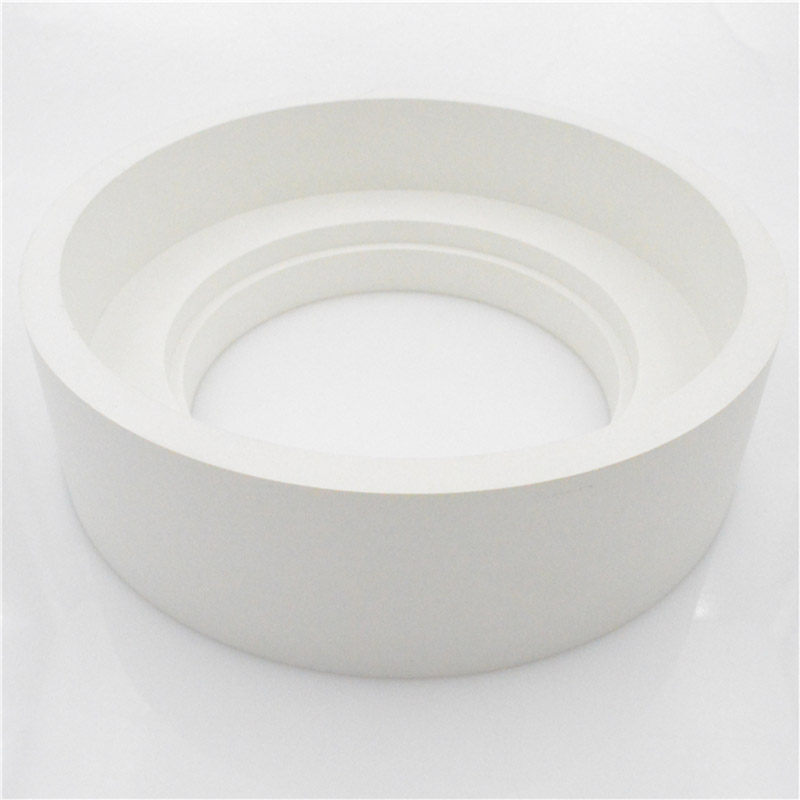

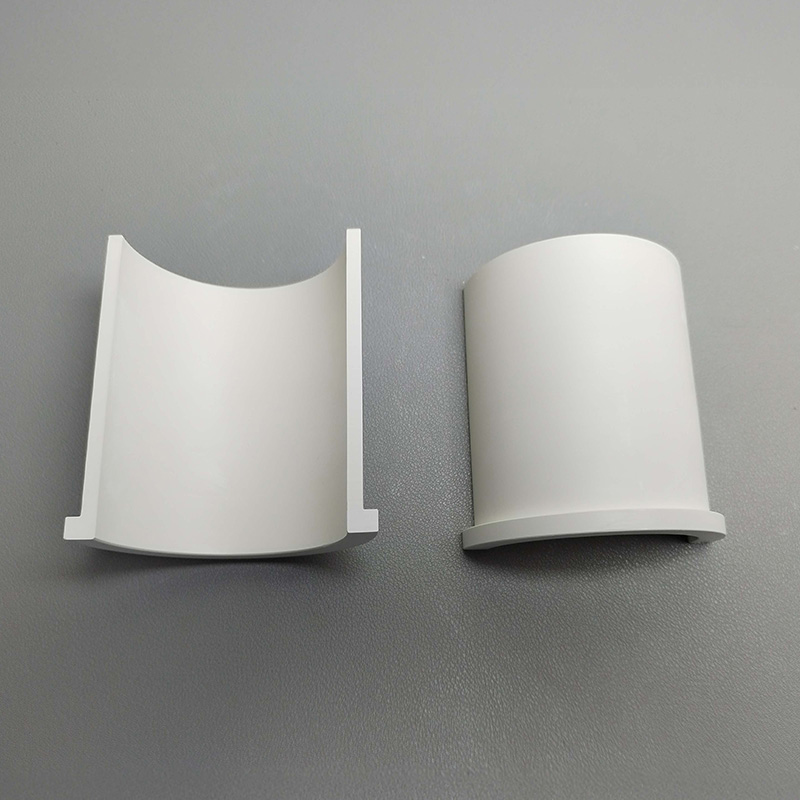
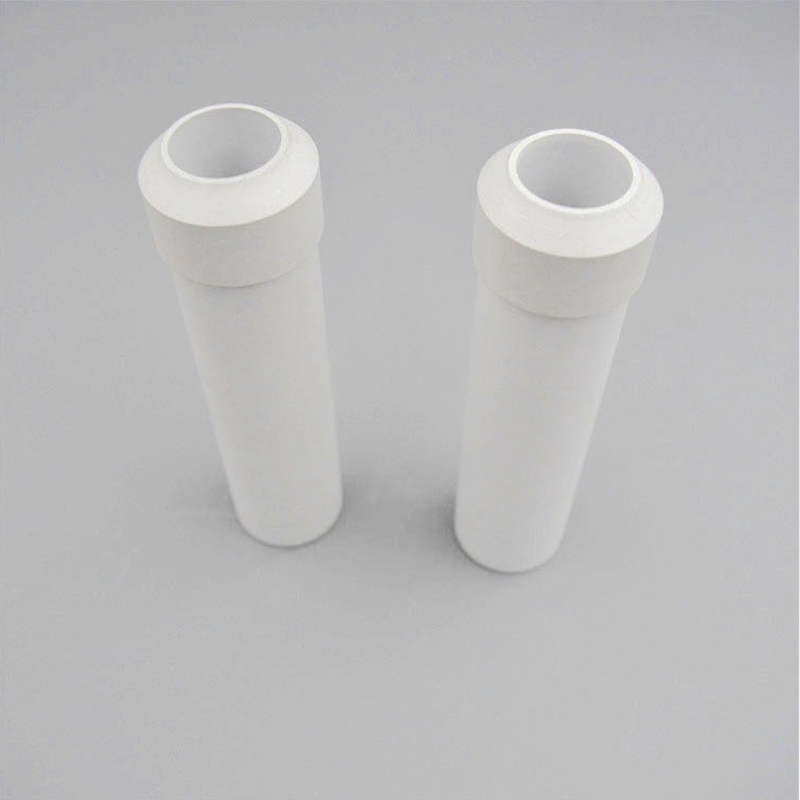



Related Product Catalogue and Quotation
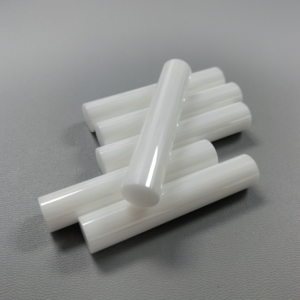
Boron Nitride Ceramics Electrical and Insulation Performance for Demanding Duties
Review the material, part, and service details that help determine whether boron nitride is appropriate for an insulation-focused component.
Electrical Isolation Requirements
Define voltage exposure, frequency, dielectric expectations, and insulation clearances. Boron nitride ceramics electrical and insulation performance should be evaluated against the selected grade and actual service environment.
Thermal Stability Context
Document operating temperatures, thermal cycling, atmosphere, and heat-flow needs. Thermal behavior is grade- and application-dependent, so material selection should follow the component’s complete duty cycle.
Machinable Part Geometry
Compare advanced ceramic materials including boron nitride, alumina ceramics, zirconia ceramics, silicon carbide ceramics, silicon nitride, and aluminum nitride. Material family names provide a starting point; grade, geometry, service environment, and acceptance criteria require confirmation for the individual project.
Chemical Exposure Conditions
Find technical ceramic components and industrial ceramic parts in familiar forms such as tubes, rods, rings, plates, substrates, and replacement parts. Use a drawing or existing-part details to identify assembly-critical dimensions, contact surfaces, and the conditions the component must withstand.
Low-Friction Surface Needs
Flag sliding interfaces, contact pressure, mating materials, and lubrication conditions. Low-friction behavior may be relevant, but surface finish and operating conditions remain part-specific decisions.
Inspection Evidence Requirements
State the dimensions, functional surfaces, material documentation, and acceptance criteria needed for approval. Clear inspection expectations create a more useful quotation discussion before production commitment.
Boron Nitride Components by Application Need
Explore component, material and application pathways before defining the drawing, service conditions and acceptance requirements for your ceramic inquiry.

Ceramic Manufacturing Capabilities
Review ceramic manufacturing capabilities in relation to the part requirement: component form, critical dimensions, mating surfaces, tolerances, quantity and inspection expectations. Share the current drawing revision so feasibility and quotation discussions can focus on the features that affect assembly and performance.
Discuss Your Ceramic Part
Ceramic Solutions by Industry
Explore advanced ceramics applications across industrial equipment, high-temperature processing, electrical insulation, molten-material handling and wear-related duties. Application context helps identify the relevant operating conditions, interfaces and documentation needs before a material or component configuration is discussed.
Discuss Your Ceramic Part
Advanced Ceramic Materials
Compare advanced ceramic materials including boron nitride, alumina, zirconia, silicon carbide, silicon nitride and aluminum nitride. Material family names provide a starting point; grade, geometry, service environment and acceptance criteria require confirmation for the individual project.
Discuss Your Ceramic Part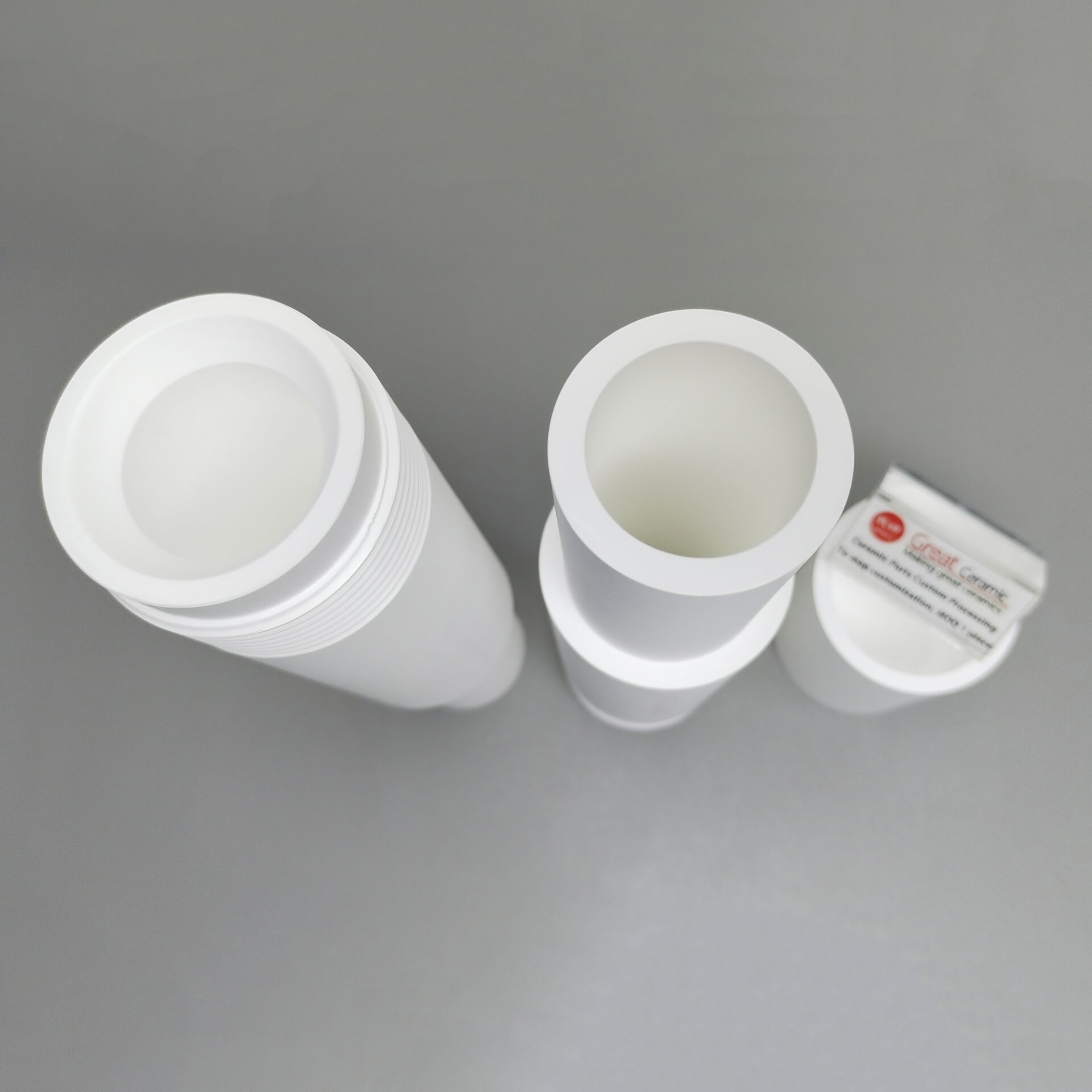
Technical Ceramic Products
Find technical ceramic products by familiar component forms such as tubes, rods, rings, plates, substrates and replacement parts. Use a drawing or existing-part details to identify assembly-critical dimensions, contact surfaces and the conditions the component must withstand.
Discuss Your Ceramic Part
Technical Ceramic Resources
Use this technical ceramics guide to prepare a clearer inquiry. Include the drawing revision, known material designation, quantity, operating environment, critical tolerances, inspection criteria and required documentation. Send project details to info@zlrsmaterials.com or WhatsApp +86 130 6482 5920.
Discuss Your Ceramic PartBoron Nitride Ceramics Electrical and Insulation Performance: Material Families to Discuss

Hot-Pressed Hexagonal BN
A machinable boron nitride direction for insulating tubes, rings, fixtures, and supports where electrical isolation and part geometry must be reviewed together. Confirm grade composition, operating environment, dimensions, and inspection criteria before quotation.

High-Purity Boron Nitride
A material direction for applications where purity considerations, electrical insulation, and controlled service conditions influence the component requirement. Share the process environment, contamination concerns, drawing revision, and documentation needs for grade discussion.

Pyrolytic Boron Nitride
A boron nitride family often considered for specialized high-purity component requirements, including formed vessels and processing hardware. Discuss geometry, wall construction, operating atmosphere, electrical duty, and acceptance criteria before defining a suitable part approach.


BN Composite Grades
Composite boron nitride options may be relevant where thermal cycling, structural demands, or electrical insulation must be balanced for a custom component. The applicable formulation, dimensions, surface requirements, and verification expectations require project-level confirmation.
Forming and Finishing Considerations for Boron Nitride Ceramics Electrical and Insulation Performance

Material Grade Review
Review the proposed boron nitride grade or composite against electrical isolation needs, operating temperature, chemical exposure, and component geometry. Grade-specific properties and suitability should be confirmed before a production route is discussed.

Blank Form Selection
Consider the starting form for tubes, rods, plates, rings, or near-net shapes. The selected blank affects practical dimensions, machining allowance, material orientation considerations, and the amount of subsequent processing required.

Drawing-Led Machining
Define turned, milled, drilled, or bored features from the current drawing revision. Call out assembly-critical diameters, holes, threads, wall sections, and reference surfaces so the quotation discussion addresses the actual part.

Surface Finish Definition
Identify surfaces that mate with another component, require a specified finish, or need controlled flatness. A clear finish requirement helps distinguish functional interfaces from noncritical surfaces and supports a more focused manufacturing discussion.

Dimensional Inspection Planning
Set out the dimensions, tolerances, visual criteria, and documentation needed for acceptance. Inspection expectations should be tied to the drawing and assembly function, especially where electrical clearances or fit-up interfaces matter.
Boron Nitride Ceramics Electrical and Insulation Performance: Assembly Features

Mating Surfaces
Identify faces that seat against metal, ceramic, or gasketed counterparts. Include flatness, surface finish, contact area, and any areas that must remain free of chips or handling marks.

Precision Bores
Specify bore diameter, depth, concentricity, and the relationship to outside diameters or mounting faces. State whether the bore guides a shaft, carries a conductor, or provides electrical clearance.
Threaded Interfaces
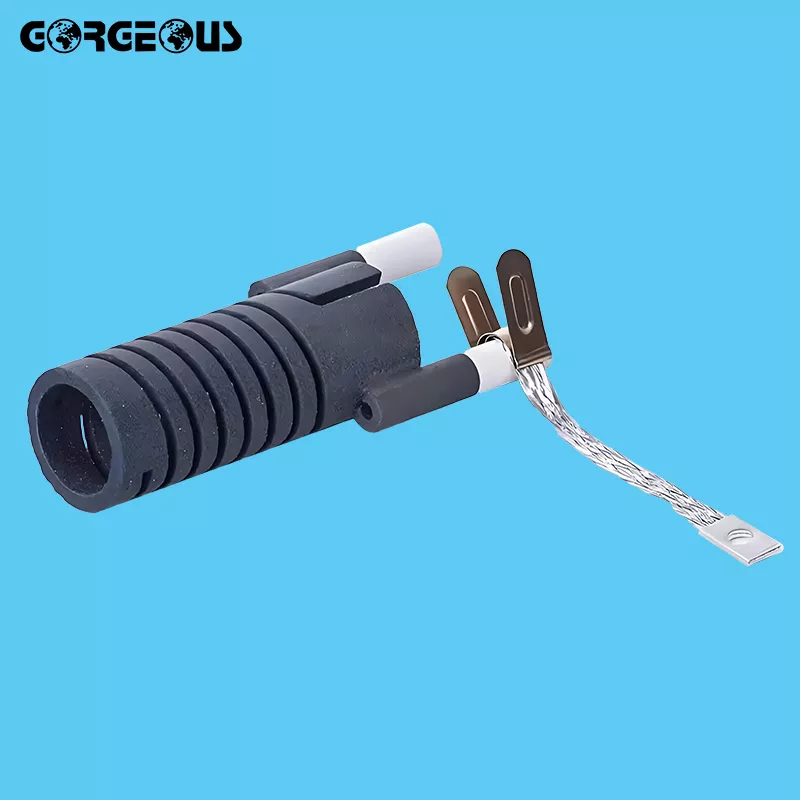
Clarify thread form, engagement length, mating material, and installation method before quotation. Where direct ceramic threads are unsuitable for the assembly, identify any insert or alternative interface under consideration.

Functional Grooves
Show grooves for seals, retaining features, clearance, or controlled location on the current drawing. Define groove dimensions, edge conditions, and the mating seal or component so the interface can be reviewed.
Part Identification
Note required marking, traceability references, orientation indicators, packaging labels, or documentation links. These details help align inspection and receiving expectations with the part revision and project acceptance criteria.
Boron Nitride Ceramics Electrical and Insulation Performance
Porcecore, founded by Andy Yuan, helps industrial buyers and engineering teams turn a material question into a clearer component requirement. Our focus spans oxide, nitride, carbide, and specialty technical ceramic components, including boron nitride options considered against the practical demands of each project.
For boron nitride ceramics electrical and insulation performance, we start with the application rather than a material name alone. A tube, rod, ring, substrate, or custom shape should be discussed with its geometry, mating surfaces, operating environment, critical dimensions, and inspection expectations in view.
Our difference is drawing-led communication and clarity before commitment. Send the current drawing revision, known material designation, quantity, service conditions, and acceptance criteria. Porcecore helps frame the quotation discussion around what needs confirmation for the individual part, including grade, tolerances, documentation, delivery, and commercial terms.

Boron Nitride Ceramics Electrical and Insulation Performance: What to Define
Map the Service Environment
Boron nitride ceramics electrical and insulation performance must be evaluated against the actual duty cycle, not a general property statement. Define temperature exposure, atmosphere, voltage conditions, thermal cycling, nearby media, and the consequence of insulation loss in the assembled equipment.
- State continuous, peak, and cycling temperatures
- Identify vacuum, inert, oxidizing, or process-gas conditions
- Describe voltage, frequency, and insulation-critical locations
- Note contact with metals, glass, salts, or other process media
Specify Geometry and Interfaces
An insulating tube, ring, rod, or fixture succeeds only when its geometry supports the surrounding assembly. Share the dimensions that control fit, mounting, clearances, wall sections, and electrical separation so the component discussion begins with the features that matter in service.
- Provide the current drawing revision when available
- Mark mating surfaces and assembly-critical dimensions
- Identify holes, threads, grooves, and thin sections
- Clarify required clearances and alignment relationships

Separate Properties From Approval
General boron nitride properties can guide material selection, but they do not replace an approved part specification. Confirm the grade, configuration, tolerances, inspection method, documentation, and acceptance criteria required for the individual project before a production commitment is made.
- Name the material designation if it is known
- Define tolerances and inspection expectations
- List required records, reports, or approvals
- Distinguish target values from contractual requirements

Boron Nitride Ceramics Electrical and Insulation Performance Starts With the Part
Compare a drawing-led discussion for boron nitride ceramics electrical and insulation performance with a material-name-only starting point.
← Swipe left or right to view →
From Part Requirement to Quotation Discussion
A practical, drawing-led path for defining a boron nitride ceramic component before commercial terms are confirmed.
Review the Part
Share the component form, application, operating environment, and current drawing revision so the discussion begins with the job the part must perform.
Discuss Material Fit
Review boron nitride ceramics electrical and insulation performance alongside temperature, atmosphere, mating interfaces, and any grade preferences relevant to your application.
Clarify Drawing Details
Identify assembly-critical dimensions, tolerances, surface requirements, and inspection points, separating essential requirements from preferences before a quotation basis is prepared.
Define Quotation Basis
Confirm quantity, material designation if known, documentation needs, acceptance criteria, and delivery considerations to support a clear project-specific quotation discussion.
Align Approval Details
Review open technical and commercial questions before proceeding, including agreed specifications, documentation, delivery expectations, and terms for the individual project.
How to Work With Porcecore
Move from an initial part requirement to a focused quotation discussion with the drawing, operating context, and acceptance needs in view.
Send Your Part Details
Email the current drawing revision or describe the component, including form, key dimensions, mating surfaces, quantity, and the operating environment.
Define Performance Priorities
Clarify how boron nitride ceramics electrical and insulation performance relates to the application, along with material designation, temperature exposure, and electrical requirements.
Identify Acceptance Requirements
Specify assembly-critical tolerances, inspection expectations, documentation needs, and any replacement-part references so essential requirements can be distinguished from preferences.
Review the Quotation Basis
Discuss the proposed basis for grade, geometry, delivery, commercial terms, and open questions before treating an inquiry as an agreed production order.
Customer References Available Upon Verification
Boron Nitride Ceramics Electrical and Insulation Performance: Approved Project Evidence
Approved customer evidence slot. Replace with a verified buyer quote describing the component, drawing-led discussion, and a measurable sourcing outcome, such as a 14-day quotation review or reduced revision cycles.
Approved customer evidence slot. Replace with a verified engineering quote that states the boron nitride part requirement, inspection expectations, and a specific result, such as 2 confirmed mating dimensions before quotation.
Approved customer evidence slot. Replace with a verified distributor quote covering material designation, geometry, acceptance criteria, and a measurable outcome, such as 3 clarified documentation requirements for a customer project.
Boron Nitride Ceramics Electrical and Insulation Performance FAQ
Clarify the part, service conditions, and acceptance requirements before requesting a project-specific quotation.
How should we evaluate boron nitride ceramics electrical and insulation performance for our application?
Which boron nitride grade is appropriate for electrical insulation components?
Can boron nitride ceramics electrical and insulation performance be confirmed from a catalogue value?
What drawing information should we provide for a custom boron nitride part?
Can Porcecore quote prototype, sample, and production quantities?
How are tolerances and functional surfaces handled for boron nitride ceramics electrical and insulation performance?
What inspection evidence, packaging, and shipping details should be requested?
How are payment, confidentiality, and IP-sensitive drawings handled?
Buyer’s Guide to boron nitride ceramics electrical and insulation performance
Use this decision framework to compare grades, validate electrical requirements, evaluate suppliers, and avoid specification, testing, and sourcing mistakes before ordering engineered boron nitride ceramic components.
1. Boron Nitride Ceramics Electrical and Insulation Performance Defined
Precision Ceramics identifies boron nitride as a material combining electrical insulation with high thermal conductivity, a combination relevant to heat-spreading insulators (https://precision-ceramics.com/materials/boron-nitride). For procurement, electrical isolation means limiting unintended current paths between conductive parts.
Dielectric strength defines resistance to electrical breakdown at a stated voltage gradient; volume resistivity describes bulk opposition to current flow; dielectric constant affects electric-field and capacitance behavior. Thermal conductivity is a separate heat-transfer property, not proof of insulation performance.
One drawing must state the actual requirement: grade, test direction, temperature, atmosphere, part thickness, electrode arrangement, and test method. BN values can vary with composition, platelet orientation, porosity, geometry, and environmental exposure; therefore, request grade-specific data and acceptance criteria rather than relying on a general material-family value.
2. Evolution of BN Electrical Insulators
Hexagonal boron nitride became the practical starting form for insulating components because it combines electrical isolation with thermal and chemical stability. Hot-pressed solid grades made this layered material available as machinable stock for custom refractory parts and electrical insulators.
Pyrolytic BN extended the material-form conversation where deposited, high-purity ceramic structures are needed for vacuum and semiconductor hardware. Procurement teams should treat its insulation role as a grade-and-geometry question, including wall thickness, interfaces, atmosphere, and cleanliness requirements.
Engineered BN composites broadened application fit by pairing hBN with selected ceramics to enhance thermal, mechanical, and electrical behavior while retaining machinability. Kennametal identifies their use in vacuum furnaces, aerospace, and semiconductor manufacturing; high-temperature and power insulation designs still require project-specific validation of the finished part (https://www.kennametal.com/us/en/products/sintec-ceramics/boron-nitride-and-ceramic-components.html).
3. Types of Boron Nitride Ceramics Electrical and Insulation Performance
BN family selection begins with the service cycle: voltage, atmosphere, heat flow, mechanical loading, and feature complexity. Grade data must be verified against the approved material specification.
Hot-Pressed h-BN
Hot-pressed h-BN has layered hexagonal platelets, electrical insulation, thermal-shock tolerance, and easy machining; use it for complex furnace fixtures, coil supports, and insulating spacers. https://www.advaluetech.com/boronnitride
Pyrolytic BN
Pyrolytic BN is a dense deposited layered material with high purity and low permeability; it favors vacuum, semiconductor, and high-voltage insulation duties, but machining and geometry options are less forgiving. https://www.advaluetech.com/boronnitride
BN Composite Grades
BN composites combine h-BN with ceramic phases to increase strength, wear resistance, or heat transfer while retaining insulation potential; select them for loaded guides, nozzles, and thermal-cycling hardware. Machinability varies by formulation. https://www.kennametal.com/us/en/products/sintec-ceramics/boron-nitride-and-ceramic-components.html
Cubic BN
Cubic BN has a hard, diamond-like structure suited to cutting and abrasive duties; it is generally not the default electrical-insulator choice, and its hardness makes finished machining difficult. https://thermic-edge.com/exploring-the-world-of-boron-nitride-ceramics
Finished Insulating Components
Finished tubes, rings, rods, and substrates should match the duty cycle: h-BN for machinable shapes, PBN for clean vacuum isolation, and composites for higher loads. Confirm grade, fit surfaces, inspection, and voltage conditions. https://precision-ceramics.com/materials/boron-nitride
4. Materials Behind Boron Nitride Ceramics Electrical and Insulation Performance
Material labels alone do not predict electrical behavior. For boron nitride ceramics electrical and insulation performance, assess the finished grade, orientation, and service environment together.
| Selection Factor | BN | Alumina | Aluminum Nitride | Machinable Glass Ceramic |
|---|---|---|---|---|
| Insulation role | High-temperature isolation | General insulation | Thermally conductive isolation | General isolation |
| Thermal path | Directional; grade-dependent | Limited | Strong; grade-dependent | Limited |
| Machining | Relatively easy | Grinding-intensive | Grinding-intensive | Easy |
| Temperature exposure | Atmosphere-dependent | Application-dependent | Atmosphere-sensitive | Application-dependent |
| Vacuum compatibility | Verify purity and porosity | Verify outgassing | Verify handling and finish | Verify binder system |
| Verification needed | Grade, axis, density | Purity, finish, dielectric test | Grade, moisture controls, dielectric test | Grade, vacuum history, dielectric test |
Purity And Phase
Hexagonal BN is the usual insulating, machinable phase; verify grade chemistry and phase.
Binders And Composites
Binder systems and ceramic additions can change strength, dielectric response, and contamination risk.
Porosity And Density
Density and open porosity affect leakage paths, gas transport, and cleaning requirements.
Anisotropy And Orientation
BN platelet orientation can make thermal and electrical behavior direction-dependent; identify the critical axis.
Comparison Materials
Precision Ceramics notes BN combines insulation, thermal conductivity, and easier machining than alumina or aluminum nitride: https://precision-ceramics.com/materials/boron-nitride
5. Custom BN Component and Surface Options
Porcecore treats customization as an engineering definition, not decoration. A drawing should connect geometry and surfaces to voltage exposure, mating parts, inspection, and handling.
Geometry And Tolerances
Porcecore RFQs should identify overall form, datum scheme, critical fits, and minimum creepage paths. Tolerance choices affect machining sequence, yield, and whether an insulating gap remains after assembly.
Drawing revisions should mark noncritical dimensions separately from assembly-critical features. This keeps manufacturability discussions focused on the interfaces that control electrical clearance.
Holes Threads And Finish
Hole callouts should state diameter, depth, thread approach, countersinks, and mating fastener material. Sharp transitions, blind features, and small threads can change tooling access and contamination-trap risk.
Surface requirements should name the functional face and required finish or flatness. Roughness may influence contact behavior, particle retention, and consistency at an electrical interface.
Joining And Handling Requirements
Metallization requests should define the joint method, conductor material, bonding area, temperature exposure, and acceptance test. A ceramic-to-metal interface needs its electrical function and mechanical load defined together.
Packaging instructions should specify cleaning level, particle limits, protective separation, labeling, and vacuum-compatible needs. Porcecore can use these details to distinguish a product illustration from a project-specific requirement.
6. Construction Quality for Reliable Insulation
A reliable BN insulator is a controlled component, not a nominal material label. Construction details determine whether voltage follows the intended clearance path or finds a defect, contaminant, or overstressed edge.
Material Consistency And Orientation
Each lot should retain a grade designation, lot identifier, and density or relevant material record. Ask whether forming orientation creates directional behavior; align the drawing and electric-field direction accordingly.
One material substitution can change thermal-cycling response and promote cracking at constrained interfaces. Request lot traceability and the approved drawing revision.
Walls Edges And Surfaces
A thin wall concentrates electrical and mechanical stress, while sharp internal corners raise local field intensity. Specify minimum wall thickness, edge radii, mating surfaces, and allowable chips on the drawing.
One pore cluster, machining crack, or embedded residue can create leakage paths, electrical tracking, or flashover. Define cleaning, handling, and surface acceptance criteria.
Dimensional And Incoming Inspection
100% inspection is appropriate for critical fit dimensions when assembly clearance controls insulation distance. Compare received dimensions and visual condition against the released drawing before installation.
One acceptance plan should identify measurement methods, sampling, inspection records, and reject disposition. Require application-relevant voltage, temperature, atmosphere, contamination, and thermal-cycle test conditions rather than relying on generic values.
7. Choosing a BN Ceramic Manufacturer
Two evidence streams matter when qualifying a BN supplier: published grade data and part-specific records. Review both against the operating duty before comparing quotations.
Application Review
First, define voltage, frequency, temperature, atmosphere, vacuum exposure, geometry, mating materials, quantity, and acceptance criteria.
Grade Selection Support
Each proposed grade should be tied to the duty cycle, not described by BN content alone. Ask what property tradeoffs apply.
Machining Capability
Critical dimensions include fits, wall thicknesses, threads, holes, and surface finishes. Confirm the drawing revision and inspectable tolerances.
Quality Documentation
Batch-specific certificates should identify lot, test method, sample basis, and measured result. Typical datasheet values are not shipment evidence.
Prototype To Production
Prototype and production parts require the same controlled requirements, while quantities, tooling, inspection, and delivery need reconfirmation.
Limitations Communication
Open questions should be recorded before order release. A capable supplier distinguishes material claims, unverified assumptions, and contractual acceptance requirements.
- Published property versus batch test report
- Nominal geometry versus controlled mating surface
- Inquiry capability versus confirmed production commitment
8. Common BN Insulation Sourcing Mistakes
Two procurement errors can turn a nominal insulator into an assembly risk: treating a headline value as a grade approval and treating a catalog condition as service reality. Resolve open variables before releasing the purchase order.
Headline Properties And Environment
One dielectric-strength figure cannot qualify a component across temperatures and atmospheres. Breakdown margin can fall when heat, moisture, vacuum, gases, or contamination differ; ask: What grade-specific electrical data applies at our maximum temperature and actual atmosphere?
Orientation, Geometry, And Datasheets
Two BN parts with identical material names may behave differently when platelet orientation, wall thickness, sharp edges, or mating clearances change. Local electric-field concentration or dimensional mismatch can cause failure; ask: Which orientation, geometry, and validated design limit apply to this drawing?
Inspection And Total Cost
Three unspecified controls—critical dimensions, surface condition, and electrical acceptance—leave receiving inspection unable to reject unsuitable parts. Rework, downtime, and replacement cost can exceed a lower unit price; ask: What inspection method, sampling plan, documentation, and lifecycle risk are included?
9. Launching a Qualified BN Component Program
1 cross-functional launch file should link the drawing, service envelope, acceptance plan, and commercial assumptions before quotation. It turns boron nitride ceramics electrical and insulation performance from a material request into controlled part requirements.
Capture Requirements
1 owner records voltage, temperature, atmosphere, mating surfaces, critical dimensions, and required documents.
2 teams define measurable pass-fail limits and the approved drawing revision.
Shortlist Material Grades
2 candidate grades should be compared against the actual electrical, thermal, mechanical, and contamination risks.
3 engineering selects a preferred grade and a technically acceptable alternate.
Review Manufacturability
1 design review identifies thin sections, sharp internal corners, datum strategy, and inspectable tolerances.
2 changes require a new drawing revision and written approval.
Build Prototype Samples
3 prototype pieces can expose machining, handling, and assembly risks before volume release.
4 quality records dimensions, visual criteria, lot identity, and deviations.
Validate Service Performance
2 validations should reproduce relevant electrical loading and thermal cycling where practical.
3 failures trigger root-cause review, revised criteria, or material reconsideration.
Release Controlled Production
1 first-article approval freezes the grade, drawing, inspection plan, packaging, and traceability requirements.
2 procurement keeps an alternate source or safety-stock contingency for approved risk scenarios.
10. BN Component Pricing and Cost Drivers
1 released drawing revision reduces avoidable quotation assumptions. Exact pricing depends on grade, geometry, dimensions, tolerances, inspection, and qualification requirements; Porcecore confirms project-specific terms during quotation.
3 quantity bands clarify the usual cost pattern. Unit cost generally falls as setup is distributed, but complex machining, tight fits, documentation, and first-article approval can change the comparison.
| Quantity tier | Unit-cost direction | Setup or tooling impact | Lead-time factors | Buyer action |
|---|---|---|---|---|
| Prototype | Highest | Programming and setup dominate | Material review and first-piece checks | Send drawing, service conditions, and acceptance criteria |
| Low volume | Moderate | Setup spread across more parts | Machining complexity and inspection scope | Identify critical dimensions and mating surfaces |
| Production | Lower directionally | Dedicated fixtures may be evaluated | Qualification, capacity, and release schedule | State forecast, lot size, and documentation needs |
Discuss Boron Nitride Ceramics Electrical and Insulation Performance
Email your drawing, material designation, quantity, service conditions, and acceptance criteria to begin a project-specific quotation discussion.