
Boron Nitride Ceramics Grades and Compositions for OEM Parts
Define boron nitride ceramics grades and compositions alongside your drawing, service conditions, critical dimensions, and acceptance requirements.
Featured Boron Nitride Ceramic Components


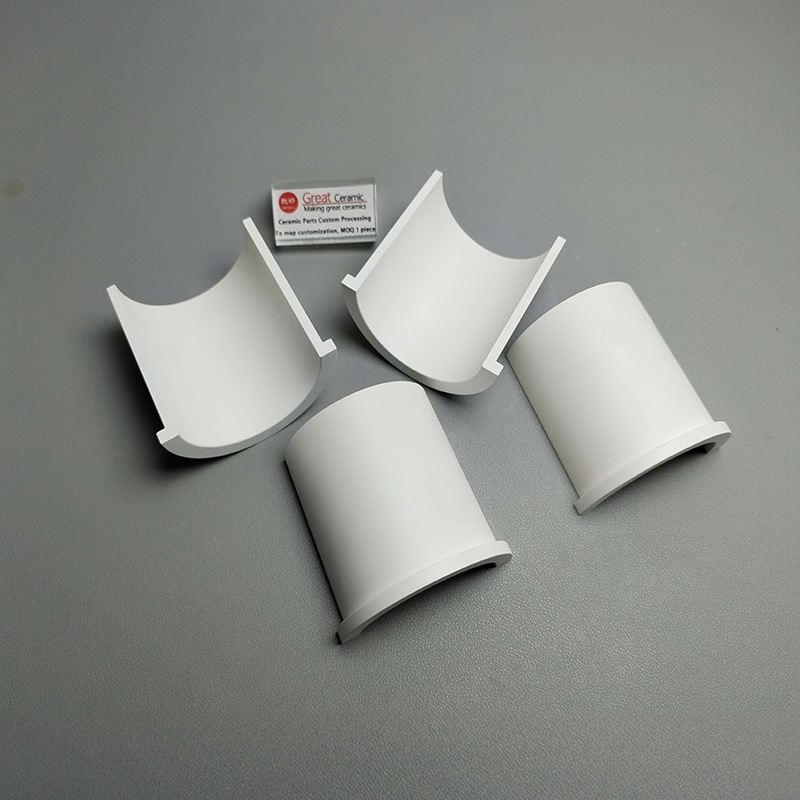
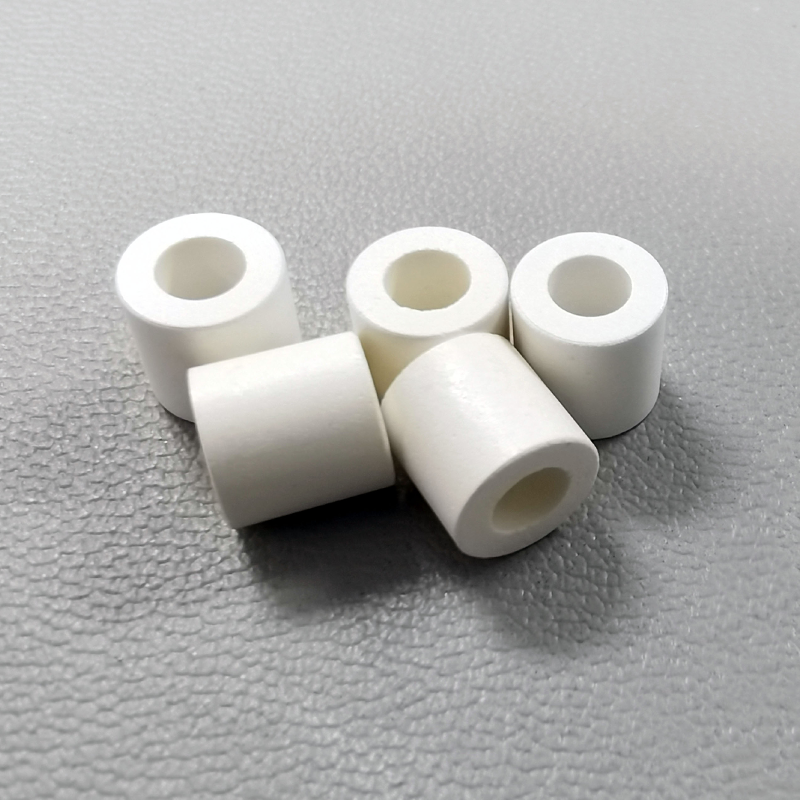
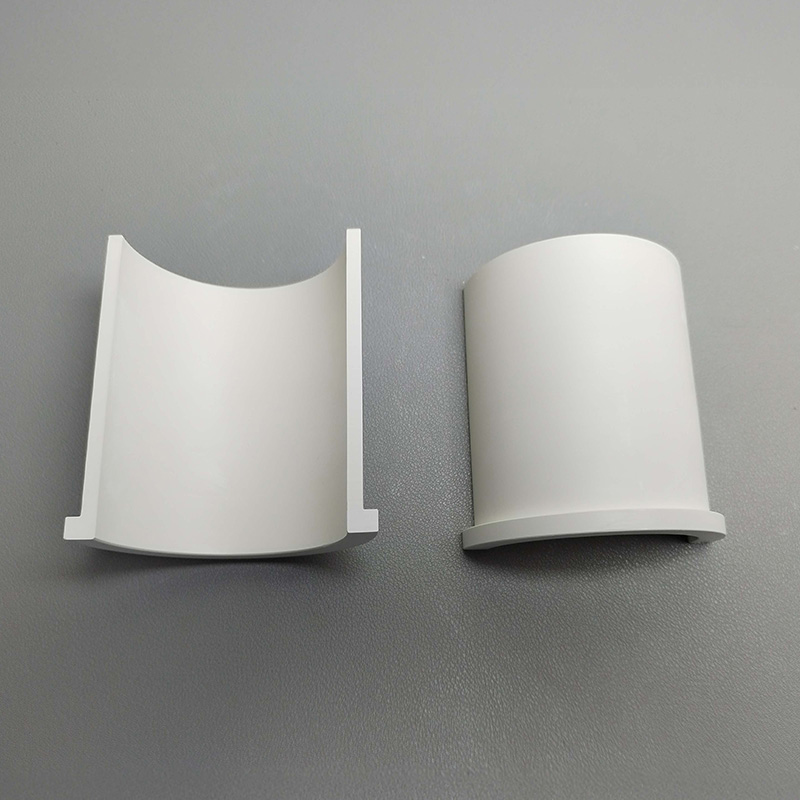


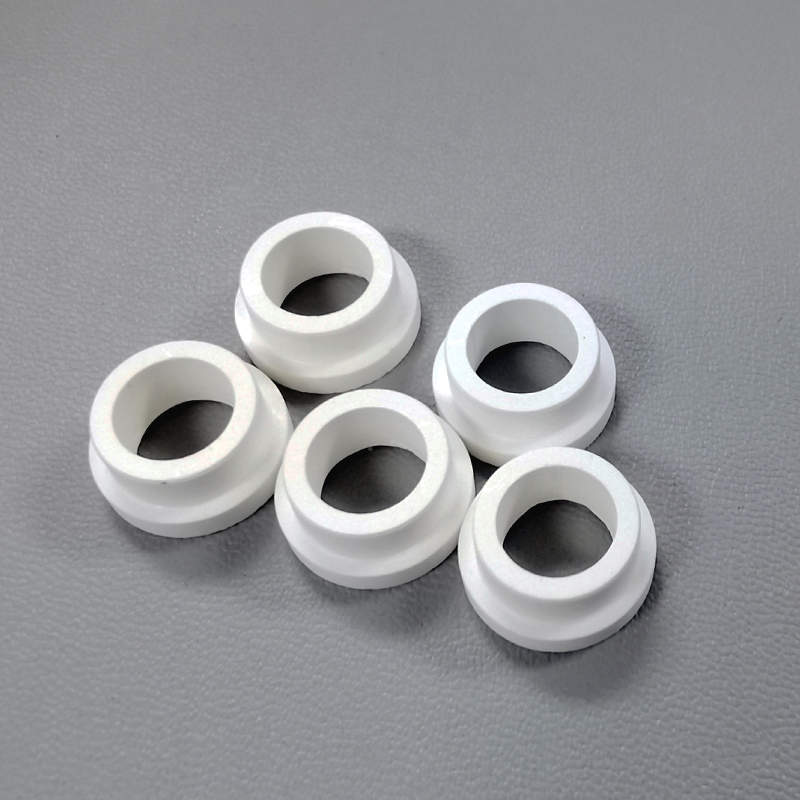
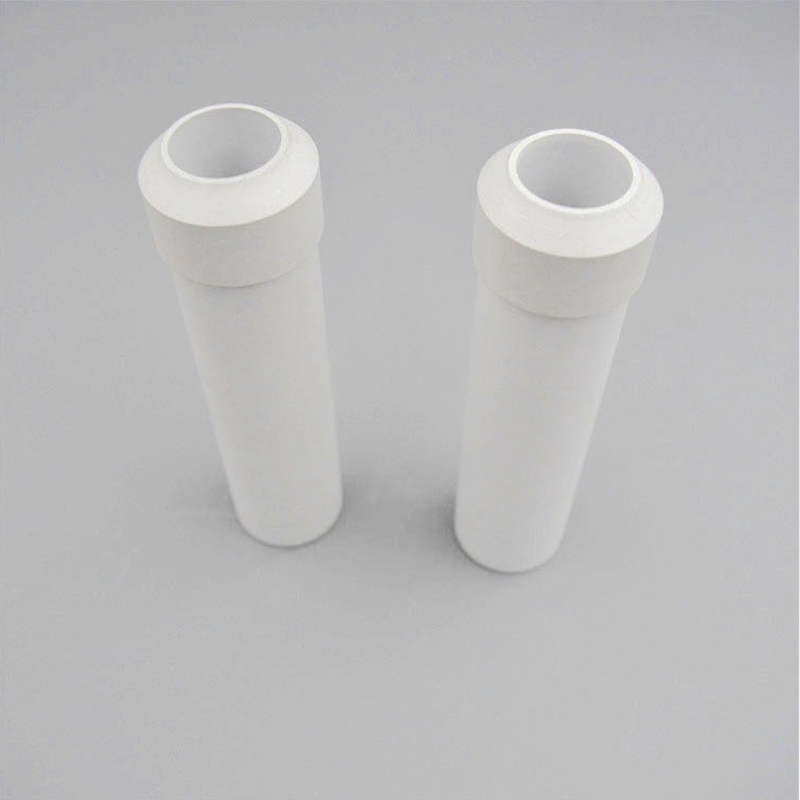
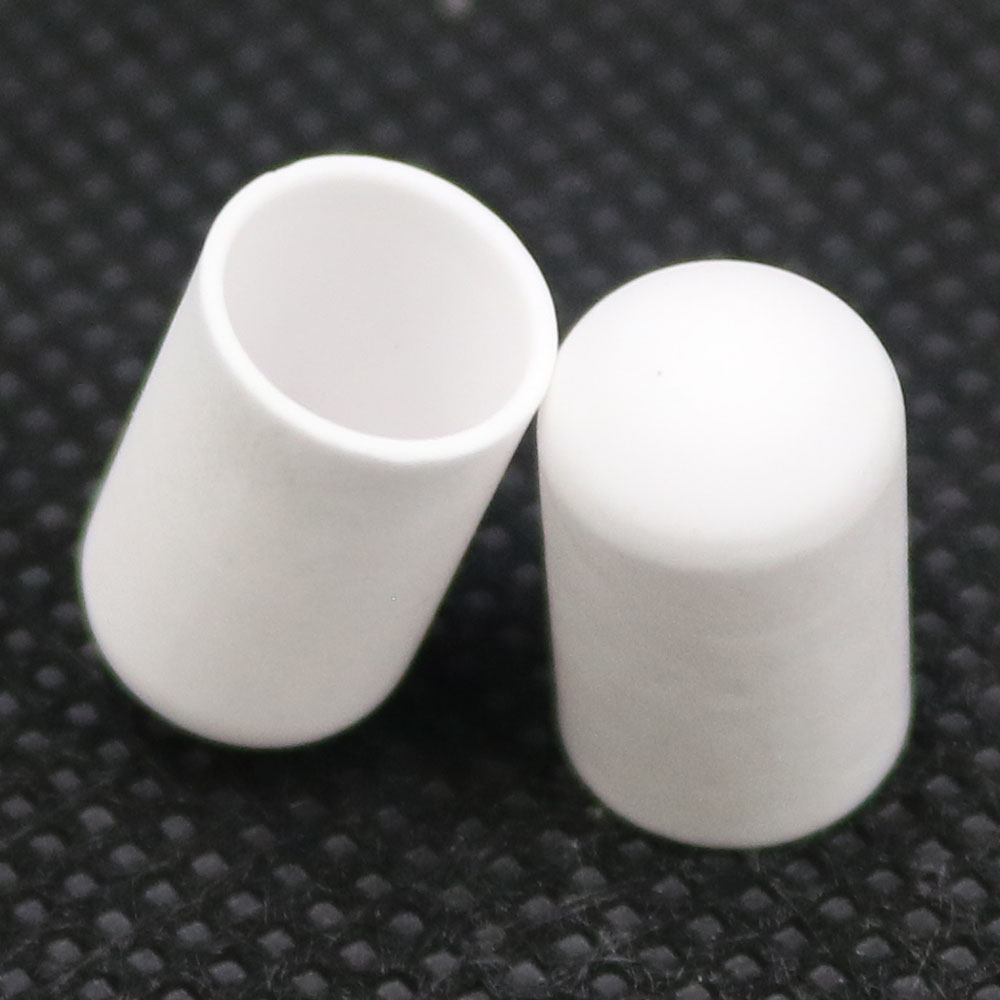

Related Boron Nitride Components and Quotations
Boron Nitride Ceramics Grades and Compositions: Specify the Part
Evaluate boron nitride ceramic requirements through the drawing, service conditions, mating details, and acceptance expectations before requesting a quotation.
Drawing and Revision Control
Send the current drawing revision with critical dimensions, tolerances, and notes so the quotation discussion reflects the component you intend to source.
Material Grade Context
Name the known material designation and application priorities, allowing boron nitride grade and composition considerations to be discussed against the actual operating requirement.
Geometry Drives Fit
Clarify the tube, rod, ring, plate, or custom geometry, including features that determine assembly, handling, and compatibility with adjacent equipment parts.
Process Route Discussion
Discuss the intended shaping and finishing approach in relation to geometry and material selection, keeping process assumptions visible before production terms are agreed.
Functional Surface Priorities
Identify sealing, contact, locating, or other functional surfaces and explain their role, helping distinguish essential interface requirements from noncritical cosmetic preferences.
Inspection Evidence Needs
State the dimensions, material information, and documentation needed for approval so inspection expectations can be reviewed alongside the component requirement.
Boron Nitride Grades by Component Need
Use component form, operating conditions and acceptance requirements to frame a more specific material and quotation discussion.

Ceramic Manufacturing Capabilities
Review ceramic manufacturing capabilities against the part requirement: forming route, machining needs, critical geometry, mating surfaces and inspection expectations. Share the drawing revision and quantity so feasible process options can be assessed for the requested ceramic component.
Discuss Your Ceramic Part
Ceramic Solutions by Industry
Explore advanced ceramics applications by industry, from thermal management and electrical insulation to wear, chemical exposure and high-temperature service. The useful starting point is the actual duty cycle, surrounding assembly and constraints that affect material and component selection.
Discuss Your Ceramic Part
Advanced Ceramic Materials
Compare technical ceramic components and industrial ceramic parts—including custom ceramic components in alumina ceramics, zirconia ceramics, silicon carbide ceramics, boron nitride, and other oxide, nitride, and carbide families—against project-specific needs. Material family names provide a basis for discussion; grade, composition, and properties require confirmation for the individual application.
Discuss Your Ceramic Part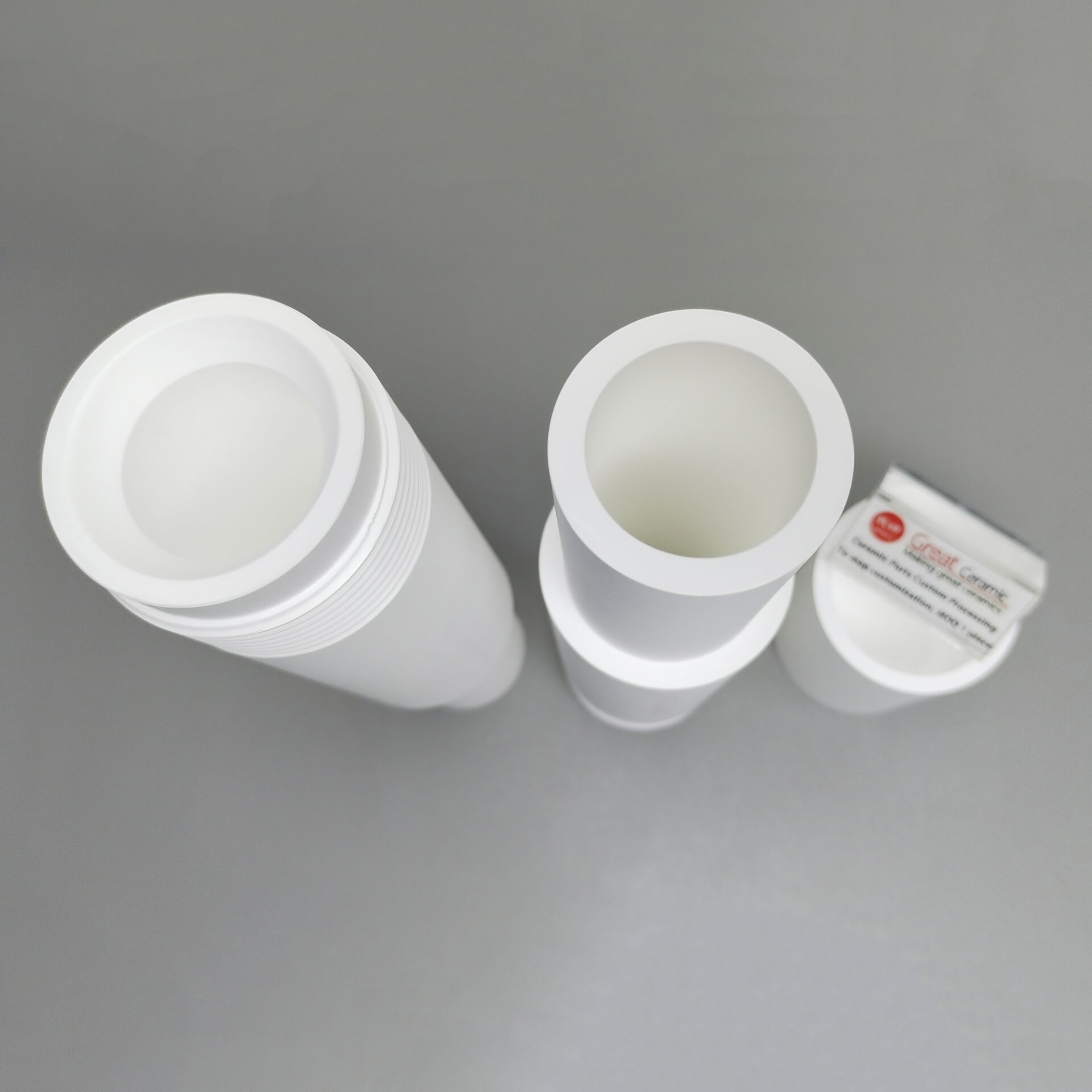
Technical Ceramic Products
Browse technical ceramic products by familiar component forms such as tubes, rods, rings, plates and custom machined parts. Define assembly-critical dimensions, tolerances, service environment and acceptance criteria to develop a quote-ready component requirement.
Discuss Your Ceramic Part
Technical Ceramic Resources
Use this technical ceramics guide to prepare a clearer inquiry. Include the current drawing, known material designation, operating conditions, quantity, critical interfaces and required documentation. Contact Porcecore by email or WhatsApp to discuss open requirement questions.
Discuss Your Ceramic PartBoron Nitride Ceramics Grades and Compositions


High-Purity Boron Nitride
High-purity boron nitride is considered where reduced binder content and material cleanliness matter for high-temperature fixtures, crucibles, or insulation parts. Confirm purity targets, atmosphere, geometry, and acceptance criteria for the project.

Silica-Bonded Boron Nitride
Boron nitride compositions with silica-based bonding may suit electrical insulation and thermal-processing components. Their grade-specific balance of dielectric behavior, thermal shock response, and machinability should be reviewed against service conditions.

Composite Boron Nitride
Composite boron nitride grades combine BN with selected ceramic phases to adjust mechanical response or thermal performance. Consider these for tooling, supports, and demanding assemblies where mating surfaces and load conditions are clearly defined.

Cubic Boron Nitride
Cubic boron nitride is a superhard material family commonly associated with cutting-tool applications. Its composition, binder matrix, edge geometry, and intended workpiece must be evaluated together rather than specified by material name alone.
Boron Nitride Ceramics Grades and Compositions: Processing Options

Material Grade Review
Review the requested boron nitride grade or composition alongside operating conditions, component geometry, and documentation needs. This creates a clearer basis for discussing material suitability before dimensions and production details are finalized.

Billet Preparation
Define the starting billet format around the required tube, rod, ring, plate, or custom profile. Available formats, composition, and part size should be confirmed against the individual drawing and quantity requirement.

Dry CNC Machining
Plan machining features from the current drawing, including bores, threads, grooves, holes, and profiles. Identify assembly-critical surfaces early so tolerances, edge conditions, and inspection expectations can be discussed together.

Surface Finishing
Review finish requirements for sealing, contact, insulation, or assembly interfaces. Specify the surfaces that mate with other parts, along with any finish limits or visual acceptance criteria needed for the project.

Inspection Planning
Align measurement points, dimensional tolerances, material designation, and requested records before quotation. A project-specific inspection discussion helps distinguish essential acceptance requirements from preferences that may affect the sourcing approach.
Compatible Part Features and Assembly Details

Mating Surface Notes
Identify the faces that seal, seat, align, or contact another part. Include surface condition expectations, critical flatness or concentricity requirements, and the dimensions that control final assembly.

Thread Interface Details
For threaded or threaded-adjacent assemblies, provide the mating hardware, engagement requirements, load direction, and drawing callouts. This helps clarify whether the ceramic part needs a compatible interface or clearance feature.

Groove Geometry Callouts
Specify grooves, recesses, radii, slots, and edge-break requirements that affect fitment or retention. Mark critical dimensions and explain the function of each feature so geometry can be reviewed with the selected grade.

Part Identification Labels
State any required part number, revision reference, lot marking, label content, or document linkage. Clear identification supports receiving inspection, traceability expectations, and communication across procurement and engineering teams.

Protective Packaging Requirements
Describe handling, separation, cleanliness, moisture-control, or packing requirements for transport and receiving. Include any fragile surfaces, matched sets, or special unpacking instructions that should be considered before quotation.
Porcecore: Boron Nitride Ceramics Grades and Compositions
Porcecore, founded by Andy Yuan, helps industrial buyers and engineering teams turn technical ceramic requirements into clearer sourcing conversations. Our scope includes boron nitride alongside oxide, nitride, carbide, and specialty ceramic component families, considered according to the application rather than a material name alone.
Our approach starts with the part: its geometry, mating surfaces, operating conditions, inspection needs, and acceptance criteria. For boron nitride ceramics grades and compositions, we help frame the questions that matter before a quotation discussion, including the current drawing revision, known material designation, quantity, and service environment.
Porcecore is built around application-first thinking, drawing-led communication, and clarity before commitment. Send a drawing or describe the component and its working conditions to begin a practical discussion of grade, geometry, documentation, and project-specific requirements.

Boron Nitride Ceramics Grades and Compositions, Clearly Specified
Requirement Review First
Porcecore begins with the component’s job, not a material label alone. Share the drawing revision, service environment, quantity, and acceptance criteria so the quotation discussion can identify the requirements that matter before grade and geometry decisions are carried forward.
- Review drawing revision and application context
- Identify service conditions and assembly constraints
- Separate essential requirements from preferences
- Define open questions before quotation

Material-to-Part Alignment
Boron nitride ceramics grades and compositions should be considered alongside form, interfaces, and operating conditions. Porcecore helps structure that conversation around the requested component, whether it is a tube, rod, ring, substrate, or a replacement part requiring project-specific review.
- Relate grade considerations to component function
- Consider geometry with material selection
- Discuss mating parts and contact surfaces
- Clarify known material designations
Critical Dimensions Communicated
Dimensions that determine fit deserve clear attention early. Identify bores, wall thicknesses, flatness-sensitive faces, sealing areas, and other assembly-critical features in the inquiry. This creates a more useful basis for discussing tolerances, machining expectations, and the current drawing revision.
- Flag dimensions that control assembly
- Identify functional and mating surfaces
- Discuss tolerance expectations by feature
- Provide the current drawing revision

Inspection Expectations Defined
General material information is not a contractual specification. For each project, Porcecore encourages buyers to state the documentation, inspection points, and acceptance requirements needed for approval, helping align discussion of grade, dimensions, delivery, and commercial terms with the individual order.
- State required inspection points
- Specify requested documentation
- Confirm project-specific acceptance criteria
- Align requirements before order commitment

What a Drawing-Led Boron Nitride Inquiry Covers
Porcecore frames grade, geometry, service conditions, and acceptance criteria together before quotation discussions begin.
← Swipe left or right to view →
From Requirement Review to Shipment Planning
A clear sourcing path for boron nitride ceramics grades and compositions, connecting material choices, part geometry, acceptance criteria, and delivery coordination.
Review Drawing and Application
Share the current drawing, component function, operating environment, quantity, and known material designation so the initial discussion begins with defined project context.
Clarify Grade and Geometry
Identify boron nitride ceramics grades and compositions, critical dimensions, mating surfaces, tolerances, and features that influence fit, performance, and manufacturability.
Discuss Quotation Basis
Review the requested scope, documentation needs, commercial considerations, and open technical questions before moving toward a project-specific quotation discussion.
Confirm Part Requirements
Align the agreed material grade, geometry, drawing revision, inspection expectations, delivery requirements, and any necessary acceptance criteria for the individual project.
Plan Inspection and Packing
Define applicable inspection records, handling considerations, labeling details, and packing expectations to support component protection and receiving requirements.
Coordinate Delivery Details
Confirm shipment timing, destination information, logistics preferences, and final communication points so delivery planning remains connected to the approved part requirement.
How to Source Boron Nitride Ceramics Grades and Compositions
Move from an initial part requirement to a clearly defined quotation discussion with drawing-led inputs and project-specific confirmation.
Send Your Current Drawing
Provide the current drawing revision, target material designation if known, quantity, service conditions, and any dimensions or surfaces that control assembly.
Clarify Critical Requirements
Identify open questions around grade, composition, geometry, mating interfaces, tolerances, inspection expectations, and documentation needed for your internal approval process.
Review the Quotation Basis
Discuss the proposed basis for your boron nitride ceramic part, separating confirmed requirements from preferences that still need technical or commercial clarification.
Confirm Project Terms
Align material grade, dimensions, acceptance criteria, documentation, delivery expectations, and commercial terms before moving forward with an agreed production order.
Certificates and Documentation for Boron Nitride Ceramics Grades and Compositions

Boron Nitride Ceramics Grades and Compositions: Buyer Scenarios
Illustrative scenario: A furnace-equipment buyer shared one revised sleeve drawing, two mating-surface callouts, and the operating atmosphere. The discussion then focused on confirming the grade and inspection points before a quotation was prepared.
Illustrative scenario: An electrical equipment team identified three assembly-critical dimensions and requested material documentation with its inquiry. This gave the sourcing conversation a clearer basis for reviewing composition, geometry, quantity, and acceptance requirements.
Illustrative scenario: A ceramic component distributor supplied the current drawing revision and replacement-part application details. Clarifying one service-temperature question and two fit surfaces helped define the information needed for a project-specific grade discussion.
Boron Nitride Ceramics Grades and Compositions FAQ
Prepare a clearer drawing-led inquiry for a project-specific review of material, component, documentation, and delivery requirements.
How should we compare boron nitride ceramics grades and compositions?
What information is needed to quote a boron nitride component?
Can Porcecore help select boron nitride ceramics grades and compositions when our drawing lists only BN?
How should tolerances and functional surfaces be identified?
Do boron nitride ceramics grades and compositions affect machining and part geometry?
Can we request samples, pilot quantities, or production quantities?
What inspection evidence and packaging details should an inquiry include?
How are shipping, payment, and IP-sensitive drawings handled?
Boron Nitride Ceramics Grades and Compositions: Buyer’s Guide
Use a practical decision framework to compare compositions, performance tradeoffs, machining requirements, and supplier qualifications while avoiding specification, validation, and total-cost mistakes during OEM ceramic component sourcing.
1. What Are Boron Nitride Ceramics Grades and Compositions?
Two principal boron nitride ceramic families must not be conflated: hexagonal BN (h-BN) machinable components and cubic BN (cBN) cutting-tool composites. A grade is an engineered formulation plus its processing route, so a trade name alone does not define an interchangeable material.
Hexagonal BN is the relevant family for hot-pressed or binder-bonded tubes, rings, plates, and insulating fixtures; cBN is a superhard, high-pressure-sintered composite used for cutting tools. The crystal form, intended service, and manufacturing route should therefore appear separately on the specification. Sources: https://www.final-materials.com/gb/402-boron-nitride ; https://eureka.patsnap.com/materials/cubic-boron-nitride-ceramic
Five purchase variables define what is being specified: BN content, binder chemistry, bulk density, preferred orientation, and forming or hot-pressing process. Confirm the drawing revision, critical surfaces, grade-specific property targets, inspection method, and any required documentation before treating a quoted material as equivalent.
2. Evolution of Boron Nitride Ceramic Grades
Two established production routes—sintering and hot pressing—made hexagonal boron nitride practical for high-temperature fixtures, electrical insulation, and dry-machined shapes. Its useful combination of temperature resistance, dielectric behavior, thermal conductivity, and machinability is described at https://www.final-materials.com/gb/402-boron-nitride.
Over time, buyers moved beyond treating BN content alone as the grade definition. Binder-bonded formulations could target moisture tolerance or structural performance, while ceramic additions supported application-specific tradeoffs; published supplier information lists SiC, ZrO2, SiO2, and AlN additions at https://www.final-materials.com/gb/402-boron-nitride.
M and M26 illustrate the shift: their BN-and-silica compositions are reported as hydrophobic, with a 48-hour water-immersion test cited for electrical service. Their reported properties vary by orientation, so procurement should request the grade datasheet and the applicable test direction: https://precision-ceramics.com/wp-content/uploads/2018/07/Boron-Nitride-Grade-M-M26-Technical-Data-Sheet-en.pdf.
3. Boron Nitride Ceramics Grades and Compositions Explained
Five families within boron nitride ceramics grades and compositions trade purity, moisture stability, strength, and machinability differently. Select from the service environment and drawing-critical features, then confirm grade-specific data with the supplier.
| Family | Composition Purpose | Machinability | Best Environment |
|---|---|---|---|
| High-purity BN | Maximum BN content | Easy | Dry, high-temperature insulation |
| Binder-bonded BN | General structural cohesion | Easy | Fixtures and tooling |
| Silica-bonded BN | Moisture resistance | Easy | Humid electrical service |
| Reinforced BN | Strength or wear | Reduced | Loaded components |
| cBN composite | Extreme cutting wear | Specialized | Ferrous machining |
High-Purity Hexagonal BN
Over 99% BN formulations prioritize thermal behavior and electrical insulation. They machine readily, but need dry handling where moisture sensitivity matters.
Binder-Bonded BN
BN plus a binder improves billet integrity for general fixtures, insulators, and melt-contact tooling. Machinability remains high; binder chemistry sets the environmental limit.
Silica-Bonded BN
Silica-bonded grades favor moisture resistance and electrical service. They remain machinable, with lower thermal-conductivity direction than purer BN; use them for humid electrical components.
Ceramic-Reinforced Composites
Zirconia, silicon carbide, aluminum nitride, or other reinforcements raise selected strength or wear properties. Expect harder machining; specify reinforcement when load-bearing durability drives selection.
Cubic BN Composites
cBN composites are superhard cutting-tool materials, not substitutes for machinable hexagonal BN parts. Their binder-and-grain structure targets wear cutting, requiring specialized shaping.
4. Materials, Binders, and Reinforcements
Documented formulations vary because BN powder, binder phase, and fillers set composite behavior. Request grade-specific chemistry instead of treating boron nitride ceramics grades and compositions as interchangeable.
| Constituent | Potential Benefit | Tradeoff | Verify |
|---|---|---|---|
| High-purity BN | Insulation, machinability | Moisture sensitivity may vary | Assay, phase |
| Silica or borate binder | Bonding, moisture resistance | Changes thermal and dielectric behavior | Binder type, percentage |
| Zirconia or carbide filler | Strength or wear resistance | Harder machining, altered expansion | Loading, test direction |
Powder Purity
99.7% BN is cited for one commercial high-purity grade.
Three records should identify assay, oxygen content, and phase identity.
Binder And Filler Effects
Silica or borate-glass binders can change moisture tolerance, dielectric behavior, conductivity, and expansion.
Zirconia, alumina, silicon carbide, and aluminum nitride appear in supplier-listed compositions; verify quantity, particle size, and orientation.
Direction Matters
M/M26 data report directional thermal and electrical values, showing anisotropy can matter.
Each additive needs a drawing-linked acceptance criterion and grade-specific test report.
5. Custom Boron Nitride Ceramics Grades and Compositions
Custom boron nitride ceramic parts begin with the assembly interface, not a catalog shape. Dimensions, tolerances, holes, grooves, threads, finish, and pre-machined blanks can be tailored when the drawing defines their function.
Drawing And Machining Limits
Two drawing views should identify datum surfaces, critical dimensions, mating parts, and tolerance priorities. Deep blind holes, thin walls, sharp internal corners, and unsupported threads require machining review before quotation.
- Provide current drawing revision
- Mark functional surfaces
- State quantity and inspection method
Composition Requires Qualification
One material substitution can change thermal behavior, electrical insulation, strength, or moisture response. Treat boron nitride ceramics grades and compositions as an engineering decision; confirm service environment and qualify a proposed grade on the actual part.
Validate Samples Before Release
First-article samples should verify fit, geometry, finish, and relevant functional tests. Ask which dimensions are measured, what acceptance criteria apply, whether assembly trials are required, and which documentation must accompany production.
6. Critical Quality and Performance Factors
Published typical values guide initial screening, not acceptance of every geometry. Porcecore recommends tying boron nitride ceramics grades and compositions to the drawing, service direction, and documented inspection plan.
Microstructure And Binder Control
100% of quoted lots should identify density target, porosity limit, filler distribution, and binder system. Nonuniform packing or binder-rich zones can alter machining response and local performance.
Directional Property Validation
Two test directions, parallel and perpendicular to pressing, may be needed where anisotropy affects heat flow, expansion, or strength. Dielectric, thermal, and mechanical tests should match the operating temperature, voltage, and loading risk.
Part Acceptance And Traceability
Critical dimensions require stated tolerances, datum surfaces, surface-integrity criteria, and contamination controls. Each accepted lot should remain traceable to material designation, drawing revision, inspection results, and shipment records.
7. Choosing a Boron Nitride Ceramic Manufacturer
A capable source turns boron nitride ceramics grades and compositions into a controlled part specification, not a catalog promise. Qualification should begin with evidence tied to the drawing, service environment, and acceptance criteria.
Review Technical Evidence
Request a grade-specific composition statement, current material data, inspection plan, and certificate of conformance format. Ask which values are typical, guaranteed, direction-dependent, or lot-tested.
- Furnace: atmosphere, peak temperature, cycling
- Vacuum: outgassing and contamination limits
- Molten metal: alloy contact and wetting
- Semiconductor: purity and particle-control needs
- Electrical insulation: voltage, frequency, temperature
Verify Part Control
Confirm machining routes for holes, threads, thin walls, and mating surfaces before release. Require dimensional reports showing instrument capability, datum strategy, tolerances, and surface-finish inspection.
Test Supplier Execution
Use a prototype order to assess revision control, lead-time communication, packaging, and response to nonconformance. Capacity claims matter only when supported by a production plan, lot traceability, and documented shipment protection.
8. Common Boron Nitride Ceramics Grades and Compositions Mistakes
Boron nitride ceramics grades and compositions are often misbought when a catalog label replaces an application review. Before release, turn each assumed property into a documented requirement and acceptance method.
Grade Names And Purity
Two supplier grade names may describe different binders or processing routes. Prevent substitution by comparing composition and datasheets; ask: Which properties and revision define equivalence?
99% purity alone does not define service performance. Prevent a purity-only callout by stating temperature, atmosphere, load, and electrical duty; ask: What operating condition governs selection?
Moisture And Directionality
48-hour moisture exposure can affect some binder systems differently. Prevent exposure failures with storage and service testing; ask: Will humidity, washdown, or condensate contact occur?
Two material directions can yield different properties. Prevent orientation errors by marking the billet axis on the drawing; ask: Which direction carries heat, stress, or voltage?
Price And Tolerances
One low unit price can exclude yield loss, inspection, or assembly risk. Prevent false savings by comparing total qualified cost; ask: What documentation and rejection risk are included?
0.01 mm tolerances may add avoidable machining cost. Prevent over-specification by identifying functional surfaces; ask: Which dimensions actually control fit?
Prototypes And Acceptance
One prototype can expose machining, handling, and assembly issues before a production commitment. Prevent unproven releases with a representative trial; ask: What must the sample demonstrate?
Three acceptance items—dimensions, grade evidence, and inspection method—should be agreed before purchase order release. Prevent disputes with a written plan; ask: What constitutes a conforming lot?
9. Steps to Qualify an OEM Ceramic Component
1 qualification plan should link service temperature, atmosphere, electrical duty, load, and thermal cycling to the drawing. Equipment builders and distributors should freeze the decision record before quoting.
Define The Technical Baseline
Step 1: provide the current drawing revision, quantity range, mating surfaces, critical dimensions, and acceptance criteria. Step 2: identify boron nitride ceramics grades and compositions by application needs, then request grade-specific data rather than relying on family-level values.
- Service environment and exposure media
- Critical fits, flatness, and surface finish
- Required material and inspection records
Prove The Part
Step 3: review manufacturability, including green or fired machining, fragile features, and any subcontracted operations. Step 4: procure samples and test them in the actual assembly, documenting failure modes and pass criteria.
Control Production Changes
Step 5: approve an inspection plan covering dimensions, visual criteria, lot identification, and required reports. Step 6: require written approval before changes to composition, forming process, firing route, machining source, or subcontracted machining; distributors should pass the same controls to end users.
10. Pricing and Cost Drivers
7 cost inputs should be quoted together: grade, blank size, machining complexity, tolerance, inspection, expected yield, and order volume. No universal unit price is reliable without the current drawing and acceptance criteria.
| Quantity Tier | Unit-Cost Drivers | Tooling or Setup | Lead-Time Factors | Cost-Reduction Actions |
|---|---|---|---|---|
| Prototype | Material utilization and one-off CNC programming dominate. | Drawing review, fixturing, and first-piece setup are spread across few parts. | Blank availability, program approval, and inspection planning. | Simplify noncritical geometry; state essential tolerances. |
| Low-volume | Machining time, scrap risk, and inspection remain substantial. | Reusable fixtures may be justified for repeated geometry. | Material allocation and queue time affect schedules. | Combine part variants; standardize stock sizes. |
| Mid-volume | Cycle time, yield, and dimensional consistency drive cost. | Dedicated workholding can reduce handling and setup. | Capacity planning and in-process inspection determine timing. | Specify only functional surfaces; release stable revisions. |
| Repeat-production | Yield, material purchasing, and process control outweigh setup. | Validated tooling and inspection methods can be amortized. | Forecast quality, batch scheduling, and documentation requirements govern lead time. | Provide forecasts; consolidate releases; agree inspection scope. |
Discuss Boron Nitride Ceramics Grades and Compositions
Email your drawing, application, operating environment, quantity, and acceptance requirements to begin a project-specific component inquiry with Porcecore.