
Boron Nitride Ceramics Machining and Design Guide
Define geometry, interfaces, service conditions, and acceptance criteria before sourcing your boron nitride ceramic component.
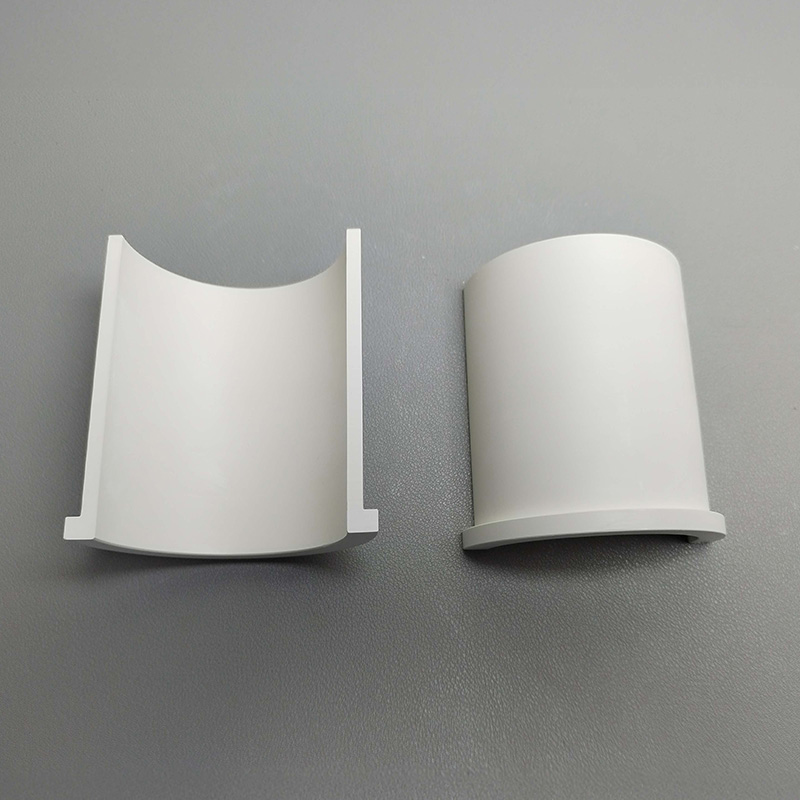
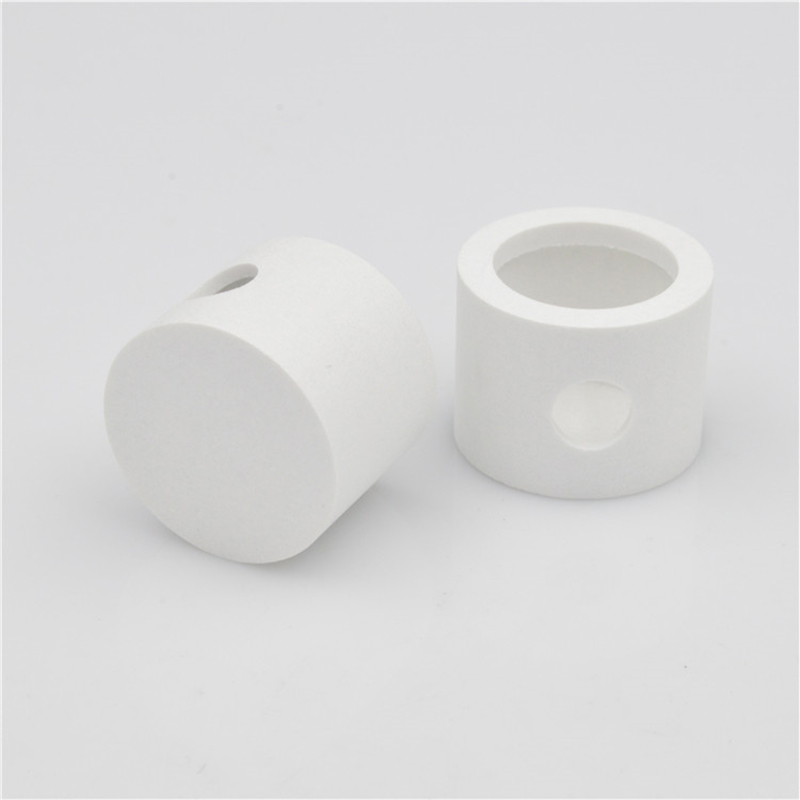
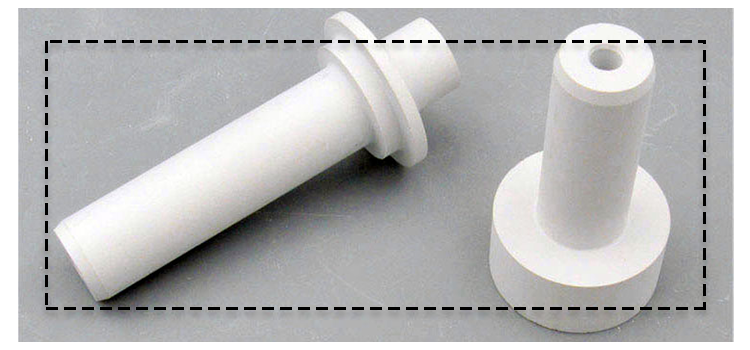
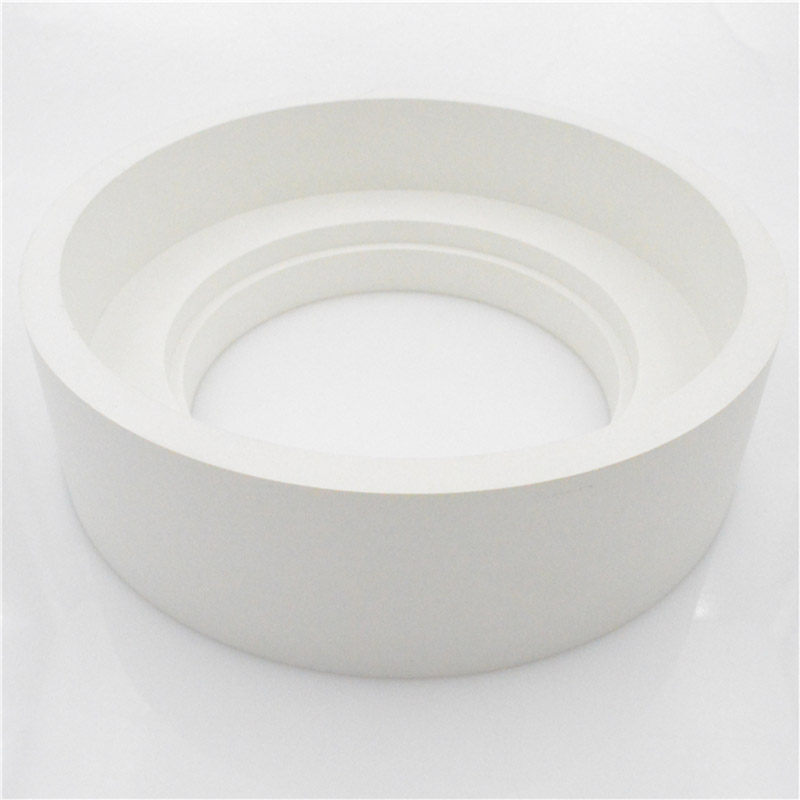
Featured Boron Nitride Ceramic Components






Related Product Catalogue and Quotation
Boron Nitride Ceramics Machining and Design Guide: Define Before You Source
A drawing-led review connects material choice, part geometry, operating conditions, interfaces, and acceptance expectations before a quotation discussion begins.
Current Drawing Revision
Share the current drawing revision so dimensions, feature callouts, notes, and change history can be reviewed against the part requirement rather than an outdated reference.
Material Grade Context
Identify the boron nitride grade or known material designation, then relate it to the application environment, electrical needs, thermal exposure, and compatibility considerations.
Assembly-Critical Geometry
Clarify the dimensions, bores, threads, wall sections, and features that determine fit, function, and practical machining considerations for the finished ceramic component.
Functional Surface Priorities
Mark surfaces that mate with another part, seal, guide, insulate, or contact process media so their finish and dimensional expectations are part of the inquiry.
Application Conditions Defined
Describe operating temperature, atmosphere, media exposure, electrical conditions, mechanical loading, and thermal cycling to frame the material and component discussion around actual service.
Inspection Evidence Needed
State the acceptance criteria and any requested dimensional records, material documentation, visual checks, or packaging expectations before commercial terms and production details are confirmed.
Boron Nitride Requirements by Component Form
Review component categories through the operating challenge, drawing details and acceptance criteria needed to define a practical sourcing inquiry.

Ceramic Manufacturing Capabilities
Ceramic manufacturing capabilities begin with the part requirement: form, dimensions, critical surfaces, tolerances and inspection needs. For boron nitride components, provide the current drawing revision and clarify machining, assembly interfaces and any project-specific documentation required for review.
Discuss Your Ceramic Part
Ceramic Solutions by Industry
Advanced ceramics applications vary by equipment environment and function. Describe the industry use, operating temperature, contact media, electrical or thermal role, and mating parts so the suitability of a boron nitride component can be discussed against the actual service conditions.
Discuss Your Ceramic Part
Advanced Ceramic Materials
Advanced ceramic materials require grade-specific consideration beyond a family name. When discussing boron nitride, identify the material designation if known, the required component geometry, service environment and acceptance criteria; general material information does not replace a confirmed project specification.
Discuss Your Ceramic Part
Technical Ceramic Products
Technical ceramic products include forms such as tubes, rods, rings, substrates and replacement parts. Each form should be defined by the dimensions that control assembly, surfaces that interface with other components, quantity, operating conditions and the inspection expectations for the individual inquiry.
Discuss Your Ceramic Part
Technical Ceramic Resources
A technical ceramics guide can help structure an initial inquiry, but it is not a contractual specification. Use it alongside a current drawing, known material designation and service details, then contact Porcecore by email or WhatsApp to clarify open requirements before quotation.
Discuss Your Ceramic PartBoron Nitride Ceramics Machining and Design Guide: Material Context


Alumina Ceramics
A widely considered oxide ceramic for wear, insulation, and structural component contexts. Compare grade, geometry, surface finish, assembly loads, and inspection expectations against the actual service conditions of the proposed part.

Aluminum Nitride
A material family often reviewed where electrical insulation and thermal management are both part of the requirement. Confirm grade, thermal interfaces, mounting features, environment, and documentation needs for the specific component.
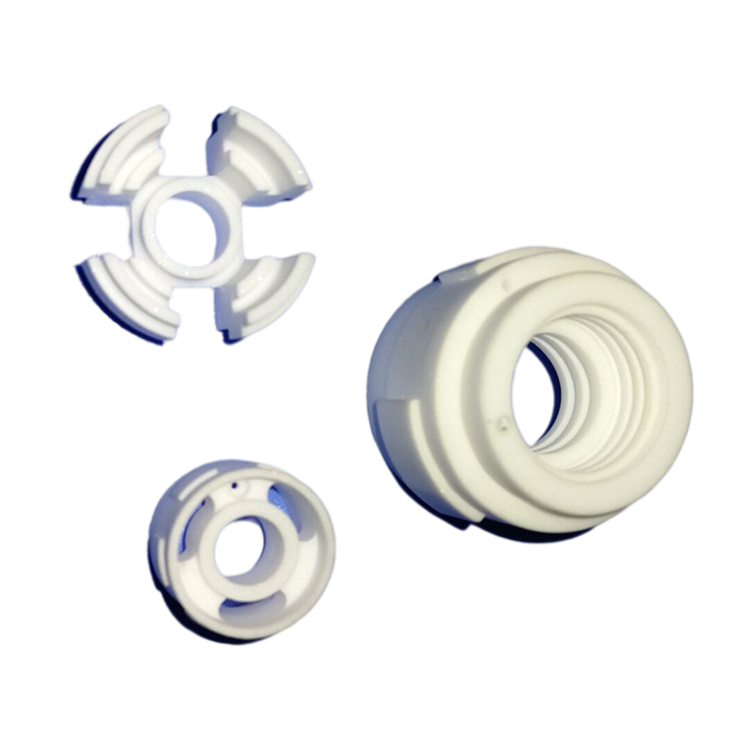
Silicon Nitride
A technical ceramic family for applications where mechanical loading, thermal cycling, or wear may shape material selection. Review part geometry, contact conditions, tolerances, and acceptance criteria before treating it as a substitute.
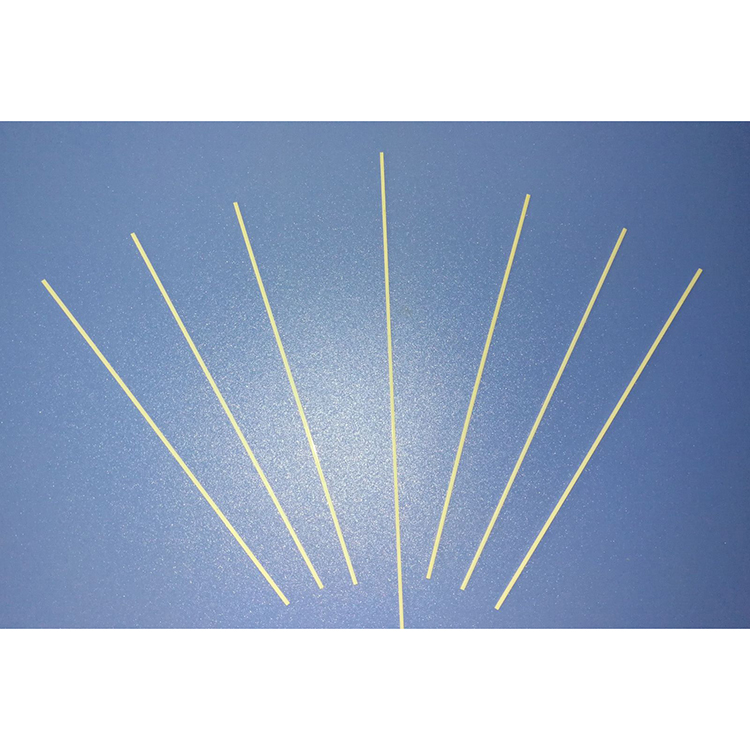
Silicon Carbide Ceramics
A ceramic family commonly considered for demanding thermal, chemical, and wear environments. Its relevance depends on the component’s operating medium, interface design, dimensional targets, and project-specific grade requirements.
Zirconia Ceramics
An oxide ceramic option for component discussions involving geometry, fit, and mechanical service considerations. Compare the intended application, mating parts, inspection requirements, and grade-specific characteristics before selecting a material.
Boron Nitride Ceramics Machining and Design Guide: Process Considerations

Blank Form Review
Start with the required tube, rod, plate, ring, or custom profile. The starting form, finished envelope, and material designation help frame geometry questions before a project-specific quotation discussion begins.
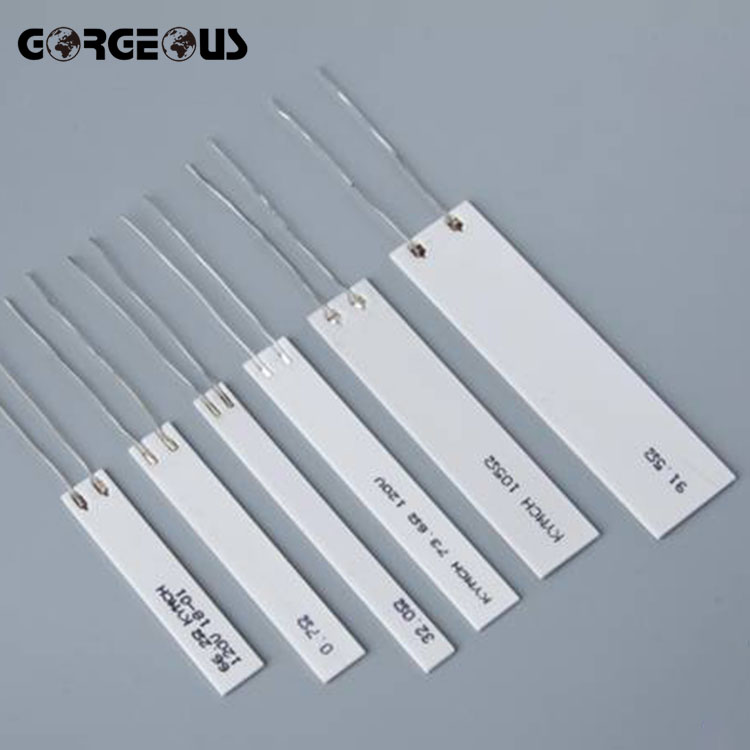
Feature Definition
Identify holes, slots, threads, radii, and thin sections on the drawing. Clarifying feature location, depth, and function helps distinguish assembly-critical details from secondary geometry during component review.
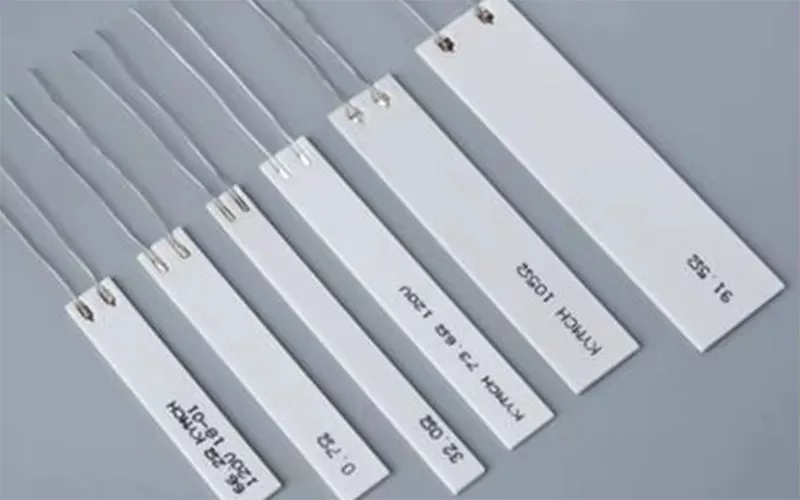
Critical Surface Planning
Mark the surfaces that mate with another part, seal, guide, or locate the assembly. Surface function, finish expectations, and allowable edge condition should be reviewed alongside the relevant dimensions.
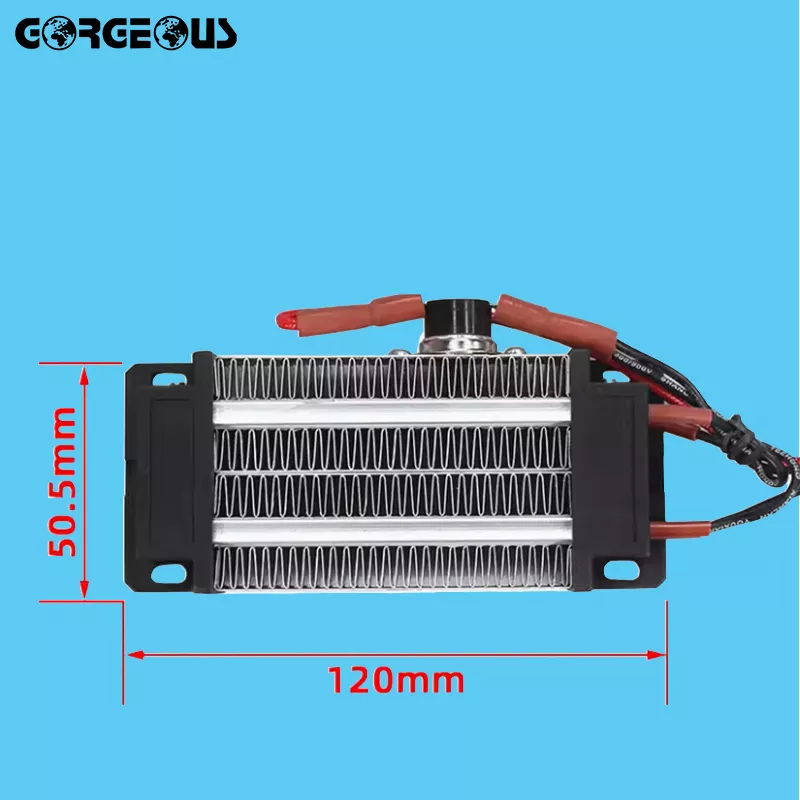
Tolerance Review
List the dimensions that control fit and state the tolerance for each one. A drawing-led review can separate essential tolerances from general dimensions and support a more informed sourcing conversation.
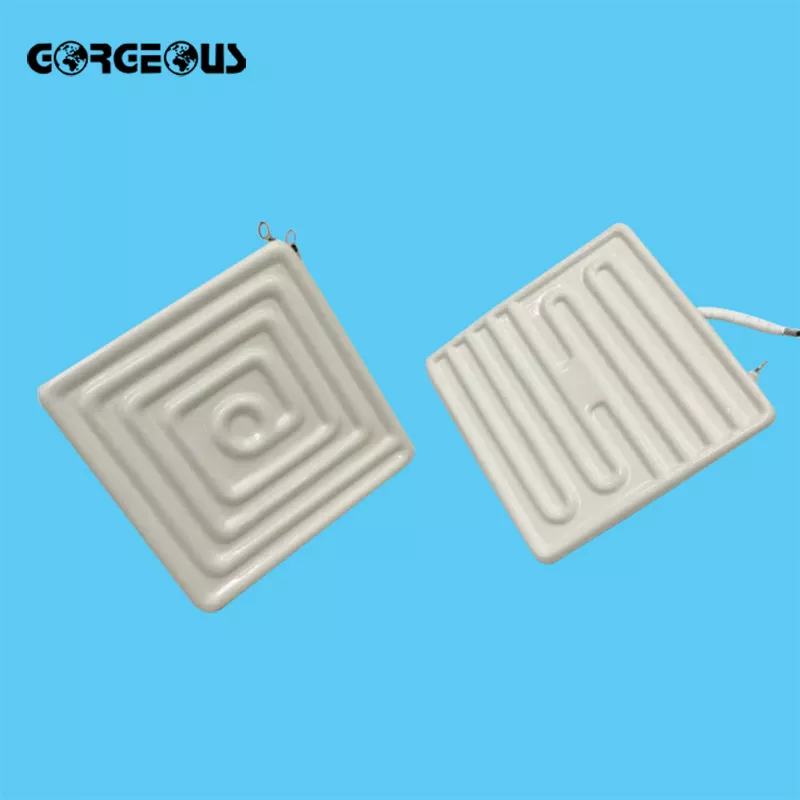
Inspection Alignment
Specify measurement methods, acceptance criteria, and any documentation needed for approval. Defining inspection expectations early gives the inquiry a clearer basis for discussing the finished ceramic component.
Interface Details for Boron Nitride Ceramics Machining and Design Guide
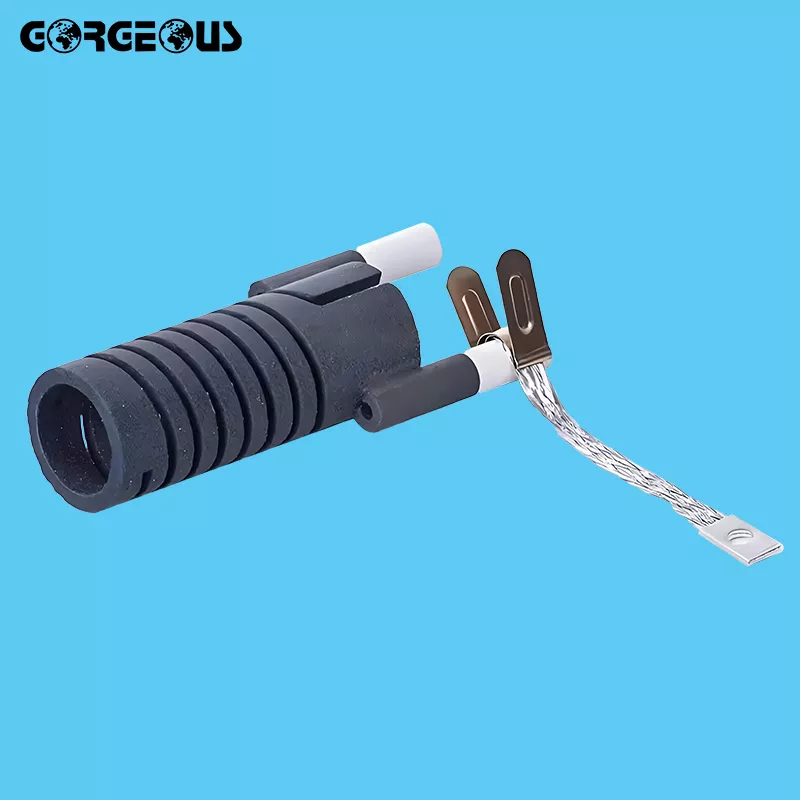
Mating Faces
Mark every surface that contacts a housing, electrode, fixture, or adjoining component. Include flatness, finish, contact area, and whether the face must remain protected during handling, inspection, or assembly.

Holes and Slots
Specify hole locations, diameters, depths, slot geometry, and their role in alignment, mounting, flow, or wiring. Reference datums and identify dimensions that control assembly rather than listing nominal dimensions alone.
Threaded Features
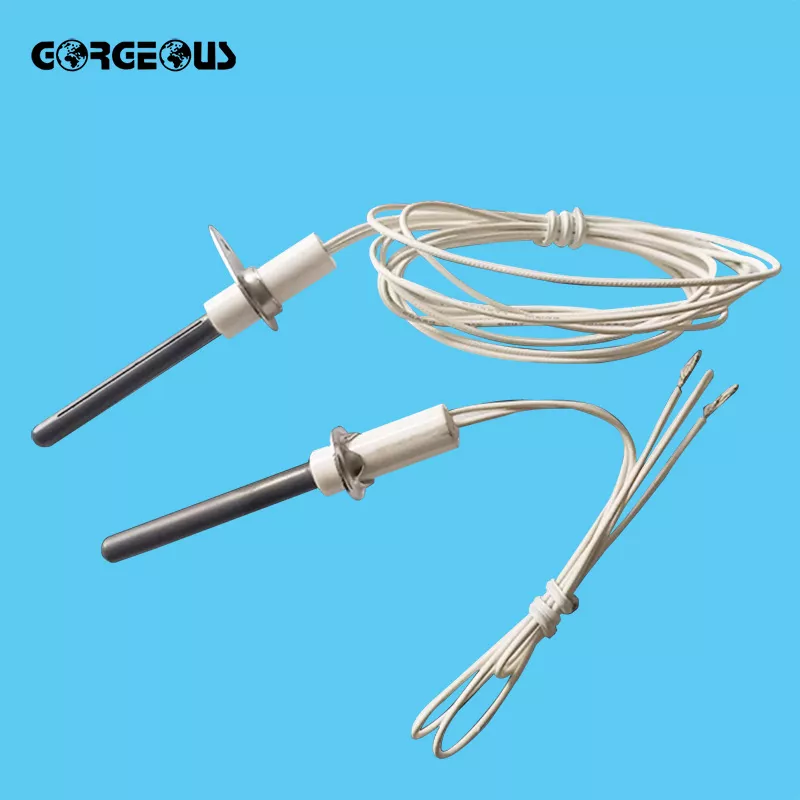
Describe any threaded interface, insert requirement, engagement depth, mating hardware, and load considerations. Confirm whether threads are required in the ceramic part or whether an alternative fastening arrangement should be reviewed.

Seal Interfaces
Define grooves, shoulders, seating faces, and the sealing method where the component meets another part. Share pressure, temperature, media, and assembly conditions so the interface can be discussed in context.

Part Identification
State whether traceability marks, part numbers, revision labels, orientation indicators, or separate documentation are needed. Clarify marking location and restrictions where a functional surface, cleanliness requirement, or appearance matters.

Protective Packaging
Identify packaging needs for fragile edges, finished surfaces, cleanliness, quantity per pack, and shipment handling. Packaging expectations should accompany the drawing when they affect inspection, receiving, storage, or downstream assembly.
Technical Ceramic Components, Defined by the Part Requirement
Porcecore was founded by Andy Yuan to make technical ceramic procurement more understandable for industrial buyers, equipment builders, and engineering teams. Our boron nitride ceramics machining and design guide reflects a practical mission: connect material selection to the component, assembly, operating environment, and inspection needs that define a workable requirement.
Our scope spans oxide, nitride, carbide, and specialty technical ceramic components in familiar forms such as tubes, rods, rings, and substrates, including industrial ceramic parts and custom ceramic components. Rather than treat a material name as a complete specification, we encourage project discussions that account for geometry, mating surfaces, service conditions, tolerances, and documentation expectations.
What distinguishes Porcecore is application-first thinking, drawing-led communication, and clarity before commitment. Send the current drawing revision, known material designation, quantity, service conditions, and acceptance criteria. We help identify the open questions that give a quotation discussion a concrete basis before project-specific grade, dimensions, delivery, and commercial terms are confirmed.

Boron Nitride Ceramics Machining and Design Guide: Clearer Inquiries
Start With Service Conditions
A useful boron nitride ceramics machining and design guide begins with the job the component performs. Share the operating environment, temperature exposure, media, electrical role, mating parts, and replacement context so the discussion can focus on relevant questions before a quotation is prepared.
- Describe the component’s operating environment
- Identify thermal, electrical, and chemical considerations
- Explain whether the part is new or a replacement
- Note the function of adjacent components

Review the Current Drawing
A drawing gives the inquiry a practical foundation. Porcecore encourages buyers to send the current revision and identify material designations, component geometry, and any features that affect how the part is made, assembled, inspected, or approved for the intended project.
- Send the latest drawing revision
- Include known material designations
- Call out holes, threads, slots, and interfaces
- Flag revision-sensitive features

Identify Assembly-Critical Dimensions
Not every dimension carries the same risk. Highlight the surfaces that locate, seal, support, align, or fit another part. This helps separate essential tolerances and finish expectations from dimensions that may be less critical to the component’s function and sourcing discussion.
- Mark locating and mating surfaces
- Identify fit-driving dimensions
- State tolerance and finish expectations
- Clarify inspection priorities

Confirm Project-Specific Requirements
General material guidance is not a finished part specification. Grade, geometry, quantity, documentation, acceptance criteria, delivery needs, and commercial terms require confirmation for each project. Clear inputs help Porcecore frame an informed, drawing-led ceramic sourcing conversation.
- Distinguish typical properties from requirements
- Specify quantity and acceptance criteria
- State documentation needs early
- Confirm project details before commitment

Boron Nitride Ceramics Machining and Design Guide: A Drawing-Led Comparison
Use this boron nitride ceramics machining and design guide approach to frame an inquiry around the part, its interfaces, and project-specific acceptance needs.
← Swipe left or right to view →
Boron Nitride Ceramics Machining and Design Guide: From Review to Shipment
A drawing-led process to align material context, geometry, acceptance needs, and delivery details before a project moves forward.
Review Part Requirement
Share the current drawing revision, component form, intended application, and known material designation so the initial discussion begins with the actual part.
Clarify Design Details
Identify assembly-critical dimensions, mating surfaces, operating environment, and any open questions that could influence boron nitride grade, geometry, or finishing expectations.
Confirm Acceptance Criteria
Define tolerances, inspection points, documentation needs, quantity, and other acceptance requirements to distinguish essential project conditions from general reference information.
Discuss Quotation Basis
Review the confirmed requirement set for a quotation discussion, including material assumptions, part configuration, requested quantity, delivery considerations, and commercial terms needing confirmation.
Coordinate Production Planning
After project details are agreed, align production planning around the approved drawing, material grade, inspection expectations, and any project-specific communication requirements.
Plan Packing And Shipping
Confirm packing, shipping, delivery documentation, and destination details so the final coordination reflects the component’s handling needs and the agreed order terms.
How to Work with Porcecore
Move from a defined component requirement to a project-specific commercial discussion with a drawing-led process.
Send Your Current Drawing
Share the current drawing revision, material designation if known, and the dimensions or surfaces that determine assembly, fit, and component function.
Describe Service Conditions
Explain the operating environment, temperature exposure, electrical or mechanical considerations, mating materials, and expected quantity for your boron nitride ceramics machining and design guide inquiry.
Confirm Open Requirements
Review grade, geometry, tolerances, inspection expectations, documentation, and any unresolved technical questions before treating general material information as a project specification.
Discuss Commercial Next Steps
Use the clarified requirement to begin a project-specific discussion covering quotation basis, delivery expectations, acceptance criteria, and commercial terms for the proposed part.
Boron Nitride Ceramics Machining and Design Guide: Documentation Requirements
Drawing-Led Project Inquiry Guidance
Verified customer case to be published after project approval. To begin a focused discussion, send the current drawing revision, service conditions, mating surfaces, quantity, and acceptance criteria for the part under review.
Future verified cases will show how engineering teams defined geometry, inspection expectations, and material context before requesting a quotation. Until then, Porcecore welcomes drawing-led inquiries for new components, replacements, and assemblies.
Use this boron nitride ceramics machining and design guide as a starting point, then describe the actual part and its operating environment. Clear requirements help identify open questions before grade, dimensions, documentation, and delivery terms are confirmed.
Boron Nitride Ceramics Machining and Design Guide FAQ
Practical inputs for a clearer drawing-led discussion of custom ceramic components, including direct contact by email or WhatsApp.
What should I include in a boron nitride ceramics machining and design guide inquiry?
How does the boron nitride ceramics machining and design guide help with grade selection?
Which tolerances and functional surfaces should be identified on the drawing?
Can a boron nitride ceramics machining and design guide support replacement-part sourcing?
What application conditions matter most for a boron nitride ceramic component?
What inspection evidence should a procurement team request?
How should quantity, packaging, and shipment coordination be handled?
How can we share drawings while keeping project communication IP-conscious?
Boron Nitride Ceramics Machining and Design Guide: OEM Tips
Use this decision framework to specify machinable BN components, compare grades and designs, qualify suppliers, control cost, and avoid geometry, tolerance, material, and procurement mistakes before production.
1. Boron Nitride Ceramics Machining and Design Guide Overview
1. This boron nitride ceramics machining and design guide addresses solid, machined BN parts such as tubes, rings, insulators, fixtures, and substrates. It helps procurement and engineering teams turn a material name into a reviewable component requirement.
2. Grade, atmosphere, temperature, chemical exposure, geometry, mating surfaces, tolerance, and inspection criteria interact; none should be approved in isolation. Hexagonal BN is commonly valued for electrical insulation, lubricity, and machinability, while published material behavior can vary by grade and direction: https://precision-ceramics.com/materials/boron-nitride
3. The central decision is whether machinable BN serves the duty better than alumina, silicon nitride, silicon carbide, zirconia, or a metal. Porcecore recommends comparing the actual service environment, load path, dimensional risk, and supplier capability against the current drawing revision before committing to material or process.
2. Boron Nitride Development and Industrial Uses
BN is a synthetic ceramic compound of boron and nitrogen, commercially used in solid and powder forms. Hexagonal BN has a graphite-like layered microstructure, yet remains an electrical insulator; that distinction underpins its use where conductive graphite would be unsuitable. Source: https://precision-ceramics.com/materials/boron-nitride
h-BN is the commercially useful hexagonal form for many engineered parts, with layered bonding that contributes to lubricity and direction-dependent behavior. Treat the material as a grade-and-orientation decision, especially where heat flow, electrical isolation, or sliding contact matters. Source: https://eureka.patsnap.com/materials/boron-nitride-ceramic
5 application groups illustrate the fit: electrical insulators, high-temperature support fixtures, vacuum components, molten-metal-contact hardware, and thermal-management assemblies. Examples reported for BN include vacuum components and plasma-arc insulators, while BN-containing grades are used for molten-metal casting rings and atomizing nozzles. Sources: https://ferroceramic.com/boron-nitride ; https://precision-ceramics.com/materials/boron-nitride
3. Boron Nitride Ceramics Machining and Design Guide Types
Hot-pressed hexagonal BN is the common machinable solid form for finished components. In a boron nitride ceramics machining and design guide, select both the grade and starting blank around the service job.
Hot-Pressed Hexagonal BN
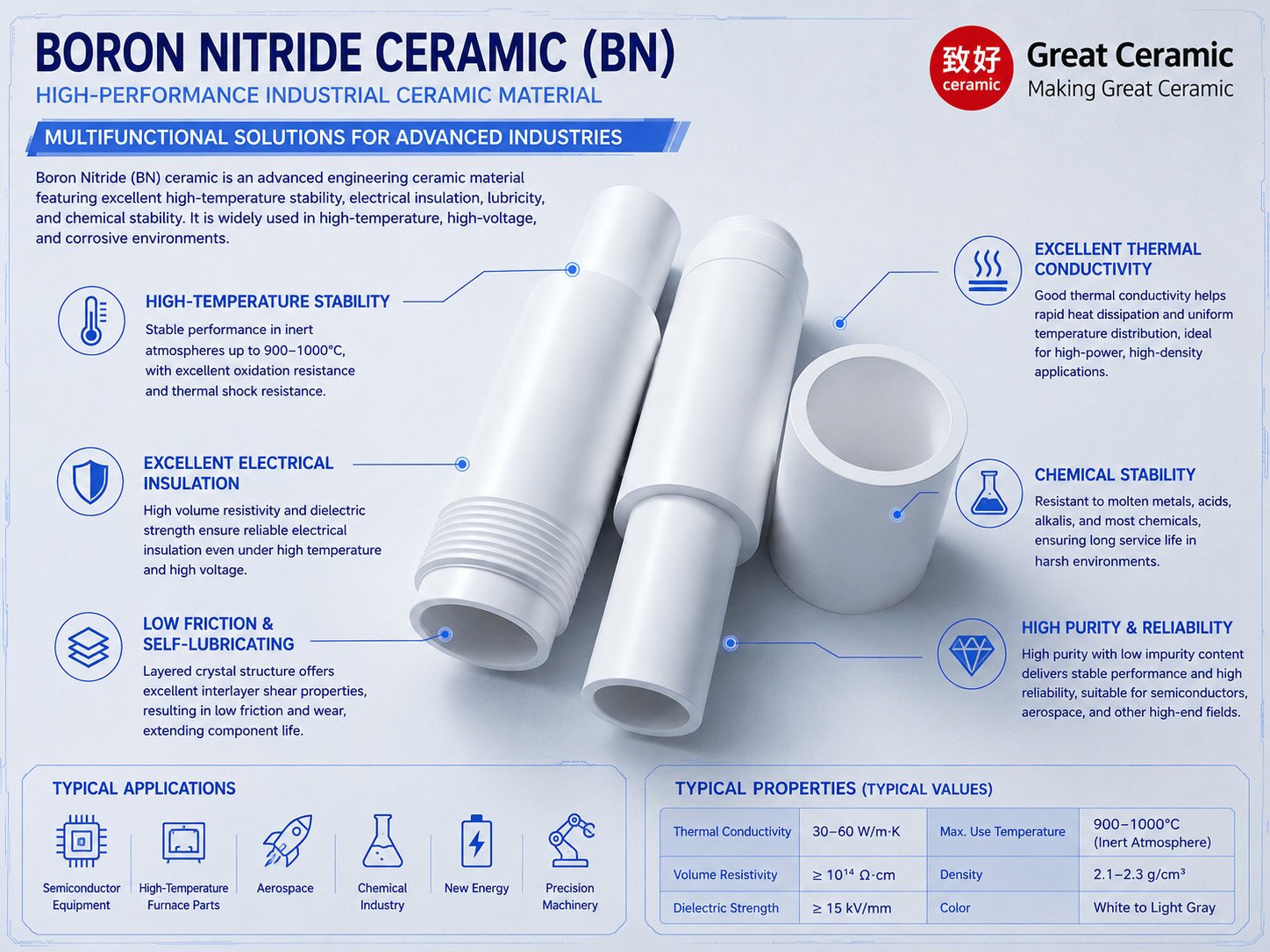
Hot-pressed h-BN has a layered, lubricious structure that supports drilling, milling, slots, and thin insulating features. Directional behavior means critical load paths and tolerances should be reviewed against the pressing orientation.
Purity And Composite Grades
Purity-focused grades suit contamination-sensitive thermal or electrical isolation, subject to project-specific grade confirmation. Composite or reinforced BN grades trade some machining freedom for greater strength or wear resistance in metal-contacting nozzles, guides, and break rings.
Blank Forms And Components

Rods favor turned sleeves, pins, and insulators; plates favor substrates, spacers, and fixture faces. Tubes, crucibles, nozzles, and custom jigs should begin with the mating geometry, thermal exposure, and wear location—not a material name alone.
4. Boron Nitride Grade Selection and Material Properties
Request the actual grade data sheet before selecting BN. Purity, bulk density, open porosity, and thermal conductivity must be reported with grade, test method, temperature, and measurement direction.
| Environment | Priority | Data-Sheet Check |
|---|---|---|
| Vacuum electrical fixture | Insulation, low contamination | Purity, resistivity, vacuum limit |
| Molten-metal contact | Non-wetting, thermal shock | Compatibility, porosity, temperature |
| Furnace support | Heat flow, atmosphere stability | Conductivity direction, expansion, limit |
| Sliding seal or guide | Low friction, wear balance | Lubricity, density, mating surface |
Properties To Specify
Electrical resistivity, dielectric strength, thermal expansion, chemical compatibility, and lubricity should be tied to the service medium and mating material.
Published values are not interchangeable: platelet alignment, binders, and porosity can change directional heat flow and insulation behavior.
- State purity and binder system
- Report density and open porosity
- Name conductivity direction and test temperature
Atmosphere Temperature Limits
Temperature limits must identify air, vacuum, inert, or reducing atmosphere. Oxidation and volatilization risks differ from nominal high-temperature stability.
Ask for the exposure duration, pressure, contaminants, and thermal-cycle profile used for any stated limit.
Application Selection Matrix
Select a grade from the operating environment, then confirm it against the drawing and acceptance criteria.
Use the supplier’s grade-specific data sheet rather than a generic BN property table.
5. Boron Nitride Ceramics Machining and Design Guide Rules
One drawing revision should define the finished part, not merely a nominal stock shape. This boron nitride ceramics machining and design guide treats geometry, orientation, and assembly interfaces as linked requirements.
Holes, Threads, And Slots
Two intersecting holes, narrow slots, and deep threads should be reviewed for tool access and remaining wall strength. Specify thread class, engagement length, hole depth, and whether a relief or runout is acceptable.
Walls And Internal Corners
One thin or unsupported feature can chip during machining or handling, even when its final load is low. Replace sharp internal corners with stated radii and identify edges that must remain protected.
Datums And Quotation Inputs
Three datum surfaces should locate critical dimensions where practical, with tolerances tied to functional interfaces rather than every dimension. Provide the current drawing, grade if known, mating-part details, surface requirement, quantity, service conditions, and acceptance criteria.
One directional property value may differ with BN orientation, so state any required machining or loading direction. Mark cosmetic surfaces separately from sealing, locating, or electrical-insulation surfaces.
6. Custom Component Features and Finishing Options
CNC-milled profiles, drilled passages, grooves, and threads can turn machinable BN stock into application-specific components. In a boron nitride ceramics machining and design guide, define mating surfaces and functional dimensions before requesting a quotation.
Functional Machined Features
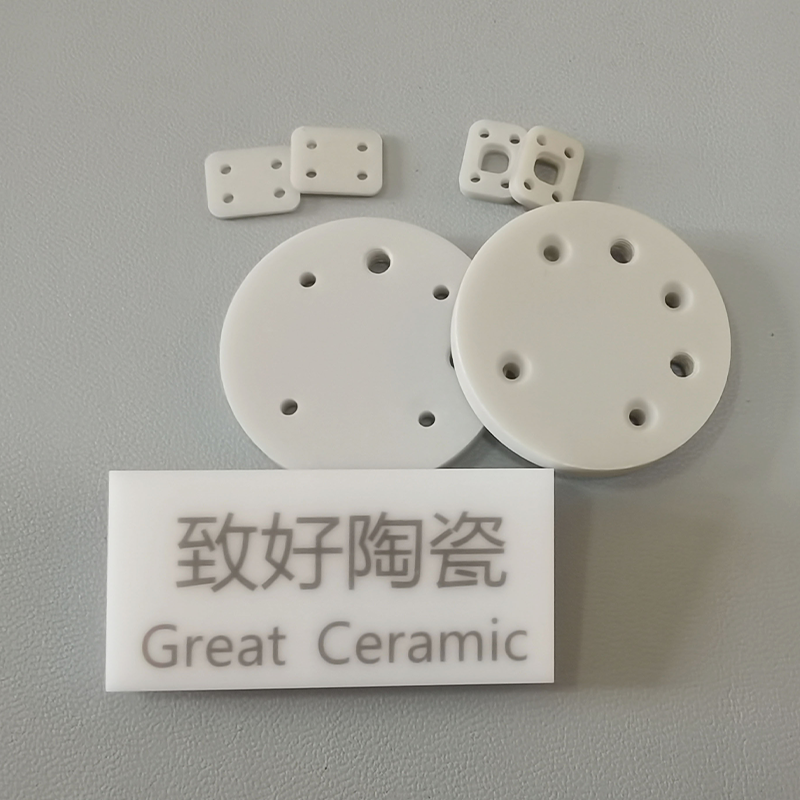
CNC operations can produce slots, pockets, passages, grooves, and threaded or mating features when the drawing identifies their assembly purpose. Use datum references to show which dimensions control fit, sealing, alignment, or flow.
Finish And Assembly Requirements
Machinable BN may be ready for use after machining without an additional firing step; confirm this against the selected grade and service requirement. Specify any surface finish, cleaning method, compatibility concern, and hardware or assembled-part interface with the supplier. Source: https://precision-ceramics.com/materials/boron-nitride
Documentation And Packaging
Inspection documentation should identify drawing revision, measured features, acceptance criteria, and any required material records. Clean or fragile parts need agreed handling, protective separation, and packaging requirements before production release.
- Current drawing revision
- Critical-dimension inspection results
- Cleanliness and packaging instructions
7. Quality Controls for Machined BN Components
For each production lot, link the finished part to its incoming BN grade, supplier certificate, and drawing revision. The boron nitride ceramics machining and design guide should define measurable acceptance criteria before release.
Material And Lot Records
One lot record should retain material designation, receiving identity, machining route, and inspection results. Grade-specific properties must be verified against the agreed documentation, not inferred from appearance.
- Record traceable lot identification
- Confirm grade designation
- Preserve drawing revision
Dimensions And Surface Condition
100% critical dimensions should be measured using the datum scheme on the drawing. Inspect edges for chips, cracks, burrs, and loose particles; specify flatness and surface finish where mating or sealing performance depends on them.
- Inspect critical fits
- Define allowable edge damage
- Document flatness and finish
Application-Specific Release
Vacuum parts need cleanliness and contamination controls; electrical insulators need surface and dimensional checks. Thermal-cycling parts need edge-condition and fit review, while molten-material parts need grade confirmation and mating-interface checks.
- Vacuum: cleanliness and traceability
- Electrical: insulation-critical geometry
- Thermal cycling: edges and fit
- Molten material: grade and interface
8. How to Qualify a Boron Nitride Manufacturer
Three documents reveal more than a price: the drawing review, inspection plan, and material record. Use the boron nitride ceramics machining and design guide to compare responses against the same revision.
Engineering And Prototype Review
One credible response identifies datum surfaces, tolerances, grade assumptions, and service-condition gaps before quoting.
A prototype plan should state sample quantity, approval points, machining route, and what changes require a revised drawing.
- Drawing revision and critical features
- Prototype acceptance criteria
- Ceramic-specific machining risks
Evidence Before Award
Two capability checks matter: ask for inspection methods matched to critical dimensions and a grade-specific material certificate or traceable documentation.
A generic quotation lists price and delivery; a technical quotation records open questions, feasibility limits, and inspection commitments.
- Measurement equipment and reporting format
- Material designation and lot traceability
- Quality-system scope and exclusions
Capacity And Change Control
Four commercial controls reduce launch risk: confirm capacity assumptions, prototype-to-production lead time, communication owner, and change-notification process.
Any change to grade, process, subcontracting, drawing, or inspection method should require documented buyer approval before production proceeds.
- Quoted quantity and capacity basis
- Lead-time milestones
- Written change-control trigger
9. Common BN Design and Sourcing Mistakes
Eight release-stage errors recur in BN projects because a material name replaces a complete part requirement. Use the boron nitride ceramics machining and design guide as a review prompt before quotation release.
Price And Grade Assumptions
Two quotations can differ because grade, density, binder system, stock form, machining scope, and inspection differ. Ask: Which grade-specific properties and supplied conditions support this price comparison?
Service Conditions And Geometry
Three omitted inputs—atmosphere, temperature, and mating load—can invalidate a seemingly suitable BN choice. Ask: What gases, thermal cycles, contact forces, and contamination limits will the finished part experience?
One thin wall, sharp internal corner, or unsupported tab can concentrate handling and assembly stress. Ask: Which features can be thickened, radiused, or supported without changing function?
Tolerances, Datums, And Validation
Two critical dimensions without functional datums create ambiguous inspection and assembly results. Ask: Which datum scheme, mating dimensions, and measurement method define acceptance?
One prototype can expose fit, sealing, thermal, and handling issues before production quantity commits cost. Ask: What test conditions and pass/fail criteria must the prototype demonstrate?
Packaging And Transit
One acceptable inspected component can arrive damaged if brittle edges, cavities, or thin sections lack restraint. Ask: What individual protection, orientation, labeling, and incoming-inspection checks are required for shipment?
10. Boron Nitride Component Pricing and Launch Steps
Three cost drivers start with the selected BN grade, blank dimensions, and material yield; large or thin-wall blanks can raise scrap exposure. Feature count, deep bores, tight tolerances, and specified surface requirements add machining time.
Two quote controls are inspection scope and order quantity. First-article measurement, traceability, custom fixtures, packaging, and expedited delivery should be identified separately; pricing requires the current drawing and written specifications.
Five launch steps keep OEM and distributor orders actionable: submit the drawing and forecast, confirm grade and critical dimensions, review the quotation, approve the first article when required, then release production and delivery instructions.
| Stage or tier | Typical cost emphasis | Buyer input |
|---|---|---|
| Prototype | Setup, fixturing, inspection | Revision-controlled drawing |
| Repeat batch | Blank yield, cycle time | Forecast and acceptance plan |
| Expedited release | Scheduling, packaging, freight | Required delivery date |
Discuss Your Boron Nitride Ceramic Part
Email your drawing, material designation, operating conditions, quantity, and acceptance criteria to info@zlrsmaterials.com, or contact Porcecore on WhatsApp at +86 130 6482 5920.