
Boron Nitride Ceramic Components for Defined Mechanical and Wear Requirements
Discuss your part drawing, service conditions, and acceptance requirements with Porcecore.
Featured Technical Ceramic Components for Project Development
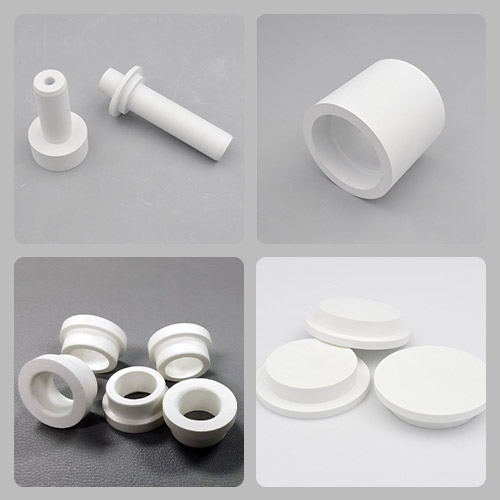


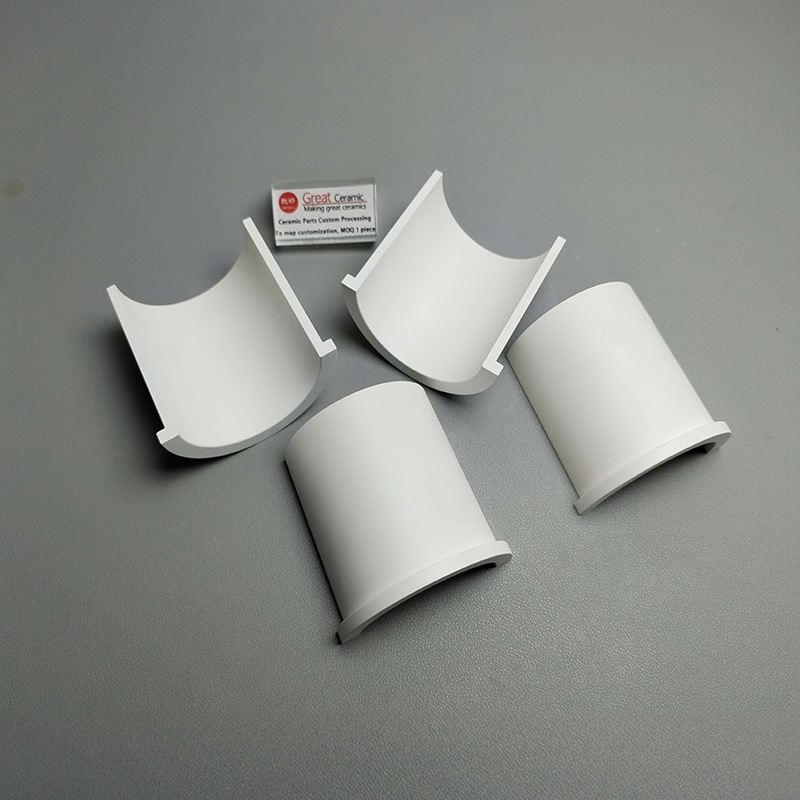
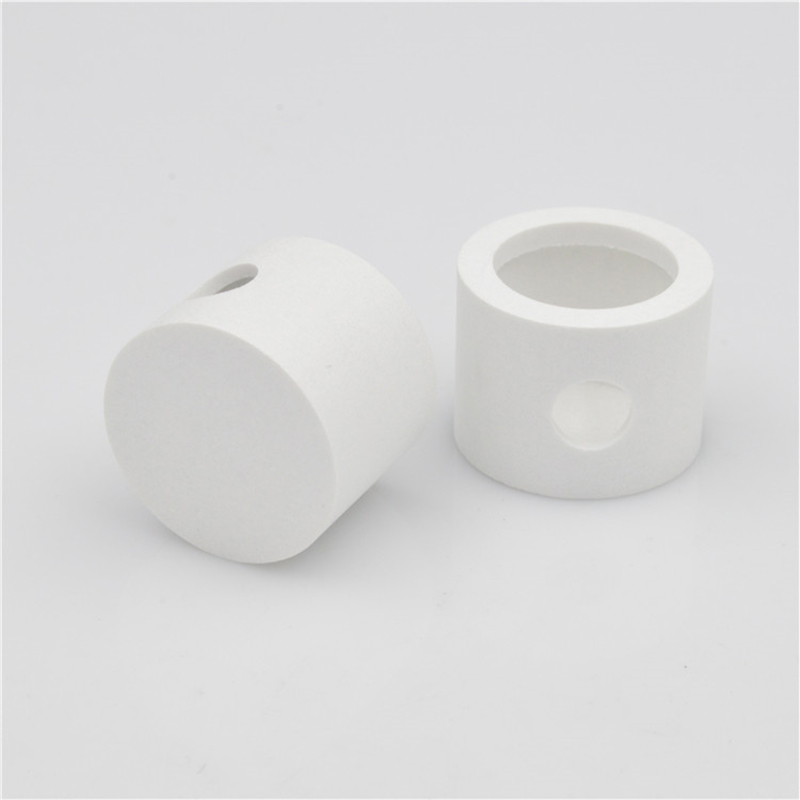

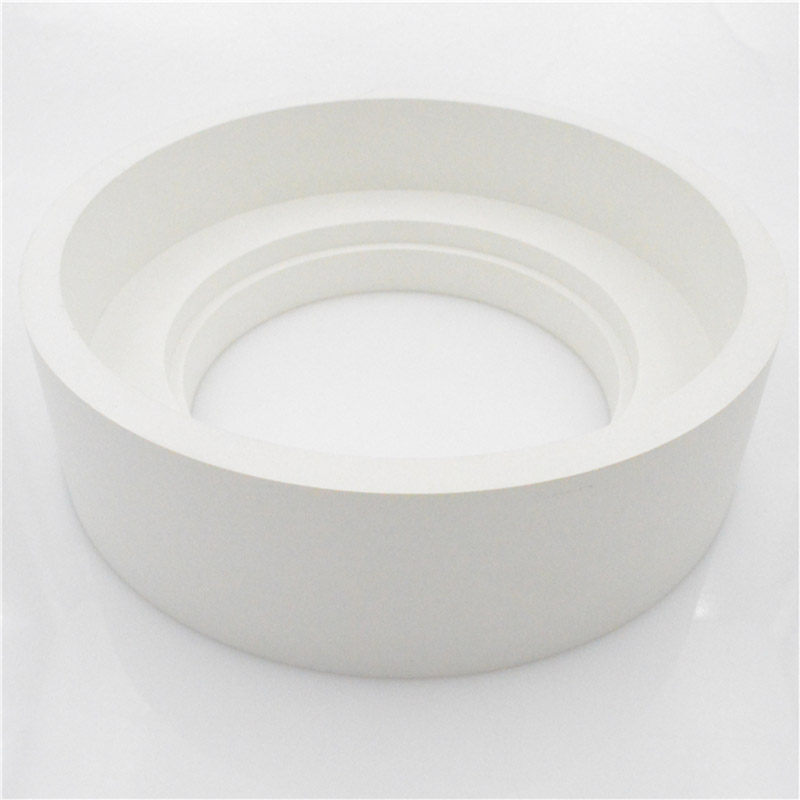


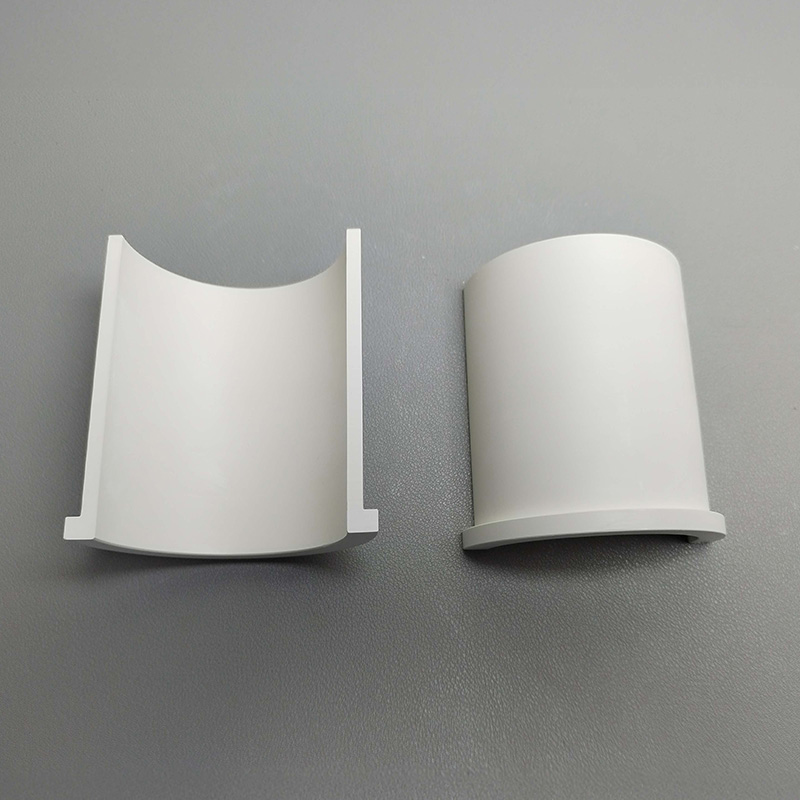


Related Boron Nitride Components Catalogue and Quotation



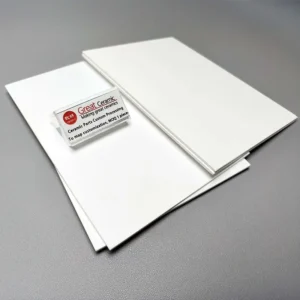


Boron Nitride Ceramics Mechanical and Wear Performance, Defined for Sourcing
Porcecore helps project teams turn material questions into clearer component requirements before a quotation discussion begins.
Current Drawing Revision
Share the current drawing revision so dimensions, notes, interfaces, and open changes can be reviewed against the component requirement rather than an outdated reference.
Grade Selection Context
Identify the boron nitride grade or material designation when known, then relate it to service conditions, wear concerns, electrical needs, and thermal exposure.
Geometry and Assembly Fit
Define the tube, rod, ring, substrate, or custom form alongside the dimensions and mating relationships that govern assembly, alignment, and functional performance.
Process Route Discussion
Discuss the intended forming and finishing approach in relation to part geometry, material choice, and the features that need practical review before commitment.
Functional Surface Priorities
Mark surfaces that seal, slide, locate, contact, or mate with another part so their finish and dimensional requirements receive appropriate attention.
Inspection Evidence Requirements
State the acceptance criteria and documentation needed for approval, helping distinguish essential inspection evidence from preferences during the project-specific quotation conversation.
Boron Nitride Components by Application and Form
Explore technical ceramic options through the part’s function, operating environment, geometry, and documentation requirements before defining a project-specific inquiry.

Ceramic Manufacturing Capabilities
Review ceramic manufacturing capabilities in relation to the required component form, drawing dimensions, mating surfaces, tolerances, quantity, and inspection needs. Share the current drawing revision so the discussion can focus on feasible material, geometry, and acceptance requirements.
Discuss Your Ceramic Part
Ceramic Solutions by Industry
Explore advanced ceramics applications by the conditions a part must withstand, including electrical insulation, thermal exposure, wear, chemical contact, or replacement compatibility. Application details help identify the questions that should be resolved before a material or component is quoted.
Discuss Your Ceramic Part
Advanced Ceramic Materials
Compare advanced ceramic materials, including boron nitride alongside oxide, nitride, carbide, and specialty ceramic families. Material selection should be considered with service conditions, part geometry, joining surfaces, and grade-specific requirements rather than by material name alone.
Discuss Your Ceramic Part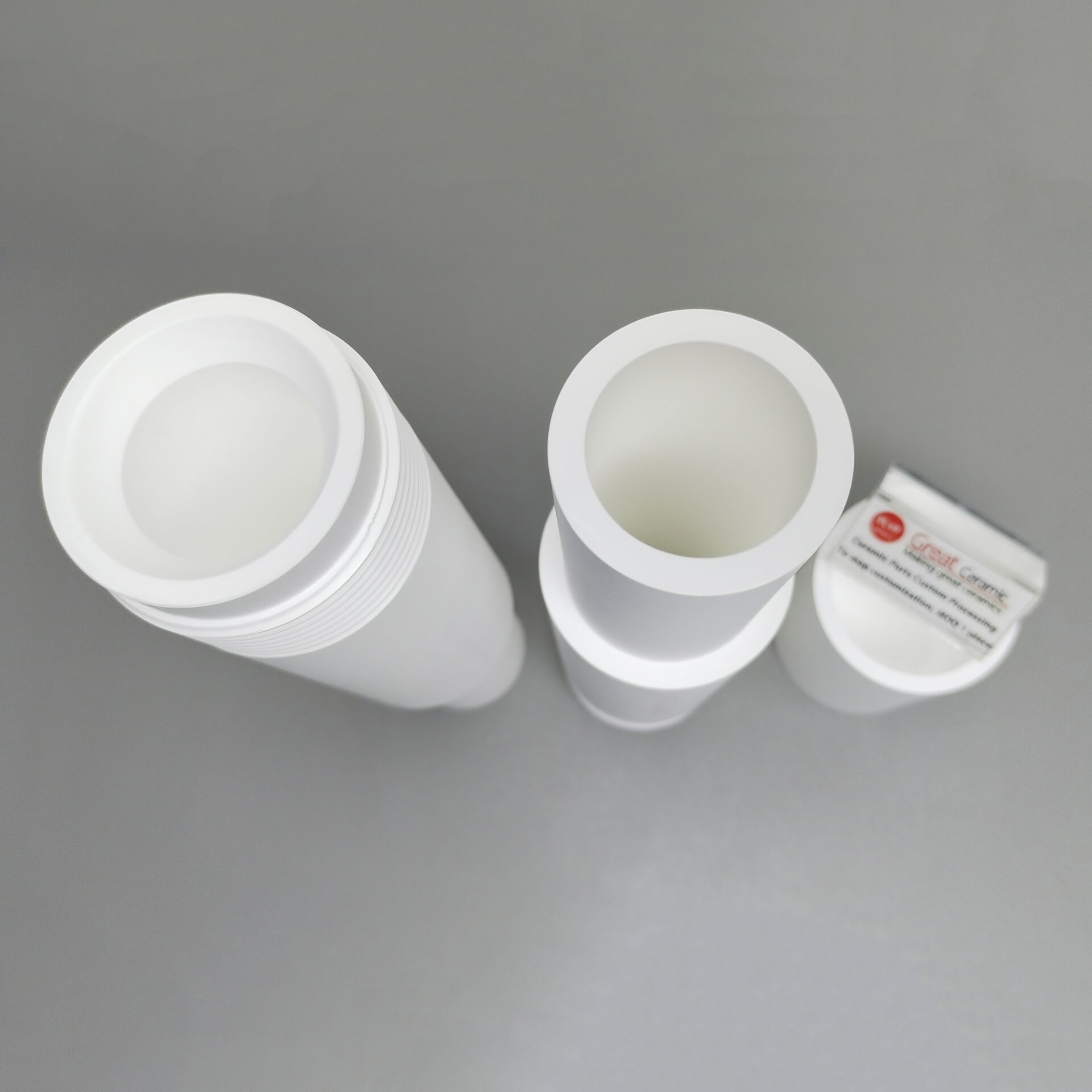
Technical Ceramic Products
Browse industrial ceramic parts and technical ceramic components, including tubes, rods, rings, plates, substrates, and custom ceramic components. Use a product category as a starting point, then provide drawings and assembly-critical dimensions for a project-specific discussion.
Discuss Your Ceramic Part
Technical Ceramic Resources
Use this technical ceramics guide to prepare a clearer inquiry: identify the component’s job, current drawing, material designation if known, quantity, operating environment, fit-critical surfaces, and required documentation. Contact Porcecore by email or WhatsApp to discuss open requirements.
Discuss Your Ceramic PartBoron Nitride Ceramics Mechanical and Wear Performance: Material Options


Silicon Nitride
Evaluate silicon nitride for demanding mechanical components such as rolling-contact parts, guides, and wear elements. Its strength and thermal-shock behavior must be assessed alongside geometry, surface finish, loads, and inspection criteria.

Silicon Carbide Ceramics
Consider silicon carbide for wear-facing, thermally exposed, or chemically demanding component duties. Hardness and corrosion resistance are only starting points; confirm the grade, sealing interfaces, operating medium, and tolerances.

Alumina Ceramics
Use alumina as a comparison material for insulating, wear-related, and general structural ceramic parts. Composition, density, surface condition, dimensional complexity, and service temperature should be reviewed against the drawing.

Zirconia Ceramics
Evaluate zirconia where toughness and wear performance are relevant to a component’s function. Grade selection depends on contact stress, thermal exposure, mating surfaces, geometry, and the acceptance requirements of the assembly.

Aluminum Nitride
Consider aluminum nitride for electrically insulating components where heat transfer is part of the application. Confirm substrate or component geometry, thermal interfaces, operating environment, documentation, and dimensional requirements before quotation.
Supported Manufacturing and Finishing Processes

Grade Selection Review
Review the known material designation, service environment, and mechanical or wear concerns alongside the drawing. This helps identify open grade questions before a component requirement is treated as ready for quotation.

Forming Route Discussion
Discuss the component form, overall geometry, wall sections, and planned quantity to clarify which forming considerations may affect the part. Final process suitability remains subject to project-specific material and manufacturing review.

Precision Machining Planning
Identify dimensions that control assembly, critical bores, threads, slots, and interfaces with mating parts. Drawing revisions and tolerances give the machining conversation a clearer basis than a material name alone.

Surface Finish Definition
Define the surfaces that require a particular finish, flatness, edge condition, or contact behavior. Separating functional surfaces from noncritical areas helps focus the requirement and supports a more useful technical discussion.

Inspection Requirement Review
Specify acceptance dimensions, inspection methods, documentation needs, and any project approval expectations. These details help align the quotation discussion with how the finished ceramic component will be evaluated.
Supported Component Features and Specification Details

Mating Surfaces
Identify faces that contact metal, ceramic, seals, or other assemblies. Note flatness, finish expectations, contact loads, and alignment requirements so the interface can be reviewed alongside the selected boron nitride grade.

Precision Holes
Specify through holes, blind holes, threads, counterbores, and critical center locations from clear drawing datums. Include tolerances and any assembly function to focus the quotation discussion on dimensions that affect fit.

Functional Grooves
Share groove profiles for seals, retention, fluid paths, or clearance. Width, depth, radii, location references, and mating-part information help distinguish a visual feature from a requirement that controls component performance.
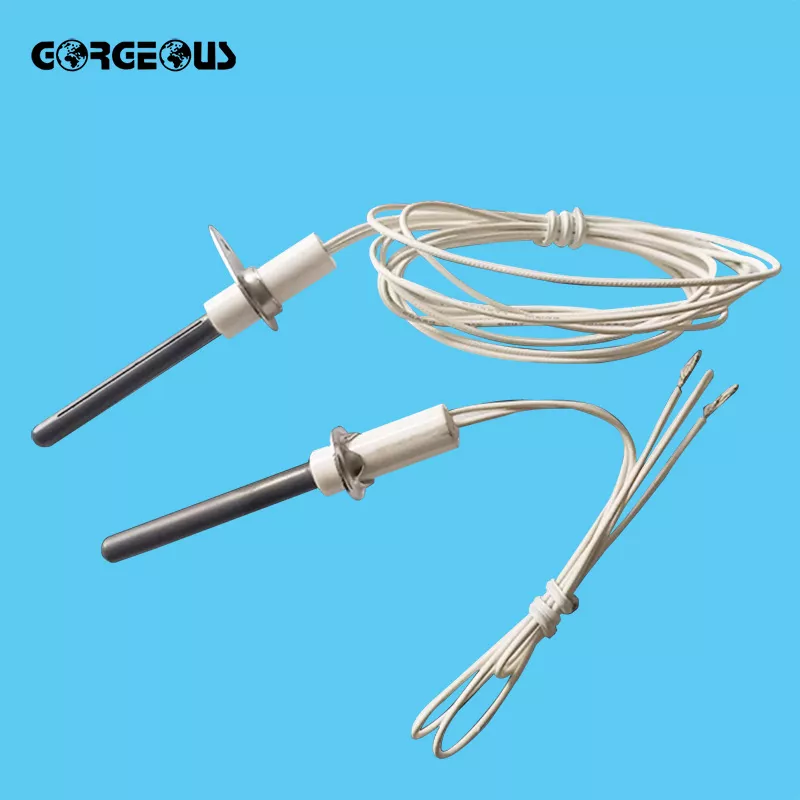
Datum References
Mark the dimensions that govern assembly and establish the datum scheme used for inspection. A current drawing revision helps connect overall geometry, critical relationships, and acceptance priorities before a project-specific quotation is prepared.

Inspection Documentation
State the documentation needed for project review, such as dimensional records, material designation, or agreed inspection requirements. Clarifying these needs early supports a more informed discussion of grade, geometry, quantity, and acceptance criteria.
Boron Nitride Ceramics Mechanical and Wear Performance
Porcecore is a B2B technical ceramics brand founded by Andy Yuan for industrial buyers, equipment builders, and engineering teams. Our mission is to make material selection and component sourcing easier to discuss by connecting boron nitride ceramics mechanical and wear performance with the actual job a part must perform.
Our coverage spans oxide, nitride, carbide, and specialty ceramic materials in familiar forms such as tubes, rods, rings, and substrates. We work from drawings, mating surfaces, service conditions, quantities, and inspection expectations, helping turn an initial inquiry into a clearer quotation conversation.
Porcecore takes an application-first, drawing-led approach. A product illustration or general material property is not a contractual specification; grade, geometry, tolerances, documentation, delivery, and commercial terms require project-specific confirmation. Send a current drawing revision and operating requirements to begin defining the next decision.
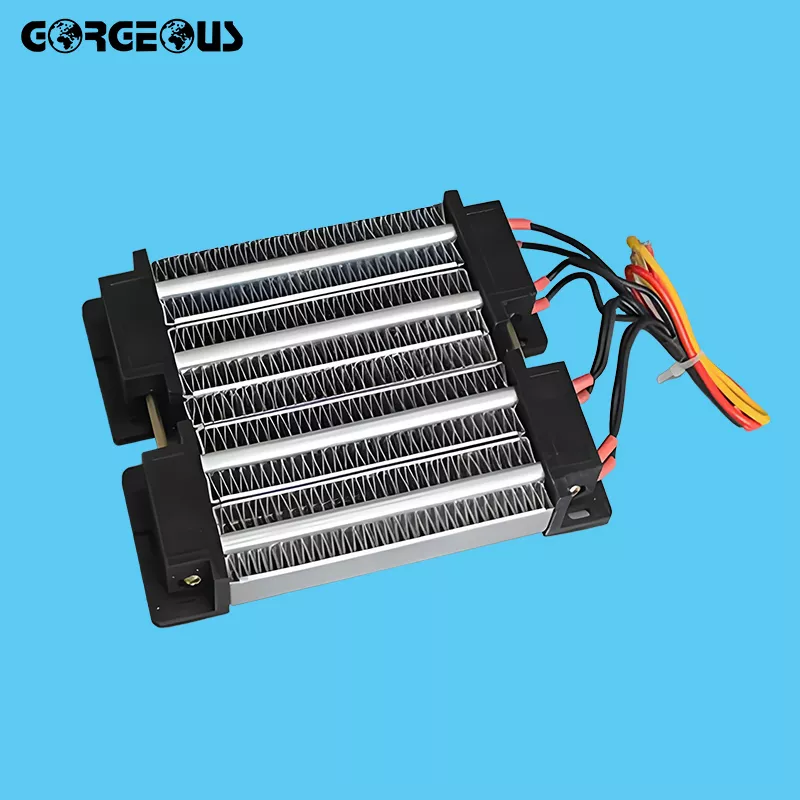
Boron Nitride Ceramics Mechanical and Wear Performance, Evaluated by Application
Define the Service Window
Review temperature, atmosphere, contact media, electrical role, loading pattern and duty cycle together. Boron nitride ceramics mechanical and wear performance should be considered against the actual service window, rather than inferred from a general material label or a product image.
- Record continuous and intermittent temperature exposure
- Identify vacuum, inert, molten-material or chemical contact
- Describe load direction, cycling and sliding conditions
- Note electrical insulation or thermal-management needs

Map Geometry and Interfaces
A workable ceramic component begins with the dimensions that control assembly. Share the current drawing revision and identify bores, threads, radii, mating faces and critical surfaces so the quotation discussion can focus on geometry that affects fit, motion and wear exposure.
- Mark datum references and assembly-critical dimensions
- Identify mating materials and contact locations
- Call out surface finish and edge requirements
- Include section views for internal features

Question the Grade Choice
Boron nitride grades and composite options can differ in machinability, mechanical behavior and suitability for a given environment. Porcecore helps frame the selection questions around the part’s job, while grade-specific properties and availability remain subject to project confirmation.
- State the known material designation, if any
- Describe the primary failure or wear concern
- Separate required properties from preferences
- Consider complementary ceramic materials when appropriate

Set Acceptance Requirements
Clear acceptance criteria make boron nitride ceramics mechanical and wear performance easier to evaluate at the component level. Define tolerances, inspection points, documentation and quantity early, then confirm the agreed material grade, dimensions, delivery and commercial terms for the individual project.
- List tolerances and inspection methods
- Specify documentation needed for approval
- Provide required quantity and target timing
- Send drawings to info@zlrsmaterials.com or WhatsApp +86 130 6482 5920

Boron Nitride Ceramics Mechanical and Wear Performance: Drawing-Led Sourcing
Compare a component-focused inquiry with a material-only starting point before quotation details are confirmed.
← Swipe left or right to view →
Boron Nitride Ceramics Mechanical and Wear Performance: From Requirement Review to Delivery Discussion
A drawing-led process to clarify the part, service conditions, inspection expectations, and commercial details before production commitments are confirmed.
Define Part Requirements
Share the current drawing, component form, target quantity, mating surfaces, operating environment, and the dimensions that determine fit, function, and assembly.
Review Material Considerations
Discuss boron nitride ceramics mechanical and wear performance alongside temperature, contact conditions, electrical needs, and any grade designation already specified for the project.
Clarify Quotation Details
Confirm open questions around geometry, tolerances, finishing requirements, documentation, acceptance criteria, delivery expectations, and commercial terms before a quotation discussion progresses.
Confirm Production Scope
Align the agreed part requirements, material grade, drawing revision, quantity, and inspection expectations so the production discussion has a clear project-specific basis.
Discuss Packing And Delivery
Review packing needs, shipment timing, requested documents, and delivery terms for the individual order, with final arrangements confirmed through direct project communication.
Define Boron Nitride Ceramics Mechanical and Wear Performance
Bring the part, service conditions, and approval expectations into one focused quotation discussion.
Send the Current Drawing
Share the current drawing revision and identify dimensions, tolerances, and surfaces that control fit, assembly, sealing, motion, or wear behavior.
Describe the Material Need
Provide the boron nitride designation if known, or explain the boron nitride ceramics mechanical and wear performance required for the application.
Clarify Service Conditions
Outline operating temperature, contact materials, load, motion, atmosphere, electrical conditions, and any process media that may affect component selection.
Set Quantity and Acceptance
State prototype or production quantity, inspection expectations, required documentation, and acceptance criteria so essential requirements can guide the quotation discussion.
Customer Evidence Publication Standards
Boron Nitride Ceramics Mechanical and Wear Performance: Customer Project Feedback
This testimonial slot is reserved for approved customer feedback or a documented application case. Publish only after the project outcome, component requirement, customer identity, and any reported performance figures have been verified for release.
This case-study slot is reserved for a documented boron nitride component application. Before publication, confirm the drawing revision, service conditions, acceptance criteria, and any measured wear or mechanical outcome with the authorized customer contact.
This testimonial slot is reserved for an approved sourcing outcome. Any statement about quantity, lead time, fit, wear life, or performance must be supported by project records and cleared by the customer before it appears here.
Boron Nitride Ceramics Mechanical and Wear Performance FAQ
Clarify the part requirement, quotation inputs, and project-specific confirmation points before sourcing.
What should we provide to assess boron nitride ceramics mechanical and wear performance for our part?
Can Porcecore recommend a grade based on boron nitride ceramics mechanical and wear performance requirements?
How do general boron nitride ceramics mechanical and wear performance properties differ from a part specification?
Which drawing details matter most for a ceramic component quotation?
Can we request samples or an initial production quantity?
How are tolerances and functional surfaces reviewed?
What information is needed to discuss lead time, payment, and shipping?
How should we handle drawings and project information for a quotation?
Boron Nitride Ceramics Mechanical and Wear Performance Buyer’s Guide
Use this decision framework to compare boron nitride grades, evaluate mechanical and wear requirements, qualify suppliers, control total component cost, and avoid specification mistakes that cause premature failure or sourcing delays.
1. Boron Nitride Ceramics Mechanical and Wear Performance
Two BN phases set different expectations: layered hexagonal BN is valued for lubricity and machinability, while cubic BN is a much harder abrasive material. Neither description alone establishes a part’s load capacity, wear rate, or fracture margin (https://precision-ceramics.com/materials/boron-nitride).
Six measures should be stated before quotation: flexural or compressive strength, hardness, fracture behavior, density, wear mechanism, and dimensional tolerance after machining. Thermal conductivity, expansion, dielectric behavior, and insulation are separate requirements, even when they affect the service environment.
Three contact details often decide service life: mating material and surface finish, contact pressure and motion, and temperature, atmosphere, or melt exposure. Phase, grade, platelet orientation, density, and binder system can change the response; request grade-specific data and define acceptable inspection criteria rather than relying on general boron nitride ceramics mechanical and wear performance claims (https://www.kennametal.com/us/en/products/sintec-ceramics/boron-nitride-and-ceramic-components.html).
2. Development of Boron Nitride Ceramic Grades
Hexagonal boron nitride (h-BN), often called white graphite, has a layered structure that explains its lubricity, electrical insulation, and relatively easy machining. Early grade choices therefore favored fixtures, insulators, and molten-metal-contact parts where conformal machining and non-wetting behavior mattered more than wear strength. Source: https://precision-ceramics.com/materials/boron-nitride
Hot pressing transformed h-BN powder into denser, usable solids while allowing compositions to be tuned with binders or secondary ceramics. That processing history still matters: specify whether a part needs machinability, thermal-shock tolerance, dielectric behavior, or contact stability before treating BN as a single material. Source: https://www.kennametal.com/us/en/products/sintec-ceramics/boron-nitride-and-ceramic-components.html
99%+ high-purity grades are selected when contamination control and high-temperature insulation outweigh structural wear demands, while composite systems add phases to improve mechanical and wear performance. For a current drawing, identify the mating material, temperature cycle, atmosphere, and wear mechanism; these legacy grade tradeoffs determine the appropriate specification. Source: https://www.advaluetech.com/boronnitride
3. Boron Nitride Ceramics Mechanical and Wear Performance Types
Boron nitride ceramics mechanical and wear performance depends first on crystal form and consolidation route. 5 common families separate lubricious insulation duties from cutting-grade hardness and reinforced wear service.
Hexagonal Boron Nitride
h-BN has a layered, graphite-like structure that supports lubricity and easy machining. Use it for crucibles, nozzles, and insulators; low hardness limits sliding-wear duty.
Cubic Boron Nitride
c-BN is a superhard phase suited to abrasive grains, inserts, and grinding tools. It targets hardened-metal machining, not easily machined refractory shapes. https://thermic-edge.com/exploring-the-world-of-boron-nitride-ceramics
Pyrolytic Boron Nitride
PBN is deposited in thin, high-purity layers for crucibles, boats, and heater-adjacent parts. Its anisotropy and specialized processing can limit geometry and cost flexibility.
Hot-Pressed Boron Nitride
Hot-pressed BN produces machinable solid tubes, rings, and fixtures with useful thermal stability. Binder system, density, and orientation require grade-specific confirmation. https://precision-ceramics.com/materials/boron-nitride
Wear-Enhanced BN Composites
BN composites add hard ceramic phases to improve wear resistance beyond pure h-BN. Specify rollers, guides, break rings, or nozzles where counterface, load, and molten-media compatibility govern selection.
4. Boron Nitride Ceramics Mechanical and Wear Performance Materials
Material selection starts with the grade, not the BN label. Purity, binder chemistry, reinforcement, density, platelet orientation, and hot-pressing or deposition route can change the usable performance window.
| Family | Strength/Wear | Machinability | Thermal Shock | Electrical Insulation | Typical Use |
|---|---|---|---|---|---|
| High-purity h-BN | Low to moderate | High | High | High | Crucibles, insulators |
| Binder-bonded h-BN | Moderate | High | Good | High | Nozzles, fixtures |
| Reinforced BN composite | Higher; improved wear | Moderate | Grade-dependent | Grade-dependent | Guides, break rings |
Variables That Change Performance
99% purity alone does not establish wear life: binder phases and zirconia, silicon carbide, or aluminum nitride additions can shift strength, lubrication, and conductivity.
Source: https://precision-ceramics.com/materials/boron-nitride
Read Values By Direction
Two test directions may produce different results because aligned BN platelets make properties anisotropic. Compare grade-specific density, flexural-test direction, temperature, and environment before approving a drawing.
Match Family To Duty
Three families illustrate the trade-off; confirm composition and acceptance values for the quoted grade.
5. Custom Component and Surface Options
A current drawing revision determines whether a BN blank is sufficient or a finished part is needed. For boron nitride ceramics mechanical and wear performance, specify the working face and its mating component before machining begins.
Choose The Part Form
Rods, plates, and tubes suit parts with simple stock geometry; nozzles, insulators, guides, and rollers usually require finished features. Identify the material allowance, final dimensions, and surfaces retained from the blank.
Define Machined Features
Hole diameter, thread form, groove profile, edge condition, and datum scheme affect tool access and inspection. Call out tight tolerances only on assembly-critical dimensions, and state surface finish where friction, sealing, or material flow depends on it.
Validate Surface And Grade
Platelet orientation can influence directional behavior, so show load direction and contact path on the drawing. Coatings and BN composite grades require application validation against temperature, media, pressure, and counterface; they should not be selected from generic wear assumptions.
6. Construction Details That Control Service Life
Two visually similar BN components can fail differently because grade formulation, density, porosity, and machining damage change local strength and wear behavior. Treat the drawing and inspection plan as one service-life specification.
Geometry And Stress Control
0.25 mm is a useful drawing starting point only when the application permits it; specify minimum edge radii, wall-thickness transitions, critical bore geometry, and prohibited sharp internal corners.
Two mating faces should identify flatness, surface finish, and fit dimensions, because local contact pressure can initiate chipping or cracking.
Material And Interface Definition
One material name is insufficient: state the agreed BN grade, density or porosity limit, orientation where relevant, and approved substitution rule.
Two contact materials require review for hardness, roughness, lubrication, contamination, and thermal expansion; a dry sliding interface may need a different grade than a lightly loaded insulator.
Incoming Inspection Criteria
100% visual inspection should define acceptable edge condition, cracks, chips, staining, and handling damage with agreed reference samples.
Three controls deserve recording: critical dimensions, density or mass-based checks where applicable, and documentation traceable to the agreed grade and drawing revision.
7. How to Select a BN Ceramic Manufacturer
Two documents should start qualification: a grade-specific data sheet and a drawing revision. For boron nitride ceramics mechanical and wear performance, require written confirmation of what each value, tolerance, and inspection result represents.
Verify Material Control
Each lot should be traceable to a grade, incoming material record, and finished-part identifier.
Ask whether formulation, pressing route, density target, or approved source can change without notification.
- Request lot-specific inspection records
- Confirm grade-specific property data
- Define change-control notice
Review Application Fit
Five service questions expose unsuitable assumptions before quoting: maximum temperature, vacuum level, molten medium, electrical duty, and sliding contact conditions.
State atmosphere, thermal cycling, mating material, load, speed, voltage, cleanliness, and permitted contamination.
- High temperature: peak and cycle profile
- Vacuum: outgassing and cleanliness limits
- Molten metal: alloy, dwell, and wetting
- Insulation: voltage, temperature, and geometry
- Sliding wear: load, speed, and counterface
Audit Production Readiness
One prototype lot can validate machining sequence, tolerances, critical surfaces, inspection method, packaging, and acceptance criteria.
Request realistic lead-time updates, lot-consistency controls, and protection against edge damage or particulate contamination during shipment.
- Confirm achievable tolerances by feature
- Review first-article records
- Specify protective packaging
- Agree revision-control process
8. Common Boron Nitride Sourcing Mistakes
For boron nitride ceramics mechanical and wear performance, procurement failures usually begin before quotation. A drawing without service data cannot establish a suitable grade, orientation, or acceptance test.
Treating BN As One Material
Grade names cover pure hexagonal BN, composite BN, and other forms; they are not interchangeable. Ask: Which grade composition and process are required for this duty?
Hardness is one property, not a service-life specification. Ask: What load, sliding speed, counterface, and allowable wear define acceptance?
Missing Direction And Environment
Hexagonal BN can be direction-sensitive because its layered structure affects properties by orientation. Ask: What material orientation must the drawing define relative to heat flow and contact?
Temperature and atmosphere can change the material-selection decision. Ask: What are the maximum temperature, ramp rate, vacuum or gas chemistry, and exposure duration?
Approving An Unrealistic Part
Severe abrasion may exceed the intended wear capability of a pure h-BN selection. Ask: Should a composite grade or another ceramic family be evaluated against the counterface?
Generic tolerances and untested samples conceal assembly risk. Ask: Which mating surfaces, datum scheme, inspection methods, and representative operating test must approve production?
9. From Requirement to Production Approval
A controlled sourcing sequence turns a material discussion into an approvable component plan. Start with the duty cycle and observed failure mode before requesting a grade recommendation.
Define The Service Window
Record 1 operating cycle: temperature range, atmosphere, contact load, speed, media, and expected life. Name the failure evidence—wear, cracking, sticking, leakage, or electrical breakdown.
Submit Design Inputs
Provide the current drawing revision, 3 critical assembly dimensions, tolerances, mating surfaces, quantity, and material designation if known. Attach photos of the failed part and state documentation or traceability requirements.
Qualify Before Reordering
Approve 1 prototype plan after technical review confirms candidate grade, manufacturability, and inspection method. Test under representative conditions, agree first-article acceptance criteria, then retain the approved revision and inspection record for repeat orders.
10. Boron Nitride Component Pricing and Lead Time
2 quotation stages should be separated: feasibility review first, then a project-specific commercial offer. Final pricing depends on geometry, tolerances, grade, testing, order volume, and the chosen production route.
1 current drawing revision should identify critical fits, surface requirements, and acceptance documentation. Porcecore can use those details to distinguish a prototype from a repeat-production requirement; indicative planning ranges below are not commitments.
| Quantity tier | Complexity and grade | Machining and inspection | Indicative lead-time range |
|---|---|---|---|
| 1–10 | Simple, established grade | Light machining; basic dimensional check | 2–6 weeks |
| 11–100 | Moderate geometry or composite grade | Multiple operations; defined inspection | 4–8 weeks |
| 100+ | Complex geometry or qualification-sensitive grade | Production tooling, testing, and documentation | 6–12+ weeks |
Discuss Boron Nitride Ceramics Mechanical and Wear Performance Requirements
Email your drawing, operating environment, quantity, and acceptance criteria to begin a focused quotation conversation with Porcecore.