
Boron Nitride Ceramics Properties and Selection Guide
Use this boron nitride ceramics properties and selection guide to connect material behavior, component drawings, service conditions, and quotation requirements.
Boron Nitride Ceramic Components for Defined Requirements

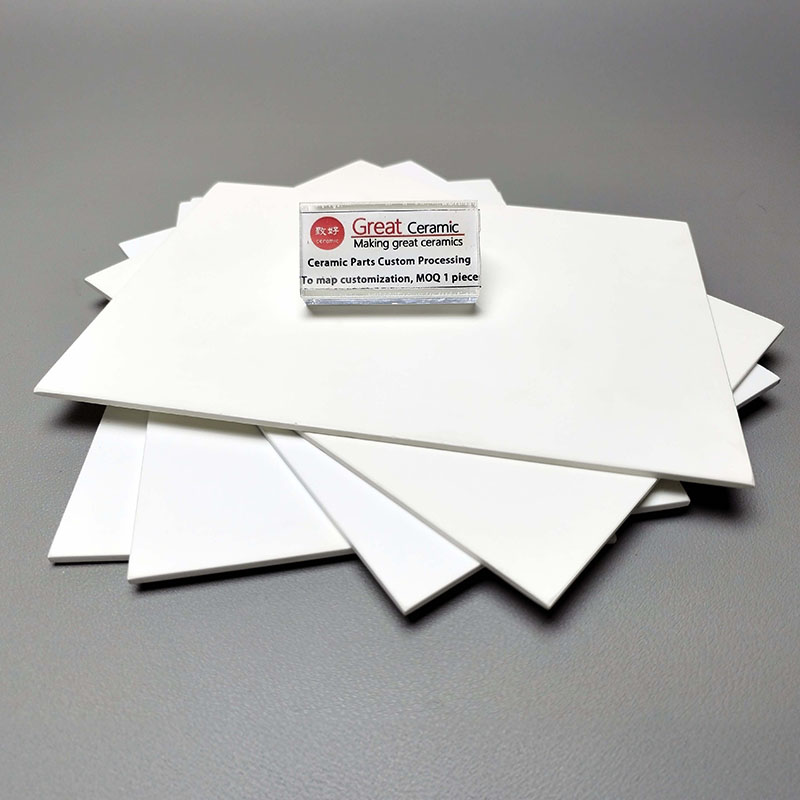

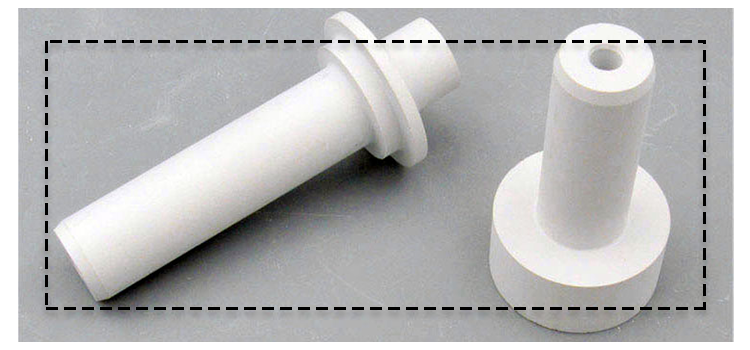
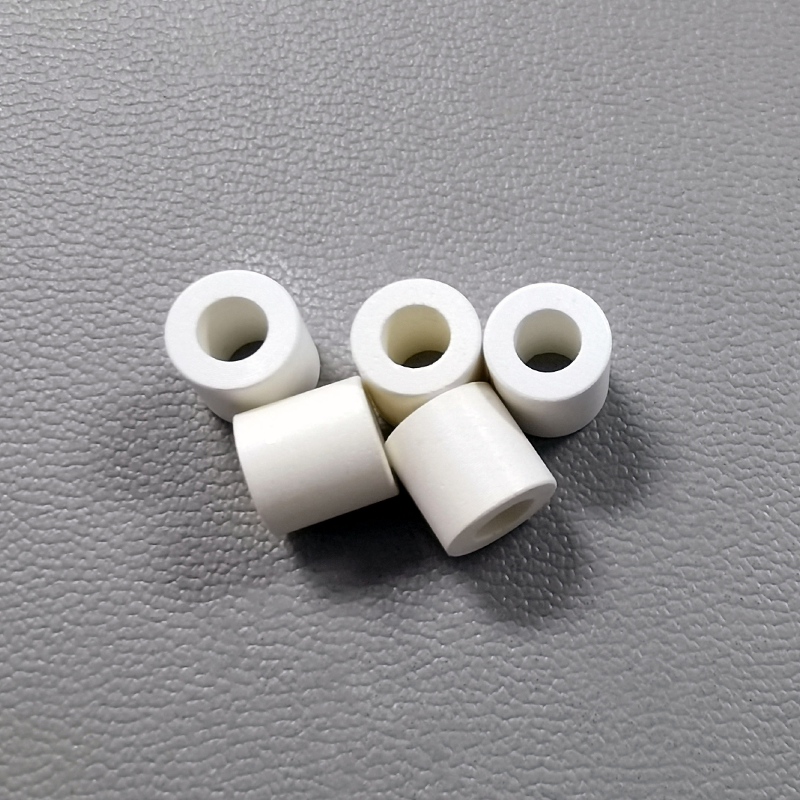

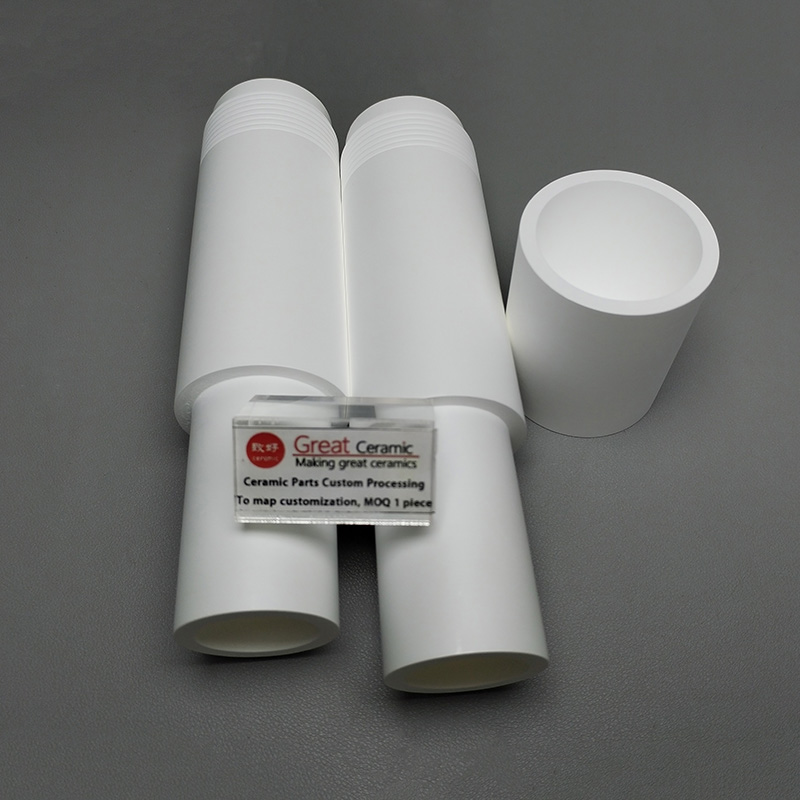

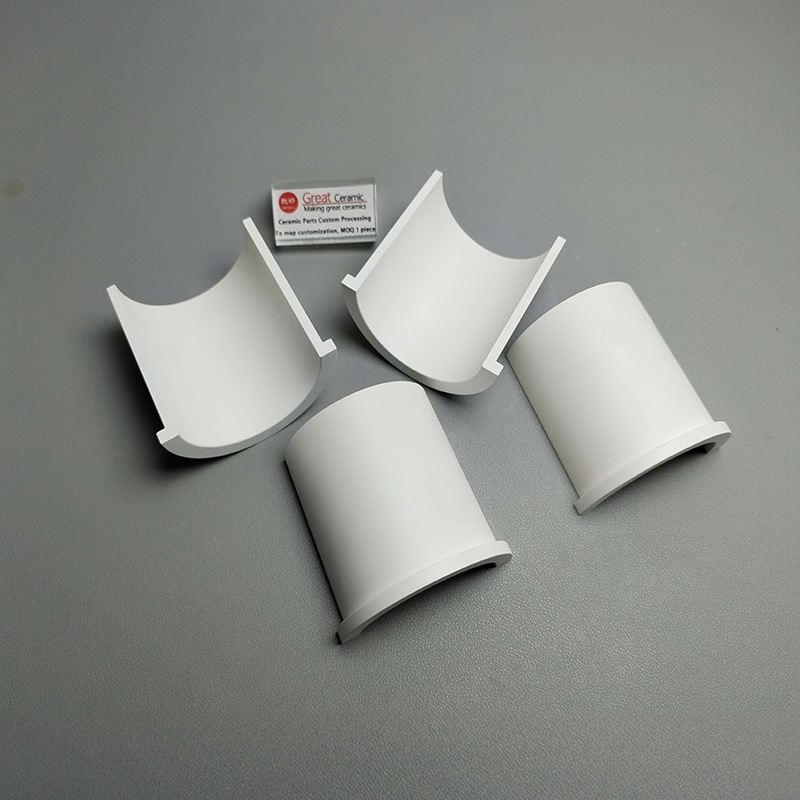


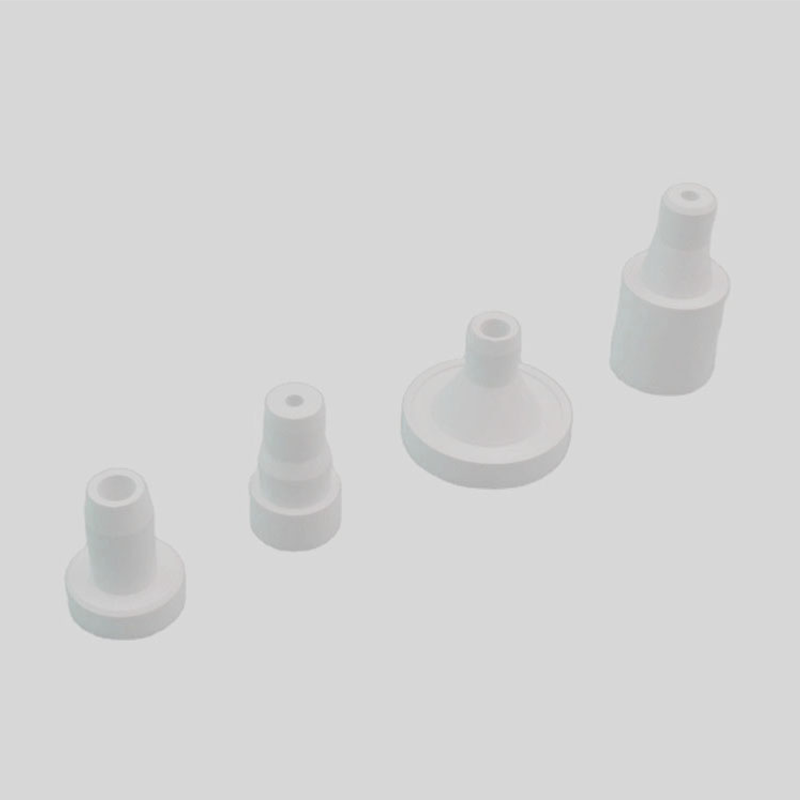


Related Boron Nitride Components and Quotation





Boron Nitride Ceramics Properties and Selection Guide: Why Engineers Evaluate the Details
Use this boron nitride ceramics properties and selection guide to connect material considerations with the actual component, operating environment, and acceptance requirements.
Map Thermal Duty
Define operating temperature, heat-flow path, thermal cycling, atmosphere, and adjacent materials before comparing boron nitride options. Performance depends on the specific grade, geometry, and service environment.
Confirm Electrical Isolation Need
Record voltage exposure, insulating interfaces, tolerable heat transfer, and nearby conductive parts. This frames whether electrical insulation and thermal-management priorities must be assessed together for the component.
Clarify Chemical Environment
Identify process media, molten contact, vacuum conditions, humidity, cleaning agents, and contamination limits. Environmental compatibility should be reviewed against the proposed grade rather than inferred from a general material label.
Set Geometry and Surfaces
Provide dimensions governing assembly, wall sections, holes, threads, and mating surfaces. Geometry and functional-surface requirements affect the feasible part design, machining discussion, and quotation basis.
Align Grade and Process Route
Specify the boron nitride grade or performance objective, then discuss forming and machining routes. Grade selection, complexity, and required features should be evaluated as one project-specific decision.
Define Inspection Evidence
State critical dimensions, tolerances, visual criteria, material documentation, and any inspection records needed for approval. Clear acceptance requirements help turn a material discussion into a reviewable part requirement.
Boron Nitride Forms for Defined Requirements
Explore component, material and application pathways that help turn a drawing, replacement part or operating condition into a clearer sourcing discussion.

Ceramic Manufacturing Capabilities
Review ceramic manufacturing capabilities in relation to the part requirement: form, dimensions, mating surfaces, tolerance needs, material designation and inspection expectations. Share the current drawing revision and quantity so the quotation discussion can address the required process combination and acceptance criteria.
Discuss Your Ceramic Part
Ceramic Solutions by Industry
Explore advanced ceramics applications by operating environment and component function. For thermal, electrical, wear, insulation or chemical exposure considerations, define the service conditions, assembly interfaces and performance priorities that shape material and geometry discussions for each project.
Discuss Your Ceramic Part
Advanced Ceramic Materials
Compare advanced ceramic materials including boron nitride alongside oxide, nitride, carbide and specialty ceramic families. Material selection should be considered with the required grade, component form, operating conditions and documentation needs, rather than by a material name alone.
Discuss Your Ceramic Part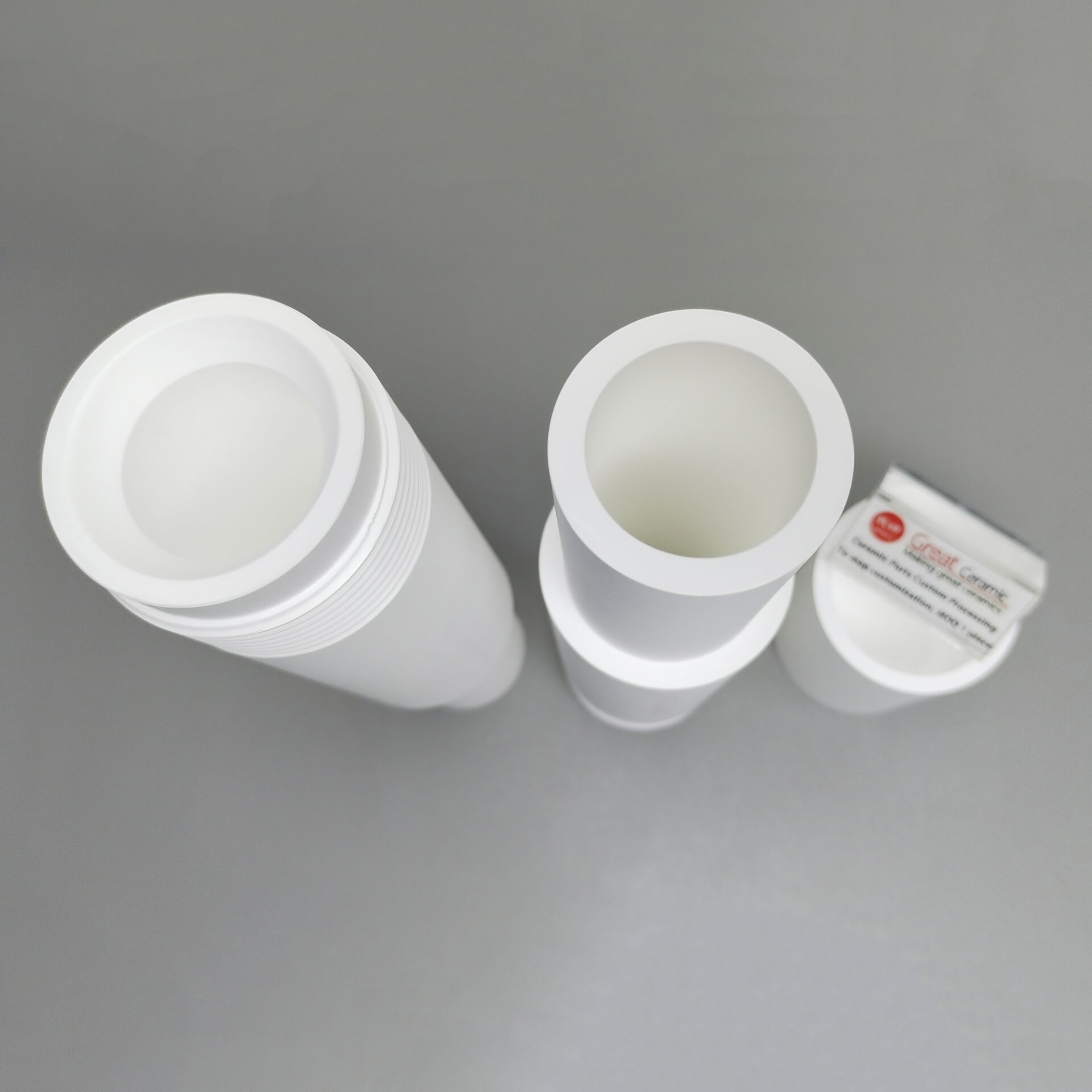
Technical Ceramic Products
Browse technical ceramic products such as tubes, rods, rings, substrates and custom geometries. Product illustrations provide a starting point for inquiry; final dimensions, tolerances, grade, surface condition, quantity and delivery terms require project-specific confirmation.
Discuss Your Ceramic Part
Technical Ceramic Resources
Use this technical ceramics guide to prepare a more complete inquiry. Include the drawing or replacement-part details, known material designation, operating environment, critical assembly dimensions, mating surfaces and acceptance requirements before contacting Porcecore by email or WhatsApp.
Discuss Your Ceramic PartBoron Nitride Ceramics Properties and Selection Guide: Material Options

Hexagonal Boron Nitride
A machinable, layered boron nitride family often considered for insulating fixtures, molten-material contact parts, and thermal-management components. Its low-friction character can suit assemblies where controlled contact behavior matters.

Pyrolytic Boron Nitride
A high-purity boron nitride option commonly evaluated for semiconductor, vacuum, and deposition-related component requirements. Its dense deposited structure makes drawing details, service atmosphere, and inspection expectations especially important to confirm.


Boron Nitride Zirconia
A composite option worth reviewing when a project requires boron nitride behavior alongside altered mechanical characteristics. Specify the component shape, handling loads, assembly tolerances, and temperature cycle before requesting a grade discussion.

Boron Nitride Silicon Nitride
A composite family for projects that may need a different balance of machinability, thermal behavior, and structural considerations. Provide the drawing revision, load case, environment, and acceptance criteria to narrow the suitable option.
Boron Nitride Ceramics Properties and Selection Guide: Processing Routes

Material Grade Review
The starting point is matching the intended boron nitride grade or composition to operating conditions. Thermal, electrical, chemical, and mechanical priorities should be reviewed with the component geometry and application context.

Blank Form Selection
Selecting a suitable starting form helps frame practical dimensions, wall sections, and material utilization. Tubes, rods, plates, rings, and near-net forms should be considered against the final drawing requirement.

Precision Machining
Machining develops the specified profiles, holes, grooves, and assembly features from an appropriate blank. Critical dimensions, datum references, and interfaces with mating parts should be identified early in the quotation discussion.

Surface Requirement Review
Surface expectations can affect part feasibility and inspection planning. Define functional faces, finish expectations, sealing or contact areas, and any features that must align with another component before production details are confirmed.

Inspection Planning
Inspection requirements translate a drawing into measurable acceptance criteria. Discuss tolerances, critical dimensions, documentation needs, and the current drawing revision so project-specific expectations are clear before an order is agreed.
Functional Features and Part Details

Mating Surfaces
Identify faces that contact metal, ceramic, seals, or fixtures. Note flatness, finish, edge condition, and any surfaces that must remain free from machining marks or handling damage.

Assembly Dimensions
Flag dimensions that control fit, alignment, clearance, or sealing within the assembly. Provide tolerances, datum references, and the current drawing revision so critical interfaces can be assessed clearly.
Orientation Features
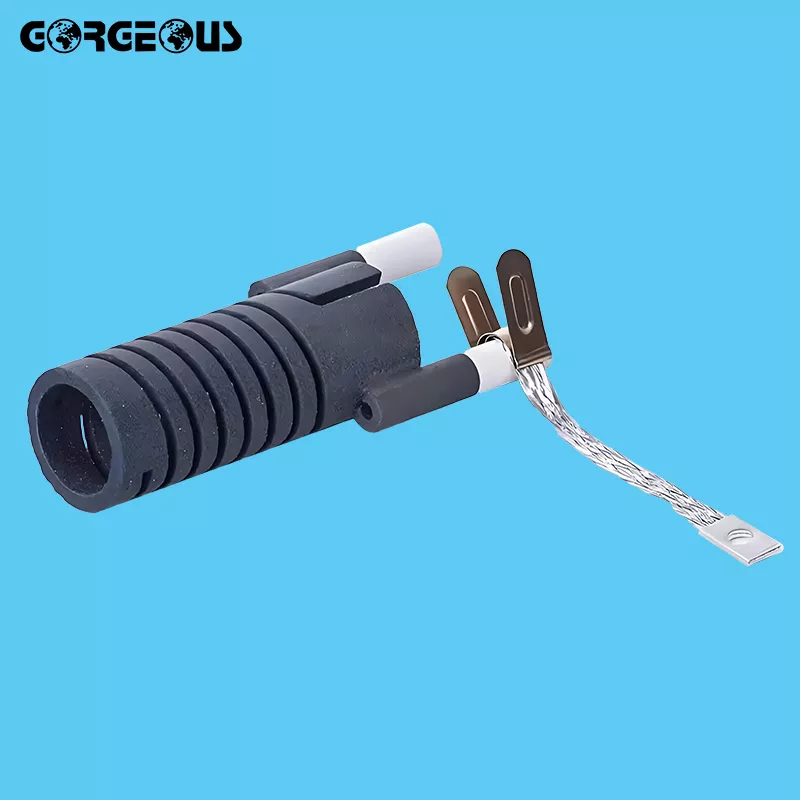
Specify keyways, flats, holes, grooves, or other features that establish installation direction. Explain the mating function and whether the feature is inspection-critical before a material and process discussion proceeds.

Part Marking
State whether identification marks, lot references, orientation indicators, or packaging labels are needed. Clarify permitted marking locations and any restrictions where surfaces face heat, vacuum, or sensitive assemblies.
Required Documentation
List the records needed for your project, such as material designation, dimensional inspection expectations, packing requirements, or approval documents. Confirm document scope with the final grade, drawing, quantity, and acceptance criteria.
About Porcecore
Porcecore was founded by Andy Yuan to make technical ceramic procurement easier to understand. We help industrial buyers, equipment builders, and engineering teams connect a material choice with the component’s real operating job, from boron nitride ceramics properties and selection guide questions to defined drawing requirements.
Our scope covers alumina ceramics, zirconia ceramics, silicon carbide ceramics, oxide, nitride, carbide, and specialty ceramic materials in component forms such as tubes, rods, rings, substrates, industrial ceramic parts, and custom ceramic components. We begin with the application, then review geometry, mating surfaces, service conditions, and acceptance expectations alongside the requested material.
What distinguishes Porcecore is a drawing-led, clarity-before-commitment approach. Send the current drawing revision, known material designation, quantity, service conditions, and documentation needs. We use those details to frame a more informed quotation discussion, while confirming grade, tolerances, delivery, and commercial terms for the individual project.

Boron Nitride Ceramics Properties and Selection Guide: Key Decisions
Define the Service Environment
Start with the actual duty cycle, atmosphere, temperature changes, contact media, electrical role, and heat-flow path. This guide is most useful when these conditions are tied to the component’s function rather than treated as isolated material claims.
- Identify continuous and peak operating temperatures
- Describe vacuum, inert, oxidizing, or process-gas exposure
- Note molten-material contact and electrical isolation needs
- Flag thermal cycling, load, and wear conditions
Specify Functional Geometry
A tube, ring, rod, nozzle, or insulator should be defined by the surfaces and dimensions that control assembly. Share the current drawing revision and identify interfaces, holes, wall sections, and features that influence manufacturability, handling, and the intended service role.
- Mark mating, sealing, and alignment surfaces
- State critical dimensions and allowable tolerances
- Identify thin walls, internal passages, and edge details
- Provide a sample or replacement-part reference when available

Confirm Grade and Form
Boron nitride is not a single universal specification. Material designation, forming route, purity expectations, and component form can affect suitability for a project. Discuss the required function first, then confirm whether the proposed grade and geometry align with the application.
- Provide a known material designation if available
- Distinguish standard material guidance from project requirements
- Consider whether electrical, thermal, or chemical behavior drives selection
- Confirm the proposed grade before production commitment

Set Inspection Expectations
Clear acceptance criteria make a quotation discussion more concrete. Define which characteristics require verification, how dimensions will be evaluated, and what documentation supports internal approval. This helps separate essential inspection requirements from preferences before commercial terms and delivery are confirmed.
- List critical dimensions and measurement methods
- State visual, surface-finish, or defect criteria
- Request material or inspection documentation when needed
- Clarify packaging, quantity, and approval requirements

Boron Nitride Ceramics Properties and Selection Guide: Drawing-Led Sourcing
Compare a project-specific inquiry with material-name-only sourcing before defining a ceramic part.
← Swipe left or right to view →
From Requirement Review to Shipment Discussion
Use this boron nitride ceramics properties and selection guide workflow to turn a material question into a defined component inquiry.
Share Drawing and Context
Send the current drawing revision, target quantity, component form, operating environment, and any known material designation to establish a practical starting point.
Review Service Requirements
Clarify temperatures, electrical conditions, chemical exposure, mating surfaces, and assembly-critical dimensions so boron nitride suitability can be assessed against the actual job.
Confirm Grade and Geometry
Discuss the proposed material grade, achievable geometry, machining considerations, tolerances, and features that influence fit, function, and the quotation basis.
Define Inspection Expectations
Identify dimensions, acceptance criteria, documentation needs, and any inspection points required for project approval before production and commercial terms are confirmed.
Discuss Packing and Delivery
Review packing needs, delivery expectations, quantity scheduling, and final commercial details for the individual project before an agreed production order proceeds.
How to Work with Porcecore
Turn a material question into a clearer, drawing-led discussion for a boron nitride ceramic component.
Send the Current Drawing
Share the latest drawing revision or describe the component form, including assembly-critical dimensions, mating surfaces, and any known material designation.
Define Service Conditions
State quantity, operating temperature, electrical requirements, contact media, loading, and environmental conditions so the material discussion reflects the job.
Identify Acceptance Requirements
Clarify tolerances, inspection points, documentation, surface expectations, and other approval criteria that affect a project-specific quotation discussion.
Review Open Questions
Porcecore helps structure remaining questions around grade, geometry, processing considerations, and delivery needs before commercial terms are confirmed.
Progress Toward Quotation
Use the clarified requirement to begin a focused quotation conversation, with final material, dimensions, documentation, delivery, and terms confirmed for the project.
Project Documentation and Case-Publication Standards
Boron Nitride Ceramics Properties and Selection Guide: Approved Project Feedback
Approved customer feedback will be published only after the customer authorizes the quotation scope, component application, and any stated outcome. Project-specific performance, dimensions, quantities, and acceptance results require documented confirmation before publication.
This space is reserved for approved application cases that identify the relevant boron nitride component requirement and verified result. Porcecore does not publish customer names, production outcomes, or numerical claims without written authorization.
For each approved case, the published record should distinguish general material considerations from the confirmed grade, geometry, service conditions, and inspection criteria for that individual part. No unsupported endorsement or performance figure is presented here.
Boron Nitride Ceramics Properties and Selection Guide FAQ
Practical questions for turning a material discussion into a defined component inquiry.
How should we use this boron nitride ceramics properties and selection guide to choose a grade?
Which drawing details matter for a boron nitride ceramic quotation?
Can boron nitride ceramics properties and selection guide recommendations replace application testing?
How should we specify tolerances and functional surfaces?
What quantity information should be included in an inquiry?
What inspection evidence can we request for boron nitride ceramics properties and selection guide projects?
How should samples, packaging, and shipping be discussed?
How does Porcecore handle IP, payment, and project communication?
Boron Nitride Ceramics Properties and Selection Guide
Use this decision framework to match boron nitride grades to operating conditions, evaluate supplier capability and documentation, compare cost drivers, and avoid specification mistakes that create performance, lead-time, or qualification risks.
1. Boron Nitride Ceramics Properties and Selection Guide Overview
Boron nitride ceramics are engineered materials whose thermal response, electrical insulation, machinability, chemical exposure, and mechanical loading must be assessed together, not as isolated catalog values. Hexagonal BN’s layered structure is associated with low-friction behavior and machinability: https://www.innovacera.com/product/boron-nitride-ceramics
Five common component groups are crucibles, electrical insulators, fixtures, nozzles, and semiconductor hardware. Each begins with the part’s temperature cycle, atmosphere or melt contact, mating geometry, load path, and acceptance criteria.
One published property value is not a purchase specification. Grade composition, binders, forming and densification process, material orientation, surface condition, and the actual service environment can materially change results; this boron nitride ceramics properties and selection guide therefore connects material discussion to drawing-led component selection.
2. Evolution of Boron Nitride Ceramic Applications
1842 marks the first reported preparation of boron nitride; later work established hexagonal, cubic, wurtzite, and amorphous forms. Hexagonal BN became associated with high-temperature fixtures, crucibles, insulating parts, vacuum hardware, and molten-metal-contact components, while cubic BN developed principally for abrasive and cutting applications.
Mid-20th-century powder processing and hot pressing made machinable BN bodies practical in more repeatable shapes. Industrial use then expanded into furnace processing, semiconductor and electronic assemblies, vacuum evaporation equipment, and metal handling where thermal cycling, electrical isolation, and wetting behavior had to be considered together.
Chemical vapor deposition introduced dense pyrolytic BN forms with much higher purity and a different microstructure from pressed bodies. A boron nitride ceramics properties and selection guide should therefore treat older ‘BN’ assumptions cautiously: modern grades may contain binders or reinforcement phases, whereas high-purity grades can require different qualification criteria, geometry limits, and service-environment checks.
3. Boron Nitride Ceramics Properties and Selection Guide Types
Four boron nitride families have different crystal structures and fabrication routes. Use this boron nitride ceramics properties and selection guide to build a duty-cycle-specific qualified-material shortlist.
| Family | Microstructure | Shortlist Duty |
|---|---|---|
| Hexagonal BN | Layered platelets | Machinable insulation, molten-metal contact |
| Pyrolytic BN | Oriented deposited layers | High-purity vacuum processing |
| Cubic BN | Hard cubic phase | Cutting and abrasive service |
| BN Composite | BN with engineered phases | Application-specific strength or wear |
Hexagonal BN
Hexagonal BN uses layered platelets, giving easy machining, electrical insulation, and lubricious behavior. Typical forms include crucibles, nozzles, rings, and insulating fixtures.
Source: https://www.innovacera.com/product/boron-nitride-ceramics
Pyrolytic BN
Pyrolytic BN is deposited in dense, highly oriented layers and is normally specified for high-purity vacuum or semiconductor hardware. Its anisotropy makes heat flow and dimensional requirements direction-dependent.
Source: https://good-ceramic.com/en/materials/boron-nitride-ceramics
Cubic BN And Composites
Cubic BN is extremely hard and belongs on tooling or abrasive shortlists, not easily machined insulating-part lists. Engineered BN composites tune strength, thermal behavior, or wear resistance; qualify the actual grade and orientation.
Source: https://thermic-edge.com/exploring-the-world-of-boron-nitride-ceramics
4. Boron Nitride Materials, Binders, and Composites
Two BN parts with similar drawings can behave differently because purity, residual porosity, and binder or reinforcement phases control the usable grade. Treat the material name as a starting point, not a complete specification.
| Material Route | Typical Selection Focus | Data To Confirm |
|---|---|---|
| Hot-Pressed BN | Machinability; binder effects | Composition, density, porosity |
| PBN | High-purity deposited structure | Purity, thickness, anisotropy |
| BN Composite | Application-specific reinforcement | Phase fraction, directional thermal and dielectric data |
Purity And Porosity
99.99% PBN is typically made by chemical-vapor deposition; hot-pressed BN commonly contains process-dependent additives. Ask for BN content, bulk density, open porosity, and lot-specific composition.
Composite Phase Effects
AlN, zirconia, alumina, SiC, silica-alumina, and silicon nitride additions can change strength, wettability, conductivity, and thermal-shock response. Require the phase percentages and compatible-media test results for the actual service fluid or melt.
Directional Property Data
Layered BN can be anisotropic, so through-thickness and in-plane thermal conductivity are not interchangeable. Request conductivity by direction, dielectric strength and loss data, density, and the test method.
5. Boron Nitride Ceramics Properties and Selection Guide Applications
Porcecore applies the boron nitride ceramics properties and selection guide by matching duty conditions to a grade and drawing. Start with temperature, atmosphere, interfaces, and acceptance measurements.
| Application | Duty Condition | Specify |
|---|---|---|
| Vacuum processing | Low pressure and contamination control | Pressure, gases, purity |
| Molten metal | Wetting and chemical exposure | Alloy, slag, dwell |
| Thermal management | Insulation with heat transfer | Dielectric test, heat load |
| Precision tooling | Fit and cycling | Datums, tolerance, finish |
Process Environment
Semiconductor and vacuum parts require stated base pressure, residual gases, and allowable contamination.
Furnace parts require peak temperature, ramp rate, dwell time, and oxidizing exposure.
Interface And Heat Requirements
Molten-metal hardware requires alloy identity, wetting behavior, slag contact, and exposure duration.
Electrical assemblies require dielectric test conditions, heat-load path, and thermal-cycling range.
Drawing Requirements
Precision tooling requires datum surfaces, critical tolerances, surface finish, and mating loads.
Porcecore inquiries should include drawing revision, quantity, inspection method, and required documentation.
6. Component Design and Machining Options
A machined BN part begins with the assembly, not a catalog shape. For the boron nitride ceramics properties and selection guide, define functional surfaces, loads, temperature range, and inspection method before quoting.
Geometry And Machining Access
Two accessible tool paths are preferable to blind internal features. Specify drilled holes, counterbores, radii, and thread engagement on the drawing.
One material orientation note can prevent mismatched performance. Account for anisotropy, thin-wall brittleness, edge vulnerability, and clearance for machining tools.
Fits, Finish, And Interfaces
Three critical-to-function dimensions should be flagged separately from general tolerances. Identify datums, mating materials, surface-finish limits, and assembly clearances.
One thermal-expansion review should cover operating temperature and restraint. Avoid forcing brittle parts through interference fits or unprotected sharp contact edges.
Drawing Package And Approval
Five inputs establish a usable inquiry: drawing revision, material designation, quantity, service conditions, and acceptance criteria. Add required documentation, inspection points, and lot-traceability expectations.
One prototype or sample is prudent before production when geometry, fit, finish, or service conditions remain unproven. Approve measured critical dimensions and handling protection before releasing the production order.
7. Critical Quality and Qualification Checks
Release should start with a project-specific inspection plan, not a generic datasheet. For the boron nitride ceramics properties and selection guide, tie each acceptance value to the drawing, grade, lot, and service environment.
Material And Lot Control
Each incoming lot should retain traceable identification from powder or feedstock through finished parts. Request the material designation, binder system where applicable, density and purity verification method, and certificate of analysis.
Finished Part Inspection
Every released part needs visual inspection for chips, cracks, delamination, and surface-condition issues. Measure drawing-critical dimensions, mating surfaces, and geometric tolerances using an agreed method and sampling plan.
Service Relevant Qualification
Qualification should reproduce the actual duty cycle rather than rely on nominal property tables. Specify thermal cycling, dielectric testing, vacuum behavior, chemical exposure, or molten-metal contact only when that condition governs the application.
8. How to Choose a Boron Nitride Manufacturer
Three supplier checks matter before comparing price: grade definition, process fit, and evidence for the finished part. A boron nitride ceramics properties and selection guide should lead to questions about the actual service environment.
Verify Grade And Route
1 material name can cover different binder systems, densities, and forming routes. Request the composition basis, manufacturing route, and property data tied to the proposed grade.
2 process questions expose expertise: What atmosphere, temperature cycle, contact media, and thermal gradients does the supplier consider? Ask how those conditions affect the recommended material.
Check Part-Control Evidence
3 drawing features require a machining plan, not a catalog promise. Confirm achievable tolerances, datum strategy, surface requirements, inspection methods, and how batch traceability is maintained.
4 critical dimensions should appear on an inspection report agreed before production. Request sample availability, acceptance criteria, retained records, and documentation options.
Test Communication And Timing
5 working days is a useful target for a technically complete quotation response, but production lead time depends on grade, geometry, quantity, and inspection scope. Ask for assumptions, open risks, prototype timing, and the change-control process.
6 clear answers should distinguish typical capability from a commitment for the specific order. Compare suppliers by their questions about the mating part and operating process.
9. Common Boron Nitride Selection Mistakes
Selection errors usually begin when a general boron nitride property is treated as a part-level specification. Review the drawing, duty cycle, mating interfaces, and acceptance evidence together before requesting quotations.
Purity And Copied Specifications
Purity alone does not define binder system, density, orientation, or machining behavior; the result can be premature wear or poor fit. Ask: Which grade-specific properties and drawing requirements control this application?
A competitor’s callout may reflect a different process or service condition, creating an unqualified substitute. Ask: What evidence links every retained requirement to our operating duty?
Direction And Service Environment
Hexagonal BN-based materials can show direction-dependent behavior, so assuming isotropy can misdirect heat flow or stress response. Ask: Which property direction matters relative to the installed component?
Atmosphere, molten media, vapors, and thermal cycling can change suitability despite a favorable datasheet. Ask: What chemistry, temperature range, pressure, and exposure duration must the grade withstand?
Dimensions, Trials, And Quotes
Missing tolerances and datum surfaces can cause assembly interference, excess machining, or rejected parts. Ask: Which dimensions, surface conditions, and inspection methods are acceptance-critical?
Skipping prototypes and comparing unlike documentation can conceal process risk and create false price savings. Ask: Will samples, material identification, inspection records, and revision-controlled drawings be equivalent across quotes?
10. Boron Nitride Component Pricing and Cost Drivers
1 complete RFQ should state drawing revision, BN grade, tolerances, quantity, service conditions, and required records. This makes quotations for the boron nitride ceramics properties and selection guide comparable.
2 cost effects commonly include setup, machining time, yield loss, and first-article qualification. Confirm whether inspection reports, material records, or dimensional certificates are priced separately.
| Quantity tier | Grade | Geometry and machining | Inspection level | Lead-time category | Pricing effect |
|---|---|---|---|---|---|
| 1–5 pieces | Specified grade | Complex features; multiple setups | First article | Prototype | Highest unit cost |
| 10–50 pieces | Specified grade | Moderate machining | Dimensional report | Standard | Setup spread across parts |
| 50–250 pieces | Released grade | Repeatable geometry | Sampling inspection | Planned | Lower unit cost |
| 250+ pieces | Qualified grade | Stable process route | Agreed control plan | Scheduled | Yield and qualification dominate |
Discuss Your Boron Nitride Ceramic Part
Email your drawing, service conditions, and acceptance requirements to begin a concrete, drawing-led discussion with Porcecore.