
Cordierite Ceramic Machining and Design Guide for Industrial Components
Use this cordierite ceramics machining and design guide to connect material, geometry, operating conditions, and acceptance requirements before requesting a clear quote.
Ceramic Components for Industrial Projects








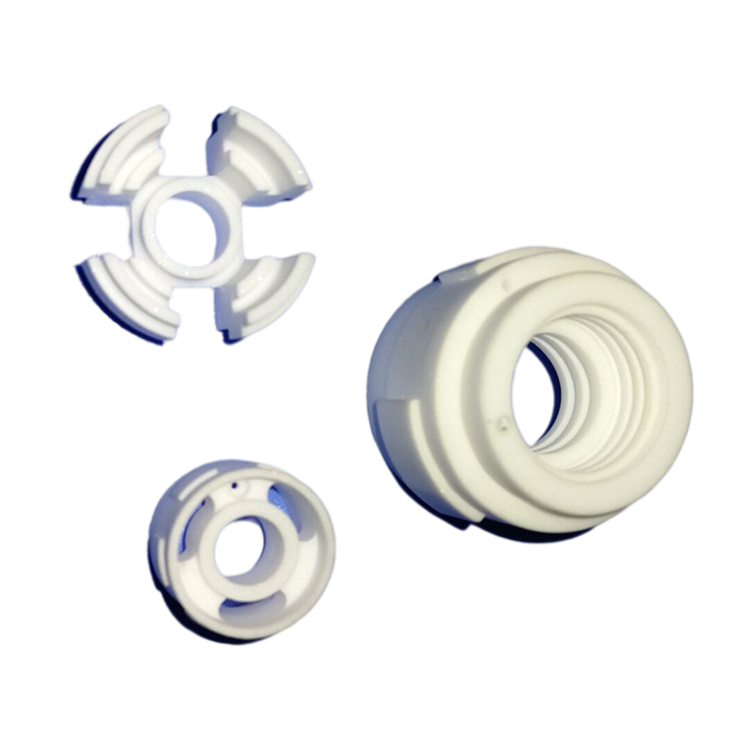
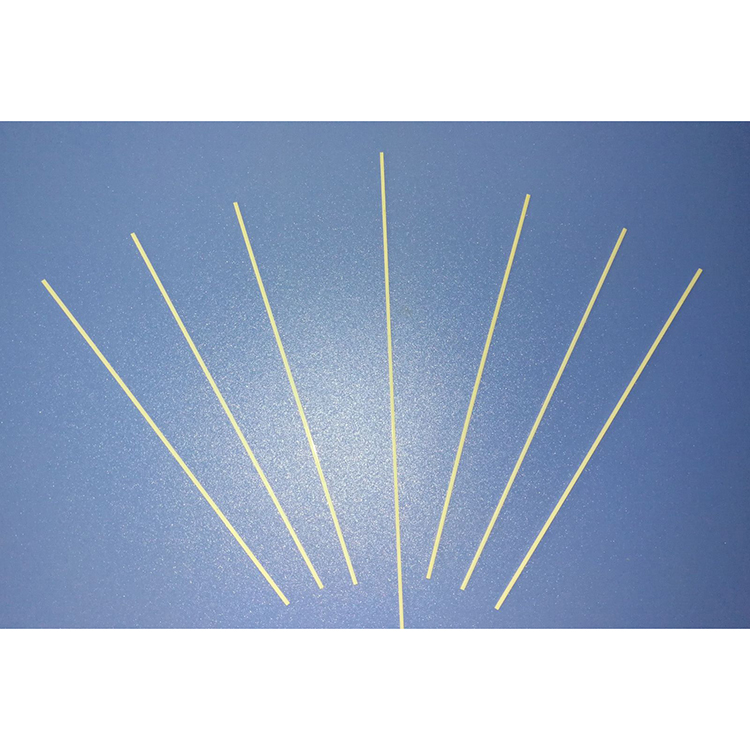


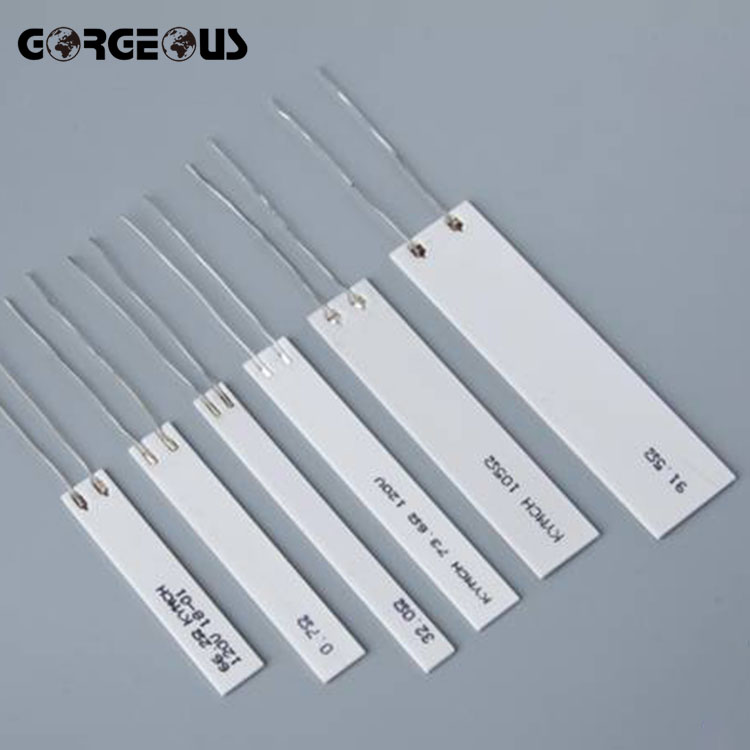
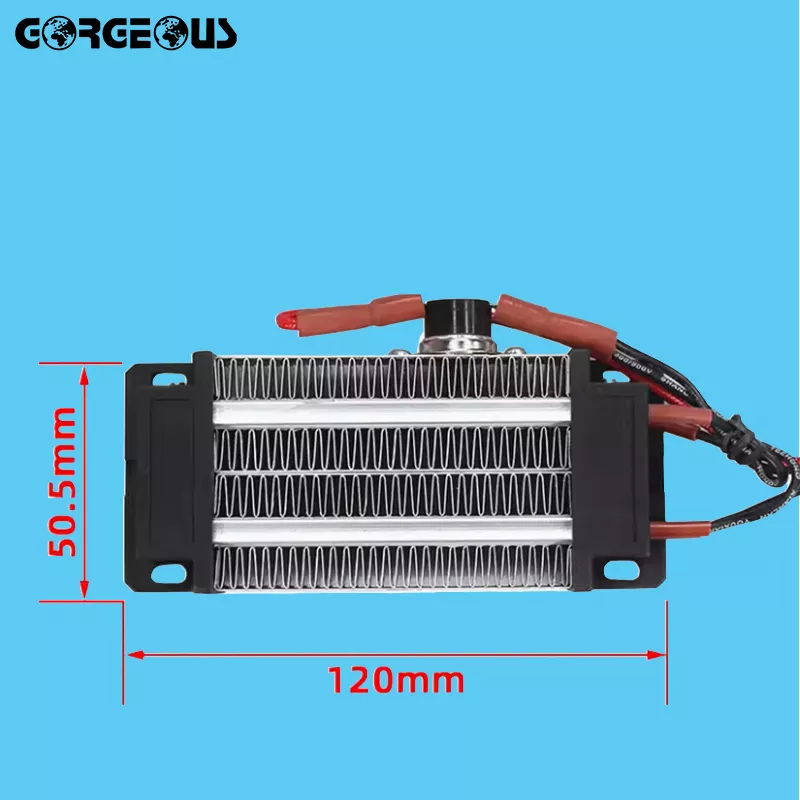
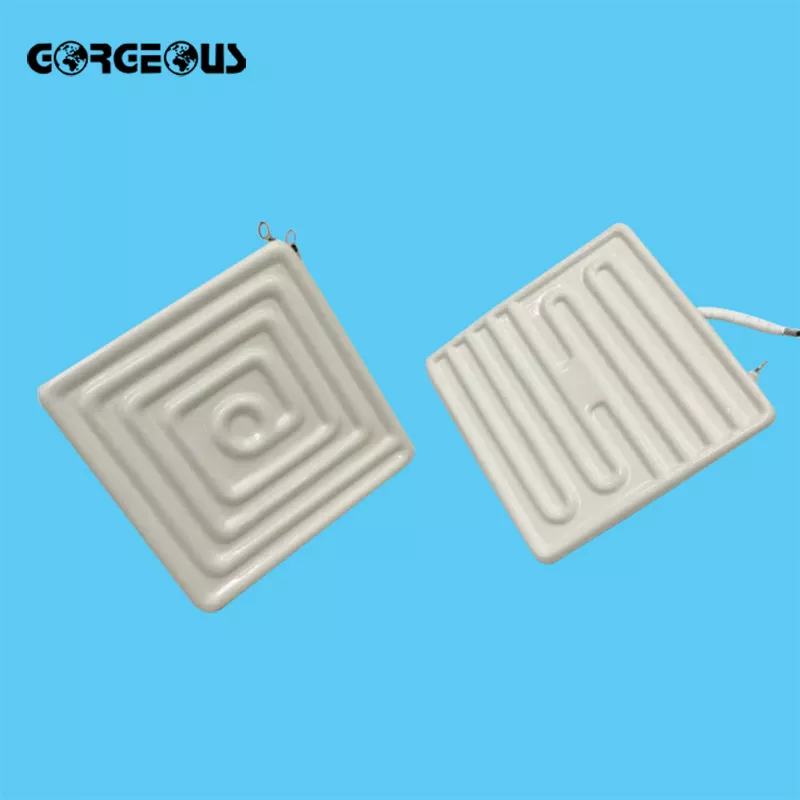
Related Ceramic Components and Quote Support
Engineering Advantages for Cordierite Ceramic Components
A requirements-led review connects cordierite ceramic material choices, component geometry, machining considerations and acceptance criteria before quotation discussions begin.
Control the Drawing Revision
Start with the current drawing revision, referenced views and marked changes so quotation discussions reflect the intended component rather than outdated geometry.
Clarify the Material Grade
Discuss the proposed cordierite grade, relevant material requirements and operating conditions together, distinguishing general property expectations from project-specific values requiring confirmation.
Define Geometry for Manufacture
Review wall sections, openings, edges, radii and overall dimensions early to identify design details that influence machining approach, handling and dimensional control.
Align the Process Route
Connect the required form and finish with an appropriate ceramic machining route, while identifying any process assumptions that should remain open until technical review.
Specify Functional Surfaces
Identify mating surfaces, sealing areas, locating features and electrical interfaces clearly so critical dimensions and surface expectations receive appropriate attention during sourcing.
Set Acceptance Evidence
Define inspection points, tolerance interpretation, documentation needs and acceptance criteria before ordering, giving procurement and engineering teams a shared basis for reviewing delivered parts.
Technical Ceramic Components by Material and Application
Review material families, component forms and application considerations before defining the geometry, grade, operating conditions and acceptance requirements for quotation.
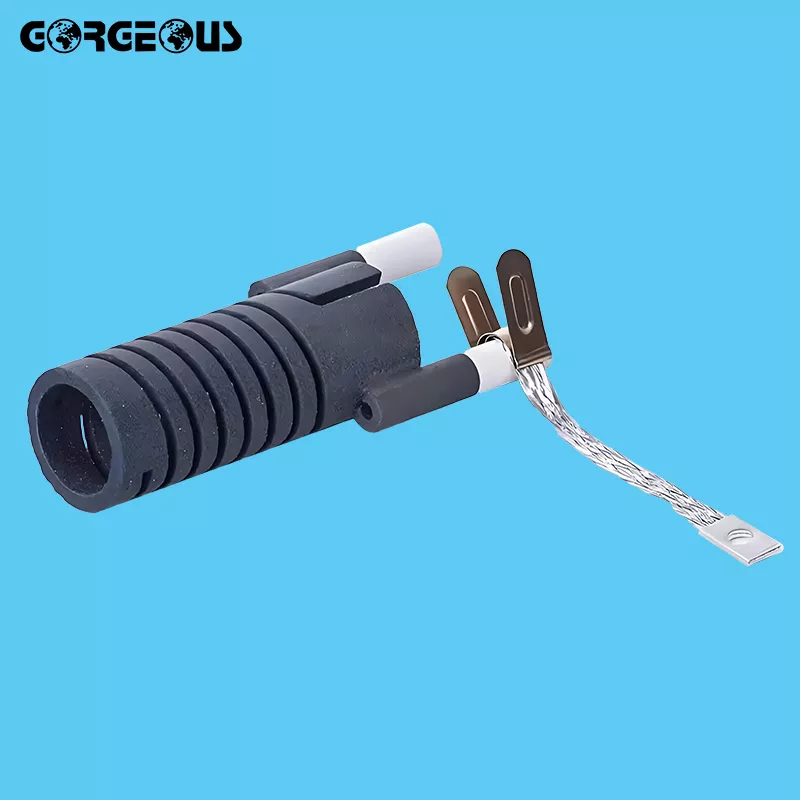
Industrial Ceramic Parts: Manufacturing Capabilities
Ceramic manufacturing capabilities cover forming, sintering, finishing and machining of components such as tubes, rods, rings and substrates. Share the drawing revision, critical dimensions, mating surfaces, quantity and inspection requirements so the quotation can address fit and production feasibility.
Discuss Your Ceramic Part
Ceramic Solutions by Industry
Advanced ceramics applications span electrical insulation, thermal exposure, wear resistance, chemical contact and demanding mechanical assemblies. Industrial buyers and equipment builders can describe the operating environment, load, temperature, media and service life needed to evaluate an appropriate component approach.
Discuss Your Ceramic Part
Advanced Ceramic Materials
Advanced ceramic materials include alumina, zirconia, silicon carbide, silicon nitride, aluminum nitride, boron nitride and specialty ceramic families. Material selection should be linked to the required grade, geometry, thermal behavior, dielectric performance, wear conditions and chemical environment for the individual project.
Discuss Your Ceramic Part
Custom Ceramic Components
Technical ceramic products include precision tubes, rods, rings, plates, substrates, insulators and other custom components. Product illustrations indicate possible forms, while the drawing, tolerances, surface requirements, material designation and acceptance criteria define what must be confirmed for a specific order.
Discuss Your Ceramic Part
Technical Ceramic Resources
Technical ceramic resources help buyers compare material characteristics, component forms and engineering considerations before sending an inquiry. Use a technical ceramics guide as a starting point, then confirm grade-specific properties, dimensions, tolerances, documentation, delivery and commercial terms against the project requirement.
Discuss Your Ceramic PartCordierite Ceramics Machining and Design Guide: Supported Materials


Alumina Ceramics
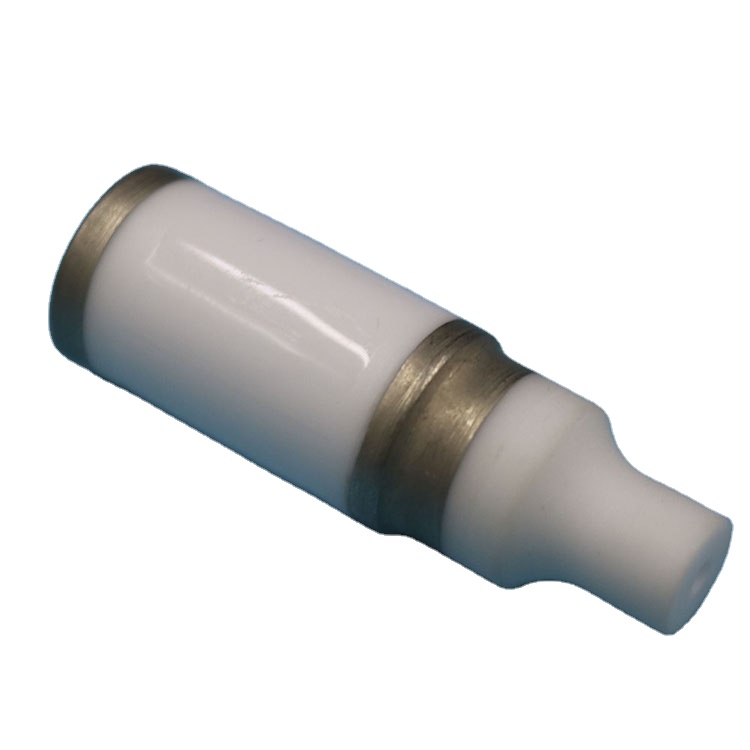
Often considered for electrically insulating and wear-conscious components across industrial equipment. The suitable grade and finish depend on mating surfaces, dimensional requirements, service environment and the documentation needed for approval.
Zirconia Ceramics
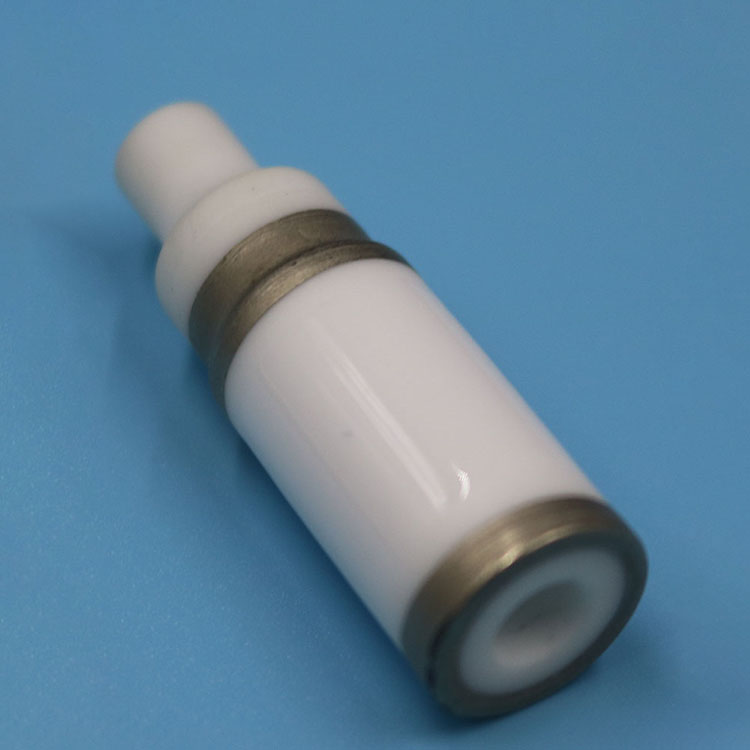
A material family for projects requiring a different balance of toughness, wear behavior and dimensional design. Porcecore can review the intended component form, operating conditions and grade requirements before quotation.
Silicon Carbide Ceramics
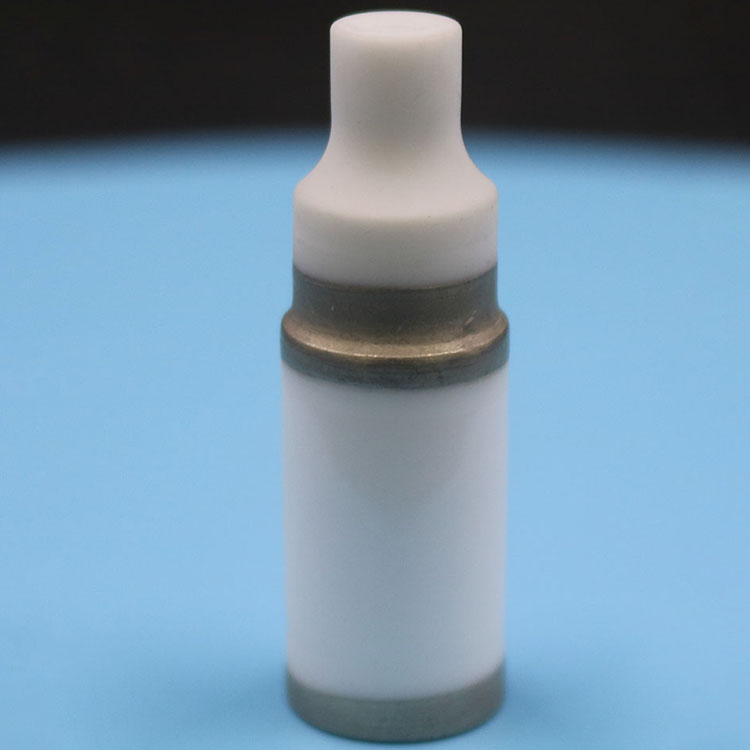
Suitable for demanding component discussions involving high-temperature, wear or corrosive service considerations. Final selection depends on geometry, surface requirements, machining route, material designation and project-specific inspection expectations.
Silicon Nitride
A technical ceramic family considered for engineered components where mechanical, thermal and interface requirements must align. Share the drawing revision, service conditions, quantity and acceptance criteria to establish a useful inquiry.
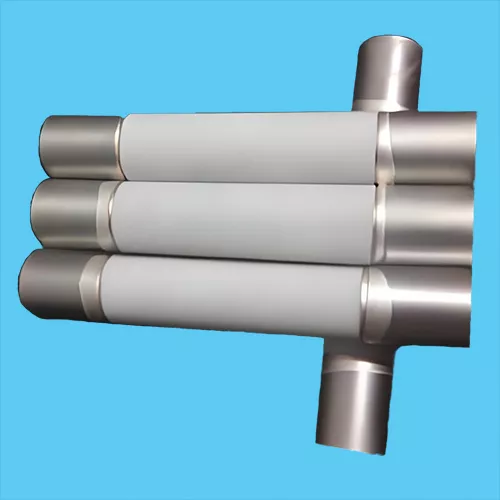
Aluminum Nitride
Relevant to ceramic component projects with specific electrical, thermal and dimensional requirements. Porcecore treats the material name as a starting point, then confirms grade, geometry, documentation and availability for the individual order.
Supported Ceramic Machining and Finishing Processes
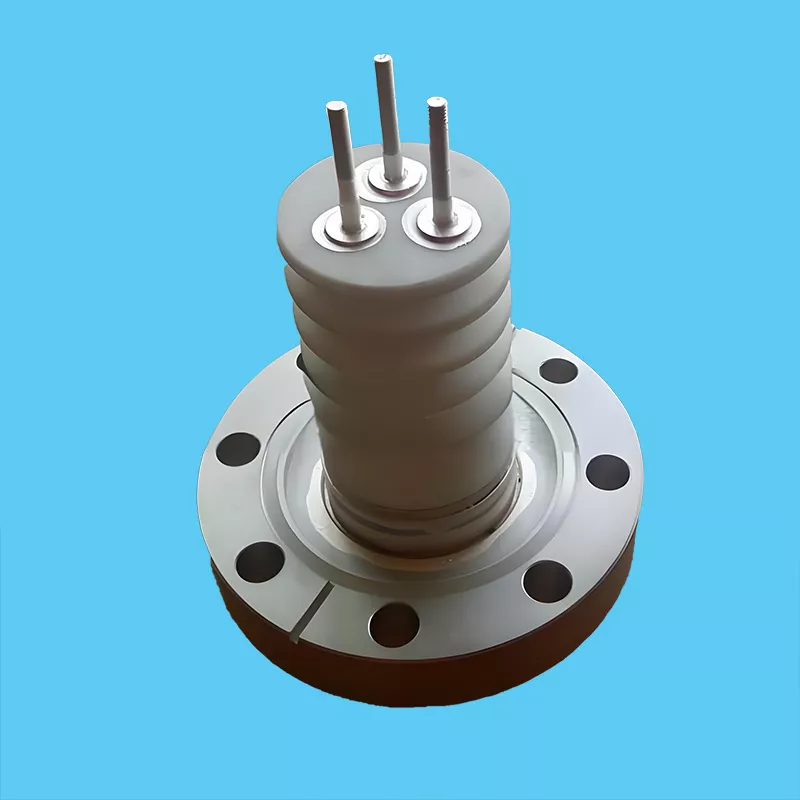
CNC Profile Machining
Controlled cutting shapes cordierite blanks and other technical ceramics to the drawing. Suitable for defined profiles, holes and interfaces where geometry, edge condition and dimensional requirements must be reviewed together.
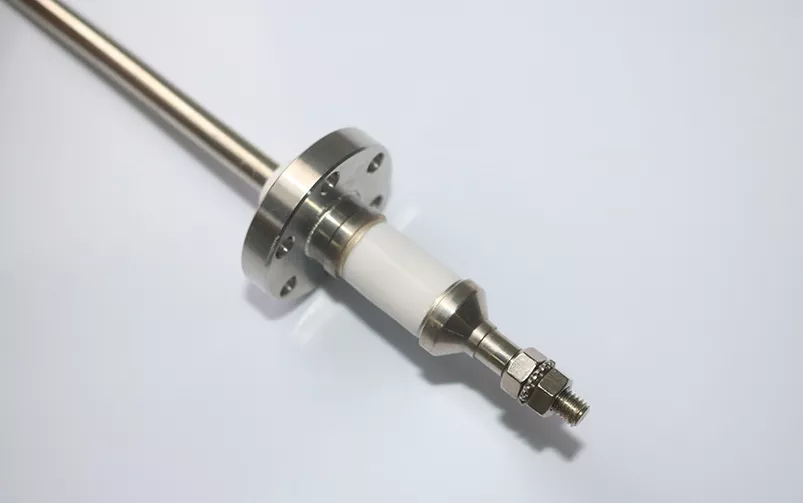
Diamond Drilling
Diamond tooling supports precise holes, bores and channels in hard ceramic components. The required diameter, position, wall thickness and mating function should be identified clearly before quotation and production planning.

Surface Grinding
Surface grinding refines selected faces to meet specified flatness, thickness and parallelism requirements. It can support mating surfaces and assembly dimensions when the drawing defines inspection points and acceptable surface condition.
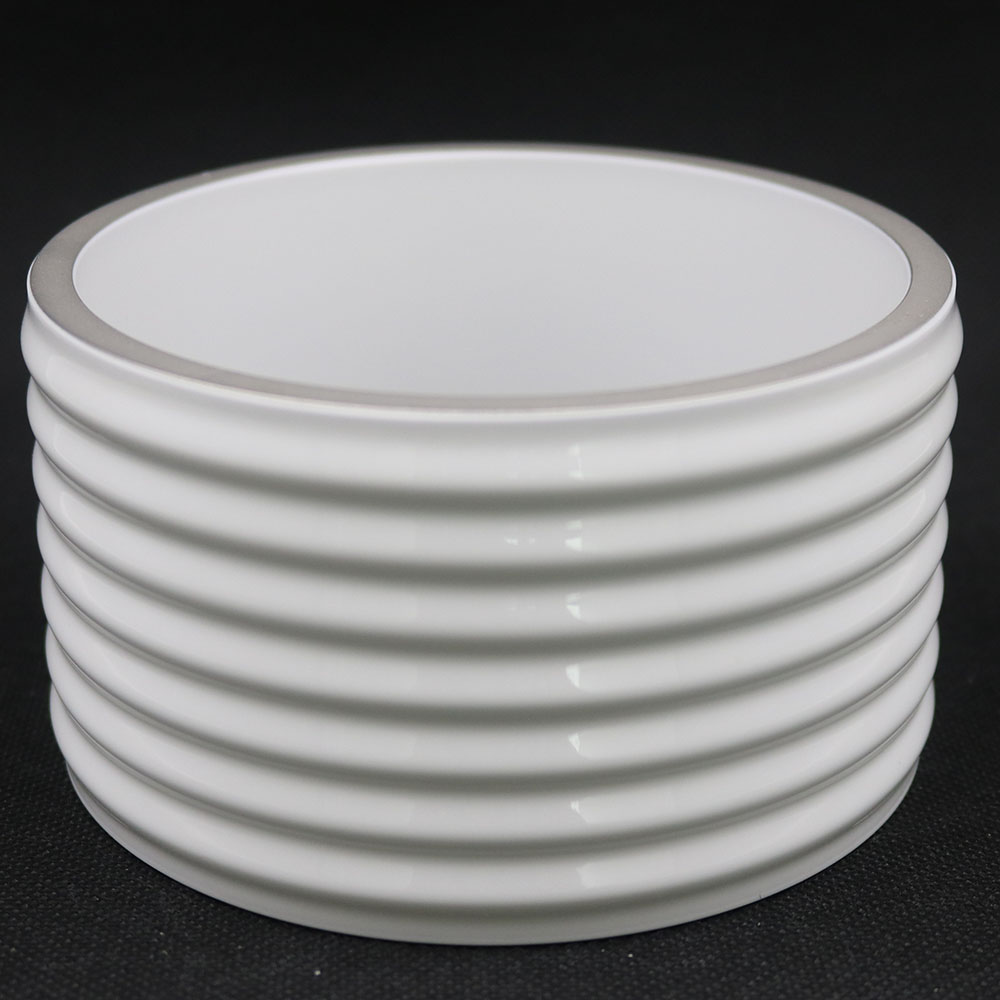
Lapping And Polishing
Lapping or polishing can improve a functional ceramic surface where finish, flatness or contact quality matters. The process should be limited to surfaces with a clear application purpose and measurable acceptance criteria.

Edge Finishing
Chamfering, rounding or controlled edge finishing helps address handling, assembly and stress-related requirements. Specify edge dimensions, transitions and critical boundaries on the drawing so preferences are separated from essential requirements.
Supported Ceramic Component Accessories and Interfaces

Mating Surface Details
Identify the ceramic surfaces that contact another part, including fit type, flatness expectations, edge condition, and any sealing or sliding function. These details help align the drawing with the intended assembly.

Assembly Dimensions
Define the dimensions that control installation, alignment, clearance, and replacement. Include critical diameters, hole locations, wall sections, reference datums, and tolerance priorities so the component can be reviewed within its operating assembly.

Insulating Supports
Ceramic spacers, standoffs, sleeves, and support elements may be considered where electrical isolation, thermal separation, or controlled positioning matters. Specify the load, contact points, geometry, and service conditions for project review.
Mounting Interfaces
Mounting features such as holes, slots, shoulders, grooves, or locating surfaces should be described by function and drawing revision. This supports clearer evaluation of assembly fit, machining approach, and inspection requirements.

Approval Documentation
List the records needed for technical approval, such as material designation, dimensional inspection results, surface requirements, traceability details, or other agreed documentation. Acceptance criteria should be confirmed for the individual project.
About Porcecore: Application-First Ceramic Sourcing
Founded by Andy Yuan, Porcecore is built around a practical mission: make technical ceramic procurement easier to understand and act on. The cordierite ceramics machining and design guide reflects that approach by connecting material selection with geometry, mating surfaces, operating conditions and inspection expectations.
Porcecore covers oxide, nitride, carbide and specialty ceramics across familiar component forms such as tubes, rods, rings and substrates. Our difference is application-first, drawing-led communication: buyers can share a drawing revision, material designation, quantity, service conditions and acceptance criteria so project-specific requirements are separated from assumptions.
Every inquiry is a working conversation, not an automatic specification. To discuss a ceramic part, email info@zlrsmaterials.com or info@cceramic.com, or contact Porcecore by WhatsApp at +86 130 6482 5920. A clear starting brief helps define the next sourcing decision.

Porcecore’s Engineering Approach to Ceramic Components
Translate Requirements Into Parts
Porcecore begins with the component’s job, not a material label alone. We connect service conditions, geometry, mating surfaces, quantity and inspection expectations so procurement and engineering teams can define what the ceramic part must achieve before requesting a quotation.
- Review operating temperature and environment
- Identify critical dimensions and interfaces
- Separate essential requirements from preferences
- Clarify documentation and acceptance criteria

Review Drawings Before Quotation
A current drawing revision gives the quotation discussion a practical foundation. Porcecore can review component forms such as tubes, rods, rings and substrates, then identify open questions around tolerances, surface requirements, datum references and production intent.
- Submit the current drawing revision
- Flag assembly-critical surfaces and dimensions
- Confirm quantity and revision status
- Request drawing-led feedback before commitment

Match Material Families Carefully
Cordierite may suit requirements involving thermal behavior, electrical insulation or specialized component use, but grade-specific suitability must be confirmed project by project. Porcecore also works across oxide, nitride, carbide and specialty ceramics when another material family better fits the application.
- Compare cordierite with supported ceramic families
- Confirm the required grade or designation
- Relate material choice to service conditions
- Treat listed materials as a starting point

Clarify Geometry, Fit And Terms
Machining success depends on more than the nominal shape. Define wall sections, holes, edges, mating areas and tolerance priorities together with delivery, documentation and commercial expectations. This helps turn a general inquiry into a reviewable project requirement and clearer quotation basis.
- Identify features that determine assembly
- Prioritize functional tolerances and surfaces
- State inspection and documentation needs
- Confirm delivery and commercial terms

Cordierite Ceramics Machining and Design Guide: Clearer Sourcing
Compare drawing-led communication, requirement clarity, and project confirmation before requesting a ceramic component quote.
← Swipe left or right to view →
Cordierite Ceramics Machining and Design Guide: From Requirement to Shipment
A drawing-led workflow connects material discussion, component definition, inspection expectations and shipping confirmation for clearer ceramic sourcing decisions.
Define the Part Requirement
Share the drawing revision, material preference, quantity, service conditions, mating surfaces and acceptance criteria so the quotation starts from a usable brief.
Review Geometry and Material
Porcecore reviews geometry, tolerances, grade questions and machining considerations, distinguishing confirmed requirements from open points before discussing feasible sourcing or production routes.
Coordinate Sourcing or Production
The team aligns the agreed component definition with available material and process options, then confirms commercial, documentation and delivery details for the project.
Confirm Inspection Expectations
Inspection points, dimensional tolerances, surface requirements and requested records are clarified before release, giving engineering and procurement teams a shared acceptance basis.
Pack and Confirm Shipment
After completion, packing details and shipping arrangements are confirmed against the project requirements, with open questions resolved before dispatch.
How to Work With Porcecore
Use this cordierite ceramics machining and design guide to move from a defined requirement to an aligned ceramic component order.
Send Your Drawing
Send the current drawing revision, component geometry, quantity, service conditions, and intended application so Porcecore can understand the part before quoting.
Clarify Requirements
Clarify the material grade, critical mating surfaces, tolerances, inspection criteria, documentation, and any preferences that must be separated from contractual requirements.
Review the Quotation
Review the quotation with the project team, checking geometry, grade, acceptance requirements, quantity, documentation, delivery expectations, and open technical questions.
Confirm Production Basis
Confirm samples or production after requirements are aligned, with the approved drawing revision and project-specific acceptance basis recorded for execution.
Align Delivery Terms
Align delivery terms, commercial details, and communication contacts before release, then keep the agreed requirement set available for project follow-up.
Certifications and Technical Documentation

Cordierite Ceramics Machining and Design Guide: Customer Feedback and Component Cases
Verified customer feedback to be added after approval. Please provide the customer’s exact wording, the confirmed component requirement, and any measurable sourcing, machining, or inspection outcome that may be published.
Verified case example to be added after approval. Please provide the approved project context, drawing-led requirement, confirmed cordierite grade and geometry, and a documented outcome suitable for publication.
Customer feedback reserved for a documented result. Please submit approved wording with the relevant quantity, dimensional or acceptance requirement, and project outcome before publication.
FAQ for the cordierite ceramics machining and design guide
Clear answers for drawings, material selection, commercial requirements and project-specific quotation review.
What should a cordierite ceramics machining and design guide inquiry include?
Does the cordierite ceramics machining and design guide require a minimum order quantity?
How are lead time and sampling cost handled in a cordierite ceramics machining and design guide project?
Can I revise the drawing after sending a cordierite ceramic machining inquiry?
How is the cordierite grade selected for my application?
Can Porcecore quote tight tolerances and functional mating surfaces?
What payment, shipping and packaging information should procurement teams request?
How can I protect design information and clarify acceptance criteria?
The Complete cordierite ceramics machining and design guide for Buyers
Use a practical decision framework to match cordierite ceramic properties, machining methods, tolerances, and supplier capabilities to your application while comparing quote inputs, controlling project risk, and avoiding common design and sourcing mistakes.
1. What Is a Cordierite Ceramics Machining and Design Guide?
Cordierite, a magnesium-aluminosilicate technical ceramic, is evaluated here by part function rather than material name alone. Its low thermal expansion, thermal-shock resistance, electrical insulation, and low thermal conductivity can suit thermally cycling fixtures, insulating supports, and equipment components; properties vary by grade and form. html
Machinable cordierite blanks are pre-fired stock that a buyer or machine shop finishes, while finished components are supplied to an agreed drawing and inspection basis. Some porous machinable grades can be cut with standard tungsten-carbide tools, but that capability should be confirmed for the selected material. com/ceramic-materials/machinable-cordierite-ceramic
Five inputs establish a useful quotation: current drawing revision, material designation if known, quantity, service conditions, and acceptance criteria.
2. Evolution and History of Cordierite Ceramics
1813 marks the documented naming of cordierite by French geologist Louis Cordier; the mineral occurs in metamorphic rocks, granites, and rhyolites. Because natural deposits are limited, manufacturers developed synthetic routes using feedstocks such as talc, kaolin, and alumina, making formulation part of the engineering decision. html
20th-century industrial adoption moved cordierite from mineral science into kiln furniture, electrical insulation, catalyst carriers, and honeycomb structures. Its low thermal expansion and thermal-shock resistance supported repeated heating cycles, while porous and machined forms enabled specialized fixtures and component geometries. html
Today, a cordierite ceramics machining and design guide must treat material and process as linked variables.
3. Types in This Cordierite Ceramics Machining and Design Guide
Six purchasing categories connect cordierite form to the job, manufacturing route, and evidence required. The cited supplier examples below are industry references, not confirmed Porcecore capabilities.
Porous Machinable Cordierite
com/ceramic-materials/machinable-cordierite-ceramic). The buyer question is whether insulation and easy shaping outweigh porosity, strength, and surface-sealing needs.
Dense Cordierite
Dense grades generally prioritize thermal-shock resistance, insulation, and dimensional stability for electrical or furnace components.
Fired Near-Net-Shape Parts
Fired near-net-shape parts reduce material removal when the geometry is repeatable and tooling is justified.
Machined Blanks
com/ceramic-materials/machinable-cordierite-ceramic). The buyer question is whether internal machining resources can manage brittle ceramic edges, dust, tolerances, and inspection responsibility.
Kiln Furniture
Kiln furniture includes plates, setters, supports, and spacers selected for low expansion and thermal cycling.
Honeycomb Structures
html). The buyer question is cell geometry, coating compatibility, pressure drop, and validated operating conditions.
4. Materials and Grades for Cordierite Components
Powder chemistry, particle size, forming route, and firing schedule define the final cordierite microstructure.
| Material or form | Relevant property | Design implication | Typical use |
|---|---|---|---|
| Porous machinable cordierite | Low density; insulating | Simpler pre-firing machining; verify strength | Fixtures, thermal supports |
| Dense cordierite body | Higher strength; low expansion | Use for stable heated assemblies | Kiln furniture, carriers |
| Fine-powder formed part | Controlled microstructure | Tighter shrinkage control requires process data | Insulators, custom components |
Composition And Processing
Fine talc, kaolin, and alumina powders support more complete reaction; coarser feedstock can increase residual phases.
Forming pressure and firing temperature control shrinkage, porosity, density, and final dimensional stability. Request the actual process window, not a generic grade label.
Porosity And Application Fit
Low-density porous bodies machine more readily and insulate better, while denser bodies generally favor strength and wear resistance.
Data To Request
Request fired density, open porosity, particle-size distribution, coefficient of thermal expansion, flexural strength, dielectric strength, and shrinkage data.
5. Customization and Decoration Options
CAD geometry should define the component, mating surfaces, openings, markings, and assembly interfaces together.
| Method | Purpose | Inspection concern | Likely cost driver |
|---|---|---|---|
| Pre-fire machining | Complex geometry | Firing shrinkage | Tooling and allowance |
| Post-fire grinding | Critical fits | Dimension and micro-cracks | Diamond tooling and labor |
| Glazing or marking | Protection or traceability | Adhesion and legibility | Setup and validation |
Define The Geometry
CAD or SOLIDWORKS data can establish holes, slots, channels, threads, bosses, and locating features before quotation. State datum structure, critical dimensions, edge conditions, and mating surfaces explicitly.
Choose The Process Stage
Pre-fired or machinable cordierite can support economical shaping before final firing, while dense fired parts commonly require diamond machining or grinding for finishing and tighter dimensions. The supplier should confirm shrinkage allowances and the applicable grade.
Finish And Identify Parts
Surface grinding, lapping, selective glazing, laser or ink marking, and bonded inserts may be appropriate when the application permits. Glazing and markings require compatibility checks for temperature, chemistry, readability, and inspection.
6. Quality Elements for Cordierite Ceramics Machining and Design Guide Projects
A sound part begins with geometry that manages stress, then carries that intent through firing, inspection, and documentation.
Geometry And Stress Control
Wall thickness, radii, and corner transitions should be defined together; abrupt sections and sharp edges concentrate tensile stress in brittle ceramic. Specify edge breaks or chamfers, hole placement, and surface finish on the drawing, with functional faces clearly identified. Simple profiles and rounded transitions generally reduce fracture risk during machining and thermal cycling.
Datums And Dimensional Inspection
Datum A, B, and C should reference the surfaces that control assembly, not convenient outer faces. State flatness, positional tolerance, and hole size relative to those datums, distinguishing green, machined, and fired dimensions.
After firing, inspect dimensions again because shrinkage and distortion can change fit. The inspection report should identify revision, instruments, measured values, and sampling method.
Thermal And Crack Evidence
com/ceramic-materials/machinable-cordierite-ceramic). Micro-crack inspection, surface-finish results, and post-cycle dimensions belong in the quality record. Request the approved drawing, sample identification, test report, and acceptance criteria before approving shipment.
7. How to Choose a Cordierite Ceramic Manufacturer
Three checks separate a capable cordierite supplier from a persuasive quote: traceable material, controlled processing, and verifiable inspection. Compare evidence against the drawing, service conditions, and approval route.
| Sourcing stage | Prioritize | Require before release |
|---|---|---|
| Prototype | DFM and sample response | Approved sample and inspection report |
| Low volume | Repeatability and tooling | Control plan and capacity evidence |
| Production | Traceability and continuity | Batch records and change control |
Verify Technical Capability
A current drawing revision should trigger CAD and DFM review covering wall thickness, edges, holes, tooling, and machining method. Ask which equipment, diamond or carbide tooling, firing controls, and packaging controls apply to your geometry.
Request representative inspection reports, tolerance capability, test certificates, quality-system documentation, and clearly stated quote assumptions. Treat generic tolerances or catalog images as discussion points, not contractual evidence.
Match Supplier To Volume
Prototype sourcing prioritizes engineering response, sample approval, and willingness to document open questions. Low-volume sourcing adds repeatability, tooling ownership, inspection plans, and realistic capacity commitments.
Production sourcing requires batch traceability, process-change notification, packaging standards, lead-time logic, and a defined escalation contact. Confirm whether quoted capacity covers your forecast, not merely one acceptable sample.
Compare Evidence And Communication
Three suppliers should answer the same written questions so comparisons remain meaningful: material designation, dimensional basis, inspection method, certificate scope, tooling charges, yield assumptions, packaging, and delivery terms.
8. Common Buyer Mistakes in Cordierite Ceramic Machining
A reliable cordierite ceramics machining and design guide treats the drawing, firing cycle, thermal field, and acceptance criteria as one system.
Define The Fired Part
1 drawing revision should state fired dimensions, tolerances, shrinkage allowance, datum surfaces, and required finish; nominal dimensions alone can produce assembly failures. Ask: Which dimensions are controlled after firing? com/ceramic-materials/machinable-cordierite-ceramic).
Design For Ceramic Behavior
0 sharp internal corners: add radii or reliefs to reduce stress concentration. Unsupported thin walls, abrupt sections, and metal-style cutting assumptions can cause cracking or distortion; ask: What minimum wall and corner geometry is manufacturable?
Align Quote And Validation Scope
3 quote elements must match: blank, machining, firing, inspection, and documentation. Omitting surface finish or comparing different scope creates false savings; ask: What operations and acceptance records are included?
1 prototype should be tested in the real assembly before volume release. Confirm fit, thermal cycling, and finish against the approved drawing.
9. Steps to Launch Your Cordierite Ceramic Project
Eight stages keep a cordierite ceramics machining and design guide project aligned from application definition to production release.
Define Requirements
Stage 1 records service temperature, thermal cycling, loads, atmosphere, mating surfaces, geometry, quantity, and acceptance criteria.
The buyer sends the current drawing revision, operating conditions, material preference if known, and required documentation. Procurement gates the commercial scope; engineering confirms the part function.
Review And Approve
Stages 2–4 cover material selection, drawing review, and manufacturability feedback on walls, edges, holes, tolerances, and inspection datums.
The supplier returns a marked drawing, quotation assumptions, and sample or prototype plan. Engineering approves design changes; quality agrees the inspection plan before sample acceptance.
Release Controlled Supply
Stage 5 documents sample results; Stage 6 authorizes a pilot order with the approved drawing, specification, inspection report, and packaging requirements. Stage 7 releases production after pilot review.
10. Pricing and Cost Considerations
1 drawing revision should define material formulation, blank size, critical geometry, machining allowance, firing state, finishing, inspection, packaging, and acceptance criteria. Porcecore should confirm which requirements are included in the quotation and which remain open. com/ceramic-materials/machinable-cordierite-ceramic). Quantity, tooling, and expedited delivery should be priced separately rather than hidden in unit cost.
| Quantity Tier | Quote Basis | Setup or Tooling Cost | Unit-Price Driver | Lead-Time Assumption | Questions to Normalize Quotes |
|---|---|---|---|---|---|
| Prototype / 1–5 | Drawing, material, one-off process | Separate fixture and programming | Blank waste, geometry, inspection | Engineering review plus standard production queue | Is firing included? |
| Small batch / 6–49 | Approved drawing and process route | Amortized setup; tooling stated | Machining minutes and yield | Batch scheduling assumed | What quantity breaks apply? |
| Production / 50–499 | Released specification and inspection plan | Amortized tooling or recurring tooling | Material yield, cycle time, finishing | Planned capacity assumed | Are tolerances and reports identical? |
| Expedited | Same technical scope, compressed schedule | Rush tooling or handling stated | Priority capacity and freight | Supplier-confirmed accelerated slot | What surcharge and delivery date apply? |
Discuss Your Cordierite Ceramics Machining and Design Guide
Email your drawing to info@zlrsmaterials.com or message WhatsApp at +86 130 6482 5920 with the component and operating environment.