
Cordierite Ceramic Components for OEM Requirements
Connect industrial ceramic parts to defined geometry, service conditions, and acceptance criteria for a clearer quotation.
Technical Ceramic Components for OEM Development








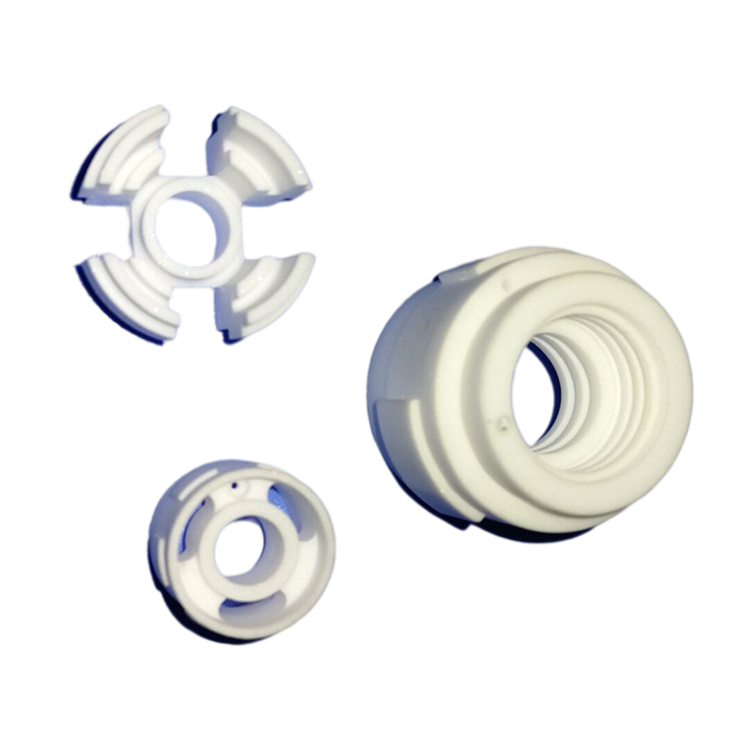
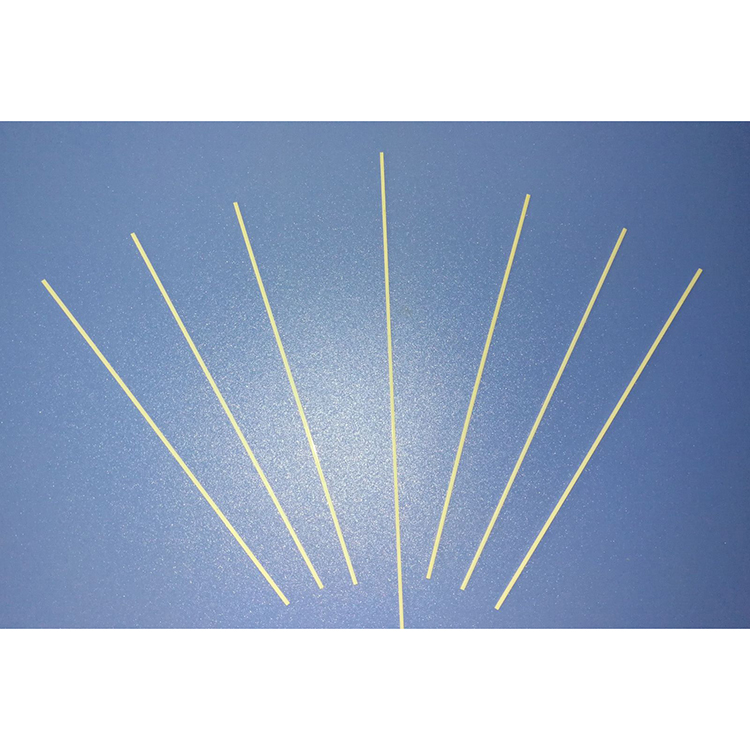
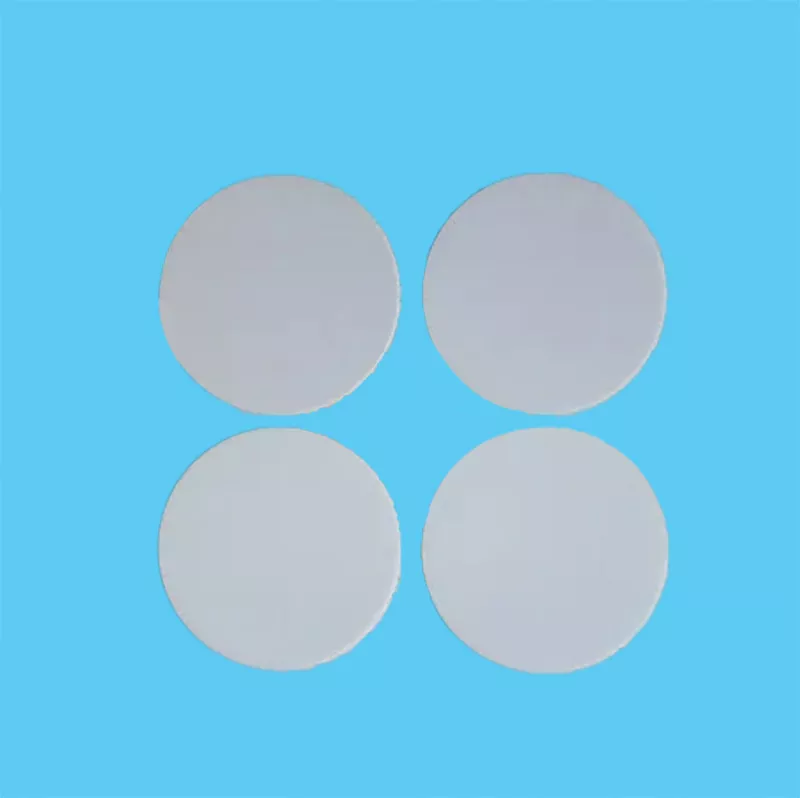

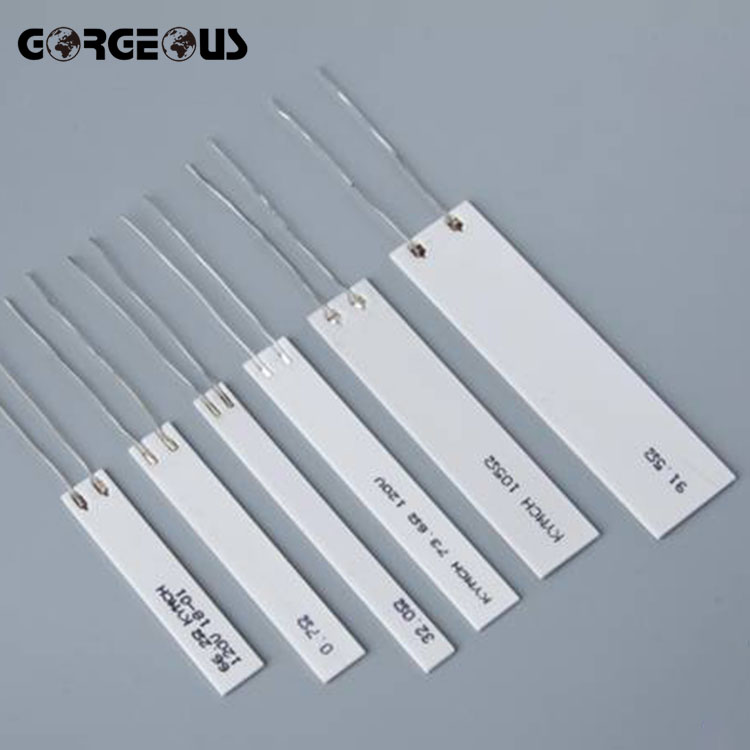
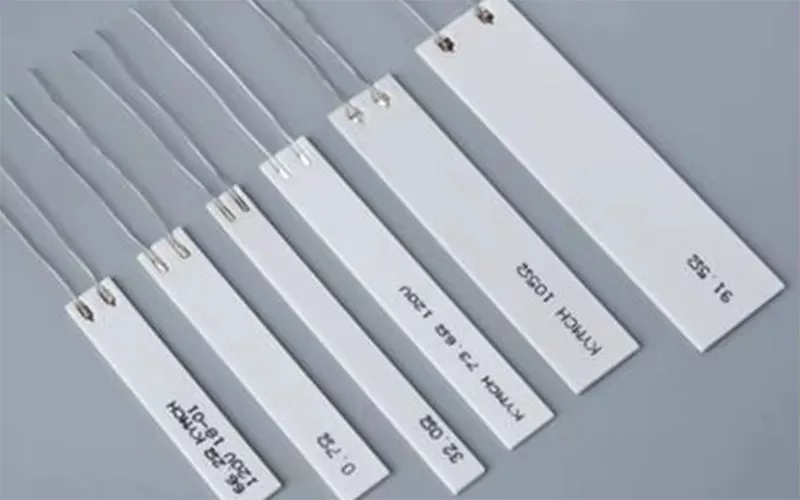
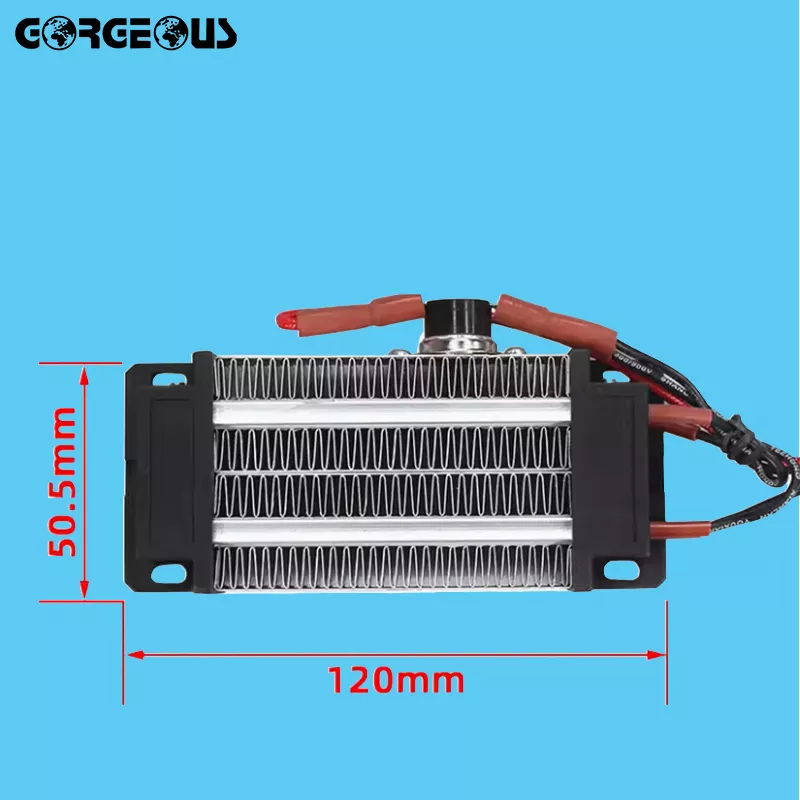
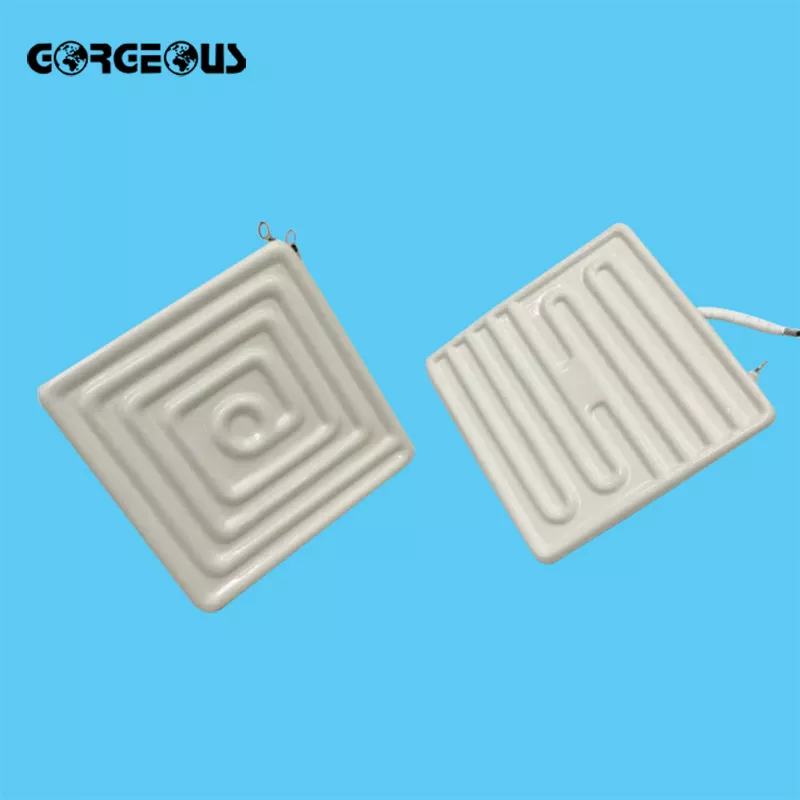
Related Cordierite Components and Quotation



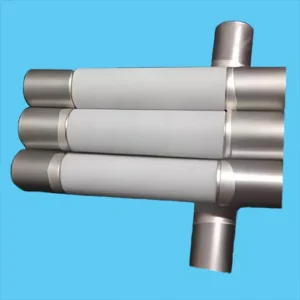
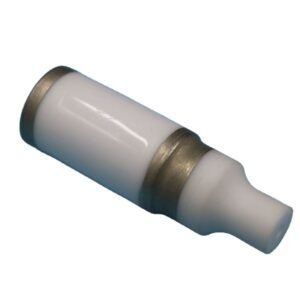

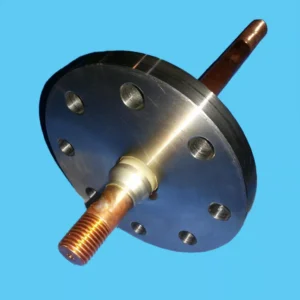

Clear Specifications for Cordierite Components
Evaluate the part, material and evidence requirements together before requesting a quotation.
Control Drawing Revisions
Review the current drawing revision, critical dimensions and tolerance notes so quotation discussions reflect the part actually required for production.
Confirm Material Grade
Confirm the intended cordierite grade, relevant property data and allowable substitutions before comparing mechanical and wear performance for the application.
Define Component Geometry
Define geometry, wall sections, interfaces and dimensional limits together, because component shape and assembly requirements influence sourcing decisions as much as material selection.
Specify Mating Surfaces
Identify mating surfaces, fits and contact conditions that must function with adjoining parts, including any finish or alignment expectations affecting assembly.
Review Process Fit
Align the process route with geometry, surface needs and application conditions, then confirm which manufacturing assumptions require engineering review before quotation.
Set Acceptance Criteria
Set acceptance criteria for dimensions, surfaces, documentation and inspection evidence so delivered cordierite components can be evaluated against an agreed project requirement.
Ceramic Components by Material, Form and Application
Explore material families, component forms and application considerations before aligning a drawing, grade, quantity and acceptance requirements.
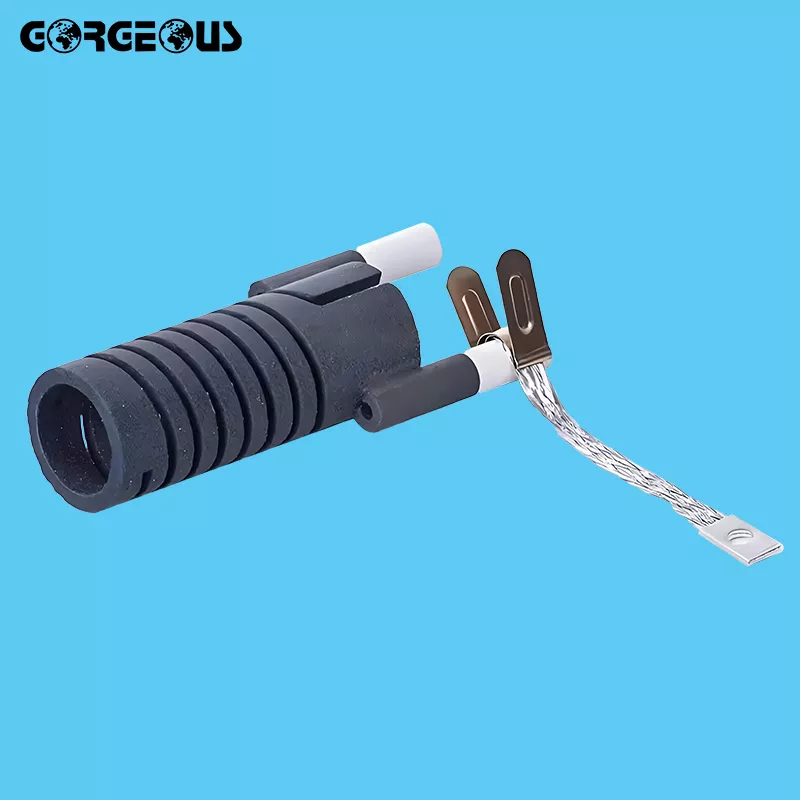
Ceramic Manufacturing Capabilities
Ceramic manufacturing capabilities are assessed against the component’s material, geometry, tolerances, surface finish and inspection needs. Share a current drawing and production quantity so Porcecore can clarify feasible forming, machining, finishing and quality requirements for quotation.
Discuss Your Ceramic Part
Ceramic Solutions by Industry
Ceramic solutions by industry connect advanced ceramics applications with operating conditions such as heat, electrical insulation, wear, corrosion and dimensional stability. Define the equipment environment, duty cycle and critical interfaces to identify requirements that can guide component selection.
Discuss Your Ceramic Part
Advanced Ceramic Materials
Advanced ceramic materials include alumina, zirconia, silicon carbide, silicon nitride, aluminum nitride, boron nitride and other specialty families. Material choice should be reviewed by grade, geometry, service conditions and required documentation rather than by material name alone.
Discuss Your Ceramic Part
Technical Ceramic Products
Technical ceramic products cover familiar component forms including tubes, rods, rings, substrates and other engineered parts. For a practical sourcing discussion, identify mating surfaces, assembly dimensions, quantity, drawing revision and any project-specific tolerance or acceptance criteria.
Discuss Your Ceramic Part
Technical Ceramic Resources
Technical ceramic resources provide a clearer starting point for material comparison, component specification and inquiry preparation. Use guides to frame questions, then confirm grade-specific properties, dimensions, tolerances, documentation, delivery and commercial terms for the individual project.
Discuss Your Ceramic PartMaterials for cordierite ceramics mechanical and wear performance


Alumina Ceramic
Hard, dense and finely finished, alumina is widely used for insulators, tubes, wear parts and structural components. High hardness, electrical insulation and chemical resistance support demanding service, with grade-specific strength requiring confirmation.
Zirconia Ceramic
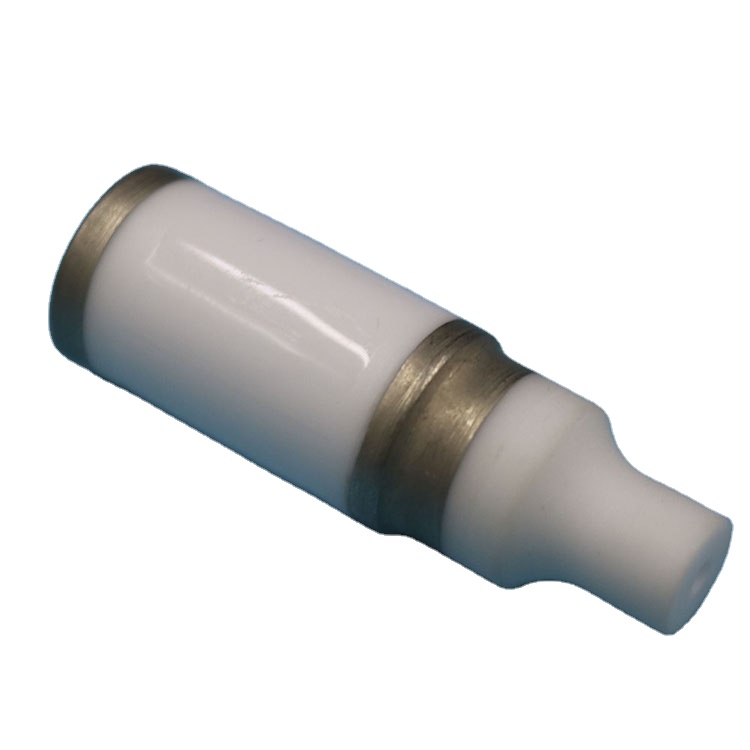
Advanced ceramic materials include alumina ceramics, zirconia ceramics, silicon carbide ceramics, silicon nitride, aluminum nitride, boron nitride and other specialty families. Custom ceramic components should be reviewed by grade, geometry, service conditions and required documentation rather than by material name alone.
Silicon Carbide
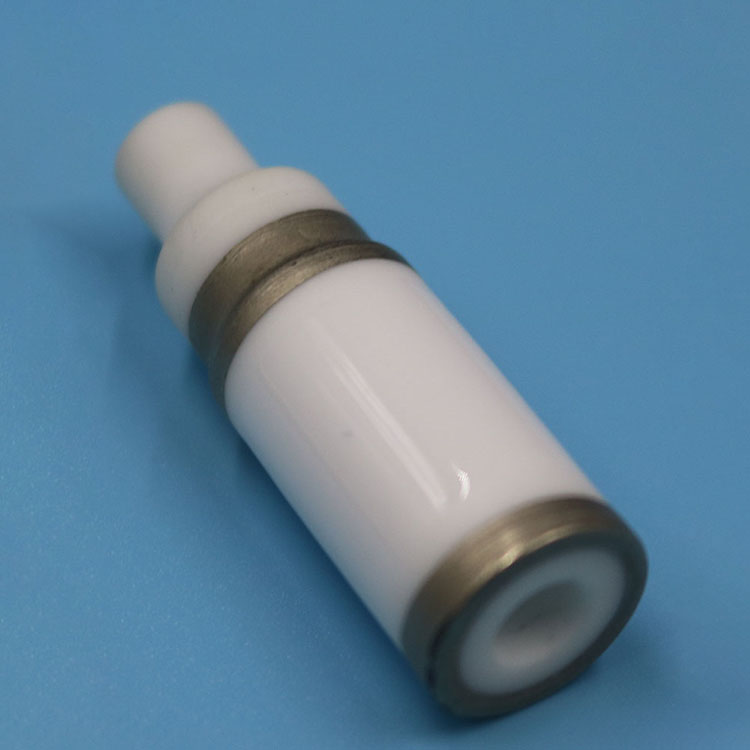
Rigid, hard and thermally conductive, silicon carbide is selected for seals, kiln supports, mechanical wear parts and high-temperature fixtures. Its excellent hardness and thermal stability support severe service, subject to geometry and finish.
Silicon Nitride
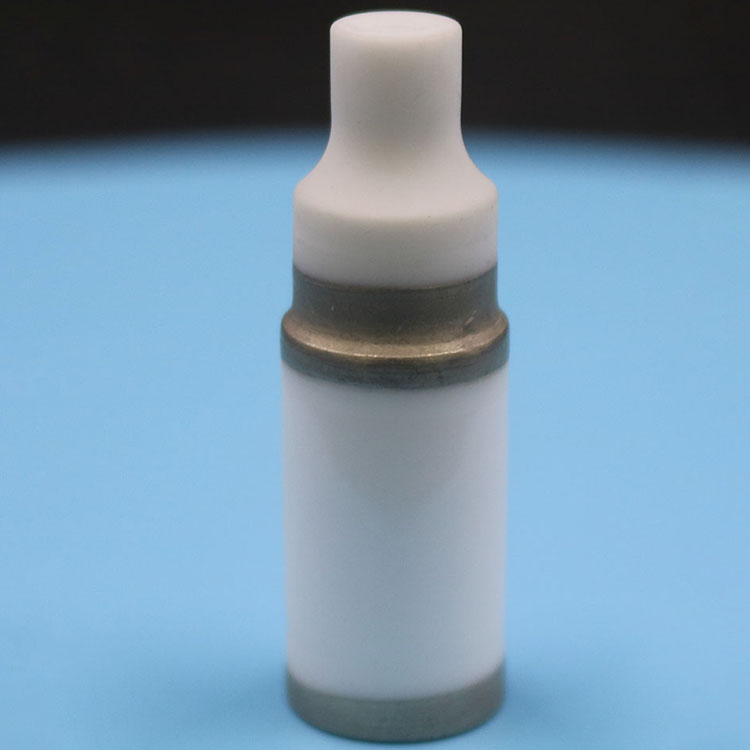
Lightweight with a smooth, dense surface, silicon nitride serves bearings, rollers, wear components and high-temperature assemblies. Its low density and strong thermal-shock resistance are valuable engineering attributes, but performance remains grade-specific.
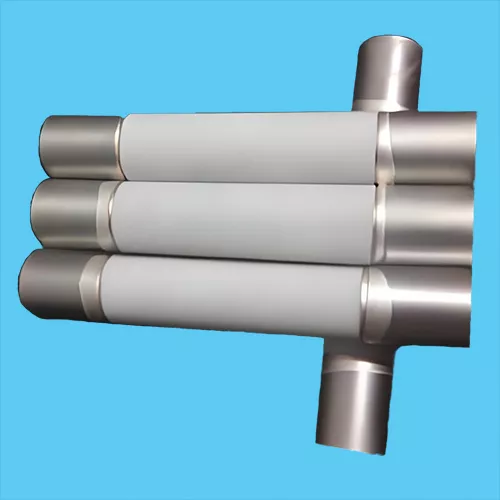
Aluminum Nitride
Smooth and electrically insulating while highly thermally conductive, aluminum nitride is common in substrates, heat-spreading parts and electronic assemblies. Its thermal performance depends on purity, metallization, geometry and confirmed processing requirements.
Ceramic Material Options for Cordierite Applications
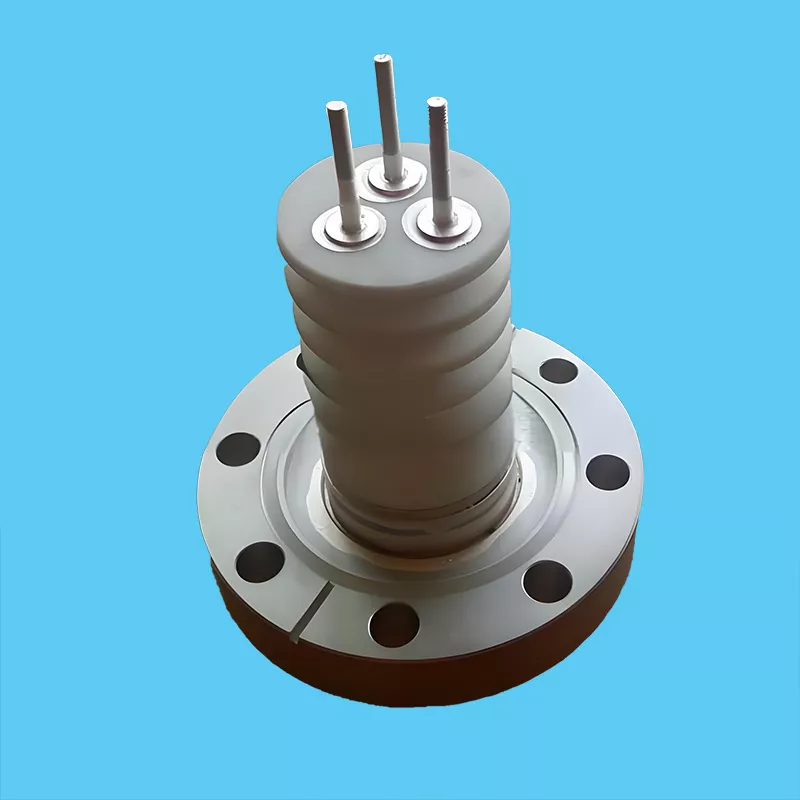
Forming and Firing
Depending on geometry and volume, forming and controlled firing can establish the cordierite body before finishing. Final shrinkage, material grade, dimensional targets and inspection criteria should be confirmed against the drawing.
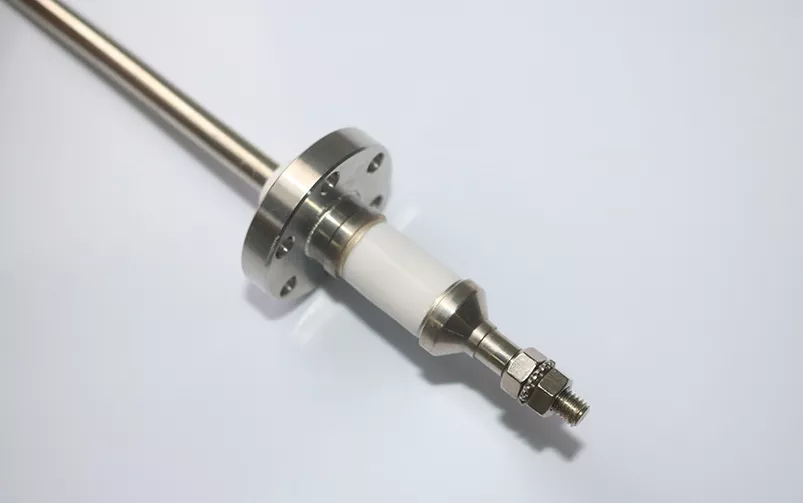
Green Machining
Green machining can help shape unfired cordierite blanks before densification, subject to geometry and process planning. It may support repeatable component forms while accounting for firing shrinkage and drawing-defined dimensions.

Diamond Grinding
Diamond grinding may be used after firing when tighter dimensions, defined mating surfaces or controlled edge conditions are important. The suitable sequence depends on part geometry, stock allowance, grade and tolerance requirements.
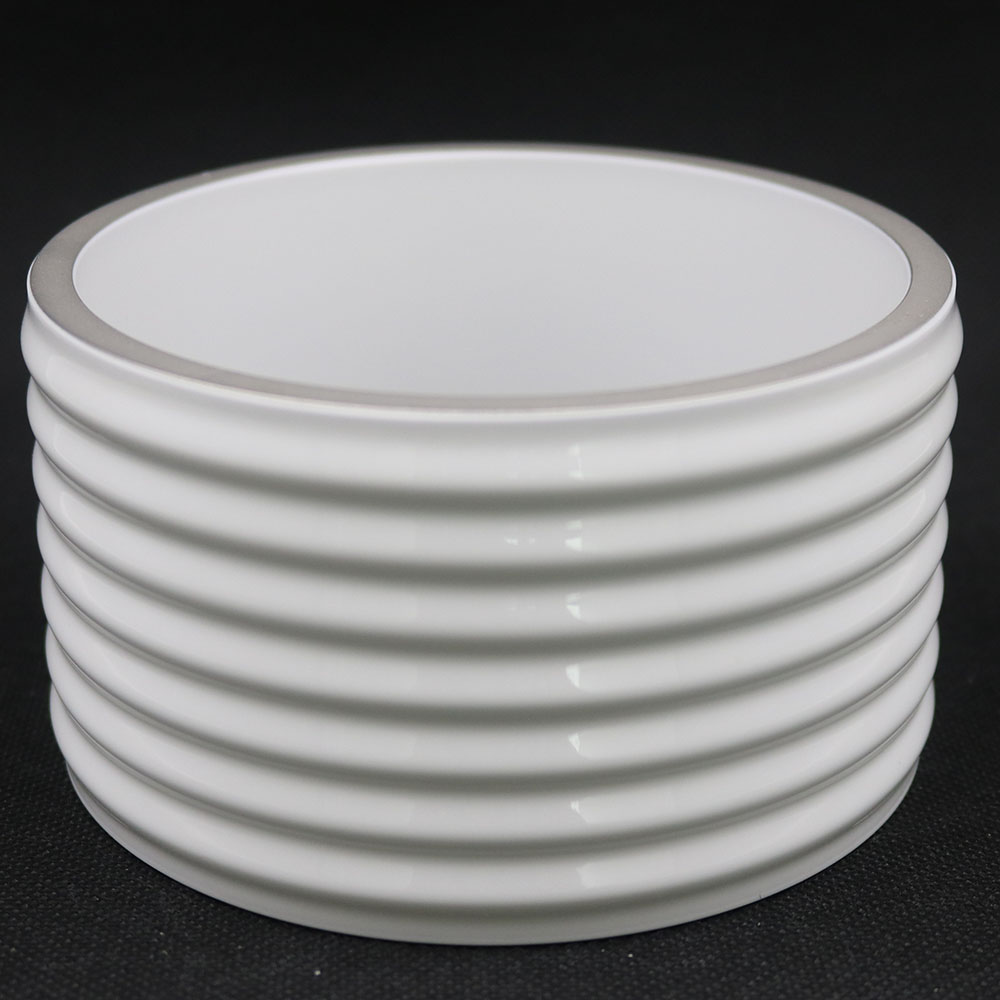
Lapping and Polishing
Lapping or polishing can refine selected surfaces where flatness, finish or interface quality matters. These operations should be limited to the surfaces that affect assembly or service, with acceptance values agreed in advance.

Edge Surface Finishing
Deburring and localized surface finishing can prepare edges, holes or interfaces for assembly, handling and service. The required result depends on geometry, contact conditions, drawing tolerances and the buyer’s acceptance criteria.
Supported Processes for Cordierite Components

Sealing Interfaces
Specify seal grooves, compression faces and compatible sealing materials where cordierite components must contain gases, fluids or process media. Interface dimensions and surface expectations should be confirmed against the assembly.

Ceramic Fittings
Threaded, flanged or bonded fittings can support installation and connection requirements around cordierite tubes, rings and assemblies. Identify connection standards, joining method, operating temperature and replacement constraints before quotation.

Mounting Features
Holes, slots, shoulders and locating surfaces help integrate cordierite components into equipment. Provide the current drawing revision, mating-part dimensions and critical tolerances when mounting features affect alignment or qualification.
Fastener Clearance
Clearance holes, countersinks and fastening zones should account for ceramic geometry, load paths and assembly method. Share fastener type, preload expectations and contact surfaces so the part can be reviewed appropriately.

Mating Surfaces
Identify the surfaces that fit another part, including flatness, finish, edge condition and dimensional control. These details help connect cordierite ceramics mechanical and wear performance with actual assembly and inspection needs.

Part Identification
Labels, markings or traceability features may support inspection, replacement and production control. Define marking location, legibility, permanence and documentation requirements when identification is part of the component approval process.
Interfaces for Cordierite Ceramic Components
Founded by Andy Yuan, Porcecore helps industrial procurement teams, engineers, equipment builders and ceramic distributors connect material choices with defined component requirements. The mission is straightforward: make technical ceramic sourcing easier to begin, easier to evaluate and more useful for the next project decision.
Porcecore covers oxide, nitride, carbide and specialty ceramics, including cordierite components considered for mechanical and wear performance. Each inquiry is approached through the application, geometry, mating surfaces, service conditions and inspection expectations rather than a material name alone.
This founder-led direction keeps communication practical and drawing-led. Buyers can share a current drawing revision, known material designation, quantity, operating environment and acceptance criteria by email or WhatsApp, creating a clearer basis for discussing grade, geometry, documentation and production requirements.

Cordierite Ceramics Mechanical and Wear Performance: Core Capabilities
Review Drawings Before Quotation
Cordierite ceramics mechanical and wear performance depends on the part’s actual duty, not a material name alone. Porcecore uses the current drawing revision, quantity, service conditions and acceptance criteria to frame a quotation discussion around measurable requirements.
- Confirm dimensions, tolerances and critical features
- Identify required material designation or open grade questions
- Separate essential requirements from preferred specifications
- Base pricing discussions on the current drawing revision

Discuss Grade Selection Clearly
Cordierite grades can differ in composition, processing route and applicable property ranges. Porcecore helps buyers connect the intended operating environment with a technically relevant material discussion, while keeping grade-specific values and availability subject to project confirmation.
- Review thermal, electrical and mechanical service conditions
- Discuss wear mechanisms and expected contact loads
- Distinguish general material data from grade-specific values
- Confirm achievable grade, size and process combinations

Analyze Geometry And Interfaces
A tube, rod, ring or substrate must work within an assembly. Geometry, mating surfaces and installation details influence cordierite ceramics mechanical and wear performance, so Porcecore invites teams to identify the surfaces and dimensions that determine fit and service life.
- Mark mating surfaces and interface dimensions
- Review wall thickness, openings and edge conditions
- Consider alignment, loading and thermal expansion context
- Clarify assembly limits before production commitment

Define Inspection Expectations
Inspection requirements should be established alongside material and geometry decisions. Porcecore supports a project-specific conversation covering tolerances, appearance, test records and documentation, helping procurement teams align acceptance criteria before a cordierite component enters production.
- Identify critical-to-function dimensions and tolerances
- Define appearance and defect acceptance criteria
- Specify testing, traceability and documentation needs
- Confirm inspection records required for approval
Cordierite Ceramics Mechanical and Wear Performance: Porcecore vs. Typical Supplier
Compare the sourcing practices that connect cordierite component requirements with clearer quotations, documentation, and project acceptance criteria.
← Swipe left or right to view →
Our Process for Cordierite Ceramics Mechanical and Wear Performance
From defined requirements to shipment, Porcecore keeps material decisions, component details and project acceptance terms visible at each sourcing stage.
Define Part Requirements
Share the drawing revision, quantity, service conditions, mating surfaces and acceptance criteria so cordierite ceramics mechanical and wear performance can be evaluated against the application.
Review Material Options
Porcecore reviews cordierite and related technical ceramic options according to geometry, operating environment, dimensional priorities and project-specific grade requirements.
Confirm Production Route
Forming or machining routes, tolerances, surface requirements, documentation and commercial terms are clarified before the quotation becomes a production basis.
Inspect Against Requirements
Finished components are checked against the confirmed drawing, material designation, dimensions and agreed acceptance criteria, with required inspection documentation prepared for review.
Pack And Ship
Approved parts are packaged for the component geometry and shipping requirements, then delivery details are confirmed before dispatch to your project team.
How to Define Cordierite Ceramics Mechanical and Wear Performance Requirements
Move from an initial drawing or application brief to a confirmed production order through clear, project-specific technical discussions.
Submit Your Requirements
Send the current drawing revision or application brief, including component geometry, quantity, operating environment and any known material designation.
Confirm Service Conditions
Review mating surfaces, temperature, loads, media, wear exposure, dimensional tolerances, inspection expectations and grade requirements with the Porcecore team.
Review Quote And Samples
Evaluate the quotation, proposed material and manufacturing route, then confirm sample requirements, documentation needs and acceptance criteria before approval.
Approve Production Details
Align on the final drawing, grade, quantity, delivery, documentation and commercial terms before progressing to an agreed production order.
Certifications and Technical Documentation

Customer Feedback on cordierite ceramics mechanical and wear performance
No verified customer testimonial or project outcome has been supplied for publication. This case-study slot is reserved for an approved identity, application context, drawing-led requirement, measured result and acceptance criteria.
No verified performance data is currently available to substantiate a customer claim about cordierite ceramics mechanical and wear performance. Add an approved result with test conditions, component geometry, service duration and documented outcome.
Porcecore welcomes evidence-based feedback from OEM teams, engineers and distributors. Submit an approved project result covering grade, dimensions, operating conditions, inspection records and measurable wear or mechanical performance before publication.
Cordierite Ceramics Mechanical and Wear Performance: Sourcing FAQ
Practical answers for procurement teams evaluating grade, geometry, inspection, commercial terms and project-specific feasibility.
How should we evaluate cordierite ceramics mechanical and wear performance for an OEM part?
What information is needed for a reliable quotation on cordierite ceramics mechanical and wear performance?
Can you confirm cordierite ceramics mechanical and wear performance for our grade and geometry?
What MOQ and lead time should we expect for cordierite ceramic components?
Are samples available, and how is sampling cost handled?
How are tolerances, functional surfaces and inspection evidence handled?
Can you support shipping, packaging, payment terms and intellectual-property protection?
How do we begin a cordierite ceramic quotation if grade availability is uncertain?
The Complete Buyer’s Guide to cordierite ceramics mechanical and wear performance
Use this decision framework to compare cordierite grades, mechanical and wear requirements, supplier capabilities, customization options, and total cost while avoiding specification, testing, and sourcing mistakes.
1. What Is cordierite ceramics mechanical and wear performance?
Six factors define cordierite ceramics mechanical and wear performance for procurement: strength, hardness, friction, abrasion resistance, thermal-shock behavior, and dimensional stability. The phrase describes a buyer-facing evaluation of whether a specified cordierite component can maintain function under its actual load, contact, heat, and time requirements. Five buyer inputs establish relevance: required load, mating materials and contact conditions, operating and cycling temperature, target service life, and failure limits. A tube, ring, guide, or insulator may need low deformation, controlled friction, resistance to particle wear, or stable dimensions for assembly; material name alone cannot establish suitability. One verification plan should connect each requirement to an applicable testing standard, agreed specimen geometry, and acceptance criterion.
2. Evolution and History of Cordierite Ceramics
Early 20th-century cordierite ceramics gained industrial relevance in kiln furniture and refractory parts because their low thermal expansion helped reduce thermal-shock damage. Those applications established a lasting lesson: composition, firing profile, geometry, and service temperature must be evaluated together. Postwar formulation development and tighter powder processing extended cordierite into electrical insulators, heater supports, kiln setters, and thermal-management components. Improved forming, controlled sintering, and diamond machining also made more precise tubes, plates, rings, and custom interfaces practical, while testing clarified how cordierite ceramics mechanical and wear performance changes with grade, porosity, mating material, load, and temperature. Today, procurement teams should treat that history as a qualification framework, not merely background.
3. Types of cordierite ceramics mechanical and wear performance
Five common cordierite forms differ mainly in density, porosity, finishing route, and service target.
Standard And Dense Cordierite
Standard cordierite suits general thermal components; higher-density variants improve strength, edge durability, and sliding-wear resistance.
Porous Cordierite
Open porosity lowers weight and thermal conductivity while improving thermal-shock behavior. It also reduces load-bearing strength and can retain abrasive contaminants.
Machined Cordierite Grades
Diamond-machined cordierite provides tighter dimensions, cleaner mating surfaces, and more predictable assembly than as-fired parts.
Application-Specific Variants
Reinforced or specially formulated variants target vibration, abrasion, dielectric, or repeated thermal-cycling demands.
4. Materials, Formulations, and Performance Data
Alumina, silica, and magnesia proportions establish cordierite’s low-expansion ceramic matrix; binders and additives mainly control forming, sintering, and defect risk.
| Material | Density / Strength | Hardness / Expansion | Wear / Temperature | Typical Applications |
|---|---|---|---|---|
| Cordierite | 2.0–2.5 g/cm³; 20–100 MPa | Moderate; 1–3 ×10⁻⁶/K | Moderate wear; up to ~1,000°C | Kiln furniture, insulators |
| Alumina | 3.7–3.9 g/cm³; 250–400 MPa | High; 7–9 ×10⁻⁶/K | High wear; up to ~1,500°C | Seals, liners, guides |
| Silicon carbide | 3.1–3.2 g/cm³; 300–600 MPa | Very high; 3–5 ×10⁻⁶/K | Very high wear; up to ~1,600°C | Mechanical seals, nozzles |
Formulation Variables
Cordierite formulations typically balance alumina, silica, and magnesia against binder content and sintering aids. Fine, uniform grains and controlled porosity support dimensional stability, while excess glassy phase or coarse grains can reduce strength and wear consistency.
Firing temperature, soak time, and atmosphere affect phase development and residual stress. These variables require grade-specific confirmation rather than substitution from generic datasheets.
Property Comparison
Typical values vary with formulation, density, and test method; use them for screening, then confirm the proposed grade against the drawing and service conditions.
Buyer Data Checks
Request density, flexural strength, hardness, thermal expansion, porosity, wear method, maximum temperature, and application history for the specific grade.
5. Customization and Surface Options
A drawing should define dimensions, tolerances, interfaces, and surface requirements together.
| Option | Primary effect | Typical implication |
|---|---|---|
| Threads and grooves | Assembly or sealing | More tooling and inspection |
| Lapping or polishing | Friction and cleanliness | Controlled finish requirement |
| Metallization or glazing | Electrical or bonding behavior | Added process validation |
Geometry And Tolerances
Drawing-led details include holes, grooves, threads, radii, and mating surfaces.
Functional Surface Engineering
Lapping and polishing can reduce friction, particle generation, and leakage at contact surfaces.
Identification And Delivery
Color identification is useful for part family control, but it is cosmetic unless tied to a documented material or process.
6. Key cordierite ceramics mechanical and wear performance quality elements
Three linked controls shape cordierite ceramics mechanical and wear performance: microstructure, firing, and defect prevention. Quality approval should connect each control to measurable acceptance criteria.
Microstructure And Firing Control
Uniform microstructure and controlled porosity depend on formulation, forming, drying, and firing discipline. Request a grade-specific certificate of analysis, firing profile summary, density or porosity results, and representative test data.
Crack prevention requires evidence from sample parts, including visual inspection and suitable non-destructive checks where geometry permits. Define allowable cracks, inclusions, warpage, and batch-to-batch variation before production approval.
Geometry And Surface Integrity
Edge integrity, surface roughness, and dimensional tolerances directly affect assembly and wear at mating surfaces. State datum references, critical dimensions, tolerance bands, chamfer requirements, roughness limits, and inspection methods on the drawing.
Request first-article samples measured against the approved revision, with inspection results for fits, sealing faces, holes, and fragile edges. A product illustration is not an acceptance specification.
Traceability And Release Evidence
Each production batch should carry traceability from raw material and forming lot through firing, finishing, inspection, and shipment. Ask for lot identification, retained samples, calibration status, and a signed certificate of conformity.
Before release, agree the inspection plan, sampling level, test-report format, nonconformance process, and approval authority. Confirm certificates, test reports, samples, and acceptance criteria against the individual project.
7. How to Choose a Cordierite Ceramic Manufacturer
A qualified manufacturer connects cordierite grade control to the finished part’s geometry, interfaces, and service conditions.
Audit Technical Capability
Three evidence sets matter: formulation records, tooling controls, and machining capability for the required geometry. Ask which properties are tested by lot and how results trace to the drawing revision.
Verify Quality And Capacity
One qualification review should cover test methods, calibration, nonconformance control, change notification, capacity, and realistic lead-time commitments. Request sample inspection data, first-article criteria, and evidence that repeat orders follow the same controls.
Compare Suppliers Systematically
Four commercial comparisons are useful: technical fit, consistency, responsiveness, and delivered cost. Include tooling amortization, inspection, packaging, logistics, qualification effort, and the consequence of late or uncontrolled changes.
| Criterion | Request | Why It Matters |
|---|---|---|
| Samples | Production-route sample | Tests repeatability |
| Capacity | Committed monthly output | Tests continuity |
| Change control | Written notification process | Protects fit and performance |
8. Common Mistakes Buyers Make
Seven recurring procurement errors turn a suitable ceramic into an unreliable component.
Define Loads And Wear Modes
A material name alone cannot define performance: specify load, speed, contact geometry, lubrication, debris, and the actual wear mode. Otherwise, the component may deform, chip, or wear prematurely.
Use Grade-Specific Data
Datasheet values vary with grade, porosity, test method, and temperature. Generic strength or wear figures can produce unsafe assumptions during quotation and approval.
Check Interfaces And Cycling
Mating metals, ceramics, seals, and fasteners control contact stress and thermal expansion. Ignoring them can cause fretting, leakage, cracking, or seizure during thermal cycling.
Verify Tolerances And Validate
Unverified tolerances and underestimated tooling costs can disrupt assembly and inflate later revisions. Confirm critical dimensions, datum scheme, tooling ownership, and inspection capability before order release.
9. Steps to Launch Your Cordierite Component Program
One approved application definition should anchor the program: operating conditions, geometry, interfaces, loads and wear modes.
Define And Sample
1. Start with the current drawing, quantity, service conditions and acceptance criteria; identify mating surfaces and critical dimensions. Compare cordierite grades against thermal, mechanical and wear requirements before prototype sampling. 2.
Revise And Approve
3. Record test results against drawing requirements, revise geometry or material only where evidence supports the change, then freeze a controlled pilot revision. Pilot production should confirm process capability, inspection methods and packaging. 4.
Support Distribution Claims
5. Component sellers should describe the part, grade and application boundaries accurately; branding must not turn general material data into an undocumented guarantee. Keep claims aligned with the approved specification and customer use case.
10. Pricing, Cost Drivers, and Lead Times
4 cost bands usually shape a cordierite quotation: raw-material formulation, geometry, tolerance, order quantity, and required documentation. Tooling and machining become more significant for intricate profiles, tight fits, drilled features, or substantial material removal.
2 finishing stages—grinding and lapping—can add cost alongside dimensional inspection, performance testing, protective packaging, and expedited freight. Lead time depends on stock status, tooling readiness, batch size, and approval requirements.
1 current drawing revision should accompany the inquiry, with quantity, service conditions, critical mating surfaces, tolerances, testing, packaging, and delivery target. Porcecore can then separate essential specifications from preferences before confirming commercial terms.
| Manufacturing tier | Indicative cost categories | Expected lead time | Buyer action for accurate quote |
|---|---|---|---|
| Prototype or small batch | Formulation, setup, tooling, machining, inspection | 4–8 weeks | Send drawing, quantity, grade, and acceptance criteria |
| Standard repeat component | Material, established tooling, machining, finishing, packaging | 3–6 weeks | Confirm annual demand and approved revision |
| Complex precision component | Custom formulation, tooling, tight tolerances, testing | 6–12 weeks | Identify mating surfaces and inspection report needs |
| Expedited or development order | Priority scheduling, special testing, expedited delivery | Case-specific | State deadline and acceptability of partial shipment |
Discuss Your Cordierite Ceramics Mechanical and Wear Performance Requirements
Email your drawing or describe the component, quantity, service conditions, and acceptance criteria for a focused Porcecore quotation discussion.