
Silicon Nitride Ceramics Grades and Compositions for Defined Parts
Match silicon nitride ceramics grades and compositions to your drawing, service conditions, interfaces, and acceptance requirements before requesting a quotation.
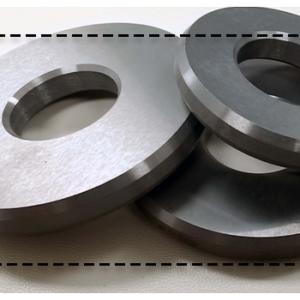
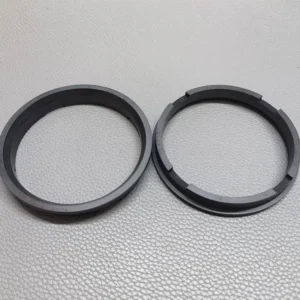
Featured Silicon Nitride Ceramic Components


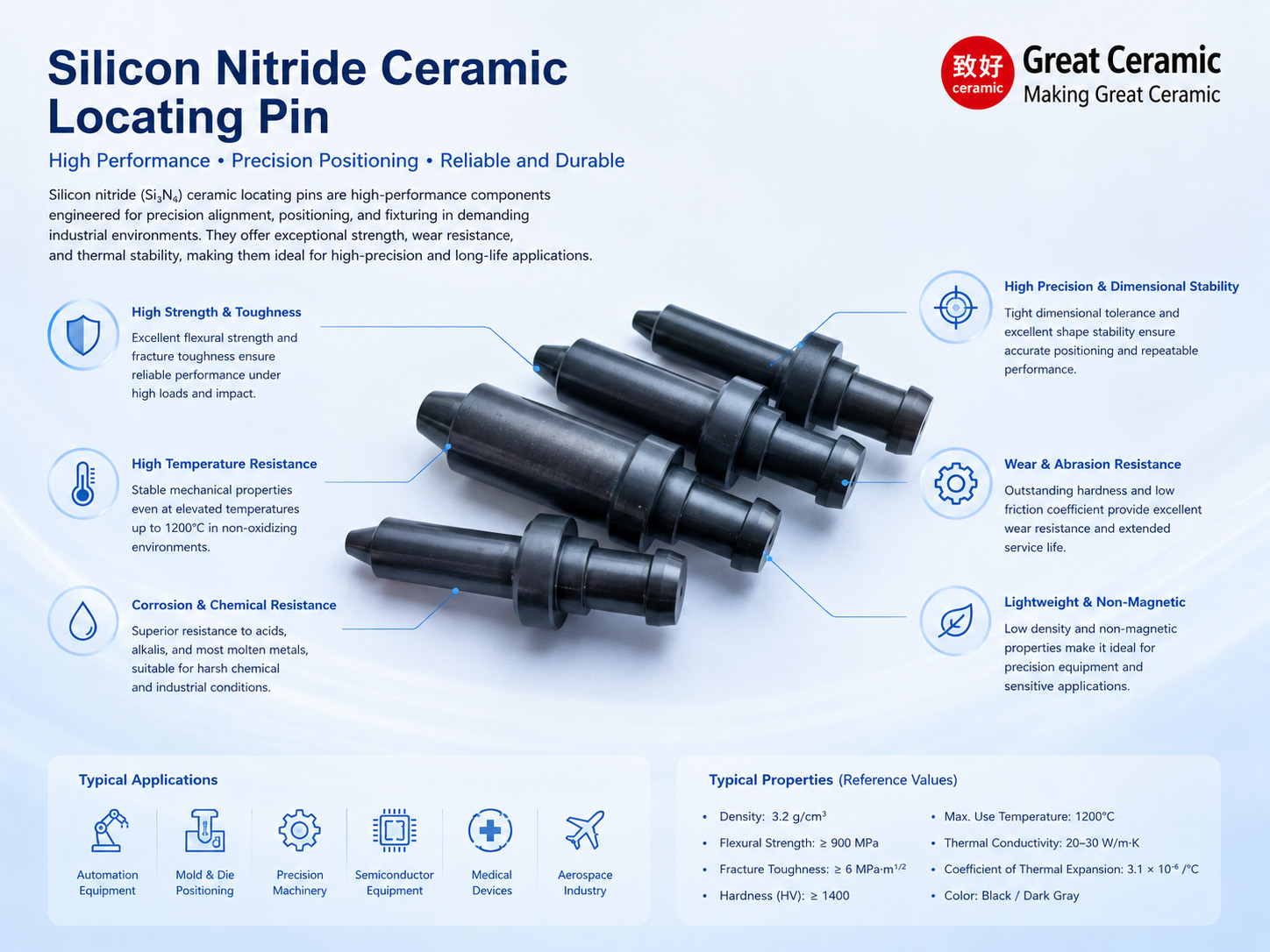
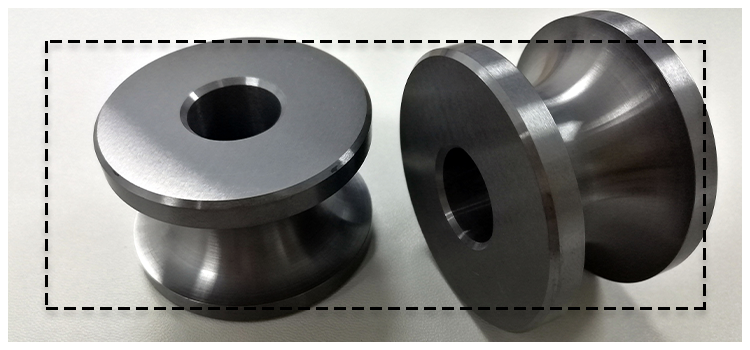


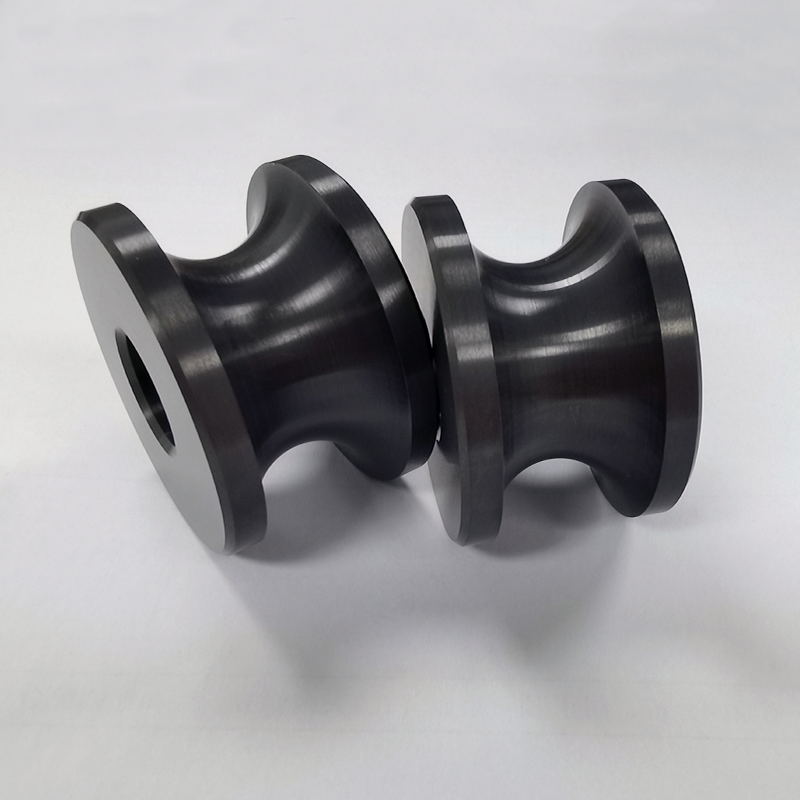

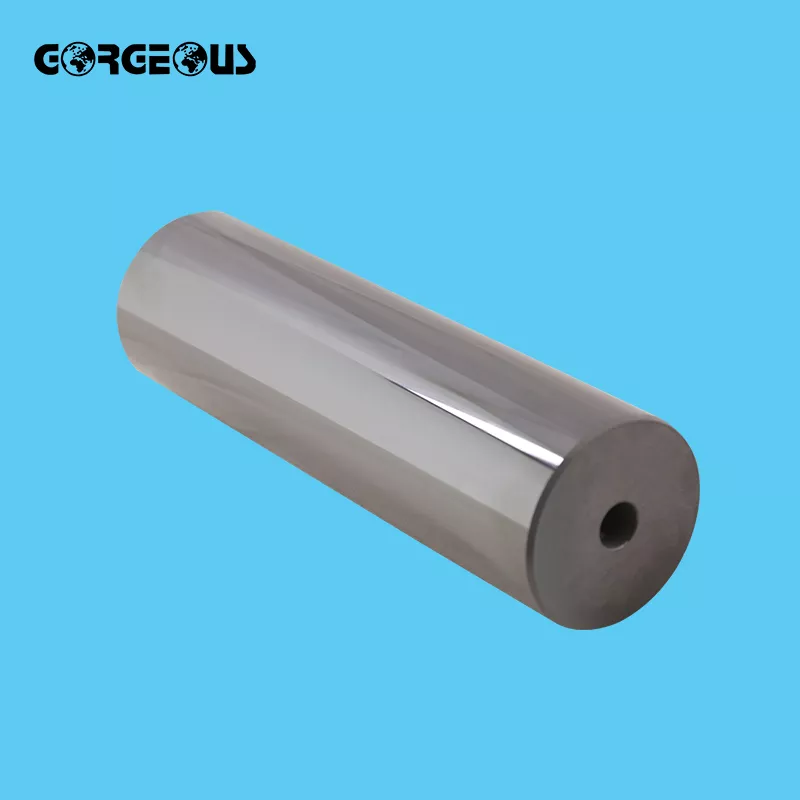
Related Product Catalogue and Quotation

Why Define the Requirement Before Selecting a Grade
Silicon nitride ceramics grades and compositions should be reviewed alongside the part’s geometry, interfaces, service conditions, and acceptance expectations before a sourcing decision is made.
Current Drawing Revision
Provide the current drawing revision so dimensions, tolerances, datum references, and change history can be reviewed against the component requirement before quotation discussions begin.
Grade and Composition
Identify the known grade or composition preference, then relate it to the application rather than assuming a material family name alone defines part performance.
Geometry and Assembly Dimensions
Share the dimensions that govern installation, clearance, wall thickness, and load path so the proposed ceramic form can be discussed in the context of assembly.
Forming and Finishing Route
Consider the likely forming, sintering, and finishing route with the requested shape, tolerances, and surfaces to identify practical questions before committing to a specification.
Functional Surface Requirements
Mark mating, sealing, sliding, or contact surfaces on the drawing and explain their function, allowing finish expectations and critical interfaces to be included in the inquiry.
Inspection and Acceptance Evidence
State the dimensions, material information, records, and inspection evidence required for approval, helping distinguish essential acceptance criteria from general product information.
Silicon Nitride Components by Form and Application
Explore component forms, material options, application contexts, and sourcing information before preparing a drawing-led inquiry.
Ceramic Manufacturing Capabilities
Review ceramic manufacturing capabilities in relation to the part requirement: forming route, achievable geometry, critical surfaces, tolerances, finishing, inspection, and documentation. Share the current drawing revision and acceptance criteria so the quotation discussion reflects the intended component, not a generic process label.
Discuss Your Ceramic Part
Ceramic Solutions by Industry
Explore advanced ceramics applications by the operating challenge: wear, heat, electrical insulation, thermal transfer, chemical exposure, or mechanical loading. Application context helps define the relevant material family, component geometry, mating interfaces, and verification needs for a project-specific inquiry.
Discuss Your Ceramic Part
Advanced Ceramic Materials
Compare technical ceramic components and industrial ceramic parts across alumina ceramics, zirconia ceramics, silicon carbide ceramics, silicon nitride, aluminum nitride, boron nitride, and specialty ceramic families. General properties are a starting point; confirm the grade, dimensions, service conditions, and acceptance requirements for each custom ceramic component.
Discuss Your Ceramic Part
Technical Ceramic Products
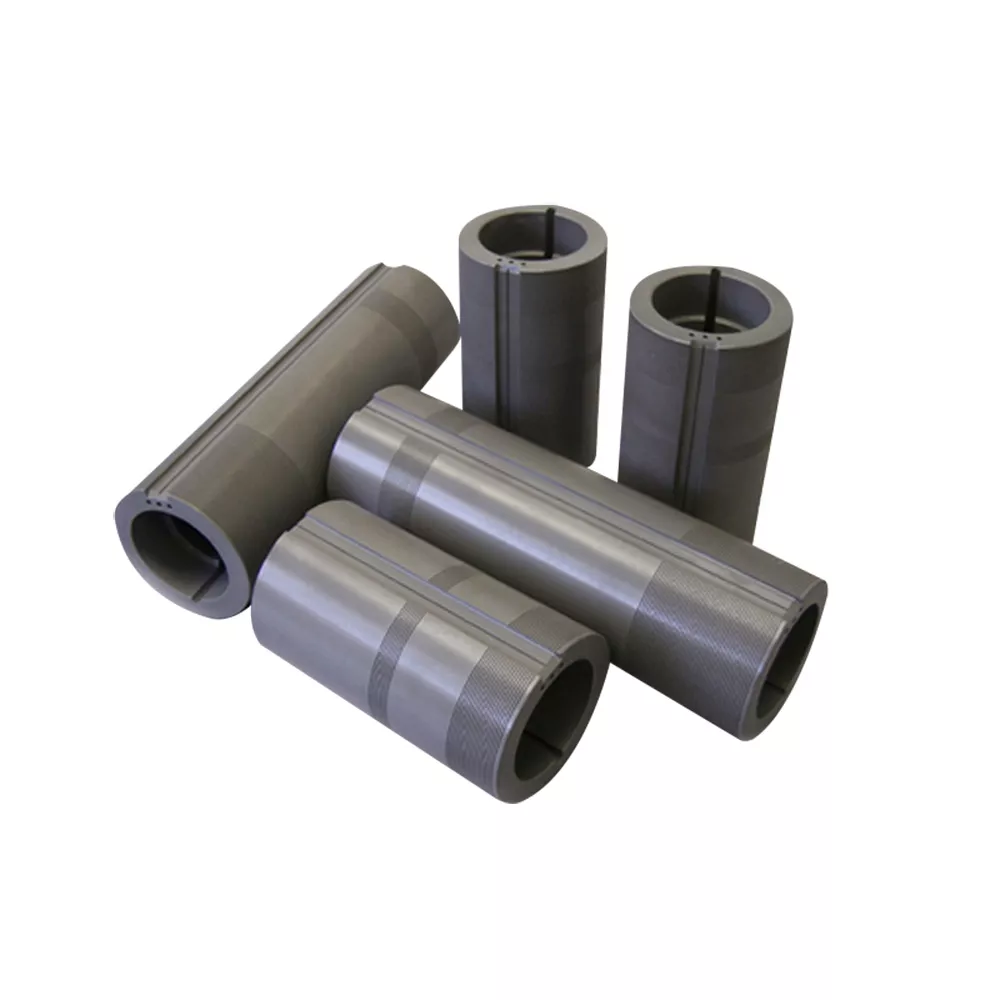
Browse technical ceramic products by familiar component forms, including tubes, rods, rings, substrates, and replacement parts. Use the product category to frame an inquiry, then provide the drawing, material designation if known, quantity, assembly-critical dimensions, and required documentation.
Discuss Your Ceramic Part
Technical Ceramic Resources
Use this technical ceramics guide to prepare a clearer sourcing conversation. Identify the component’s job, operating environment, material questions, critical dimensions, fit surfaces, inspection expectations, and delivery requirements before contacting Porcecore by email or WhatsApp.
Discuss Your Ceramic PartSilicon Nitride Ceramics Grades and Compositions


Gas Pressure Sintered
A silicon nitride route considered for demanding mechanical parts requiring project-specific density, microstructure, and performance review. Share service temperature, loading conditions, critical surfaces, and material designation when known.

Reaction-Bonded Silicon Nitride
A material route relevant when geometry, dimensional change, and subsequent finishing need discussion together. Provide the component drawing, mating features, application environment, and tolerances needed for assembly.

Sintered Reaction Bonded
This family combines reaction-bonded processing with a further densification step, making composition and final properties important project questions. Define the intended use, quantity, dimensional priorities, and acceptance documentation.

SiAlON Ceramic Grades
Silicon aluminum oxynitride grades may be relevant where a silicon nitride-based composition is under consideration. Clarify the required material designation, operating environment, contact media, and grade-specific values required for approval.
Silicon Nitride Ceramics Grades and Compositions: Process Routes

Powder Preparation
Powder selection, additive systems, and mixing approach influence the starting composition and downstream processing window. Share the material designation, target function, and any property priorities so grade discussions begin with the intended component.

Green Forming
Pressing, casting, or other forming routes are evaluated against part geometry, wall transitions, and production quantity. Early drawing review helps identify features that may affect shape stability, tooling needs, or achievable dimensions before quotation.

Controlled Sintering
Sintering conditions and densification approach can affect microstructure, dimensional change, and grade-specific behavior. Porcecore reviews the stated material requirement alongside service environment and critical dimensions rather than treating a material family as a fixed specification.

Precision Grinding
Grinding can establish assembly-critical diameters, faces, bores, and surface requirements after firing. Identify mating surfaces, tolerance callouts, datum references, and finish expectations on the current drawing to support a more grounded feasibility discussion.

Inspection Planning
Inspection planning connects the final component to the dimensions, material designation, and documentation requested for approval. Define acceptance criteria, measurement needs, and any records required so open questions can be addressed before an order is agreed.
Silicon Nitride Ceramics Grades and Compositions: Interfaces and Assembly Features

Fitted Surfaces
Mark diameters, faces, tapers, and other surfaces that mate with adjacent parts. Include the required fit, finish expectations, datum references, and any dimensions that control alignment or load transfer.

Holes and Threads
Specify through-holes, blind holes, counterbores, thread requirements, and insert arrangements. Note hole location tolerances, edge distances, mating fasteners, and whether hardware is supplied separately or evaluated as part of the assembly.

Grooves and Seats
Define O-ring grooves, retaining features, bearing seats, channels, and reliefs with sectional dimensions. Explain the sealing, locating, or retention function so the geometry and inspection points can be reviewed against the application.

Assembly Hardware
List shafts, housings, clamps, seals, fasteners, and other related hardware that interfaces with the ceramic component. Material compatibility, installation sequence, and contact conditions help clarify the complete part requirement.

Inspection Requirements
State critical dimensions, datum scheme, surface criteria, acceptance limits, and documentation needed for approval. A marked drawing helps distinguish essential assembly interfaces from noncritical features during the quotation discussion.
About Porcecore: Silicon Nitride Ceramics Grades and Compositions
Founded by Andy Yuan, Porcecore helps industrial buyers connect technical ceramic material choices to clearly defined component requirements. Our material coverage includes oxide, nitride, carbide, and specialty ceramic families, including silicon nitride ceramics grades and compositions considered in relation to the part, service environment, and project priorities.
We begin with the component and the job it must perform. A material name alone does not define a tube, rod, ring, or substrate; geometry, mating surfaces, operating conditions, and inspection expectations also matter. Porcecore supports drawing-led conversations that clarify grade, acceptance requirements, and open questions before a quotation discussion moves forward.

Silicon Nitride Ceramics Grades and Compositions, Defined by Drawing
Start With the Part
Silicon nitride ceramics grades and compositions are evaluated against the component’s actual job: loads, temperature, environment, interfaces, and assembly constraints. This keeps the material discussion connected to the dimensions and surfaces that determine whether the part can perform as intended.
- Share the current drawing revision
- Identify critical mating surfaces
- Describe operating loads and environment
- Separate essential requirements from preferences

Confirm Grade Before Commitment
A silicon nitride designation alone does not establish a project-ready specification. Grade, composition, forming route, sintering approach, and finishing requirements should be reviewed together with the required geometry, quantity, and acceptance criteria before a quotation discussion is finalized.
- State any known material designation
- Clarify grade-specific property needs
- Discuss geometry and finishing expectations
- Confirm availability for the project

Make Inspection Requirements Visible
Inspection expectations belong in the inquiry, especially where fit, surface condition, or documentation affects approval. Porcecore helps organize the questions around tolerances, critical dimensions, measurement needs, and requested records so the quotation conversation has a clearer technical basis.
- Mark dimensions critical to assembly
- Note tolerance and surface requirements
- List requested inspection records
- Identify approval documentation needs

Move From Drawing to Discussion
Send a drawing, replacement-part reference, or application description to begin a focused review. Porcecore can help turn open questions about silicon nitride ceramics grades and compositions into a defined inquiry covering material, geometry, inspection, delivery, and commercial details.
- Email drawings to info@zlrsmaterials.com
- Include quantity and target timing
- Describe the service conditions
- Use WhatsApp for direct project contact

Silicon Nitride Ceramics Grades and Compositions: Drawing-Led Sourcing
Compare an application-first inquiry for silicon nitride ceramics grades and compositions with material-name-only sourcing.
← Swipe left or right to view →
Silicon Nitride Ceramics Grades and Compositions: From Requirement Review to Shipment
Move from a defined component need to a project-specific quotation discussion with the drawing, service conditions, inspection expectations, packing, and delivery terms aligned.
Review Part Requirements
Share the current drawing revision, intended application, quantity, operating environment, mating surfaces, and critical dimensions that determine how the silicon nitride component must function.
Discuss Grade Options
Review silicon nitride ceramics grades and compositions against the part requirement, recognizing that general material information does not replace project-specific grade confirmation.
Clarify Quotation Basis
Confirm the requested geometry, tolerances, finishing needs, documentation, acceptance criteria, and commercial details so the quotation conversation has a clear technical basis.
Confirm Production Details
Before production commitment, align the agreed material grade, drawing revision, inspection expectations, quantities, delivery timing, and any project-specific requirements requiring confirmation.
Align Packing And Delivery
Discuss packing expectations, shipping arrangements, required documents, and delivery terms for the individual order before finalizing the production and shipment plan.
Start Your Silicon Nitride Ceramics Grades and Compositions Inquiry
Give the quotation discussion a practical basis by connecting material considerations with the component drawing, operating conditions, and acceptance expectations.
Send Your Current Drawing
Share the current drawing revision, component form, quantity, and any known material designation so the inquiry begins with the part requirements.
Define Service Conditions
Identify operating temperature, loads, media exposure, mating surfaces, critical dimensions, and functional concerns that may influence silicon nitride grade and composition discussions.
Review Open Questions
Clarify geometry, tolerances, finishing needs, inspection expectations, and documentation requirements, separating essential acceptance criteria from preferences before quotation terms are discussed.
Confirm Project Terms
Review the project-specific material grade, component scope, documentation, delivery considerations, and commercial terms before moving from an inquiry toward an agreed production order.
Illustrative Silicon Nitride Project Scenarios

Silicon Nitride Ceramics Grades and Compositions: Project Conversations
Representative project example: Our team aligned the drawing revision, two mating surfaces, and incoming inspection criteria before requesting a quotation. That made the grade discussion more focused and gave procurement a clearer basis for comparing responses.
Representative project example: We shared the service temperature, load direction, quantity, and critical dimensions for a silicon nitride ring. The early review identified the acceptance points we needed to confirm before moving toward a production discussion.
Representative project example: A replacement-component inquiry became easier to evaluate after we provided the existing part dimensions, application details, and documentation needs. The conversation separated material assumptions from the requirements that had to be agreed for our project.
Silicon Nitride Ceramics Grades and Compositions FAQ
Practical quotation guidance for custom technical ceramic components.
How should we compare silicon nitride ceramics grades and compositions for our part?
What information is needed to quote silicon nitride ceramics grades and compositions?
Can silicon nitride ceramics grades and compositions be selected for a replacement component?
Is there a minimum order quantity for custom silicon nitride parts?
Can we request samples before a production order?
How are tolerances and functional surfaces handled?
What inspection evidence can be discussed for a ceramic component order?
How should we address shipping and confidential drawings?
Silicon Nitride Ceramics Grades and Compositions: Complete Buyer’s Guide
Use a practical decision framework to match grades, compositions, and processing routes to service conditions, compare supplier evidence, and avoid specification, qualification, and total-cost mistakes before issuing an RFQ.
1. What Are Silicon Nitride Ceramics Grades and Compositions?
Si3N4 is a silicon-nitrogen engineering ceramic whose fabrication route governs its properties: reaction-bonded, hot-pressed, sintered, and sintered reaction-bonded forms are distinct material classes (https://www.syalons.com/resources/articles-and-guides/silicon-nitride-ceramics). A quoted grade is therefore a supplier-specific, application-oriented specification, not a universal substitute for every Si3N4 part.
Two grades can be considered equivalent only after comparing base chemistry, sintering-aid system, density or residual porosity, alpha/beta phase balance, grain-boundary microstructure, and fabrication route. The comparison must also cover finished geometry, critical tolerances and mating surfaces, plus validated property values, test method, test direction, temperature, and acceptance criteria; a generic datasheet value alone does not qualify a component.
2. Development History and Industrial Adoption
1960s–1970s development moved silicon nitride from reaction-bonded material, valued for near-net-shape firing, to hot-pressed grades that achieved higher density but constrained component geometry. Hot-pressed material became relevant to cutting applications, while reaction-bonded forms served kiln and refractory duties.
Since the 1970s, pressureless-sintered and sintered reaction-bonded routes broadened the trade space between density, shape freedom, machining allowance, and cost. Gas-pressure sintering later supported further densification and tougher microstructures; these advances enabled practical bearing, wear-part, and metal-handling uses.
SiAlON developments introduced silicon, aluminium, oxygen, and nitrogen into the same engineering-material family, expanding composition choices for demanding thermal and wear environments. Legacy labels such as RBSN, HPSN, SSN, GPSN, or SiAlON describe a processing history, not a complete purchase specification; confirm composition, density, microstructure, geometry, and acceptance criteria. Source: https://www.syalons.com/resources/articles-and-guides/silicon-nitride-ceramics
3. Silicon Nitride Ceramics Grades and Compositions Types
Six processing families make silicon nitride ceramics grades and compositions materially different: densification controls porosity, strength, toughness, geometry, and cost. Source: https://www.syalons.com/resources/articles-and-guides/silicon-nitride-ceramics.
| Family | Route And Density | Tradeoff | Best Fit |
|---|---|---|---|
| RBSN | Nitrided compact; porous | Lowest cost; lower strength | Kiln furniture, near-net forms |
| SRBSN | Nitrided then sintered; denser | Better properties; moderate cost | Wear parts, cutting tools |
| HPSN | Die pressing; fully dense | High performance; simple shapes | Cutting tools |
| SSN | Pressureless nitrogen sintering | Balanced properties and cost | General engineered parts |
| GPSN | Gas-pressure sintering; dense | High toughness; higher cost | Demanding wear components |
| SiAlON | Aluminum-modified SSN | Grade-dependent behavior | High-temperature applications |
Bonded Routes
RBSN nitrides a silicon compact near 1450°C, preserving near-net dimensions but retaining porosity.
SRBSN adds sintering after nitriding, reducing porosity and improving strength at moderate cost.
Dense Sintered Routes
HPSN hot-presses powder in a graphite die; dense, high-performing bodies are commonly limited to simple shapes.
SSN pressurelessly sinters in nitrogen, while GPSN adds gas pressure for dense, tougher grades and complex component potential.
SiAlON And Selection
SiAlON-related grades are SSN compositions with aluminum-containing additions; specify the grade rather than assuming generic Si3N4 behavior.
Which loading, service temperature, finished geometry, and annual volume determine whether near-net RBSN or dense sintering is appropriate?
4. Silicon Nitride Ceramics Grades and Compositions Materials
Si3N4 starts as alpha, beta, or mixed-phase powder; particle size and distribution set packing and liquid-phase sintering behavior. For silicon nitride ceramics grades and compositions, the RFQ must define outcomes before formulation.
| Control | RFQ Requirement | Service Effect |
|---|---|---|
| Phase balance | Alpha/beta target | Grain development |
| Additive system | Declared chemistry | Densification boundary phase |
| Porosity | Maximum limit | Strength reliability |
Powder And Additive System
Alpha-rich powder commonly transforms to elongated beta grains during sintering. Oxide aids such as yttria, magnesia, or alumina form the transient liquid that enables densification; aluminum additions can support SiAlON-type chemistry.
Microstructure Controls
More than 99% theoretical density and below 1% residual porosity are reported targets for high-performance sintered material. Elongated beta grains and the residual grain-boundary phase influence toughness, creep, oxidation, and lot-to-lot behavior. Source: https://eureka.patsnap.com/materials/silicon-nitride-sintered-ceramic
RFQ Disclosure Boundaries
Specify purity, phase balance, density, maximum porosity, grain morphology, required properties, test method, and batch consistency expectations. Request certified results and acceptance limits; treat additive ratios, powder processing, and proprietary firing details as supplier-controlled unless contractually necessary.
5. Composition Customization and Finishing Options
Silicon nitride ceramics grades and compositions should be matched to the component’s wear, thermal-cycling, insulation, or chemical-exposure requirement. Treat every requested finish as a drawing and inspection decision, not a catalog default.
Grade And Geometry Review
First, define the service medium, temperature cycle, load, and electrical duty before proposing additive chemistry or a forming route.
Second, review thin walls, sharp transitions, deep holes, and internal threads early; they can change sintering yield, machining time, and the required test method.
Finish And Acceptance Details
Third, specify near-net shape where practical, then identify ground, lapped, or polished surfaces by function and required roughness.
Fourth, call out datum-based tolerances, hole geometry, thread standard, edge condition, identification, and protective packaging. Metallization requires early compatibility review of the joint, atmosphere, and acceptance method.
6. Critical Quality and Reliability Factors
One qualified lot should connect powder, process records, inspection results, and shipment documentation. For silicon nitride ceramics grades and compositions, property values are meaningful only when the specimen, direction, condition, and test method fit the part.
Process Evidence
100% of incoming powder lots should be identified by supplier lot, composition, particle-size control, and moisture or contamination checks. Request forming records and the sintering atmosphere and firing-profile controls that establish repeatability.
Part Verification
Each finished lot needs density and open-porosity results, dimensional inspection against the drawing, and defined visual or microscopic surface-defect acceptance criteria. Inspect critical mating surfaces separately from nonfunctional surfaces.
Property Context
Three-point bend results measure flexural strength, or modulus of rupture, rather than tensile strength; test geometry and temperature affect comparison (https://www.syalons.com/2018/08/27/the-modulus-of-rupture-of-silicon-nitride-ceramics). Match fracture toughness, hardness, thermal expansion, dielectric properties, and surface finish to service conditions and named standards.
Traceability And Certificates
One certificate of conformance should state part number, drawing revision, grade, lot identity, quantity, inspection scope, test methods, and any exceptions. Confirm whether reported values are lot-specific results, typical data, or supplier declarations before release.
7. Selecting a Silicon Nitride Ceramics Grade Supplier
A supplier shortlist should test the proposed grade against the part, not a generic material label. Procurement and engineering should score the same evidence before commercial comparison.
| Evaluation Area | Engineering Check | Procurement Check |
|---|---|---|
| Material | Grade data and route | Traceability records |
| Part Capability | Geometry and finish | Sample qualification |
| Production | Inspection plan | Capacity and communication |
Start With Engineering Review
The RFQ should include drawing revision, annual volume, service medium, load, temperature, tolerances, target properties, and acceptance criteria.
The supplier should identify open geometry, mating-surface, finishing, and manufacturing-route questions before quoting.
Verify Quality Evidence
The review should request grade-specific property data, inspection methods, lot traceability, sample qualification, and required certificates.
The inspection plan should name critical dimensions, test records, sampling rules, and nonconformance disposition.
Align Capacity And Communication
The shortlist should confirm realistic capacity, lead-time assumptions, documentation format, change control, and a technical contact.
Porcecore can begin with a drawing-led discussion; final grade, dimensions, terms, and delivery require project confirmation.
8. Common Buyer Mistakes With Silicon Nitride Grades
One generic grade name cannot define density, additives, machining condition, or service limits. Before approval, ask: what part-level requirement must silicon nitride ceramics grades and compositions satisfy?
Copying Names Without Context
One competitor datasheet may describe a different process route, geometry, or test method. Ask: which load, temperature, medium, and mating condition makes each copied value necessary?
Ignoring Microstructure
Residual porosity and grain-boundary phases can affect strength, wear, and elevated-temperature behavior. Ask: what density, microstructure evidence, and property test condition are required for this duty?
Making Requirements Unverifiable
One property target without a test method, sample orientation, and acceptance rule cannot be released reliably. Ask: which standard, lot sampling plan, tolerance, and inspection record will verify it?
Prototype success does not qualify production, and tight tolerances can add avoidable grinding cost. Ask: has production capability been validated, and do quotations match inspection scope, Incoterms, and delivery point?
9. From Application Review to Qualified Production
One qualified launch turns silicon nitride ceramics grades and compositions into a controlled part requirement. Design, quality, procurement, and supplier representatives should sign off at defined gates.
Define Duty And Interfaces
Step 1 records load, temperature, media, cycle count, and expected failure mode. State the consequence of fracture, wear, leakage, or electrical failure.
Step 2 supplies the current drawing revision and identifies fit-critical dimensions. Mark datum surfaces, mating materials, tolerances, and surface-finish requirements.
Review Grades And Samples
Step 3 compares candidate grades against the documented duty rather than a material name alone. Request manufacturability feedback on geometry, grinding access, and distortion risk.
Step 4 agrees sample quantity, test method, acceptance limits, and report format before fabrication. Validate assembly fit and relevant service performance on representative parts.
Control Recurring Production
Step 5 locks the approved drawing, material designation, inspection plan, packaging method, and required documentation. Procurement should align purchase-order language with that controlled specification.
Step 6 requires written approval before changes to material, process, inspection, packaging, or drawing revision. Retain lot identification and inspection records for the agreed traceability period.
10. Pricing and Cost Drivers
3 quantity bands make relative cost easier to compare, but they do not establish a unit price. Silicon nitride ceramics grades and compositions can change the material route, yield, and machining burden before a part reaches inspection.
1 comparable quotation requires the same drawing revision, grade designation, quantity, acceptance criteria, and delivery terms. Expedited schedules, first-article qualification, and added documentation should be quoted separately from recurring production supply.
| Quantity tier | Relative unit cost | Main cost drivers | Typical commercial focus |
|---|---|---|---|
| Prototype: 1–10 | Highest | Setup, complex geometry, precision grinding, tight tolerances, inspection | Feasibility and first-article review |
| Low volume: 11–100 | High | Material route, part size, machining time, qualification | Process confirmation and repeatability |
| Production: 100+ | Lower relative cost | Yield, tooling amortization, sampling plan, committed lead time | Controlled specification and forecast |
Discuss Silicon Nitride Ceramics Grades and Compositions
Email your drawing, service conditions, quantity, and acceptance requirements to begin a project-specific quotation discussion with Porcecore.