
Silicon Nitride Ceramics for Drawing-Led Sourcing
Source silicon nitride ceramics around your drawing, geometry, service conditions and acceptance requirements.
Featured Silicon Nitride Ceramic Components


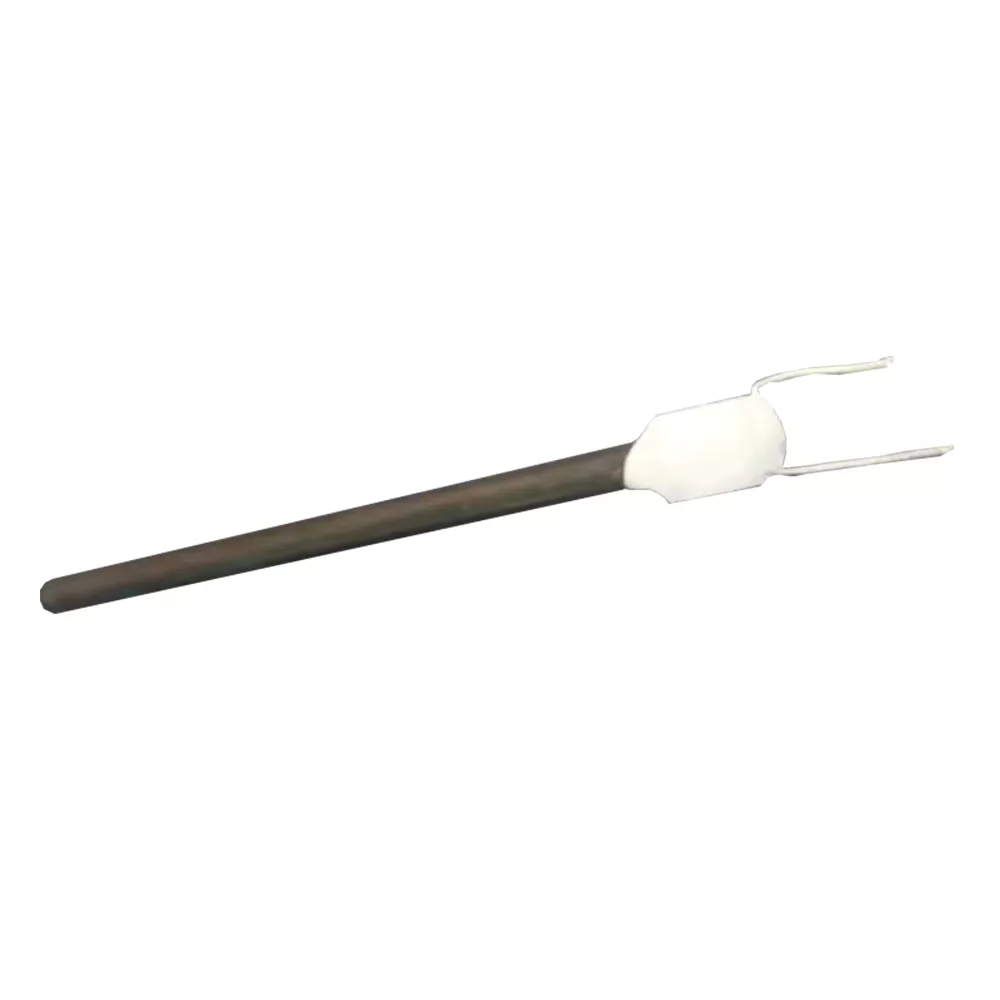


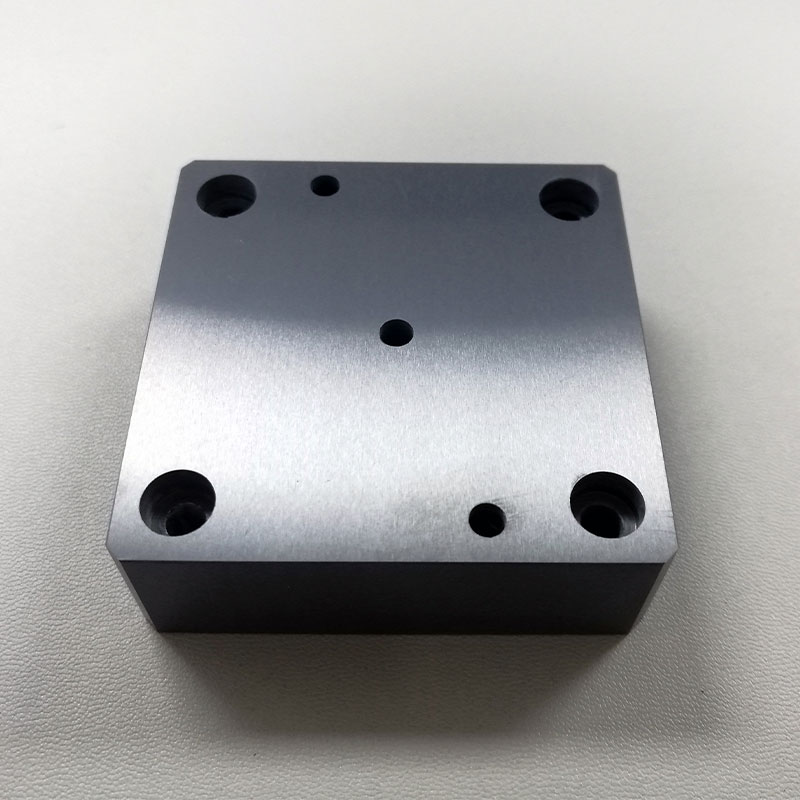
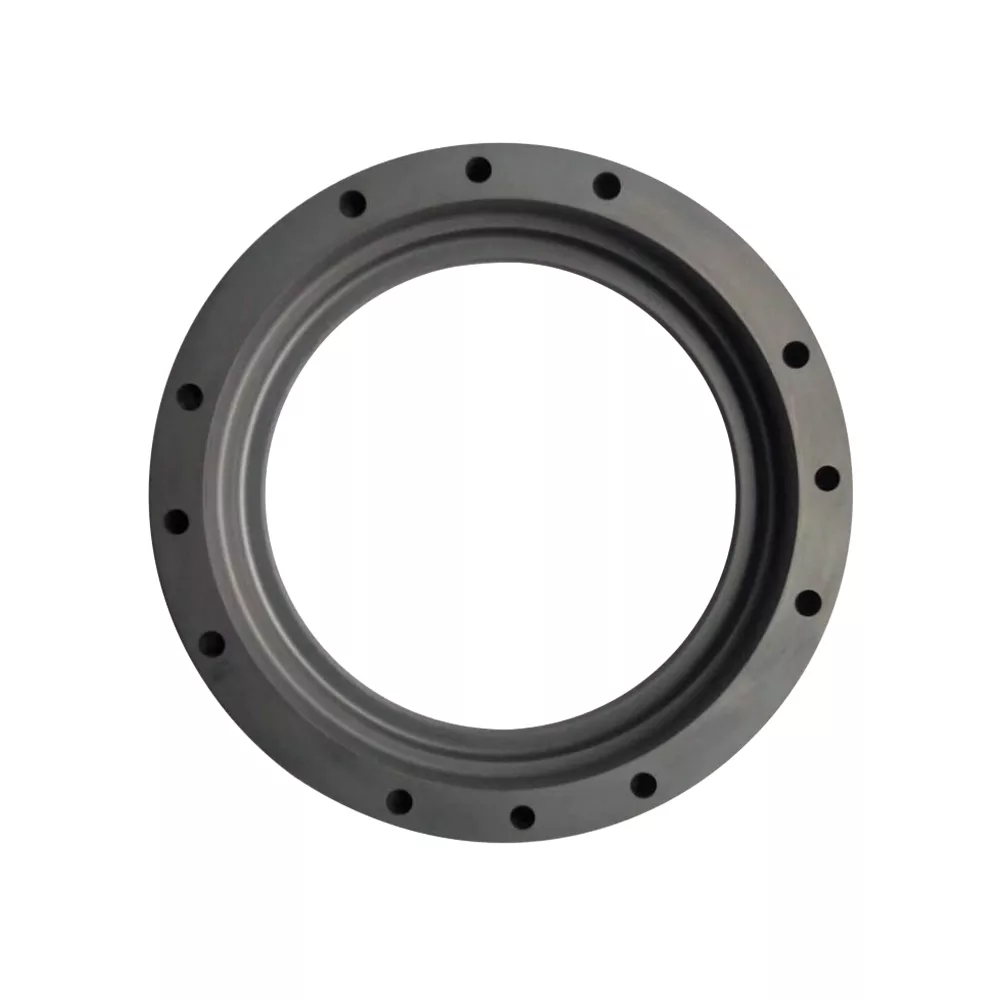
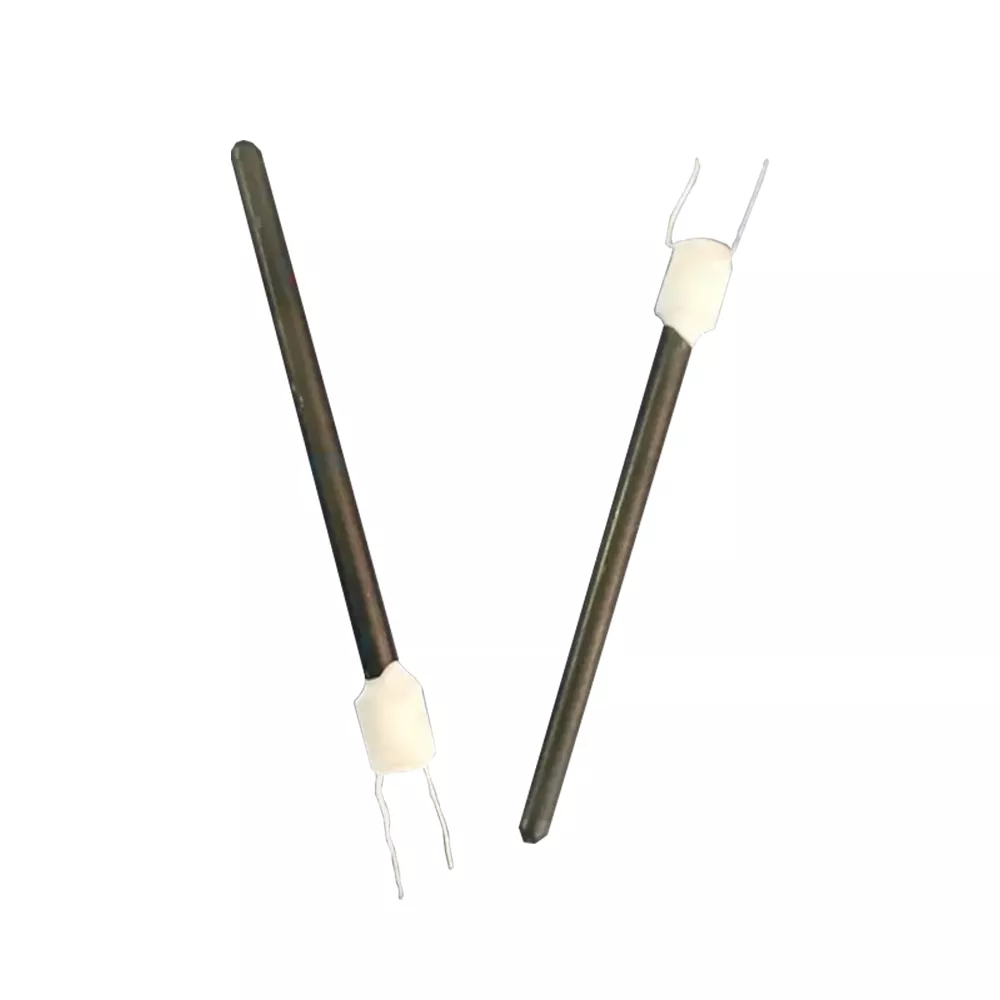


Related Product Catalogue and Quotation







Why Source Silicon Nitride Ceramics with Porcecore
Evaluate silicon nitride ceramic requirements through application-first discussion, drawing-led communication and project-specific confirmation.
Drawing Revision Control
Share the current drawing revision, marked dimensions and open questions so quotation discussions begin from the same technical reference and reduce avoidable specification ambiguity.
Grade Fit for Application
Discuss the known material designation, grade preferences and operating environment together, then confirm whether the proposed silicon nitride grade fits the project’s functional requirements.
Geometry and Mating Surfaces
Define tubes, rods, rings, substrates or other forms through dimensions, tolerances, interfaces and assembly-critical surfaces rather than relying on a material name alone.
Process Route and Finish
Review the requested process route and finishing needs against geometry, material and surface requirements, keeping manufacturing assumptions visible before project-specific confirmation.
Inspection Evidence for Approval
Specify dimensional checks, surface criteria, test expectations and documentation needs early, so acceptance requirements are distinguishable from preferences during quotation and approval.
Quantity and Service Conditions
Include quantity, duty cycle, temperature, chemical exposure, loading and other service conditions to give the inquiry a concrete basis for project-specific pricing and scope.
Silicon Nitride Components by Requirement
Review material options, operating conditions, geometry, mating surfaces and inspection requirements before requesting a project-specific quotation.

Silicon Nitride Ceramics: Properties and Selection Guide
Use this guide to frame a silicon nitride requirement around the part’s function, geometry and service environment. Compare relevant properties with mating surfaces, dimensional constraints, quantity and acceptance criteria so the initial inquiry supports a focused material and component discussion.
Discuss Your Ceramic Part
Silicon Nitride Ceramics: Grades and Compositions
Silicon nitride grades and compositions can differ in additives, density, microstructure and resulting performance. Identify the required grade or application objective, then confirm dimensions, surface finish, tolerances, documentation and inspection expectations for the specific component under consideration.
Discuss Your Ceramic Part
Silicon Nitride Ceramics: Thermal Performance
Evaluate silicon nitride thermal performance against operating temperature, thermal cycling, heat-transfer demands and surrounding materials. The relevant discussion may include thermal conductivity, expansion behavior, temperature gradients and mounting conditions, with grade-specific values confirmed for the proposed geometry and application.
Discuss Your Ceramic Part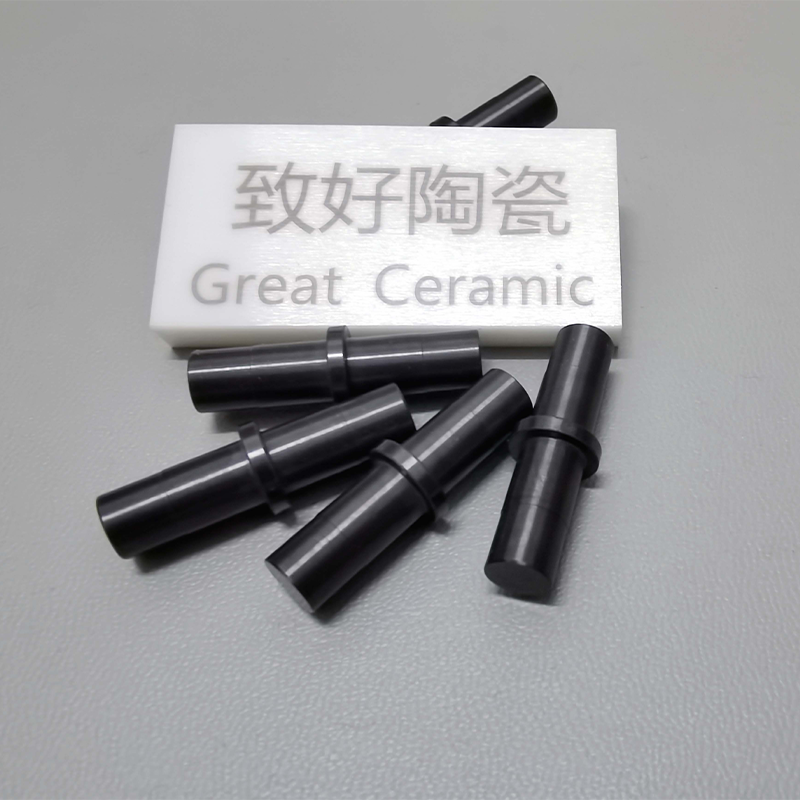
Silicon Nitride Ceramics: Mechanical and Wear Performance
Assess mechanical and wear performance according to load, contact stress, impact, sliding conditions and expected service life. For bearings, seals, guides or wear parts, define contact geometry, mating material, lubrication or particle exposure, tolerances and inspection criteria before selecting a silicon nitride grade.
Discuss Your Ceramic Part
Silicon Nitride Ceramics: Electrical and Insulation Performance
Silicon nitride electrical and insulation performance should be matched to voltage, frequency, temperature, environment and required dielectric behavior. For insulators, substrates or electrical assemblies, specify interfaces, creepage or clearance constraints, geometry, surface condition and verification documentation needed for approval.
Discuss Your Ceramic Part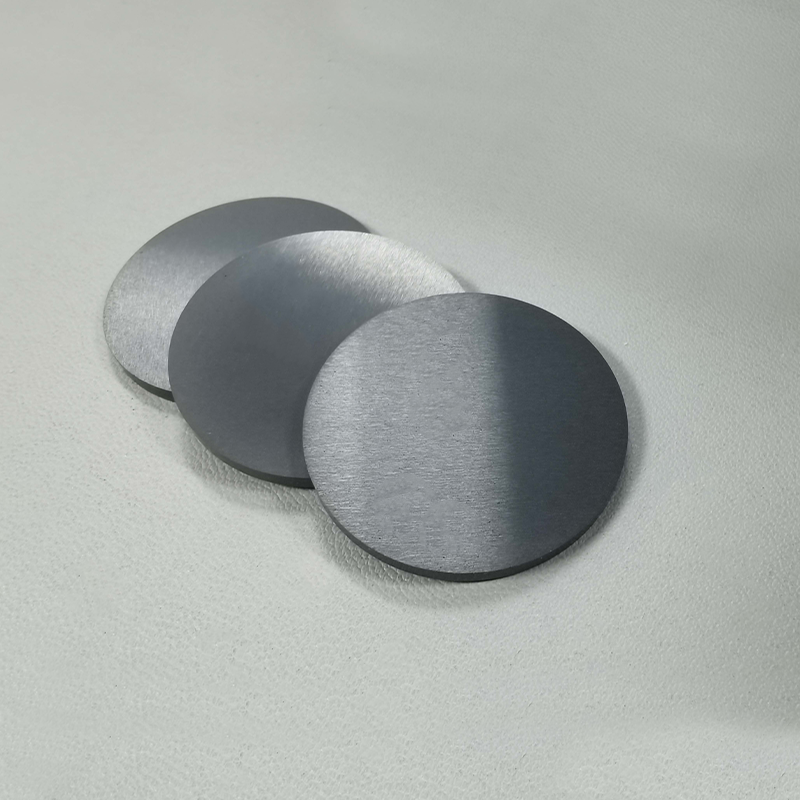
Silicon Nitride Ceramics: Machining and Design Guide
Machining and design decisions affect achievable geometry, tolerances, surface finish and cost in silicon nitride components. Provide the current drawing revision, critical dimensions, mating surfaces, holes or slots, edge requirements, quantity and inspection criteria so manufacturability can be reviewed before quotation.
Discuss Your Ceramic Part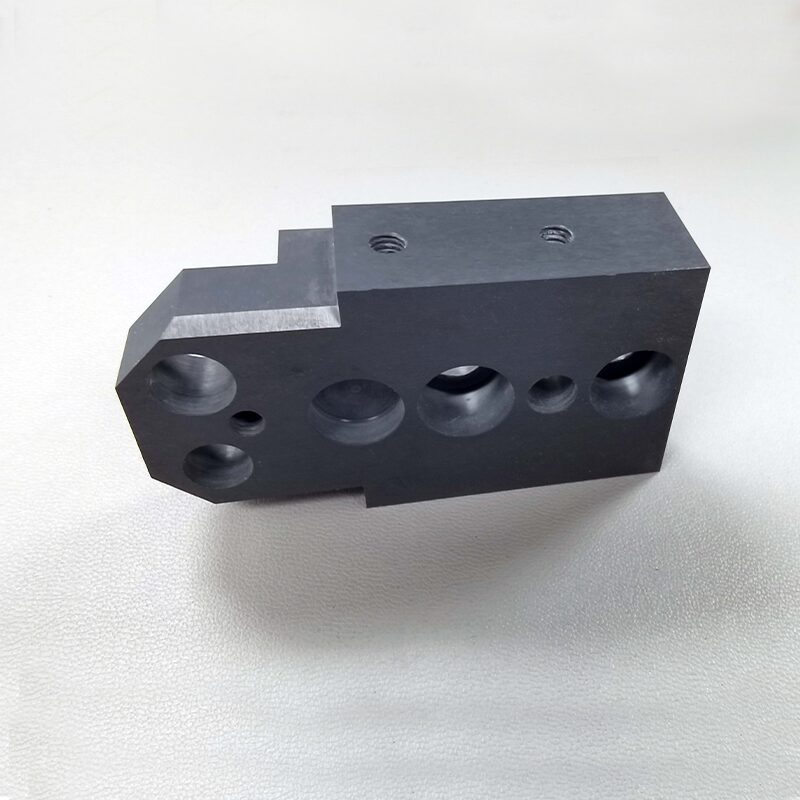
Silicon Nitride Ceramics: Applications and Component Selection
Select silicon nitride components by connecting the application with operating conditions, geometry and assembly interfaces. Tubes, rings, rods, bearings, insulators and custom parts may require different grade and inspection considerations; send the drawing, quantity and acceptance requirements to begin a project-specific quotation discussion.
Discuss Your Ceramic PartSupported Silicon Nitride Ceramic Materials

Reaction-Bonded Si3N4
Reaction-bonded silicon nitride offers near-net-shape potential and limited dimensional change during nitriding. Consider it for thermocouple protection or complex wear components when porosity, strength, geometry and finishing allowances require explicit review.
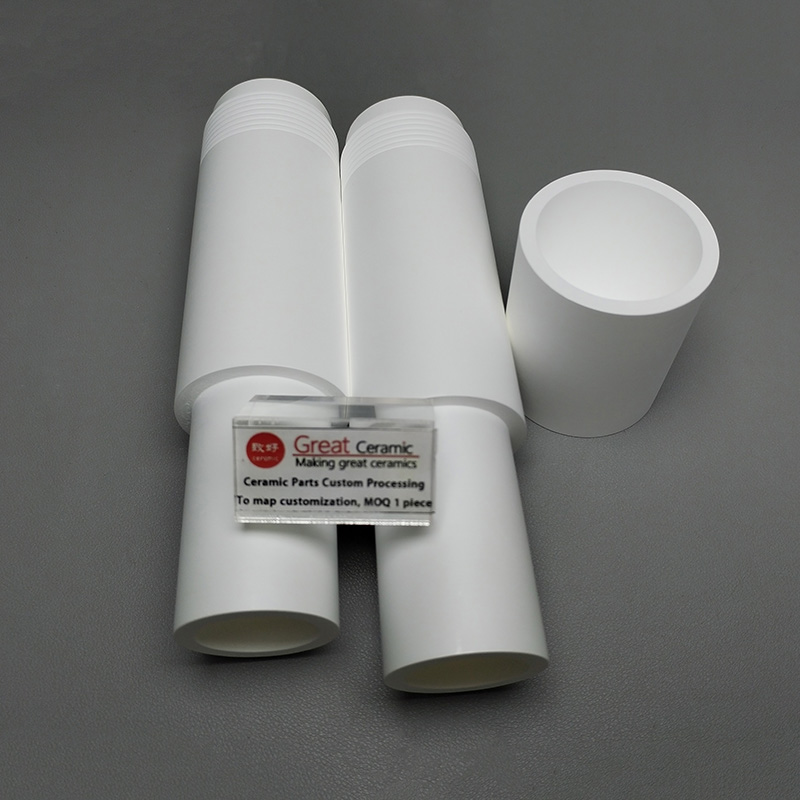
Hot-Pressed Si3N4
Hot-pressed silicon nitride is suited to dense, demanding components requiring high mechanical performance and thermal-shock resistance. Confirm dimensional tolerances, machining requirements, service temperature and mating surfaces before selecting it for precision parts.

Sintered Si3N4
Sintered silicon nitride provides a widely used engineering route for wear, metal-forming and high-temperature components. Discuss the required grade, density, fracture toughness, surface finish and inspection criteria against the intended operating environment.
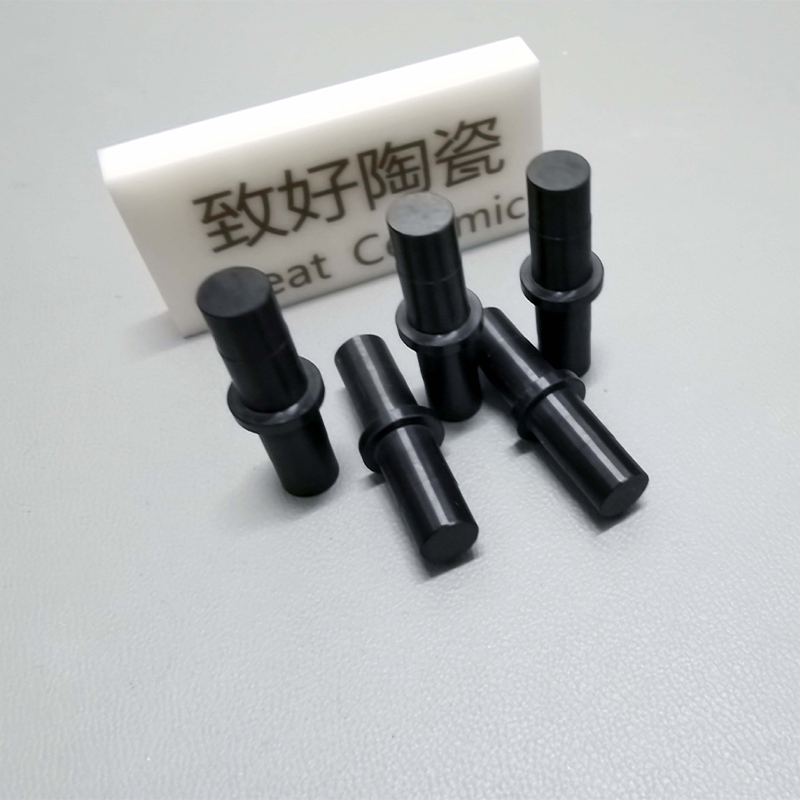
SRBSN Ceramics
Sintered reaction-bonded silicon nitride can offer a balance between reaction-bonded processing and improved mechanical performance. It may suit wear components or cutting applications, subject to grade verification, geometry review and acceptance requirements.

Sialon Ceramics
Sialon is a silicon nitride-based ceramic family containing silicon, aluminum, oxygen and nitrogen. Its selection may support molten-metal handling, wear or process equipment, with composition, thermal exposure and chemical compatibility confirmed project by project.
Silicon Nitride Ceramics Manufacturing and Finishing Processes
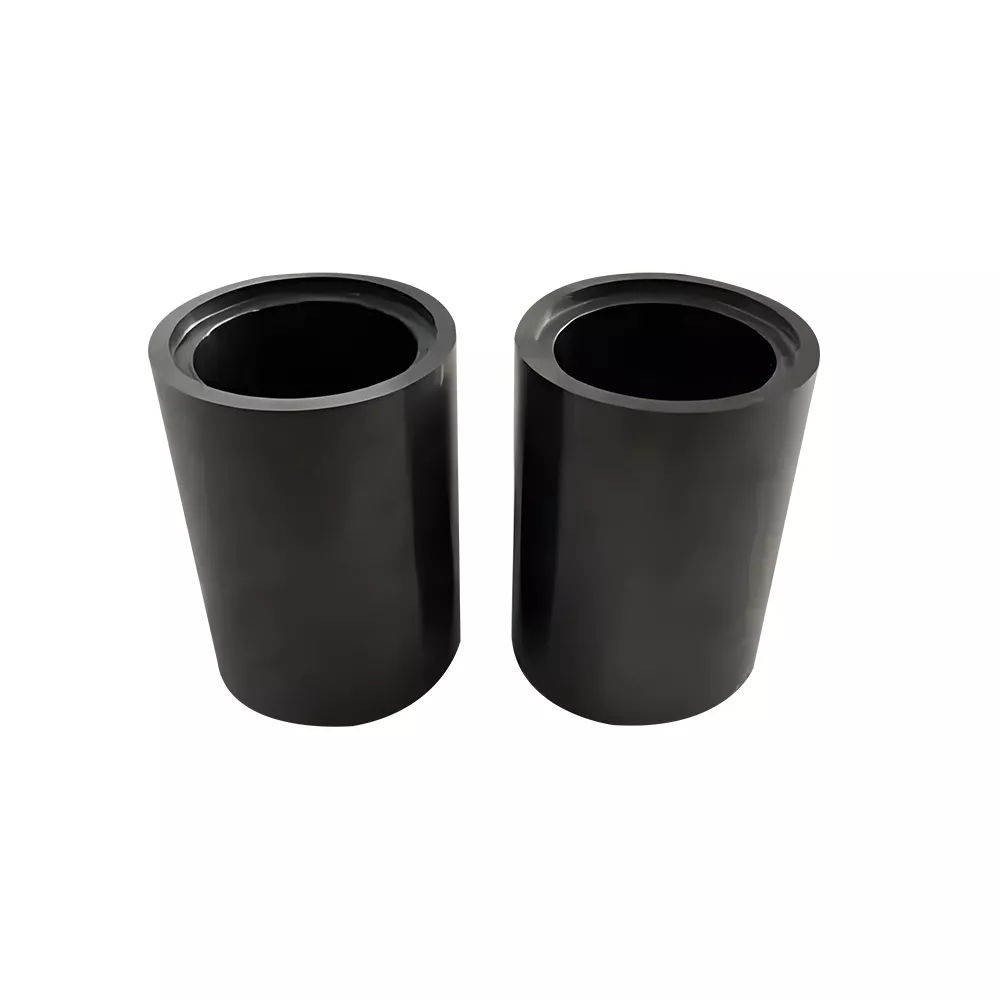
Material Forming
Silicon nitride powder is shaped into a component-specific green body before densification. The selected forming route depends on geometry, dimensions, production volume and the requirements identified in the current drawing revision.


Precision Machining
Machining brings critical dimensions, mating surfaces and interface features toward drawing requirements after ceramic densification. Machining scope is determined by geometry, tolerance, surface condition and the surfaces that control assembly.

Surface Finishing
Finishing can address specified surface conditions, edges and functional interfaces where required. Requirements should identify relevant surfaces, roughness expectations and inspection points rather than rely on a general material description alone.
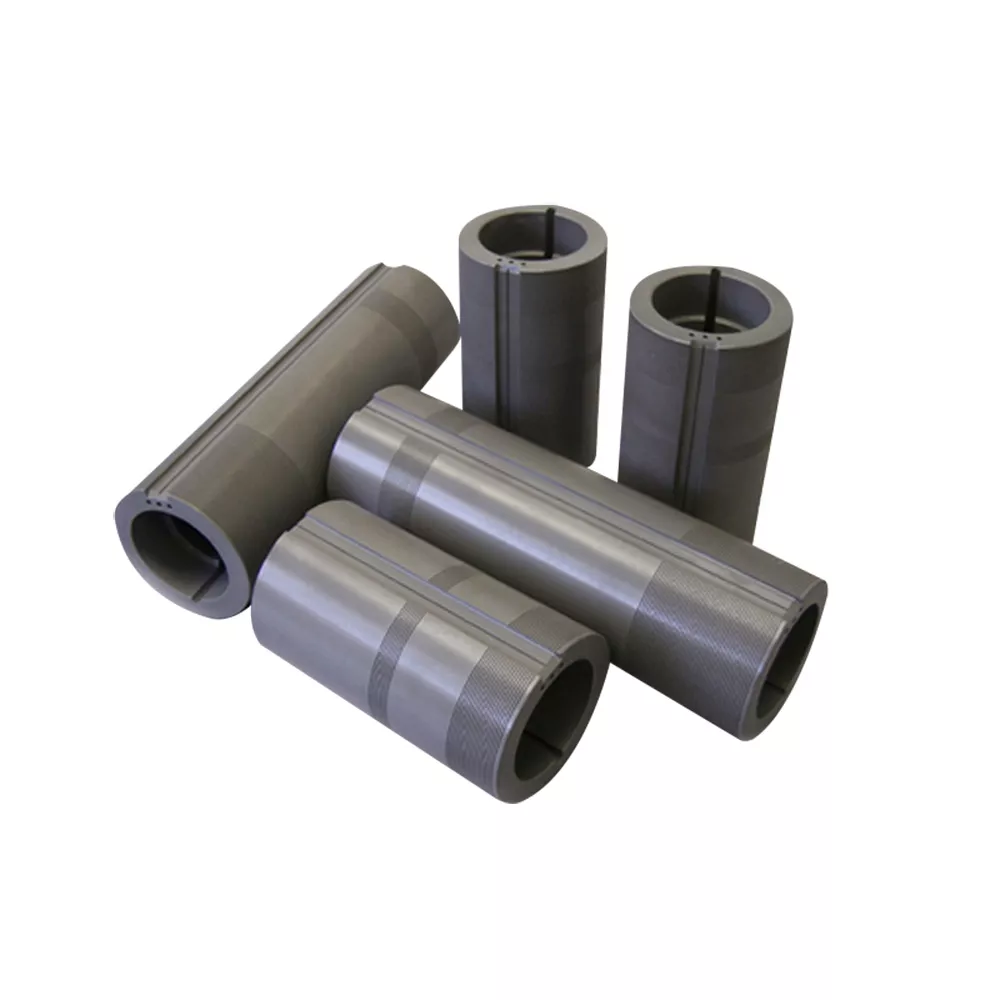
Dimensional Inspection
Inspection compares agreed dimensions, tolerances and acceptance criteria with the finished component. Documentation needs, measurement points and reporting format are clarified before production so the quotation reflects the project’s approval requirements.
Supporting Components, Finishes and Documentation for Silicon Nitride Ceramics

Mating Surfaces
Identify interfaces, fits and contact areas that connect the ceramic part to surrounding hardware. Drawing details help clarify assembly dimensions, tolerances and any required finishing or inspection points.

Surface Finishes
Specify surface requirements for sealing, sliding, insulation or contact performance. Finish expectations should be reviewed with the geometry, mating material, operating environment and project acceptance criteria.
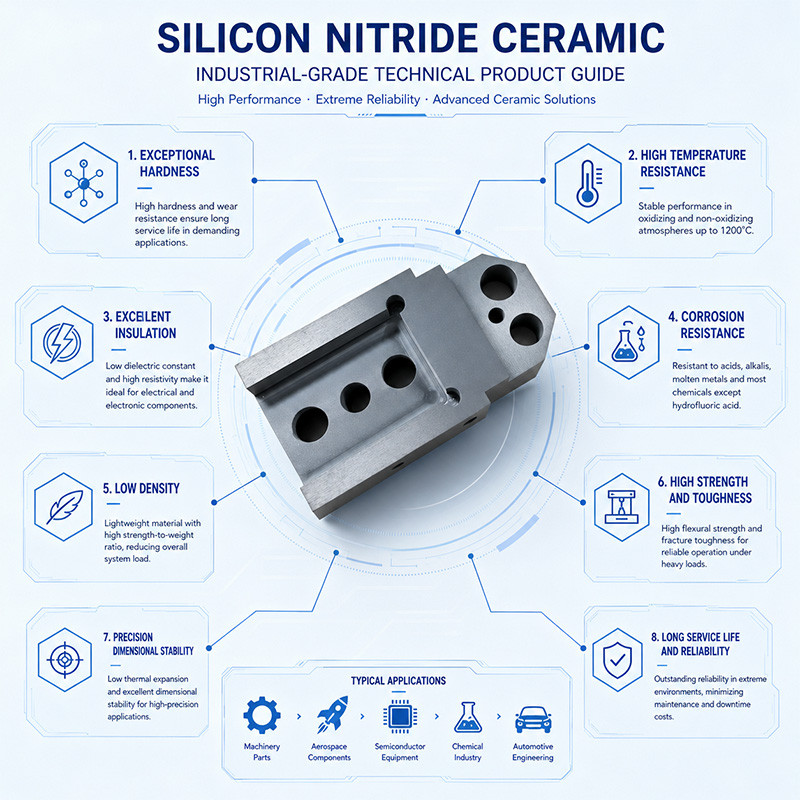
Component Hardware
Include related rings, sleeves, substrates, tubes or other ceramic forms when the assembly requires more than one part. Porcecore can review the complete component relationship during quotation.

Protective Packaging
Discuss packaging needs for machined or fragile ceramic components, especially where edges, finished surfaces or controlled identification must remain protected through handling and delivery.

Project Documentation
Share the current drawing revision, known material designation, quantity, service conditions and required inspection records. These inputs create a practical basis for quotation and approval review.
About Porcecore: Silicon Nitride Ceramics
Founded by Andy Yuan, Porcecore helps industrial procurement teams, engineers, equipment builders and ceramic distributors source technical ceramic components, industrial ceramic parts and custom ceramic components through the part and the job it needs to do. Our mission is to make sourcing discussions more understandable, from an initial material question to a clearly defined component requirement.
Our scope covers oxide, nitride, carbide and specialty ceramics, including alumina ceramics, zirconia ceramics, silicon carbide ceramics and silicon nitride ceramics in practical component forms such as tubes, rods, rings and substrates. Geometry, mating surfaces, operating conditions, material grade and inspection expectations belong in the same conversation, because a material name alone is not a complete specification.
Porcecore’s founder-led direction is application-first, drawing-led and clear before commitment. Share a current drawing revision, quantity, service conditions and acceptance criteria, and we can help identify the open questions for a project-specific quotation. Email info@zlrsmaterials.com or use WhatsApp at +86 130 6482 5920 to begin.

Core Silicon Nitride Ceramics Sourcing Capabilities
Review the Current Drawing
Start with the part as it must be made and assembled. Porcecore can structure an initial quotation discussion around the current drawing revision, component form, critical dimensions and mating features, helping your team identify open questions before material and process assumptions become fixed.
- Current drawing revision and component form
- Critical dimensions, fits and mating surfaces
- Quantity, application and service environment
- Open questions for quotation review

Clarify Grade and Material
Silicon nitride ceramics can involve different grades, fabrication routes and property priorities. Share the material designation if known, or describe the operating requirement. Porcecore helps separate confirmed requirements from preferences so the proposed material basis remains specific to the project.
- Known Si3N4 grade or material designation
- Temperature, wear, chemical and mechanical demands
- Required electrical or thermal characteristics
- Grade-specific data requiring confirmation
Assess Geometry and Manufacturability
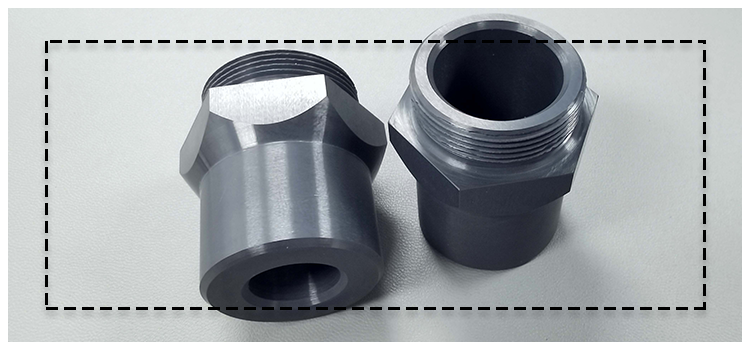
A ceramic tube, rod, ring, substrate or custom insert should be assessed as a complete component rather than a material label alone. Geometry, wall thickness, holes, edges, surface finish and post-processing needs all influence a practical sourcing conversation.
- Overall geometry and section dimensions
- Holes, slots, edges and thin-wall features
- Surface finish and mating-area requirements
- Machining, grinding or finishing considerations
Align Acceptance Requirements
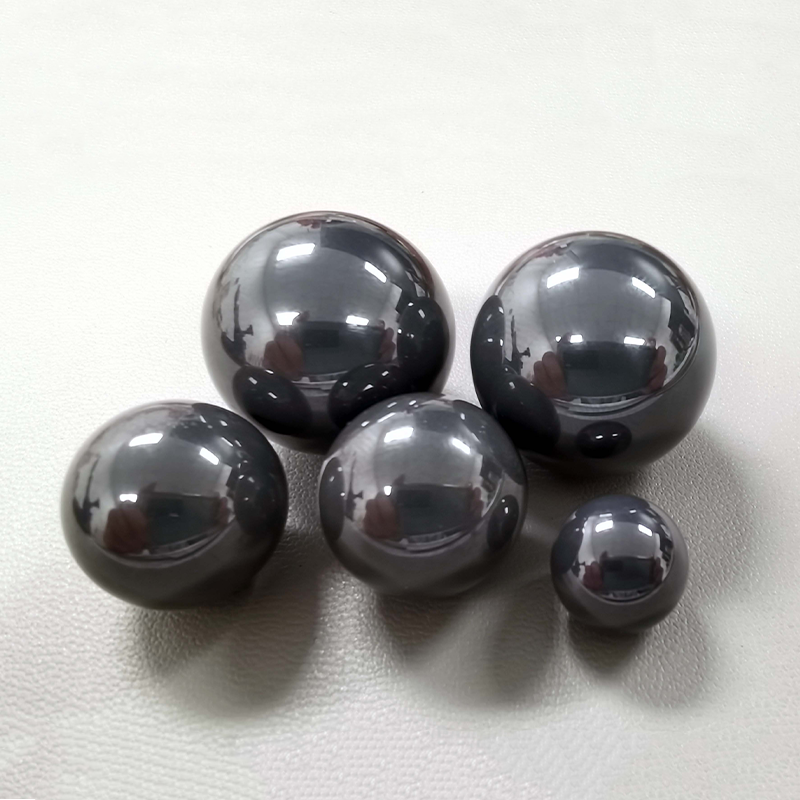
A useful quotation also defines how the finished part will be reviewed. Include tolerances, inspection expectations, documentation and delivery requirements so the discussion can distinguish general material information from the acceptance criteria for your silicon nitride ceramic component.
- Dimensional tolerances and inspection points
- Material, test and documentation expectations
- Visual, surface and packaging criteria
- Delivery timing and commercial requirements

Why Choose Porcecore for Silicon Nitride Ceramics
Compare a requirement-led sourcing approach with typical material-first alternatives for technical ceramic components.
← Swipe left or right to view →
Our Silicon Nitride Production Process
A buyer-visible workflow connecting drawing review, material decisions, component production, inspection and shipping confirmation.
Requirement Review
We review the drawing revision, component geometry, mating surfaces, service conditions, quantity and acceptance criteria before confirming the basis for quotation.
Material and Route
We align the silicon nitride grade, sourcing route and expected forming or machining approach with the part’s dimensions, tolerances and operating environment.
Forming or Machining
The component is shaped according to approved requirements, with process choices tied to geometry, critical surfaces and the required dimensional outcome.
Inspection and Documentation
Inspection checks focus on agreed dimensions, tolerances, surface conditions and documentation, separating confirmed results from values requiring project-specific approval.
Packing and Shipping
After inspection review, we confirm packing details, delivery information and shipment readiness so the buyer has a clear handoff point for the next decision.
How to Source Silicon Nitride Ceramics with Porcecore
Move from an initial requirement to a confirmed ceramic component through drawing-led communication and project-specific decisions.
Share Your Drawing
Send the current drawing revision or application brief, including component geometry, mating surfaces, operating conditions, quantity, and any known material designation.
Define Project Requirements
Clarify the grade, tolerances, inspection points, documentation, delivery expectations, and acceptance criteria that determine whether the silicon nitride ceramic part fits your project.
Review the Quotation
Review the proposed material, geometry, commercial terms, and open questions with Porcecore before confirming which requirements are essential for the quotation.
Progress to Production
Align on sampling or production, approve the agreed specification, and keep revisions, inspection expectations, and delivery details connected to the individual order.
Silicon Nitride Ceramics Certifications and Quality Documentation
Silicon Nitride Ceramics: Customer Feedback and Project Cases
No customer quotations or measurable project outcomes are published here yet. Send your current drawing, operating conditions and acceptance criteria so the project can be evaluated against a defined requirement.
Silicon Nitride Ceramics FAQ
Practical answers for engineers, procurement teams and distributors evaluating project-specific ceramic components.
How do we select the right silicon nitride ceramics grade?
What should we include in a drawing-led quotation inquiry?
Can silicon nitride ceramics be supplied to custom tolerances and functional surfaces?
Can we request samples before placing a production order?
How do quantity and expected lead time affect the quotation?
What inspection evidence and documentation can be requested?
How should silicon nitride ceramics be packaged and shipped?
How is our drawing and technical information handled during an inquiry?
The Complete Buyer’s Guide to silicon nitride ceramics
Build a reliable sourcing decision with practical guidance on material grades, manufacturing routes, supplier qualification, cost drivers, and common specification mistakes that can undermine performance, lead times, and total ownership cost.
1. What Are silicon nitride ceramics?
Si3N4 is silicon nitride, a non-oxide advanced engineering ceramic used when a component must retain strength at elevated temperature. At approximately 3.2 g/cm³, silicon nitride ceramics are substantially lighter than steel while supporting demanding mechanical duty. Grade and process determine the result: reaction-bonded, hot-pressed and sintered materials do not share identical properties. Silicon nitride remains brittle, difficult and costly to machine, and sensitive to porosity, additives, geometry and inspection requirements, so selection must follow the part’s operating conditions rather than the material name alone.
2. Evolution and History of silicon nitride ceramics
Around 1450°C, the early reaction-bonded route (RBSN) nitrided silicon compacts with little dimensional change, enabling near-net-shape parts at relatively low cost, though residual porosity limited strength. The 1960s–1970s brought hot-pressed silicon nitride, using heat and pressure to achieve near-full density and stronger, tougher bodies. Pressureless sintering in nitrogen improved manufacturing flexibility and cost balance, while sialons—aluminum-containing silicon nitride alloys—expanded compositional and application options. Engine programs for gas turbines and piston engines later drove reliability research, even though ceramic engines remained difficult to manufacture economically.
3. Types of silicon nitride ceramics
Six silicon nitride ceramics routes trade density, toughness, thermal-shock resistance, machinability, shape freedom, and cost. Select by the failure mode, geometry, production volume, and reliability evidence required.
| Type | Route and profile | Machining, cost, shape | Typical uses |
|---|---|---|---|
| RBSN | Nitrided silicon; porous | Near-net; lowest cost | Kiln furniture |
| HPSN | Hot pressed; fully dense | Diamond machining; high cost; die-limited | Cutting tools |
| SSN | Pressureless sintered; dense | Machinable after firing; medium cost | Bearings, wear parts |
| SRBSN | Reaction bonded then sintered | Lower cost; moderate complexity | Wear components |
| GPSN | Gas-pressure sintered; >99% density | High cost; strong, tough parts | Severe wear service |
| Sialon | Aluminium-containing sintered Si₃N₄ | Balanced cost; complex production shapes | Metal forming, molten-metal handling |
Route And Property Tradeoffs
RBSN is porous and economical; HPSN is dense, strong, and tough but die-limited. SSN and sialon offer balanced properties for production parts.
Machining And Shape
Near-net RBSN reduces grinding, while dense grades generally need diamond machining. Pressing and tooling constrain complex HPSN geometry; SSN supports broader shapes.
Confirm tolerances after firing, not from a material label alone.
Application Selection
Use RBSN for kiln furniture, HPSN for cutting tools, SSN or sialon for bearings and wear parts, and SRBSN for economical wear components. GPSN suits demanding, reliable wear applications.
Source: https://www.syalons.com/resources/articles-and-guides/silicon-nitride-ceramics
4. Materials and Formulation Choices for silicon nitride ceramics
Powder chemistry and phase balance establish the starting point for silicon nitride ceramics; processing then determines the final microstructure.
Powder And Phase Control
High powder purity limits unwanted secondary phases; particle size and distribution affect packing, densification, and machining response. Alpha-to-beta balance influences grain morphology, strength, toughness, and thermal conductivity.
Additives And Microstructure
Yttria, magnesia, and alumina-based additives promote densification but alter grain-boundary chemistry, dielectric behavior, oxidation resistance, and conductivity. Excessive grain growth or residual porosity can reduce strength and consistency.
Data To Request
Property values require a test method, temperature, specimen orientation, and lot traceability; typical values alone are insufficient for approval. Specify allowable variation for density, strength, toughness, dielectric properties, and thermal conductivity.
5. Customization and Finishing Options
Geometry determines whether silicon nitride ceramics should be formed near-net or machined after sintering.
Forming And Machining Routes
Near-net shaping, pressing, and injection molding can reduce material removal for repeatable geometries; post-sinter machining suits tighter interfaces but adds time, tooling, and breakage risk.
- Can the geometry be simplified for pressing or injection molding?
- Which dimensions control assembly and require post-sinter machining?
- Are sacrificial machining allowances acceptable?
Surface And Edge Finishing
Grinding, lapping, polishing, and drilling address different tolerance and surface requirements; edge treatment reduces chipping risk at handling or mating surfaces. Specify datum references, flatness, hole condition, and roughness rather than requesting ‘precision’ generally.
- What surface finish is functional, and what is merely preferred?
- Do holes need chamfers, radii, or finished edges?
- Will metallization, coating, or assembly follow ceramic finishing?
DFM And Quotation Questions
Three-way comparison of route, tolerance, and finish should accompany the drawing because each choice affects yield, lead time, and cost. com/resources/articles-and-guides/silicon-nitride-ceramics
Provide revision, quantity, service conditions, acceptance criteria, critical surfaces, and documentation needs so Porcecore can separate essential requirements from preferences.
- Which features are critical-to-function versus noncritical?
- What inspection method and sampling plan are required?
- Can quantities support dedicated tooling or justify secondary machining?
6. Key Construction and Quality Elements
11 quality checkpoints can separate a dependable component from a merely plausible material listing.
Material Structure And Reliability
Si3N4 performance depends on density, residual porosity, microstructure, α/β phase balance, strength distribution and fracture toughness—not one headline value. Thermal-shock cycling and contamination limits should reflect the actual temperature gradient, atmosphere, mating materials and cleanliness risk; validate the application rather than extrapolating generic datasheet properties.
Geometry And Surface Acceptance
Critical dimensions should identify datums, tolerances, fits, flatness, runout, concentricity, and measurement conditions directly on the current drawing. Define surface roughness by location and function, especially at seals, bearings, electrical interfaces, and sliding contacts. Edge integrity matters because chips and grinding damage can initiate failure.
Tests And Records To Require
Inspection records should identify drawing revision, material designation, lot, dimensions, roughness, visual results, and nonconformance disposition. Depending on risk, request density or porosity data, phase or microstructural characterization, strength testing, fracture-toughness evidence, contamination controls, and thermal-shock results.
7. How to Choose a silicon nitride ceramics Manufacturer
A drawing revision, service conditions, and acceptance criteria should anchor supplier qualification for silicon nitride ceramics.
Verify Technical Capability
A specified grade, geometry, and mating surface reveal whether the supplier can control forming, sintering, tooling, and diamond machining for your part. Ask which powder and additives are used, and what process variables are recorded.
Check Delivery And Continuity
A realistic RFQ should state annual volume, batch size, tooling ownership, capacity, lead time, packaging, and storage requirements. Ask how production capacity changes during qualification or repeat orders.
Compare Evidence, Not Labels
Three useful sample-review questions are: Which results are lot-specific? Which dimensions and properties were measured? Which deviations were accepted? Request inspection records, material identification, and traceability to raw-material and process lots.
8. Common Buyer Mistakes When Sourcing silicon nitride ceramics
Nine recurring sourcing errors can turn a suitable ceramic family into an unreliable part. Treat material, geometry, loading, inspection, and commercial assumptions as one drawing-led decision.
Specify Grade And Service Conditions
Material names alone are insufficient: silicon nitride ceramics vary by grade, process, density, and additive system. Request the exact designation and grade-specific property data. Thermal cycling and impact loads can govern failure even when static strength looks adequate.
- Do not copy values between grades.
- Identify mating surfaces and critical dimensions.
Control Geometry And Surface Risk
Tolerances, edge conditions, surface flaws, and inspection zones must be stated before quotation. Mark fits, sealing faces, chamfers, radii, allowable chips, roughness, and inspection methods on the drawing.
Complex thin walls, deep holes, or sharp internal corners may be impractical or yield-sensitive. Ask the supplier to review manufacturability and propose geometry changes before release.
- Define acceptance criteria.
- Separate functional from cosmetic surfaces.
Validate Cost And Production Readiness
A prototype should test assembly, thermal cycling, impact exposure, and wear before volume commitment. Compare total cost, including machining, scrap, inspection, tooling, and expected yield—not unit price alone. State sample quantity, approval tests, documentation, and batch acceptance criteria.
- Approve a representative first article.
- Confirm revision control before production.
9. From Specification to Production
Three controlled gates move silicon nitride ceramics from application need to repeatable supply: define risk, release evidence, then approve production. Keep every assumption traceable to the part drawing and service conditions.
Define Requirements And Failure Modes
The application brief should record loads, temperature, media, interfaces, duty cycle, quantity forecast, packaging needs, and replenishment expectations. Review likely failure modes before choosing a grade.
Release The RFQ Package
The released drawing should state material designation, revision, tolerances, datums, inspection method, quantity tiers, and required documentation. Send it with service conditions and the intended approval standard.
Validate And Control Production
First-article inspection checks every critical characteristic against the approved drawing; performance testing then confirms the component under representative operating conditions. Record results, deviations, and approval signatures before production release. After approval, control drawing, material, process, packaging, and supplier changes through documented review.
10. silicon nitride ceramics Pricing and Cost Drivers
More than 10 variables can move a silicon nitride ceramics quotation: grade and powder purity, forming route, tooling, geometry, sintering yield, machining, surface finish, inspection, packaging, freight and qualification. Three assumptions should be explicit: quantity, drawing revision and acceptance criteria. Confirm grade, tolerances, mating surfaces, documentation, destination, Incoterms and qualification scope before comparing offers.
| Quantity or Process Tier | Indicative Cost Category | Lead-Time Implication | Confirm in Quotation |
|---|---|---|---|
| Prototype / 1–10 pcs | Highest unit cost; tooling and setup per part | Longest; engineering and first-article work | Grade, drawing, inspection, qualification |
| Small batch / 11–100 pcs | High unit cost; machining and yield dominate | Moderate; repeat setup may help | Yield basis, finish, packaging |
| Production / 100+ pcs | Lower unit cost; tooling amortized; logistics matter | Planned; capacity and replenishment schedule | MOQ, lot size, freight, Incoterms |
Discuss Your Silicon Nitride Ceramics Requirement
Send your drawing, operating conditions, and acceptance criteria so Porcecore can frame a clearer silicon nitride ceramics quotation discussion.