
Silicon Nitride Ceramics Applications and Component Selection, Clarified
Connect silicon nitride ceramics applications and component selection to drawings, service conditions, tolerances, and acceptance requirements.
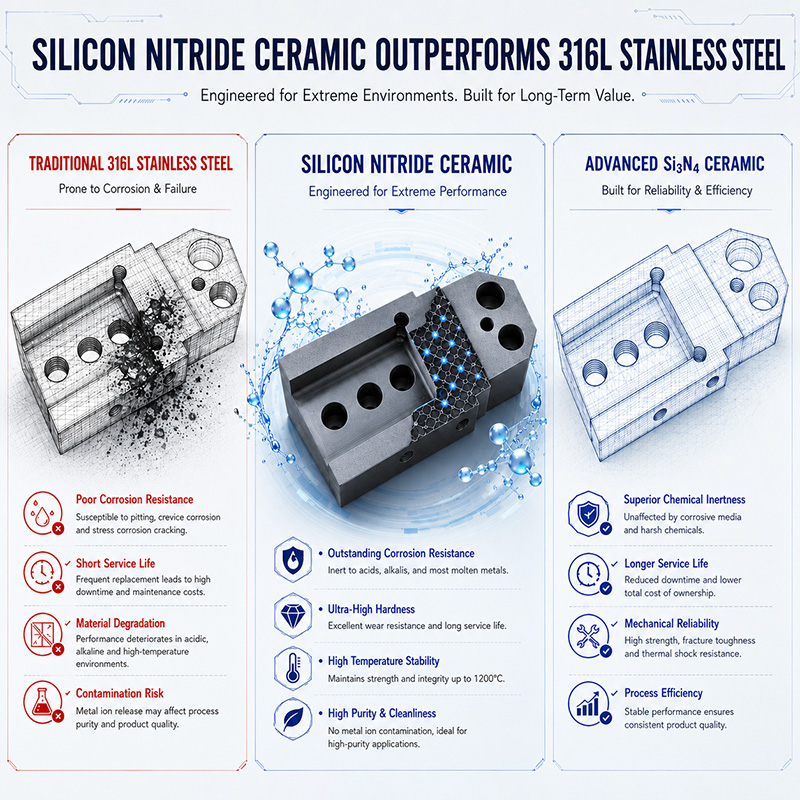
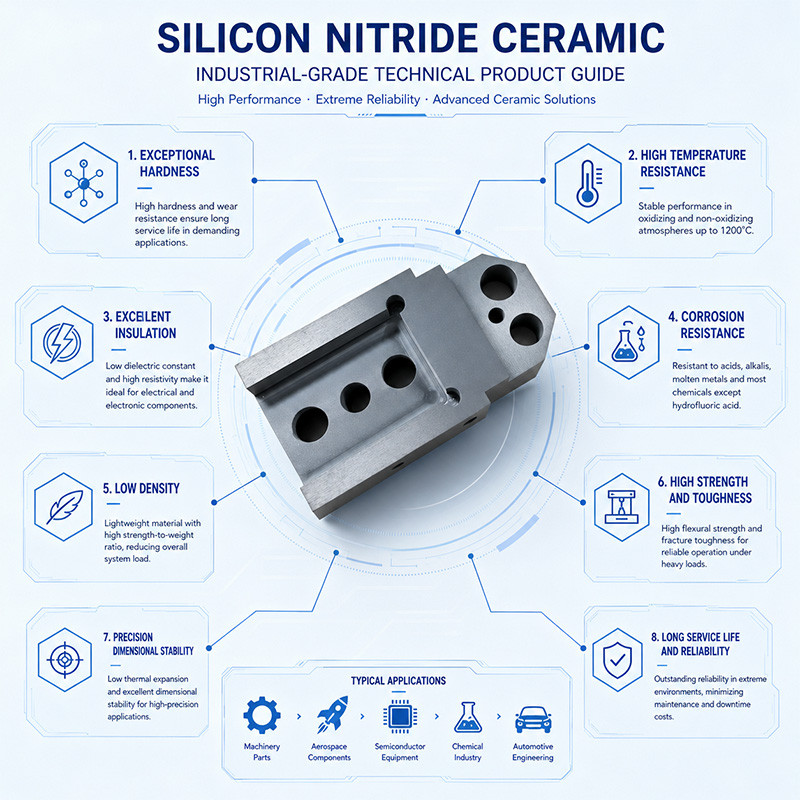
Silicon Nitride Components for Application Review
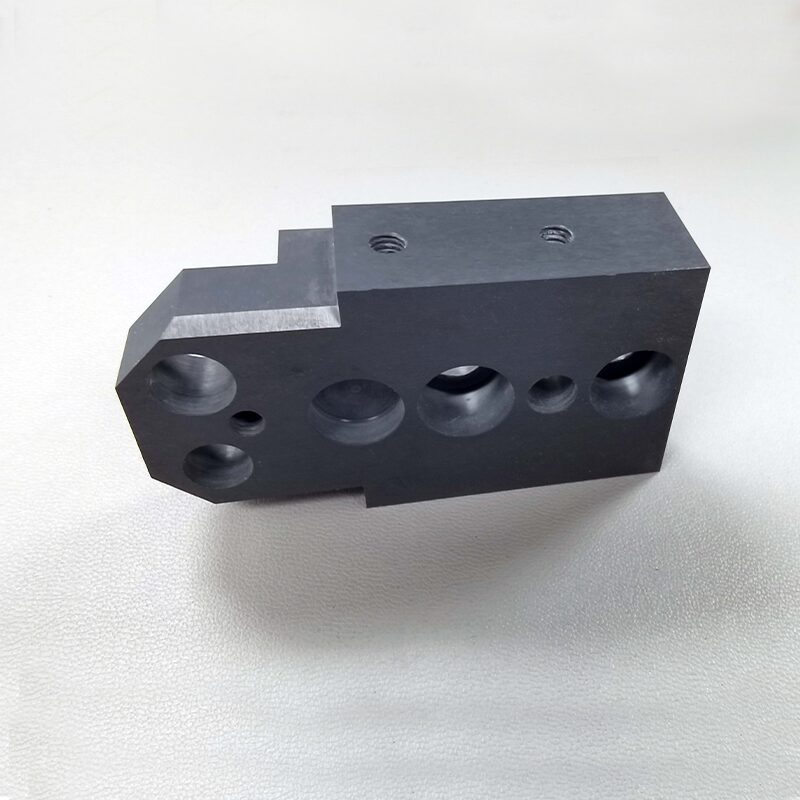


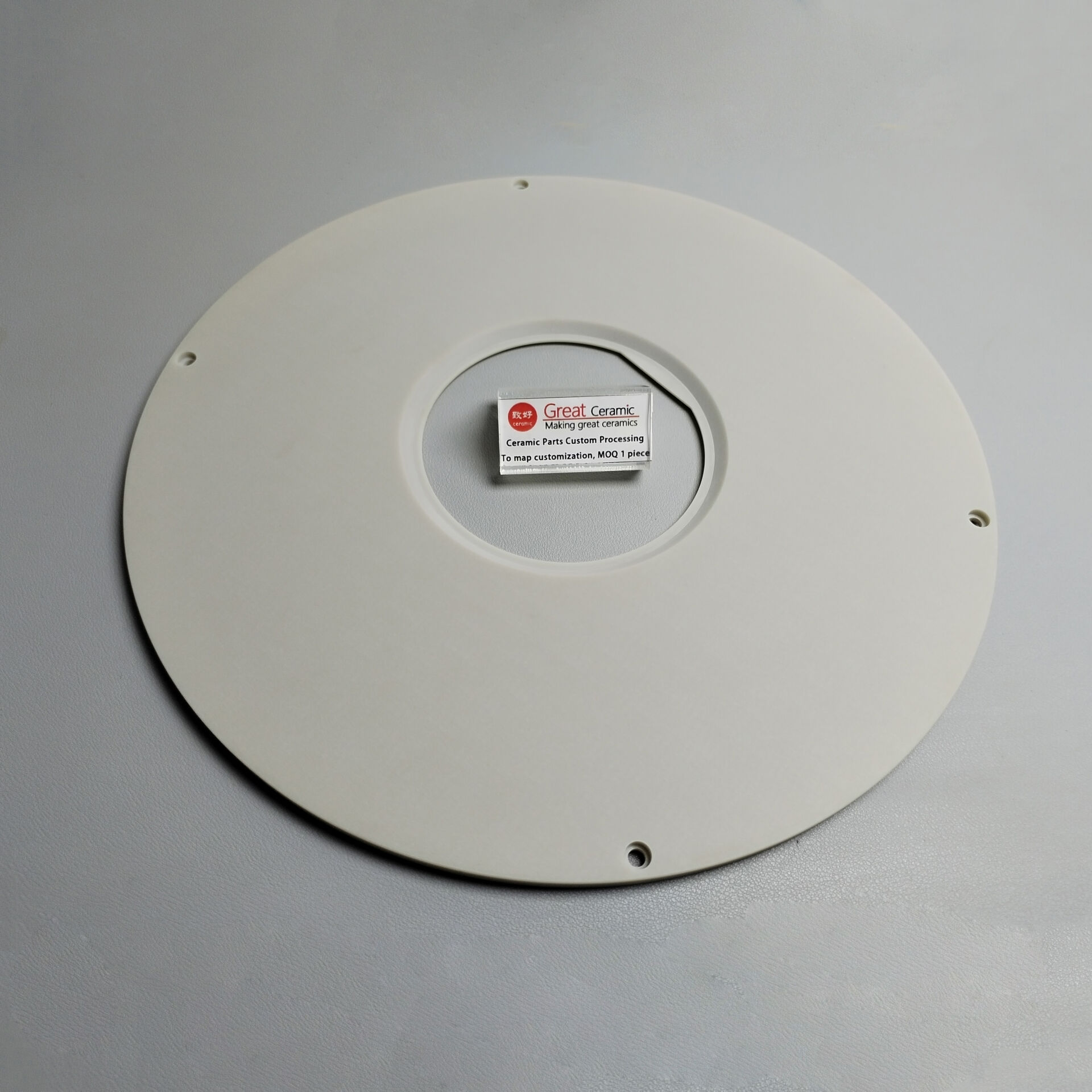

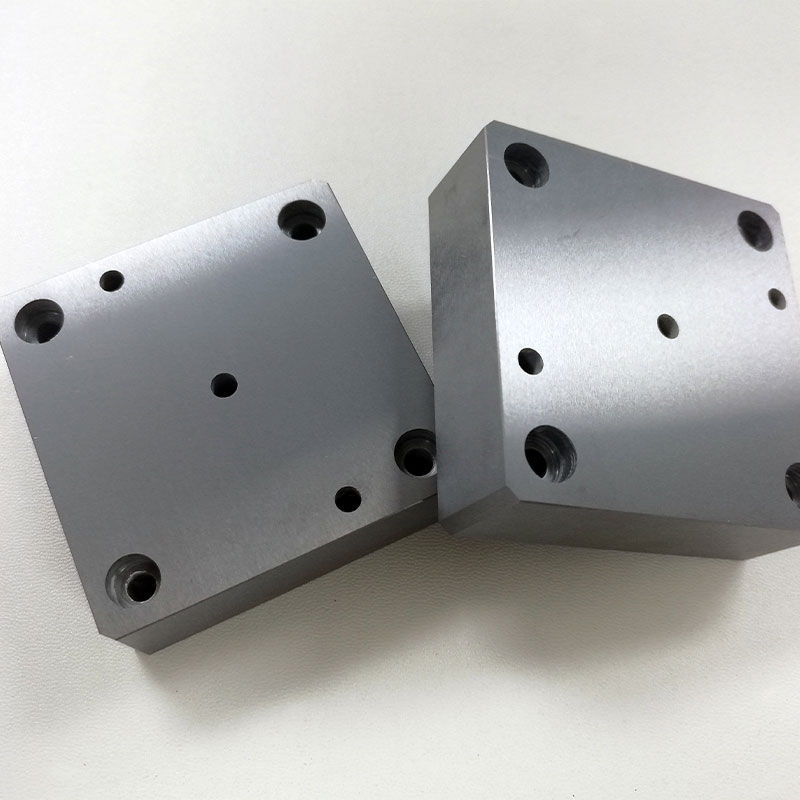

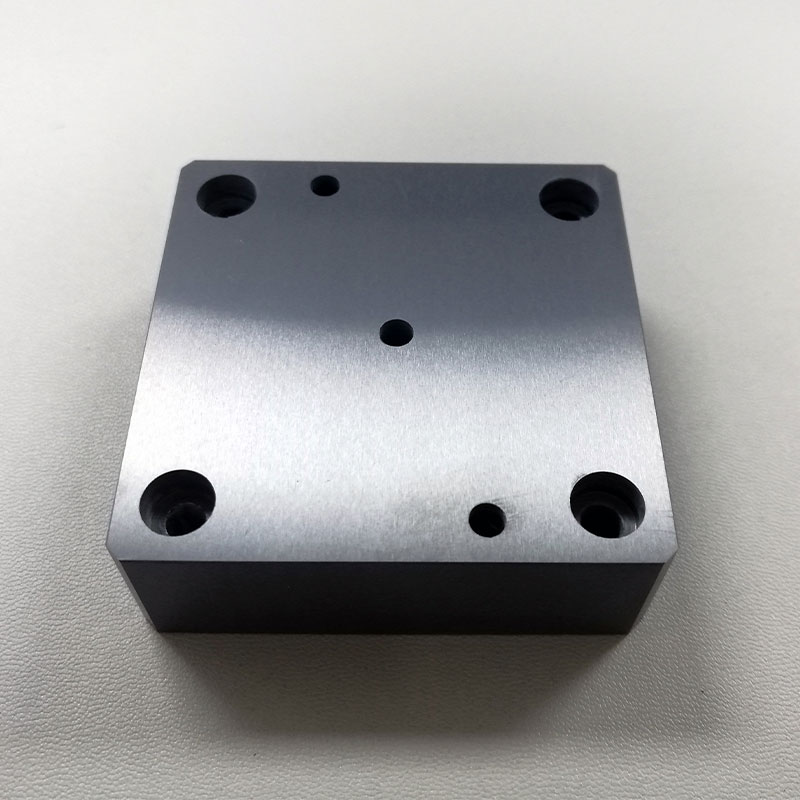



Related Silicon Nitride Ceramic Catalogue and Quotation




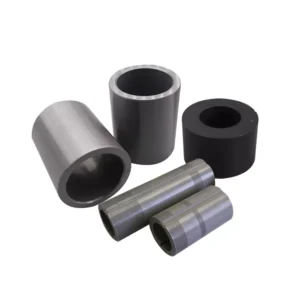

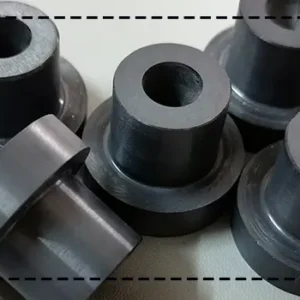


Requirement-Led Evaluation for Silicon Nitride Components
A practical framework for silicon nitride ceramics applications and component selection, connecting the material, part design, operating environment, and sourcing decision.
Drawing Revision Control
Share the current drawing revision, marked interfaces, and change notes so quotation discussions reference the same geometry, revision status, and intended assembly.
Material Grade Definition
Treat silicon nitride as a family, not a single specification. Confirm grade designation, relevant property priorities, and any approved alternatives for the application.
Geometry and Tolerances
Define component form, critical dimensions, tolerances, datum strategy, and mating features together; these details connect the ceramic part to the surrounding equipment.
Process Route Fit
Discuss the proposed forming, sintering, machining, and finishing route against geometry and quantity, while keeping process assumptions open until project requirements are reviewed.
Functional Surface Requirements
Identify bearing, sealing, sliding, electrical, thermal, or bonding surfaces, including finish and contact expectations, so performance-critical interfaces receive focused attention.
Inspection and Acceptance Evidence
Specify inspection points, measurement methods, acceptance criteria, and required documentation early, giving procurement and engineering teams a clearer basis for approval.
Technical Ceramic Components by Material and Part Type
Connect heat, wear and fit requirements with clearer material, geometry and documentation questions for your next ceramic component inquiry.

Ceramic Manufacturing Capabilities
Review ceramic manufacturing capabilities through the requirements that shape a part: material family, geometry, tolerances, finishing, inspection and documentation. Share a drawing, quantity and service conditions to clarify which production route and acceptance criteria should be considered.
Discuss Your Ceramic Part
Ceramic Solutions by Industry
Explore advanced ceramics applications by connecting industrial conditions with component requirements. Heat exposure, electrical insulation, wear, corrosion or dimensional fit may point toward different ceramic families, geometries and inquiry questions for equipment, assemblies and replacement parts.
Discuss Your Ceramic Part
Advanced Ceramic Materials
Compare advanced ceramic materials including alumina, zirconia, silicon carbide, silicon nitride, aluminum nitride, boron nitride and specialty options. Material selection should be confirmed against grade, operating environment, geometry, mating surfaces and project-specific acceptance requirements.
Discuss Your Ceramic Part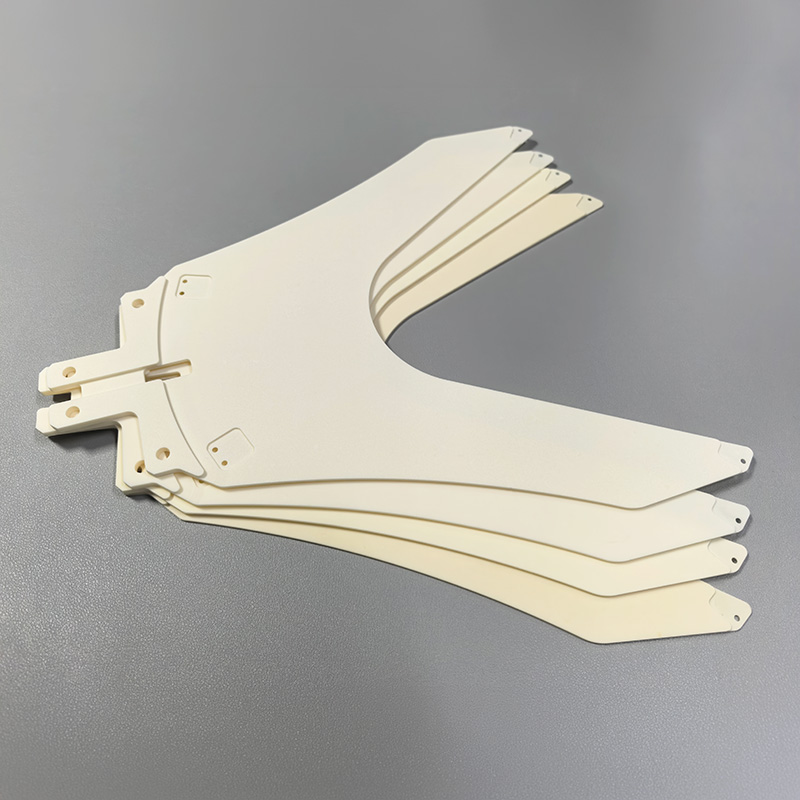
Technical Ceramic Products
Browse technical ceramic products, including industrial ceramic parts and custom ceramic components, by familiar forms such as tubes, rods, rings, substrates and other engineered shapes. Product illustrations support initial orientation; final suitability depends on the drawing, dimensions, tolerances, material designation and intended assembly.
Discuss Your Ceramic Part
Technical Ceramic Resources
Use this technical ceramics guide to prepare a more useful quotation discussion. Include the current drawing revision, known material grade, quantity, service conditions, critical dimensions, mating surfaces, inspection expectations and required documentation when contacting Porcecore by email or WhatsApp.
Discuss Your Ceramic PartMaterials for silicon nitride ceramics applications and component selection


Alumina Ceramics
A widely used electrical insulating ceramic for tubes, substrates, spacers and structural parts. Its smooth, rigid feel and strong dielectric behavior can suit clean industrial assemblies, subject to grade, purity and geometry confirmation.

Zirconia Ceramics
A tough, dense ceramic often considered for wear components, seals, guides and precision parts exposed to mechanical contact. Its high fracture resistance and surface finish should be evaluated against load, temperature and assembly requirements.

Silicon Carbide Ceramics
A hard, thermally stable ceramic for demanding wear, heat and corrosive environments, including fixtures, nozzles and process components. Confirm the required grade, porosity, dimensional control, surface finish and chemical exposure before selection.

Aluminum Nitride
A technical ceramic valued where electrical insulation and heat transfer must be considered together, such as substrates and thermal-management parts. Confirm thermal, dielectric, flatness, metallization and inspection requirements for the intended assembly.
Material Families for Ceramic Component Selection

Drawing Review
Review begins with the current drawing, revision, critical dimensions, mating surfaces and tolerance notes. This process helps identify open questions before a quotation and keeps geometry, material grade and acceptance requirements connected.

Application Fit
Application review connects the component to temperature, load, wear, chemical exposure, electrical behavior and assembly conditions. It frames silicon nitride suitability as a project question, subject to grade, geometry and quotation confirmation.

Material Selection
Material selection compares silicon nitride requirements with relevant grade information, processing considerations and documented property needs. General material data remains a reference; project-specific values, availability and suitability require confirmation for the intended part.

Route Review
Production route review considers whether a proposed geometry and quantity may suit pressing, machining, sintering or another route. Porcecore can discuss applicable options during quotation, with final process selection confirmed for the project.

Inspection Planning
Inspection planning defines dimensions, tolerances, surface conditions, test expectations and documentation needed for approval. Agreeing these criteria early gives procurement and engineering teams a clearer basis for reviewing samples and production parts.
From Drawing Review to Inspection

Mating Surfaces
Define the faces, bores, threads or sealing areas that connect the ceramic component to adjacent hardware. Clear mating-surface details help review fit, alignment, contact pressure and assembly expectations.

Surface Finishes
Specify roughness, polish, lapping or coating expectations where contact, sealing, wear or electrical performance depends on the finished surface. Final values should be confirmed against the drawing and application.

Edge Treatment
Chamfers, radii and edge breaks can influence handling, assembly clearance and stress concentration. Identify critical edges and inspection expectations so the selected silicon nitride component matches the intended installation.

Identification Markings
Part numbers, orientation marks, batch references or packaging labels can support receiving and traceability. Include only markings required for your workflow, with location, method and legibility requirements defined in advance.
Documentation Pack
Material designation, inspection records, dimensional reports and packing details may support approval and incoming inspection. State which documents are essential for the project, since availability depends on the confirmed specification.
Supporting Requirements for Ceramic Component Fit
Founded by Andy Yuan, Porcecore helps industrial procurement teams, engineers and equipment builders connect ceramic material choices with the part and job they need to perform. Our application-first approach treats a tube, rod, ring, substrate or other component as a defined engineering requirement—not a material name considered in isolation.
Our scope covers oxide, nitride, carbide and specialty ceramics, including silicon nitride components for demanding mechanical and electrical applications. We make silicon nitride ceramics applications and component selection easier to discuss by bringing geometry, mating surfaces, service conditions, project-specific grades and acceptance requirements into the same conversation.
Porcecore’s difference is clarity before commitment. Drawing-led inquiries give buyers a practical basis for quotation, review and follow-up questions. Send a current drawing revision, known material designation, quantity, operating environment and documentation expectations so we can help define the next sourcing decision with greater precision.

Porcecore: Clearer Technical Ceramic Sourcing
Start With the Part Requirement
Porcecore begins with the component’s job, not a material label alone. Share the drawing revision, quantity, service conditions, mating surfaces and dimensional priorities so the quotation discussion reflects how the part must function in your equipment.
- Review geometry, interfaces and assembly-critical dimensions
- Separate essential requirements from preferred features
- Identify operating temperature, loads, media and cycling
- Flag replacement-part or new-design constraints

Connect Materials to Applications
Silicon nitride may be considered for demanding applications involving wear, thermal shock, chemical exposure or electrical insulation, but suitability depends on the specific grade and design. Porcecore helps compare the material family with the actual application context before commitment.
- Discuss silicon nitride alongside oxide, carbide and specialty ceramics
- Consider bearings, seal rings, nozzles, rollers or insulating parts as application starting points
- Treat published properties as guidance, not a project guarantee
- Use application evidence for context: https://www.preciseceramic.com/blog/silicon-nitrides-in-applications-of-bearings.html

Discuss Geometry Before Quotation
A ceramic tube, rod, ring, substrate or custom shape carries requirements beyond its nominal material. Reviewing tolerances, wall sections, holes, radii, surface finishes and mating features early helps identify practical questions for manufacturing and inspection.
- Confirm dimensions that control fit and assembly
- Review tolerances, surface finishes and edge conditions
- Identify surfaces requiring grinding, polishing or inspection
- Clarify whether the geometry is standard, modified or fully custom

Align Acceptance Criteria Early
A useful quotation defines how the finished component will be evaluated. Porcecore encourages buyers to state material designation, dimensional tolerances, visual expectations, test needs, documentation and delivery requirements so open questions are visible before production terms are confirmed.
- Record the requested material grade when known
- Define inspection reports, certificates or traceability needs
- Confirm acceptance criteria for dimensions and critical surfaces
- Send questions directly to info@zlrsmaterials.com or WhatsApp +86 130 6482 5920

Porcecore Compared With a Typical Ceramic Supplier
For silicon nitride ceramics applications and component selection, compare requirement clarity before requesting a quotation.
← Swipe left or right to view →
Our Silicon Nitride Ceramics Applications and Component Selection Process
Move from a defined requirement to coordinated production, documented inspection, and shipping confirmation with project-specific decisions kept visible throughout the conversation.
Define the Requirement
Share the drawing revision, component form, quantity, service conditions, mating surfaces, material designation, and acceptance criteria needed for a useful quotation.
Review Material Fit
Compare silicon nitride options against the application’s thermal, mechanical, electrical, chemical, and wear demands while identifying open questions before commitment.
Coordinate Manufacturing
Confirm geometry, tolerances, grade, finishing expectations, production route, and commercial details so manufacturing coordination reflects the agreed project requirements.
Inspect and Document
Review dimensional results, material information, surface conditions, and requested inspection records against the confirmed acceptance requirements before release.
Confirm Shipment
Finalize packing, labeling, delivery details, and shipping confirmation so the ceramic components arrive with the information needed for receiving and approval.
How Porcecore Supports silicon nitride ceramics applications and component selection
For silicon nitride ceramics applications and component selection, Porcecore connects your drawing, operating conditions and acceptance expectations to a clearer quotation and review process.
Send Your Requirements
Send the current drawing revision, known material designation, quantity, service conditions, mating surfaces and acceptance criteria so the requirement has a concrete starting point.
Review Open Requirements
Review open requirements with Porcecore, separating essential geometry, grade and inspection needs from preferences before discussing feasible component forms, materials and quotation scope.
Evaluate the Proposal
Evaluate the quotation through samples, technical review or clarification, confirming project-specific geometry, tolerances, material expectations and documentation before production approval.
Confirm Production Planning
Confirm the approved specification, quantity, delivery plan and commercial terms, then coordinate production and shipment against the requirements agreed for your ceramic component.
Silicon Nitride Ceramics Applications and Component Selection: Certificates and Technical Documentation
Customer Feedback on silicon nitride ceramics applications and component selection
No customer endorsement or measured project outcome has been authorized for publication yet. Porcecore is collecting permission-based feedback tied to drawing revisions, operating conditions, acceptance criteria and confirmed component results.
Project examples will be added after the buyer approves publication and the supporting evidence is reviewed. Useful evidence may include the part requirement, selected grade, inspection basis, delivery result and application outcome.
If your team is willing to share a verified experience, send the approved details with the relevant ceramic component context. Porcecore can then present the result clearly without turning an inquiry into an unsupported performance claim.
FAQ: Silicon Nitride Ceramics Applications and Component Selection
Practical answers for procurement teams, engineers and equipment builders evaluating a silicon nitride ceramic component.
How should I provide information for silicon nitride ceramics applications and component selection?
How does Porcecore help select a silicon nitride material grade?
Which silicon nitride ceramics applications and component selection factors matter most for a quotation?
Can you confirm MOQ, sampling cost and lead time before I issue an order?
How should tolerances and functional surfaces be identified on a ceramic drawing?
What inspection evidence, packaging and shipping details can be requested?
How are payment terms and drawing confidentiality handled?
What is the next step after reviewing silicon nitride ceramics applications and component selection?
The Complete Buyer’s Guide to silicon nitride ceramics applications and component selection
Use a practical decision framework to match silicon nitride grades, geometries, tolerances, and manufacturing routes to operating demands, evaluate supplier quality and documentation, control total cost, and avoid common component-selection and sourcing mistakes.
1. What Is silicon nitride ceramics applications and component selection?
Si3N4 component selection is a procurement and engineering process: define the part geometry, mating surfaces, loads, temperature cycle, chemistry, wear mode, tolerances, and inspection evidence before choosing a grade. Validate the complete component, not a catalog property: geometry, surface finish, joining, stress concentration, thermal gradients, and acceptance criteria can control performance. Metal is worth challenging when mass, corrosion, wear, or temperature limits dominate; alumina when toughness is less critical, zirconia when transformation toughening is central, and silicon carbide when extreme hardness or thermal conductivity leads. Investigate silicon nitride when a balanced combination of low mass, toughness, thermal-shock resistance, and high-temperature wear is more valuable than any single property.
2. Evolution and History of Silicon Nitride Ceramics
1960s and 1970s research pursued fully dense, strong, tough silicon nitride for higher-temperature turbine and reciprocating engines. Three principal fabrication routes—reaction bonded, hot pressed, and sintered silicon nitride—created meaningful differences in density and performance. Later application expansion brought silicon nitride into seals, rollers, substrates, nozzles, and semiconductor equipment, where geometry, thermal cycling, wear, or contamination control govern suitability. For silicon nitride ceramics applications and component selection, compare the grade, densification method, achievable geometry, inspection evidence, and proven service context—not the material name alone.
3. Types of silicon nitride ceramics applications and component selection
Eight component groups organize silicon nitride ceramics applications and component selection around function, geometry, and inspection risk.
| Route | Primary question | Typical tradeoff |
|---|---|---|
| Reaction-bonded | Is lower density acceptable? | Complexity and cost versus strength |
| Sintered | Is balanced density and strength needed? | Capability versus finishing cost |
| Hot-pressed | Is peak strength required? | Geometry limits and cost |
| HIP-treated | Is maximum reliability justified? | Defect reduction versus premium cost |
Function And Form
Bearing balls and rollers, shafts, seals, cutting inserts, nozzles, thermocouple protection, substrates, and wear parts each impose different contact, thermal, or dimensional requirements.
Manufacturing Route
Reaction-bonded silicon nitride may suit larger or complex shapes where lower density and cost outweigh maximum strength. Sintered and gas-pressure-sintered materials generally target denser, stronger components. Hot-pressed material supports demanding properties but can constrain geometry.
Buyer Questions
For balls, rollers, shafts, and seals, ask whether density, strength, roundness, and surface finish support the mating assembly. For inserts, nozzles, thermocouple tubes, substrates, and wear parts, ask how thermal shock, complexity, reliability, and inspection will be controlled.
Compare process capability and cost against the drawing—not a generic material label. See https://www.azom.com/article.aspx?ArticleID=53 and https://precision-ceramics.com/materials/silicon-nitride.
4. Materials and Grades for Silicon Nitride Component Selection
Grade selection starts with powder chemistry and the densification route, not the generic Si3N4 label. The relevant evidence is grade-specific data tied to service conditions and inspection.
| Requirement | Priority evidence | Typical direction |
|---|---|---|
| High fracture risk | HIP, porosity, Weibull | Favor maximum reliability |
| Thermal cycling | Phase, CTE, strength | Favor shock resistance |
| Electrical duty | Dielectric data, impurities | Verify grade-specific values |
Chemistry And Microstructure
Yttria, magnesium oxide, and alumina are common sintering aids; chemistry changes densification and secondary phases.
Match Grade To Duty
Gas-overpressure sintering supports complex, high-strength shapes; HIP can reduce closed porosity where fracture risk dominates.
Specify Verifiable Evidence
Request grade-specific datasheets, test methods, statistical strength or Weibull data, and lot traceability.
5. Customization and Finishing Options for Silicon Nitride Components
Dimensions, mating surfaces, and inspection datums should be defined before silicon nitride ceramics applications and component selection.
Design Geometry For Manufacture
Density and homogeneity govern strength, fatigue life, and thermal-shock consistency. Internal pores, inclusions, or cracks can initiate bearing spalls, seal leakage, or failure during thermal cycling.
Machining And Finishing Routes
Green and biscuit machining support complex shapes economically; fully dense grinding suits tighter dimensions but adds time, tooling, and yield risk.
Grinding, lapping, or polishing should be specified only where contact, sealing, flow, or wear requires the finish. Edge breaks reduce chipping during handling.
| State | Typical Tradeoff |
|---|---|
| Green | Flexible shaping; firing shrinkage |
| Biscuit | Intermediate strength; less shrinkage risk |
| Fully dense | Highest precision; slower grinding |
Joining, Coating, And Inspection
Joining or coating needs must be stated with service temperature, chemistry, and thermal-expansion constraints; otherwise interfaces may become the weakest feature. Inspection feasibility depends on accessible datums, tolerances, surface finish, and measurable geometry.
6. Key Construction Quality Elements
Three controls decide dependable ceramic performance: material integrity, geometric precision, and contamination control. Each should be tied to documented acceptance criteria for the intended assembly.
Material Integrity
Density and homogeneity govern strength, fatigue life, and thermal-shock consistency. ArticleID=53). Internal pores, inclusions, or cracks can initiate bearing spalls, seal leakage, or failure during thermal cycling.
- Specify allowable porosity and defect size.
- Require lot traceability and material certificates.
- Confirm grade-specific properties, not generic values.
Geometry And Surface Control
Concentricity, flatness, runout, and dimensional tolerances control load distribution in bearings, seals, and high-speed rotating assemblies.
- Define datum references and inspection method.
- State finish, roundness, flatness, and runout limits.
- Identify critical edges and allowable chipping.
Inspection And Packaging
Cleanliness is essential where particles can damage seals or contaminate electrical packaging. Packaging must prevent impact, moisture, and abrasion after final inspection.
- Require 100% checks for critical dimensions.
- Use agreed sampling or CMM records.
- Approve protective separators and labeled packaging.
- Define nonconformance and reinspection rules.
7. How to Choose a Silicon Nitride Component Manufacturer
Three checks define a credible supplier: can it translate the application into a grade and drawing, control the process, and communicate evidence before approval? Compare equivalent specifications, not attractive but incomplete quotations.
Evaluate Engineering And Process Control
Three areas require direct answers: application engineering and grade selection; forming, sintering, tooling and machining capability; and metrology, quality systems and traceability.
Compare Equivalent Specifications
Each quotation should align material grade, geometry, tolerances, mating surfaces, surface finish, quantity, documentation, delivery and acceptance criteria.
Validate Before Approval
Two evidence streams matter: drawing-led samples with dimensional inspection reports, and relevant reference applications that demonstrate comparable geometry or service conditions.
8. Common Mistakes in Silicon Nitride Ceramics Applications and Component Selection
Eight avoidable errors repeatedly weaken silicon nitride component decisions.
Material Name Is Not A Specification
A material label does not define grade, process, density, toughness, or allowable finish. Corrective action: state the required grade or request a documented proposal against the application.
Ceramic Geometry Needs Its Own Tolerances
A metal-derived design may leave sharp corners, thin walls, or unrealistic fits after firing and grinding. Corrective action: review shrinkage, radii, datum strategy, and mating clearances with the supplier.
Map Thermal And Chemical Conditions
A nominal temperature can hide gradients, cycling, contact loads, lubricant exposure, or chemical attack. Corrective action: document hot spots, ramp rates, atmosphere, lubricant, and cleaning chemistry.
Validate Before Optimizing Price
A supplier datasheet may describe different grades, geometries, test directions, or temperatures, making direct comparisons unreliable. Corrective action: normalize test conditions and validate the actual part.
9. Steps to Launch a Silicon Nitride Component Program
Step 1 converts the operating problem into a controlled component requirement.
Define Requirements And Failure Modes
Step 1 records load, temperature, chemistry, speed, mating surfaces, duty cycle, failure history, quantity, and acceptance criteria. Engineering owns the application brief; quality and operations add failure-analysis evidence.
Release Drawings And Request Quotes
Step 3 freezes critical dimensions, datums, fits, surface finish, edge conditions, inspection methods, packaging, and revision status on the drawing. Mechanical engineering owns the drawing; quality approves tolerances.
Step 4 sends the drawing, forecast, quantities, service conditions, documentation needs, and change expectations in the RFQ. Procurement owns supplier comparison and clarification control.
Qualify Samples And Production
Step 5 defines prototype quantities and inspection plans before sampling. Quality verifies dimensions, material documentation, surface condition, and traceability; engineering performs functional and endurance testing against recorded criteria.
Plan Supply And Changes
Step 7 sets a rolling forecast, reorder point, safety stock, replenishment lead time, and protective packaging based on usage and risk. Supply chain owns the plan with procurement and operations.
10. Pricing and Cost of Silicon Nitride Component Selection
3 cost buckets usually dominate a silicon nitride quote: material grade and blank size, geometry and machining state, and inspection requirements. Tighter tolerances, complex features, diamond grinding or polishing, special tooling, testing, and low expected yield increase conversion cost. 2 comparisons should guide approval: quotation total and cost per service life.
| Quotation field | Lower-cost direction | Cost escalation trigger | Buyer control |
|---|---|---|---|
| Material and blank | Standard confirmed grade; efficient stock size | Premium grade or oversized blank | Confirm grade, dimensions, and material allowance |
| Geometry and machining | Simple geometry; green or biscuit machining | Complex geometry; fully dense machining | Review features, datums, and machining state |
| Finish and verification | Functional finish; agreed sampling | Tight tolerance, polishing, 100% inspection, testing | Separate critical from preferred requirements |
| Volume and delivery | Repeat volume; planned lead time | Prototype quantity, rush schedule, protective packaging | Share forecast, packaging needs, and required date |
| Economic comparison | Lowest qualified total cost | Short life, low yield, frequent replacement | Compare total cost per service life, not unit price |
Discuss Silicon Nitride Ceramics Applications and Component Selection
Email your drawing or describe the component, operating environment, quantity, and acceptance requirements for a focused quotation discussion.