
Silicon Nitride Ceramics Properties and Selection Guide for Sourcing
Use this silicon nitride ceramics properties and selection guide to align grade, geometry, service conditions, and acceptance requirements before requesting a quote.
Featured Silicon Nitride Components


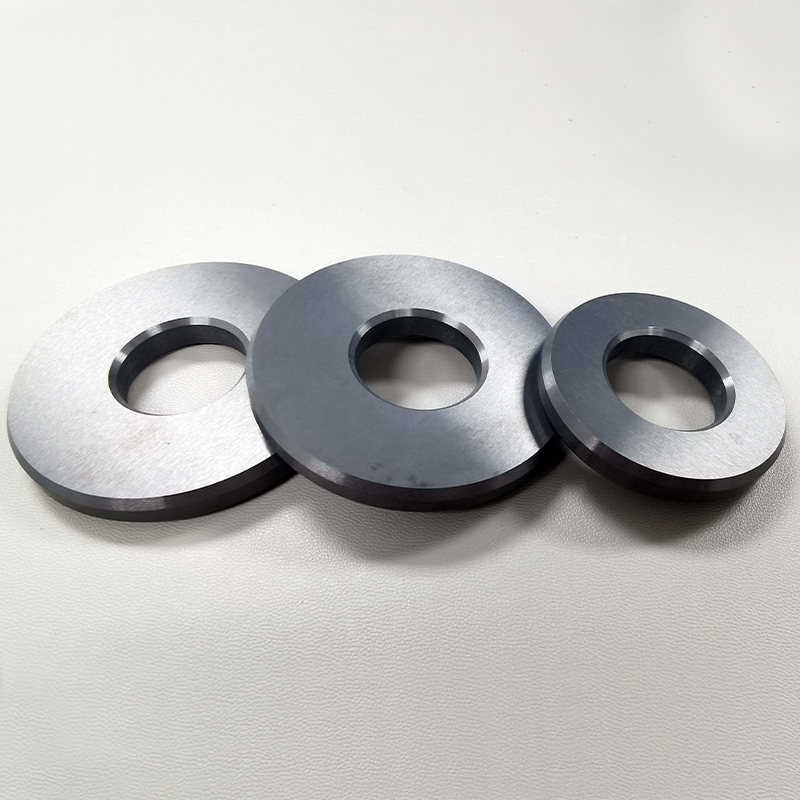

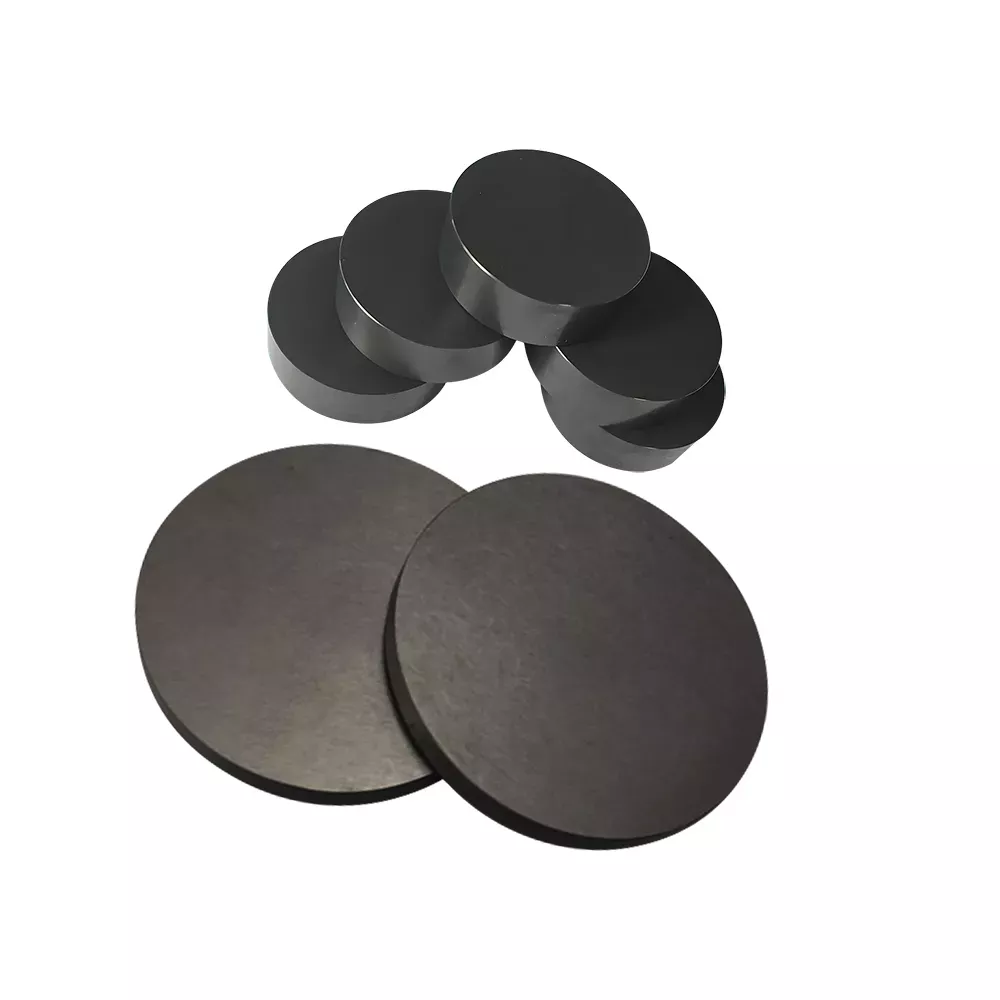


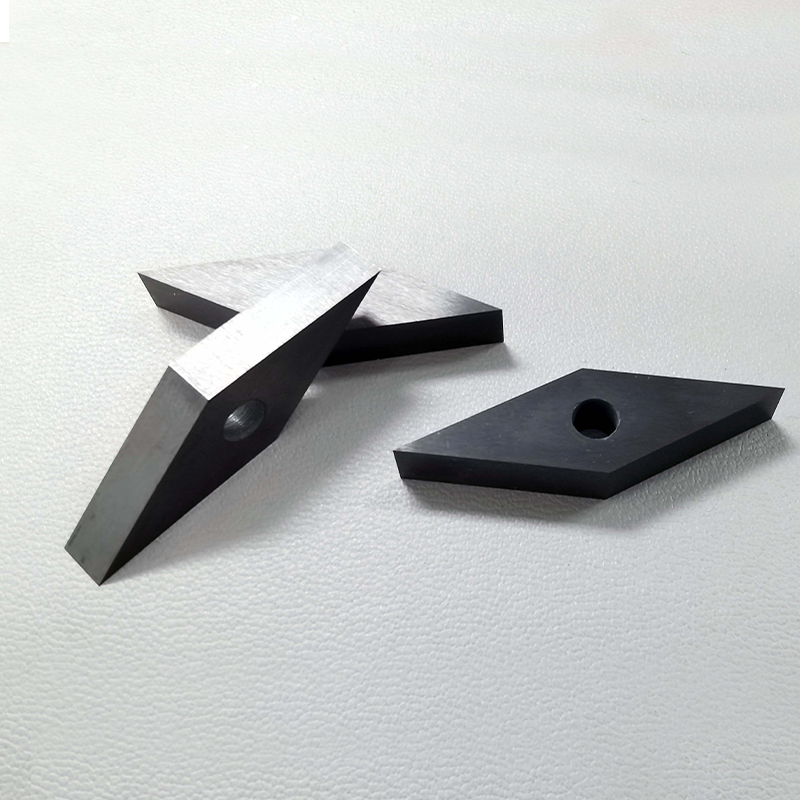

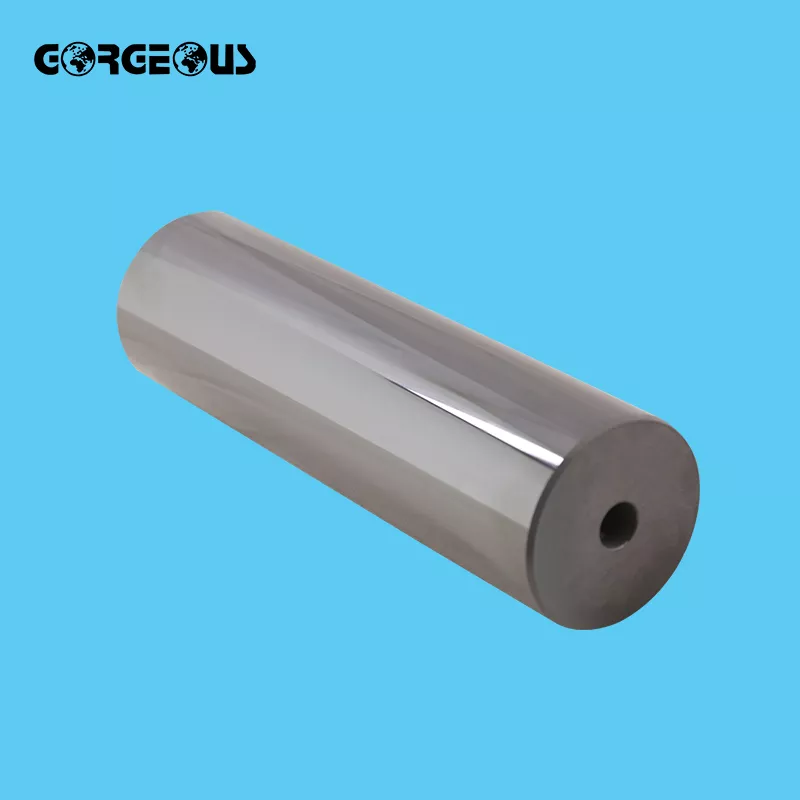




Related Silicon Nitride Components Catalogue and Quotation







Silicon Nitride Ceramics Properties and Selection Guide for Demanding Component Requirements
Evaluate silicon nitride against the operating conditions, interface details, and acceptance expectations that shape a practical component decision.
Application Conditions First
Define temperature exposure, load direction, cycling, wear media, chemicals, electrical duty, and failure concerns before comparing material options for the component.
Grade-Specific Property Review
Treat published silicon nitride properties as guidance, then confirm the proposed grade and relevant performance data against the actual service requirement.
Drawing Revision Control
Provide the current drawing revision, critical dimensions, tolerances, datum scheme, and notes so the quotation discussion starts from an identifiable part definition.
Geometry and Process Route
Discuss wall sections, radii, holes, undercuts, and overall form early, because geometry and selected forming or finishing routes affect feasibility and requirements.
Functional Surfaces Defined
Identify mating faces, sealing areas, contact zones, surface-finish expectations, and load-transfer features to focus attention on the interfaces that govern assembly.
Inspection Evidence Aligned
State the dimensions, visual criteria, material documentation, and inspection records needed for approval, distinguishing essential acceptance requirements from preferred information.
Silicon Nitride Components for Defined Industrial Requirements
Explore component forms, material options and application considerations before preparing a drawing-led quotation inquiry.
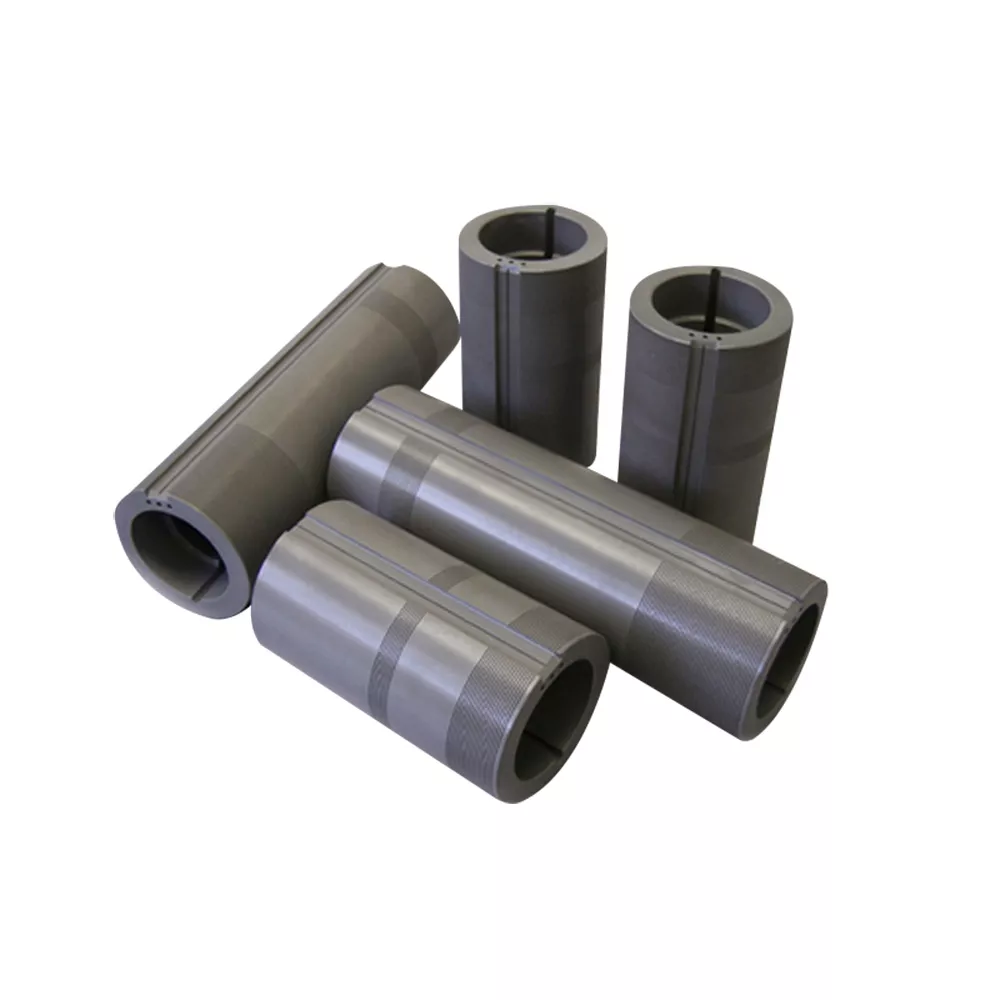
Ceramic Manufacturing Capabilities
Discuss ceramic manufacturing capabilities in relation to the part requirement: component geometry, critical dimensions, mating surfaces, material designation, quantity and inspection expectations. A current drawing revision provides the clearest starting point for evaluating a production inquiry.
Discuss Your Ceramic Part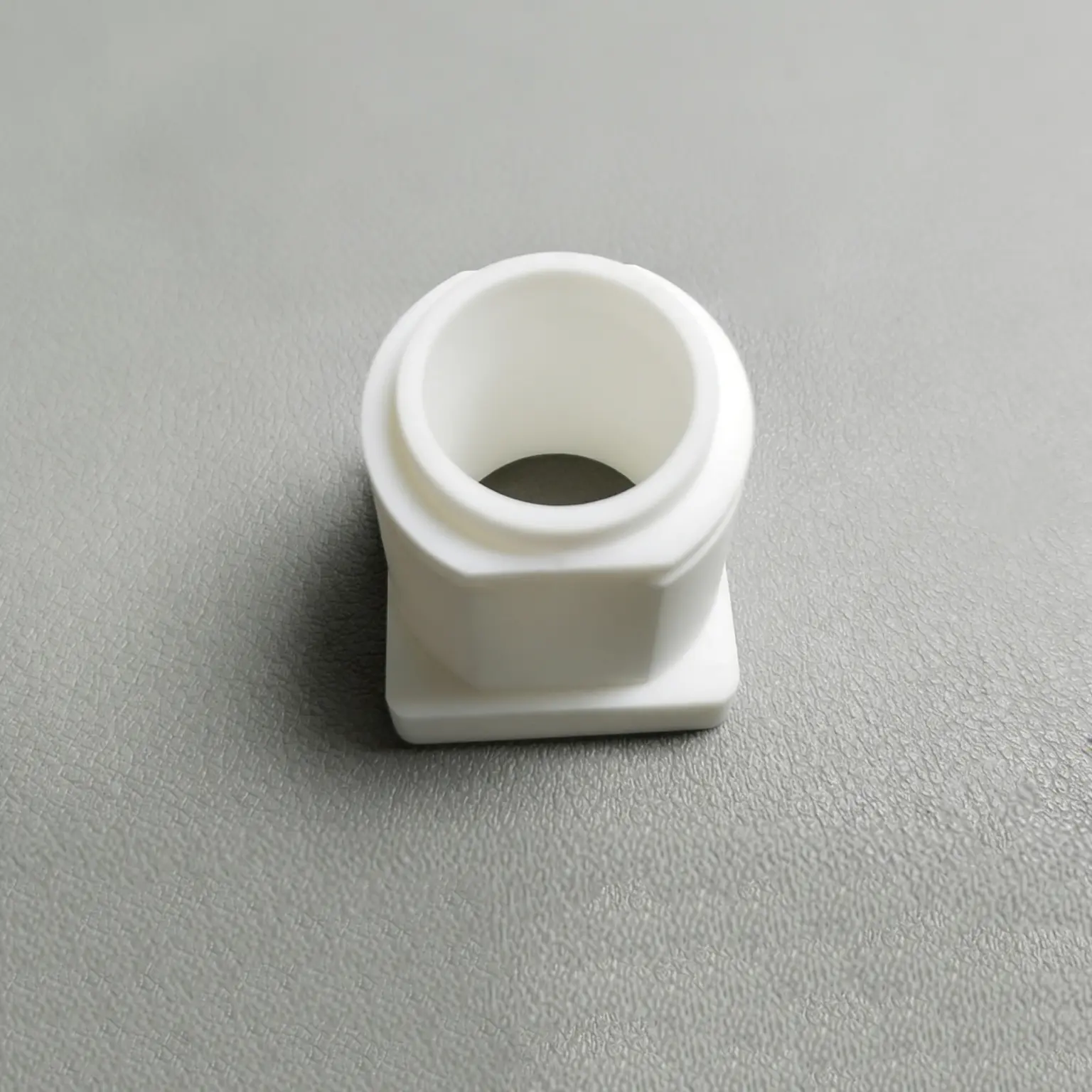
Ceramic Solutions by Industry
Review advanced ceramics applications by operating environment and function, including wear, heat, electrical insulation, corrosion exposure and mechanical loading. Application details help determine which requirements are essential before a material grade and component geometry are considered for quotation.
Discuss Your Ceramic Part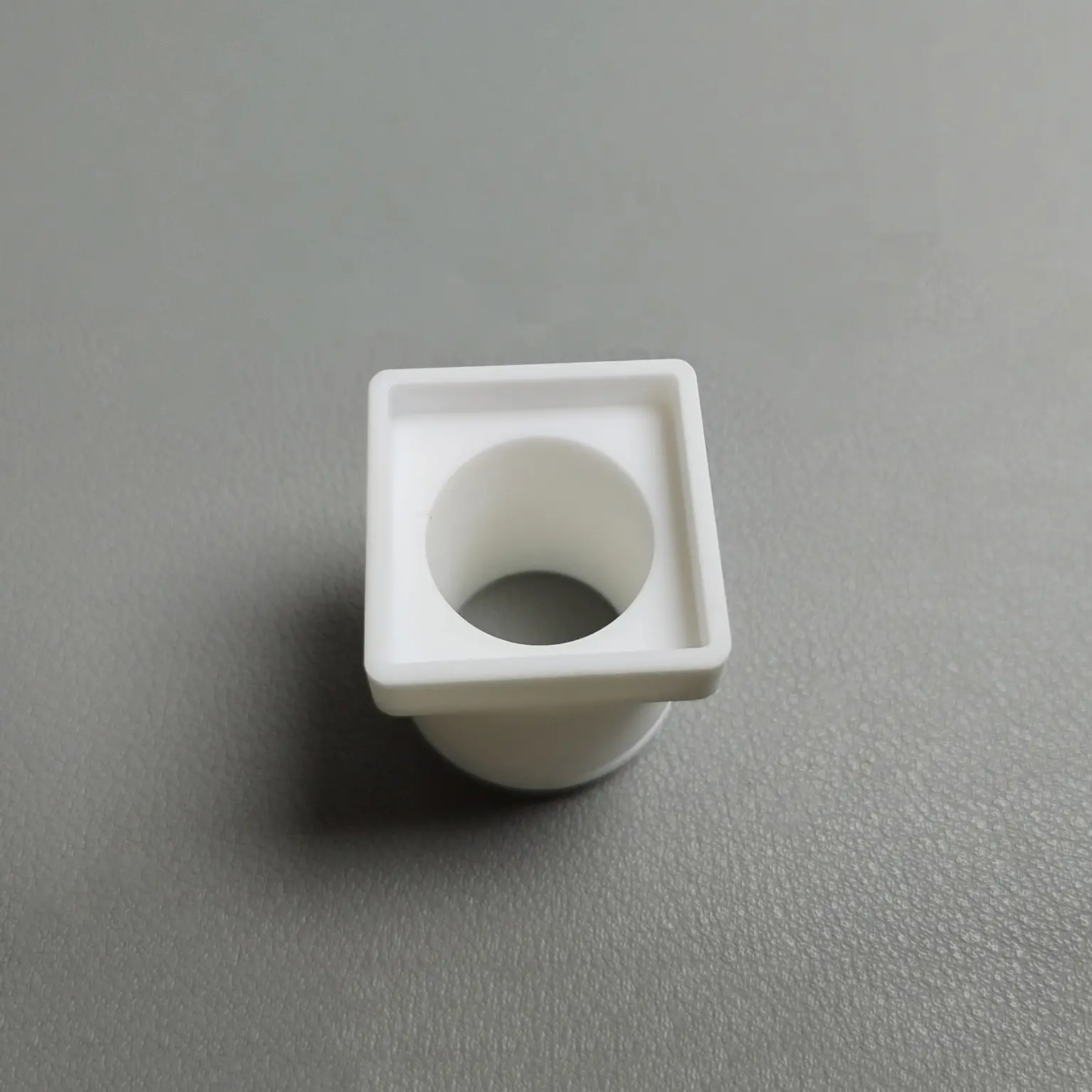
Advanced Ceramic Materials
Explore material families for custom ceramic components, including alumina ceramics, zirconia ceramics, silicon carbide ceramics, silicon nitride, aluminum nitride, and boron nitride. Material-family information is a starting point; grade-specific properties, dimensions, and process suitability require confirmation for the individual project.
Discuss Your Ceramic Part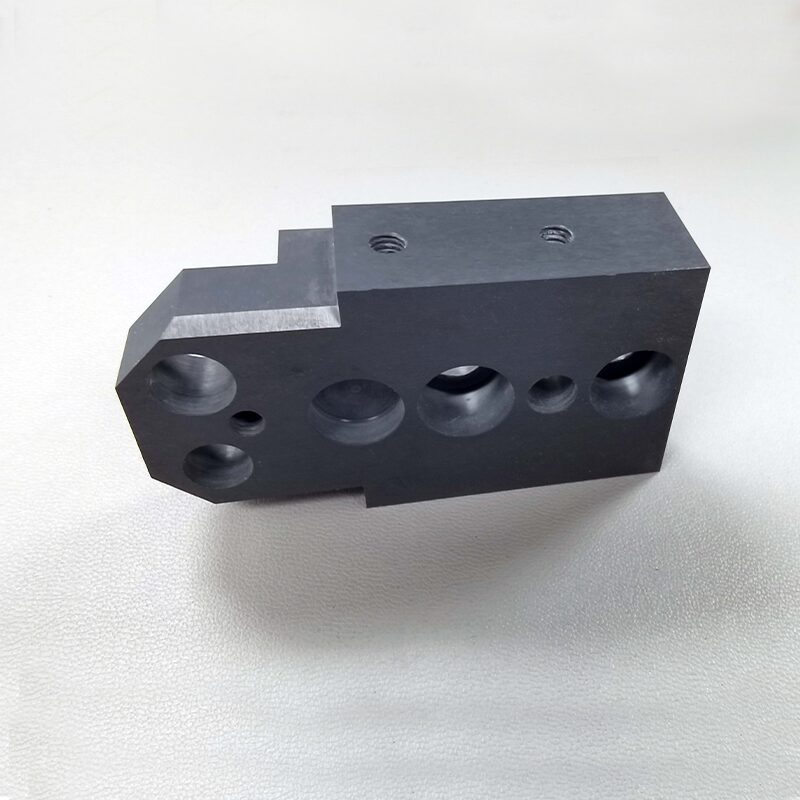
Technical Ceramic Products
Technical ceramic products may include tubes, rods, rings, substrates and other drawing-defined components. For a useful inquiry, identify assembly-critical dimensions, fitted surfaces, service conditions, acceptance criteria and any documentation required for approval.
Discuss Your Ceramic Part
Technical Ceramic Resources
Use this technical ceramics guide to frame a clearer project discussion: distinguish general material information from grade-specific values, product illustrations from specifications, and an initial inquiry from an agreed production order. Email a drawing or requirement summary to begin.
Discuss Your Ceramic PartSilicon Nitride Ceramics Properties and Selection Guide: Related Materials
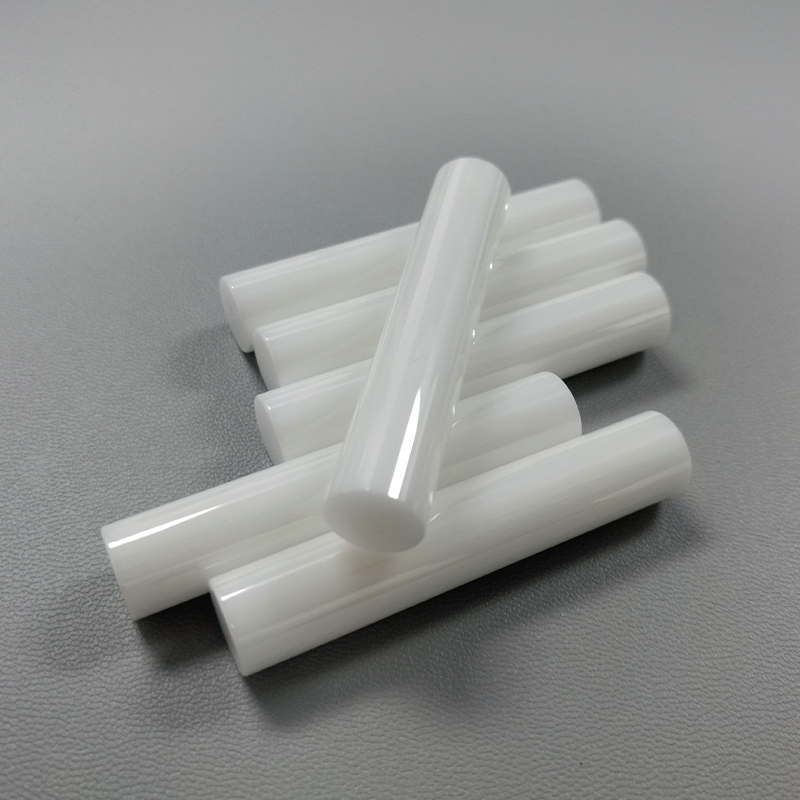
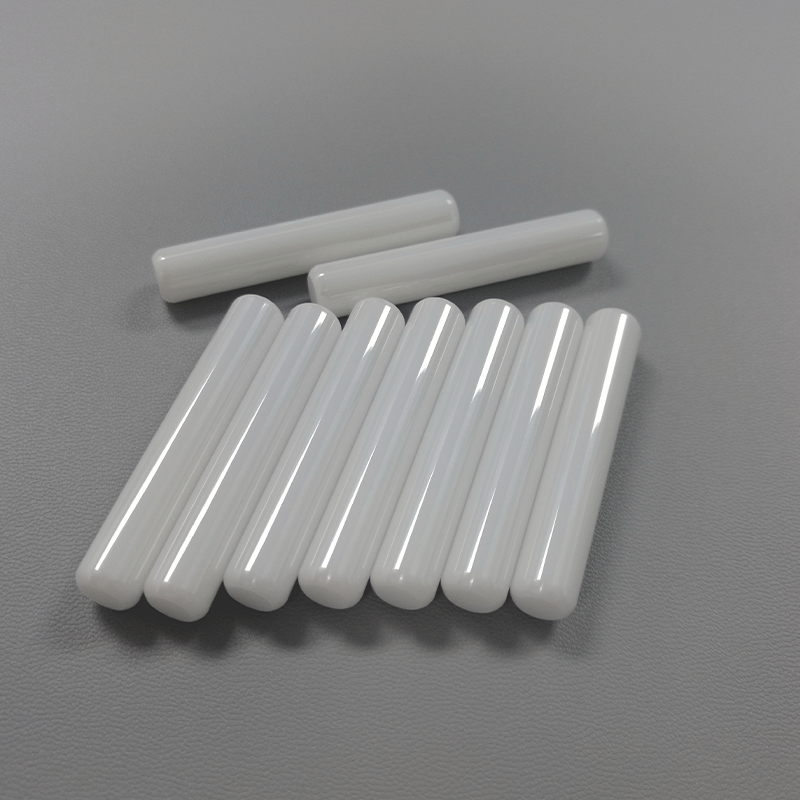
Alumina Ceramic
An oxide ceramic family to consider for defined industrial components. Compare the required grade, geometry, electrical role, mating surfaces, inspection expectations, and service conditions before requesting a quotation.
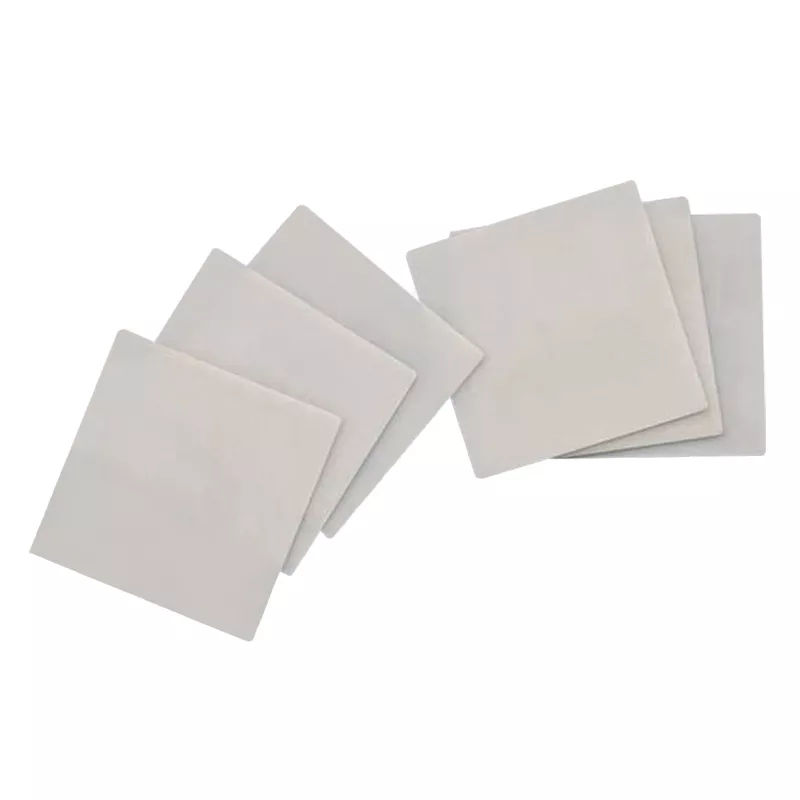
Zirconia Ceramic
An oxide ceramic family for projects where component geometry and assembly interfaces need close review. Provide the drawing revision, material designation if known, quantity, operating environment, and acceptance criteria.
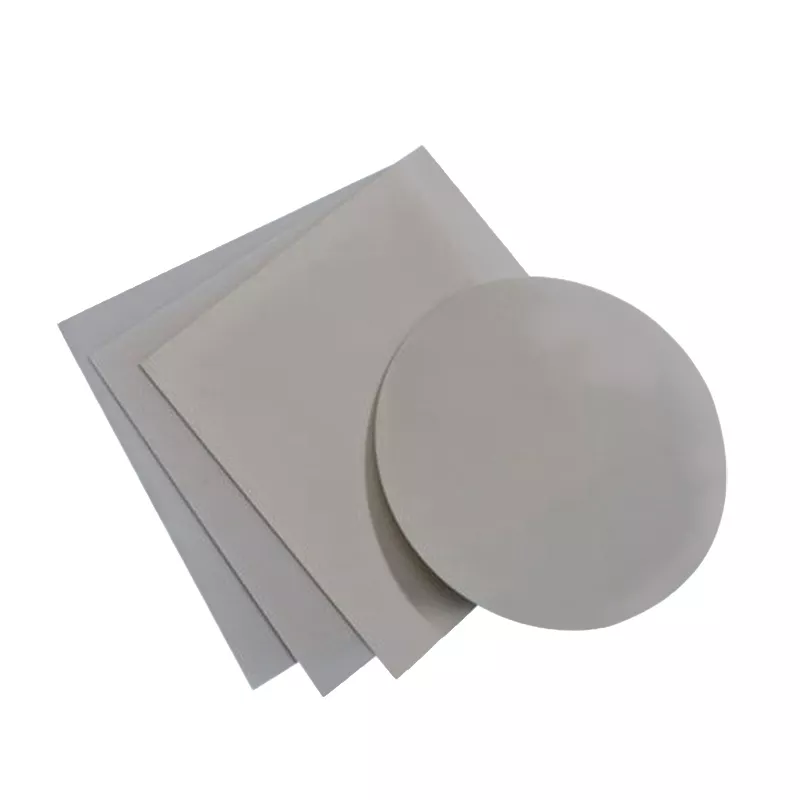
Silicon Carbide
A carbide ceramic family for application-led material comparison. Clarify the component form, critical dimensions, contact surfaces, service conditions, and any documentation requirements to frame a practical sourcing discussion.
Aluminum Nitride
A nitride ceramic family to assess when the component’s thermal and electrical role matters. Share substrate or part dimensions, interface details, operating conditions, and inspection requirements for a focused inquiry.

Boron Nitride
A specialty ceramic family for evaluating project-specific material options. Use the current drawing to identify essential geometry, surfaces that mate with other parts, service environment, and required approval documentation.
Silicon Nitride Ceramics Properties and Selection Guide: Manufacturing Considerations
Powder Preparation
Material formulation and powder preparation influence the starting condition for densification. Confirm the intended grade, operating environment, and any grade-specific property requirements so the material discussion supports the actual component function.

Shape Forming
Forming methods should be considered alongside part geometry, wall thickness, and feature complexity. Share the current drawing early to identify areas where geometry, shrinkage allowance, and practical production considerations need review.

Sintering Control
Sintering converts the formed body into a dense ceramic component and can affect final dimensions. Define dimensions that control assembly, tolerance priorities, and material designation so post-sintering requirements can be discussed clearly.

Precision Grinding
Diamond grinding may be considered for critical dimensions, flatness, and mating surfaces after sintering. Identify functional surfaces, datum references, and surface-finish expectations to focus finishing discussion on interfaces that affect performance.
Inspection Planning
Inspection planning connects the drawing to acceptance requirements for dimensions, surfaces, and requested documentation. State the measurement points, revision level, quantity, and records needed for approval before quotation details are finalized.
Silicon Nitride Ceramics Properties and Selection Guide: Interface Details
Mounting Holes
Specify hole diameter, depth, location datums, countersinks, and allowable edge distance. Identify whether the holes support fastening, alignment, fluid passage, or another assembly function so the feature can be reviewed with the component geometry.
Threaded Interfaces
Clarify thread standard, pitch, engagement length, mating material, and installation loads. For silicon nitride ceramics properties and selection guide discussions, note whether an insert, sleeve, or alternative fastening arrangement is acceptable.
Mating Surfaces
Mark the surfaces that locate, seal, slide, or carry load against another part. Include flatness, finish, contact area, and tolerance expectations, along with the operating environment that may influence interface performance.

Identification Marks
State whether part numbers, revision marks, orientation indicators, or batch identification are required. Define the marking location and legibility expectations to avoid placing information on a critical fit, wear, or sealing surface.

Protective Packaging
Describe packaging needs for fragile edges, finished surfaces, quantity separation, labeling, and incoming inspection. Clear packing requirements help procurement teams protect ceramic components through shipment, storage, and transfer to the assembly line.
Porcecore’s Silicon Nitride Ceramics Properties and Selection Guide
Porcecore was founded by Andy Yuan to help industrial buyers connect a ceramic material choice to a defined component requirement. Our silicon nitride ceramics properties and selection guide reflects that mission: begin with the part, its operating conditions, and the decisions needed to move an inquiry forward.
We cover technical ceramic materials and component forms across oxide, nitride, carbide, and specialty ceramic families. Rather than treating a material name as a finished specification, we consider geometry, mating surfaces, service environment, tolerances, and inspection expectations alongside the material discussion.
What makes Porcecore different is an application-first, drawing-led approach built around clarity before commitment. Share a current drawing revision, quantity, known material designation, acceptance criteria, and documentation needs. This gives a quotation conversation a practical basis while keeping grade, dimensions, delivery, and commercial terms open for project-specific confirmation.

Silicon Nitride Ceramics Properties and Selection Guide: Define the Part
Start With the Part
Describe the component form and the job it performs before selecting a material. A tube, ring, roller, ball, or custom profile needs an application context that connects loading, contact conditions, assembly interfaces, and the reason silicon nitride is under consideration.
- Provide the current drawing revision
- Identify the component’s function
- Note the mating parts and interfaces
- State whether it replaces an existing part

Set the Material Direction
Silicon nitride can offer a useful combination of mechanical, thermal, and electrical behavior, but general material information is not a part specification. Discuss the intended grade direction alongside the application, then confirm properties and processing suitability for the individual requirement.
- Share any known material designation
- Clarify the properties that matter most
- Compare alternatives when needed
- Confirm grade-specific data for approval

Flag Critical Geometry
Separate assembly-defining dimensions from noncritical features early. Diameter, flatness, concentricity, wall thickness, surface finish, and edge condition can affect both fit and manufacturing discussion. Clear tolerances help establish where precision is essential and where practical flexibility may be possible.
- Mark fit and sealing surfaces
- Identify critical datums
- List dimensional tolerances
- Specify required finishes or edge breaks

Define Service and Acceptance
A complete inquiry includes the operating environment and the evidence needed for release. Temperature changes, loads, wear media, electrical duty, chemical exposure, quantity, inspection expectations, and required documentation give the quotation conversation a concrete, project-specific basis.
- Describe loads and temperature exposure
- Identify wear or chemical conditions
- State quantity and delivery expectations
- List inspection and documentation needs

Silicon Nitride Ceramics Properties and Selection Guide: Porcecore vs. Material-Only Sourcing
Compare a drawing-led component inquiry with a material-name-only starting point.
← Swipe left or right to view →
Silicon Nitride Ceramics Properties and Selection Guide: From Requirement Review to Delivery Discussion
A drawing-led sequence for aligning material, geometry, inspection, packing, and commercial details before a project moves forward.
Define the Part
Share the current drawing revision, component form, quantity, application, operating environment, and any replacement-part context that helps establish the project requirement.
Review Material Fit
Discuss the intended silicon nitride grade, relevant service conditions, mating surfaces, and performance priorities to distinguish essential requirements from general material guidance.
Clarify Geometry Details
Identify assembly-critical dimensions, tolerances, surface requirements, features, and finishing expectations so the component discussion reflects the actual interface rather than material name alone.
Align Quotation Basis
Review the defined scope for a quotation discussion, including quantity, requested documentation, acceptance criteria, delivery considerations, and any open technical questions requiring confirmation.
Confirm Inspection Expectations
Clarify which dimensions, material information, visual conditions, records, or other inspection expectations matter for approval before production and commercial terms are agreed.
Discuss Packing and Delivery
Confirm practical packing preferences, shipping needs, delivery timing, and final project terms as part of the individual order discussion before commitment.
How to Start Your Silicon Nitride Ceramics Properties and Selection Guide Inquiry
Bring the drawing, operating context, and acceptance needs into one focused discussion before project terms are confirmed.
Send Your Current Drawing
Email the current drawing revision or describe the replacement component, including critical dimensions, mating surfaces, and the geometry that determines assembly.
Define Service Conditions
Share operating temperature, loads, wear exposure, electrical needs, media contact, and the silicon nitride material designation when it is already known.
State Quantity and Acceptance Needs
Specify prototype or production quantity, required tolerances, inspection expectations, documentation, and any dimensions or surfaces that are essential to approval.
Review Open Requirements
Discuss grade, geometry, finishing, and feasibility questions together, separating general material properties from the project-specific values and requirements to confirm.
Confirm Project Terms
Use the clarified requirement as the basis for quotation discussions, then confirm material grade, dimensions, delivery, documentation, and commercial terms for the order.
Silicon Nitride Ceramics Properties and Selection Guide: Documentation Review
Silicon Nitride Ceramics Properties and Selection Guide: Sourcing Outcomes
Illustrative outcome: defining five essentials—drawing revision, material designation, quantity, service conditions, and acceptance criteria—gives a quotation discussion a clearer technical basis from the start.
Illustrative outcome: identifying two mating surfaces and the assembly-critical dimensions helps distinguish functional tolerances from noncritical dimensions before a silicon nitride component is evaluated.
Illustrative outcome: separating grade-specific values, geometry, documentation, delivery, and commercial terms into five review areas helps procurement teams identify open questions before commitment.
Illustrative Requirement Scenarios
Practical questions for defining a technical ceramic component requirement before requesting a quotation.
How does this silicon nitride ceramics properties and selection guide help with grade selection?
What should I include in a silicon nitride ceramics properties and selection guide RFQ?
Can the silicon nitride ceramics properties and selection guide help assess tolerances?
How should I specify functional surfaces on a ceramic drawing?
Is there a fixed MOQ, sample policy, or lead time for silicon nitride components?
What inspection evidence can be requested with a quotation?
How should silicon nitride parts be packaged for shipment?
How are payment terms and intellectual-property concerns handled?
The Complete Silicon Nitride Ceramics Properties and Selection Guide
Use a practical decision framework to match grade, geometry, and operating conditions, evaluate qualified suppliers, compare cost drivers, and avoid specification mistakes that cause delays, premature failures, or unnecessary machining expense.
1. Silicon Nitride Ceramics Properties and Selection Guide
Si3N4 is an engineering ceramic valued for a useful balance of strength, hardness, fracture toughness, wear resistance, thermal-shock resistance, and electrical insulation. Those advantages do not remove the fundamental brittleness of ceramics: tensile stress, impact, sharp corners, and local contact loads still require disciplined design.
One material name is not a complete purchase specification. This silicon nitride ceramics properties and selection guide helps procurement and engineering teams connect a proposed material with the part drawing, service environment, mating surfaces, loading direction, and acceptance criteria.
Four variables can change the practical result: grade, densification route, component geometry, and operating conditions. Compare grade-specific data rather than generic claims, then confirm dimensions, tolerances, surface finish, inspection needs, quantity, and documentation for the individual project.
Porcecore approaches an inquiry from the component requirement outward. Send the current drawing revision and available application details so open technical questions can be identified before production commitments are discussed.
2. Development of Silicon Nitride Ceramics
1970s process advances expanded silicon nitride beyond early reaction-bonded and hot-pressed forms. Sintered silicon nitride, including sialons, and sintered reaction-bonded silicon nitride became distinct families because fabrication route controls porosity, densification, dimensional change, and practical application fit (https://www.azom.com/article.aspx?ArticleID=4491).
1980s research examined silicon-nitride-based parts for gas-turbine and piston engines. The aim was lighter engines operating at higher temperatures, but reliable fabrication of complex parts, cost, and ceramic brittleness prevented that engine vision from becoming routine production (https://www.azom.com/article.aspx?ArticleID=4491).
Today, that development work supports industrial use in metal forming, wear service, and molten-metal handling. In a silicon nitride ceramics properties and selection guide, treat the grade name as a process-and-performance starting point: confirm the actual fabrication route, geometry, mating surfaces, service conditions, and acceptance criteria for the part.
3. Silicon Nitride Ceramics Properties and Selection Guide: Grades
Six common routes trade shape control against densification. Use the silicon nitride ceramics properties and selection guide to screen process families before comparing grade-specific datasheets.
| Route | Density Or Porosity | Practical Trade-Off | Fit And Limitation |
|---|---|---|---|
| Reaction-bonded | Porous; near-net | Lower strength; excellent shape control | Kiln fixtures; limited dense-duty use |
| Sintered reaction-bonded | Reduced porosity | Better strength; some shrinkage | Wear parts; fewer sources |
| Pressureless sintered | Near-full density | Balanced strength and toughness | Complex green-machined parts; shrinkage |
| Gas-pressure-sintered | Very high density | High toughness and reliability | Demanding parts; specialized capacity |
| Hot-pressed | High density | Strong, tough material | Simple shapes; costly machining |
| Hot-isostatic-pressed | Near-theoretical density | Maximum defect control | Critical parts; highest cost |
Grade Names Need Verification
Supplier grade names are proprietary, not standardized. Review the datasheet for density, open porosity, strength, toughness, additives, test method, and temperature before approving a substitution.
RFQ Decision Inputs
Four inputs narrow the route: drawing geometry, loaded surfaces, service temperature, and acceptance criteria. Submit the current revision and request achievable tolerances, inspection method, documentation, quantity, and process confirmation.
4. Material Properties and Application Fit
Ten requested properties turn silicon nitride ceramics properties and selection guide into an application-specific comparison. Grade, density, and test method can change reported values; review both cited references: https://precision-ceramics.com/materials/silicon-nitride and https://www.azom.com/article.aspx?ArticleID=4491.
| Decision | Properties To Request | Acceptance Focus |
|---|---|---|
| Bearing | Density, strength, toughness, hardness, roughness | Rolling-contact reliability |
| Cutting and forming | Hardness, toughness, modulus, finish | Wear and edge integrity |
| Molten metal | Conductivity, expansion, compatibility | Thermal cycling and attack |
| Semiconductor insulation | Dielectric behavior, conductivity, finish | Electrical isolation and process fit |
Mechanical Loading Priorities
Bearing rings need density, flexural strength, fracture toughness, hardness, elastic modulus, and finished roughness specified together.
Cutting inserts and metal-forming rolls need hardness for wear, toughness for edge survival, and modulus for deflection control.
Thermal Electrical And Chemical Fit
Molten-metal hardware needs thermal conductivity, thermal expansion, thermal-shock conditions, and chemical compatibility with the alloy, slag, and atmosphere.
Semiconductor and insulating components need dielectric behavior, thermal conductivity, surface finish, and process-chemical compatibility defined at operating temperature.
5. Custom Geometry and Finishing Options
A silicon nitride component starts with the assembly-critical dimensions, not a catalog shape. Specify whether blanks, balls, rollers, tubes, plates, wear parts, or near-net forms require finished interfaces.
Form Before Finish
Simple, uniform sections generally lower tooling and finishing effort. Retain as-sintered nonmating features where their tolerance is acceptable; sintering can involve substantial shrinkage (https://www.syalons.com/2019/07/04/design-tips-for-silicon-nitride-ceramics).
Machining Sequence

Green machining can form holes, grooves, radii, and chamfers before densification. Post-sinter diamond grinding is justified for bearing seats, sealing faces, flatness-controlled plates, and other surfaces that establish fit or motion.
Drawing And Inspection
One drawing revision should identify datum surfaces, dimensions, tolerances, roughness, edge condition, markings, and acceptance criteria. Request inspection documentation only for characteristics that affect approval, assembly, or service; confirm the agreed report format with the supplier.
6. Design and Quality Requirements
A silicon nitride part should be designed from its load path, assembly interfaces, and acceptance criteria. General guidance on relieving edges, avoiding abrupt sections, and using practical tolerances is available at https://www.syalons.com/2019/07/04/design-tips-for-silicon-nitride-ceramics.
Load Paths And Geometry
Sharp corners and point contacts concentrate stress in a brittle ceramic. Use radii or chamfers, broad bearing areas, and reasonably uniform wall thickness; avoid abrupt section changes and unsupported thin features.
Interfaces And Thermal Fit
Mating surfaces require stated flatness, finish, datum scheme, and assembly clearance. Account for tolerance stack-up, preload, differential thermal expansion, and temperature gradients, because local constraint can initiate cracking even when nominal loads appear acceptable.
Incoming Quality Plan
Each batch should be linked to its material designation, lot identity, drawing revision, and agreed inspection record. Define critical dimensions, sampling method, surface-condition limits, and any required certificates before purchase order release; align every drawing tolerance with its functional purpose.
7. Silicon Nitride Ceramics Properties and Selection Guide: Suppliers
Two documents should anchor supplier screening: a grade-specific datasheet and a part-specific quotation. For silicon nitride ceramics properties and selection guide decisions, treat brochure claims as leads, not acceptance evidence.
Request Manufacturing Evidence
One process route, grade designation, forming method, sintering method, and achievable size range should be stated in writing. Ask which features are ground after sintering and which tolerances require feasibility review.
- Grade-specific datasheet
- Dimensional capability statement
- Machining and metrology plan
Verify Quality Records
Each production lot should link the part number, material certificate, inspection results, and shipment records. Request sample reports, traceability format, applicable quality-system evidence, and written notification rules for material, process, or inspection changes.
- Lot identifier
- Certificate scope
- Change-control notice
Question Distributors Carefully
Three questions expose source risk: Is the manufacturer fixed, is the grade unchanged between orders, and can original documentation follow each lot? Confirm sample approval steps, engineering contact, realistic lead-time assumptions, and exceptions before release.
- Name the manufacturing source
- Confirm documentation availability
- State lead-time basis
8. Common Silicon Nitride Buying Mistakes
Eight recurring RFQ errors turn a capable ceramic choice into cost, schedule, or reliability risk. Use this silicon nitride ceramics properties and selection guide to turn each assumption into a documented question before quotation.
Define Grade And Data
One material name—Si3N4—does not define processing route, additives, density, or property values. Ask which grade, test method, specimen condition, and minimum value apply before comparing datasheets.
Redesign The Geometry
Two drawing habits raise risk: copying metal shapes and tolerancing every feature tightly. Identify load paths, radii, wall transitions, mating surfaces, and only the dimensions that require grinding.
Specify Service And Acceptance
Three omitted items are thermal cycling, chemical exposure, and inspection criteria. State temperature range, media, test or measurement method, critical dimensions, sampling plan, and whether a sample represents production acceptance.
Compare Total Requirement Cost
One unit-price comparison can hide yield, machining, documentation, inspection, and replacement costs. Ask which requirements drive the quote and which can be relaxed without compromising assembly or service.
9. From RFQ to Production Approval
A production release starts with the duty cycle, loads, temperature, media, mating parts, and failure consequences. The silicon nitride ceramics properties and selection guide becomes actionable when each requirement is assigned an owner and acceptance method.
Define The Technical Basis
Mechanical engineering should provide the current drawing revision, critical interfaces, operating envelope, and ranked properties.
The supplier should recommend a candidate grade and flag shrinkage, grinding access, thin sections, and stress-concentrating features before quotation.
Align Commercial And Quality Inputs
Procurement should state prototype quantity, annual demand, delivery target, packaging needs, and required commercial documentation.
Quality should define datums, dimensions, sampling plan, test methods, material documentation, and record retention before samples are ordered.
Validate Before Release
First samples should be inspected against the agreed drawing and evaluated in the intended assembly or service condition.
Production release should follow first-article approval; repeat orders should reference the approved revision, grade, inspection criteria, and any controlled change process.
10. Pricing and Cost Drivers
2 quotation inputs carry the most weight: the current drawing and the agreed material grade. Accurate pricing also depends on tolerances, surface finish, testing, order volume, delivery terms, and the acceptance criteria for each part.
3 cost stages commonly interact: forming, densification, and post-sinter machining. The silicon nitride ceramics properties and selection guide should be used to define performance needs before comparing quotations; a general material value is not a grade-specific commercial specification.
| Quantity tier | Geometry and material route | Machining and inspection | Lead-time effect | Indicative cost driver |
|---|---|---|---|---|
| Prototype or low volume | Complex features or specialized route | Extensive grinding; full dimensional records | Expedite requested | Setup, yield risk, and individual handling dominate |
| Small repeat order | Moderate complexity; established route | Critical fits ground; selected checks | Standard scheduling | Setup is spread across more units |
| Production volume | Simple or repeatable geometry | Targeted machining; sampling plan agreed | Planned releases | Process consistency and material utilization matter |
| High-volume repeat | Stable drawing and controlled route | Minimal finishing where functional; agreed sampling | Forecast-based delivery | Tooling, yield, logistics, and inspection plan drive comparison |
Discuss Your Silicon Nitride Ceramic Part
Email your drawing, operating environment, quantity, and acceptance criteria to begin a clear, drawing-led quotation conversation with Porcecore.