
Custom Ceramic Components for Silicon Nitride Wear and Mechanical Applications
Define the grade, drawing, service conditions, mating surfaces, and acceptance requirements before quotation.
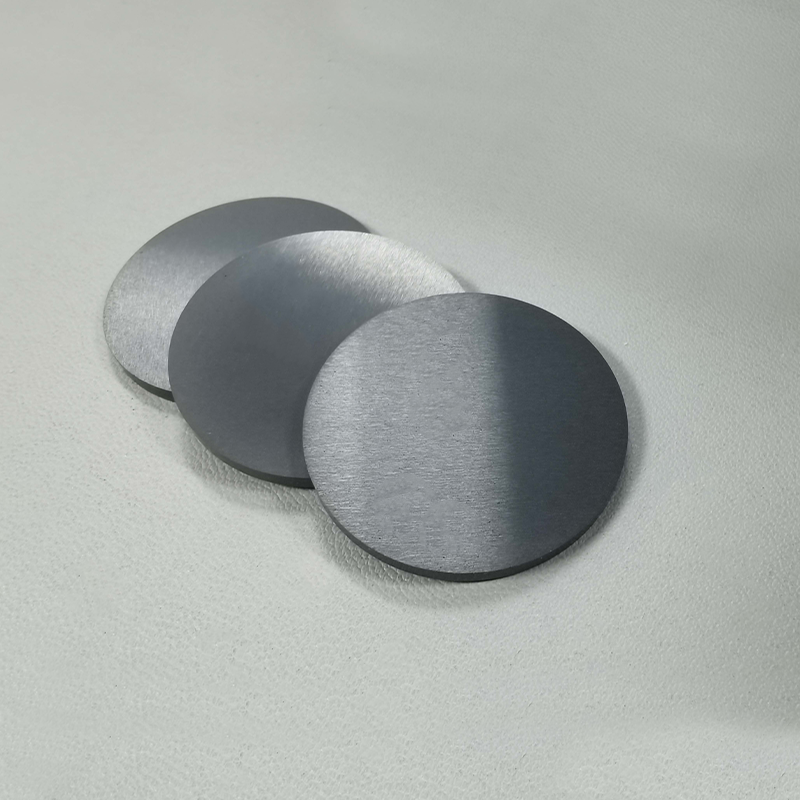
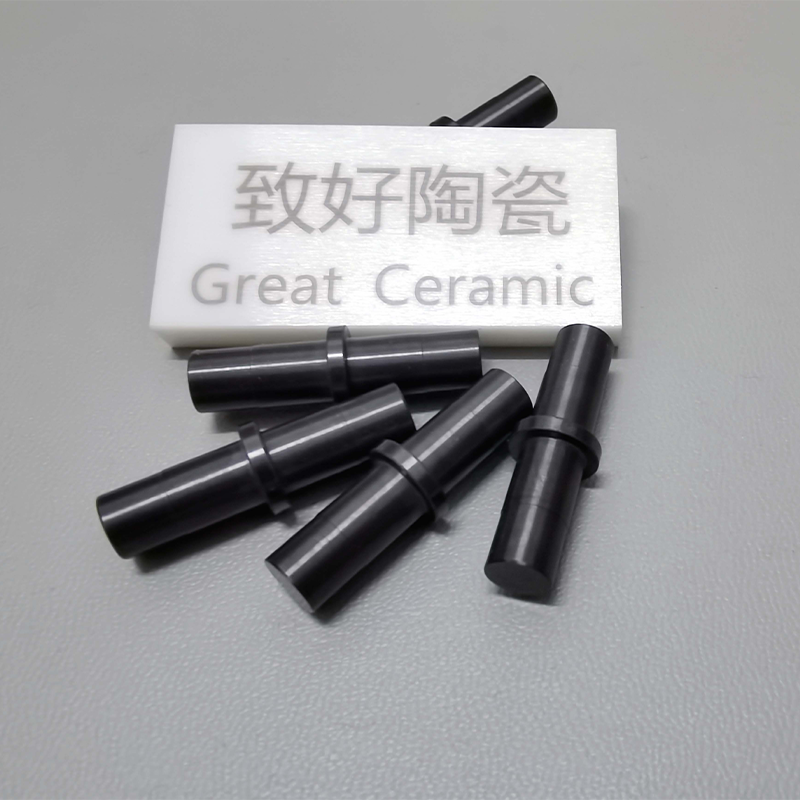
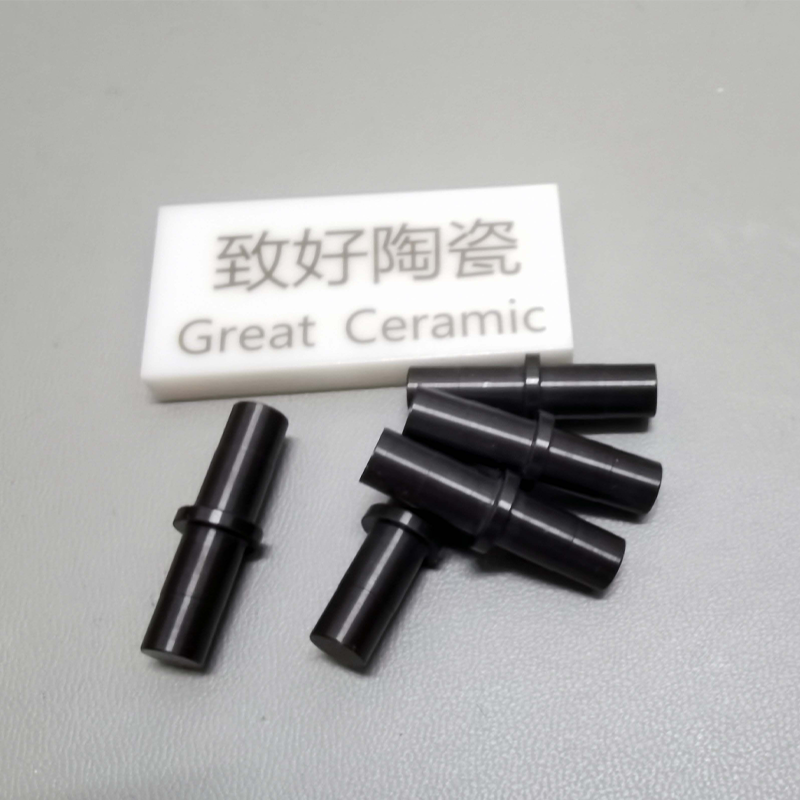
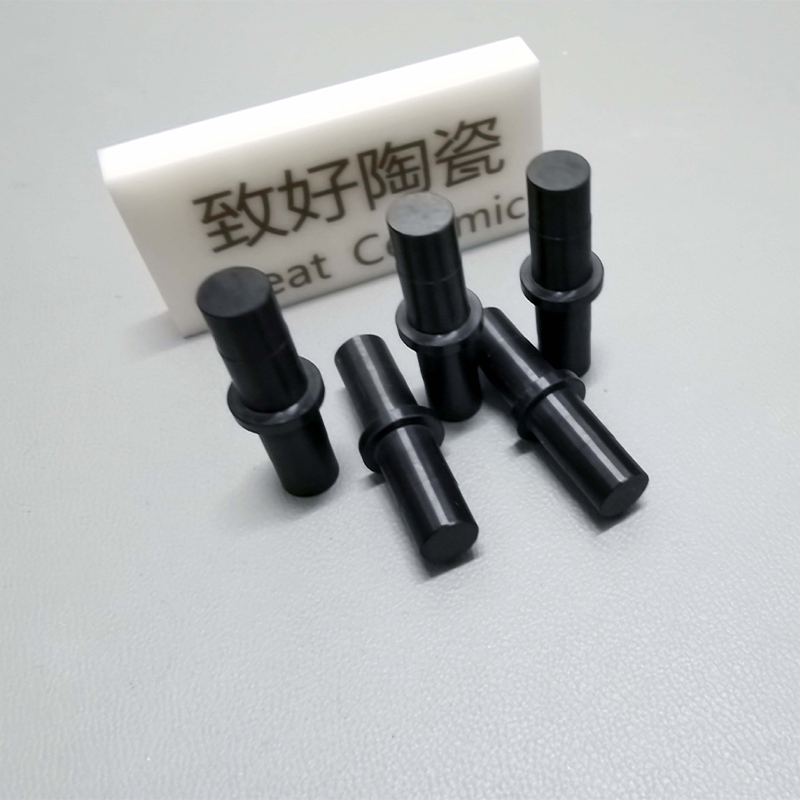
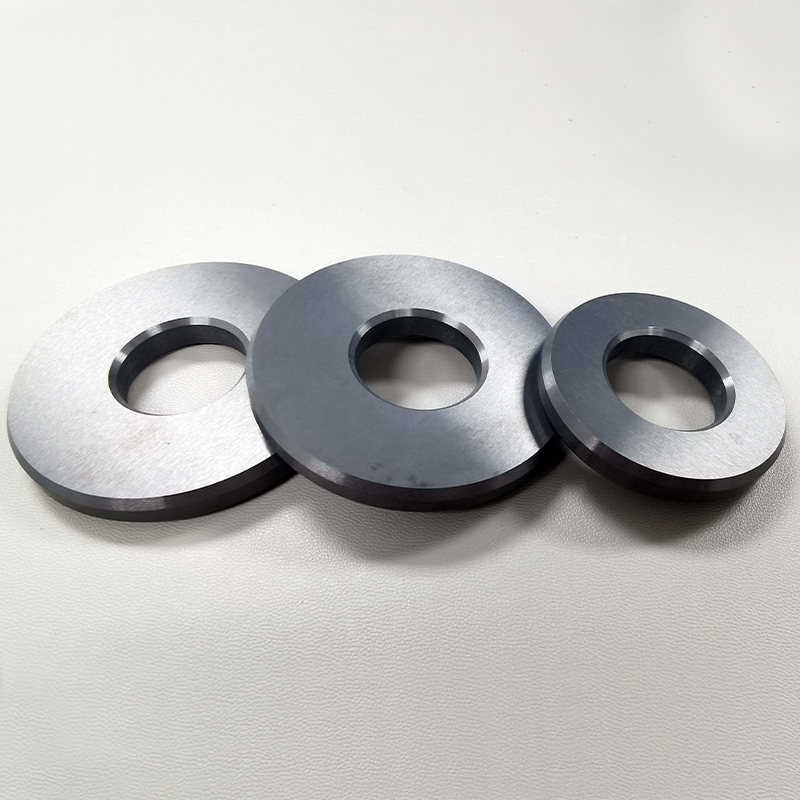
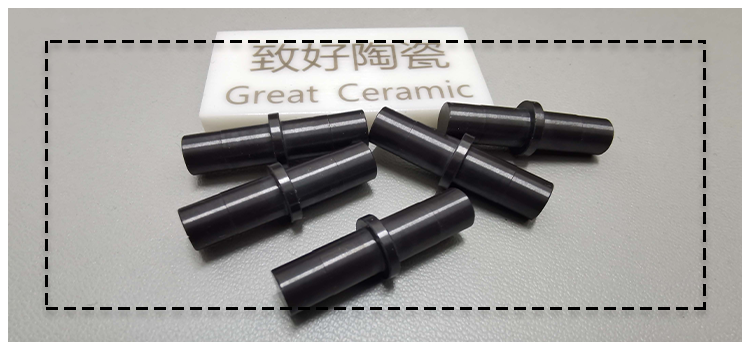
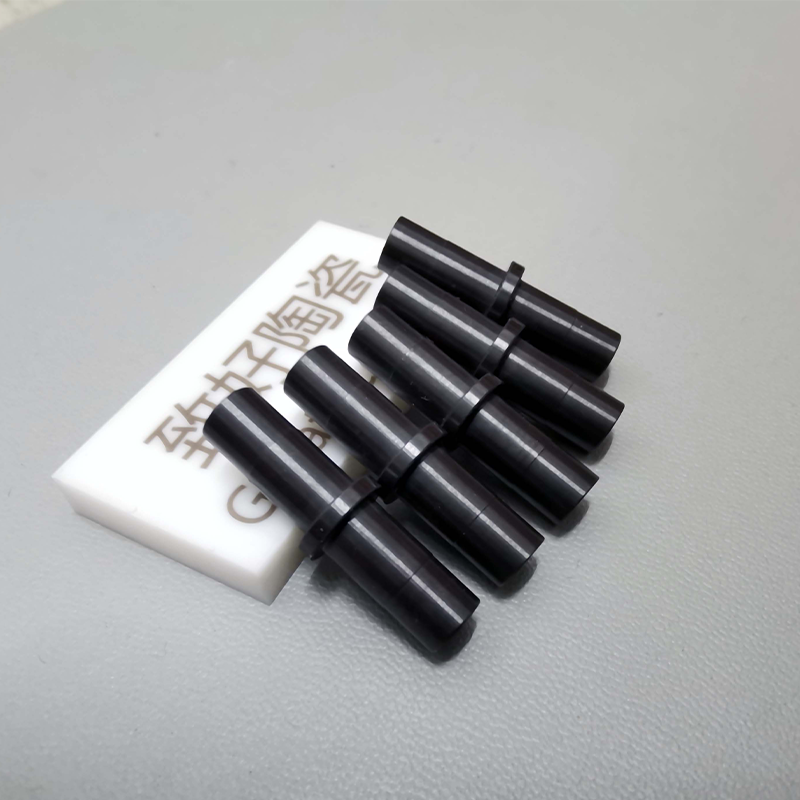
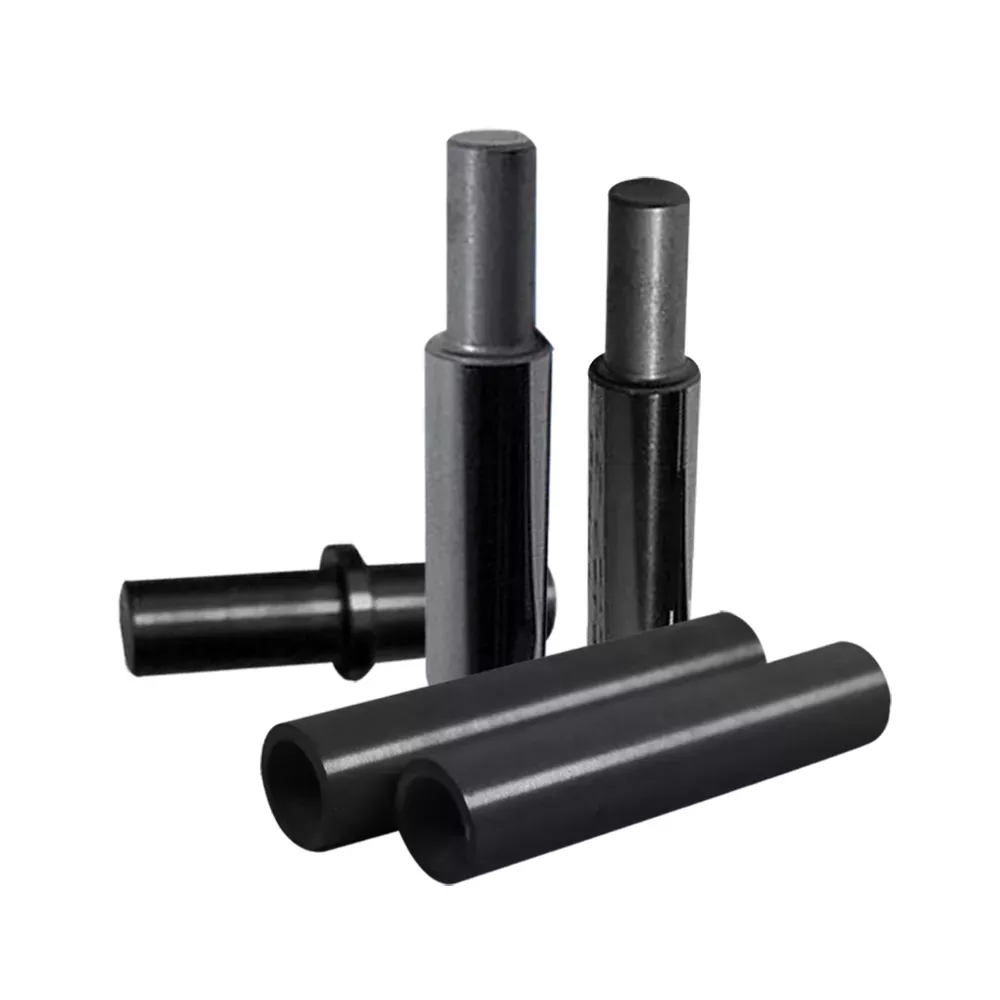
Featured Silicon Nitride Components for Wear Applications






Related Product Catalogue and Quotation





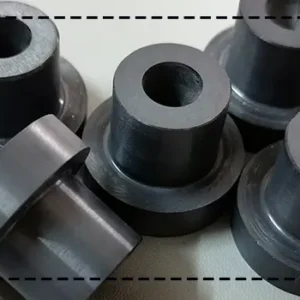


Silicon Nitride Ceramics Mechanical and Wear Performance: Evaluation Priorities
Review the part, service conditions, and acceptance requirements together before selecting a grade or defining a quotation basis.
Drawing Revision Control
Confirm the current drawing revision, critical dimensions, datum scheme, and tolerance callouts so the quotation addresses the assembly requirement rather than an illustrative component shape.
Grade and Service Conditions
Discuss the intended silicon nitride grade alongside service temperature, loading, media, and electrical needs. General material data cannot substitute for project-specific grade confirmation.
Geometry and Section Design
Part shape, wall thickness, transitions, holes, and unsupported features influence manufacturability. Share the geometry early to identify questions that affect the proposed ceramic component route.
Process Route Considerations
Forming, sintering, machining, and finishing choices should follow the required geometry and functional demands. The suitable route remains subject to review of the individual part requirement.
Functional Surface Definition
Identify mating faces, wear tracks, sealing areas, and reference surfaces. Surface finish, flatness, and edge condition should be specified where they influence fit, friction, or performance.
Inspection Evidence Requirements
State the dimensions, material information, visual criteria, and documentation needed for approval. Clear acceptance expectations help align the inquiry, quotation discussion, and production order.
Component Categories for Mechanical Wear Service
Explore component, material and application paths that help define silicon nitride requirements for demanding assemblies and wear-related service conditions.
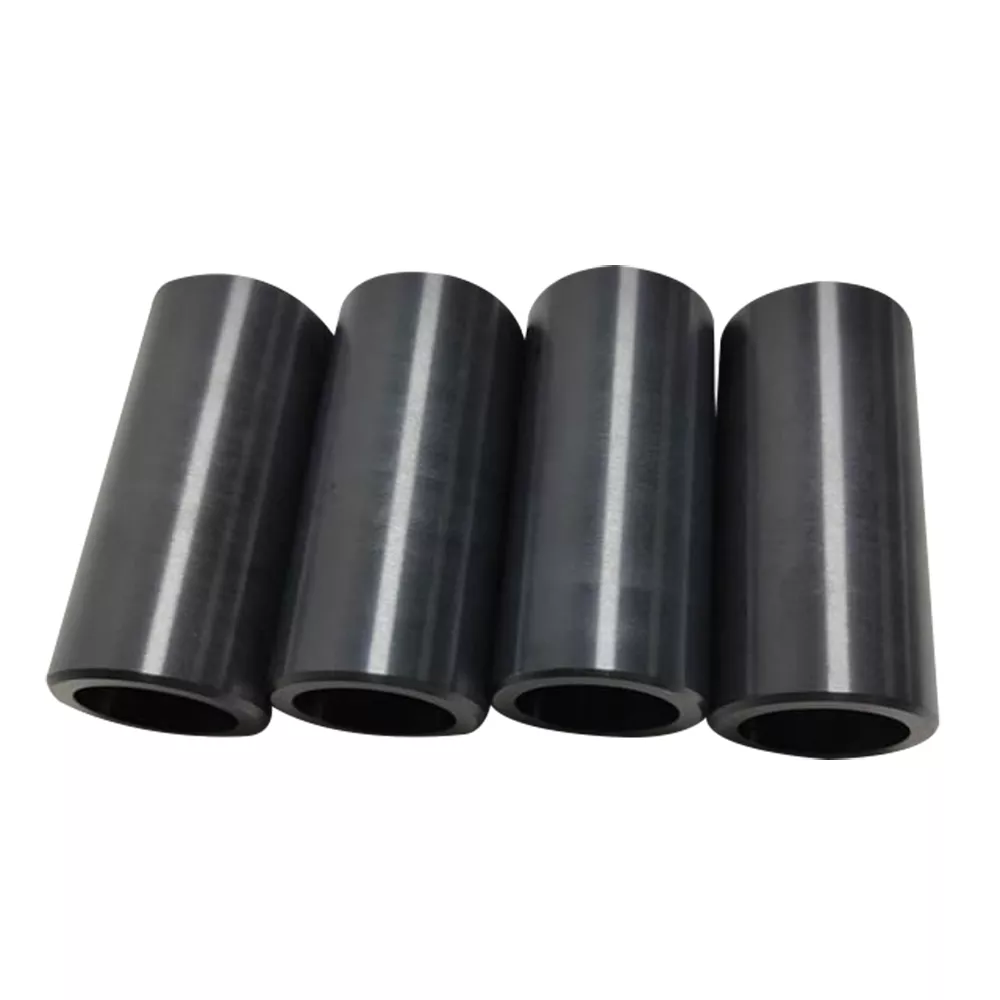
Ceramic Manufacturing Capabilities
Review ceramic manufacturing capabilities in the context of a defined component: drawing geometry, critical dimensions, mating surfaces, quantity and inspection expectations. Manufacturing route and finishing requirements should be confirmed against the part’s intended mechanical wear service.
Discuss Your Ceramic Part
Ceramic Solutions by Industry
Explore advanced ceramics applications by industry, from equipment assemblies to industrial wear points. Start with the operating environment, load, motion, temperature and media exposure, then identify the component requirement and material options appropriate for project review.
Discuss Your Ceramic Part
Advanced Ceramic Materials
Compare advanced ceramic materials for component decisions involving wear resistance, strength, thermal conditions and electrical or chemical considerations. Silicon nitride may be evaluated alongside other ceramic families only after grade, geometry, service conditions and acceptance criteria are defined.
Discuss Your Ceramic Part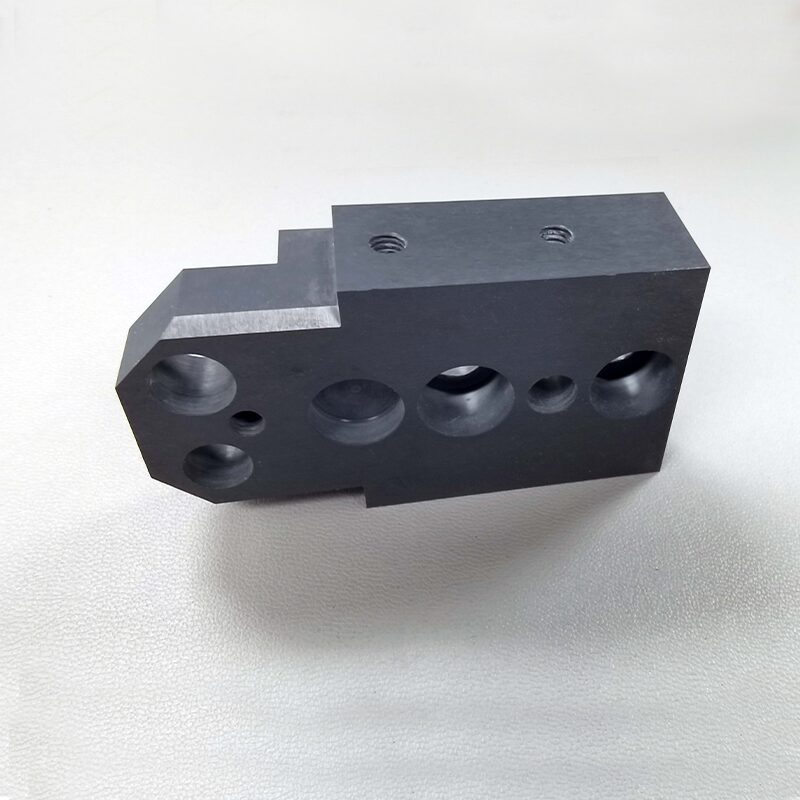
Technical Ceramic Products
Browse industrial ceramic parts and technical ceramic components in familiar forms such as balls, bearings, rollers, rings, tubes, and custom wear parts. Product illustrations support inquiry planning; final dimensions, tolerances, material grade, and documentation require project-specific confirmation.
Discuss Your Ceramic Part
Technical Ceramic Resources
Use this technical ceramics guide to prepare a clearer quotation inquiry. Include the current drawing revision, known material designation, quantity, service environment, critical fit surfaces, assembly-driving dimensions and required inspection or approval documentation.
Discuss Your Ceramic PartSupported Technical Ceramic Materials


Alumina Ceramics
A widely considered material family for electrical insulation, wear liners, substrates, and general industrial components. Grade selection, purity, surface condition, and part geometry can materially affect suitability for a particular assembly.

Zirconia Ceramics
Often evaluated for components needing a balance of strength and fracture resistance, including tooling, guides, and precision wear parts. Confirm the stabilized grade, mating surfaces, service environment, and dimensional requirements before quotation.

Silicon Carbide Ceramics
Commonly considered for abrasive wear, elevated-temperature, and chemically demanding duties such as seals, nozzles, and furnace-related parts. The required material grade, porosity expectations, and interface conditions should be defined on the drawing.

Aluminum Nitride
A material family often reviewed for electronic and thermal-management components where electrical insulation and heat transfer matter. Substrate dimensions, metallization needs, flatness, and inspection requirements should be discussed project by project.

Boron Nitride
Typically considered for electrically insulating and high-temperature applications, including fixtures, crucibles, and thermal-process components. The preferred form, atmosphere, mechanical loading, and contact materials need confirmation for each requirement.
Silicon Nitride Ceramics Mechanical and Wear Performance: Forming and Finishing

Powder Preparation
Material selection begins with the required grade and part function. Discuss the operating environment, mechanical loads, wear contact, and documentation needs so the proposed material conversation is grounded in the application.

Component Forming
Pressing or other forming routes are considered against the component shape, wall sections, and production quantity. The drawing should identify assembly-critical dimensions before a forming approach is evaluated for the project.

Controlled Sintering
Sintering requirements depend on the selected silicon nitride grade and intended performance. Review density-related expectations, dimensional change considerations, and inspection needs alongside the finished-part requirement rather than treating general properties as a specification.

Precision Machining
Grinding and machining can be discussed for bores, diameters, faces, and other mating features. Mark fit-critical surfaces, tolerances, datum references, and surface-condition expectations clearly on the current drawing revision.

Surface Finishing
Finishing discussions address contact surfaces, edge conditions, and the surface result needed for assembly or wear service. Define the requested finish, inspection method, and acceptance criteria so requirements can be reviewed before quotation.
Silicon Nitride Ceramics Mechanical and Wear Performance: Part Features

Precision Bores
Define bore diameter, depth, concentricity, surface condition, and the shaft or insert that interfaces with the part. These details help focus quotation discussions on assembly-critical geometry and inspection expectations.

Functional Grooves
Specify groove profile, location, edge condition, and its intended role, such as retention, sealing, or clearance. Include drawing callouts and mating-part information where the feature affects mechanical fit or wear behavior.

Mating Surfaces
Identify faces, diameters, or shoulders that locate against another component. Note flatness, finish, contact pattern, allowable edge treatment, and the operating conditions that make these surfaces important to the assembly.

Threaded Interfaces
For threaded or fastened assemblies, share the thread designation, engagement arrangement, insert strategy, and loading context. Porcecore can use these requirement details to discuss practical ceramic part geometry before commitment.

Part Markings
State whether identification marks, batch references, orientation indicators, or packaging labels are needed. Confirm the marking location and acceptance requirements so they do not conflict with functional surfaces or inspection criteria.
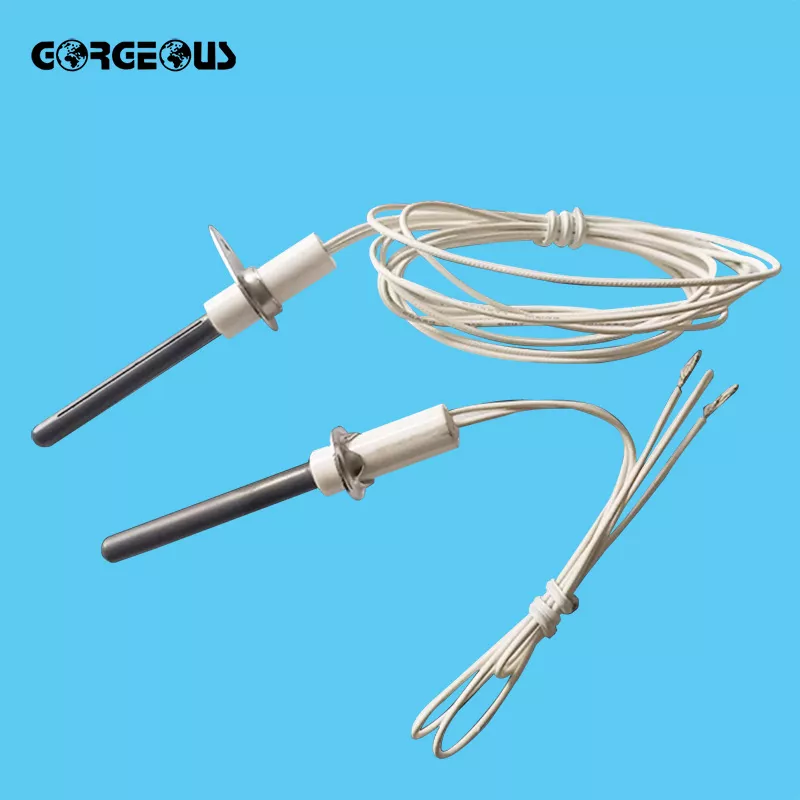
Protective Packaging
Describe quantity per pack, separation needs, handling risks, labeling, and any delivery documentation required. Packaging requirements are useful to clarify when finished surfaces, small features, or receiving checks need added protection.
Silicon Nitride Ceramics Mechanical and Wear Performance
Founded by Andy Yuan, Porcecore helps industrial buyers and project teams turn material questions into clearer component requirements. Our mission is practical: make technical ceramic sourcing easier to begin by connecting the intended job, operating environment, and part design before a quotation discussion moves forward.
Our coverage includes oxide, nitride, carbide, and specialty ceramic families for components such as tubes, rods, rings, and substrates. For silicon nitride ceramics mechanical and wear performance, we consider the application alongside geometry, mating surfaces, service conditions, and the inspection expectations that affect a usable part requirement.
What distinguishes Porcecore is an application-first, drawing-led approach. Send the current drawing revision, known material designation, quantity, critical dimensions, acceptance criteria, and documentation needs. We help identify open questions early, so material properties, grade selection, tolerances, delivery, and commercial terms can be confirmed for the individual project.

Core Capabilities for Requirement-Led Ceramic Sourcing
Review the Current Drawing
Start with the current drawing revision and the component’s function in the assembly. For silicon nitride ceramics mechanical and wear performance, a drawing-led review helps identify the dimensions, surfaces, and details that need clarification before quotation.
- Share the latest drawing revision
- Identify material designation if known
- Note interfaces and mating components
- Flag revision-controlled requirements

Define Service Conditions
Material selection should connect to the actual duty, not a material name alone. Describe loads, motion, temperature, media, lubrication, and wear mechanism so the proposed discussion reflects the operating environment and the role of the ceramic part.
- Describe mechanical loads and motion
- State temperature and exposure conditions
- Identify lubrication or dry-running conditions
- Explain the expected wear mechanism

Identify Critical Geometry
A tube, ring, rod, or custom profile may depend on a small number of assembly-defining dimensions. Separate fit-critical features from general geometry, then identify surfaces that require particular attention for mating, movement, sealing, or wear contact.
- Mark assembly-defining dimensions
- Identify fit and contact surfaces
- Clarify relevant tolerance expectations
- Distinguish functional from noncritical features

Align Inspection Expectations
Before a quotation discussion, define how the part will be evaluated on receipt. Confirm the acceptance criteria, requested documentation, and inspection focus for the individual project, recognizing that general material information is not a grade-specific contractual specification.
- State receiving acceptance criteria
- List required documentation
- Identify inspection-critical features
- Confirm project-specific grade requirements

Why Choose a Drawing-Led Ceramic Supplier
For silicon nitride ceramics mechanical and wear performance, align grade, geometry, service conditions, and acceptance criteria before quotation.
← Swipe left or right to view →
Silicon Nitride Ceramics Mechanical and Wear Performance Inquiry Process
Move from an initial part requirement to a clearly defined quotation and production discussion with the details that matter to your assembly.
Share Part Requirements
Send the current drawing, component form, quantity, known material designation, and service environment so the discussion begins with the actual part.
Review Critical Interfaces
Identify assembly dimensions, mating surfaces, wear conditions, loads, temperatures, and any electrical considerations that influence grade, geometry, and finishing expectations.
Clarify Open Requirements
Discuss tolerances, surface finish, inspection needs, documentation, and acceptance criteria to distinguish essential requirements from preferences before quotation planning.
Align Quotation Basis
Review the proposed material and component scope against the available drawing information, quantity, delivery expectations, and project-specific commercial requirements.
Confirm Production Details
Before production commitment, confirm the agreed drawing revision, material grade, dimensions, tolerances, documentation, inspection expectations, delivery, and commercial terms.
Coordinate Dispatch Planning
Align packing, shipment coordination, and required project documentation with the confirmed order details, keeping the final handoff tied to the approved requirement.
How to Work With Porcecore
Move from an initial part requirement to a clearly defined, project-specific ceramic order discussion.
Send Your Drawing
Share the current drawing revision or describe the application, component form, quantity, service environment, and any known silicon nitride material designation.
Define Critical Requirements
Identify assembly dimensions, mating surfaces, tolerances, mechanical and wear conditions, inspection needs, and documentation expectations that influence the component discussion.
Review Quotation Details
Review the proposed material grade, geometry, acceptance basis, delivery considerations, and commercial details before treating the quotation as a project-specific offer.
Confirm the Project Scope
Confirm agreed requirements, including drawings, material, dimensions, tolerances, documentation, delivery, and commercial terms, before proceeding toward a production order.
Silicon Nitride Ceramics Mechanical and Wear Performance Documentation Review

Silicon Nitride Ceramics Mechanical and Wear Performance: Buyer Project Feedback
Customer feedback and documented application outcomes will be published here only after the customer has approved the wording, project context, and any reported performance result for release.
Project case details will be added after verification of the supplied drawing revision, component geometry, service conditions, inspection criteria, and the customer-approved outcome relevant to the application.
Porcecore reserves this space for attributable buyer feedback that can be reviewed against the agreed requirement. No customer endorsement, quantity, savings figure, or performance claim is published without approval.
Silicon Nitride Ceramics Mechanical and Wear Performance FAQ
Clarify the information needed to evaluate a custom ceramic component before quotation and production terms are confirmed.
What should we provide when requesting silicon nitride ceramics mechanical and wear performance parts?
How is silicon nitride ceramics mechanical and wear performance evaluated for our application?
Can a drawing be used to discuss silicon nitride ceramics mechanical and wear performance before ordering?
Is there a fixed minimum order quantity for custom silicon nitride components?
Can we discuss samples or prototype parts before a production inquiry?
How are lead time and delivery commitments handled?
What acceptance criteria and inspection evidence can be discussed?
How should shipping, payment, and IP-sensitive drawings be addressed?
Buyer’s Guide: silicon nitride ceramics mechanical and wear performance
Use this decision framework to evaluate grades, wear mechanisms, design constraints, supplier evidence, and total cost while avoiding specification and qualification mistakes in demanding industrial components.
1. Silicon Nitride Ceramics Mechanical and Wear Performance Explained
Si3N4 combines high hardness, strength, fracture toughness, and elastic modulus, but these are screening properties rather than a service-life promise. Strength addresses applied stress; toughness concerns crack tolerance; modulus affects deflection and contact stress.
Two contact surfaces determine friction and wear together. Lubrication regime, counterface material and finish, contact pressure, sliding speed, abrasive contamination, and temperature can outweigh a favorable standalone hardness value.
One drawing can change the failure mode: sharp internal radii, thin sections, edge loading, misalignment, or poorly supported fits concentrate stress. Thermal shock resistance helps during rapid temperature changes, yet the relevant temperature gradient, constraint, cycle count, and actual component geometry still require review.
2. Development of Silicon Nitride for Wear Applications
1950s advanced-ceramic research established silicon nitride as a synthetic engineering material, but early bodies were limited by residual porosity and difficult finishing. Progress in pressure-assisted and gas-pressure sintering made denser, more reliable shapes practical for demanding wear duties (https://precision-ceramics.com/materials/silicon-nitride).
2000 bar is cited for hot-isostatic pressing in selected silicon nitride production, illustrating why densification route remains a purchasing variable rather than a generic material label. Precision grinding then enabled bearing balls, rollers, shafts, and sealing faces with controlled geometry and surface condition (https://precision-ceramics.com/materials/silicon-nitride).
Today, silicon nitride is considered when steel faces corrosion, centrifugal load, or heat, polymers lack stiffness or temperature margin, and more brittle ceramics need greater damage tolerance. Buyers should request the forming route, grade, critical surface finish, mating material, and service environment before comparing bearing, tooling, sealing, or high-temperature component quotations (https://accuratus.com/silinit.html).
3. Silicon Nitride Ceramics Mechanical and Wear Performance by Grade
Five routes can produce materially different silicon nitride ceramics mechanical and wear performance. Request a documented grade, route, density target, porosity limit, and property test method before comparing quotations.
| Route | Density And Porosity | Shape And Machining | Typical Fit |
|---|---|---|---|
| Pressureless sintered | Dense; grade-dependent pores | Near-net shapes; finish grind | General wear parts |
| Gas-pressure sintered | High density; low porosity | Complex shapes; precision grinding | Bearings, rollers |
| Hot pressed | Very dense; low porosity | Simple forms; substantial machining | Severe wear faces |
| Reaction bonded | Lower density; residual porosity | Complex forms; allowance needed | Thermal fixtures |
| HIP treated | Near-theoretical density potential | Post-process grinding | High-reliability components |
Pressureless And Gas-Pressure Sintered
Pressureless-sintered grades balance cost, property potential, and near-net-shape freedom.
Gas-pressure sintering generally supports dense, complex components with better lot consistency when powder, additives, and firing controls are documented.
Hot-Pressed And HIP-Treated
Hot-pressed material can achieve low porosity and strong mechanical performance, but simple shapes reduce machining risk.
HIP treatment can further close residual pores; ask whether it is a primary route or post-sinter step.
Reaction-Bonded Grades
Reaction-bonded silicon nitride preserves formed geometry well but commonly retains more porosity than dense sintered grades.
Use it only after confirming wear load, permeability, finishing allowance, and the acceptable property range.
4. Silicon Nitride Ceramics Mechanical and Wear Performance in Service
Service behavior depends on contact stress, counterface, contaminants, temperature, and atmosphere. Silicon nitride ceramics mechanical and wear performance should be judged by the failure mechanism, not hardness alone.
| Material | Useful Service Distinction | Key Qualification Risk |
|---|---|---|
| Silicon nitride | Tougher ceramic option for rolling, impact, and thermal cycling | Grade, finish, and flaw population |
| Steel | Ductile but vulnerable to corrosion and adhesive transfer | Lubrication and corrosion control |
| Zirconia | Often impact-tolerant | Temperature and aging conditions |
| Silicon carbide | Strong abrasion and erosion candidate | Shock and counterface compatibility |
Contact And Sliding
Rolling contacts need load, speed, lubrication film, and duty-cycle data; rolling-contact fatigue begins at stressed subsurface flaws. Under stable lubrication, silicon nitride can reduce adhesive transfer versus steel.
Dry sliding shifts risk toward abrasion, tribofilm loss, and counterface damage. Alumina is typically less impact-tolerant; silicon carbide is harder but may be less forgiving of shock.
Heat And Environment
Thermal cycling concentrates stress at gradients, sharp transitions, and constrained fits. Creep and oxidation assessment requires maximum temperature, ramp rate, dwell time, oxygen or steam exposure, and allowable dimensional change.
- Provide contact pressure and Hertzian geometry
- Name counterface material and surface finish
- Report lubricant, abrasives, and contamination
- Define impact energy and acceptance limits
5. Material Selection, Additives, and Counterface Compatibility
Si3N4 selection begins with the body, not a catalogue range. Powder purity, aid chemistry, achieved density, grain morphology, finish, and residual porosity can shift measured behavior between batches.
Powder And Densification
Yttria, alumina, and magnesia are common sintering-aid families, but their proportions and firing route affect the intergranular phase. Request the material designation, density method, residual-porosity result, and batch-specific microstructure evidence.
Counterface And Environment
Steel, ceramic, and abrasive-slurry counterfaces create different contact mechanisms. Define counterpart hardness and roughness, load, speed, lubricant chemistry, abrasive size, corrosion exposure, and whether electrical insulation is a functional requirement.
Test Data Comparison
ASTM or ISO method labels matter because specimen geometry, finish, environment, and loading can change reported results. Compare like-for-like supplier methods and the actual batch datasheet before releasing a drawing or accepting broad property ranges.
6. Geometry, Surface Finish, and Custom Component Options
A drawing revision, not a material name, defines a custom silicon nitride component. For silicon nitride ceramics mechanical and wear performance, geometry and finish must be tied to the mating part and duty cycle.
Design Features
Holes, radii, wall sections, and rolling-contact profiles should be dimensioned from functional datums. Sharp internal corners and abrupt section changes concentrate stress, so specify minimum radii where assembly permits.
- Identify fit surfaces and datum scheme
- State hole type and thread requirement
- Show minimum wall thickness
Finish And Tolerance

Grinding establishes critical dimensions after sintering; lapping or polishing should be reserved for surfaces with defined sealing, sliding, or contact needs. Tighter tolerances and lower roughness increase machining time and cost.
- Specify tolerance by critical feature
- State surface roughness and measurement method
- Identify rolling-contact track geometry
RFQ Documentation
One RFQ should include the current drawing revision, grade if known, quantity, service conditions, acceptance criteria, and required inspection records. Sintering shrinkage and feasible tolerances require confirmation against the individual geometry before commitment.
- Mark critical-to-assembly dimensions
- Name inspection points and report format
- Separate mandatory requirements from preferences
7. Construction Quality Elements That Control Reliability
One reliable ceramic part is defined by its finished condition, not a nominal material label. Silicon nitride ceramics mechanical and wear performance depends on defect population, loaded geometry, and verified acceptance criteria.
Body Integrity
One review should cover density consistency, material homogeneity, and pores or inclusions. Local defects can initiate fracture when tensile stress concentrates.
- Density and microstructure consistency
- Internal flaw-control method
- Lot and material traceability
Edges And Surfaces
Two features deserve drawing-level control: loaded edges and mating surfaces. Chips, grinding damage, sharp inside corners, and unsuitable roughness can reduce brittle-part reliability.
- Edge break or radius requirement
- Surface roughness by functional face
- Critical dimensions and datum scheme
Inspection And Sampling
Three acceptance categories should be agreed before production: visual condition, dimensional results, and material verification. Define lot size, sampling plan, non-destructive inspection where justified, records, and disposition of nonconforming parts.
- Visual and edge-condition limits
- Dimensional inspection report
- Traceability and test records
8. How to Choose a Silicon Nitride Manufacturer
Two supplier types deserve different scrutiny: catalog resellers confirm stock, while custom ceramic suppliers must validate the part against its operating duty. Ask for evidence tied to the drawing, counterface, load, temperature, and acceptance criteria.
Review The Engineering Fit
One current drawing revision should anchor the review. Confirm critical fits, datum scheme, surface condition, stress-concentration risks, and the intended wear mechanism before a material is proposed.
Verify Grade And Process
Each quoted grade should identify its forming and densification route, additives where disclosable, and grade-specific property data. Request process-control points, material test reports, lot traceability, and relevant quality-system evidence rather than relying on a generic data sheet.
Test Delivery Readiness
A prototype order should establish machining capability, metrology method, inspection record format, and documentation required for approval. Confirm capacity assumptions, realistic lead-time updates, and the change-control path before releasing production quantities.
9. Common Silicon Nitride Sourcing Mistakes
Purchase approval can fail when a material label replaces a service definition. Silicon nitride ceramics mechanical and wear performance depends on the specified part, contact system, and evidence package.
Hardness Is Not Enough
One hardness value cannot predict assembly wear. Missing counterface material, roughness, load, speed, temperature, and lubrication can cause scoring or unexpected friction; ask: What is the complete sliding or rolling contact condition?
Grade And Geometry Assumptions
Two nominal silicon nitride grades may differ in densification route, additives, microstructure, and attainable geometry. Treating them as interchangeable, or demanding metal-like corners and unnecessary tolerances, raises cost and fracture risk; ask: Which grade, radii, wall sections, datum surfaces, and tolerances are function-critical?
Evidence Beyond The Prototype
One prototype lot does not establish repeatable production. Undocumented property claims and unqualified later lots can leave incoming inspection without an acceptance basis; ask: Which grade-specific test data, drawing revision, inspection method, lot traceability, and production-lot qualification are required?
10. Silicon Nitride Component Pricing and Cost Drivers
Six quotation inputs—drawing revision, material route, tolerances, inspection scope, volume, and tooling—set the final price; silicon nitride ceramics mechanical and wear performance is only one selection input. Confirm mating surfaces and acceptance criteria before comparing offers.
Two cost measures matter: purchase price and lifecycle cost. Evaluate expected service life, replacement labor, and downtime exposure rather than treating the lowest unit price as the lowest installed cost.
| Quantity tier | Component complexity | Material route | Precision finishing | Unit-cost direction | Lead-time direction |
|---|---|---|---|---|---|
| Prototype: 1–10 | Simple ring or rod | Standard sintered route | Functional grinding | Highest | Longest per unit |
| Low volume: 10–100 | Stepped or drilled | Standard sintered route | Selective precision grinding | High | Moderate |
| Production: 100–1,000 | Complex features | Route matched to application | Critical surfaces only | Decreasing | Shorter after approval |
| Repeat volume: 1,000+ | Stable, manufacturable design | Qualified production route | Controlled finishing plan | Lowest relative | Most predictable |
Discuss Silicon Nitride Ceramics Mechanical and Wear Performance
Email your drawing, application, quantity, service conditions, and acceptance criteria for a clear, project-specific ceramic component discussion.