
Silicon Nitride Ceramics Thermal Performance for Engineered Parts
Connect silicon nitride ceramics thermal performance to geometry, service conditions, and acceptance criteria before requesting a quotation.
Silicon Nitride Components for Thermal Performance


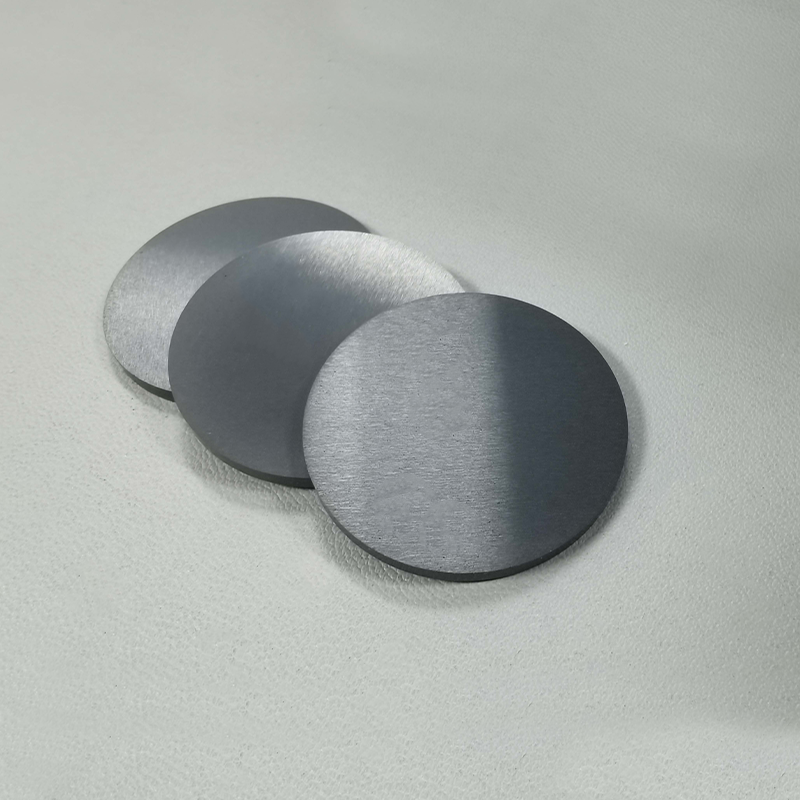
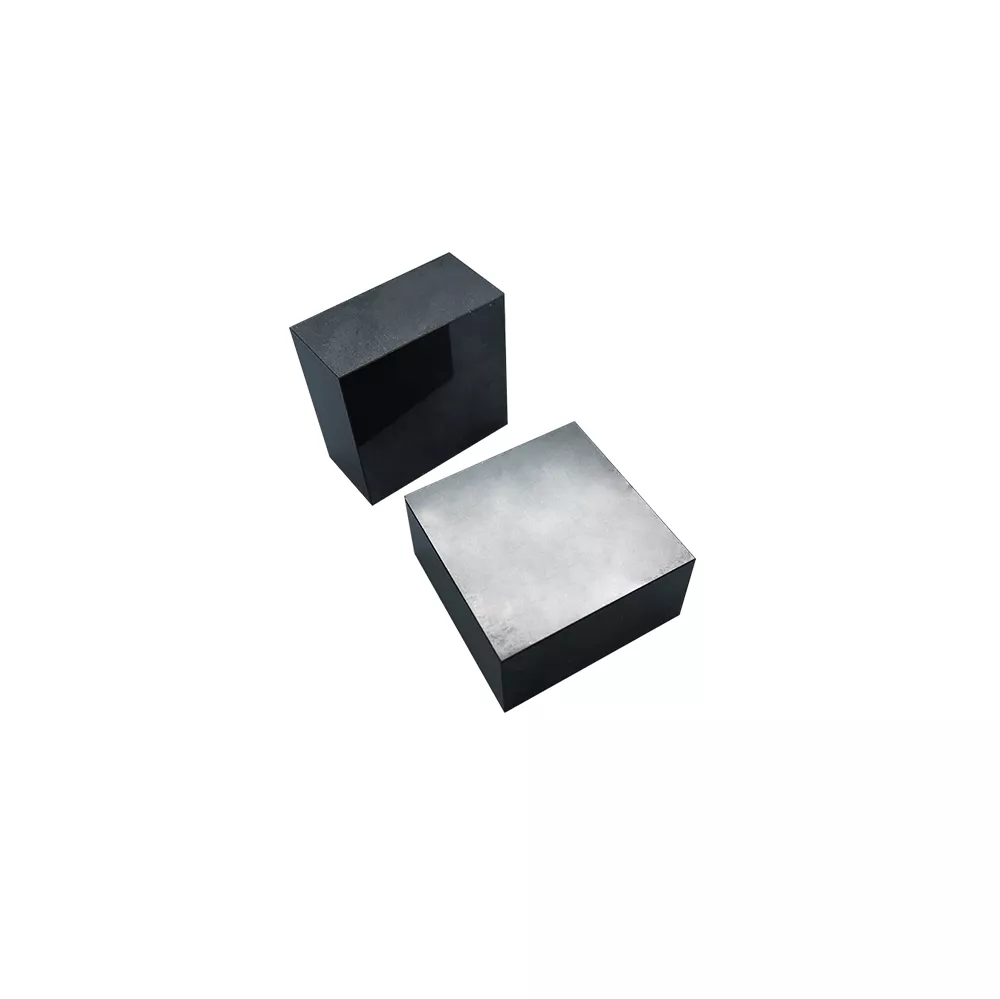


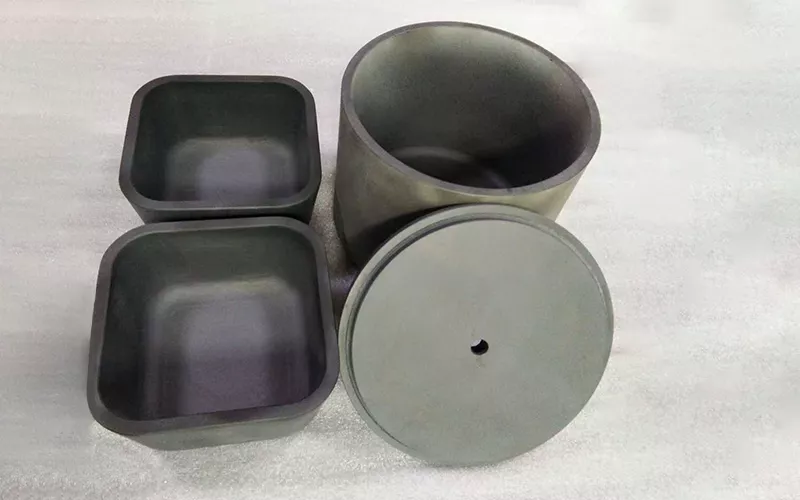
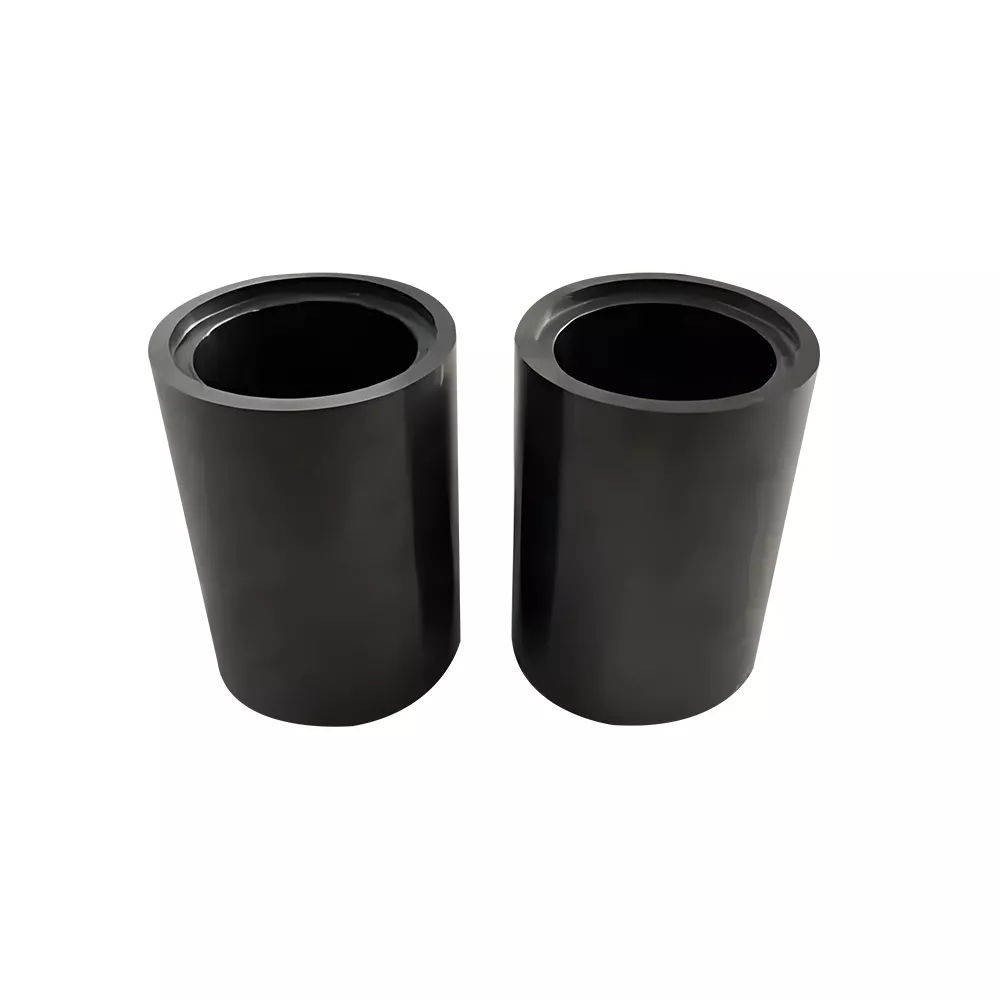

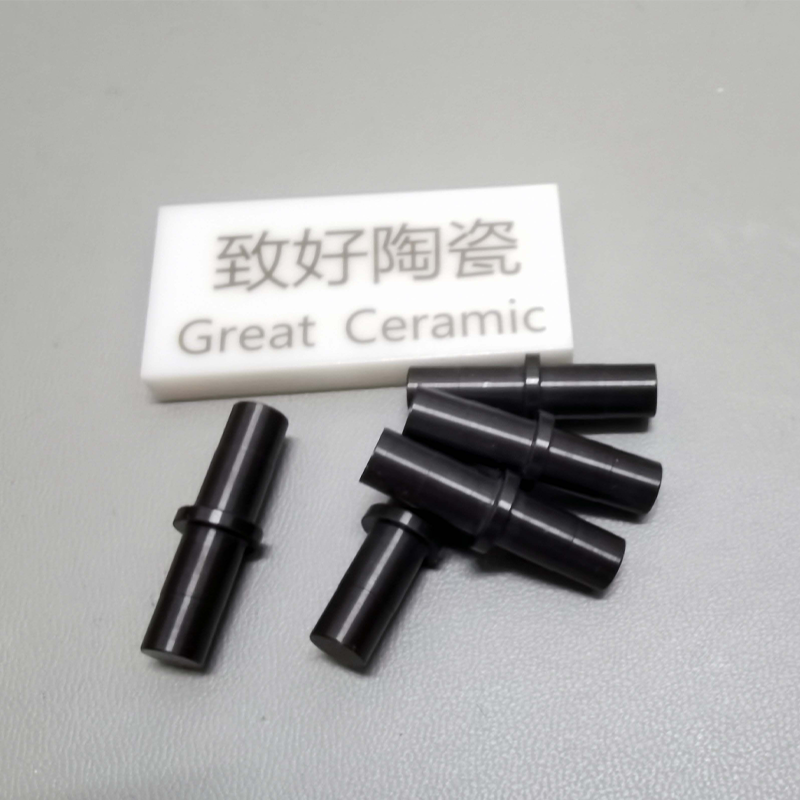


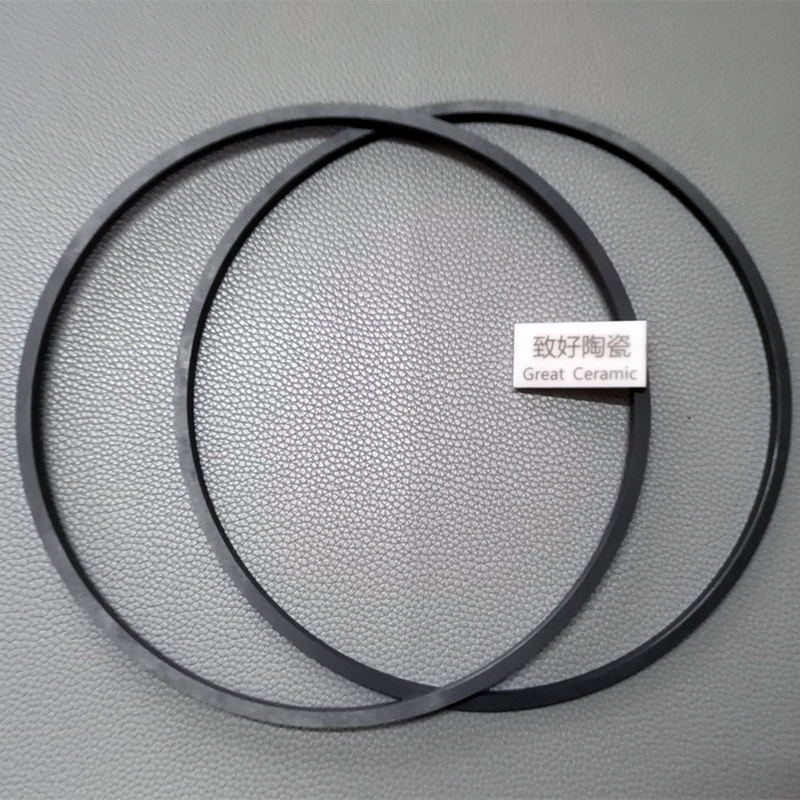
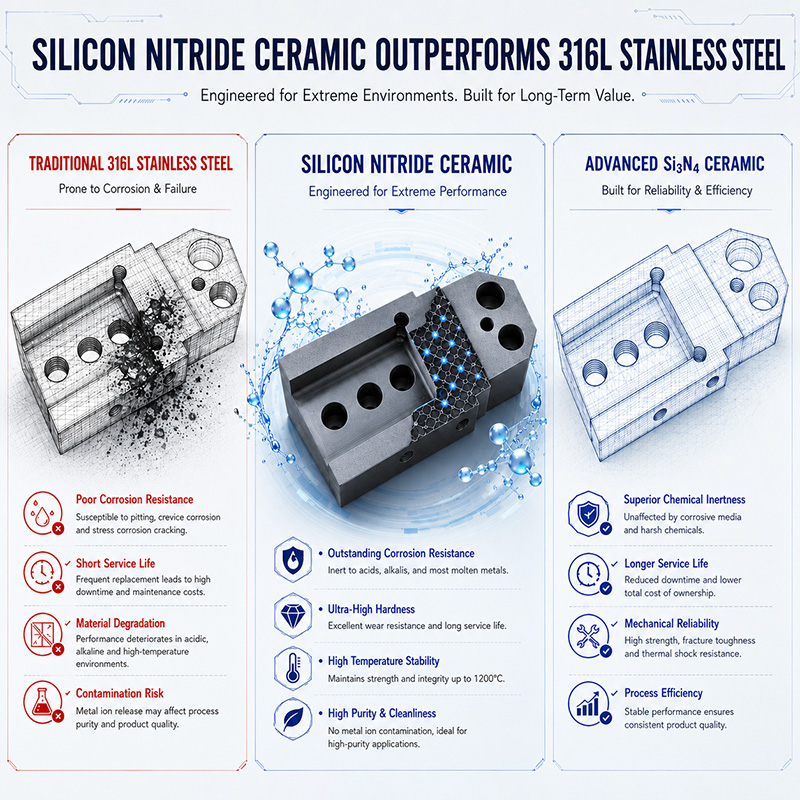




Silicon Nitride Ceramics: Thermal Performance and Component Requirements
Evaluate thermal, electrical, mechanical and wear requirements by grade, geometry and application conditions before requesting a quotation.
Thermal Behavior and Grade Selection
Evaluate silicon nitride ceramics thermal performance against the specified temperature range, heat-flow direction, expansion limits and grade data for the actual component—not a generic material claim.
Electrical Insulation Requirements
Confirm dielectric behavior, insulation expectations, operating frequency and surrounding media alongside geometry, because electrical performance must be matched to the project’s conditions and acceptance criteria.
Mechanical Load and Geometry
Define loading mode, contact stresses, support conditions and critical dimensions so the selected grade and geometry can be reviewed together for strength, fit and service reliability.
Thermal Shock Exposure
Review heating and cooling cycles, temperature gradients, restraint and mounting details to assess thermal-shock demands without assuming every silicon nitride grade responds identically.
Wear and Functional Surfaces
Identify sliding, impact or abrasive interfaces, then specify mating surfaces, finish and dimensional tolerances needed to evaluate wear behavior and component interchangeability.
Inspection Evidence and Revision Control
Send the current drawing revision, quantity, service conditions and inspection expectations so Porcecore can separate essential requirements from preferences during quotation review.
Ceramic Components and Application Categories
Review materials, component forms, applications and sourcing resources before defining a drawing-led inquiry for your project requirements.
Ceramic Manufacturing Capabilities
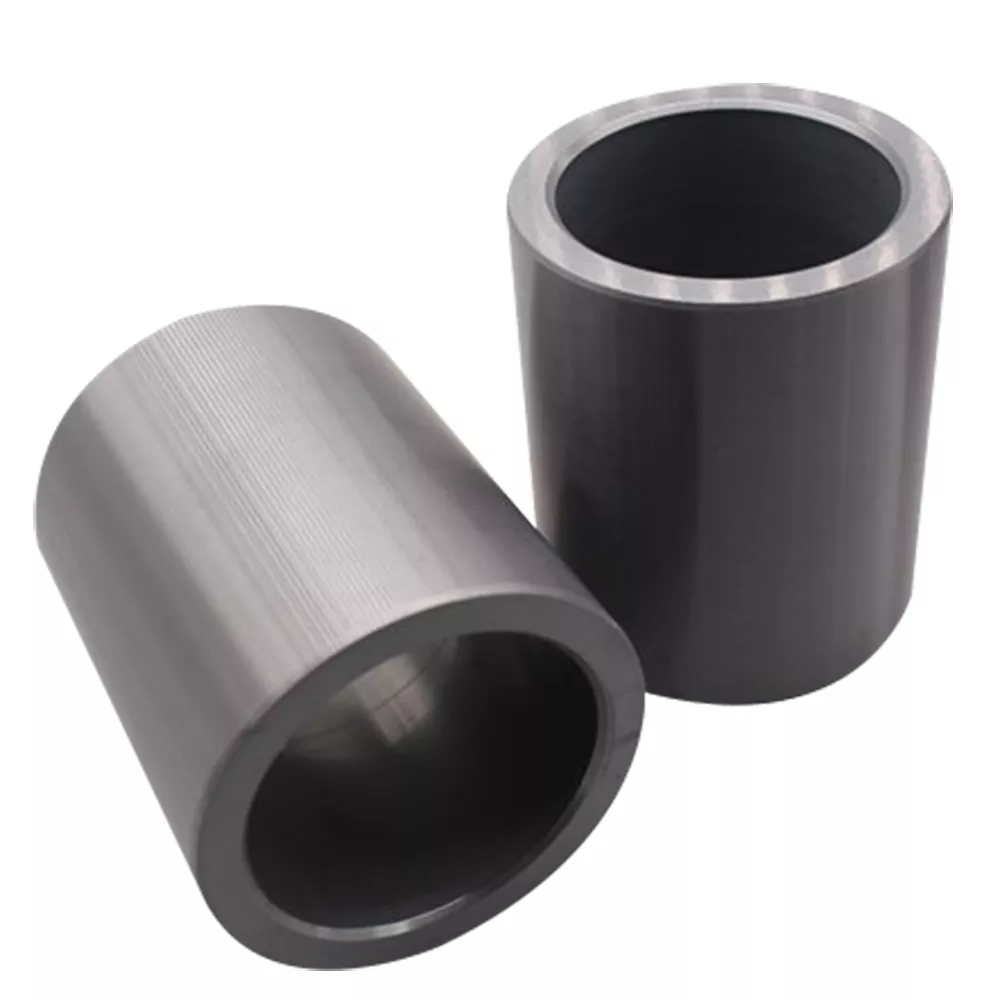
Review ceramic manufacturing capabilities by component geometry, production route and inspection need. Discuss tubes, rods, rings, substrates and other forms alongside dimensions, tolerances, mating surfaces, quantity and acceptance criteria to establish a quotation basis for the required part.
Discuss Your Ceramic Part
Ceramic Solutions by Industry
Explore advanced ceramics applications across equipment building, electrical insulation, thermal management, wear protection and high-temperature service. Define the operating environment, load, heat exposure, chemical conditions and replacement need so the proposed ceramic solution reflects the actual application.
Discuss Your Ceramic Part
Advanced Ceramic Materials
Compare technical ceramic materials, including alumina ceramics, zirconia ceramics, silicon carbide ceramics, silicon nitride, aluminum nitride, boron nitride and specialty ceramics. Material selection should be connected to grade, geometry, service conditions and inspection requirements rather than treated as a standalone specification.
Discuss Your Ceramic Part
Technical Ceramic Products
Technical ceramic products include tubes, rods, rings, substrates and other custom or replacement components. Share the current drawing revision, critical dimensions, fitting surfaces, quantity and required documentation so product feasibility and project-specific requirements can be reviewed clearly.
Discuss Your Ceramic Part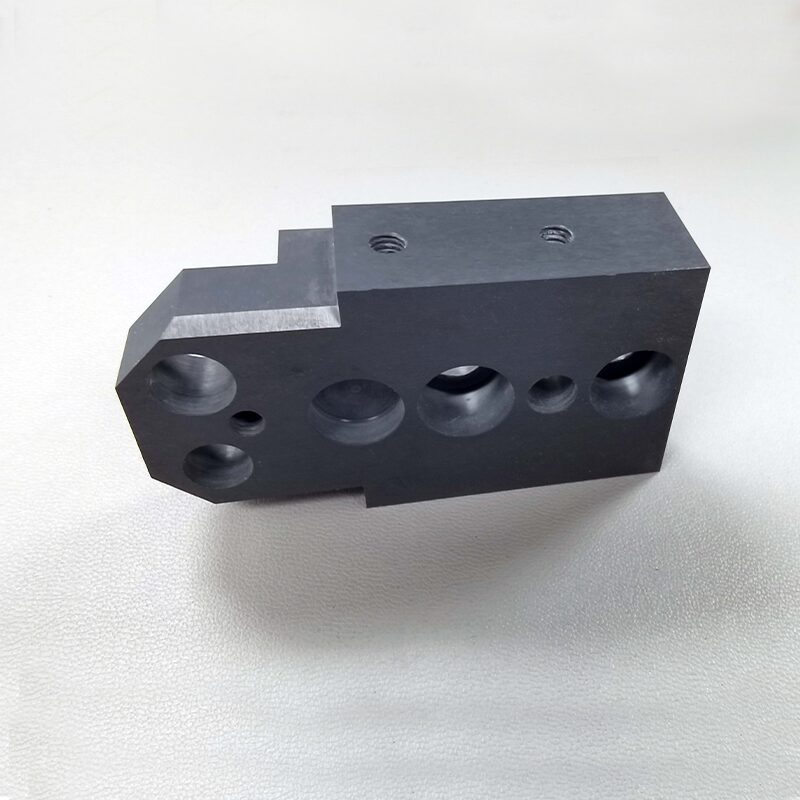
Technical Ceramic Resources
Use technical ceramics resources to clarify material families, component terminology, drawing requirements and key quotation questions. A useful inquiry identifies the part function, operating environment, known material designation, acceptance criteria and preferred contact route, including email or WhatsApp.
Discuss Your Ceramic PartCeramic Manufacturing Processes for Component Performance

Aluminum Nitride
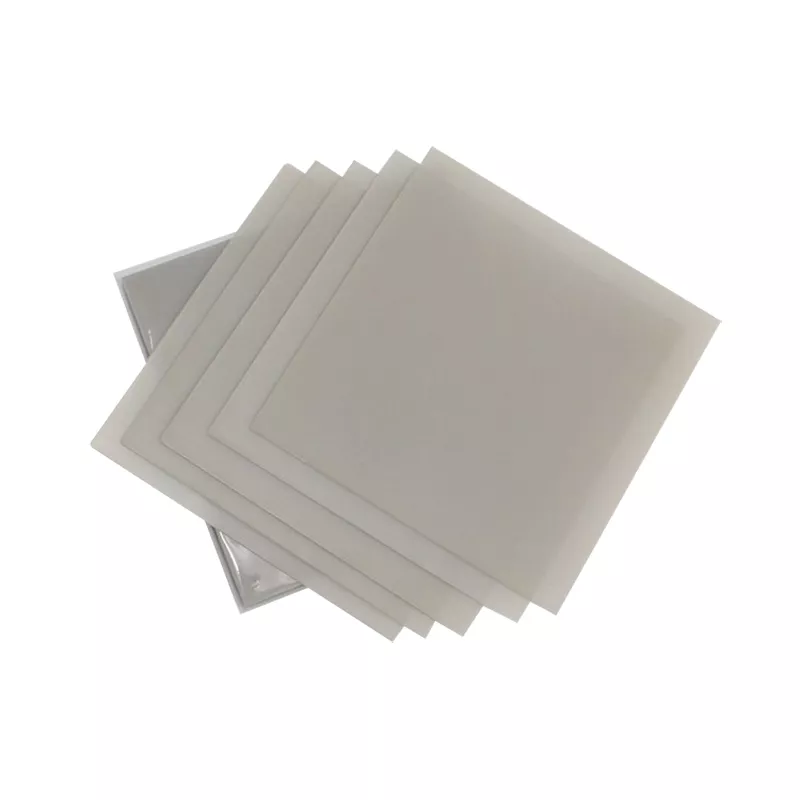
Fine, clean-feeling substrates and insulating components support power electronics and electrical assemblies requiring heat transfer with electrical isolation. Thermal conductivity, dielectric behavior, thickness, and surface finish should be confirmed by grade and drawing.

Silicon Carbide
Hard, low-friction surfaces fit demanding wear, furnace, seal, and high-temperature applications. Silicon carbide offers a strong thermal and mechanical profile, while porosity, finish, dimensional tolerance, and oxidation requirements require confirmation for each component.

Alumina Ceramic
Smooth, electrically insulating surfaces make alumina practical for tubes, substrates, insulators, and general-purpose industrial parts. Its thermal behavior, strength, purity, dielectric properties, and machining limits vary by grade and must match the application.
Zirconia Ceramic
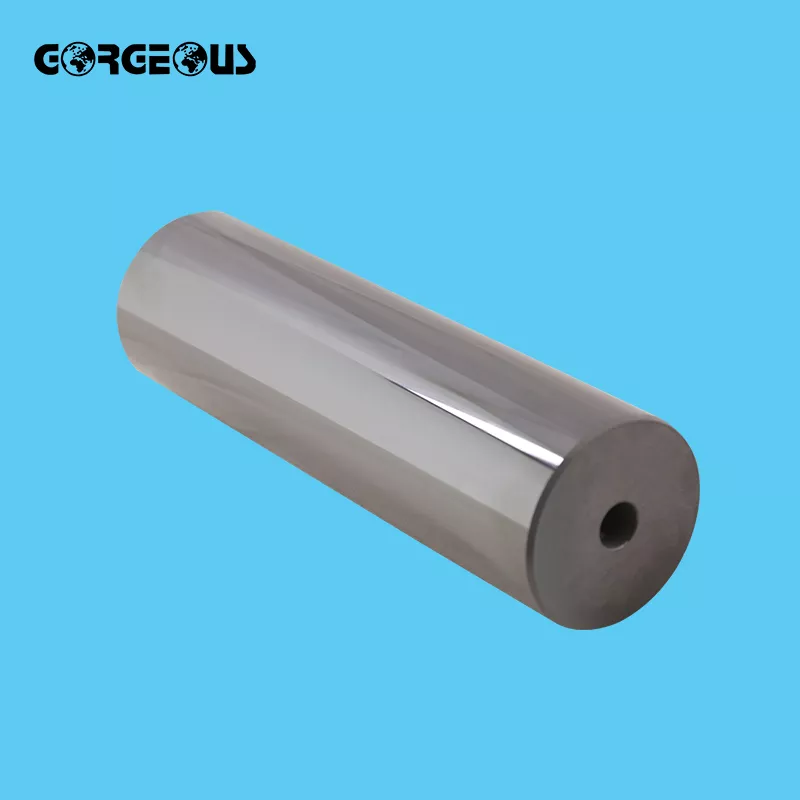
Dense, refined surfaces and high toughness support precision wear parts, guides, seals, and components exposed to repeated contact. Transformation behavior, dimensional stability, surface finish, and operating temperature should be evaluated against the selected grade.
Component Features for Silicon Nitride Applications

Powder Preparation
Material powders and processing aids are prepared for the selected ceramic grade. Composition, cleanliness and batch controls can influence densification, thermal behavior and consistency, so requirements should be confirmed against the drawing and acceptance criteria.

Forming & Shaping
Ceramic bodies may be shaped through an appropriate forming route for the required tube, rod, ring, substrate or custom geometry. Part size, wall thickness, complexity and expected shrinkage affect process selection and dimensional planning.

Green Machining
Machining before final densification can support complex profiles and prepare reference features efficiently. Because subsequent firing may change dimensions, the drawing should identify critical surfaces, machining allowances and the tolerances that must be achieved after finishing.

Sintering & Densification
Controlled thermal processing develops the ceramic body and its final material structure. The selected grade and firing route can affect density, dimensional change and thermal performance; confirm the applicable process window and project-specific property requirements during quotation.

Diamond Grinding
Fully densified silicon nitride components may require diamond grinding for precision dimensions, mating surfaces or controlled flatness. Feasibility depends on geometry, stock allowance, surface requirements and inspection method, especially where assembly interfaces are critical.

Inspection & Finishing
Final inspection can address dimensions, surface condition, visual quality and other agreed acceptance criteria. Finishing and documentation should follow the current drawing revision, with inspection scope confirmed before production to support clear technical and commercial decisions.
Supported Features for Silicon Nitride Ceramics Thermal Performance

Metallized Interfaces
Metallized surfaces can support electrical connection, brazing or joining requirements where the component design calls for a defined interface. Specify the mating material, bonding method, dimensions and inspection criteria for review.

Protective Coatings
Project-specific coatings may be considered for wear, corrosion, insulation or surface interaction requirements. Define the service environment, coating area, thickness expectations and compatibility with the silicon nitride component before quotation.

Precision Inserts
Ceramic components can be evaluated with inserts or integrated features for mounting, alignment or assembly. Provide insert material, retention method, positional tolerances and load conditions so the design can be assessed accurately.

Machined Grooves
Grooves, channels and relief features can help accommodate seals, retainers, clips or controlled interfaces. Drawing details should identify groove geometry, edge conditions, tolerances and the surfaces that engage another part.

Protective Packaging
Packaging requirements can be defined around fragile geometry, finished surfaces, cleanliness, labeling and delivery handling. Include quantity per pack, separation needs, environmental controls and documentation expectations in the inquiry.
Designing Silicon Nitride Components for Thermal Performance
Founded by Andy Yuan, Porcecore helps industrial buyers connect silicon nitride ceramics thermal performance with the part’s actual job. A tube, rod, ring or substrate must be considered alongside its geometry, mating surfaces, operating conditions and inspection expectations—not as a material name in isolation.
Our scope covers oxide, nitride, carbide and specialty ceramics in familiar component forms for procurement teams, engineers, equipment builders and distributors. What sets Porcecore apart is an application-first, drawing-led approach: project-specific grade, geometry, quantity, service conditions and acceptance criteria create a clearer basis for quotation and review.
Porcecore makes the next decision easier to define. Send a current drawing revision or describe the component and operating environment, and we can identify open requirements before discussing production details, documentation, delivery and commercial terms.
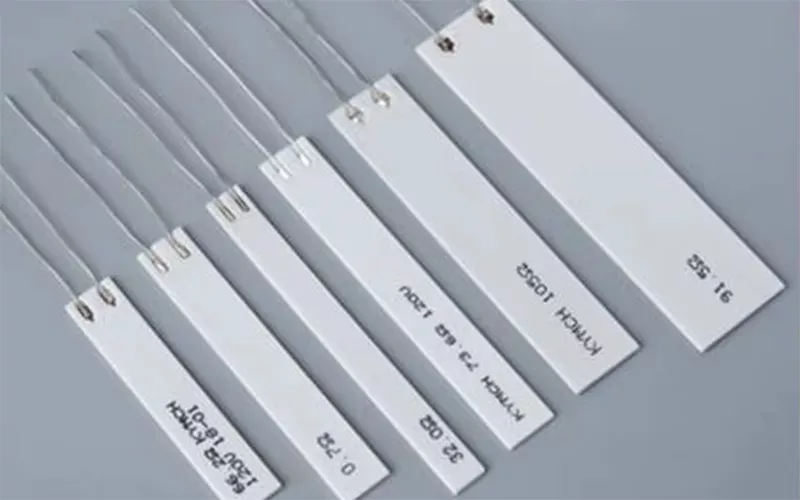
Designing for Silicon Nitride Ceramics Thermal Performance
Start With the Material Grade
Silicon nitride ceramics thermal performance depends on the selected grade and the job requirements around it. Share the intended thermal, mechanical and electrical conditions so Porcecore can frame a practical material discussion without treating a general property as a project specification.
- Review the material designation, if known
- Separate essential properties from preferences
- Consider thermal and mechanical requirements together
- Confirm grade-specific data during quotation

Define Geometry and Mating Surfaces
A tube, rod, ring or substrate must fit its surrounding assembly as well as perform in service. Drawing-led review helps identify critical dimensions, tolerances, surface interfaces and features that influence assembly, machining expectations and the suitability of a proposed ceramic component.
- Provide the current drawing revision
- Identify surfaces that mate with other parts
- Mark dimensions that control assembly
- Clarify tolerances and inspection priorities

Describe the Operating Environment
Thermal behavior should be considered alongside the complete operating environment. Temperature range, thermal cycling, loads, atmosphere, electrical conditions, wear exposure and contact with other materials can all affect how a silicon nitride component should be evaluated for a specific project.
- State normal and peak temperatures
- Describe thermal cycling or transient conditions
- Include mechanical, electrical and environmental loads
- Note interfaces with metals or other ceramics

Make Acceptance Criteria Explicit
A useful quotation needs more than a material name and approximate dimensions. Include quantity, documentation needs, inspection expectations and acceptance criteria so Porcecore can distinguish an initial inquiry from an agreed production requirement and identify open questions early.
- Include quantity and delivery expectations
- Specify required inspection or test records
- State documentation needed for approval
- Use email or WhatsApp to resolve open points

Why Choose Porcecore for Silicon Nitride Ceramics Thermal Performance
Compare requirement clarity, drawing communication and project-specific confirmation before selecting a technical ceramics supplier.
← Swipe left or right to view →
Quality Documentation for Silicon Nitride Components
From drawing review to shipment, Porcecore connects material, geometry, processing and acceptance requirements through a project-specific workflow confirmed with your team.
Review the Requirement
We review the current drawing, component function, mating surfaces, operating conditions, quantity and acceptance criteria to identify essential requirements and open questions.
Confirm Material Direction
We discuss silicon nitride grade options and thermal performance requirements alongside geometry, electrical, mechanical and environmental conditions before confirming a suitable project direction.
Form or Machine
The confirmed geometry is assigned to an appropriate forming, sintering or machining route, subject to agreed tolerances, surfaces, process capability and production details.
Inspect and Document
Completed components are reviewed against the agreed drawing and acceptance criteria, with inspection records or supporting documentation prepared when required for project approval.
Pack and Ship
After requirements, quantity, documentation and commercial terms are confirmed, components are packed for transport and shipment arrangements are coordinated with the buyer.
Project Evidence for Silicon Nitride Components
Connect silicon nitride ceramics thermal performance requirements with a drawing-led quotation process built around project-specific materials, geometry, acceptance criteria, and delivery terms.
Send Your Drawing and Conditions
Share the current drawing revision, quantity, operating temperature, heat-flow conditions, mating surfaces, and service environment so Porcecore can understand the component.
Define Material and Acceptance Requirements
Review the silicon nitride grade, geometry, tolerances, inspection points, documentation needs, and acceptance criteria together before treating general property data as project specifications.
Evaluate Quotation or Sampling Options
Discuss a drawing-led quotation, feasibility questions, or sampling path based on the required geometry, quantity, thermal role, and approval process.
Confirm Production and Delivery Terms
Confirm the selected grade, final dimensions, tolerances, documentation, quantity, delivery expectations, and commercial terms before production begins.
Verified Documentation for Silicon Nitride Ceramics Thermal Performance

Silicon Nitride Ceramics Thermal Performance: Verified Project Examples
No approved customer testimonial or verified project outcome has been supplied for publication. Porcecore can review documented silicon nitride ceramics thermal performance results when a customer authorizes their use.
Project-specific results should be confirmed against the drawing revision, material grade, geometry, service conditions and acceptance criteria before publication or quotation. No customer-approved performance figure is currently available.
To develop a publishable case example, send the approved application details, measured outcome and permission to identify the customer. Porcecore will distinguish documented results from general silicon nitride material guidance.
FAQ: Silicon Nitride Ceramics Thermal Performance and Sourcing
Practical guidance for evaluating grades, part requirements and quotation inputs. Final feasibility, commercial terms and documentation are confirmed against the project RFQ.
How should silicon nitride ceramics thermal performance influence grade selection?
What drawing details are needed to evaluate silicon nitride ceramics thermal performance?
Which application conditions matter when reviewing silicon nitride ceramics thermal performance?
Can Porcecore quote custom quantities, samples, MOQ and lead time?
What inspection evidence and documentation can be requested?
How should ceramic parts be packaged and shipped?
Can Porcecore protect our drawing and intellectual property?
What should we include in a quotation request for a silicon nitride component?
The Complete Buyer’s Guide to silicon nitride ceramics thermal performance
Use this decision framework to compare thermal properties, grades, processing routes, customization requirements, supplier capabilities, and total cost while avoiding specification gaps, misleading datasheet comparisons, and preventable procurement mistakes.
1. What Is Silicon Nitride Ceramics Thermal Performance?
Six thermal terms define silicon nitride ceramics thermal performance: conductivity measures heat flow, diffusivity indicates temperature equalization, expansion predicts dimensional change, shock resistance describes rapid temperature-change tolerance, heat capacity measures stored energy, and operating-temperature data show behavior across the service range. One comparable datasheet should report each value with units, test method, temperature, material grade, direction, and typical-versus-guaranteed status. html
Three constraints must be checked together: thermal behavior, mechanical load, and electrical insulation. Geometry, mating surfaces, tolerances, porosity, finish, cyclic duty, and inspection criteria can change real reliability, so procurement should request representative test data for the specified component—not a material-family average.
2. Evolution and History of Silicon Nitride Ceramics
Mid-20th-century development established silicon nitride as an advanced structural ceramic valued for strength, wear resistance, oxidation resistance, and thermal-shock tolerance. Those foundations still guide buyers choosing tubes, bearings, thermocouple sheaths, or other high-temperature parts; processing route remains inseparable from geometry and reliability. com/materials/silicon-nitride
Three major routes—reaction bonding, hot pressing, and gas-pressure sintering—expanded density, shape, and defect control. Sintering aids such as yttria, alumina, and magnesia enabled liquid-phase densification, while β-grain growth, seed-assisted tape casting, and heat treatment made thermal transport more tunable; procurement should therefore request grade, aid chemistry, oxygen limits, and test direction. net/publication/229639979_High_Thermal_Conductivity_in_Silicon_Nitride_With_Anisotropic_Microstructure
80–90 W/m·K substrate examples marked silicon nitride’s shift toward insulated power modules, including IGBT and SiC MOSFET platforms.
3. Types of Silicon Nitride Ceramics Thermal Performance
Processing route changes density, defect population, geometry options, and heat-flow behavior.
| Variant | Conductivity | Strength/Density | Geometry | Typical Fit |
|---|---|---|---|---|
| Gas-pressure-sintered | Moderate-high | High / dense | Complex | Industrial components |
| HIP | Grade-dependent | Very high / highest | Limited | Critical-load parts |
| Reaction-bonded | Variable | Lower / porous | Near-net complex | Large or intricate parts |
| Anisotropic | Directional high | Grade-dependent | Plates, substrates | Heat-spreading applications |
Gas-Pressure-Sintered Grades
Gas-pressure sintering supports strong, complex components with comparatively consistent densification. Application fit includes tubes, rings, and wear parts; confirm conductivity and strength by grade and geometry.
Hot-Isostatic-Pressed Grades
HIP applies uniform gas pressure during heating, reducing internal porosity and improving reliability. It suits demanding aerospace, bearing, and high-load parts, but cost and size limits require project review.
Reaction-Bonded Grades
Reaction-bonded silicon nitride can support near-net-shape fabrication and complex geometries.
Anisotropic Structured Grades
Aligned elongated grains can raise conductivity along the preferred heat-flow direction. This directional benefit requires controlled orientation and careful design of substrates or plates; transverse values may differ substantially.
4. Materials Behind Silicon Nitride Ceramics Thermal Performance
Alpha-to-beta transformation, grain-boundary chemistry, oxygen, and porosity determine how silicon nitride ceramics thermal performance appears in a finished part.
| Material factor | Performance effect | Buyer evidence | Trade-off |
|---|---|---|---|
| Alpha/beta balance | Conductivity, strength | Phase analysis | Texture sensitivity |
| Grain boundaries | Heat flow, dielectric response | Chemistry, treatment record | Toughness versus conductivity |
| Oxygen/porosity | Expansion, shock, reliability | Oxygen and density data | Cost and process limits |
Phases And Grain Structure
Alpha Si₃N₄ transforms during liquid-phase sintering; elongated beta grains can improve heat flow along their orientation while supporting fracture resistance.
Chemistry And Defect Control
Grain-boundary glass, oxygen content, and residual porosity interrupt phonon transport and can alter dielectric behavior, expansion, and strength. Sintering-aid systems such as yttria, magnesia, or alumina trade densification and toughness against boundary-phase thermal resistance.
Evidence For Procurement
A buyer should request phase balance, density or porosity method, oxygen limits, sintering-aid chemistry, and directional test conditions.
5. Customization and Finishing Options
Thickness, interfaces, and finishing must be specified with the thermal path and assembly datum in view.
| Decision | Thermal effect | Yield consideration |
|---|---|---|
| Thickness | Changes conduction path | Thin sections distort more easily |
| Flatness | Controls contact resistance | Lapping may reduce usable yield |
| Holes and edges | Interrupt heat flow | Tight features increase scrap risk |
Define Geometry And Interfaces
0 mm substrates, tubes, rods, and rings should state finished thickness, dimensions, tolerances, holes, and mating surfaces. Metallization, brazing, or adhesive interfaces need defined footprints and joining requirements.
- State datum scheme and critical tolerances.
- Specify hole position, diameter, and edge distance.
- Confirm metallization or joining process compatibility.
Control Finish And Thermal Path
html
Grinding, lapping, chamfers, and edge treatment can remove damage or create scrap; roughness, flatness, and contact area influence interface resistance and thermal spreading.
- Define surface roughness by measurement method.
- Set flatness across the functional footprint.
- Identify chips, chamfers, and allowable edge damage.
Plan Inspection And Yield
Green or biscuit machining can support complex forms, while fully dense machining generally requires diamond tooling; the selected state affects cost, distortion risk, and yield. Record inspection at the same state used for assembly.
- Separate contractual limits from typical values.
- Define sampling plan and nonconformance handling.
- Request a prototype review before volume release.
6. Key Construction and Quality Elements
Ten controls link silicon nitride ceramics thermal performance to production consistency: powder condition, forming, debinding, atmosphere, densification, orientation, finishing, inspection, testing, and traceability.
Process And Microstructure Control
Powder lot, binder system, forming pressure, debinding profile, nitrogen atmosphere, density, porosity, and grain orientation should be recorded. com/materials/silicon-nitride). Require a material certificate identifying grade, composition, lot, sintering route, density, and orientation direction; do not accept generic typical values as guaranteed limits.
Machining And Dimensional Inspection
Green, biscuit, or dense-state machining can introduce edge chips, grinding cracks, or residual damage, so specify machining stage, abrasive method, edge condition, and inspection lighting. Inspect mating surfaces and critical dimensions against the drawing.
Thermal Testing And Lot Release
com/2018/09/20/thermal-properties-of-silicon-nitride-thermal-conductivity). Set grade-specific acceptance limits, sample count, retest rules, certificate of conformity, and lot traceability from powder through shipment. Link every result to the drawing revision and production lot.
7. How to Choose a Silicon Nitride Manufacturer
A qualified supplier should connect silicon nitride ceramics thermal performance to the part’s geometry, grade, operating envelope, and acceptance criteria.
Verify Technical Fit
Start with the drawing, mating surfaces, thermal cycle, electrical requirements, and inspection plan.
- Request grade-specific data and test conditions.
- Confirm application-engineering review of failure risks.
- Separate typical values from guaranteed specifications.
Audit Capability And Quality
Review process controls, testing capacity, traceability, change control, and nonconformance handling.
- Ask who performs thermal and dimensional testing.
- Confirm first-article and lot-acceptance criteria.
- Define notification requirements for material or process changes.
Compare Delivery Readiness
Evaluate prototype lead time, volume capacity, export documentation, packaging, technical responsiveness, and escalation ownership.
- Confirm quotation assumptions and commercial exclusions.
- Ask for a realistic production schedule.
- Identify the named technical and logistics contacts.
8. Common Buyer Mistakes in Thermal Performance Selection
80–90 W/m·K values are meaningful only when test temperature, direction, thickness, grade, and method are stated; supplier data may be typical, not contractual.
Normalize Test Conditions
80–90 W/m·K is a supplier example explicitly described as typical and sample-based; compare temperature, method, grade, and uncertainty. html
Ask: Are these values measured on comparable specimens at the same temperature?
Check Geometry And Direction
155 W/m·K reports can reflect preferred orientation; thickness and heat-flow direction affect part behavior. Specify axis, thickness, contact area, and boundary conditions.
Specify System Constraints
6×10⁻⁶/K is a listed substrate value, but mismatch with metals can stress joints. Check expansion, interfaces, thermal cycling, and electrical requirements—not conductivity alone. html
Ask: Will the assembled stack survive cycling?
Control Acceptance And Validation
Typical values, unrealistic tolerances, and coupon data do not validate a finished assembly. Define grade-specific acceptance criteria, realistic tolerances, and test the complete stack.
9. Steps to Launch an OEM Silicon Nitride Program
A nine-stage launch path keeps silicon nitride ceramics thermal performance tied to the actual assembly.
Define Requirements
1. Map heat flow, mechanical loads, interfaces, atmosphere, temperature range, duty cycle, and failure consequences. Engineering should issue a controlled requirement sheet and thermal-mechanical model. 2. Set measurable limits for conductivity, strength, flatness, tolerances, electrical insulation, and inspection methods.
Screen And Sample
3. Compare candidate grades against the requirement sheet, including processing route, geometry limits, finish capability, and expected variability. Sourcing should request grade data, sample pricing, lead time, and manufacturing notes. 4. Review manufacturability before release, then inspect samples against the drawing.
Validate And Release
5. Test parts in representative assemblies under defined thermal, mechanical, electrical, and environmental conditions. Record methods, fixtures, results, and failure analysis. 6. Complete design and process validation, approve the drawing, control plan, inspection record, material documentation, packaging, and change-notification rules.
10. Pricing and Cost of Silicon Nitride Ceramics
1 quote for silicon nitride ceramics thermal performance should separate material cost from process cost. Grade, powder purity, sintering route, geometry, thickness, tolerances, machining, finishing, and metallization can change the basis substantially; a published property is not a project price. 3 commercial variables often dominate comparison: tooling and expected yield, inspection and testing scope, packaging, and annual volume.
| Quantity Tier | Indicative Quote Basis | Lead-Time Considerations | Cost Variables |
|---|---|---|---|
| Prototype / low volume | One-off geometry and process review | Tooling and qualification may extend schedule | Custom tooling, low yield, extensive inspection, protective packaging |
| Pilot batch | Approved drawing and representative lot | Sintering, machining, testing, and metallization booked together | Grade, powder route, thickness, tolerances, finishing, testing |
| Production volume | Released specification and forecast | Volume planning can stabilize capacity and delivery | Amortized tooling, yield, machining burden, packaging, unit volume |
Discuss Your Silicon Nitride Ceramics Thermal Performance Requirements
Email a drawing or describe the component, quantity, and operating environment so Porcecore can clarify requirements and begin a quote discussion.