
Steatite Ceramic Components for Mechanical and Wear Applications
Connect steatite ceramic selection with geometry, service conditions and acceptance criteria through a drawing-led component inquiry.
Featured Ceramic Components for Project Review
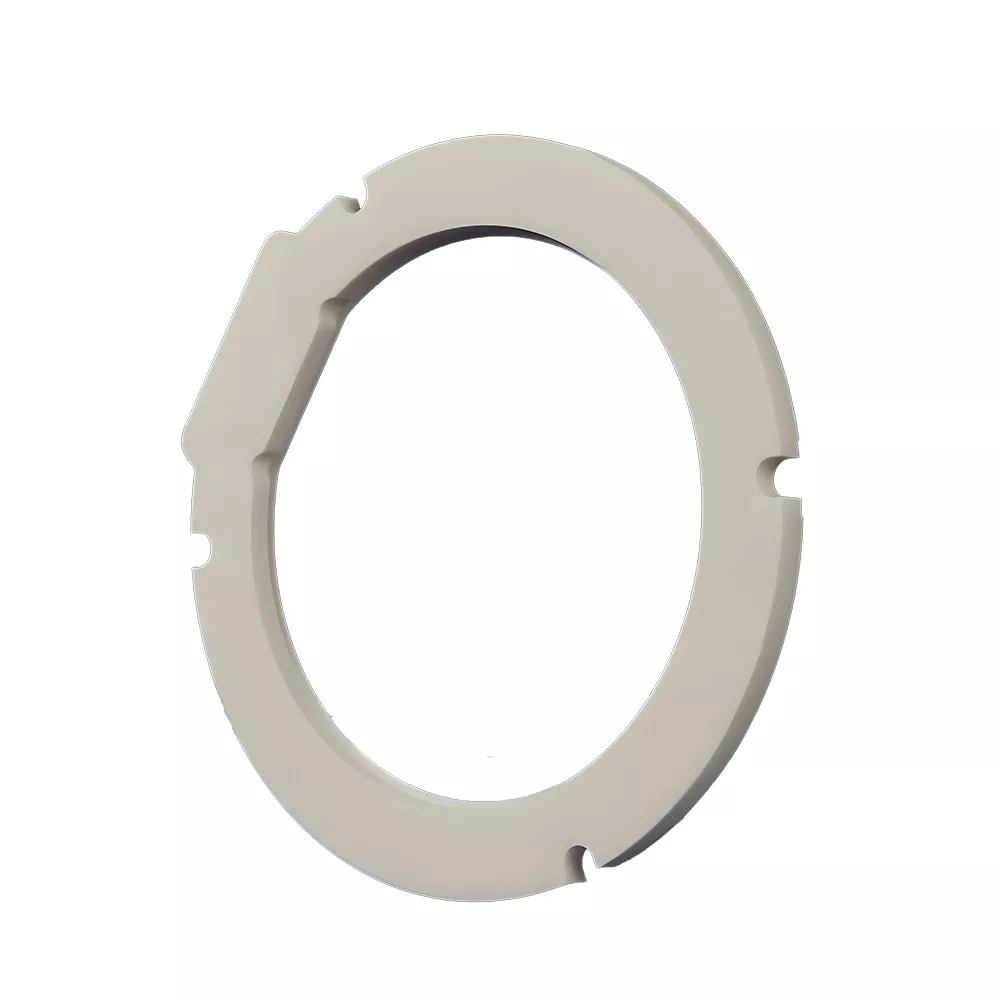















Related Steatite Ceramic Components and Quotation Review
Steatite Ceramic Selection for Mechanical and Wear Requirements
Review the requirements that connect steatite ceramics mechanical and wear performance with a specific component, operating environment, and acceptance plan.
Control Drawing Revisions
Provide the current drawing revision, application details, and open changes so quotation discussions stay aligned with the intended steatite ceramic component.
Verify Material Grade
Confirm the proposed steatite grade against mechanical loading, electrical needs, temperature exposure, and wear conditions; general material values require project-specific verification.
Define Geometry Requirements
Identify dimensions, tolerances, wall sections, holes, and assembly features that affect fit, strength, and the practical performance of the finished part.
Describe Wear Exposure
Explain contact partners, loading pattern, motion, particles, temperature, and service duration so wear expectations are assessed against the actual operating environment.
Specify Functional Surfaces
Mark sealing, mating, sliding, threaded, or electrically active surfaces and distinguish critical interfaces from non-functional areas on the drawing.
Plan Inspection Evidence
Set dimensional checks, visual criteria, material documentation, packaging expectations, and acceptance records required for receiving inspection and project approval.
Ceramic Components for Industrial Requirements
Explore technical ceramic components, industrial ceramic parts and custom ceramic components by material family, component form and project requirement.

Ceramic Manufacturing Capabilities
Review ceramic manufacturing capabilities through the requirements that affect sourcing: geometry, tolerances, mating surfaces, quantity and inspection expectations. Share the current drawing revision to clarify whether a wear, insulation, thermal or structural component can be discussed on a project-specific basis.
Discuss Your Ceramic Part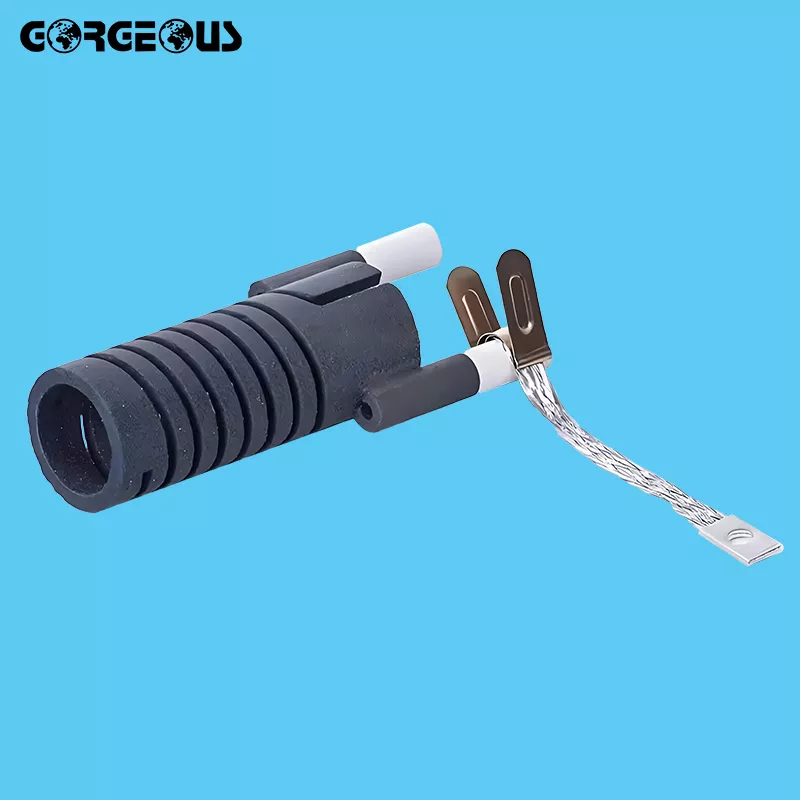
Ceramic Solutions by Industry
Explore advanced ceramics applications by industrial need, including abrasion, electrical insulation, thermal exposure, corrosion and dimensional stability. Use the application context to identify relevant component forms and define the operating conditions, interfaces and replacement-fit details required for a useful inquiry.
Discuss Your Ceramic Part
Advanced Ceramic Materials
Compare advanced ceramic materials including alumina, zirconia, silicon carbide, silicon nitride, aluminum nitride, boron nitride and other specialty families. Treat each material as a starting point; grade, geometry, service conditions and acceptance requirements must be confirmed for the individual project.
Discuss Your Ceramic Part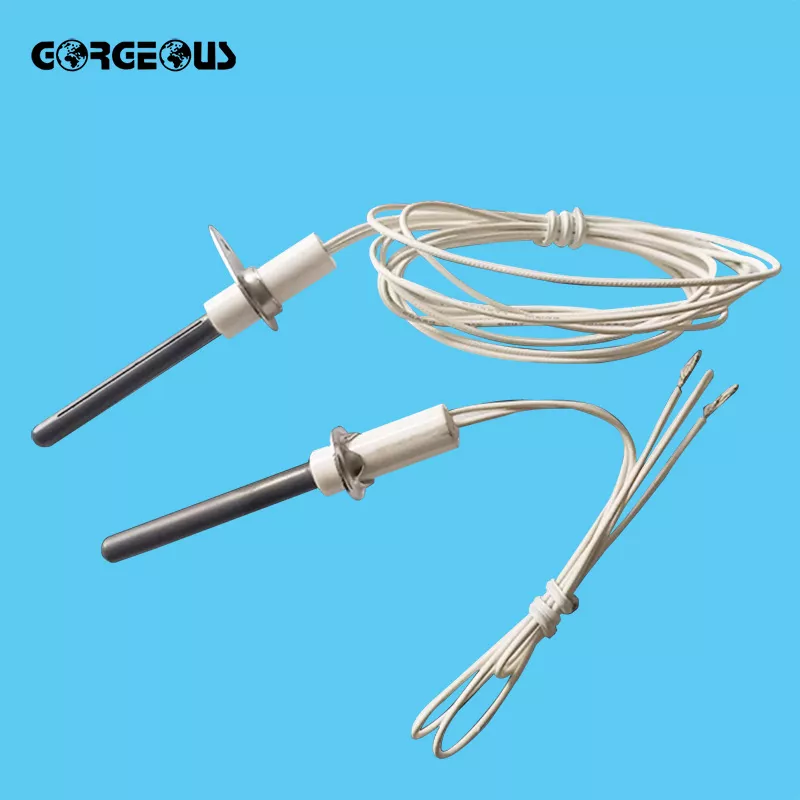
Technical Ceramic Products
Review technical ceramic products such as tubes, rods, rings, substrates and other engineered components. Product form alone does not establish suitability, so provide critical dimensions, fitting surfaces, load or wear conditions and any documentation requirements needed to assess a replacement or custom part.
Discuss Your Ceramic Part
Technical Ceramic Resources
Use this technical ceramics guide to prepare a more concrete sourcing discussion. Email a drawing or describe the component, material designation, operating environment, quantity and acceptance criteria to info@zlrsmaterials.com or info@cceramic.com; WhatsApp and telephone are available at +86 130 6482 5920.
Discuss Your Ceramic PartMaterials for Steatite Ceramics Mechanical and Wear Performance


Alumina Ceramics
Alumina provides a hard, electrically insulating surface for wear guides, bushings, tubes, substrates and protective components. Purity, surface finish, wall thickness and operating temperature influence how its mechanical and wear performance fits the application.

Zirconia Ceramics
Zirconia is considered where greater fracture toughness and resistance to mechanical damage are important, including precision guides, seals and wear parts. Grade, stabilizer system, mating surface and dimensional tolerances require project-specific review.
Silicon Carbide Ceramics
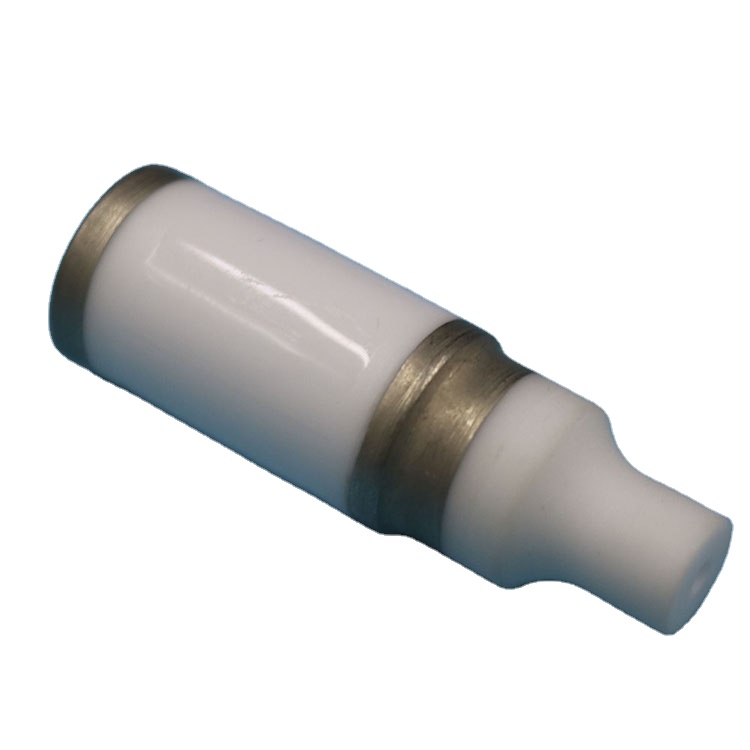
Silicon carbide suits demanding wear, abrasion and thermal environments where high hardness and thermal stability matter. Its suitability depends on loading, contact conditions, surface finish, geometry and the required balance between durability and manufacturability.
Silicon Nitride
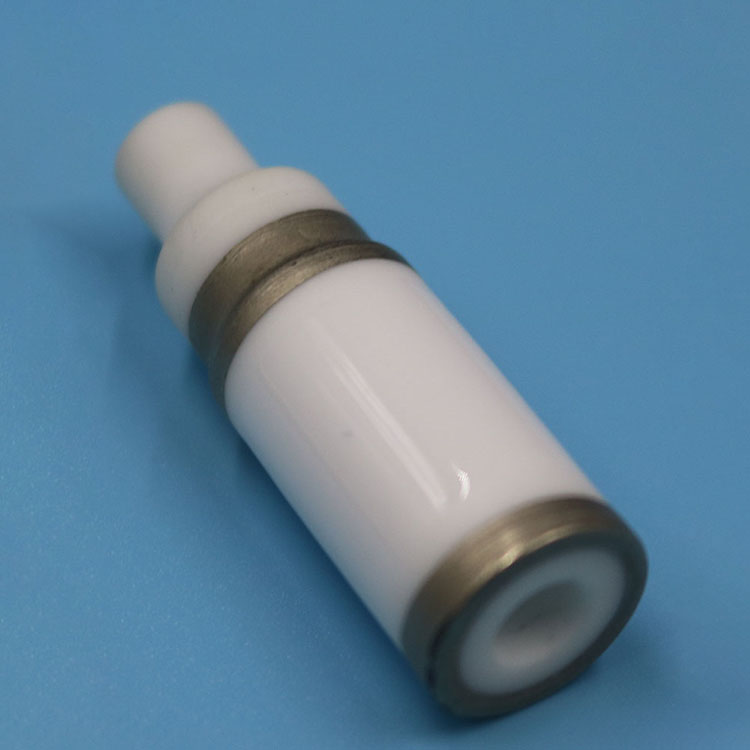
Silicon nitride can support applications requiring a combination of low density, toughness, thermal-shock resistance and wear durability, such as rollers, bearings and specialized structural parts. Confirm grade, loading, lubrication and inspection requirements before selection.
Ceramic Manufacturing Processes for Steatite Components
Powder Pressing
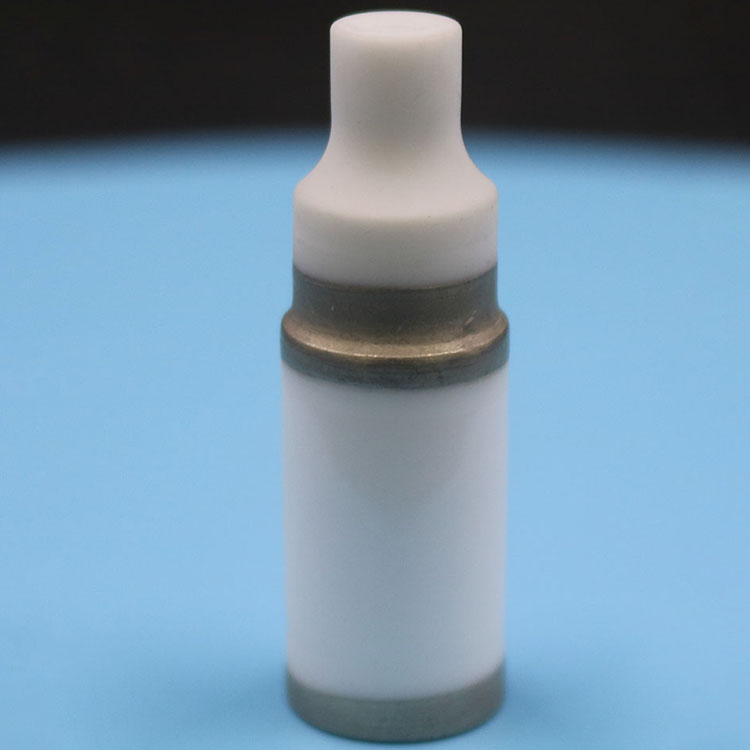
A practical forming route for repeatable ceramic components with suitable cross-sections. Buyers should confirm geometry, shrinkage allowances, critical dimensions and inspection requirements during drawing-led quotation review.
Extrusion Forming
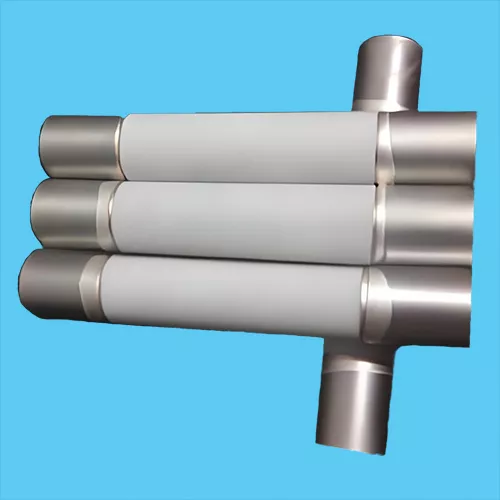
Suitable for ceramic profiles with consistent cross-sections, such as rods, tubes or specialized guides. Final feasibility depends on the section shape, length, tolerances, finishing needs and confirmed production capability.
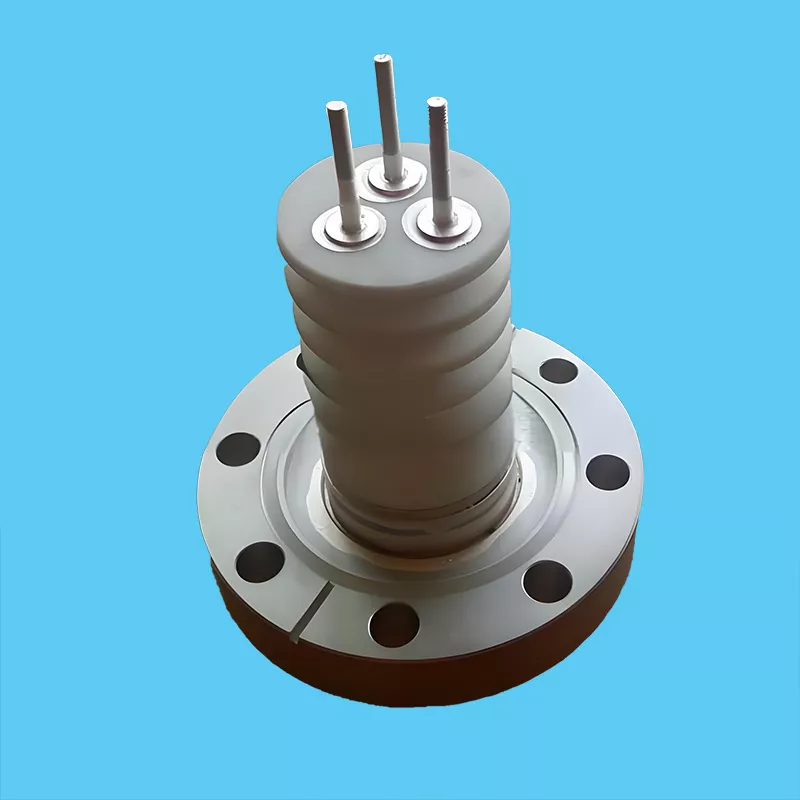
Injection Molding
Useful for complex, repeatable geometries when volumes and tooling considerations support the process. Porcecore can assess part complexity, wall sections, dimensional priorities and expected wear surfaces from the current drawing.
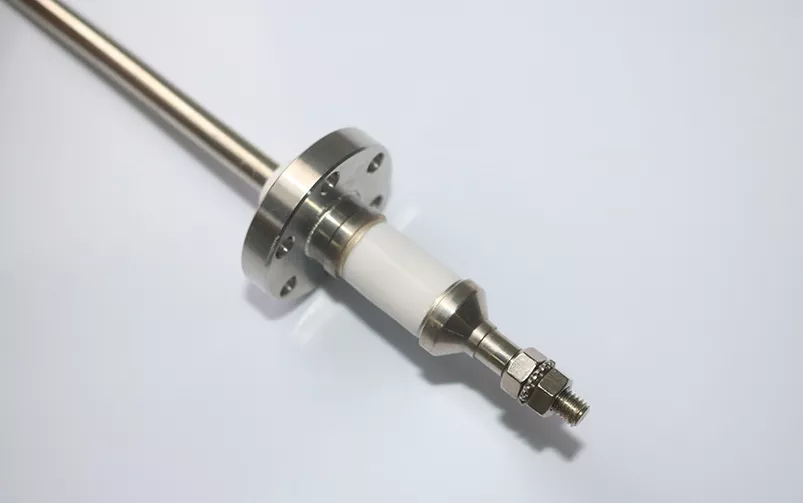
Precision Grinding
Grinding can support tighter dimensions and controlled mating or wear surfaces after firing. The required finish, tolerance stack, edge condition and inspection method should be defined before quotation and production confirmation.

Diamond Machining
Diamond-based machining may be discussed for selected fired ceramic features requiring controlled dimensions, openings or surface relationships. Suitability depends on material grade, geometry, quantity, tolerance and the approved technical specification.
Ceramic Component Finishes and Supporting Features
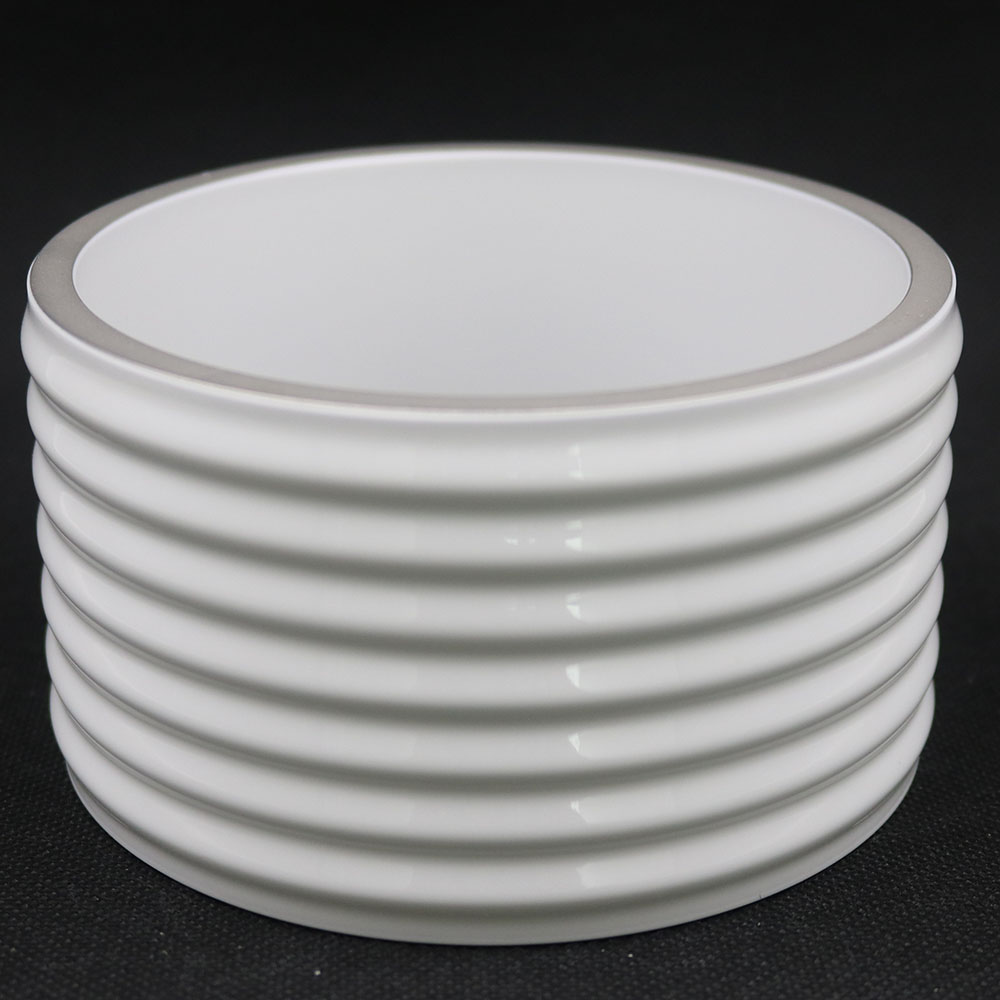
Glazed Surfaces
A specified glaze may support surface protection, electrical insulation, or easier handling in selected applications. Confirm coverage, finish requirements, dimensional effects, and suitability for the operating environment during quotation review.

Metalized Interfaces
Metalized areas can be considered where a ceramic component must connect with another material or support a defined assembly method. Interface location, adhesion expectations, geometry, and inspection criteria require project confirmation.

Edge Finishing
Chamfers, radii, or controlled edge finishing can help manage handling and assembly concerns around holes, mating surfaces, and exposed edges. Requirements should be identified on the current drawing revision.

Identification Marking
Part markings can assist with traceability, orientation, replacement, or production control. Marking location, method, readability, permanence, and compatibility with the component’s service conditions should be agreed before production.

Inspection Documentation
For steatite ceramics mechanical and wear performance requirements, supporting documentation may include dimensional inspection, material identification, and agreed acceptance records. The required documentation package should be defined with the quotation request.
Steatite Ceramics Mechanical and Wear Performance
Founded by Andy Yuan, Porcecore helps industrial procurement teams, mechanical and electrical engineers, equipment builders and ceramic component distributors connect technical ceramic materials with clearly defined part requirements. Our scope spans oxide, nitride, carbide and specialty ceramics, including steatite components considered according to each project’s geometry, operating conditions and inspection expectations.
Porcecore’s application-first, drawing-led approach keeps material selection grounded in the job a component must perform. For steatite ceramics mechanical and wear performance discussions, buyers can share a drawing, material designation if known, quantity, service conditions and acceptance criteria. We clarify open questions before commitment so quotations reflect project-specific grade, geometry and documentation needs.
Our difference is practical clarity: distinguishing general material guidance from grade-specific values, product illustrations from contractual specifications, and early inquiries from confirmed production orders. Whether you need a tube, rod, ring, substrate or replacement part, Porcecore provides a direct starting point for a more informed ceramic sourcing decision.

Technical Capability for Steatite Ceramic Components
Start With Operating Requirements
Steatite ceramics mechanical and wear performance depends on the job, not the material name alone. Porcecore reviews load, contact conditions, temperature, movement, exposure and service expectations before discussing a suitable component route or quotation basis.
- Define the wear mechanism and contact surfaces
- Review load, speed, temperature and environment
- Separate essential requirements from preferences
- Identify replacement-part or new-build context

Discuss Material And Grade
Material selection should connect the required performance with an appropriate steatite formulation, grade and manufacturing route. Porcecore can discuss known designations alongside the project conditions, while keeping general reference data separate from values requiring grade-specific confirmation.
- Review the specified grade if already known
- Compare material options within the project scope
- Flag open questions affecting performance expectations
- Confirm which values require supplier documentation

Let Geometry Guide The Inquiry
A tube, rod, ring, insulator or custom wear part cannot be evaluated independently of its geometry. Drawing-led communication helps assess dimensions, mating features, tolerances and finishing needs that influence manufacturability, fit and intended service performance.
- Send the current drawing revision
- Identify mating and functional surfaces
- Mark dimensions critical to assembly or motion
- Note quantity and preferred production timing

Align Acceptance Criteria Early
A useful quotation defines what must be inspected and documented before production begins. Porcecore helps organize dimensional tolerances, material designation, surface expectations, inspection records and approval requirements into a clearer project discussion for procurement and engineering teams.
- Define dimensional and visual acceptance criteria
- List required reports or material documentation
- Confirm inspection points for critical surfaces
- Discuss delivery and commercial requirements

Why Choose Porcecore for Steatite Ceramics Mechanical and Wear Performance
Compare a drawing-led, project-specific sourcing conversation with typical material-only supplier discussions for mechanical and wear requirements.
← Swipe left or right to view →
Our Process for Steatite Ceramics Mechanical and Wear Performance
A drawing-led workflow connects material review, component requirements, manufacturing coordination, inspection, documentation, packing and shipping confirmation.
Requirement and Material Review
We review the drawing, service conditions, mating surfaces and known grade requirements to frame steatite ceramics mechanical and wear performance for the intended part.
Drawing and Quotation Alignment
We clarify geometry, tolerances, quantity, acceptance criteria and documentation needs before preparing a project-specific quotation for the proposed ceramic component.
Manufacturing Coordination
After requirements are confirmed, we coordinate material selection, component geometry and production details around the approved drawing and agreed project expectations.
Inspection and Documentation
We align inspection checks with critical dimensions, fit surfaces and acceptance requirements, then organize the documentation needed for technical review and approval.
Packing and Shipping Confirmation
Before dispatch, we confirm packing details, delivery information and remaining commercial points so the ceramic components are prepared for the next project step.
How to Start a Steatite Ceramic Component Project
Turn steatite ceramics mechanical and wear performance requirements into a clearer quotation, review, production decision and delivery plan.
Share Your Requirements
Send the current drawing revision, quantity, service conditions, material designation if known, mating surfaces, tolerances and acceptance criteria for review.
Review the Specification
Porcecore clarifies geometry, grade, operating conditions and inspection expectations, separating essential requirements from preferences before discussing suitable technical ceramic options.
Evaluate the Proposal
Review the quotation, open technical questions and, where appropriate, sampling or project review requirements before confirming the component approach and acceptance basis.
Confirm Production Planning
Confirm the approved drawing, material grade, documentation, quantity, delivery expectations and commercial terms so production and shipment planning have a defined project basis.
Certifications and Technical Documentation

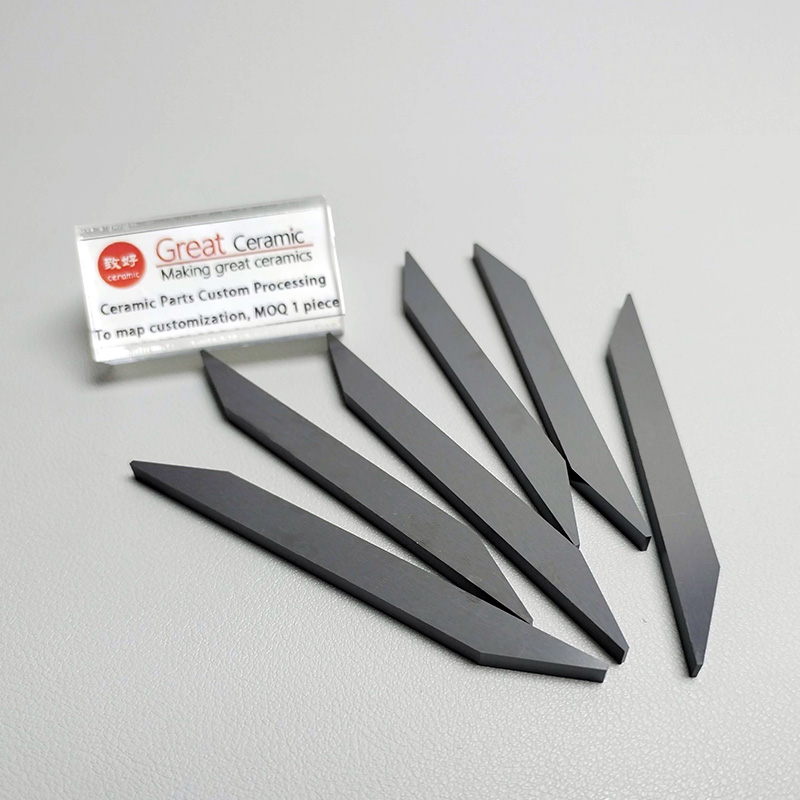
Project Evidence and Customer Feedback
No approved customer quotation or documented Porcecore project outcome has been supplied for publication. Performance discussions should be based on the drawing, selected grade, operating conditions and agreed acceptance criteria.
No verified wear-life result is available for publication in this section. Buyers should provide contact surfaces, load, motion, environment and inspection requirements so any project outcome can be assessed against its actual application.
No approved endorsement has been provided for steatite ceramics mechanical and wear performance. Porcecore welcomes a drawing-led inquiry covering geometry, material designation, quantity, service conditions and required documentation.
FAQ: Steatite Ceramic Component Sourcing
Practical answers for OEM teams evaluating drawings, grades, inspection evidence, and project-specific feasibility.
How does Porcecore assess steatite ceramics mechanical and wear performance for a new component?
What information should be included in a drawing-led quotation inquiry?
Can Porcecore recommend a steatite grade based on mechanical and wear performance needs?
Is there a minimum order quantity for steatite ceramic components?
Can I request samples before placing a production order?
How are lead time, payment, and shipping arrangements confirmed?
How does Porcecore handle drawings and intellectual property?
What inspection evidence can support steatite ceramics mechanical and wear performance verification?
Steatite Ceramic Components: A Practical Buyer’s Guide
Use this decision framework to match steatite grades, geometry, finishes, and suppliers to operating demands while controlling lifecycle cost, validating performance, and avoiding specification, testing, and sourcing mistakes.
1. What Is steatite ceramics mechanical and wear performance?
1. Steatite is a magnesium-silicate technical ceramic, typically selected for the combined demands of electrical insulation, moderate mechanical strength, hardness, low moisture uptake, and thermal stability. com/materials/steatite-magnesium-silicate. 2. Hardness and abrasion resistance can support wear-sensitive tubes, guides, spacers, or insulators, while dimensional stability and low thermal expansion help preserve fit as temperature changes. html. 3. A buyer should treat steatite ceramics mechanical and wear performance as application-specific, not as a guaranteed material constant. Steatite may suit moderate wear with an electrical-insulation requirement, but severe impact, concentrated contact stress, or aggressive abrasion may justify comparing another ceramic; confirm the grade, drawing, test method, and acceptance criteria with Porcecore.
2. Evolution and industrial history of steatite ceramics
MgO and SiO2 define the basic chemistry of steatite, historically developed from talc-rich ceramic bodies blended with clay and flux before sintering.
1000°C is a commonly published safe operating-temperature reference for commercial steatite grades, helping explain its continued use in furnaces, sensors, guides, and heating systems.
3 application groups—grinding media, thread guides or welding pins, and wear-related components—show how formulations expanded beyond insulation. Historical use establishes precedent, not approval: current qualification still requires grade-specific data, geometry-sensitive strength and wear testing, operating conditions, tolerances, and documented acceptance criteria for the individual part.
3. Types of steatite ceramics mechanical and wear performance
Five buyer-relevant steatite categories differ in formulation, processing, and design limits.
| Category | Primary emphasis | Reject when |
|---|---|---|
| Industrial | Balanced properties | Severe wear or impact |
| RF | Dielectric consistency | Mechanical duty dominates |
| High-strength | Hardness and wear | Unverified fatigue or impact |
| Natural machinable | Machining flexibility | Tight sintered tolerances |
| Application-specific | Requirement-led formulation | Limits are undocumented |
General Industrial Steatite
MgO–SiO2 bodies with conventional talc-based processing provide balanced insulation, strength, and moderate abrasion resistance. Use for terminals, spacers, heaters, and supports; reject where sustained impact, severe sliding wear, or tightly controlled RF loss dominates.
High-Frequency Or RF Grades
Controlled formulation and firing emphasize dielectric consistency and lower loss at frequency. Choose coil forms, insulators, and RF supports; reject when load-bearing, abrasive contact, or high thermal conductivity is the primary requirement.
High-Strength Grades
Fine-graining or reinforcing additions can improve flexural strength, hardness, and wear resistance.
Machinable Natural Steatite
Pyrophyllite-based natural steatite is supplied for machining before heat treatment, offering low shrinkage and useful abrasion resistance.
Application-Specific Formulations
Custom bodies may prioritize thermal shock, wear, plating compatibility, or a particular electrical response through composition and firing changes.
4. Materials for steatite ceramics mechanical and wear performance
Talc, clay, fluxes, and controlled minor additions determine how steatite powder forms, densifies, and develops its final pore structure.
Formulation And Microstructure
Talc, or magnesium silicate, supplies the principal ceramic phase; clay supports plastic forming and contributes aluminosilicate content. Fluxes promote liquid-phase sintering, while minor additions can adjust grain growth, density, hardness, and porosity.
Material Selection Comparison
Steatite commonly occupies a cost-conscious position between ordinary ceramic insulation and higher-performance alumina. Cordierite is typically selected when thermal-shock behavior outweighs maximum strength or wear resistance.
| Material | Strength / Wear | Thermal / Electrical | Cost Position |
|---|---|---|---|
| Steatite | Moderate; good wear | Good insulation; typically up to about 1000°C | Lower |
| Alumina | Higher; excellent wear | Good insulation; higher temperature capability | Higher |
| Cordierite | Moderate; good wear | Excellent thermal shock; good insulation | Lower to moderate |
Data To Approve
Before approval, request density, apparent porosity, flexural strength, hardness, and abrasion method, including load, counterface, speed, and temperature. Also confirm dielectric strength, volume resistivity, thermal expansion, maximum service temperature, and specimen orientation.
5. Customization and surface-finishing options
Three decisions drive most customization outcomes: forming route, machining state, and the final surface specification.
Forming And Machining Route
Three routes—pressing, extrusion, or casting—must accommodate the required tube, rod, ring, hole, thread, or groove geometry. Green machining can simplify complex features before firing, while fired machining reduces dimensional risk but usually requires diamond tooling. Allow firing shrinkage and minimum wall thickness in the drawing. com/gb/51-natural-steatite.
- Confirm minimum hole, thread, groove, and wall dimensions.
- Identify datum surfaces and post-fire inspection points.
Surface Finish And Functional Layers
Diamond grinding improves fit, sealing, and sliding contact, but adds cost and cycle time; specify roughness by surface rather than applying one value globally. Glazing can reduce contamination and alter friction, while metallization or plating supports soldering, grounding, or assembly but changes insulation behavior and interfaces. Three questions matter: What roughness prevents wear or leakage?
Tolerance And Inspection Feasibility
Tight tolerances should be limited to assembly-critical dimensions; unnecessary precision increases grinding, scrap exposure, and lead time. Define flatness, concentricity, surface roughness, coating coverage, and thread gauges before quotation. Provide the mating parts, operating load, contamination limits, and acceptance criteria.
6. Key construction and quality elements
Uniform geometry and controlled firing directly affect dimensional stability, insulation reliability, and wear behavior.
Geometry And Edge Integrity
Uniform wall thickness reduces distortion risk during drying and firing; radiused corners limit stress concentration. Avoid sharp edges, thin transitions, and abrupt section changes unless the drawing and process route support them. Finished edges should be visually checked for chips, cracks, warpage, and handling damage.
Microstructure And Firing Control
Consistent grain, density, shrinkage, and porosity depend on controlled forming, drying, and firing. com/materials/steatite-magnesium-silicate. Firing records, lot identification, and material certificates support traceability. Density or absorption checks can help identify abnormal porosity or incomplete process control.
Inspection Evidence
A practical release package may include dimensional reports, visual inspection, density results, and mechanical testing against agreed methods. Electrical parts may also require dielectric strength, insulation resistance, or dielectric-loss testing. Wear components need application-specific evidence: friction, abrasion, mating-material, load, speed, and temperature conditions should reflect service.
7. How to choose a steatite ceramics manufacturer
A qualified supplier should connect steatite ceramics mechanical and wear performance to the finished part, process route, and inspection plan.
Verify Material And Process Expertise
Three checks matter first: defined grade, controlled forming and firing, and documented machining capability. Ask how shrinkage, warpage, surface finish, tooling wear, and diamond grinding are controlled for your geometry. A supplier should identify applicable test methods, tolerance capability, inspection equipment, and lot traceability.
Build A Decision-Ready RFQ
Eight inputs make comparison practical: drawing revision, loads, speeds, temperatures, mating materials, duty cycle, annual and batch quantities, applicable standards, and acceptance criteria. Include critical fits, datum scheme, surface finish, edge requirements, packaging, and documentation needs.
Approve Samples And Control Supply
One approved sample should establish dimensions, material designation, finish, test results, marking, and packaging before production release. Require a signed deviation process and notification before changes to material, tooling, furnace conditions, machining, or subcontractors. Two practical checks remain: confirm capacity against forecast volume and inspect packaging for chipping, abrasion, and moisture exposure.
8. Common mistakes buyers make
Three procurement shortcuts repeatedly turn acceptable steatite parts into assembly, reliability, or validation problems.
Price, Properties, And Interfaces
1 unit price can conceal tooling, rework, and premature wear. Require a costed quotation and ask which grade-specific data support the design; generic strength values are not acceptance criteria.
- Ask for grade-specific test data, not catalog averages.
- Identify contact stress, mating material, and surface finish.
- Require tooling charges and ownership terms.
Thermal Cycles And Tolerances
1 thermal cycle profile can expose cracking that a room-temperature strength check misses. Require ramp rates, dwell temperatures, cycle count, and thermal-cycling evidence. ± tolerance language is incomplete without datum strategy and assembly function.
- Define maximum and minimum temperatures.
- Separate functional from cosmetic tolerances.
- Confirm inspection equipment and sampling.
Grade, Wear, And Requalification
Machinable natural steatite and sintered steatite are not interchangeable; processing, heat treatment, and achievable tolerances differ. com/gb/51-natural-steatite. Wear testing and tooling assumptions are often skipped, while substitutions are approved without requalification. Require a representative wear test, tool-life estimate, and written change-control plan before release.
- Specify natural or sintered grade explicitly.
- Test load, speed, counterface, and debris.
- Requalify substitutions against the approved drawing.
9. Steps to launch an OEM steatite component program
Eight controlled gates keep an OEM steatite program aligned from application definition to repeat production.
Define And Screen
1. Record geometry, duty cycle, contact surfaces, electrical requirements and wear mechanism. com/materials/steatite-magnesium-silicate
2. Review the drawing revision, tolerances, finish, quantity and acceptance criteria before requesting quotations. Shortlist suppliers able to explain forming, firing, machining and inspection controls.
Prototype And Qualify
3. Release prototype tooling only after drawing review, then inspect first articles dimensionally and visually. Test fit, function, temperature exposure and representative wear against agreed limits. 4. Log nonconformities, corrective actions and re-test results before production approval.
Control The Supply
5. Share rolling forecasts, target order cadence and safety-stock assumptions with the supplier; distributors should define inventory by part number and revision. Protect rings, tubes and insulators with suitable separators and moisture-resistant packaging. 6. Communicate validated operating limits downstream without converting general material data into guarantees.
10. Pricing and total cost of steatite ceramics
1 drawing revision, raw material, grade, geometry, forming route, machining, finishing, inspection, packaging, quantity, and lead time should anchor a quote. Steatite properties are grade- and geometry-dependent; published values are design guidance, not a Porcecore guarantee.
| Quantity Tier | Tooling or Setup Cost | Estimated Unit-Price Band | Lead Time | Inspection Scope | Assumptions |
|---|---|---|---|---|---|
| Prototype: 1–10 | $80–250 | $40–180 | 3–5 weeks | Dimensional, visual | Simple geometry; quote-dependent |
| Pilot: 11–100 | $150–600 | $12–60 | 5–8 weeks | Sample CMM, material certificate | Tooling amortized |
| Production: 101+ | $0–300 repeat | $4–25 | 8–12 weeks | Drawing-based dimensional and AQL | Packaging and freight excluded; comparator: https://www.du-co.com/materials/steatite-magnesium-silicate |
Discuss Steatite Ceramics Mechanical and Wear Performance
Send a drawing or describe the component, quantity, operating environment and acceptance needs for a project-specific Porcecore quotation discussion.