
Steatite Ceramics Properties and Selection Guide for Industrial Components
Connect steatite material choices with component geometry, operating conditions, inspection needs and drawing-led sourcing decisions.
Technical Ceramic Components for Industrial Applications
















Related Steatite Ceramic Components
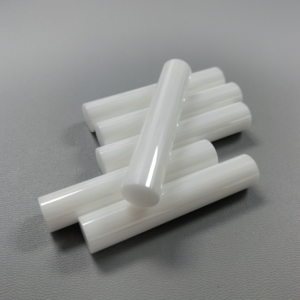
Steatite Ceramics Properties and Selection Guide for Better Sourcing
Connect material properties with drawing details, operating conditions and acceptance requirements for clearer steatite ceramic procurement decisions.
Drawing and Revision Control
Start with the current drawing revision, critical dimensions and fit requirements so quotation discussions stay aligned with the part your project actually needs.
Grade-Specific Material Requirements
Identify the known steatite grade, electrical or thermal priorities, and any open material questions; published property ranges should not replace project-specific confirmation.
Geometry and Mating Interfaces
Define tube, rod, ring, substrate or other geometry alongside tolerances, mating surfaces and assembly constraints that can affect forming, machining and fit.
Process Route and Finish
Discuss the expected forming, sintering and finishing route with Porcecore, especially where surface condition, dimensional control or post-processing influences component performance.
Inspection Evidence for Approval
Set acceptance criteria before quotation, including required measurements, test evidence, inspection records and documentation needed for engineering review or purchasing approval.
Quantity and Service Conditions
Share quantity, operating temperature, electrical environment, mechanical loads and packaging expectations so the proposed component scope reflects actual use and delivery handling.
Steatite Ceramic Components and Application Categories
Explore technical ceramic components and industrial ceramic parts by material, component form and application, then frame a drawing-led sourcing discussion around fit and service conditions.

Ceramic Manufacturing Capabilities
Review ceramic manufacturing capabilities in relation to component geometry, mating surfaces, tolerances and inspection needs. For a quotation, provide the current drawing revision, quantity, service conditions and acceptance criteria so production requirements can be assessed against the intended part.
Discuss Your Ceramic Part
Ceramic Solutions by Industry
Compare advanced ceramics applications by industry and operating environment. Industrial buyers and equipment builders can define whether a component must address electrical insulation, wear, heat, corrosion or dimensional stability, then connect the application to a project-specific geometry and material discussion.
Discuss Your Ceramic Part
Advanced Ceramic Materials
Evaluate advanced ceramic materials including alumina ceramics, zirconia ceramics, silicon carbide ceramics, silicon nitride, aluminum nitride, boron nitride and steatite. Material selection should consider grade, thermal and electrical behavior, mechanical demands, interfaces and documentation requirements rather than relying on a family name alone.
Discuss Your Ceramic Part
Technical Ceramic Products
Find technical ceramic products such as tubes, rods, rings, substrates and other custom components for industrial assemblies. Product suitability depends on dimensions, tolerances, mating surfaces, operating conditions and inspection expectations; drawings help distinguish an initial inquiry from an agreed specification.
Discuss Your Ceramic Part
Technical Ceramic Resources
Use technical ceramics guide resources to clarify material terminology, component requirements and the information needed for quotation. A useful starting point includes the drawing, known material designation, quantity, service conditions and acceptance criteria, with open questions identified before commercial commitment.
Discuss Your Ceramic PartSteatite Ceramics Properties and Selection Guide: Material Options


Low-Loss Steatite
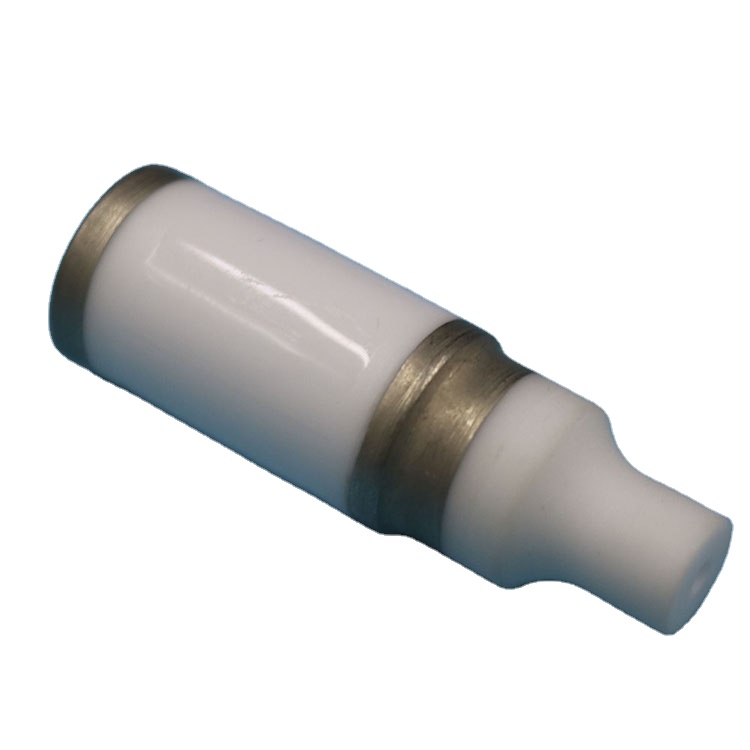
A steatite variant considered for high-frequency insulation where dielectric loss matters. Its suitability depends on the specified frequency, geometry, surface finish and operating temperature, so grade-specific electrical values require confirmation during quotation.
High-Strength Steatite
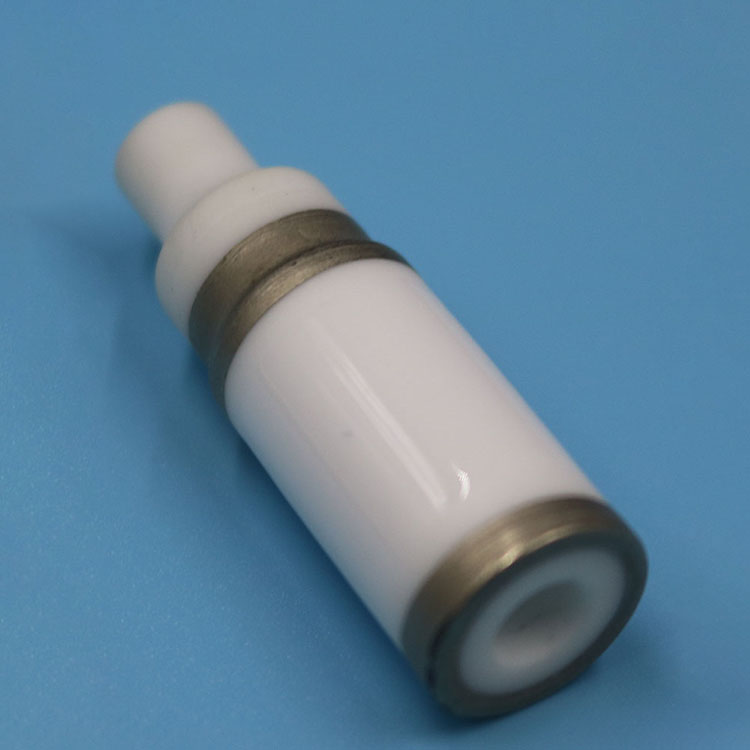
A mechanically reinforced steatite option for parts exposed to greater handling, loading or wear demands. Review flexural strength, mating surfaces, dimensional tolerances and thermal conditions together before selecting a production grade.
Alumina Ceramic
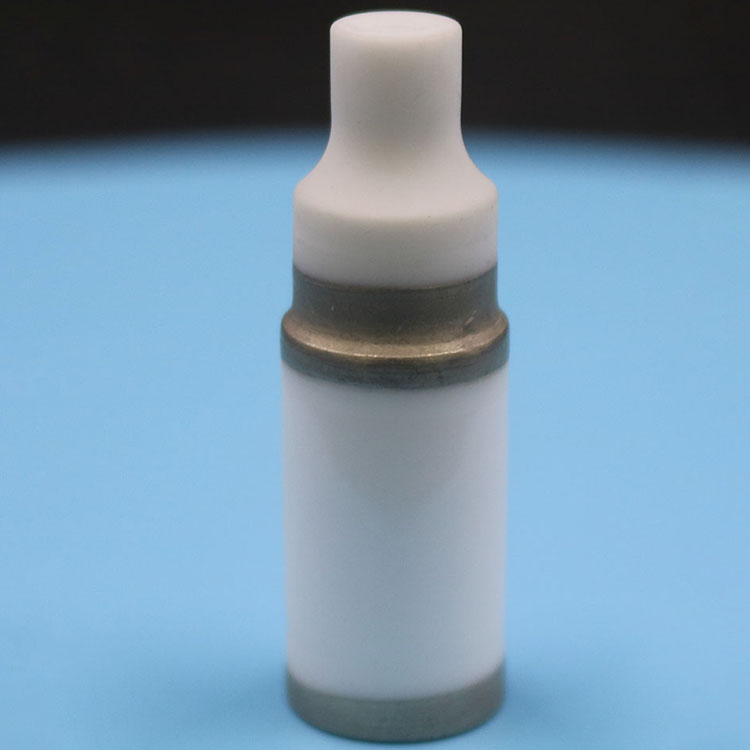
A dense oxide ceramic often evaluated when higher hardness, wear resistance or temperature capability is required. Its surface feel is hard and smooth after finishing; confirm purity, geometry, tolerances and inspection criteria for the application.
Zirconia Ceramic
A tough, dense ceramic option for components requiring greater fracture resistance or dimensional stability than many conventional ceramics. Selection should account for grade, section thickness, thermal cycling, mating interfaces and required surface finish.
Processes for Steatite Ceramic Components
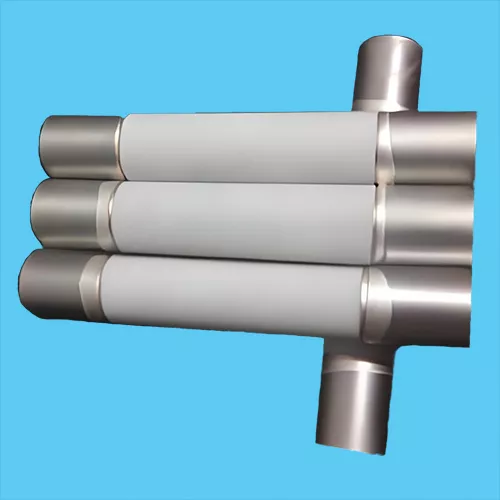
Powder Preparation
Material preparation establishes the starting consistency for a steatite ceramic component. Powder characteristics and formulation can influence forming behavior, density and repeatability, so grade and processing expectations should be confirmed for each project.
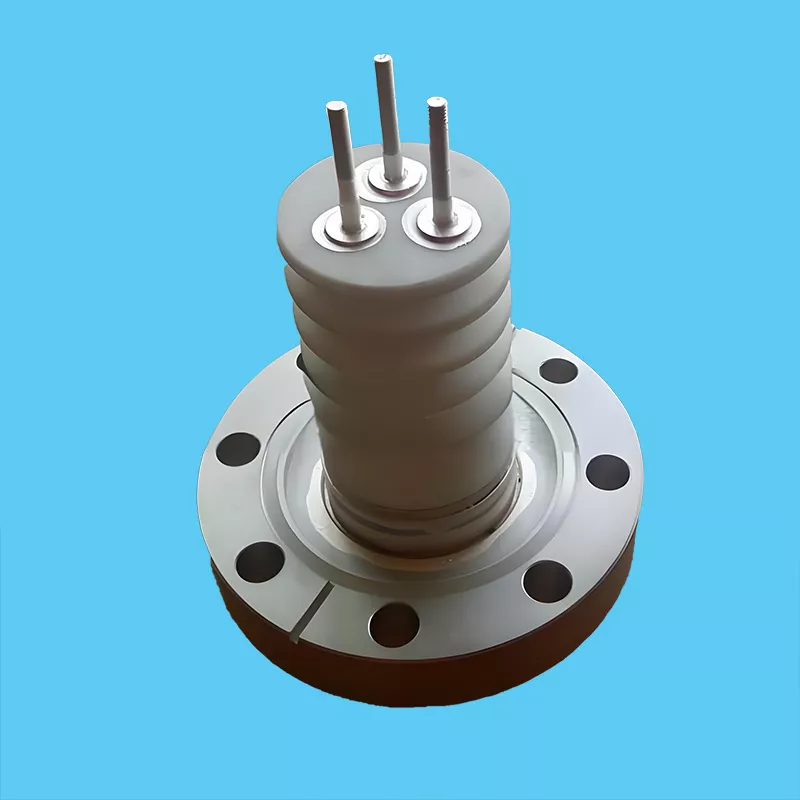
Forming and Pressing
Pressing or other forming methods shape the component before firing. The selected route affects achievable geometry, wall sections, openings and dimensional allowances, making the current drawing revision essential for quotation and process review.
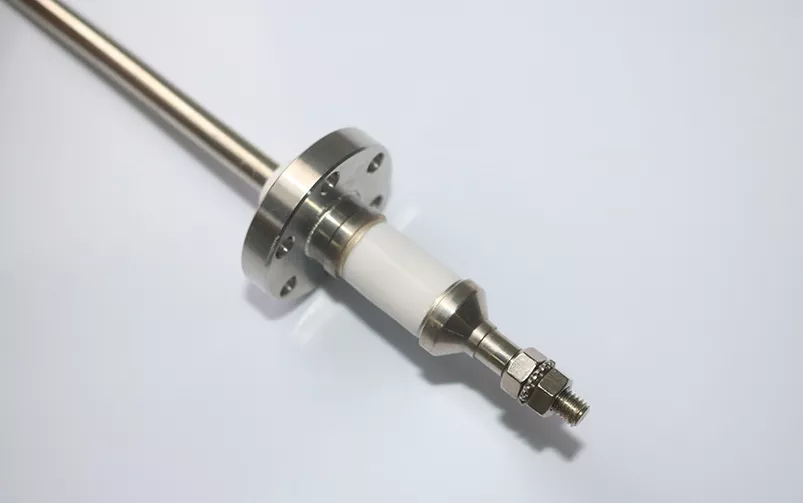
Sintering and Firing
Controlled firing develops the ceramic body and final material structure. Shrinkage and distortion allowances must be considered when defining dimensions, interfaces and inspection points, with the production schedule and acceptance criteria confirmed per project.

Precision Machining
Post-fired grinding, drilling or other machining can refine critical dimensions and mating surfaces. These operations may support tighter requirements than as-fired geometry, but machinability, feature access, surface finish and inspection methods require drawing-led confirmation.
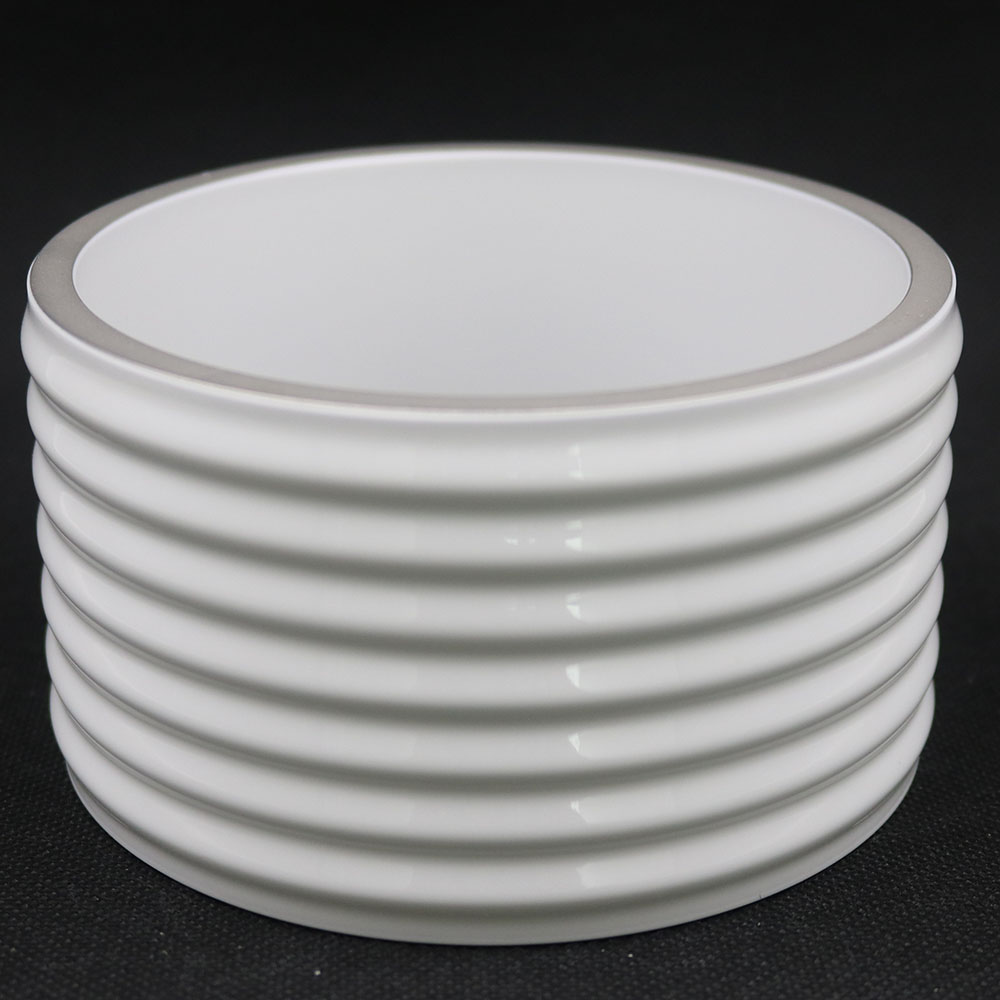
Surface Finishing
Glazing, metallization or another specified finish may alter surface behavior, appearance and interface performance. Whether a finish is suitable depends on the application, contact surfaces, electrical needs and acceptance documentation agreed for the component.
Steatite Ceramics Properties and Selection Guide: Interfaces and Supporting Parts

Mating Surface Definition
Identify threads, seats, bores, contact faces and other mating features on the drawing. Clear interface details help Porcecore review geometry, assembly fit and critical dimensions for the intended ceramic component.

Surface Finish Review
Specify glazed, ground, polished or other required surfaces only where they support the application. Finish expectations should reflect sealing, insulation, wear, cleanliness or contact needs rather than assumed standard inventory.

Inspection Documentation
Clarify dimensional reports, material data, test results, certificates or traceability records needed for approval. Porcecore can use these expectations to structure the quotation discussion around project-specific acceptance requirements.

Protective Packaging
Describe packaging, labeling, orientation and protection needs for fragile ceramic parts during handling and delivery. These details are especially useful when edges, mating surfaces or finished areas must remain protected.
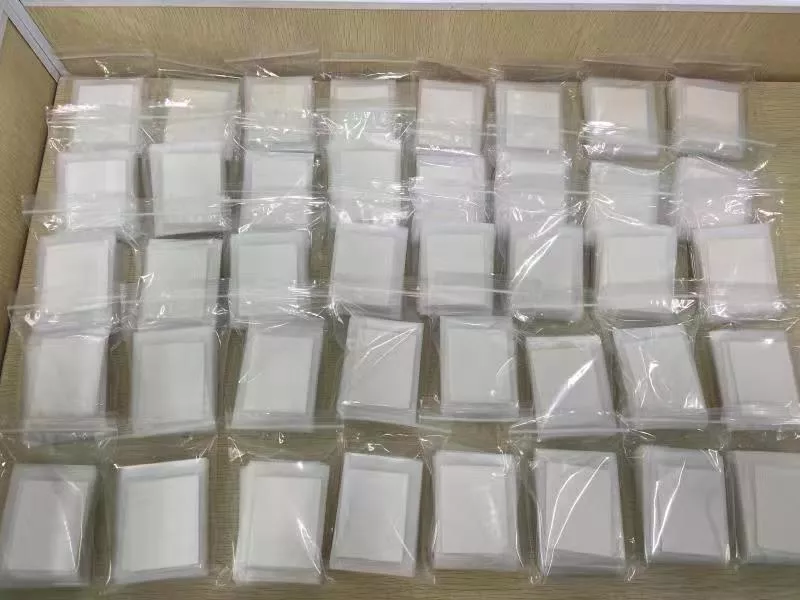
Replacement Part Matching
For a replacement component, provide the current drawing revision, photographs, dimensions and operating conditions. This gives the inquiry a practical basis for comparing geometry, material designation and interface requirements.
Steatite Ceramics Properties and Selection Guide
Founded by Andy Yuan, Porcecore is built around a practical mission: make technical ceramic sourcing easier to understand and more useful for industrial buyers. Our work connects material families and component forms with the geometry, operating conditions, interfaces and inspection expectations that shape a real project.
Porcecore supports procurement teams, engineers, equipment builders and distributors across oxide, nitride, carbide and specialty ceramics. Our difference is application-first thinking and drawing-led communication. A material listing starts the conversation; a current drawing, known grade, quantity, service conditions and acceptance criteria give a quotation the clarity needed for responsible project decisions.
The steatite ceramics properties and selection guide reflects this approach. We help separate general material information from grade-specific requirements, then identify the next decision for the component. Email a drawing or describe the part and its operating environment to begin a focused discussion with Porcecore.

Steatite Ceramics Properties and Selection Guide: Core Engineering Checks
Confirm Grade and Designation
Start with the material designation, required electrical behavior and strength priorities. General steatite properties are useful for orientation, but the quoted grade, formulation and test basis must be confirmed for the individual component and service requirement.
- State the known grade or material designation
- Identify dielectric, resistivity or strength priorities
- Separate reference values from contractual requirements
- Confirm temperature and frequency conditions

Define Geometry Before Quoting
Steatite selection depends on the part’s geometry as much as its material family. Provide the current drawing revision, critical dimensions and tolerance zones so Porcecore can assess forming, sintering, finishing and assembly-related requirements together.
- Share the current drawing revision
- Mark dimensions that control assembly
- Identify holes, walls, threads and complex features
- Flag tolerances that require finished machining

Map the Operating Environment
Describe how the component will perform in service, including temperature cycling, electrical load, mechanical stress, moisture, chemicals and handling. This context helps distinguish a suitable material direction from a specification that needs further engineering review.
- Document temperature range and cycling
- Describe electrical, mechanical and environmental loads
- Identify exposure to moisture or chemicals
- Note expected service life and failure concerns

Specify Interfaces and Inspection
Mating surfaces and acceptance criteria should be agreed before production planning. Identify contact areas, surface finish, fit, inspection records and approval documentation so the quotation reflects the part’s functional interfaces rather than only its nominal dimensions.
- Identify mating surfaces and fit requirements
- Specify surface finish or flatness expectations
- Define inspection points and sampling needs
- List certificates, reports or approval documents

Steatite Ceramics Properties and Selection Guide: Porcecore vs. Typical Suppliers
See how drawing-led communication and project-specific confirmation support clearer ceramic component sourcing decisions.
← Swipe left or right to view →
Steatite Ceramics Properties and Selection Guide: From Requirement to Shipment
A drawing-led workflow connecting material discussion, project confirmation, production coordination and inspection expectations for industrial ceramic components.
Review Part Requirements
Share the drawing revision, component geometry, mating surfaces, quantity, service conditions and acceptance criteria so essential requirements are clearly identified.
Discuss Material Selection
Review steatite grade, electrical, thermal and mechanical priorities alongside alternatives, recognizing that published properties require grade-specific project confirmation.
Confirm Quotation Basis
Align dimensions, tolerances, material designation, finishing, documentation, quantity and commercial assumptions before Porcecore prepares a quotation for review.
Coordinate Production
After approval, coordinate manufacturing details, agreed inspection points and delivery expectations; production proceeds against the confirmed drawing and project requirements.
Inspect, Pack, Ship
Verify agreed characteristics, compile requested documentation, protect components for transit and arrange shipment once inspection results and release requirements are confirmed.
How to Work with Porcecore on a Ceramic Part
Use the steatite ceramics properties and selection guide as a starting point, then turn your component requirement into a drawing-led quotation discussion.
Define the Part Requirement
Describe the component form, mating surfaces, critical dimensions and application purpose so Porcecore can connect the ceramic material choice with the part’s job.
Share Current Documentation
Send the current drawing revision, known material designation, quantity and any prior specifications available for review before quotation or sampling discussions.
State Service Conditions
Include operating temperature, electrical or mechanical loads, environment, mating components and expected service life where these conditions influence grade, geometry or inspection planning.
Confirm Acceptance Criteria
Identify tolerances, surface requirements, testing, documentation and approval criteria to separate essential production requirements from preferences before commercial terms and delivery are confirmed.
Certifications and Technical Documentation

Steatite Technical Reference Data and Selection Context
No verified customer testimonial has been supplied for publication. CeramicTek’s published reference lists industrial-grade steatite dielectric constant at 6.0–6.8 and flexural strength at 120–200 MPa, illustrating why grade and acceptance criteria must be confirmed for each drawing. https://www.ceramictek.com/news/steatite-ceramics-grades-properties-and-applications-339407.html
Published reference data shows steatite properties vary across five material variations, including maximum service temperatures of 750–1230°C and thermal conductivity of 1.8–2.5 W/m·K. These ranges support comparing the actual operating envelope before selecting a component grade. https://www.makeitfrom.com/material-properties/Steatite
Elan Technology reports 101-01 steatite with a dielectric constant of 6.5 at 25°C and 1 kHz, flexural strength of 178 MPa, and volume resistivity above 10¹⁴ ohm-cm at 25°C. Treat these as reference values, not project specifications. https://www.elantechnology.com/ceramics/ceramic-materials/magnesium-aluminum-silicate-ceramics/steatite
Steatite Ceramic Component Procurement FAQ
Project-specific answers for grade selection, quotation inputs, sampling, documentation and delivery discussions.
How does steatite selection affect minimum quantities?
What lead time should we expect for a steatite ceramic component?
Can we request samples, and how are sampling costs handled?
How are payment and shipping terms confirmed for an OEM inquiry?
Will our drawing and product information remain protected during quotation?
How does the steatite ceramics properties and selection guide support grade data review?
What quotation inputs are needed for steatite ceramic tolerances and mating surfaces?
What inspection and packaging details should be included in the steatite ceramics properties and selection guide RFQ?
The Complete Buyer’s Guide to Steatite Ceramic Components
Use a practical decision framework to match steatite grades, properties, manufacturing routes, and supplier capabilities to OEM requirements while avoiding specification gaps, preventable quality issues, and costly sourcing mistakes.
1. What Is a Steatite Ceramics Properties and Selection Guide?
One material family, steatite, is a magnesium-silicate technical ceramic commonly used where electrical insulation, moderate mechanical performance, and thermal stability must coexist. Its properties depend on formulation, processing, porosity, and grade, so a material name alone is not a complete specification. Six decision areas define a practical steatite ceramics properties and selection guide: electrical, thermal, mechanical, dimensional, application, and sourcing requirements. The guide helps teams connect dielectric behavior, temperature exposure, strength, geometry, tolerances, mating surfaces, and production feasibility to the actual component duty. Seven buyer questions should frame an inquiry: Which grade is required? What geometry and tolerances control assembly? What operating environment applies?
2. Evolution and History of Steatite Ceramics
For decades, steatite developed from talc-based magnesium-silicate bodies into formulated ceramic grades. Established directions—including industrial insulation, low-loss or high-frequency service, and strengthened grades—expanded steatite into RF components, heating assemblies, thermocouple supports and other industrial parts. Today, procurement value depends on repeatable formulation, economical manufacturability, dimensional control, inspection and the applicable standard. Historical adoption is useful evidence, not approval: validate the selected grade against geometry, mating surfaces, temperature, dielectric demand, mechanical loads, documentation and acceptance criteria for the actual assembly.
3. Types in the Steatite Ceramics Properties and Selection Guide
Five practical categories organize steatite ceramics properties and selection guide decisions.
Core Grade Families
Standard industrial steatite typically balances insulation, moderate strength, manufacturability, and cost for heater supports, bushings, spacers, and general insulators. Low-loss or high-frequency grades prioritize dielectric behavior, but may narrow formulation, geometry, or availability.
Specialized Appearance And Porosity
Porous or specialized grades can support thermal, acoustic, or controlled-permeability functions, but porosity may reduce strength and sealing reliability. White or appearance-controlled grades suit visible assemblies, yet color consistency is not proof of electrical or mechanical equivalence.
Compare The Trade-Offs
IEC 60672 classifications and grade datasheets should be checked alongside application tests; published ranges vary by formulation and method. com/ceramics/ceramic-materials/magnesium-aluminum-silicate-ceramics/steatite.
| Category | Typical use | Main advantage | Primary limitation |
|---|---|---|---|
| Industrial | Insulators, heaters | Balanced cost | Moderate performance |
| Low-loss/RF | High-frequency parts | Lower dielectric loss | Grade-specific availability |
| Porous/specialized | Thermal or filtered parts | Functional porosity | Lower strength |
| White/appearance-controlled | Visible components | Controlled appearance | Color is not specification |
| Higher-strength | Loaded or wear parts | Improved durability | Higher cost or machining |
4. Materials and Properties in a Steatite Ceramics Selection Guide
Talc supplies the magnesium-silicate basis, while clay, fluxes, firing profile, and particle control shape the final microstructure.
| Property | Selection Check |
|---|---|
| Density and porosity | Confirm lot range and dimensional stability |
| Electrical properties | Record frequency, temperature, and test method |
| Strength and expansion | Match load, tolerance, and thermal cycle |
| Temperature capability | Verify continuous versus intermittent service |
Formulation And Microstructure
Pressed density and porosity influence conductivity, resistivity, flexural strength, and dimensional stability.
Electrical And Thermal Values
Typical published values include dielectric constant, dissipation factor, volume resistivity, and dielectric strength, but frequency, temperature, electrode geometry, and conditioning must accompany each result.
- Check conductivity and thermal expansion at operating temperature.
- Confirm maximum temperature capability and thermal-shock limits.
- Review certificates against the drawing’s acceptance criteria.
Steatite Or Alumina
Steatite can suit cost-sensitive insulation with moderate strength and low conductivity; alumina is generally the stronger choice when higher hardness, purity, or mechanical margin governs.
5. Customization and Decoration Options for OEM Components
A drawing links steatite ceramics properties and selection guide decisions to the part’s actual interfaces, operating conditions and inspection needs.
| Route | Best suited for | Main trade-off |
|---|---|---|
| Pressed or extruded | Repeatable near-net shapes | Shrinkage and tooling constraints |
| Post-firing grinding | Critical fits and flatness | Added cost, handling and yield risk |
| Glazing or metallization | Surface protection or electrical joining | Coverage, adhesion and inspection controls |
Forming Functional Geometry
Pressed or extruded blanks can incorporate holes, grooves and external features before firing; threads and thin sections require confirmation because shrinkage and distortion affect final dimensions. Specify datums, wall thickness, draft, firing shrinkage allowance and mating surfaces.
Machining And Surface Treatments
Post-firing surface grinding improves critical faces but adds tooling, handling and yield considerations. Glazing, metallization, marking and controlled color or finish may change surface function, inspection criteria and lead time.
Drawing And Sample Controls
Three drawing details prevent avoidable rework: tolerance by feature, treatment coverage and cosmetic acceptance level. State thread standard, grinding allowance, metallization area, marking method, color reference and allowable surface defects.
6. Key Construction and Quality Elements
Reliable steatite components depend on process control, not material name alone.
Material And Process Control
Homogeneous feedstock and controlled forming density reduce variation in porosity, strength, and insulation. The firing profile should be recorded against the approved grade and lot.
- Verify material designation and lot.
- Record forming and firing parameters.
- Review thin sections, corners, and holes.
Visual And Dimensional Inspection
100% visual inspection should screen for cracks, chips, warpage, glaze discontinuity, contamination, and unacceptable surface finish. Critical mating surfaces need defined datums and measurable tolerances.
- Inspect cracks, chips, glaze, and finish.
- Measure critical dimensions and warpage.
- Separate critical from noncritical tolerances.
Testing And Documentation
com/material-properties/Steatite). Each shipment should identify lot traceability, inspection results, cleanliness status, packaging protection, drawing revision, and deviation approvals.
- Define dielectric and mechanical tests.
- Attach certificate and inspection records.
- Protect parts against impact and contamination.
7. How to Choose a Steatite Ceramic Manufacturer
A drawing revision, material grade and service condition should anchor every supplier review.
Technical Review
1. Ask whether the supplier reviews mating surfaces, tolerances, firing shrinkage and inspection criteria before quoting. Require grade-specific datasheets, not generic steatite values.
- Review drawings against assembly-critical dimensions.
- Verify material designation and test conditions.
- Ask who owns and maintains tooling.
Samples And Validation
2. A first article should match the approved drawing and include dimensional results, material identification and agreed functional tests. Request representative samples before production approval.
- Compare first-article data with drawing tolerances.
- Confirm inspection equipment suits critical features.
- Require documented corrective actions.
Continuity And Traceability
3. Ask how batches, operators, tooling changes and furnace conditions are recorded. Change control should require buyer notification and approval for material, geometry, process or inspection changes.
- Verify lot traceability to shipment records.
- Agree change-notification rules in writing.
- Confirm packaging and capacity assumptions.
8. Common Mistakes Buyers Make When Selecting Steatite
Price, datasheet values, and nominal material names can conceal the conditions that decide whether a steatite part works in assembly.
Verify Material And Test Conditions
Price alone is not a selection basis; compare grade, geometry, inspection, and lifecycle cost. Ask: Which requirement makes the lower-priced option acceptable? Generic datasheets can mix grades, test temperatures, and frequencies. com/material-properties/Steatite.
- Corrective action: approve a grade-specific property sheet.
- Ask: Were these values measured on this grade and geometry?
- Corrective action: define both breakdown voltage and resistance criteria.
Control Geometry And Strength
Shrinkage during firing changes dimensions, while tolerance stack-up can prevent assembly even when each feature appears acceptable. Ask: Which surfaces and dimensions control fit? Unnecessary strength can increase cost or restrict processing without improving the job.
- Ask: What is the fired tolerance after machining?
- Corrective action: review stack-up on the assembly drawing.
- Ask: What load, impact, or wear condition requires higher strength?
Close Approval And Delivery Gaps
Prototype approval delayed until production leaves defects, fit issues, and drawing ambiguities expensive to correct. Ask: Who approves the first article, and against which revision? Packaging is part of the requirement, not an afterthought.
- Corrective action: approve a representative prototype before batch release.
- Ask: What constitutes pass, fail, and concession?
- Corrective action: specify separators, labeling, and damage evidence.
9. Steps to Launch Your OEM Steatite Component Program
Step 1 starts with the part’s duty, not a material label.
Define Requirements And Screen Materials
Step 1 records voltage, frequency, temperature, mechanical loads, media, mating surfaces, service life, and failure limits. com/material-properties/Steatite).
- Part function and duty cycle
- Operating conditions and acceptance limits
- Preliminary grade and property targets
Prepare The Drawing And RFQ
Step 2 issues the current CAD or PDF drawing, revision, annual and order quantities, tolerances, surface finish, tests, packaging, delivery target, and regulatory or customer requirements.
- Drawing files and revision status
- Quantities, tolerances, finish, and tests
- Packaging, delivery, and compliance needs
Evaluate Samples And Freeze Design
Step 3 reviews prototype or sample parts for fit, finish, dimensional capability, and assembly behavior.
- Fit and dimensional review
- Application-representative testing
- Approved design and change control
Pilot, Approve, And Monitor Lots
Step 4 runs pilot production against an agreed inspection plan covering sampling, critical characteristics, test methods, certificates, traceability, and nonconformance handling.
- Pilot inspection-plan approval
- Lot records and traceability
- Ongoing trend and change monitoring
10. Pricing and Cost Factors for Steatite Ceramic Parts
1 quotation should separate recurring unit cost from nonrecurring tooling and setup. Raw material grade, part size, geometry, forming method, firing yield, machining, glazing or metallization, inspection, packaging, and lead time can each change the delivered cost. 3 comparable quotes require the same drawing revision, grade, quantity, tolerances, surfaces, inspection criteria, packaging, and delivery term.
| Quotation Category | Main Cost Drivers | Buyer Comparison Basis |
|---|---|---|
| Prototype or low volume | Tooling, setup, machining, inspection, packaging | Separate one-time charges from unit price |
| Repeat medium volume | Raw material grade, forming, firing yield, finishing | Confirm process assumptions and scrap allocation |
| Production volume | Quantity tier, tooling amortization, cycle time, lead time | Compare landed cost at the same annual volume |
| Special finish or control | Glazing, metallization, tight inspection, custom packing | Specify acceptance criteria and documentation |
Discuss Your Steatite Ceramics Properties and Selection Guide Requirements
Email a drawing or describe the component, operating environment, quantity and acceptance criteria. For direct assistance, contact info@zlrsmaterials.com or WhatsApp/telephone +86 130 6482 5920.