
Zirconia Ceramics Electrical and Insulation Performance for Component Sourcing
Share your drawing, service conditions, and acceptance criteria to discuss zirconia ceramics electrical and insulation performance for your component.
Technical Ceramic Components for Electrical Insulation Applications













Related Product Catalogue and Quotation
Zirconia Ceramics Electrical and Insulation Performance: Key Considerations
Define the part, service conditions, and acceptance requirements before comparing zirconia options for an electrical insulation application.
Drawing Revision Control
Provide the current drawing revision, critical dimensions, and stated tolerances so the quotation discussion reflects the part you need rather than a representative illustration.
Project-Specific Material Grade
Identify the zirconia grade or describe the duty requirements, since composition, stabilization, and processing details should be reviewed against insulation and mechanical needs.
Geometry and Assembly Fit
Define wall thickness, bore, radius, and assembly constraints together; geometry can affect manufacturability, fit, and how zirconia ceramics electrical and insulation performance is evaluated.
Functional Surface Requirements
Mark the faces, bores, or edges that mate with other parts, then clarify finish expectations and any dimensions that control alignment or sealing.
Application Condition Review
Describe voltage exposure, temperature, frequency, humidity, media, loading, and cycling conditions so project-specific assumptions can be discussed before material and process choices are confirmed.
Inspection Evidence Needed
State the acceptance criteria, inspection records, and documentation needed for approval, including which features require verification and how results should be presented.
Component Forms for Electrical Insulation
Use each category to define the material, geometry, service conditions, and documentation needed for a project-specific ceramic inquiry.

Ceramic Manufacturing Capabilities
Review ceramic manufacturing capabilities in relation to the required component form, drawing revision, critical dimensions, mating surfaces, and inspection expectations. This helps procurement and engineering teams identify which requirements must be confirmed before quotation or production planning.
Discuss Your Ceramic Part
Ceramic Solutions by Industry
Explore advanced ceramics applications by industry to frame the operating environment behind an electrical insulation requirement. Voltage exposure, temperature, wear, chemical contact, assembly constraints, and replacement-part context help focus the inquiry on the relevant project conditions.
Discuss Your Ceramic Part
Advanced Ceramic Materials
Compare advanced ceramic materials as a starting point for a defined component requirement. Zirconia and other material families should be considered alongside grade designation, geometry, electrical needs, operating conditions, and acceptance criteria rather than selected by material name alone.
Discuss Your Ceramic Part
Technical Ceramic Products
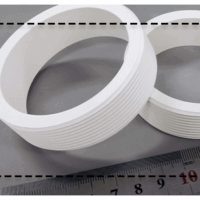
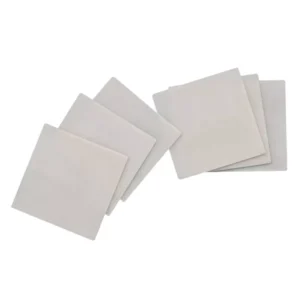
Browse technical ceramic products by familiar forms such as tubes, rods, rings, and substrates. Product illustrations support early requirement discussions; final dimensions, tolerances, grade, documentation, delivery, and commercial terms require confirmation for the individual project.
Discuss Your Ceramic Part
Technical Ceramic Resources
Use the technical ceramics guide to prepare a clearer inquiry. Include the current drawing, known material designation, quantity, service conditions, critical assembly dimensions, and required documentation, then contact Porcecore by email or WhatsApp to discuss open sourcing questions.
Discuss Your Ceramic PartZirconia Ceramics Electrical and Insulation Performance: Material Options


Alumina Ceramics
A familiar starting point for insulating tubes, substrates, bushings, and general-purpose components. Purity, dimensional requirements, surface condition, and voltage exposure should be defined so the material discussion relates to the actual part.

Silicon Nitride Ceramics
A material family often considered where mechanical loading and thermal cycling influence an insulating component. Review section thickness, mating interfaces, service temperature, and inspection needs with the drawing before narrowing the grade.

Aluminum Nitride
A relevant comparison material for electrical assemblies where heat flow and electrical isolation must be considered together. Substrate layout, mounting surfaces, thermal path, and documentation expectations help define a useful inquiry.
Boron Nitride
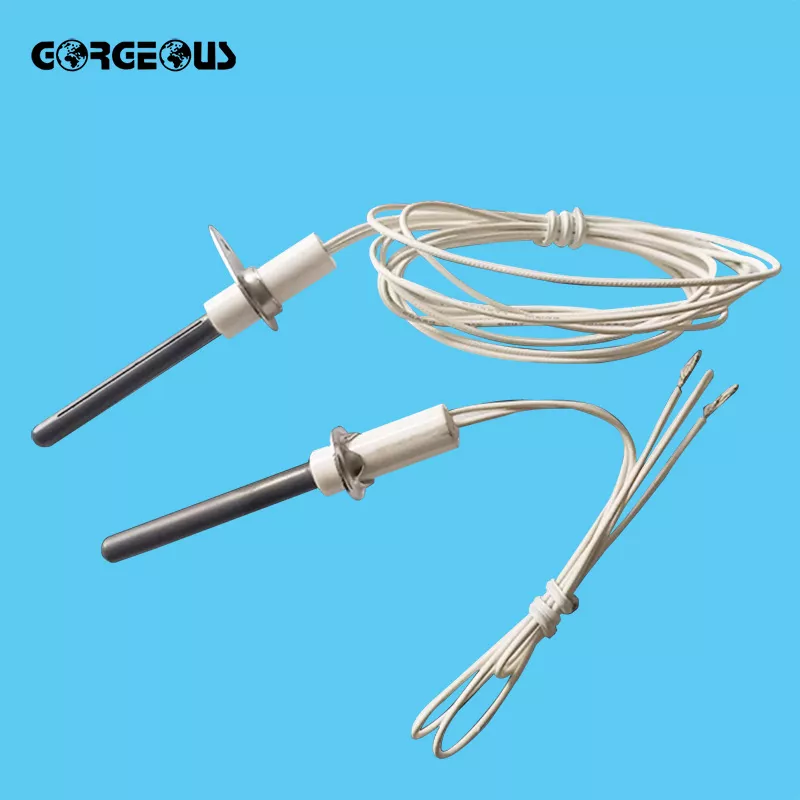
A technical ceramic family to discuss for specialized insulating, high-temperature, or machinable component needs. Silicon carbide ceramics and other relevant families can also be compared against the application. Chemical exposure, vacuum conditions, component form, and dimensional acceptance criteria should guide the material and process conversation.
Manufacturing Processes to Discuss with Your Drawing

Powder Preparation
Material and grade requirements can be reviewed alongside the intended component form, electrical environment, and documentation needs. This establishes a clearer starting point for assessing whether a proposed zirconia route fits the project.
Forming Method
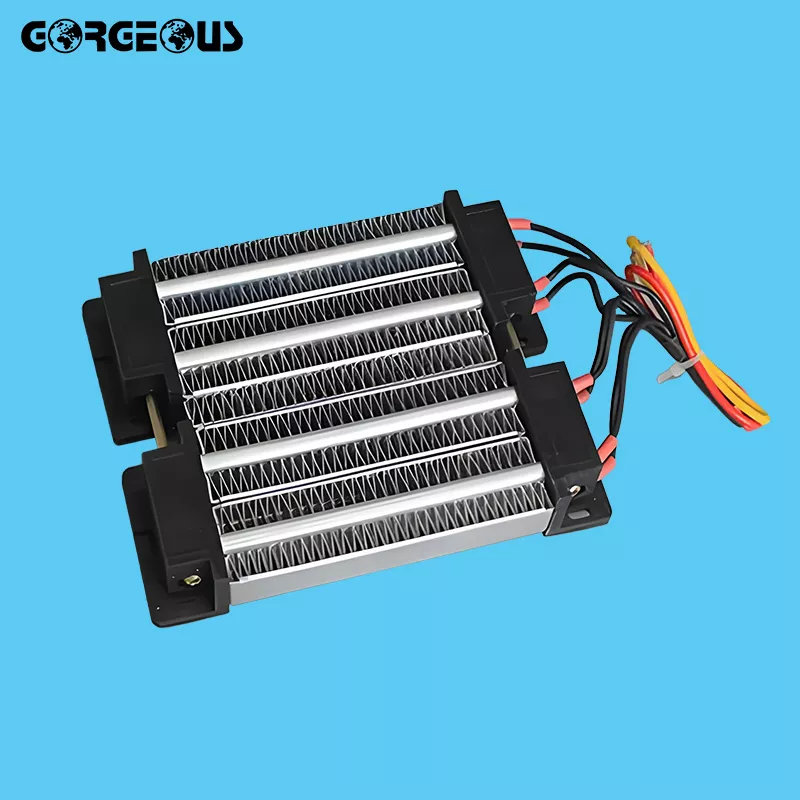
Pressing or another forming approach may be considered according to the part shape, wall sections, features, and planned quantity. Share the drawing revision so geometry and likely process constraints can be discussed early.

Green Machining
Features may be evaluated before final densification when the component design calls for holes, profiles, or other defined details. Critical dimensions and mating surfaces should be identified to guide the quotation conversation.

Controlled Sintering
The sintering route is considered with the selected zirconia grade, geometry, dimensional expectations, and service conditions in view. General material information is not a substitute for project-specific grade and finished-part confirmation.
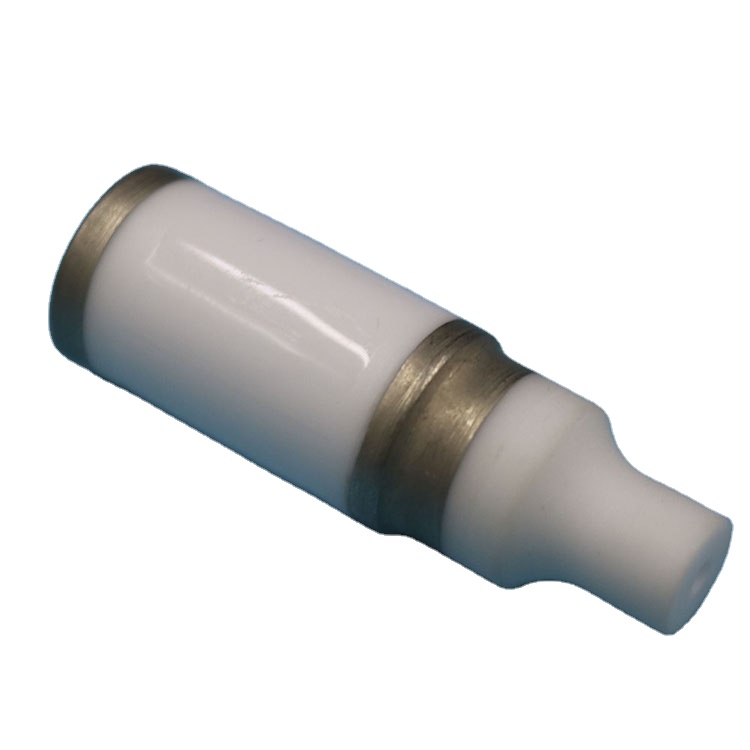
Diamond Finishing
Grinding and finishing options can be assessed for surfaces that control fit, alignment, sealing, or electrical separation within an assembly. Specify tolerances, surface expectations, and inspection requirements with the current drawing.
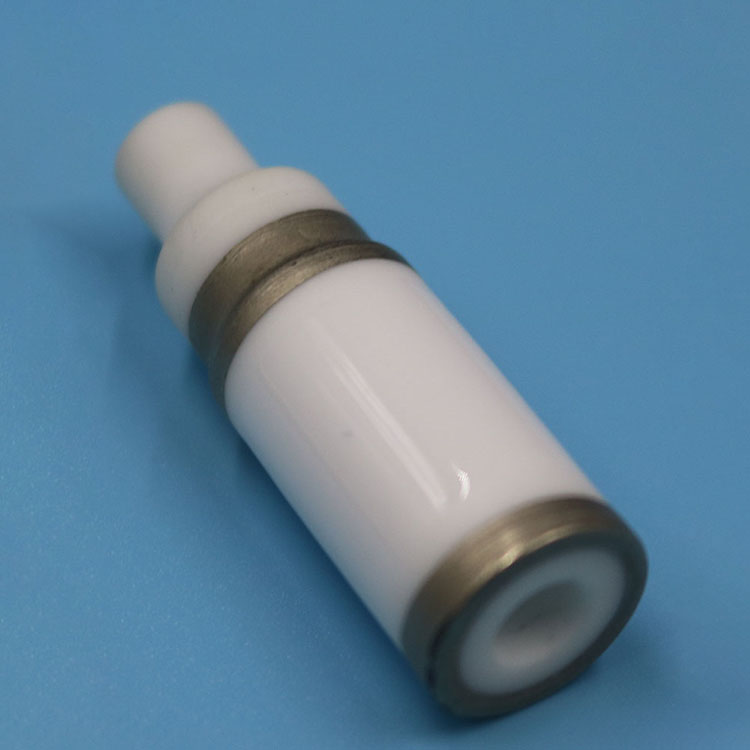
Final Inspection
Inspection discussions should focus on the dimensions, surfaces, material designation, and records needed for approval. Defining acceptance criteria upfront helps distinguish essential verification needs from preferences before an order is agreed.
Zirconia Ceramics Electrical and Insulation Performance: Assembly Features and Secondary Options
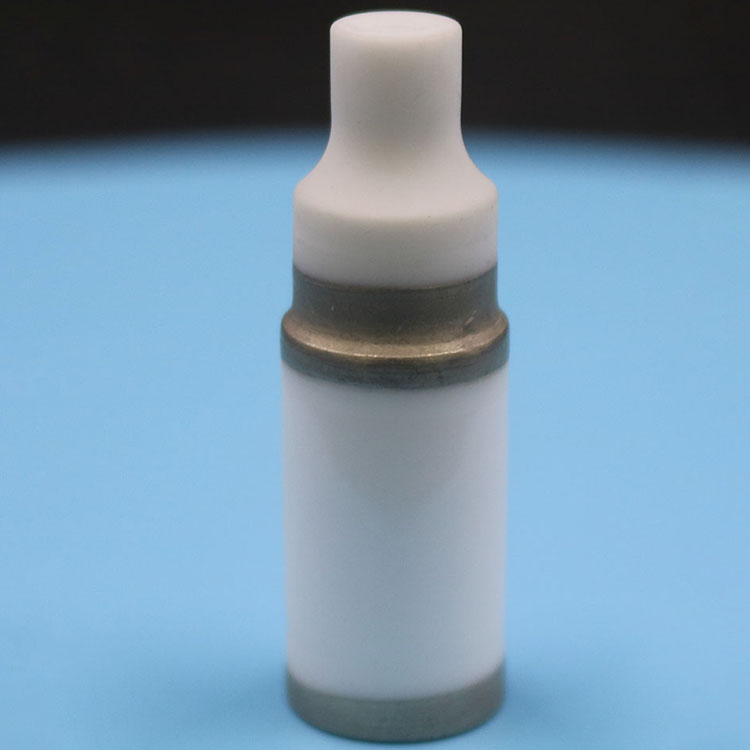
Mating Surface Notes
Identify fit-critical faces, flatness needs, edge conditions, and mating materials so the quotation discussion addresses assembly interfaces rather than treating the ceramic part as an isolated shape.
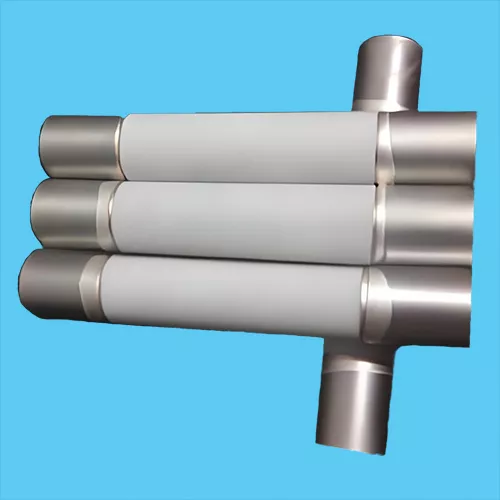
Part Identification Marks
Discuss project-specific marking, orientation references, or traceability labels when identification is needed during receiving, assembly, or service. Method, location, legibility, and acceptance expectations require confirmation for each order.
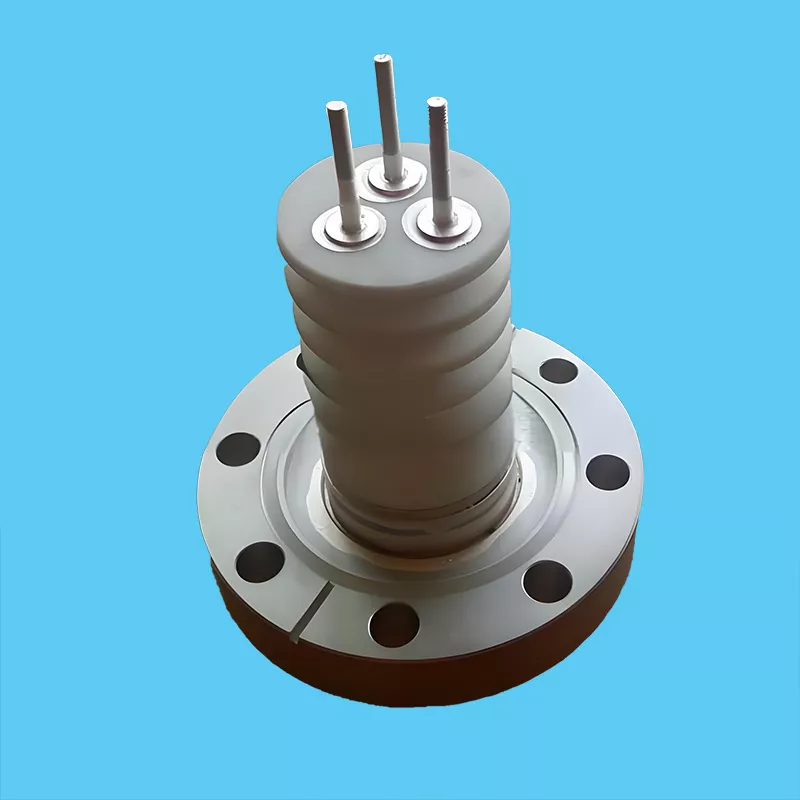
Protective Packaging Plans
Define handling-sensitive features, separation needs, pack quantities, and labeling preferences for transport and receiving. Packaging should be considered alongside component geometry, inspection needs, and the destination workflow.
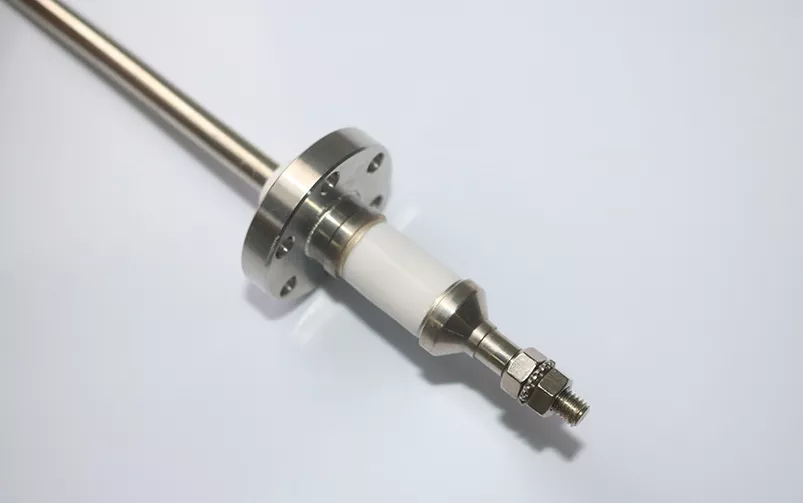
Inspection Documentation
State the dimensions, material designation, inspection records, and supporting documents needed for review. Providing these requirements with the drawing helps distinguish requested evidence from general product information.

Assembly Reference Samples
Share a mating component, replacement sample, or assembly photograph when available. These references can clarify seating, alignment, and protected surfaces that may not be fully communicated by a material name alone.
Zirconia Ceramics Electrical and Insulation Performance
Porcecore was founded by Andy Yuan to make technical ceramic component sourcing easier to begin and more useful to manage. We work with industrial buyers, equipment builders, engineers, and distributors who need custom ceramic components, industrial ceramic parts, or a clearly defined requirement for a tube, rod, ring, substrate, or other ceramic part.
Our coverage spans oxide, nitride, carbide, and specialty ceramic families, including zirconia. For zirconia ceramics electrical and insulation performance, we help focus the discussion on the grade, geometry, operating environment, mating surfaces, and inspection expectations that shape a project-specific decision.
What makes Porcecore different is drawing-led communication before commitment. Send the current drawing revision, known material designation, quantity, service conditions, acceptance criteria, and required documentation. This gives a quotation conversation a concrete basis while keeping general material information separate from the final agreed part specification.

Zirconia Ceramics Electrical and Insulation Performance, Framed by the Part
Review the Service Conditions
Start with the operating environment, voltage exposure, temperature range, duty cycle, and surrounding assembly. Zirconia ceramics electrical and insulation performance should be considered against the actual service condition, rather than treated as a universal material promise.
- State voltage, frequency, and insulation function
- Describe temperature, cycling, and atmosphere
- Identify loads, wear, or chemical exposure
- Share the current drawing revision

Define Geometry and Interfaces
A ceramic tube, ring, rod, or insulating component is shaped by the parts around it. Porcecore helps focus the discussion on critical dimensions, mating surfaces, assembly clearances, and features that influence how the component must fit and function.
- Mark assembly-critical dimensions
- Identify fitted or sealing surfaces
- Note edge conditions and surface needs
- Clarify component orientation in service

Discuss Grade With Context
Material selection goes beyond naming zirconia. Stabilizer, grade, density, processing route, and application conditions can affect the relevant balance of electrical, thermal, and mechanical behavior. A project conversation can identify which material questions still need confirmation before quotation.
- Provide the material designation if known
- Explain the insulation objective
- Compare relevant ceramic families if needed
- Separate general properties from project requirements

Set Acceptance Before Commitment
Clear acceptance criteria make a drawing-led sourcing discussion more useful. Define dimensional tolerances, inspection expectations, documentation, quantity, delivery considerations, and any performance checks required for approval. These details give a component inquiry a concrete basis without implying an agreed production specification.
- List tolerance and inspection requirements
- Specify needed documentation
- Confirm quantity and delivery context
- Distinguish required features from preferences

Zirconia Ceramics Electrical and Insulation Performance: A Drawing-Led Comparison
Compare a requirement-focused sourcing conversation with a material-name-only starting point.
← Swipe left or right to view →
From Requirement Review to Shipment Discussion
A drawing-led process for aligning zirconia ceramics electrical and insulation performance requirements with the part, documentation, and delivery discussion.
Submit Drawing and Conditions
Send the current drawing revision, material designation if known, quantity, service environment, critical interfaces, and acceptance requirements for an initial project review.
Review Part Requirements
Clarify geometry, tolerances, mating surfaces, electrical isolation needs, operating conditions, and any grade-specific questions before a quotation discussion moves forward.
Align Quotation Details
Discuss the proposed part scope, requested documentation, inspection expectations, delivery considerations, and commercial details needed to establish a clear project basis.
Confirm Production Scope
Confirm the agreed drawing, material grade, dimensions, tolerances, quantity, inspection criteria, documentation, delivery terms, and other project-specific production requirements.
Coordinate Inspection and Packing
Review applicable inspection expectations and packing needs for the component before shipment coordination, keeping project requirements visible through the final discussion.
Plan Delivery Coordination
Coordinate delivery timing and shipment details according to the agreed project terms, with final logistics arrangements confirmed for the individual order.
How to Work with Porcecore
Turn a zirconia component requirement into a clearer, drawing-led quotation discussion.
Send Your Current Drawing
Share the current drawing revision, material designation if known, and the dimensions or mating surfaces that determine how the component assembles.
Define Service Conditions
Describe voltage exposure, temperature, media, load, frequency, and other operating conditions relevant to zirconia ceramics electrical and insulation performance.
Set Quantity and Acceptance
State required quantities, tolerance priorities, inspection expectations, and any documentation needed so essential project requirements can be identified early.
Discuss Open Requirements
Review grade, geometry, surfaces, and feasibility questions with Porcecore to distinguish confirmed requirements from items that still need project-specific decisions.
Confirm Order Terms
Confirm the agreed material grade, dimensions, documentation, delivery, and commercial terms for the individual project before production commitments are made.
Documentation Requirements for Project-Specific Ceramic Parts
Project Feedback
Share your drawing revision, voltage conditions, mating surfaces, quantity, and acceptance criteria to begin a defined component-sourcing discussion.
Approved case material can document the specific sourcing outcome, such as fewer drawing revisions, a confirmed tolerance approach, or a defined inspection requirement. Porcecore invites engineering teams to begin with the operating conditions and component details.
When verified project feedback is available, this section will identify the application context and confirmed result without overstating material performance. For now, buyers can discuss grade selection, geometry, documentation, and delivery expectations for their zirconia ceramic part.
Zirconia Ceramics Electrical and Insulation Performance FAQ
Practical questions to clarify before requesting a project-specific quotation.
How should we evaluate zirconia ceramics electrical and insulation performance for our application?
Which grade should we specify for zirconia ceramics electrical and insulation performance?
Can you quote a component when zirconia ceramics electrical and insulation performance is critical?
What drawing details matter most for an insulating zirconia component?
Can Porcecore help compare zirconia with other technical ceramics?
How should we state tolerances and inspection requirements?
Can we ask about samples, quantity, lead time, payment, and MOQ?
How are packaging, shipping, and project information handled?
Zirconia Ceramics Electrical and Insulation Performance: Buyer’s Guide
Use a practical decision framework to evaluate zirconia grades, electrical requirements, manufacturing controls, supplier evidence, and total cost while avoiding specification, testing, and sourcing mistakes that can compromise component reliability.
1. Zirconia Ceramics Electrical and Insulation Performance Defined
ZrO2 is commonly treated as an electrical insulator at room temperature, meaning it limits current through a finished part. Volume resistivity measures that leakage tendency, while dielectric strength is the electric-field level the geometry and material can withstand before breakdown (https://www.mascera-tec.com/news/electrical-properties-of-technical-ceramics).
Dielectric behavior is broader: relative permittivity describes field-energy storage, and dielectric loss describes AC energy dissipated as heat. These values matter for capacitive, high-frequency, or pulse-duty parts, even when DC insulation appears adequate (https://www.mascera-tec.com/news/electrical-properties-of-technical-ceramics).
High-temperature stabilized zirconia can conduct oxygen ions, so a room-temperature insulation value is not a service-temperature approval. Before specifying zirconia ceramics electrical and insulation performance, ask: must this component isolate DC voltage, survive a defined field, control AC loss, or intentionally support ionic conduction at operating temperature? (https://www.preciseceramic.com/blog/zirconia-ceramic-properties-a-summary.html)
2. Evolution of Zirconia Insulation Applications
3 mol% yttria-partially stabilized zirconia exemplifies the phase-control work that turned zirconia from a difficult polymorphic oxide into an engineered ceramic family. Stabilizer choice remains a purchasing variable because it affects the phase balance, microstructure, and service behavior rather than simply naming a material. https://precision-ceramics.com/materials/zirconia
1500°C is a representative air-sintering temperature reported for stabilized zirconia research, where phase composition and porosity influence dielectric and mechanical results. Improvements in powder cleanliness, particle control, compaction, and densification made it more practical to specify consistent insulating rings, tubes, spacers, and wear-resistant isolators. https://www.mdpi.com/2076-3417/13/19/10989
20% is an approximate linear shrinkage cited for zirconia during full densification, which explains why near-net shaping alone cannot establish every assembly-critical dimension. Diamond grinding of the fully sintered body enabled tighter fits and smoother mating surfaces, making zirconia ceramics electrical and insulation performance a part-level procurement discussion: confirm grade, finished dimensions, surface condition, and acceptance tests. https://precision-ceramics.com/materials/zirconia
3. Types of Zirconia Ceramics Electrical and Insulation Performance
Zirconia ceramics electrical and insulation performance depends on the stabilizer, phase balance, density, and service temperature. Treat each family as a grade discussion, not a substitute for grade-specific test data.
| Family | Typical Phase Focus | Specification Discussion |
|---|---|---|
| Unstabilized | Monoclinic after cooling | Thermal cycling and dimensional stability |
| Partially stabilized | Tetragonal plus cubic | Toughness and structural insulation |
| Yttria-stabilized | Tetragonal or cubic | RF, high-temperature electrical behavior |
| Magnesia-stabilized | Cubic plus tetragonal | Thermal service and toughness |
| Ceria-stabilized | Tetragonal-rich | Structural toughness and aging resistance |
Stabilizer And Phase
Unstabilized zirconia transforms between phases during heating and cooling, limiting dimensional confidence. Partially stabilized grades retain transformable tetragonal phase for higher toughness.
Yttria, magnesia, and ceria stabilizers shift the phase balance differently; request the stabilizer content and retained-phase report.
Density And Temperature
Porosity reduces effective dielectric strength and can create leakage paths under voltage. Specify density, open porosity, surface condition, and test geometry.
Elevated temperature can increase ionic conduction in stabilized zirconia, so insulation acceptance must state the operating range. https://www.preciseceramic.com/blog/zirconia-ceramic-properties-a-summary.html
Match The Application
RF specifications need dielectric constant and loss measured at the intended frequency, not room-temperature insulation language. https://www.mascera-tec.com/news/electrical-properties-of-technical-ceramics
High-voltage, thermal, and structural-insulator RFQs should separately define voltage waveform, temperature, thermal cycling, mating loads, and toughness priorities.
4. Materials Behind Zirconia Electrical Insulation
Zirconia ceramics electrical and insulation performance starts with the powder and stabilizer, not the part name. Phase balance, densification, and impurity control can change dielectric behavior and reliability.
| Material | Electrical Focus | Thermal Focus | Mechanical Focus |
|---|---|---|---|
| Zirconia | Insulating; higher permittivity | Low conductivity | High toughness |
| Alumina | Established insulation | Moderate conductivity | Hard, lower toughness |
| Aluminum nitride | Electrical isolation | High conductivity | Moisture-sensitive handling |
| Silicon nitride | Low permittivity | Moderate conductivity | High reliability toughness |
Powder And Phase Control
3 mol% yttria-stabilized zirconia is a common structural grade; stabilizer chemistry sets phase balance and transformation-toughening potential.
Submicron grain control and high density reduce defect paths, while open pores, residual binder, and conductive contamination can undermine insulation.
Frequency And Heat Tradeoffs
Zirconia’s relatively high dielectric constant can make it less attractive for frequency-sensitive layouts than lower-permittivity alternatives.
Aluminum nitride prioritizes heat removal; zirconia is often selected where crack resistance and durable geometry matter more.
Material Selection Matrix
Four material families present different balances; confirm grade-specific values on the project drawing and test plan.
5. Custom Zirconia Insulator Design Options
Rods, tubes, bushings, plates, and housings should be designed as electrical parts, not merely machined shapes. For zirconia ceramics electrical and insulation performance, define energized conductors, clearance paths, and mating interfaces before selecting dimensions.
Geometry And Field Control
Sharp internal corners, thin webs, and abrupt diameter changes can concentrate electric field and complicate grinding. Specify radii, wall thickness, precision holes, grooves, and any functional threads on the drawing.
Interfaces And Finish
Metallization interfaces require defined bond area, masking boundaries, and the assembly method. State whether surfaces are ground, lapped, polished, or left as-fired; finish affects fit, inspection method, and cost.
RFQ Information
Each RFQ should identify the current drawing revision, quantity, service voltage, temperature, medium, and acceptance criteria. Mark assembly-critical dimensions and request confirmation of tolerances, inspection records, marking, packaging, and documentation.
- Which surfaces locate or seal against another part?
- Are holes, grooves, or threads functional or clearance features?
- What marking must remain legible after service?
6. Quality Elements for Electrical Insulation Performance
Electrical insulation depends on the finished component, not a nominal zirconia grade. Acceptance criteria should connect material condition, finished geometry, handling, and the actual voltage environment.
Material And Phase Control
Each lot should have an agreed material designation, density range, and phase-composition record.
X-ray diffraction or microstructure review can be appropriate when phase balance or porosity affects the application.
Finished Part Integrity
Post-sintering dimensions require inspection because zirconia shrinkage can be approximately 20% before final grinding: https://precision-ceramics.com/materials/zirconia
100% visual inspection should address chips, open pores, grinding damage, sharp edges, and specified edge radii.
Electrical And Handling Checks
Dielectric-withstand and insulation-resistance tests should use agreed voltage, duration, electrode setup, and pass criteria.
Lot traceability should link test results to drawing revision, cleaning method, packaging, and moisture-exposure controls.
7. Choosing Zirconia Ceramics Electrical and Insulation Performance Suppliers
Supplier selection for zirconia ceramics electrical and insulation performance starts with the drawing, service conditions, and acceptance test. A generic zirconia claim does not prove that the supplied grade and geometry fit the application.
Engineering Review
The review should identify fit surfaces, creepage paths, loads, temperature, and test conditions. Open assumptions should be resolved before quotation.
Actual-grade datasheets should state the material designation and test basis. Ask which values apply to the proposed production route.
Process And Samples
Tooling ownership, revision control, and maintenance responsibility should be agreed in writing. Confirm green machining, sintering, and finish-grinding capability against drawing tolerances.
First-article samples should follow an agreed validation plan. Results should link lot identity to dimensional and electrical checks.
Records And RFQ
Inspection records should cover critical dimensions, material identification, and agreed tests. Change control should require notice before grade, process, tooling, or packaging changes.
RFQs should define the part, quantity, service environment, acceptance criteria, documentation, and packaging needs.
- Current drawing revision
- Actual material grade
- Sample and test requirements
- Traceability and change-control needs
8. Common Zirconia Insulation Sourcing Mistakes
Two sourcing shortcuts can turn a mechanically sound zirconia part into an electrical risk. Treat zirconia ceramics electrical and insulation performance as a grade-, geometry-, and test-defined requirement.
Hardness Is Not Insulation
One hardness value cannot establish resistivity, dielectric strength, or loss behavior. Specify the required electrical properties alongside mechanical requirements.
Different stabilized zirconias can have different phase composition and electrical response. Name the grade, stabilizer, density target, and acceptance limits.
Service Conditions Need Definition
Two variables—temperature and frequency—can change insulation behavior under service. State voltage type, frequency, temperature range, and exposure duration.
Sharp edges, thin walls, and nearby conductors can concentrate electric field. Provide the assembly drawing and identify clearance-critical surfaces.
Testing And Qualification Matter
Three missing details—test method, electrode arrangement, and conditioning—make reported values hard to compare. Require these conditions in the inspection plan.
One pilot lot can reveal fit, surface, and dielectric issues before production. Avoid unnecessary tolerance tightening; qualify representative parts, then confirm only assembly-critical dimensions.
9. Launching a Custom Zirconia Insulator Program
1 program should begin with the electrical duty, environment, interfaces, and failure consequences. Document ownership before any quotation or tooling discussion starts.
Define The Application
1 application brief should state voltage, frequency, temperature, contamination, and mechanical loads.
2 teams should identify critical fits, assembly datums, and prohibited failure modes.
Freeze Requirements Before Tooling
1 controlled drawing revision should define dimensions, tolerances, surfaces, material designation, and acceptance criteria.
2 quality plans should name inspection methods, sampling, records, and electrical tests.
Prototype And Control Production
1 prototype lot should confirm manufacturability before design iteration and production approval.
2 lot controls should retain traceability, agreed inspection results, change notification, and purchasing release records.
10. Zirconia Electrical Insulation Pricing and Cost
1 quotation should separate one-time engineering from recurring production cost. Final pricing for zirconia ceramics electrical and insulation performance depends on grade, geometry, tolerances, post-sinter machining, inspection, testing, and order volume.
2 drawing revisions can prevent avoidable setup changes. Confirm functional surfaces, acceptance criteria, and required documentation before requesting a comparable quotation.
| Quantity tier | Tooling or setup contribution | Main unit-cost drivers | Typical lead-time consideration | Buyer cost action |
|---|---|---|---|---|
| Prototype, 1–10 pieces | Highest share per part | Complex geometry, diamond grinding, inspection | Engineering review and first-article planning | Send a released drawing and limit critical dimensions |
| Pilot, 10–100 pieces | Spread across a small batch | Grade selection, machining time, test scope | Material and process planning | Standardize interfaces and consolidate variants |
| Production, 100+ pieces | Lower share per part | Yield, cycle time, finishing, packaging | Capacity and repeat-order scheduling | Forecast demand and agree lot acceptance criteria |
| Repeat order | Usually reduced if requirements remain unchanged | Document changes and inspection level | Schedule depends on capacity and material availability | Freeze revision, grade, and documentation needs |
Discuss Zirconia Ceramics Electrical and Insulation Performance Requirements
Email your drawing, material designation, quantity, service conditions, and acceptance criteria for a project-specific component discussion.